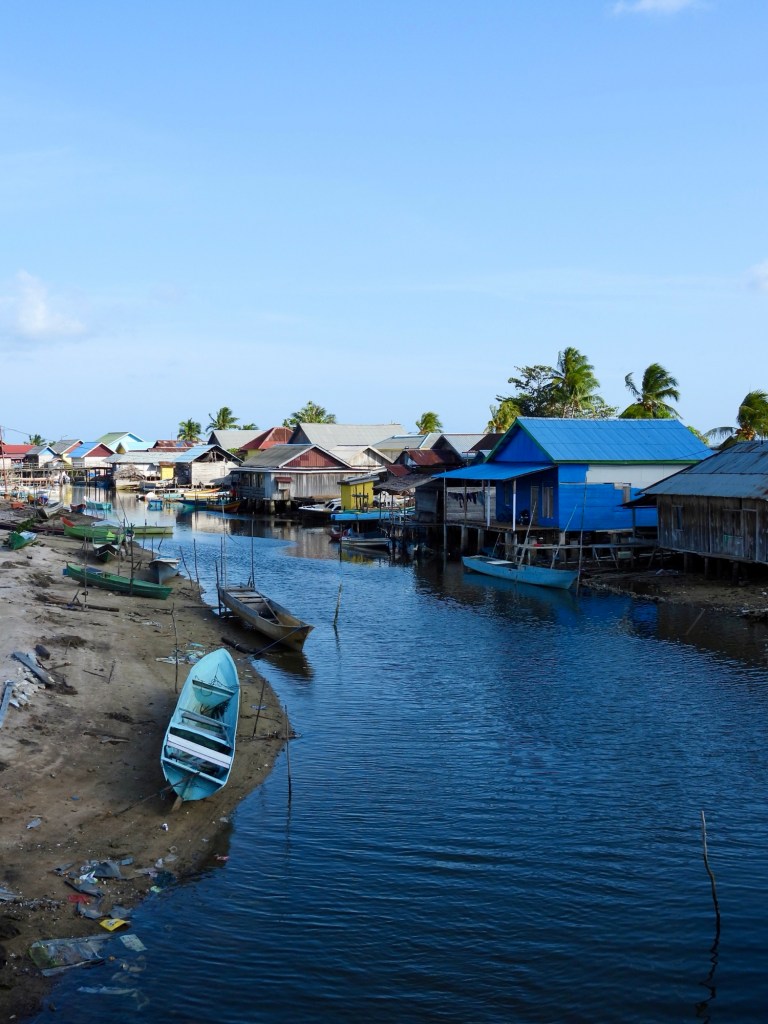
NYC: The Cure for Post-Holiday Blues

August 2026

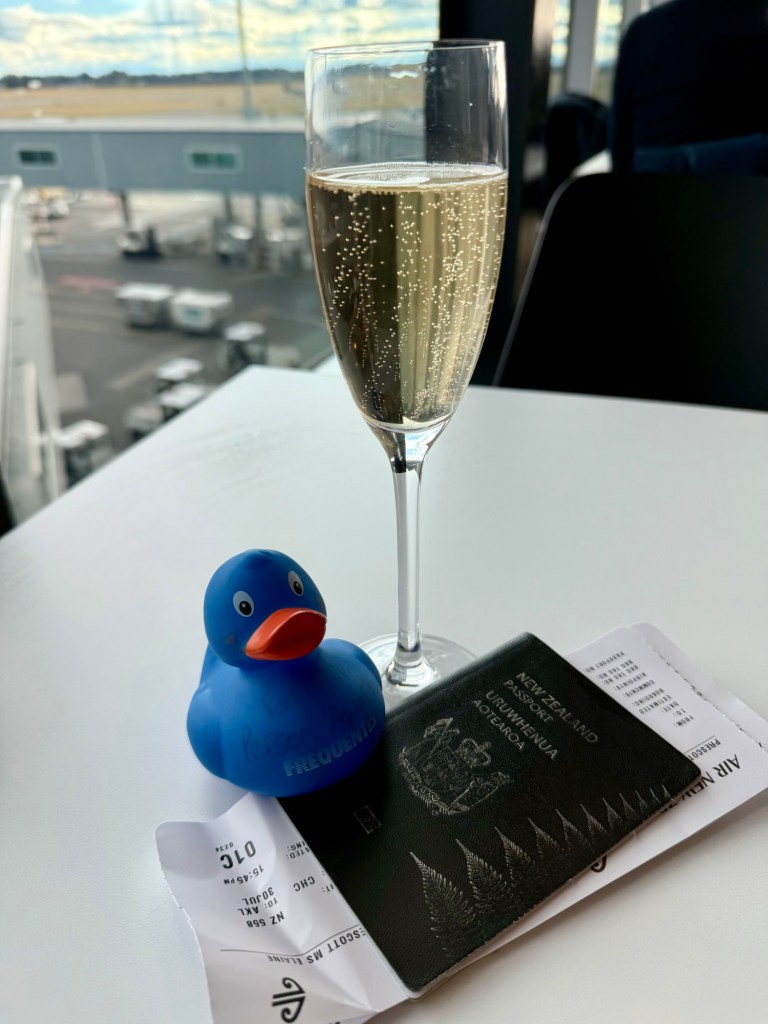
The only way I know to get over post-holiday blues is to either book another holiday or go on another holiday.  Naturally, I did both. And so, in what I freely admit was a somewhat extravagant decision, I headed to New York City for a few days. 

I know. Who goes all the way to NYC for a few days? Apparently, me!

But I had two very good reasons (in my mind anyway): I had booked tickets to see a couple of shows, and I had been dreaming about Liberty Bagels ever since my last visit in December.  Sadly, one of those show plans didn’t quite work out. I had been yearning to see Chess again, but that was cancelled. Still, there were plenty of other things to look forward to.

The 16-hour flight went smoothly, and I was pleasantly surprised by how quiet arrivals at JFK airport were. I don’t think I’ve ever got through an American airport quite so quickly — I was out and on my way within about 30 minutes of getting off the plane.
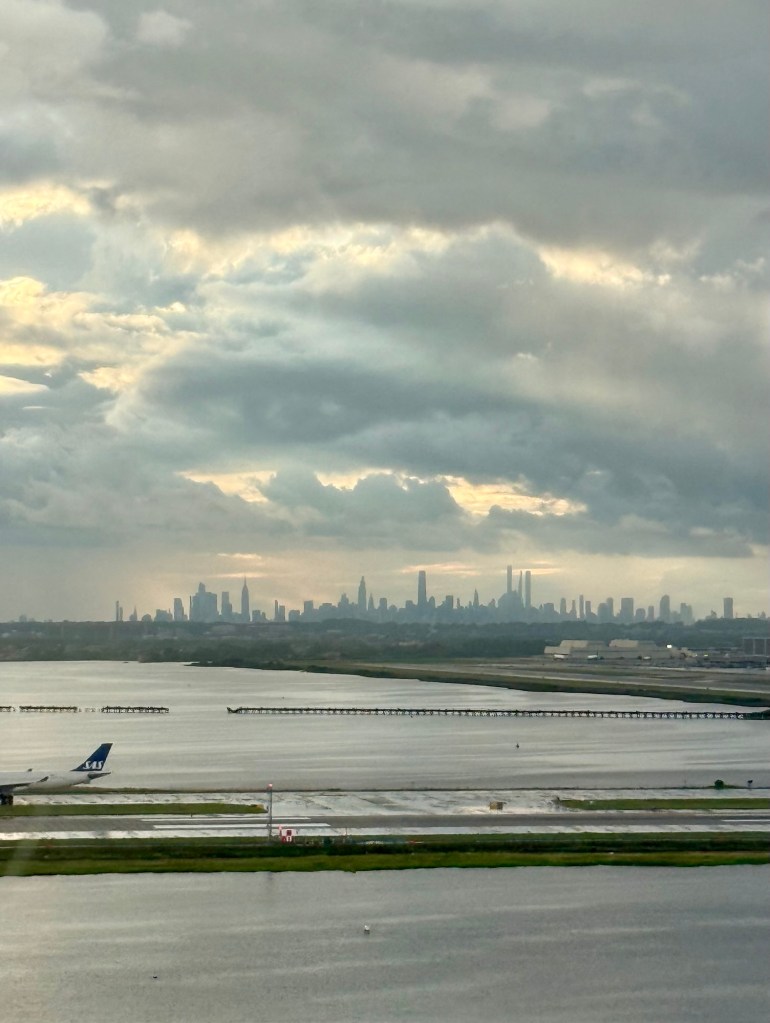
I caught the train into the city, although here’s a tip: buy your ticket before you get on.  I had no time because I had to run for the train, so I jumped on and sorted the ticket afterwards. This resulted in an $8 surcharge.  An $8 surcharge when the actual fare was less than $6.  I mean… cheeky.

Once in Manhattan, it was an easy walk to the hotel and, as always, I had that immediate feeling of I love this city. A good night’s sleep followed, which was exactly what I needed.
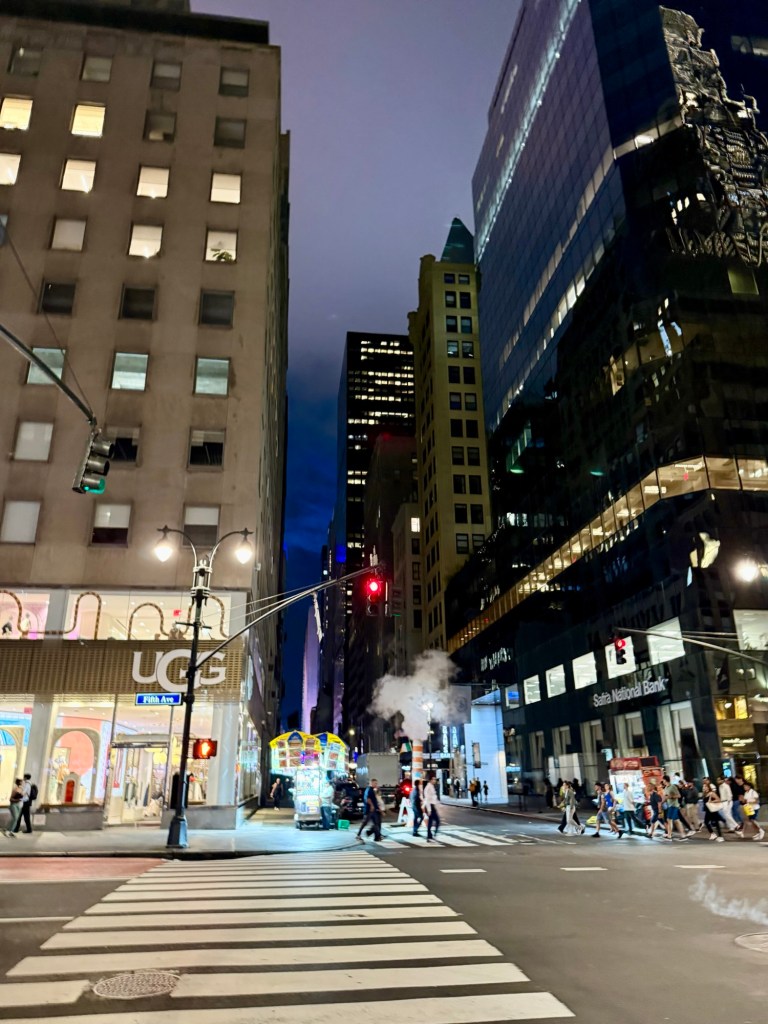
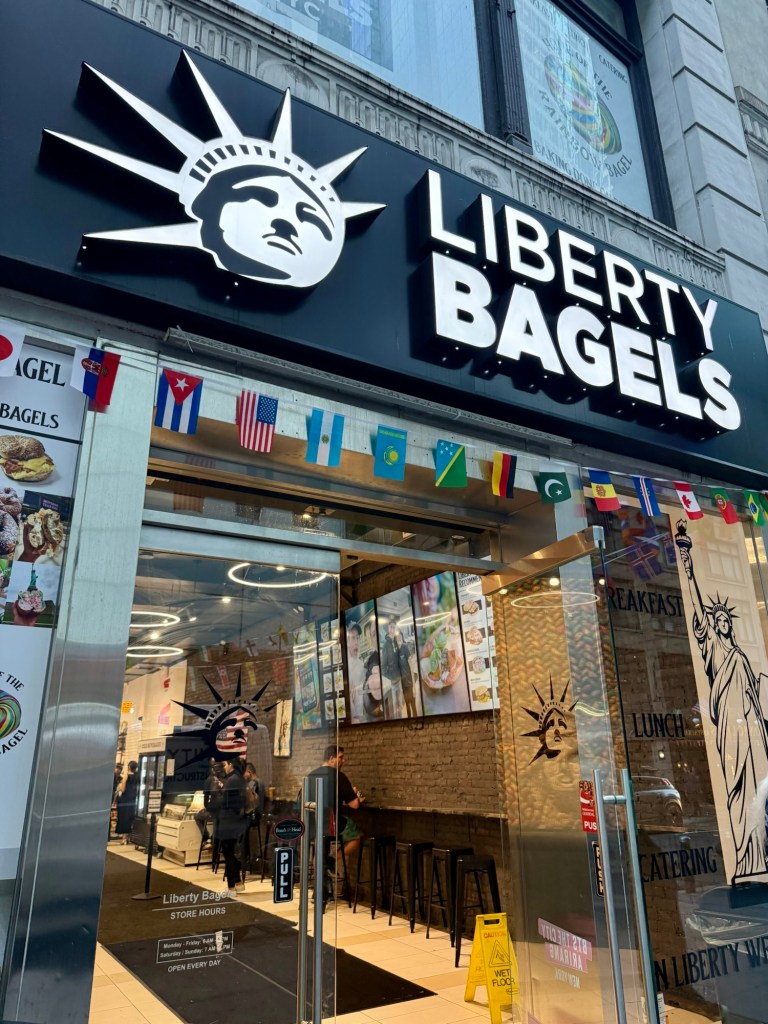
And then, first things first… Liberty Bagels!  I had discovered a new Liberty Bagels location, closer to my hotel and unlike the original, which has that wonderful old-school, hole-in-the-wall bagel-shop feel, this one was big, clean and rather fancy.

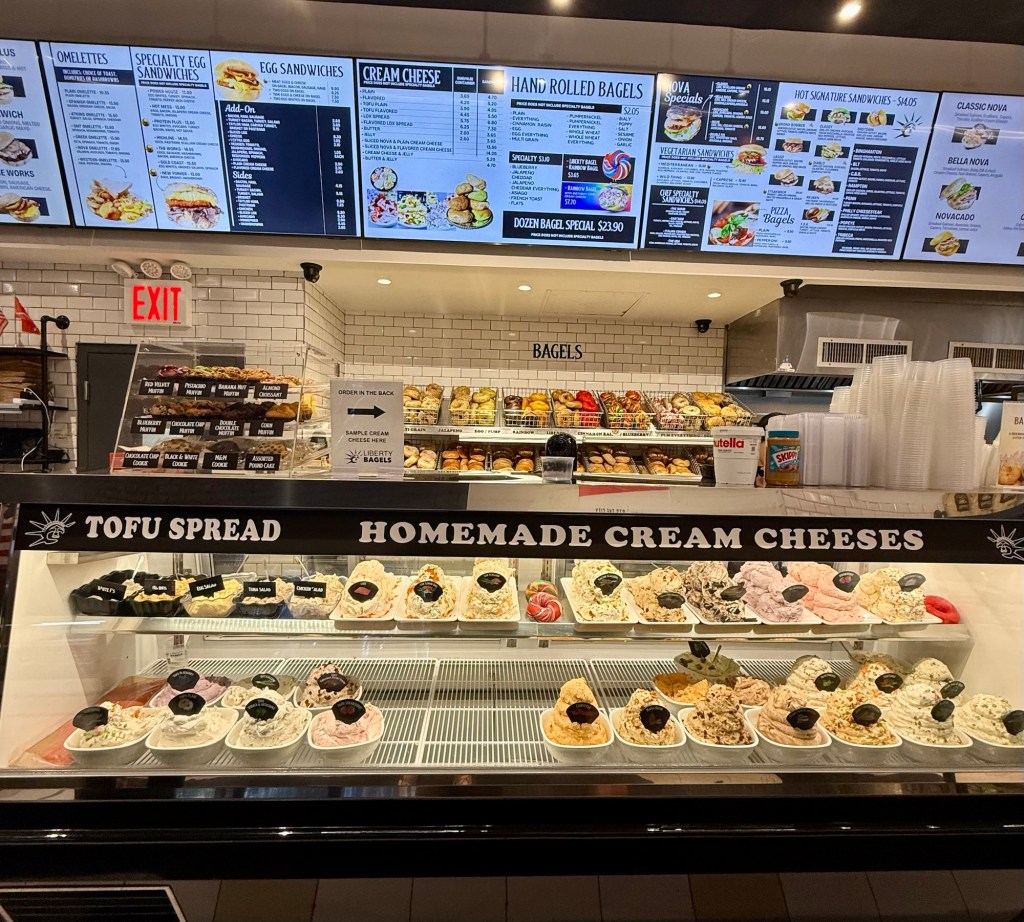
But the important thing was the bagel.  I had been dreaming about these since I left New York in December, and thankfully they did not disappoint.  Worth the trip? Absolutely.
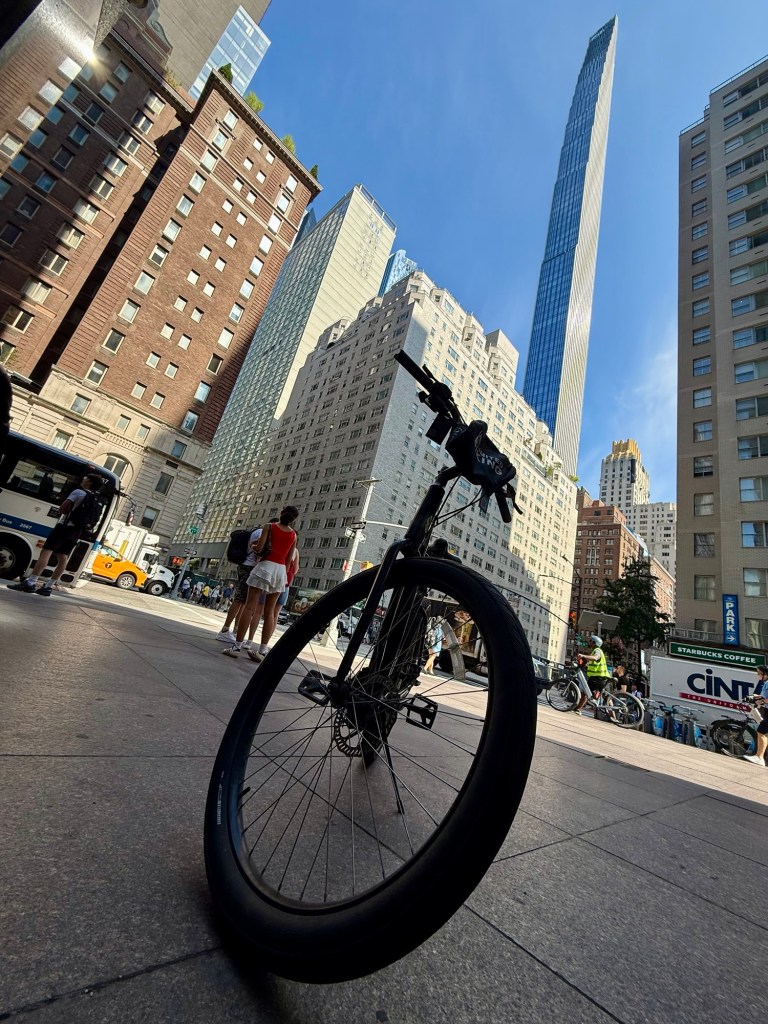
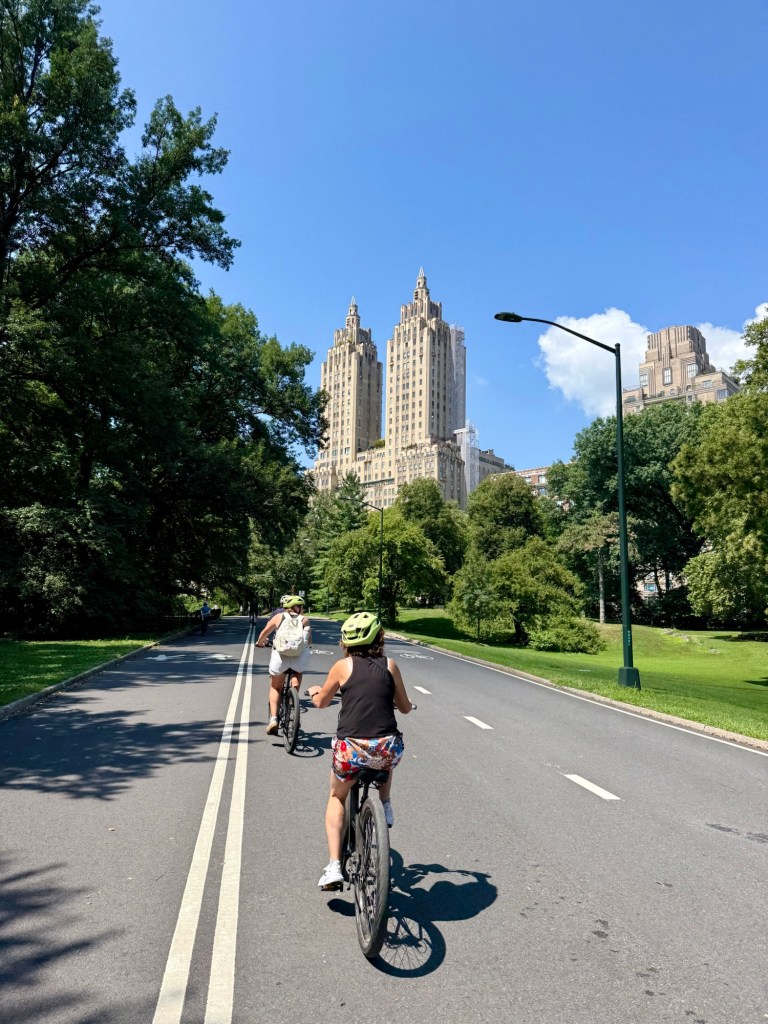
Next up was a 10am bike tour of Central Park.  We were told to check in 15 minutes before the start, so naturally I did exactly that… and then stood around wondering why we were waiting for people who were late! 

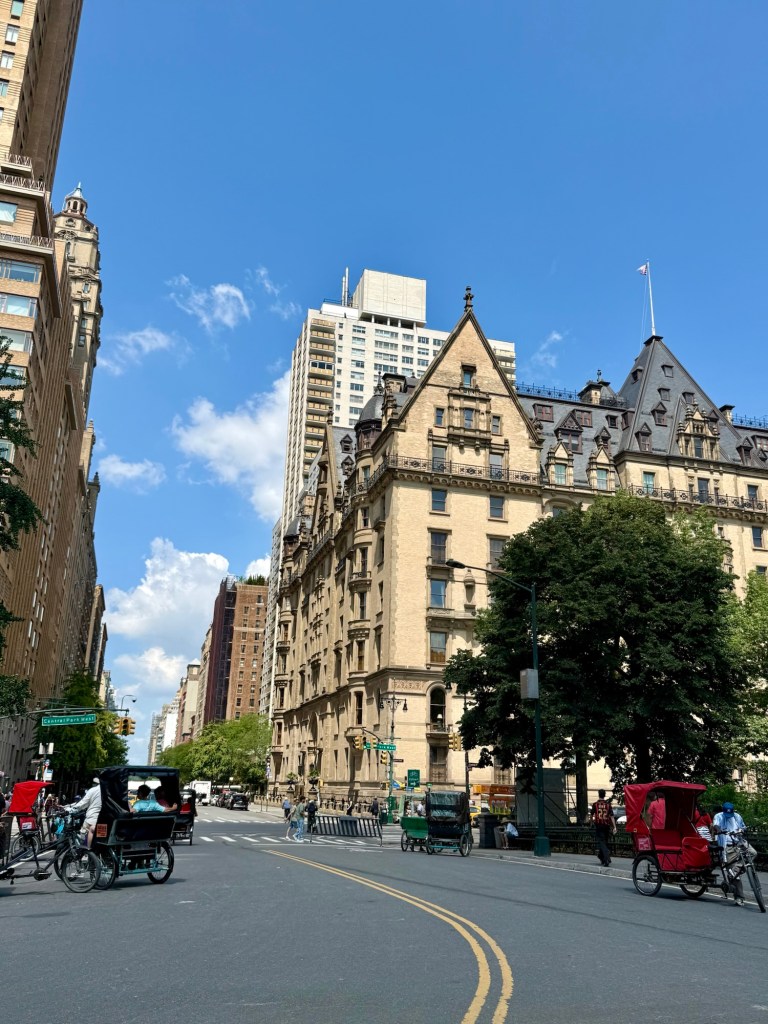
Our guide was an estate agent (the bike tours were just a little fun side hustle for him), which became increasingly obvious as the tour went on. Along with the history of Central Park, we got plenty of information about the surrounding buildings, what famous people lived where, and naturally, what the apartments cost.

Central Park dates back to the 1853 and was one of the first major public landscape parks in the United States. It’s enormous, over 840 acres, and apparently attracts around 42 million visitors a year.
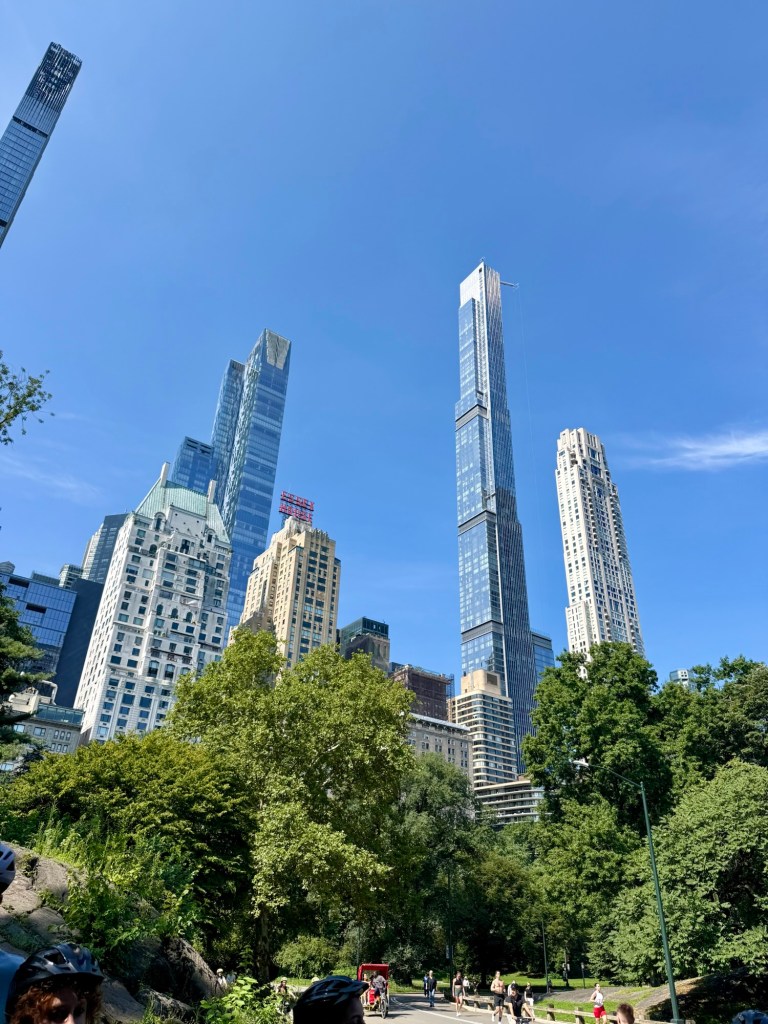
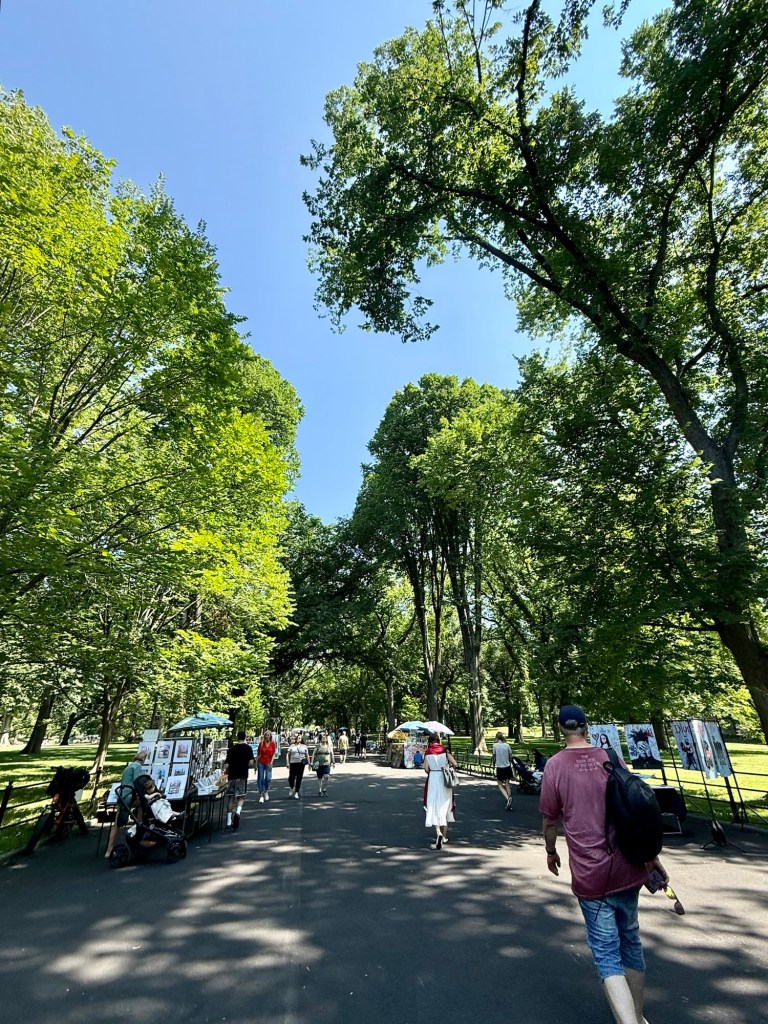
We cycled past Bethesda Fountain and Bridge, the boat pond, Cleopatra’s Needle and the Jackie Onassis Reservoir, with its beautiful views across the park.

There were plenty of film and TV references too. Central Park is one of the most filmed locations in the world, so it was fun recognising places I’d seen on screen.

We also passed the Dakota building, which was once the northernmost building in Manhattan. John Lennon lived there and was tragically killed outside the building in 1980. Nearby is Strawberry Fields, the small memorial dedicated to Lennon. Someone is almost always there singing his songs but unfortunately, we were running late so did not have time to take in the atmosphere.
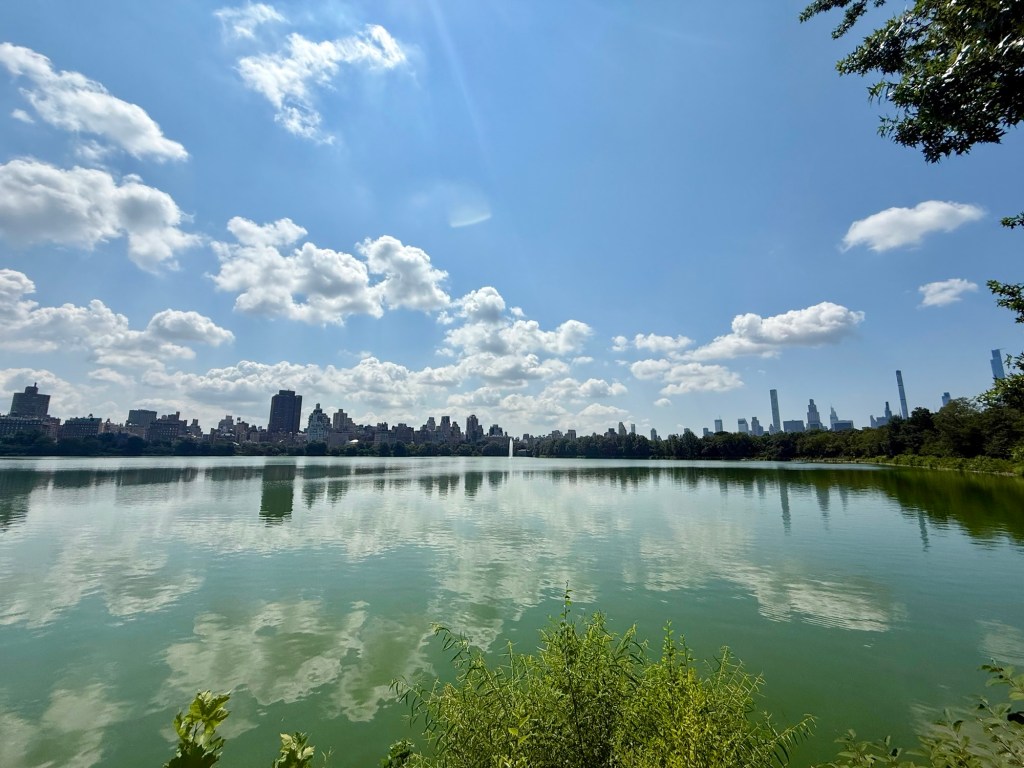
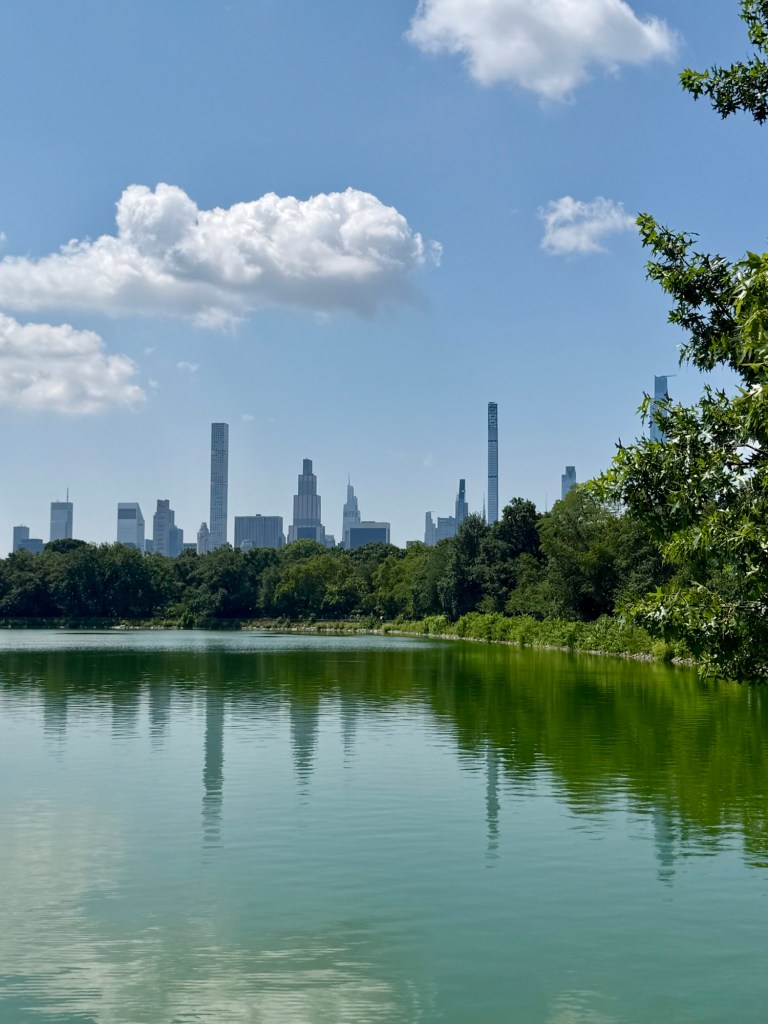
The bike ride itself was good, although it was a little slow and involved rather a lot of waiting. One member of the group was 10 and had only recently learned to ride a bike, which perhaps wasn’t ideal for a group sightseeing tour.   Still, Central Park is Central Park, and it’s a lovely way to see it.

After the bike tour I wandered around the shops, but I didn’t buy nearly as much as I thought I would.   Except at Hershey’s, obviously.

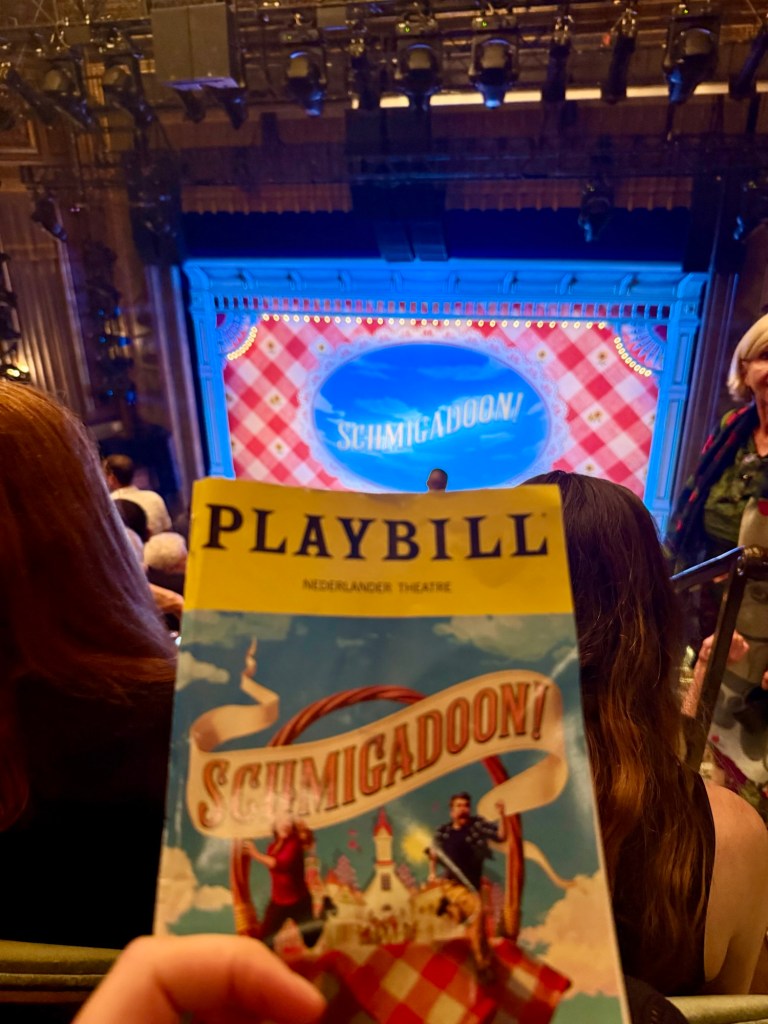
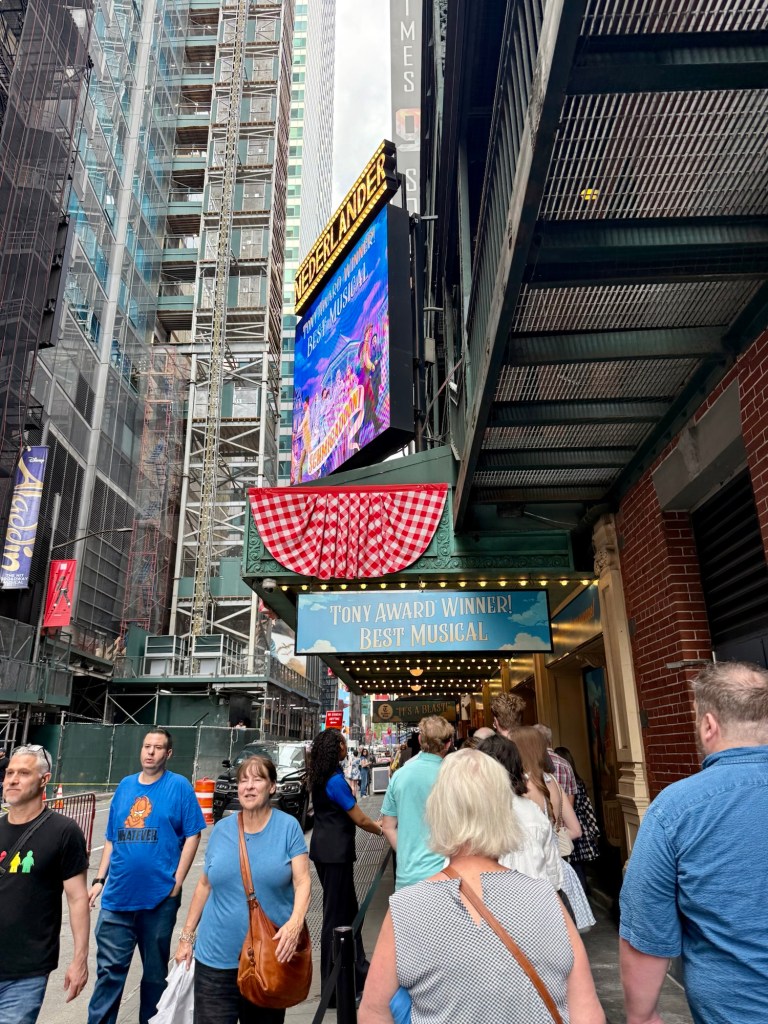
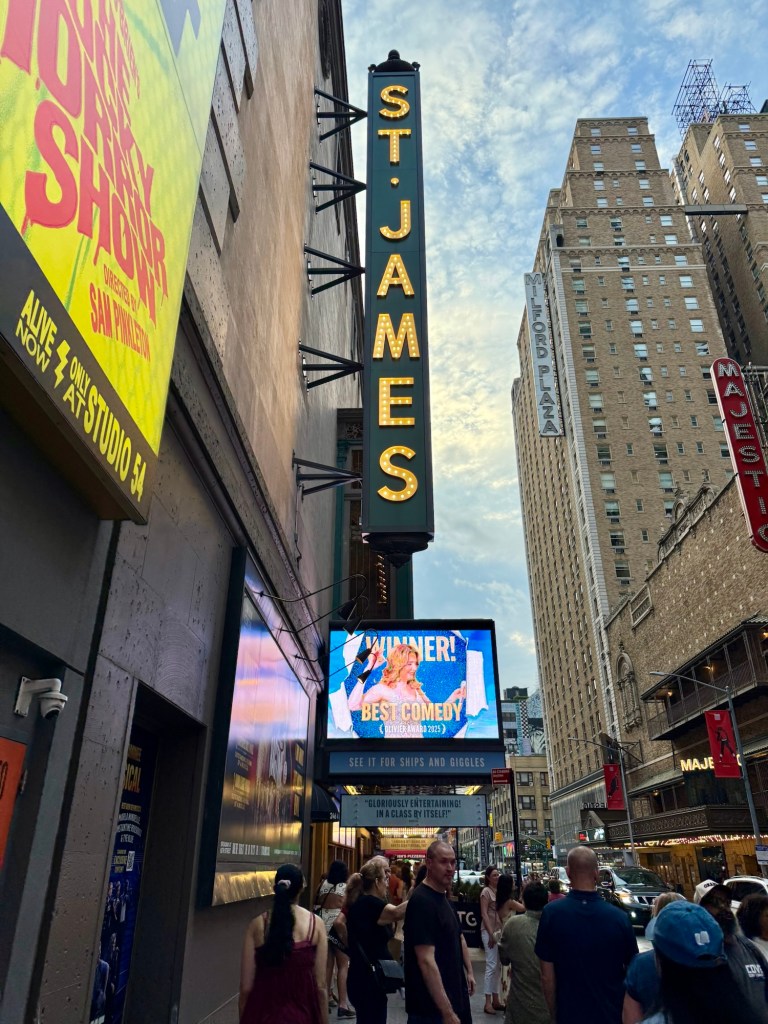
After a few hours of relaxing, it was time for the first show of the trip: Schmigadoon. The show had won the Tony this year, and the audience was clearly very happy to be there. It was ridiculous and wonderful, and the sold-out crowd spent much of the evening hooting, hollering and generally having a fantastic time.  It was so much fun — and a brilliant way to start my NYC theatre marathon.
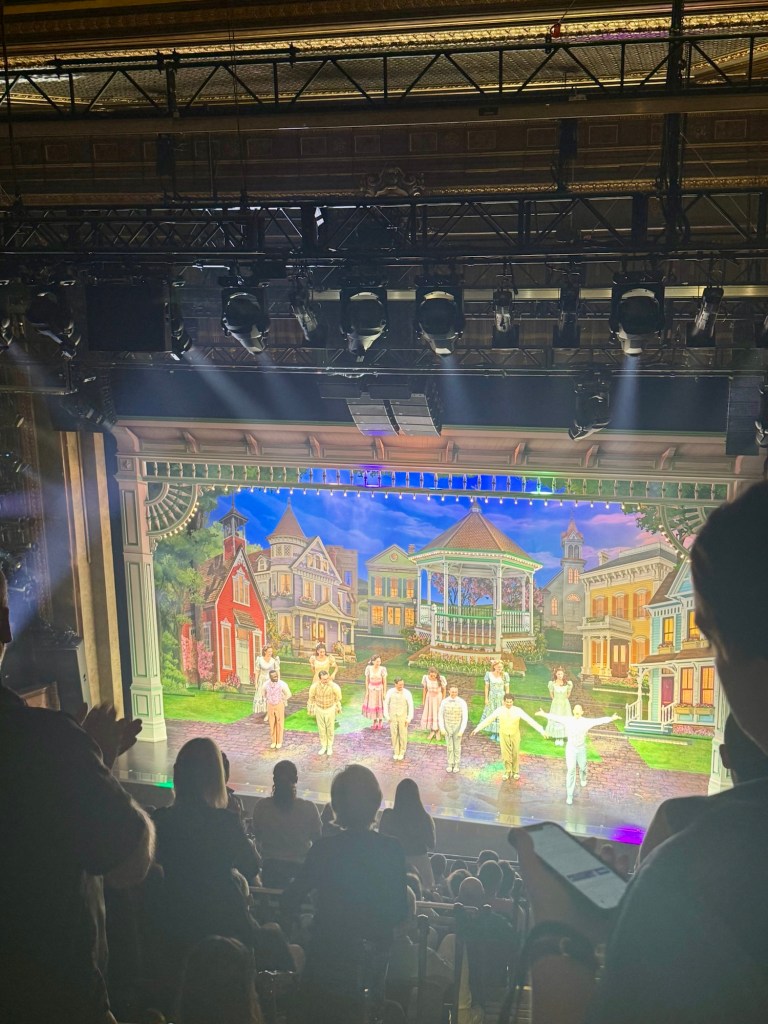
I even managed to resist buying a NZ$45 cocktail.  Those who remember the NZ$60 cocktail debacle from my previous New York trip will understand what an achievement this was.
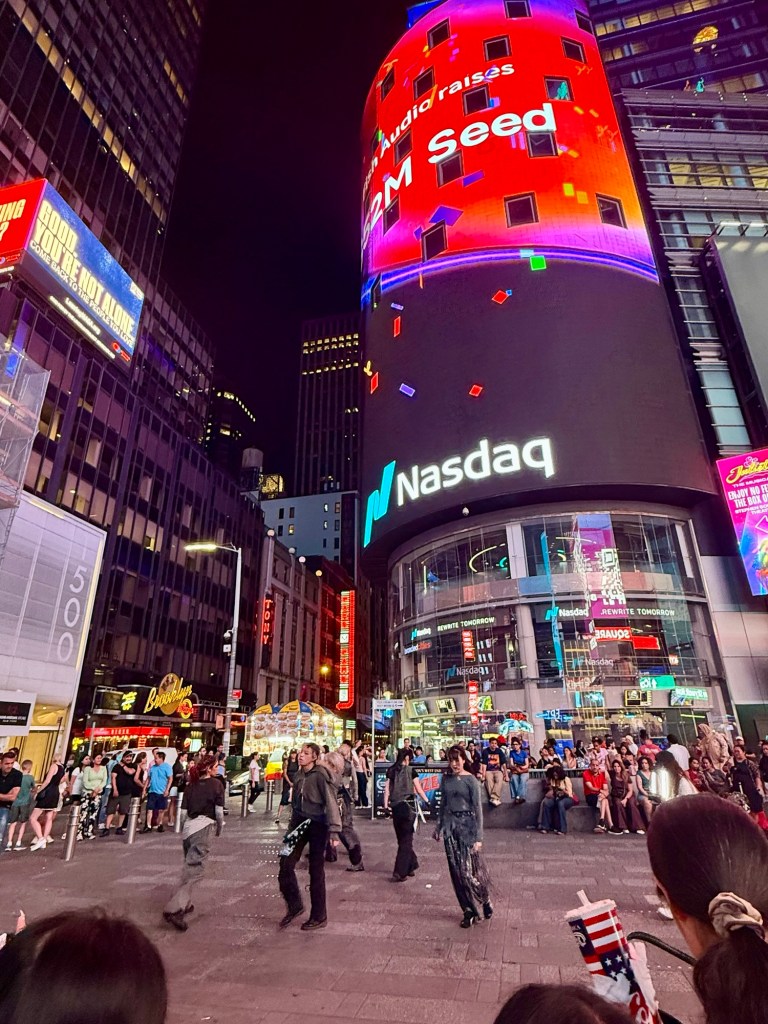
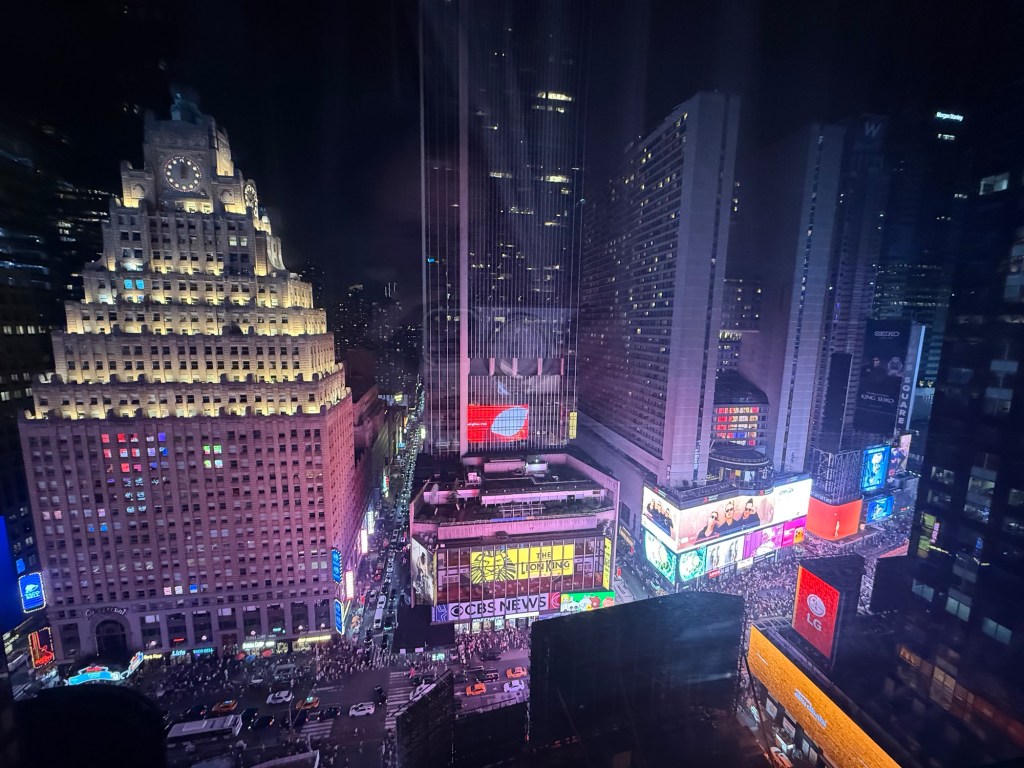
After the show, I walked back to my hotel through the crazy buzz of Times Square.  New York at night never disappoints.

The next day I headed out to meet my nephew as he arrived by bus from Rhode Island. We then took the subway downtown to the ferry terminal and hopped on the Staten Island Ferry.
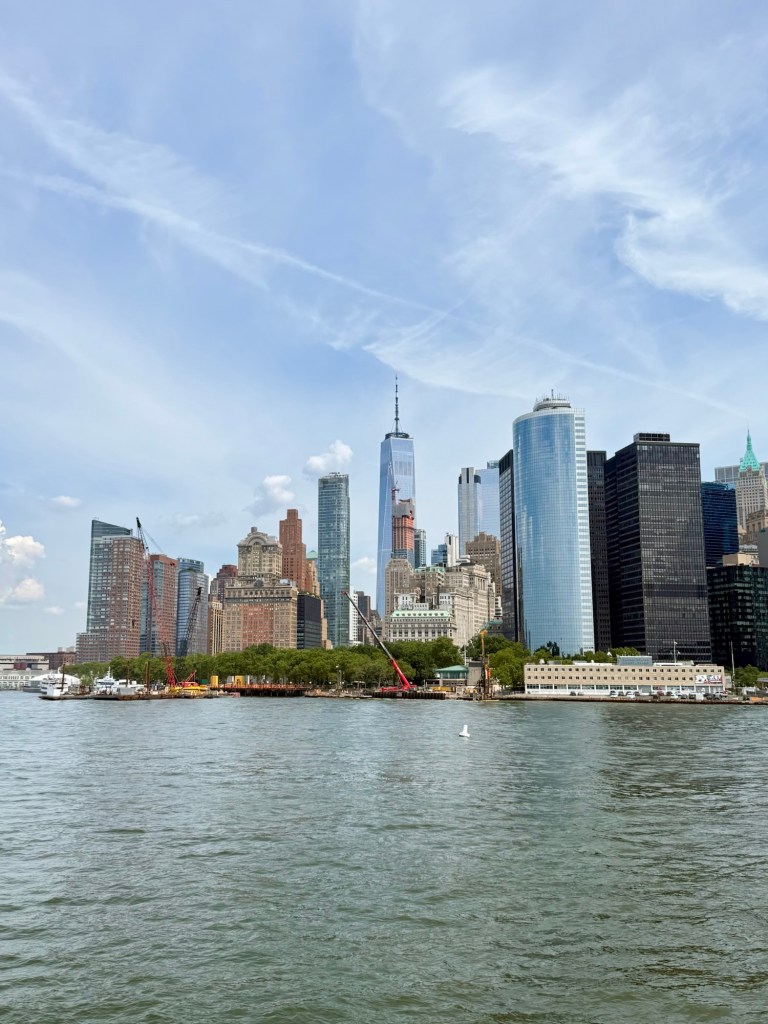
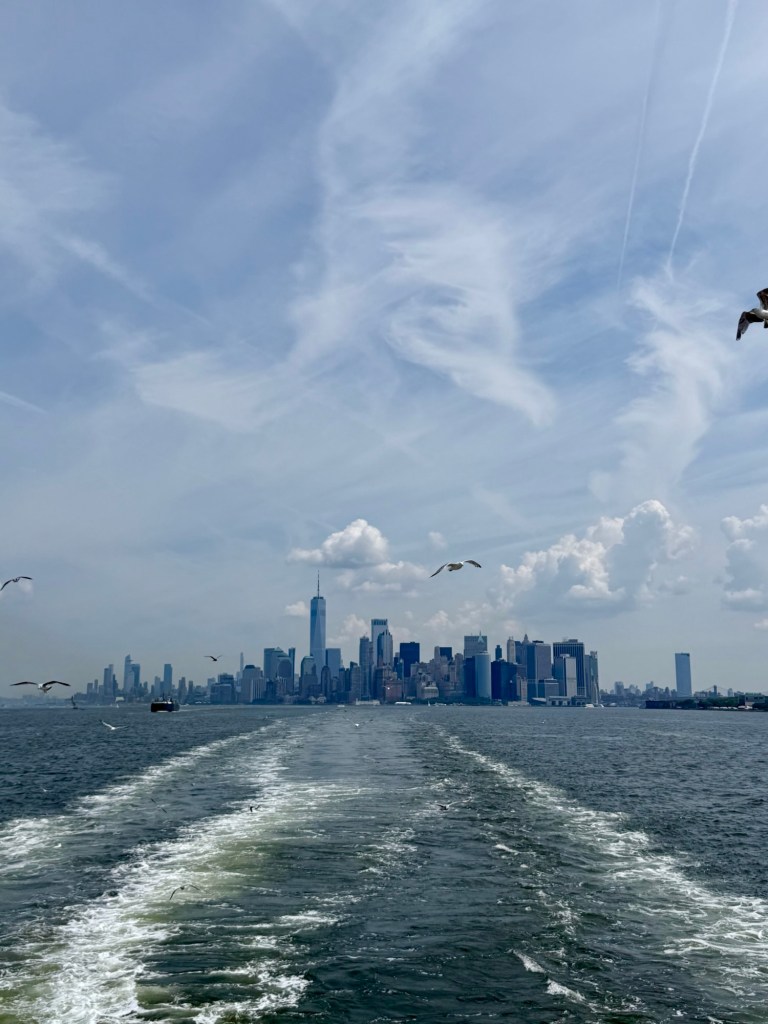
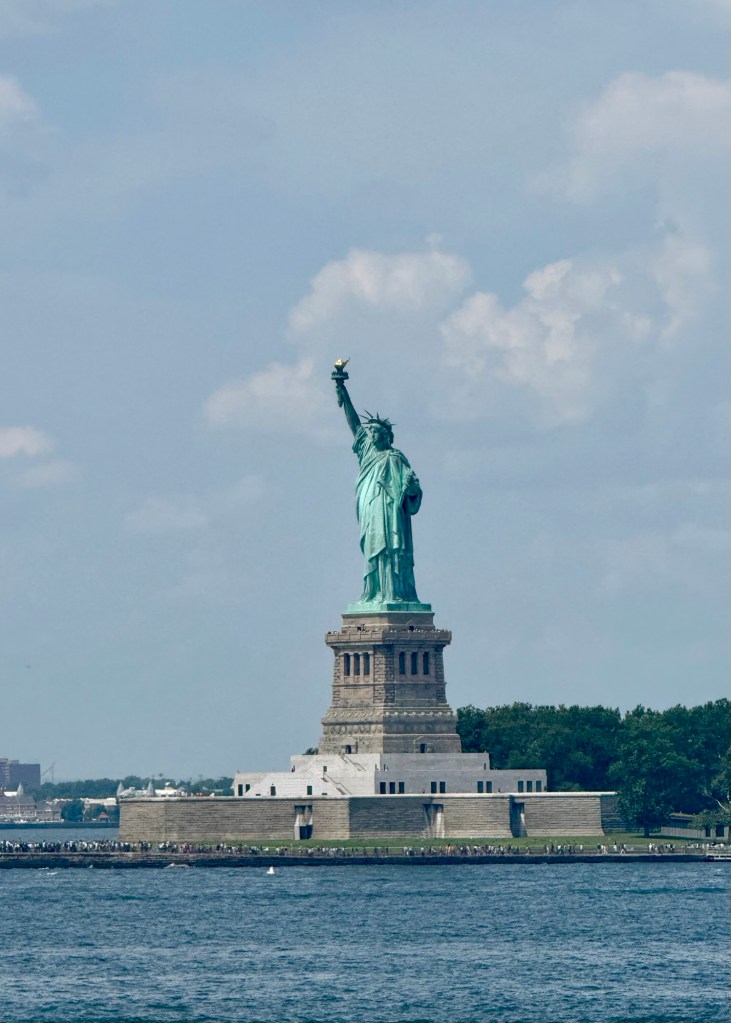
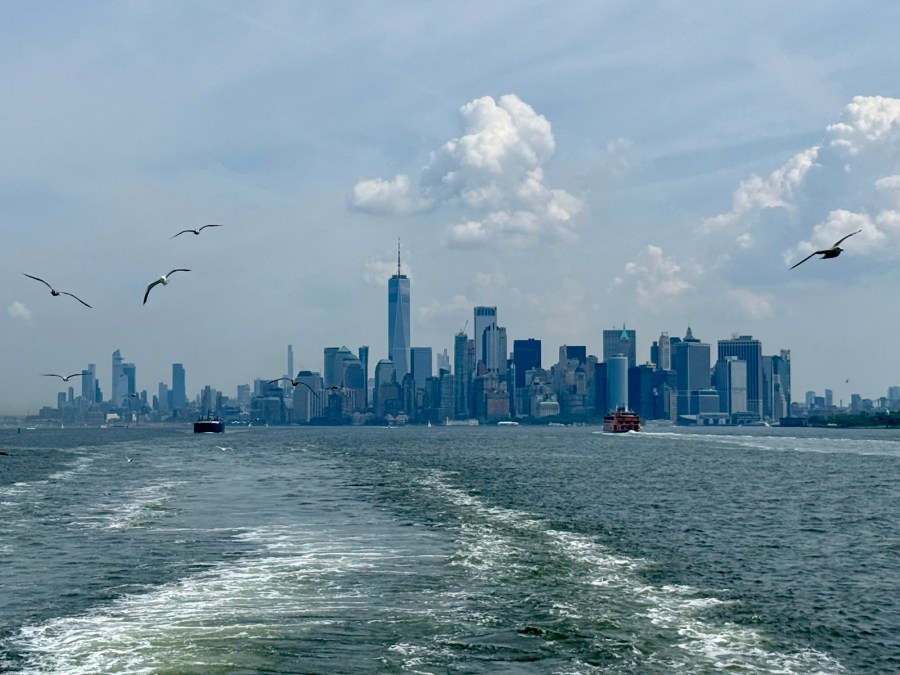
If you’ve never done it, this is one of the best free things to do in New York. You get fantastic views of the Manhattan skyline and the Statue of Liberty without paying for a sightseeing cruise.  There seemed to a lot of people waiting when we arrived, and we were concerned that we may not get on the boat, that was until we looked them up, and found out that most of the ferries can take over 4,500 people!  We were definitely going to get on lol. 
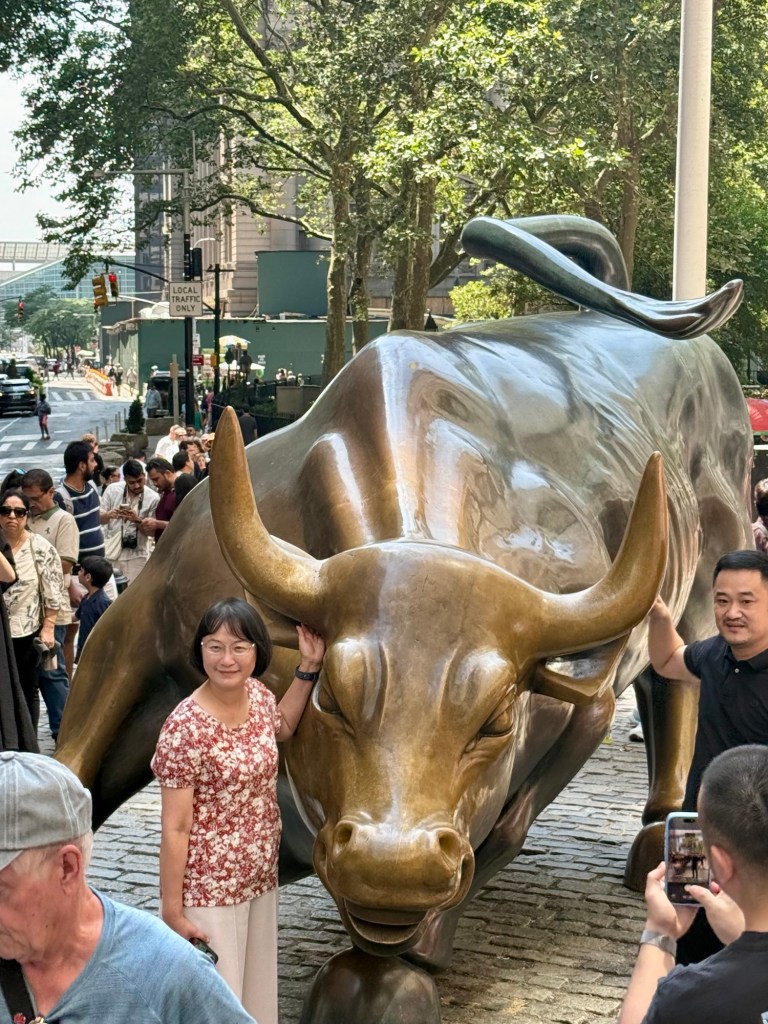
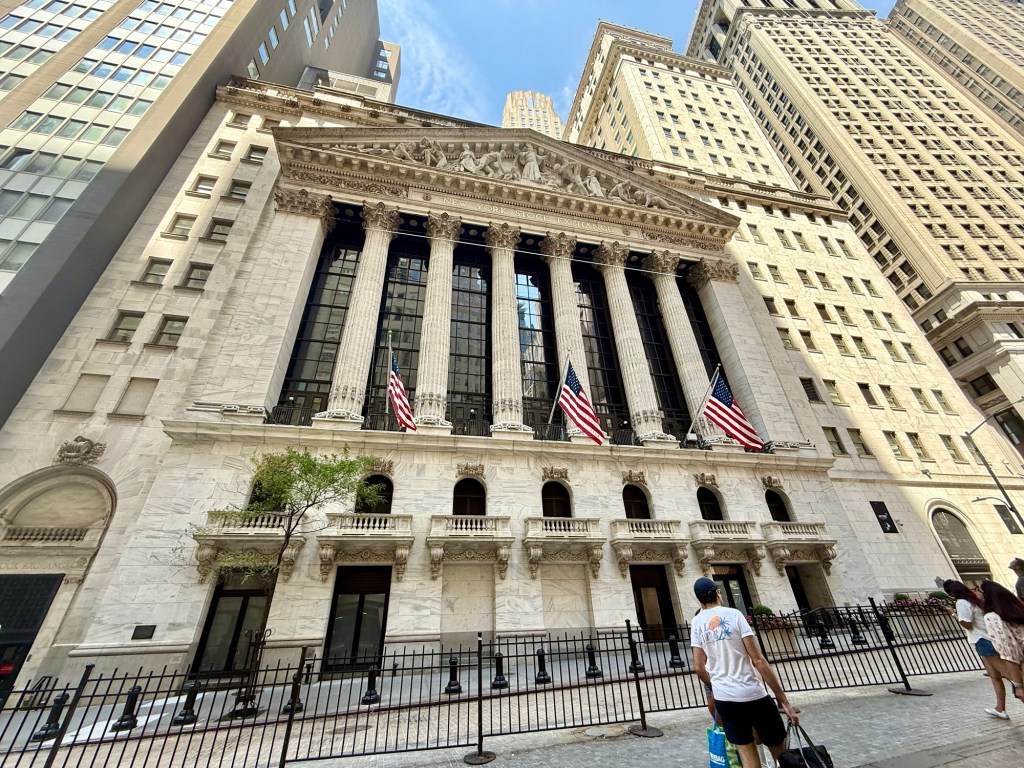
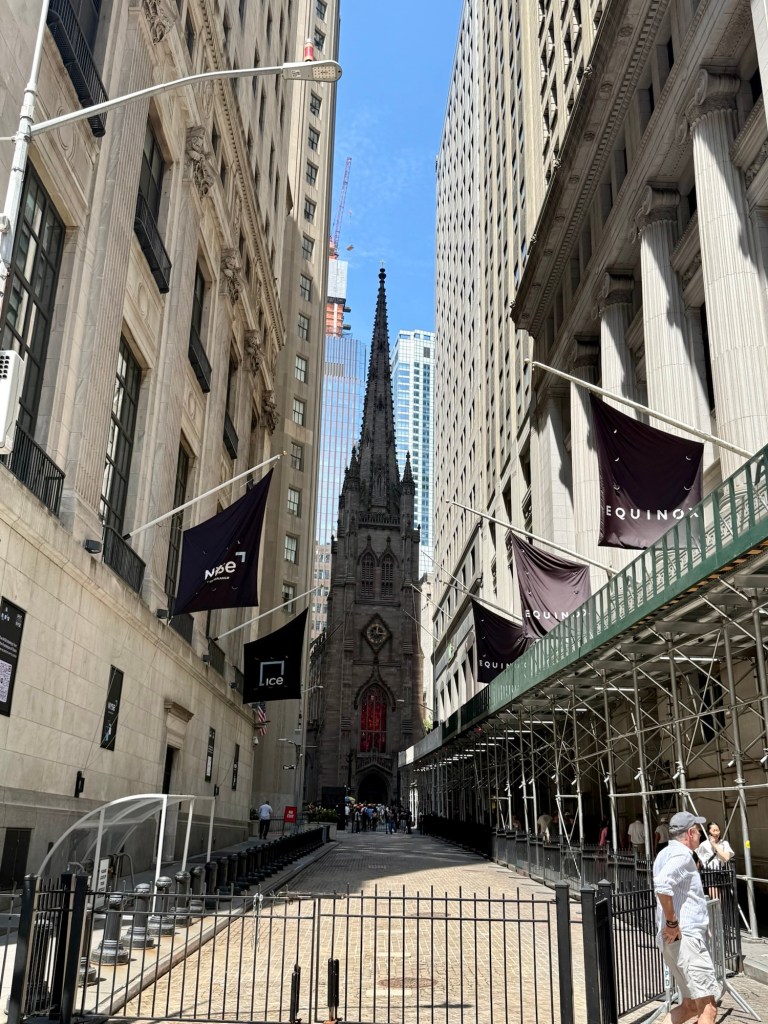
Back on Manhattan, we wandered around the Financial District, taking in the Charging Bull and the New York Stock Exchange. I also made up for my disappointing shopping performance the previous day with a visit to the Gap Factory store.

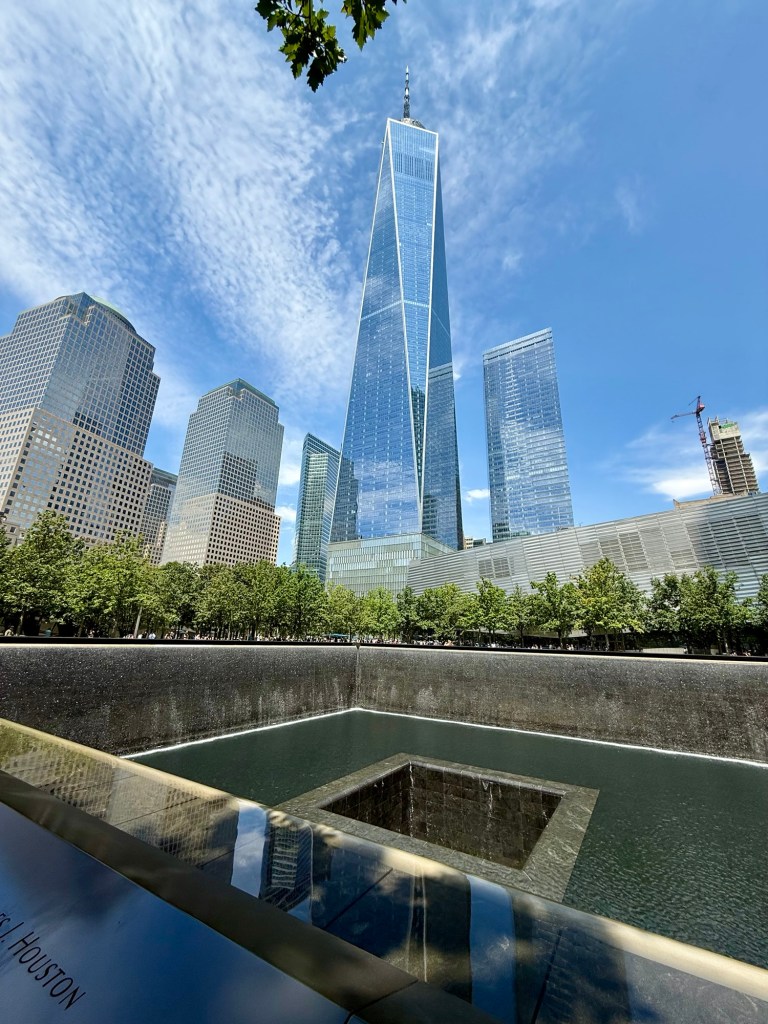
Next was the World Trade Center Memorial. I had seen it before when I visited in December, but on my last visit the water had been switched off because it was so cold. Seeing the fountains running this time made a surprising difference.
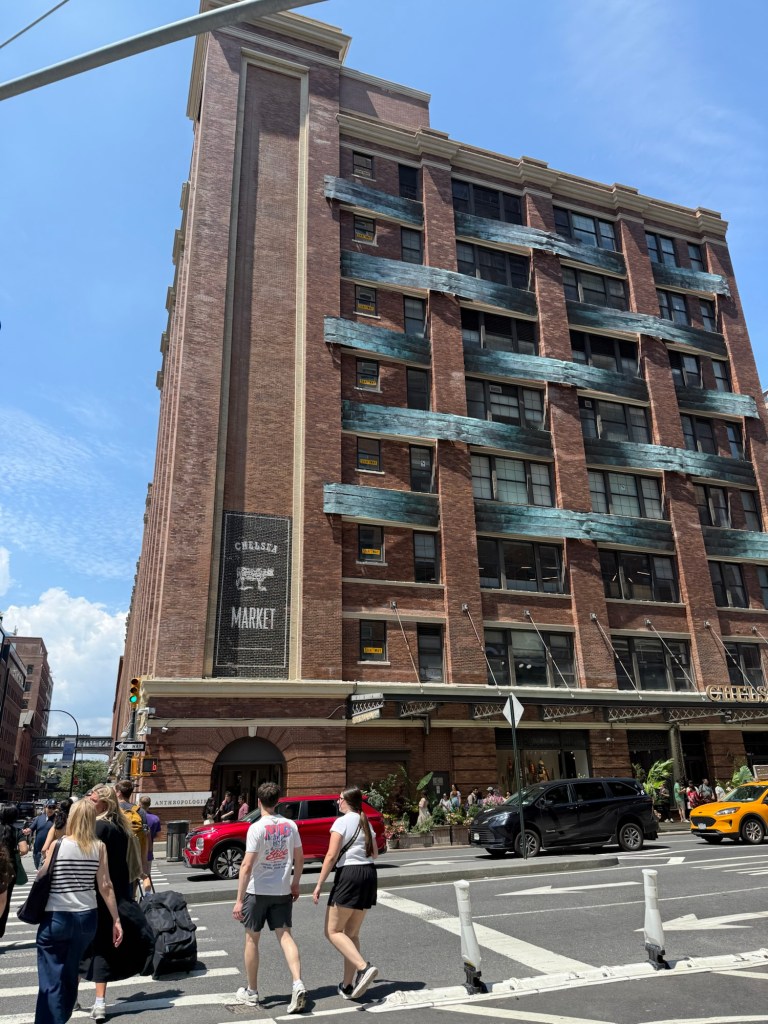
From there we headed to Chelsea Market for lunch.  It reminded me of our little local Riverside Market, but on steroids.  It was huge and there were sooo many people.  Thankfully it was air conditioned, and we enjoyed the much-needed escape from the heat outside.

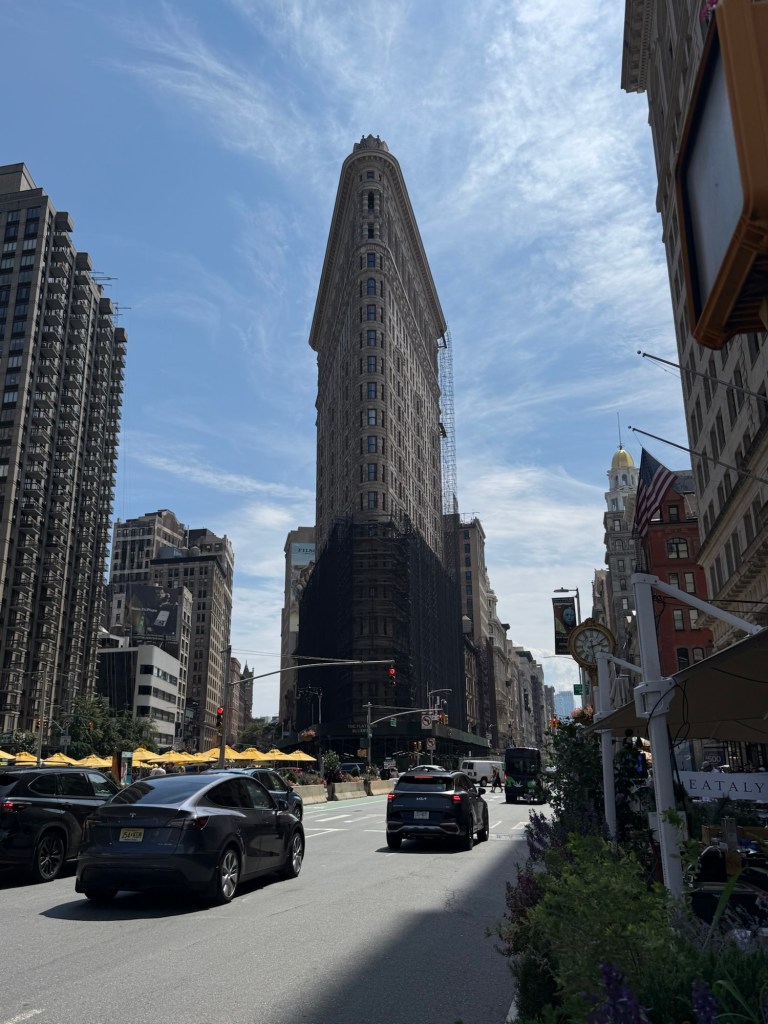
We decided to walk to our next destination — the Flatiron Building — which took us through some beautiful streets lined with trees and brownstones and then we headed back uptown towards Rockefeller Center and stopped for a drink in the area that becomes the famous ice rink in winter. It was delicious, but also so expensive – some things in New York never change.

Then it was time to head to the Top of the Rock. The views from here are fantastic — the kind of panoramic New York views that make you stop and remember just how enormous this city is.
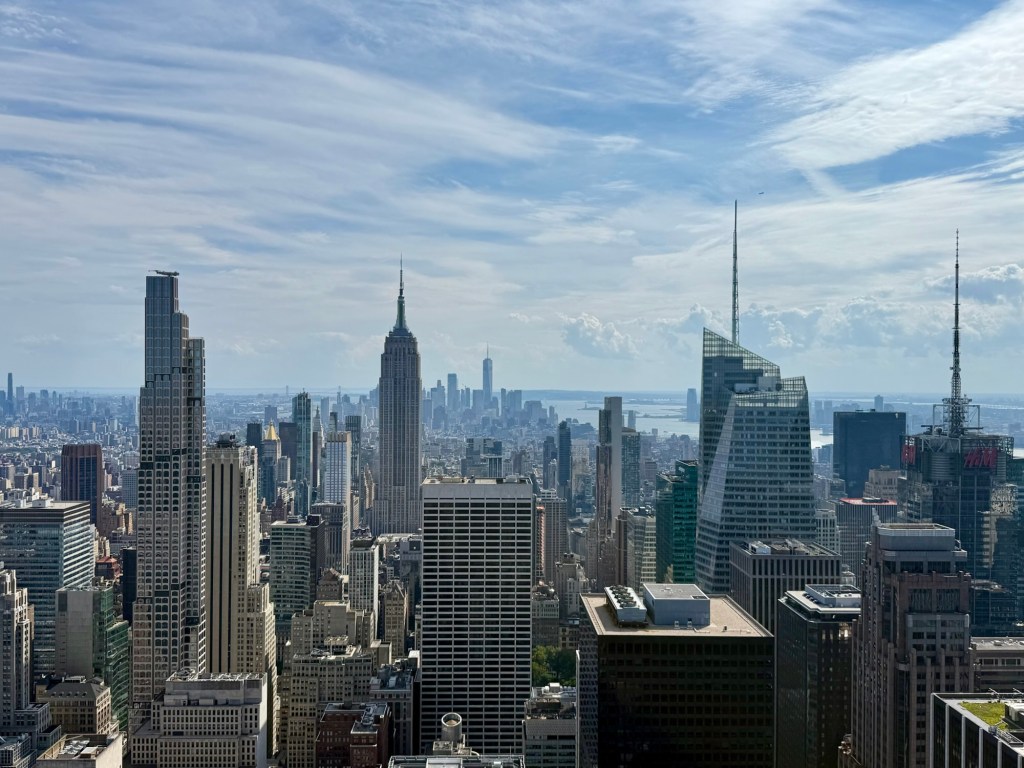
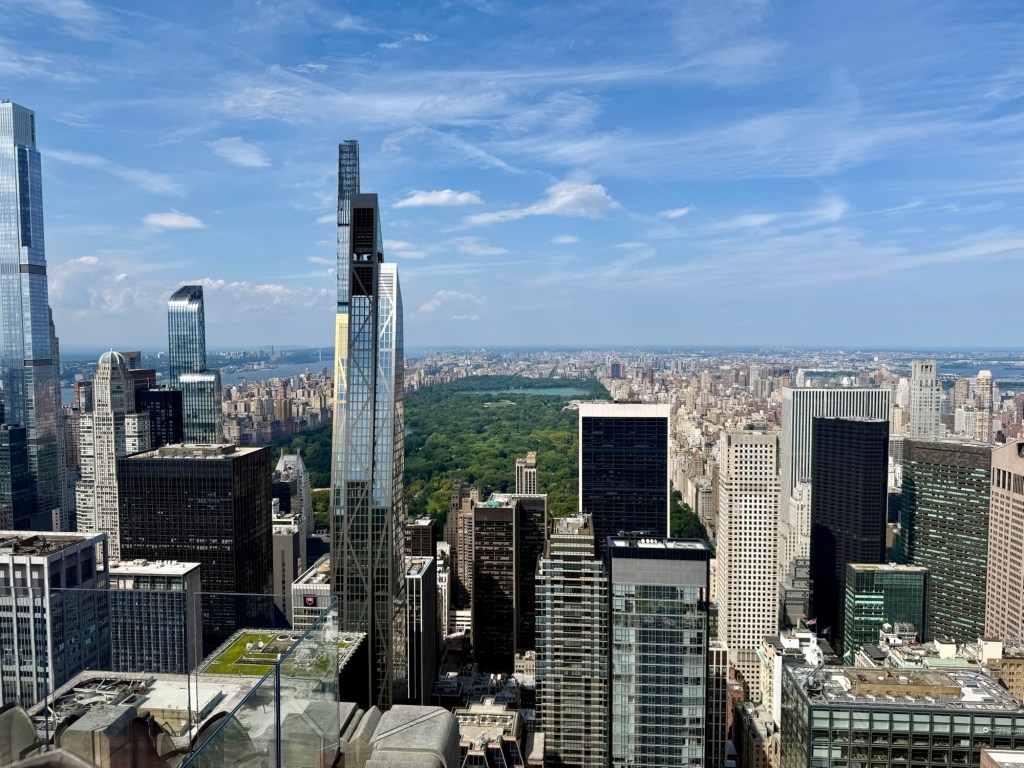
After looking around a few more shops, we slowly made our way back towards Times Square, where it was time to say goodbye as my nephew was on his way back to Rhode Island and I had just enough time to shower and change before the next show.

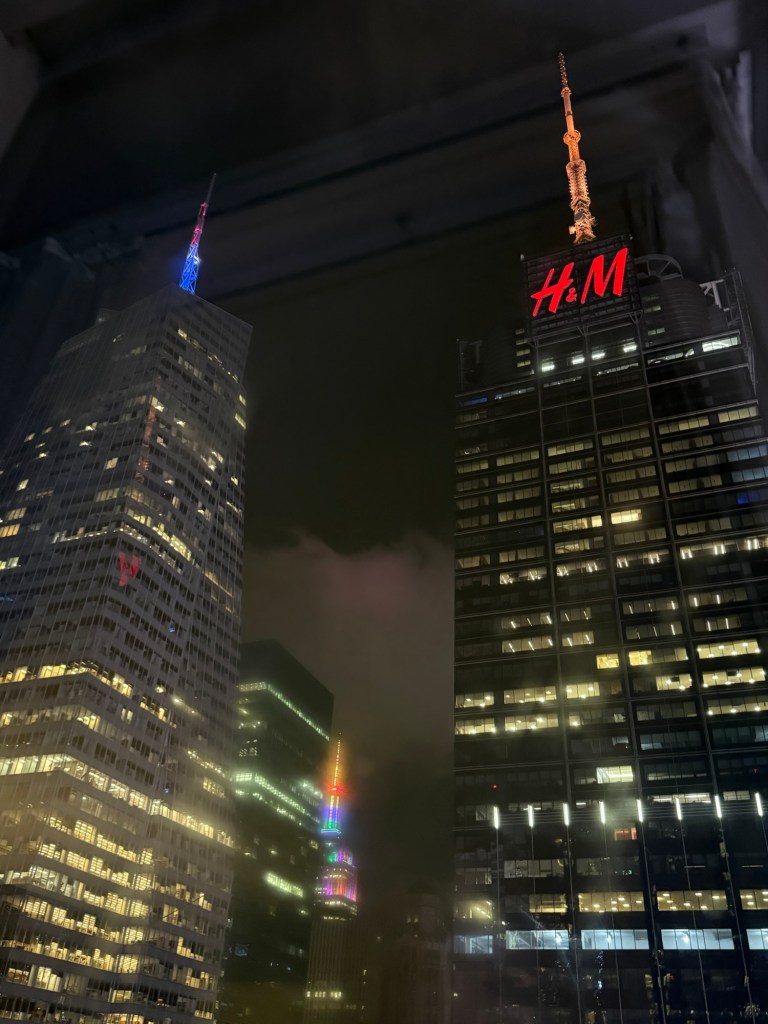
That night’s show was Titanique. It was another silly, amusing show and again the New York crowds whooped and cheered throughout the show. Another great night and I did I mention I had a great night time view from my hotel?
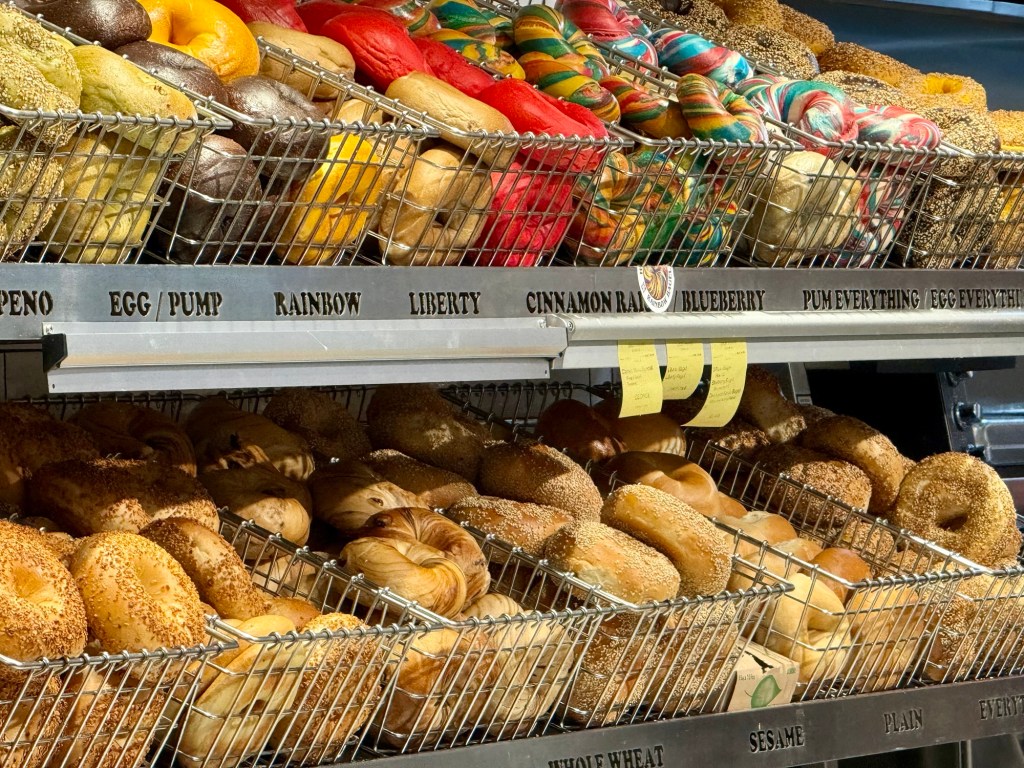
Sunday morning began with another bagel run, possibly too successful as they gave me 5, rather than the 3 I had ordered. Although I would never complain about too many bagels, it did mean every meal for the rest of my trip had to be a bagel lol. (And yes, there are really that many different bagel options and almost as many cream cheese options!)
I had a rough plan for my final full day, starting in Hell’s Kitchen before heading towards the Hudson River and the High Line.  What was once an elevated railway line is now a beautiful public park, with trees, wildflowers, art, interesting architecture, water features and places to sit and relax. And the views aren’t bad either.
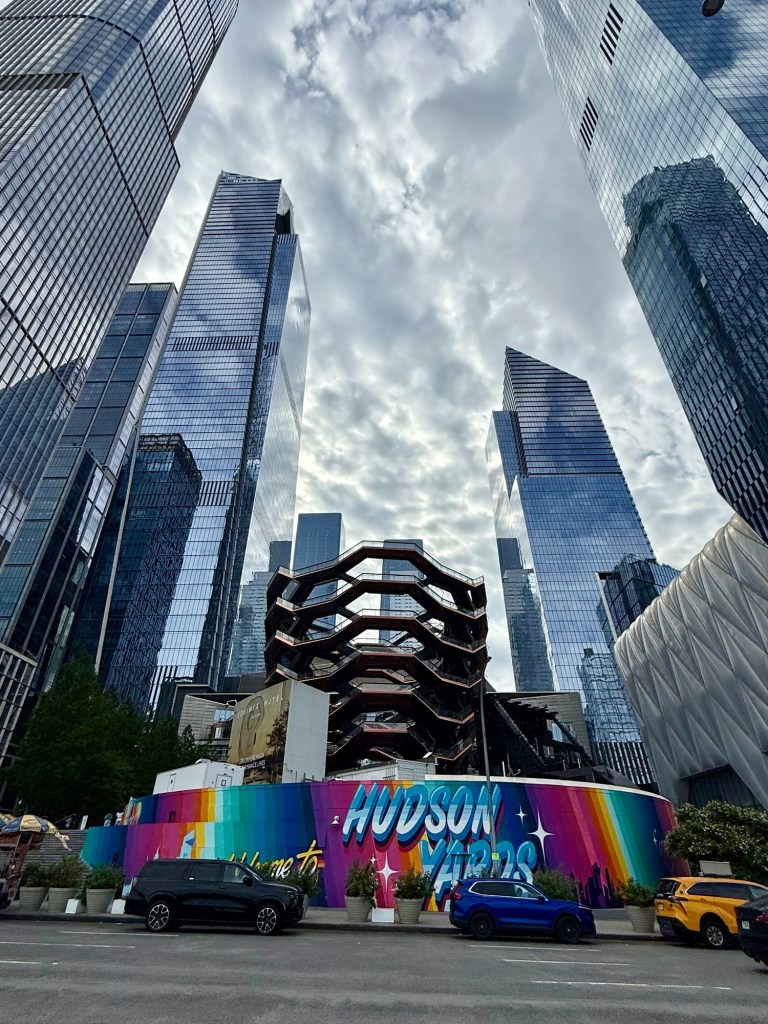
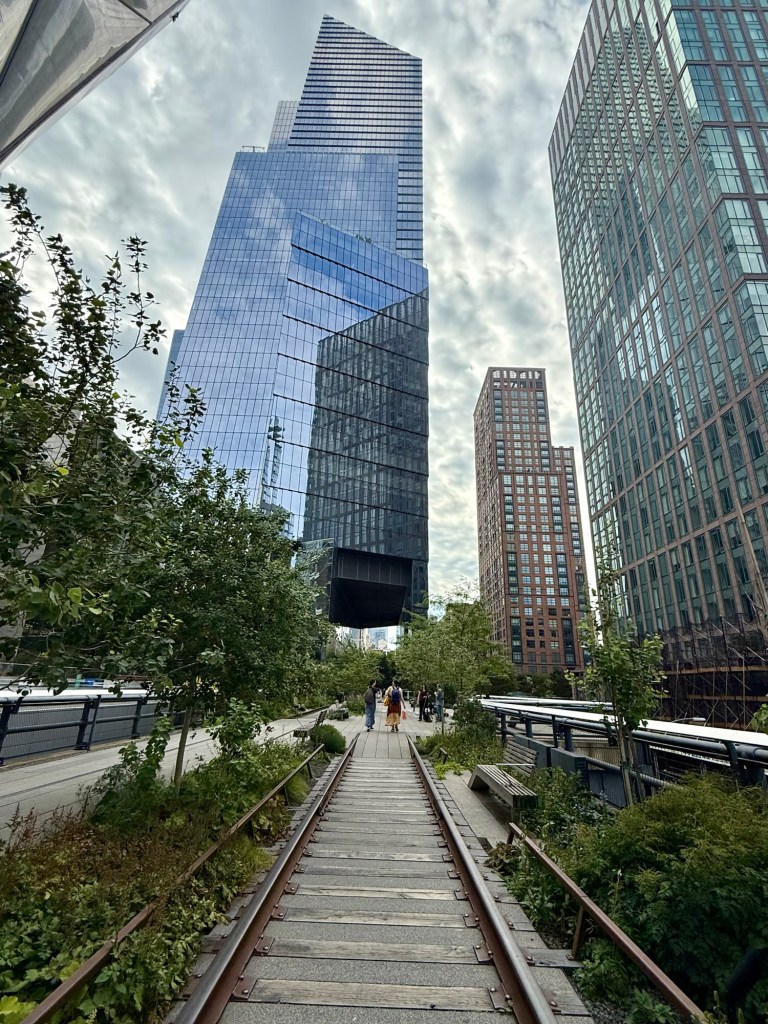
You can look across the Hudson towards New Jersey while wandering through this unexpected green space above the city. It’s one of those places where you can forget, for a little while, that you’re in one of the busiest cities in the world.
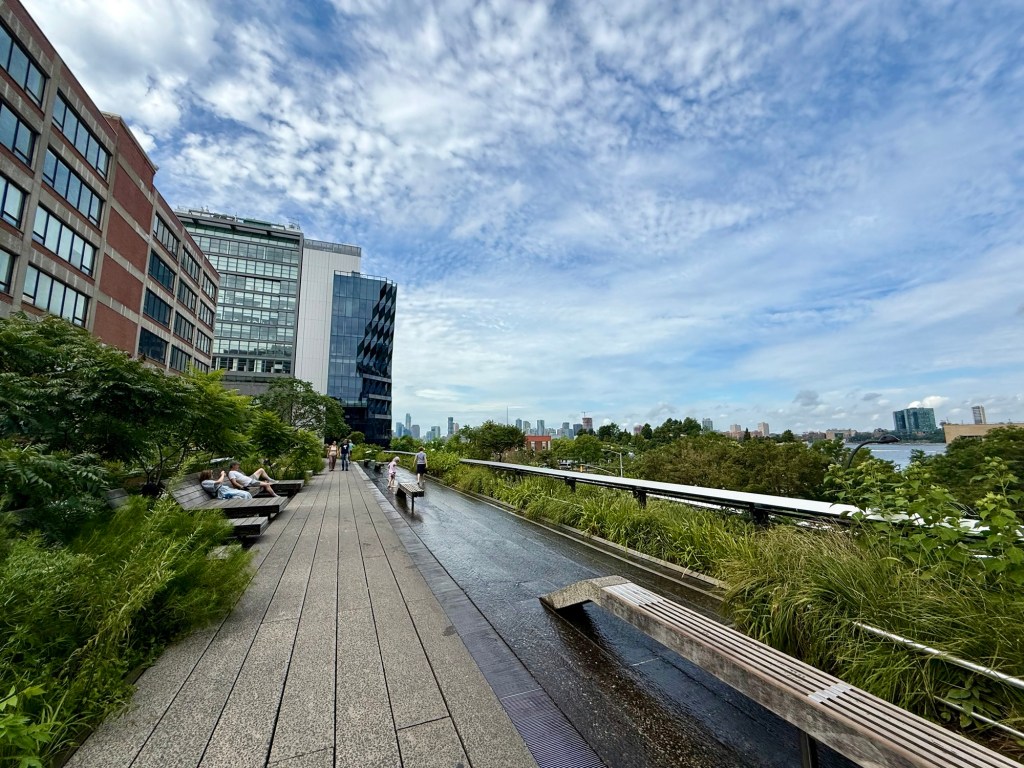
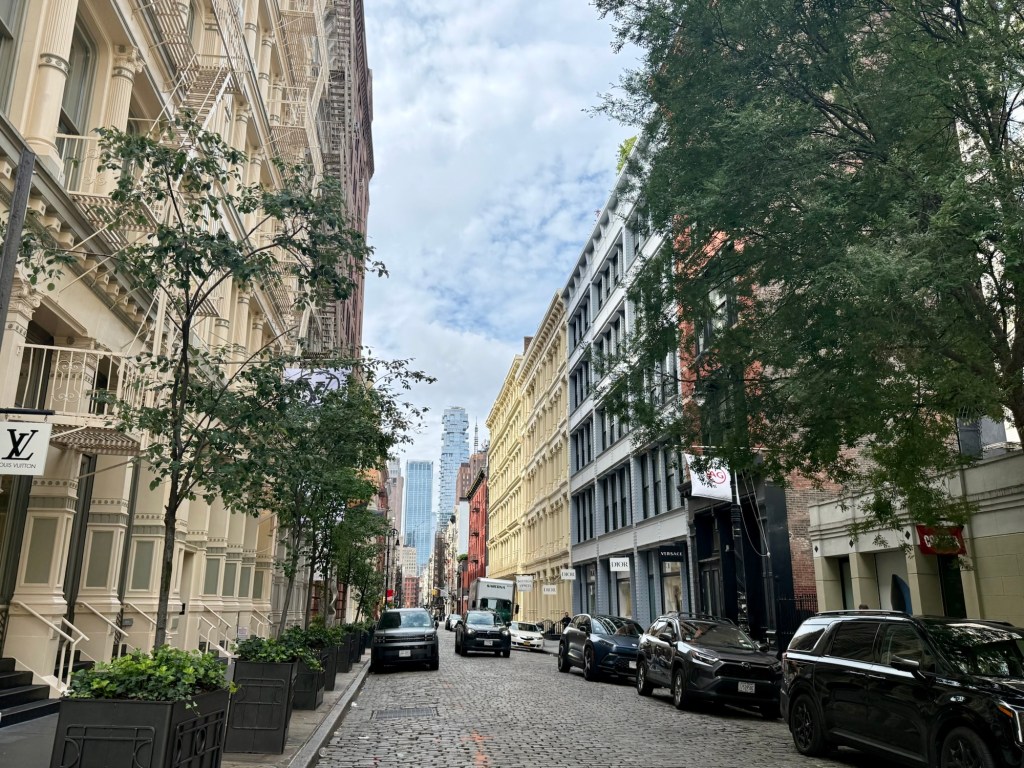
From there I wandered through some beautiful, leafy, tree-lined streets before heading into SoHo.  Cobblestones, old buildings, modern shops and a huge variety of architecture make it a lovely area to explore on foot and stop for a drink in a small café.

After taking the subway back uptown, I had a little time to rest before heading to the matinee of Every Brilliant Thing. This play was very different from the others I had seen.

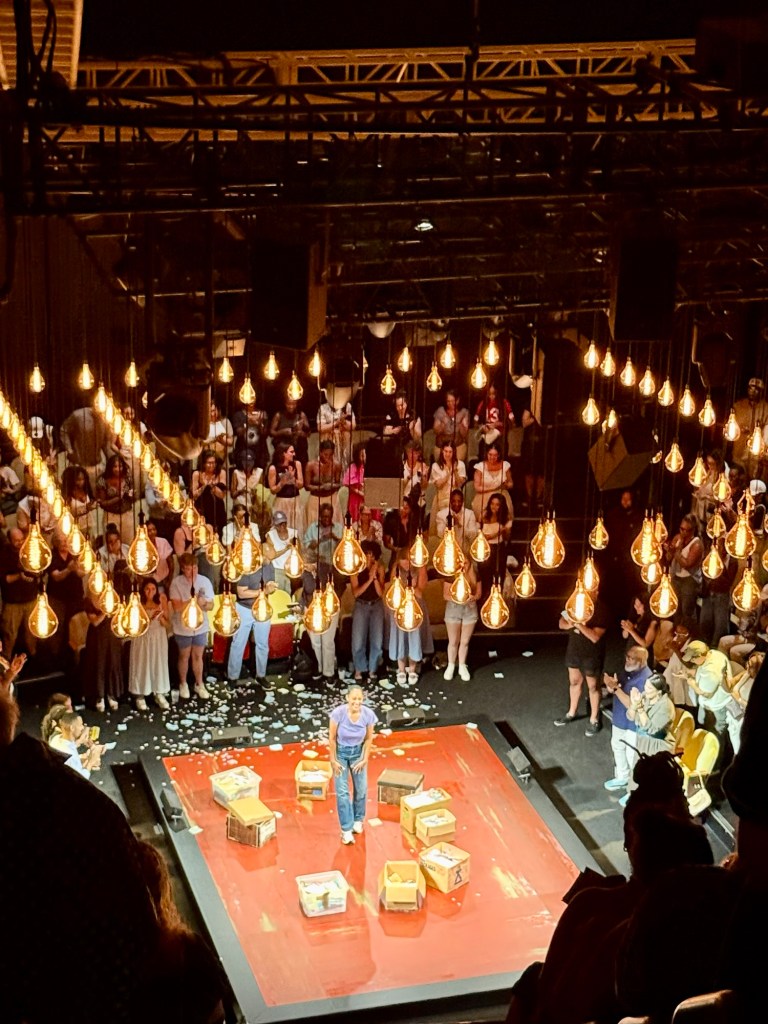
People were sitting on the stage as we arrived, and the actress, Tracie Ellis Ross, was already standing there chatting as the audience came in. It all felt very casual and intimate — quite a contrast to the big Broadway-style shows I’d seen earlier.  The show was sad and funny and poignant, and there was audience participation.
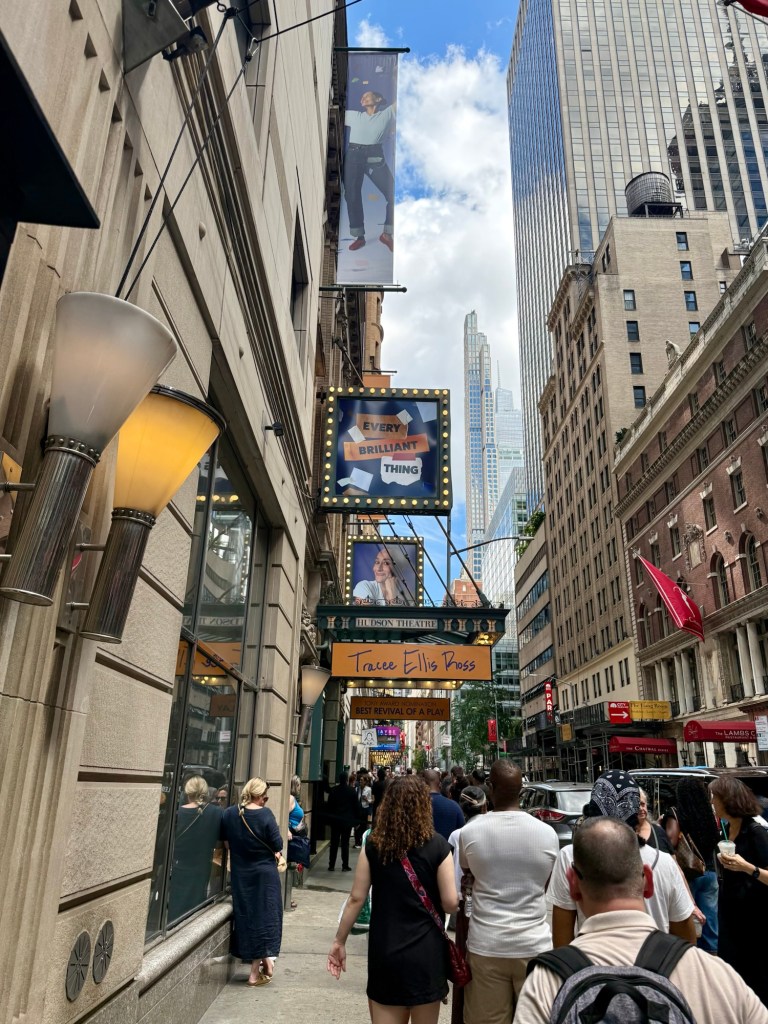
Normally, I hate audience participation. But in this case, it worked brilliantly (particularly because it did not involve me lol).  It was probably one of the highlights of the theatre experiences on this trip.

And then came the final show of the trip and one of the reasons I had come to New York at this particular time – Les Misérables.

I’d actually already seen the arena tour in Brisbane the previous year, but I’d loved it so much that I was keen to see it again.  This time it was at Radio City Music Hall, and thankfully my seat wasn’t quite as high and steep as the one I’d had when I saw the Rockettes there in December.
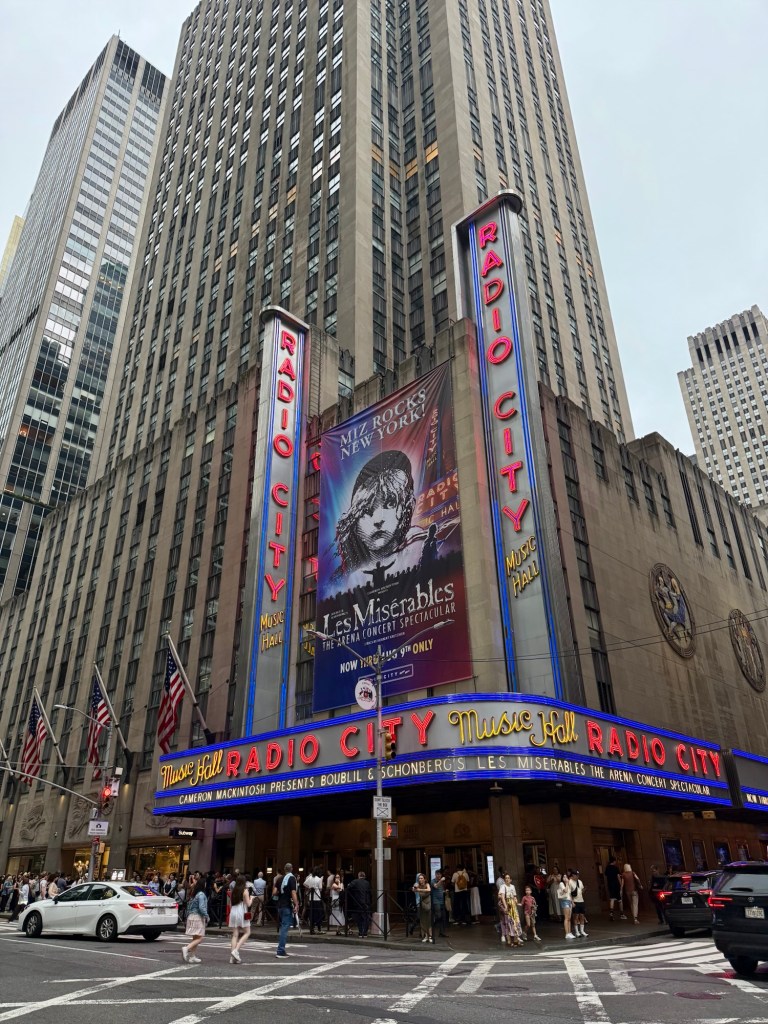

And there was another bonus, I didn’t have to worry about missing a train home afterwards.  In Brisbane, I’d been watching the clock nervously because of the transport situation.  This time I could relax.

I know I had already seen it before, but it was still amazing and a great way to round out my theatre visits. 

I woke on my final morning to the rain that had been forecast for most of my trip finally arrived.  My phone was actually warning me about flash floods!  Naturally, I decided to go for a walk.

I did actually have to return to my room for my coat and umbrella after initially leaving without either, but let’s just say I got still got soaked.  Not ideal when you’re packing to leave that day but it was still warm and I enjoyed the early walk, regardless of the rain

My afternoon plan involved a movie near Penn Station to kill some time, so I booked some luggage storage and wandered around for a while, and before too long, it was time to catch the train out to the airport (this time I got a ticket in advance) for the long journey home.

So, was the trip worth it? Absolutely. Was flying 16 hours for a few days in New York extravagant. Yes. Was booking another holiday specifically to cure the post-holiday blues perhaps slightly excessive? Almost certainly.

Did I spend too much money on cocktails, transport mistakes and various other things?  Probably. Did I eat enough Liberty Bagels to justify the trip? Also most definitely!

But I got Central Park, the High Line, the Staten Island Ferry, Top of the Rock, the buzz of Times Square, far too many bagels, some great theatre, time with my nephew, and several days in one of my favourite cities.

And, most importantly, the post-holiday blues are gone.  For now.

Until I book the next holiday.

Touring the Top End

Darwin, Australia

July 2026

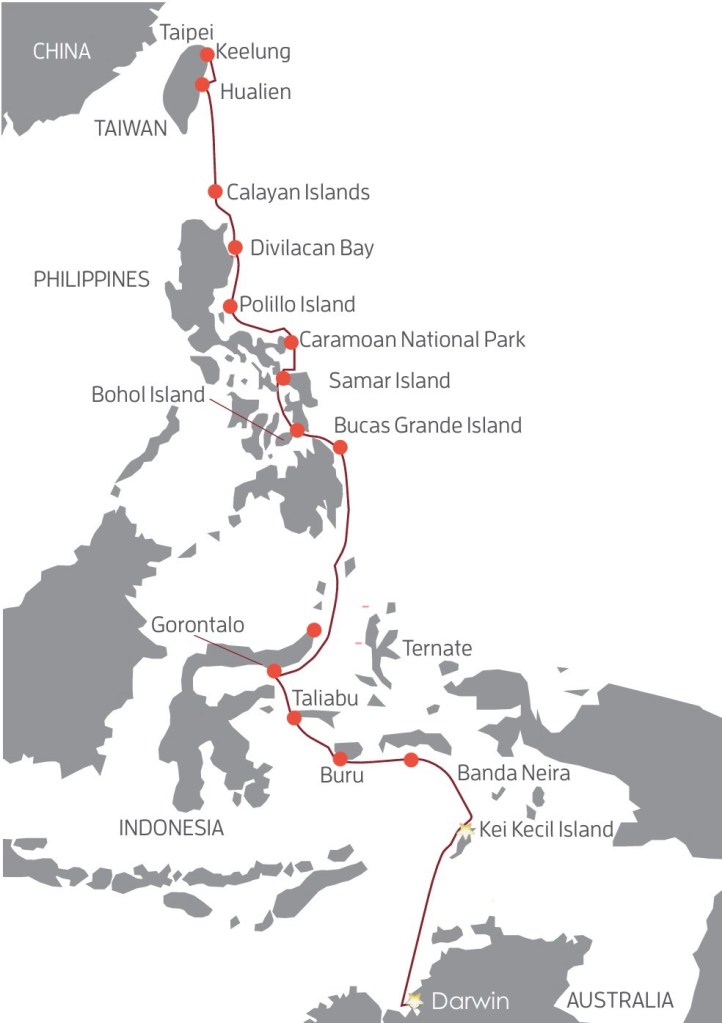
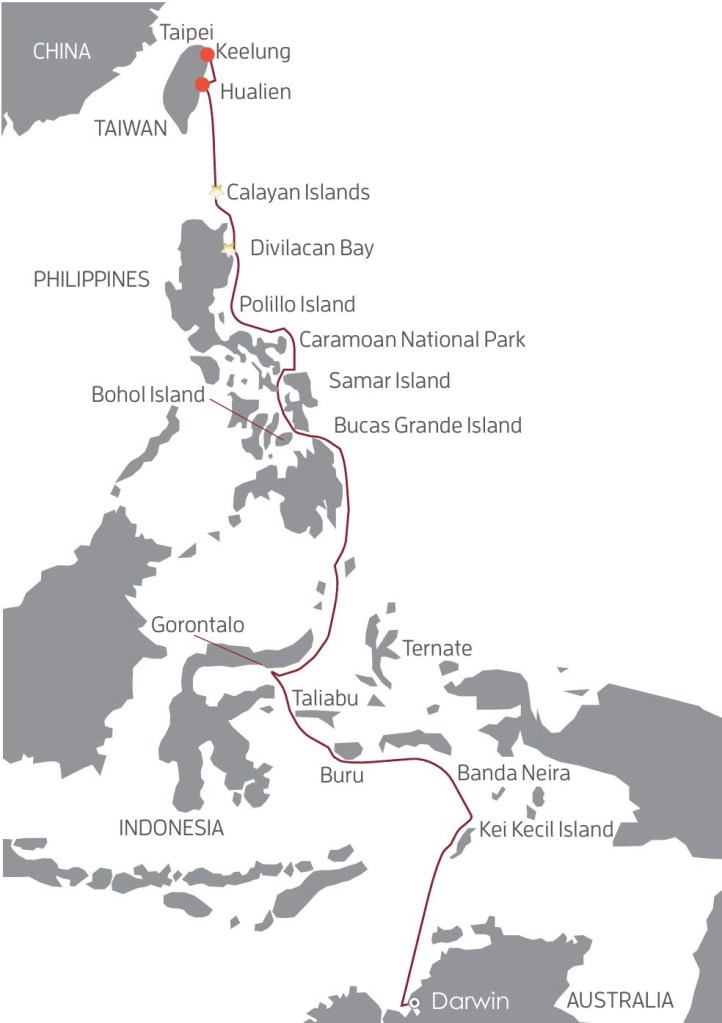
And just when you thought it was over … there is another blog lol.   I had never been to the Northern Territory before, so given that I disembarked my Asian Island Odessey in Darwin, it was the perfect opportunity to spend a couple of days exploring the area. 

After clearing immigration and bio security, I made my way to my hotel to drop my bags.  I hadn’t actually made any plans for the day so started out by taking a walk around the small downtown area, getting a new phone case (the old one was being held together by duct tape) and a coffee (this was definitely a priority). 

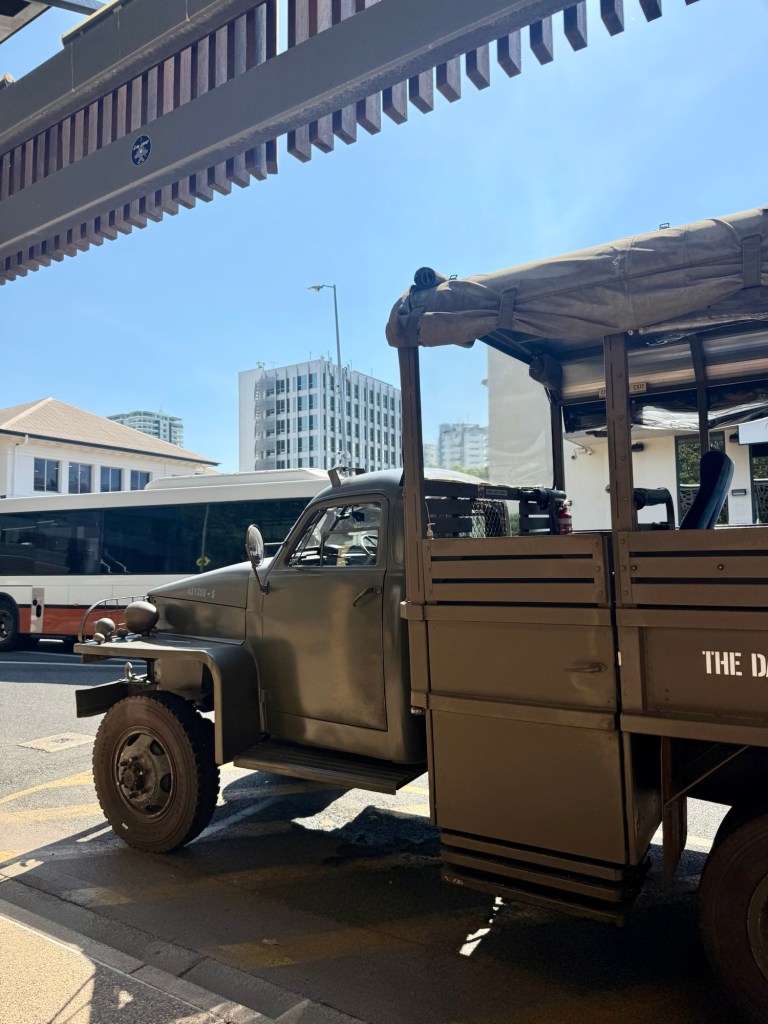
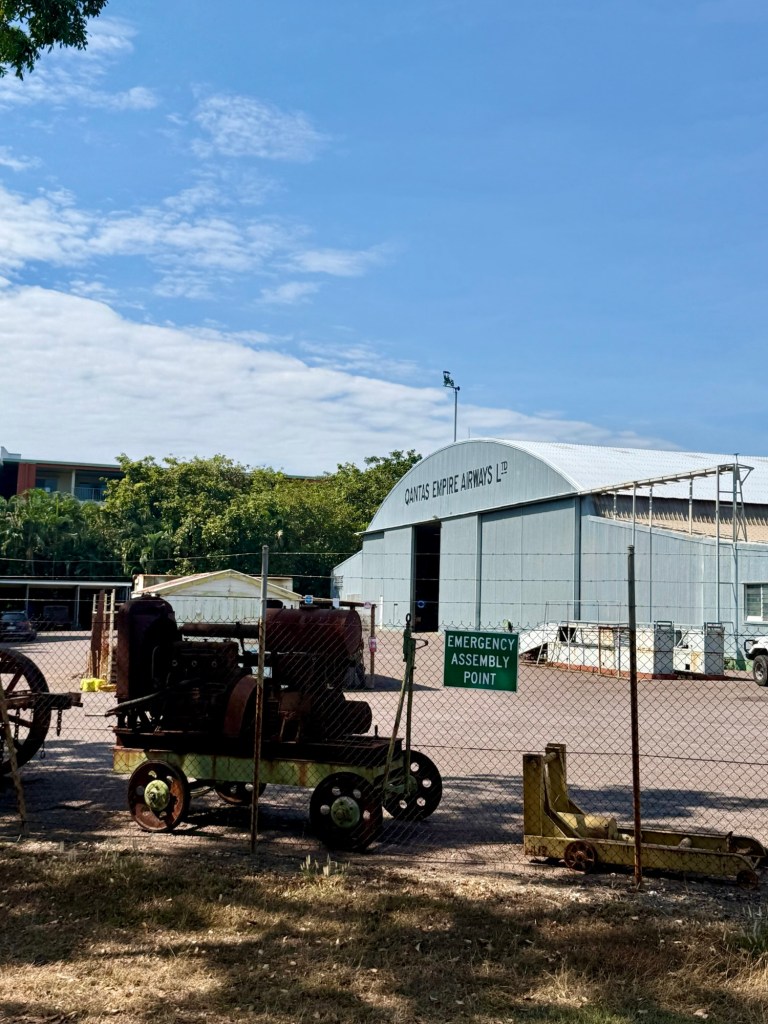
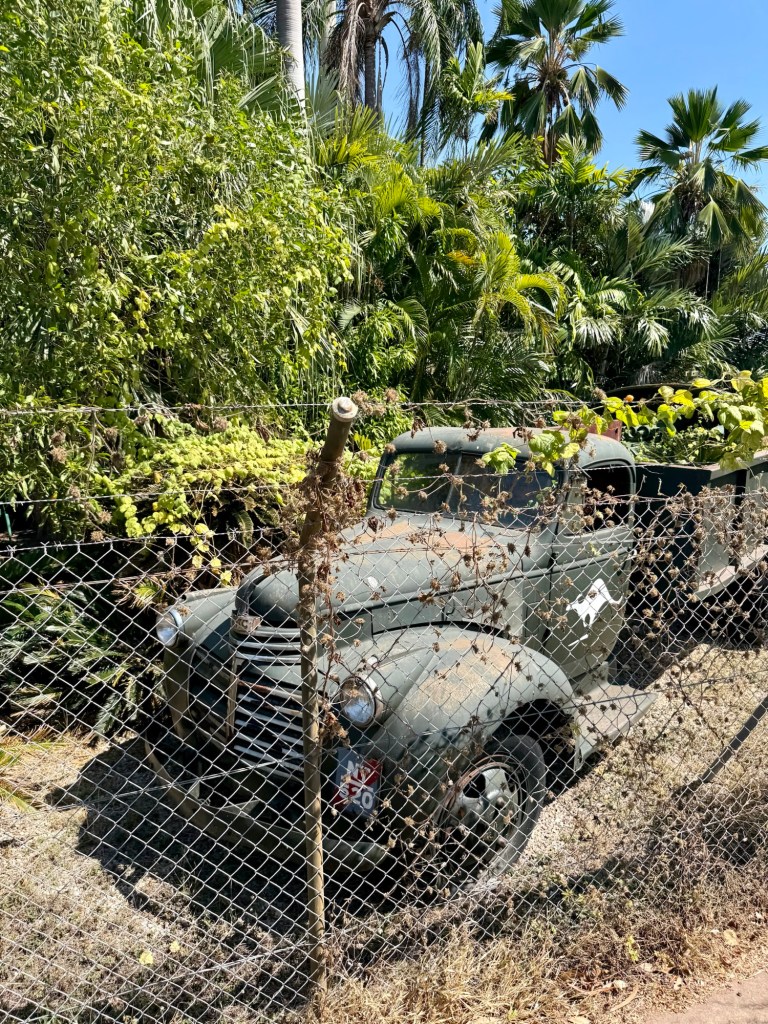
I then decided to take the Darwin History & Wartime experience which is done in an authentic WWII Studebaker. The truck not only served in the war but has also been in a number of movies.  Our driver regailled us with stories about Darwin’s history, starting with the history of the European settlement in Darwin from cyclones to war and subsequent rebuilds.

Darwin, then known as Palmerston, was initially founded in 1869 and was a strategic communication and trade hub, as it connected Australia to the world via the Overland Telegraph line.  The discovery of gold nearby also helped the development of the town before being destroyed a number of times (by cyclones) before it became part of the Commonwealth in 1911 and was renamed Darwin (after Charles Darwin).

One of the key moments in Darwin’s history was its role in WWII.  In 1942, Japan launched a surprise attack on Darwin.  Most of the Australian forces were fighting the war on other fronts, so the 188 Japanese planes took on the remaining 10 American planes in the town.  The raid was actually led by the same lead pilot who led the attack on Pearl Harbour, and they actually dropped twice as many bombs as in that previous attack!

Despite most of the civilians already being evacuated, 243 people were killed in the raid.  The single largest lost of life in one event in the country.  The raids continued until 1943 – 77 in total.

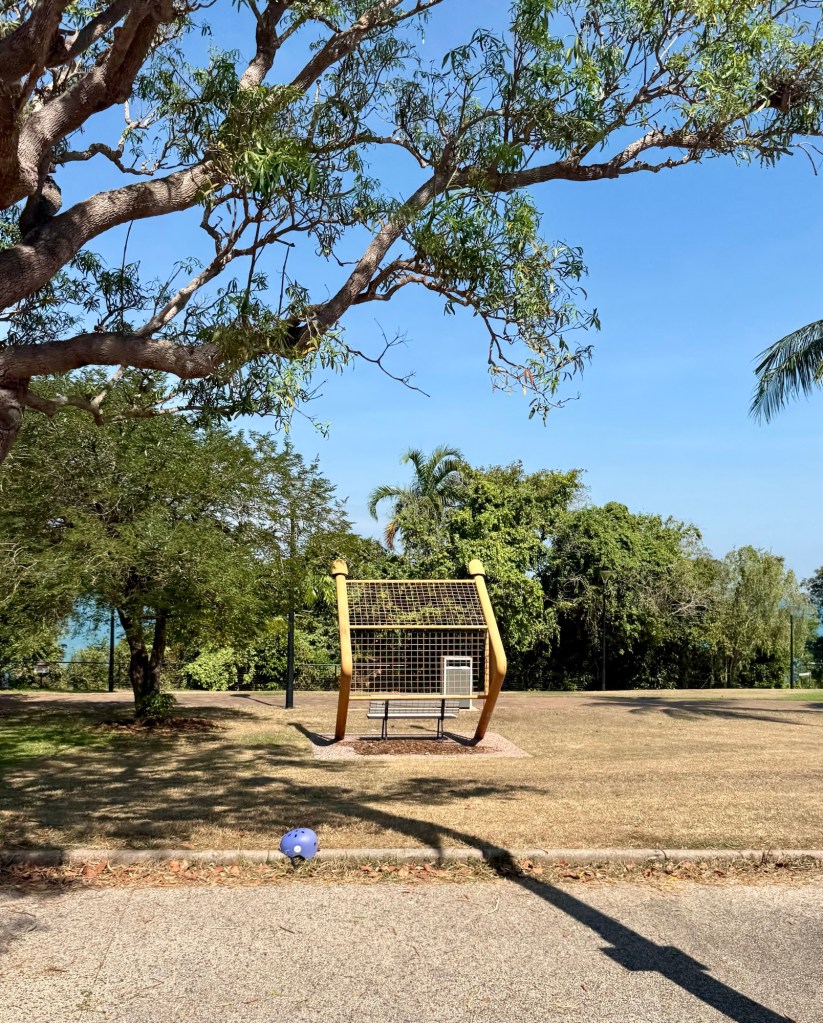
The town rebuilt but memories of the war are still around the city.  Some subtlety, like park benches made out of anti aircraft guns and others less subtle such as Ammunitions storage bunkers and bullet holes.  

Unfortunately, tragedy struck again on Christmas Day 1974, when Cyclone Tracy roared through, destroying over 70% of the city’s buildings.  Cyclones are not uncommon in this part of the world, but Tracy was particularly devastating.  The rebuilt was done with strict modern building code to make it more resilient to future storms.

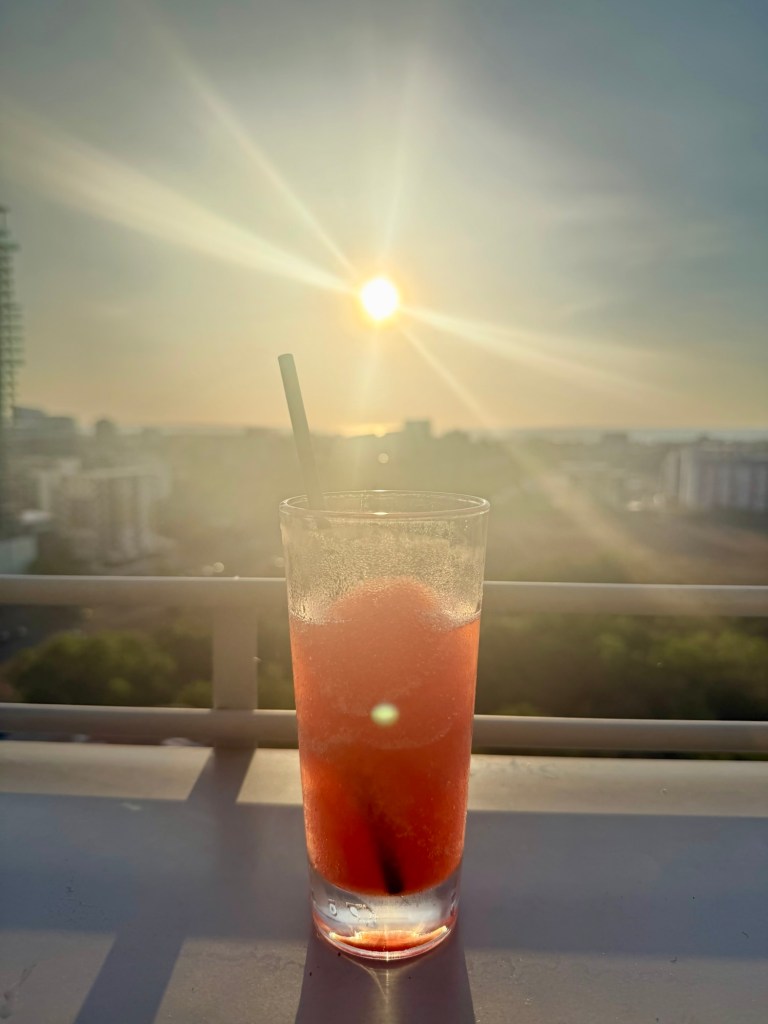
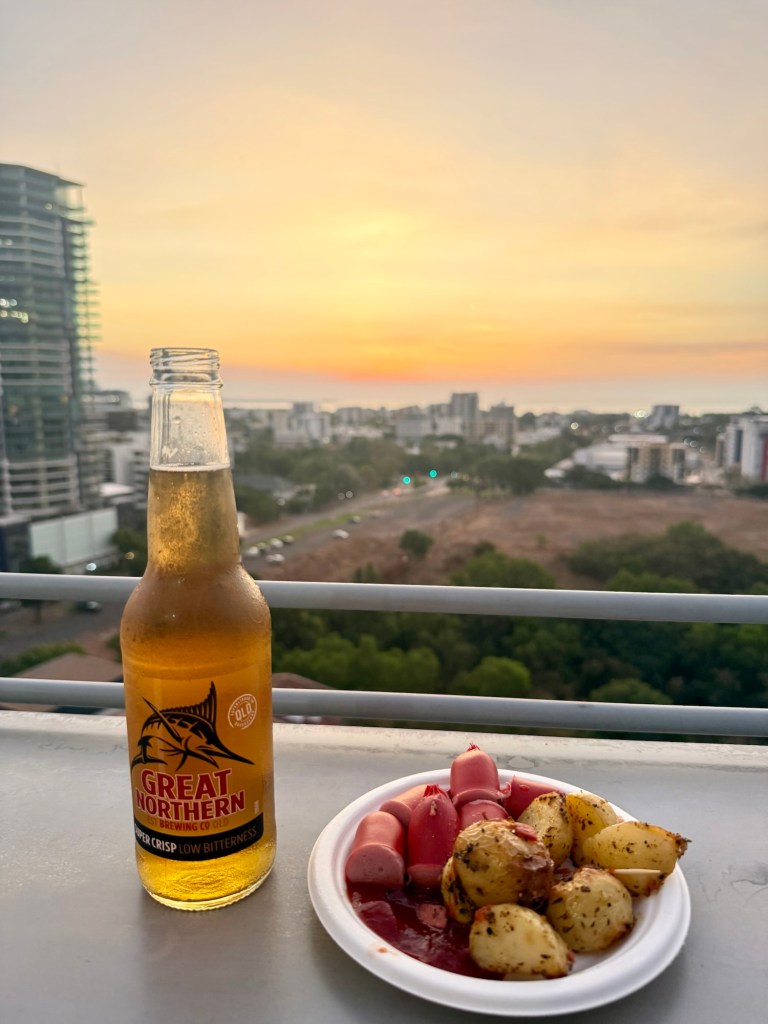
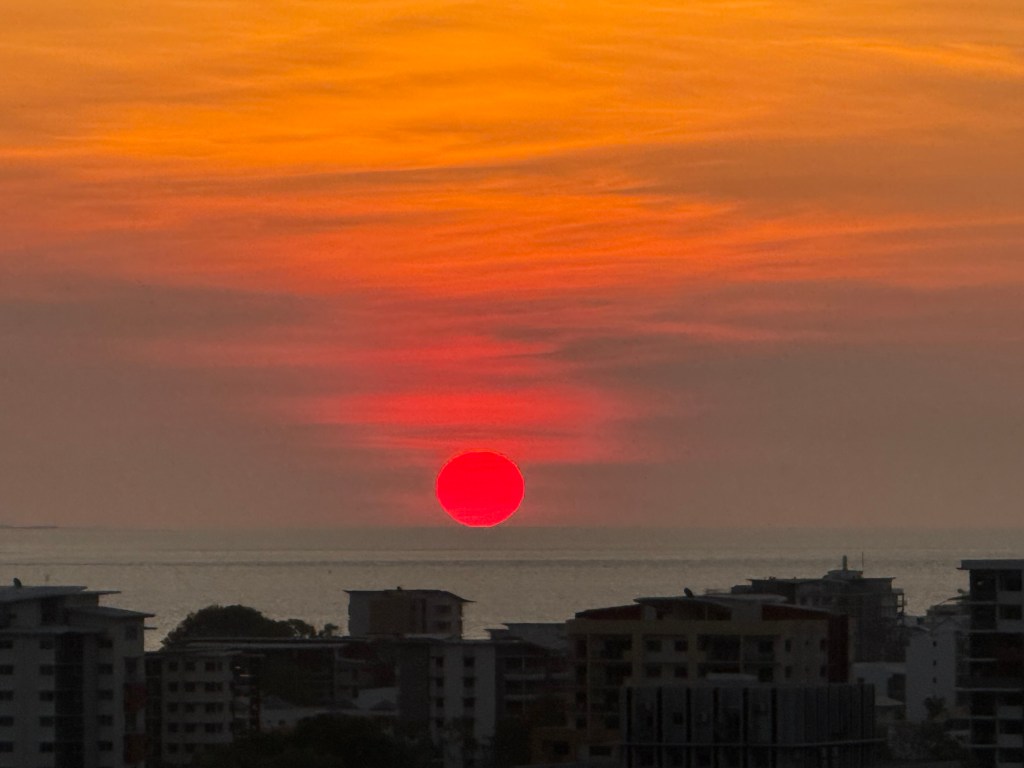
It was a relaxing way to see a bit of the town and learn a little of its history and by now I could check in to my hotel to refreshed up before checking out a rooftop bar for sunset.  It was on top of a hotel and they provided free food with your drink.  So, it was a cocktail, followed by a local beer, cheerios and potatoes for dinner – great balanced diet lol. The sunset was beautiful too.

The next day was a big one – a day trip to Kakadu National Park which would take around 12 hours. It was a small group (and coincidently 3 of the other passengers had travelled with me on my Asian Island Odessey) and we headed out of the city on Tiger Brennan Drive – the mayor during Cyclone Tracy, who apparently had been drinking and slept through it.  Only to wake in the mooring to find his roof gone! 

We then hit the Stewart Highway, that runs from Darwin, right the way through the central of Australia to Port Augusta in South Australia, over 2,700kms away

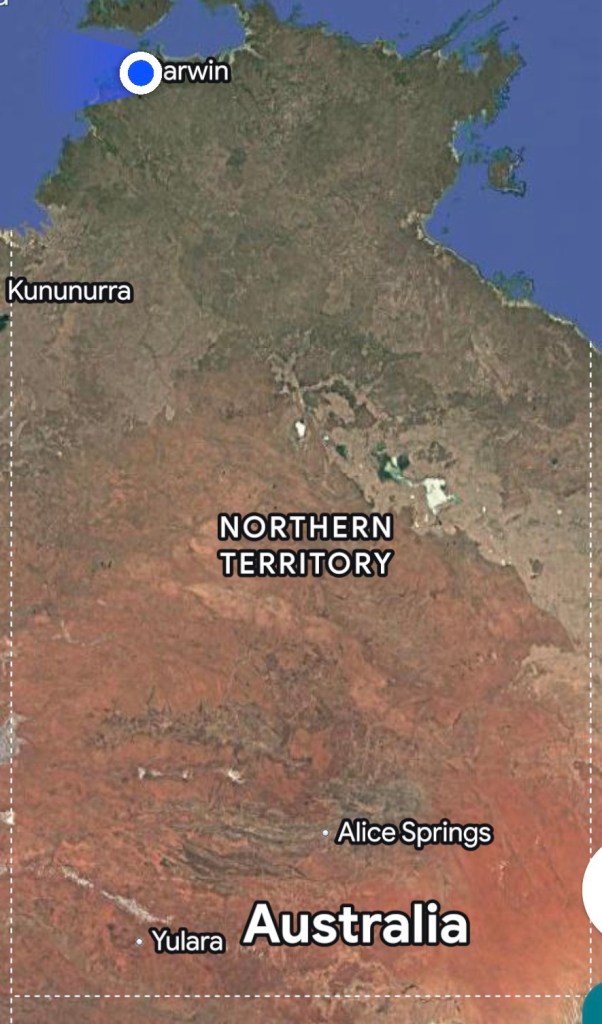
The Northern Territory of Australia is divided into 2 parts, the “Red Centre” (you just need to look at a map of the region to see here that is) and the “Top End”.  I was travelling though the Top End, 80% of which is open Savannah woodland. 

The area is generally hot and dry, or hotter and wet!  Thankfully it is mid winter, so that means hot and dry, normally around 30-32 C.  The heat and humidity build up towards December, when it can be 40C, with 95% humidity before the rains come.  And when those rains come, they come hard and fast, often causing significant flooding.  This year, there had been a lot of flooding, and some areas of the national park were still closed.

According to the traditional owners, there are 6 seasons, all that have indicators in nature e.g. when certain plants flower or animals give birth.  As I mentioned, we are in the ‘cool, dry’ season but there are also seasons called the “build up” and the “knock ‘em down”. I love that.

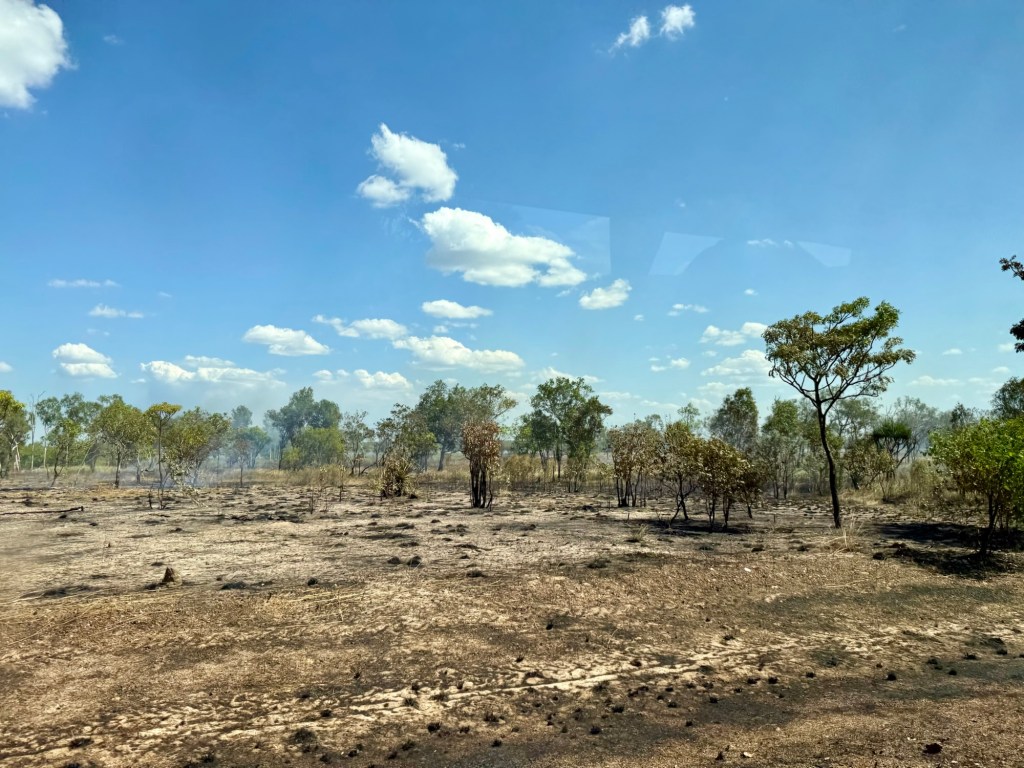
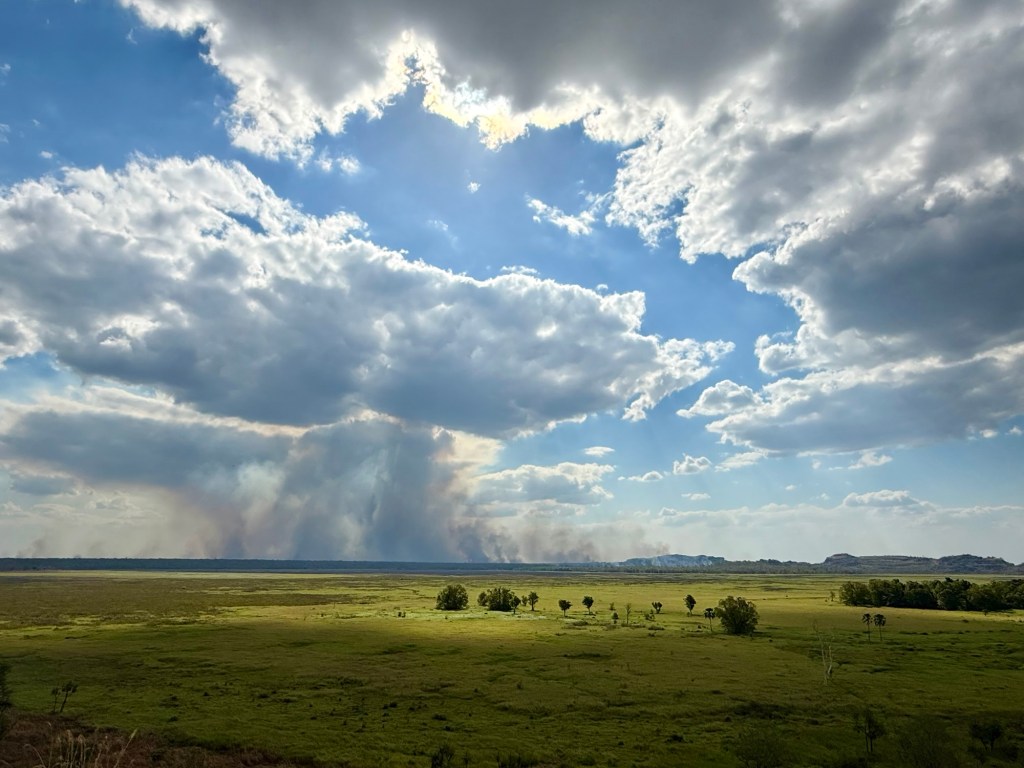
At this time of year, they do burn offs to reduce the undergrowth and grasses to reduce fuel for fires in the dry season.  They light the fires in the afternoon, and there is still enough moisture around for the fires to go out overnight without killing the trees. As we travelled, we passed patches of bush that were still smoking and in general the air was full of smoke.  (That would also explain the very red sunrise I had seen the day before.)

This is a technique used by the traditional owners as not only does it help reduce fire risk in the dry season, but it also clears areas to make it easier to hunt and many of the trees require the fires to reproduce.

Another weather adaption they have is growing shorter mango trees, close together so they are less likely to blow over in cyclones (the knock em down season)!

The traditional owners of Australia have a history dating back 65,000 years – to put this in perspective, the pyramids in Egypt were built only 5,000 years ago.   Apparently, there are also 250 different aboriginal “countries” – each with their own culture and language and we were passing through 6 different “countries” as we drove to Kakadu.

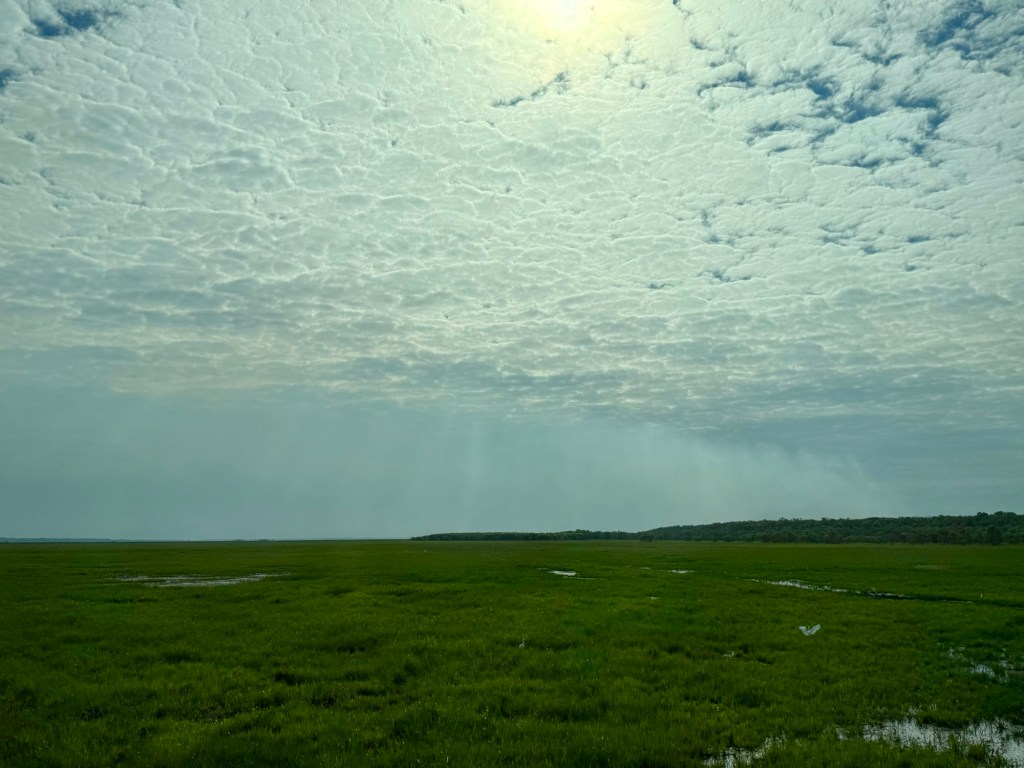
The first stop was at the Fogg Dam Conservation Reserve, a wetland system with a rich biodiversity.  The dam itself was constructed for the Humpty Doo (love that name) Rice Project in the 50’s.  Unfortunately, the project to grow rice failed (birds ate the rice lol), but it created an amazing habitat for over 200 specials of birds and other wildlife.

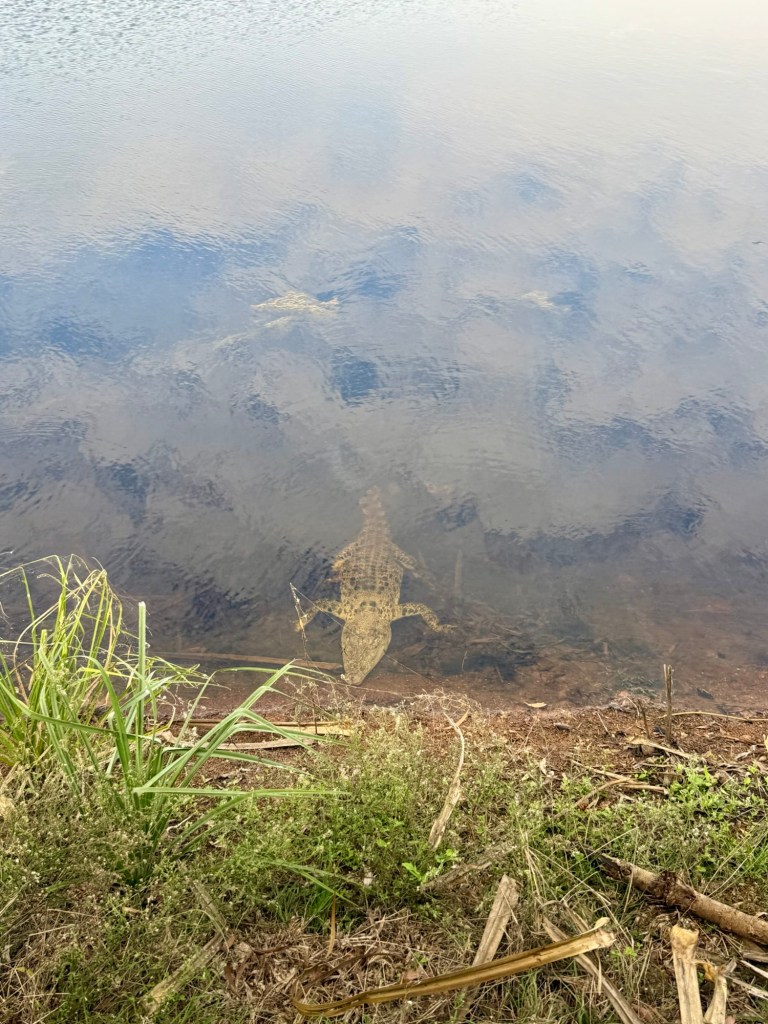
We weren’t allowed to get out of the bus on the dam itself due to the risk of their being crocodiles.  Apparently, the floods allow crocs to get from the rivers into smaller areas of water and when the flood water recedes, they are stuck there.  We did see a smallish one on the side of the dam, but these guys get huge and are very dangerous.

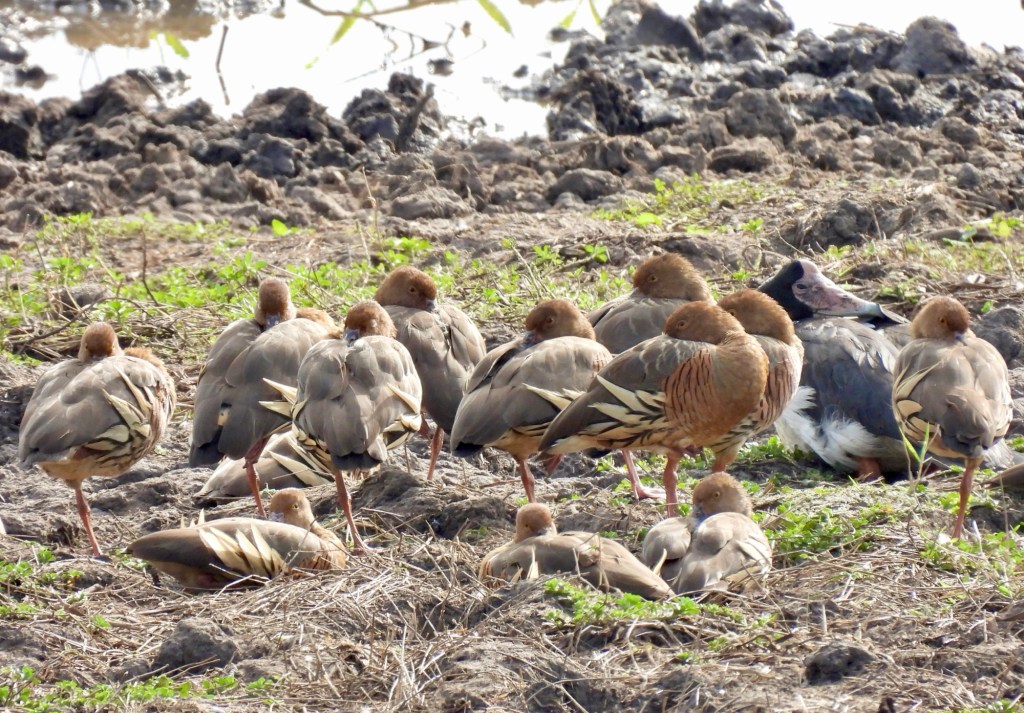
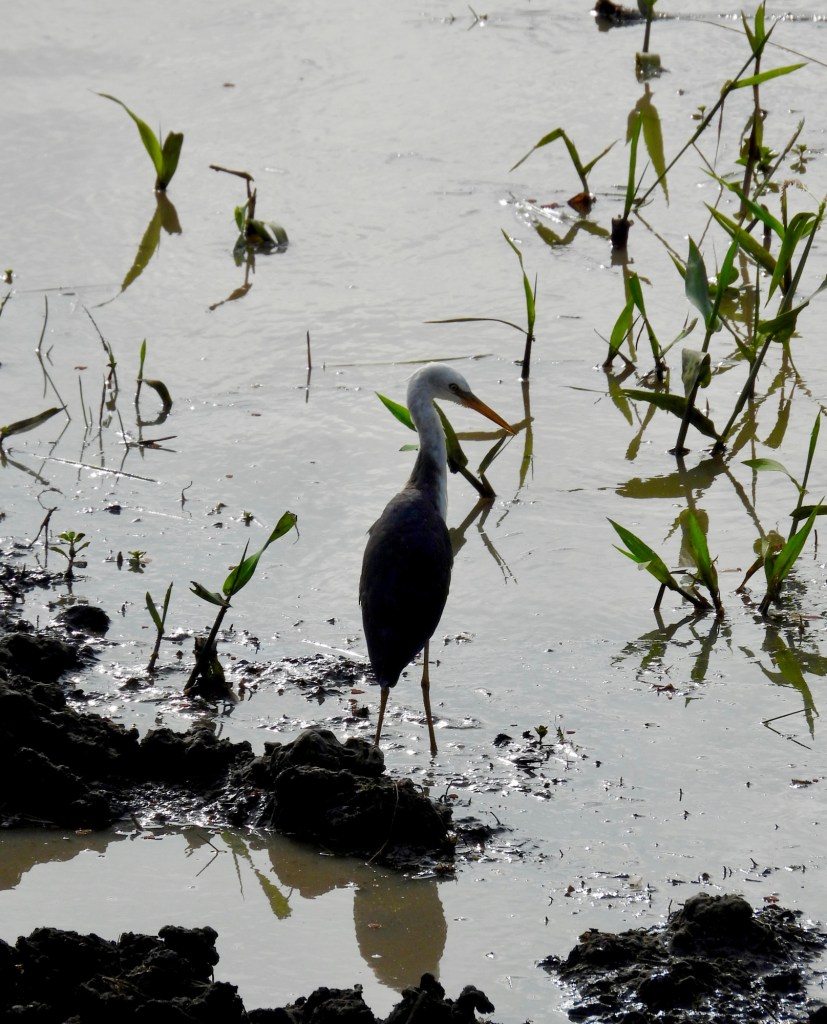
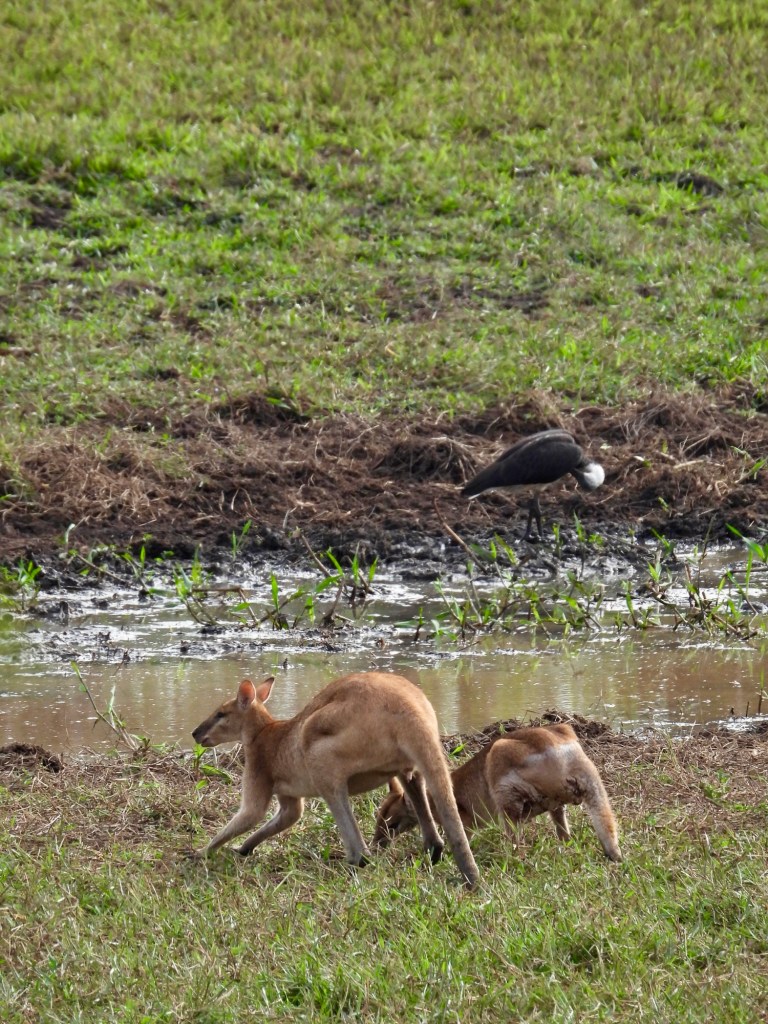
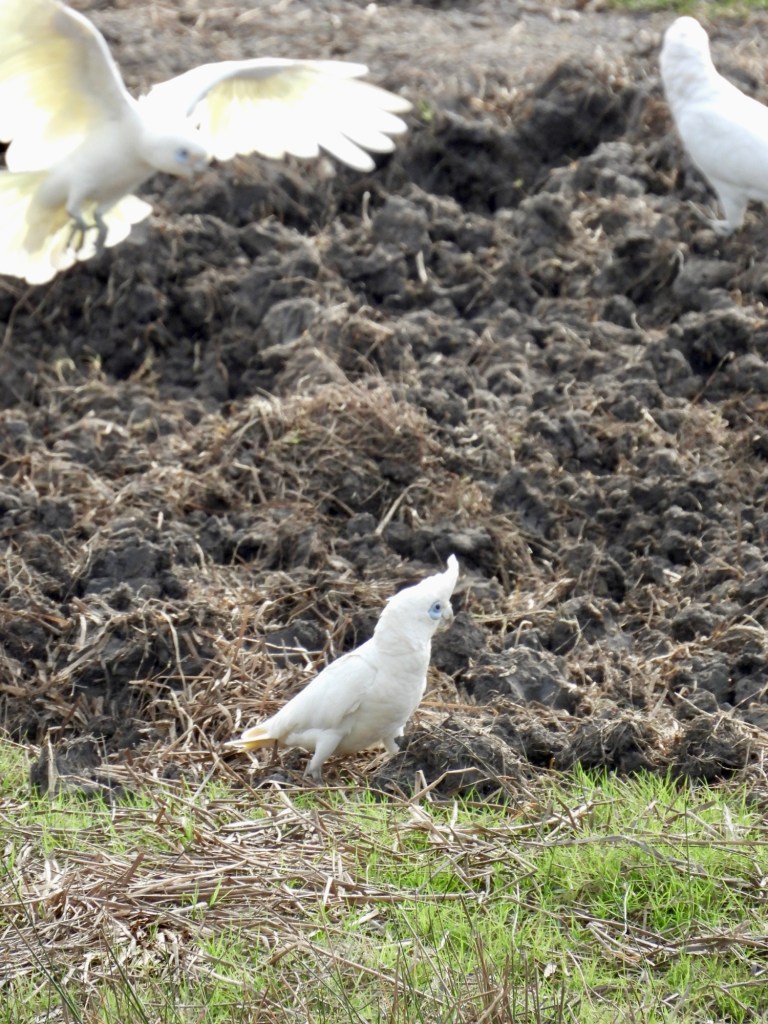
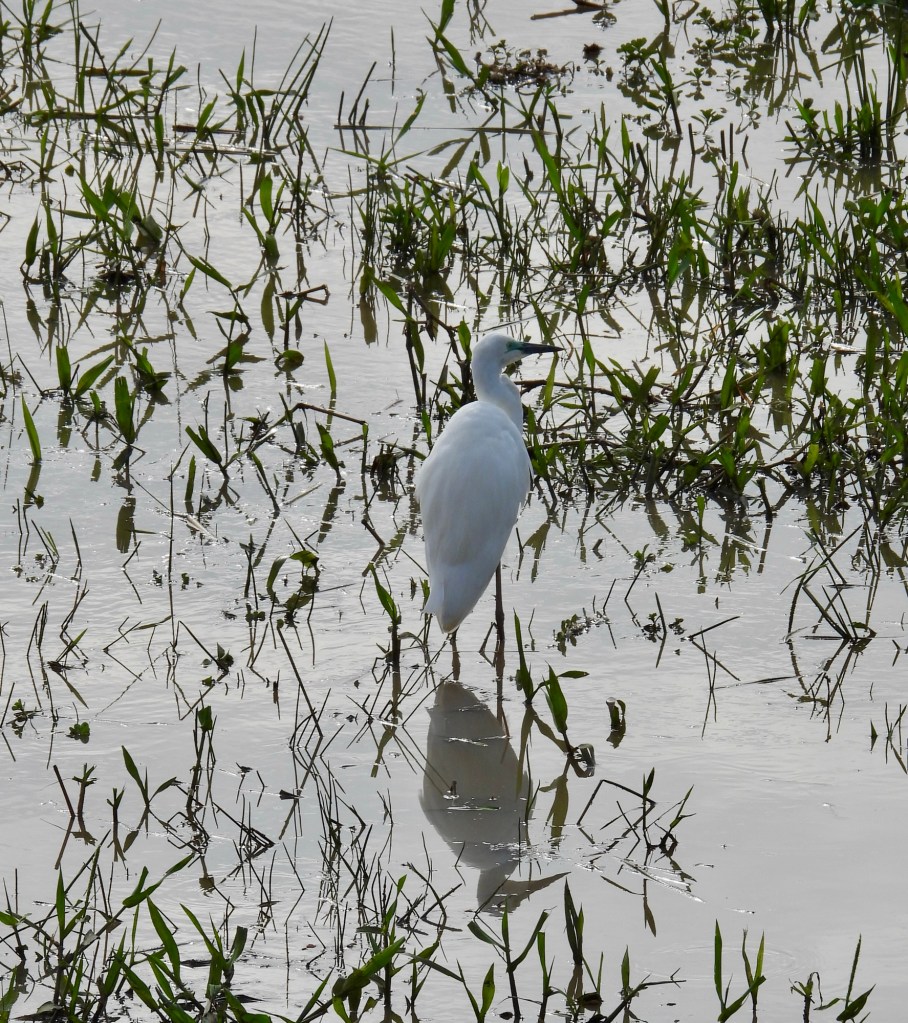
We did get the opportunity to get out of the bus at a lookout point and spotted a few different species, including egrets (little and large), a blue winged kookaburra, magpie geese (not actually geese), various cormorants, Australian darters, crimson finches and corellas. There were also some wallabies posing in the distance.  There was an abundance of birds and I wish we had more time here … but alas we had a long way still to go so had to get back on the road.

I found it a little odd that our guide/driver was a Dutch girl.  She was lovely and had clearly learnt a lot about the area, but the trip had been advertised as an insight into local traditional and cultures, so I had at least expected a local guide. Another bus travelling with us had a guide who had such a broad Australian accent, I am not sure I could have listened to it all day so maybe it was not so bad!

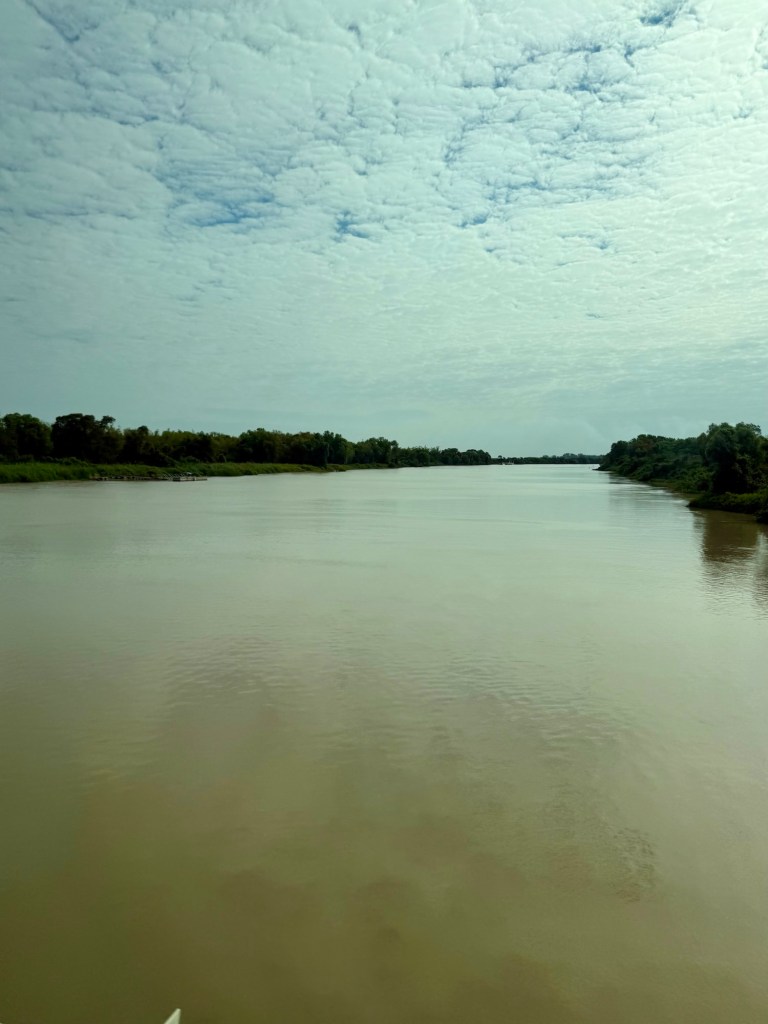
We crossed the tidal Adelaide River, one of the rivers that floods the plains in the wet season, and we were now on the Arnhem Highway that leads into our destination for the day, Kakadu National Park.

The park is a World Heritage site the covers almost 20,000km2 (about the size of Wales).  It is so big, you can only see about 1% of the park from the roads.  Apparently, this year it looks a little different due to the excessive rains with some plants flowering out of the normal system, and 25% of the park is still closed.  The 1985 Land Act gave ownership of the land back to the traditional owners (I am not going to go in to how they had been stripped of not only their land, but also their culures and languages).  They, in turn, leased the land back to the Government and they now co-manage it at the national park.

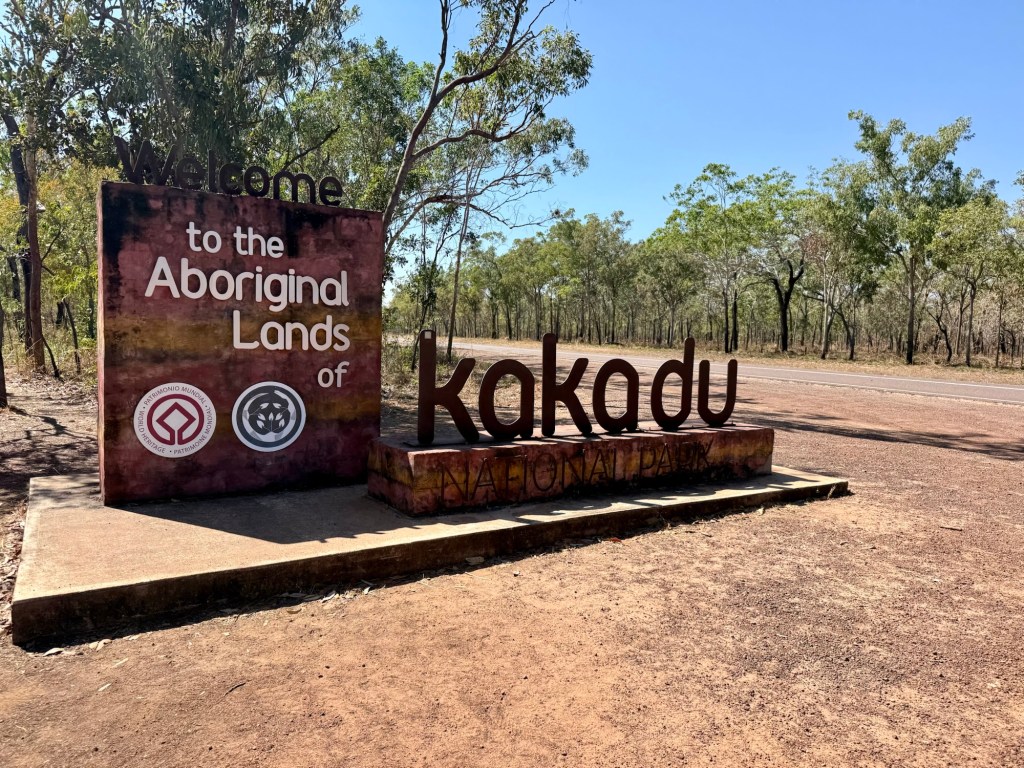
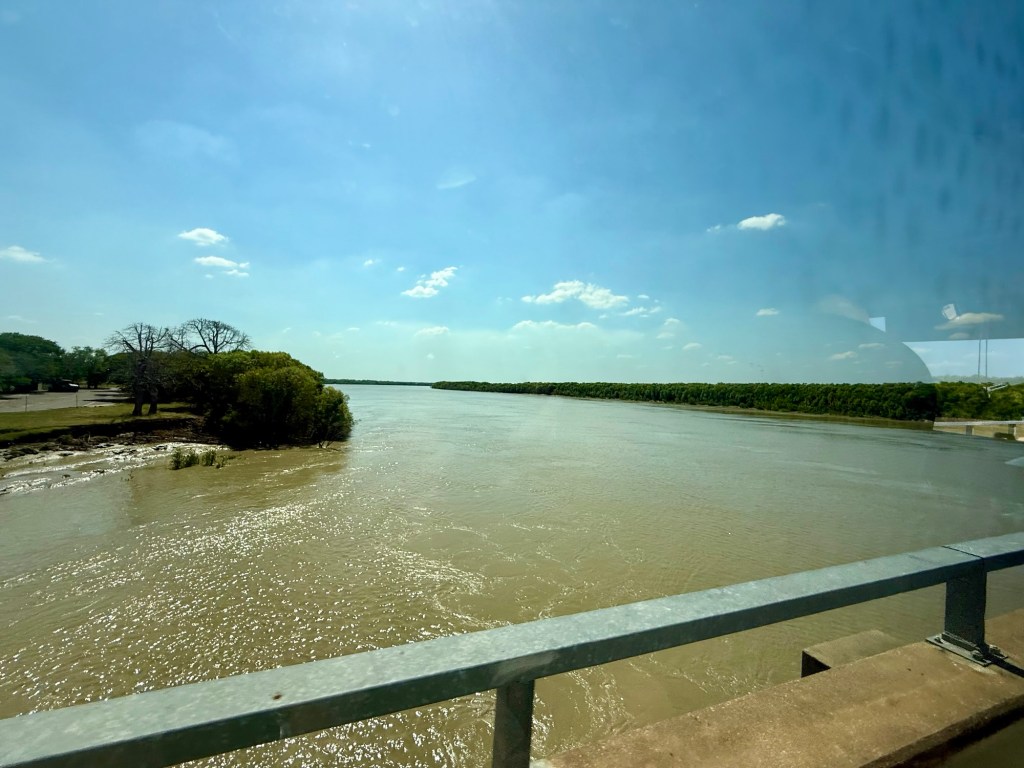
We crossed over Mary River (apparently has the highest concentration of saltwater crocs) before taking a quick stop at the entrance sign for the mandatory photo stop, and then across the South Aligator flood plain – that can be over 4km wide and 30-40cm deep in the wet season (and maybe full of crocs??).

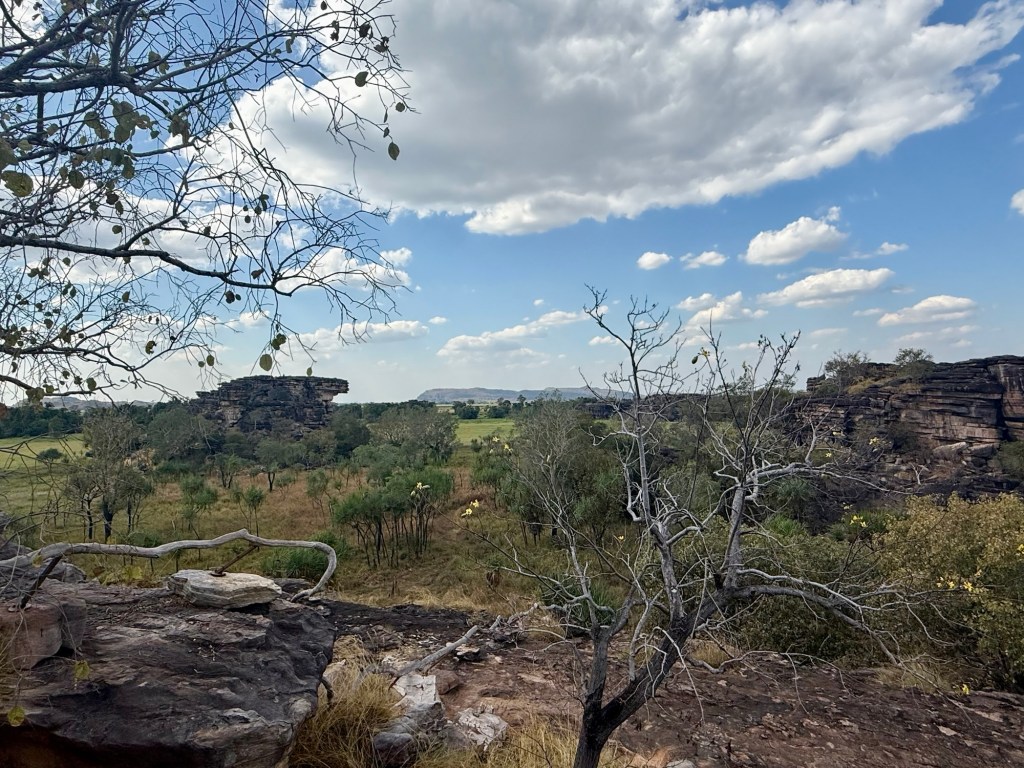
Our main stop for the day was on the Arnhem Land plateau, a massive stone escarpment made up of Proterozoic rocks 1,650 to 1,400 million years old!  In some areas the 300 meters high cliffs were sea cliffs 140 million years ago.  The rock is filled with heavy metals such as gold, tin and uranium meaning mining also takes place in the area.

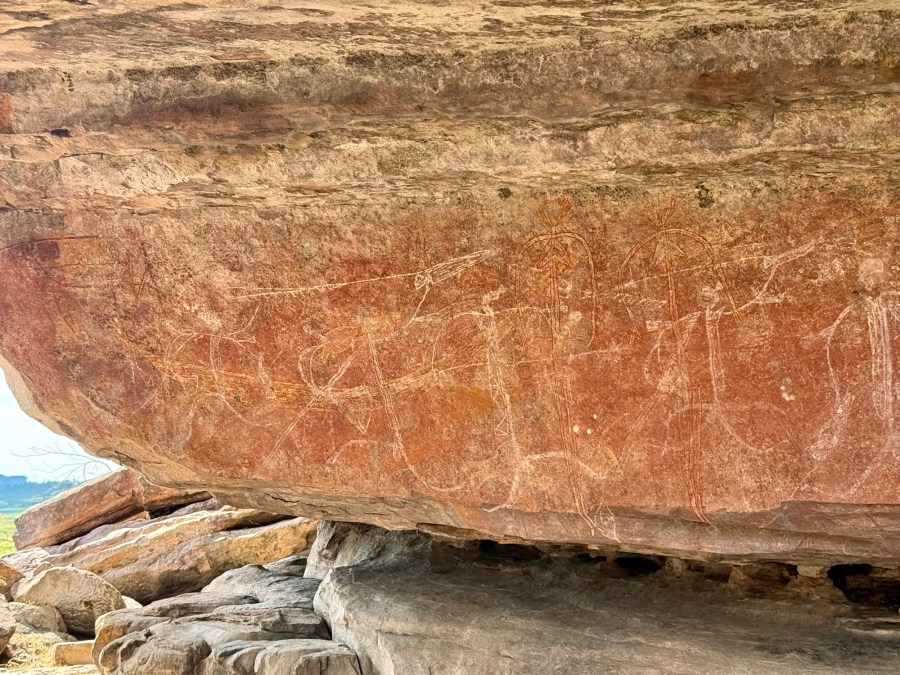
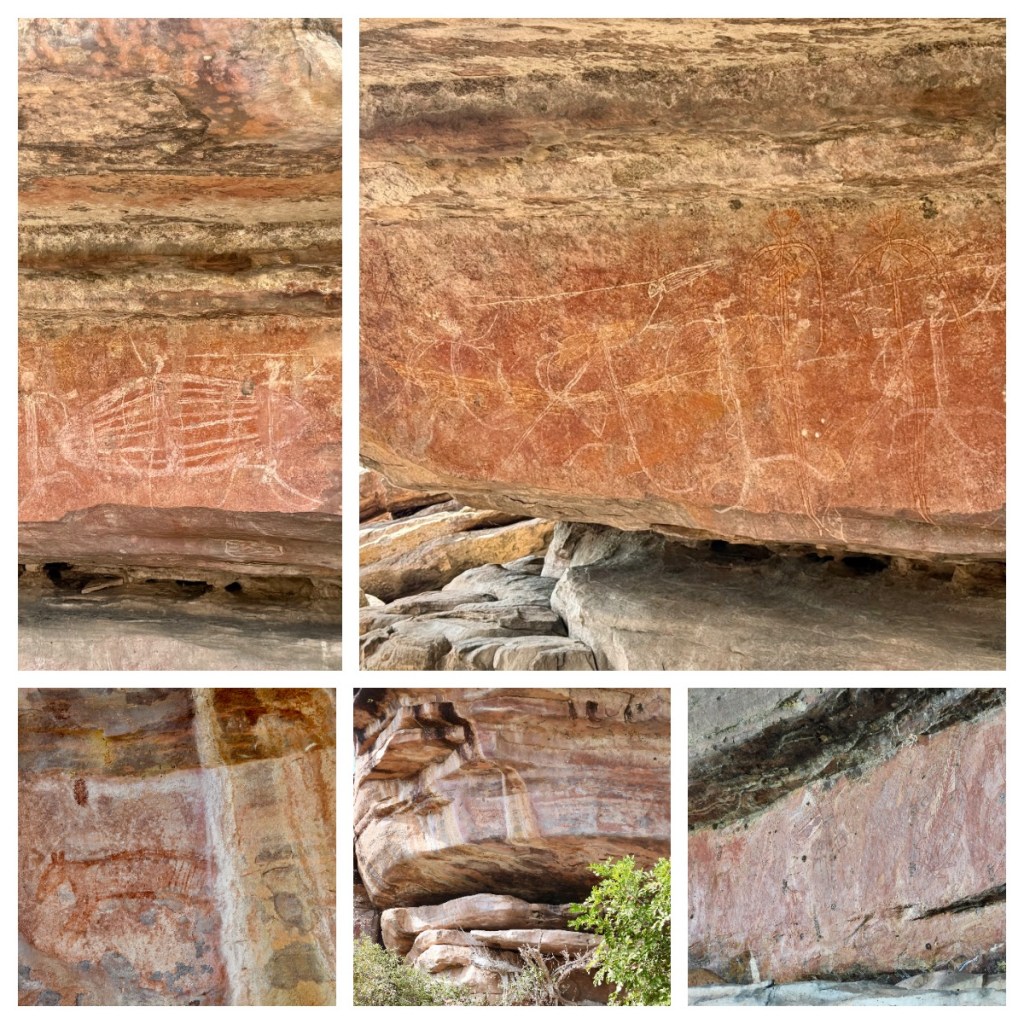
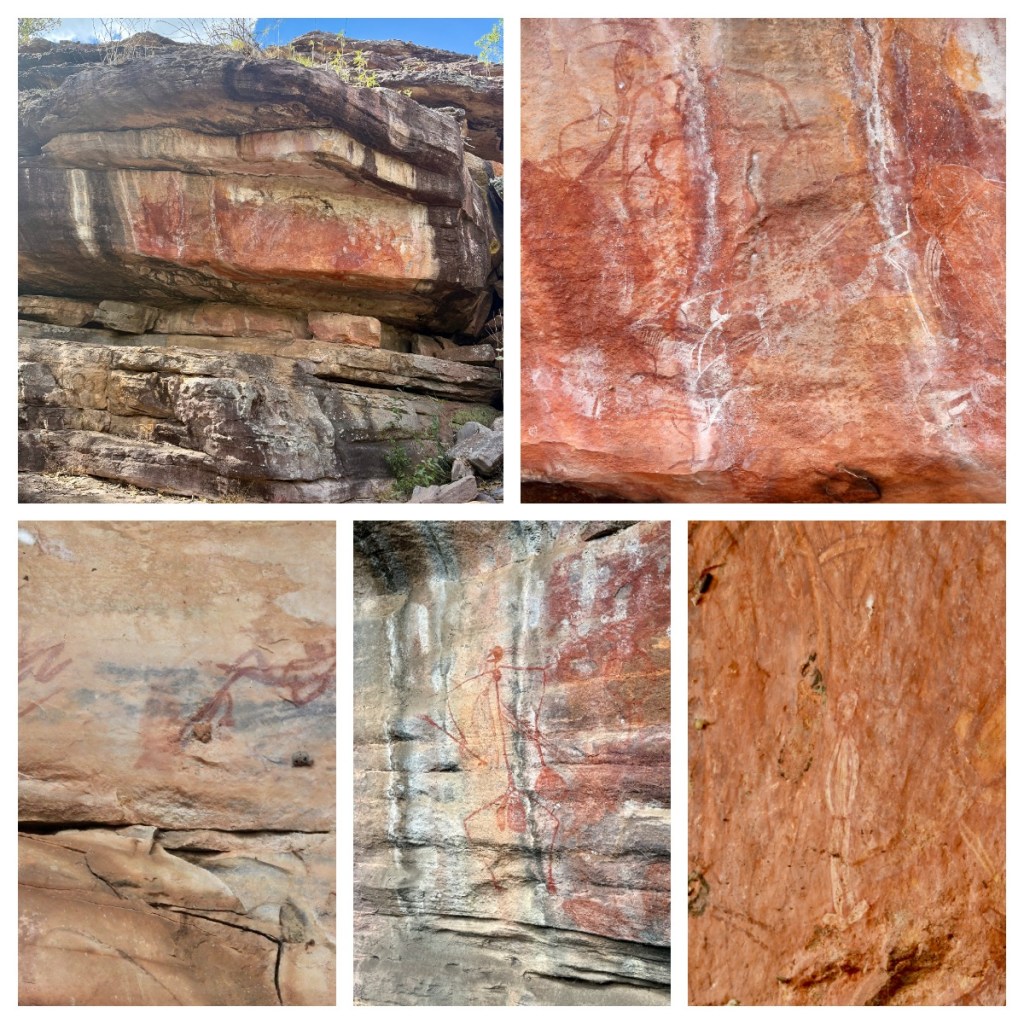
The landscape was truly stunning, but the main reason for the visit was Ubirr, which hosts some of the world’s most outstanding rock art. The art and shelters are indicators of human habitation dating back 60,000 years.

The paintings generally depict legends and human interactions with the environment and can be in the form of x-ray, where they are generally depicting animals and fish, and contact act, which are more recent and show interactions with white people.  One particular picture depicts a Tasmanian Tigers which are believed to have become extinct on the mainland 2-3000 years ago.

After having some lunch in a small picnic area, we took some time to walk around the key art sites that are open to the public (there are many more that the public can not access).  Our guide shared some of the information she has learnt about the art as we looked at it.  Apparently, it is impossible to know the true age of the paintings as nothing can be carbon dated.

The paintings are of different ages and in different styles, some on top of each other.  Some, the subject is obviously, others take a little imagination. Handprints mean it is safe to sleep in that area.  In some spirits are depicted with 4 fingers and humans with 5 fingers.  One even shows a white man with hands in pockets.

The landscape actually reminded me of parts of Zimbabwe, rock art included.  From the view point you could see for miles, across the relatively green plains and the smoke from the fires in the distance actually looked really cool – it was hard to tell if it was smoke going up, or cloud coming down. 

Sadly, it was time to start heading home, and after a brief stop at an outback pub for a drink and some dinner, we made the long drive back to Darwin.  

I had booked the hotel room that evening, so was grateful to have somewhere to relax for a few hours before getting ready for my early morning flight to Melbourne and then onwards to home and the end of a great trip.


Last day on the seas

Kai Kecil, Indonesia

July 2026

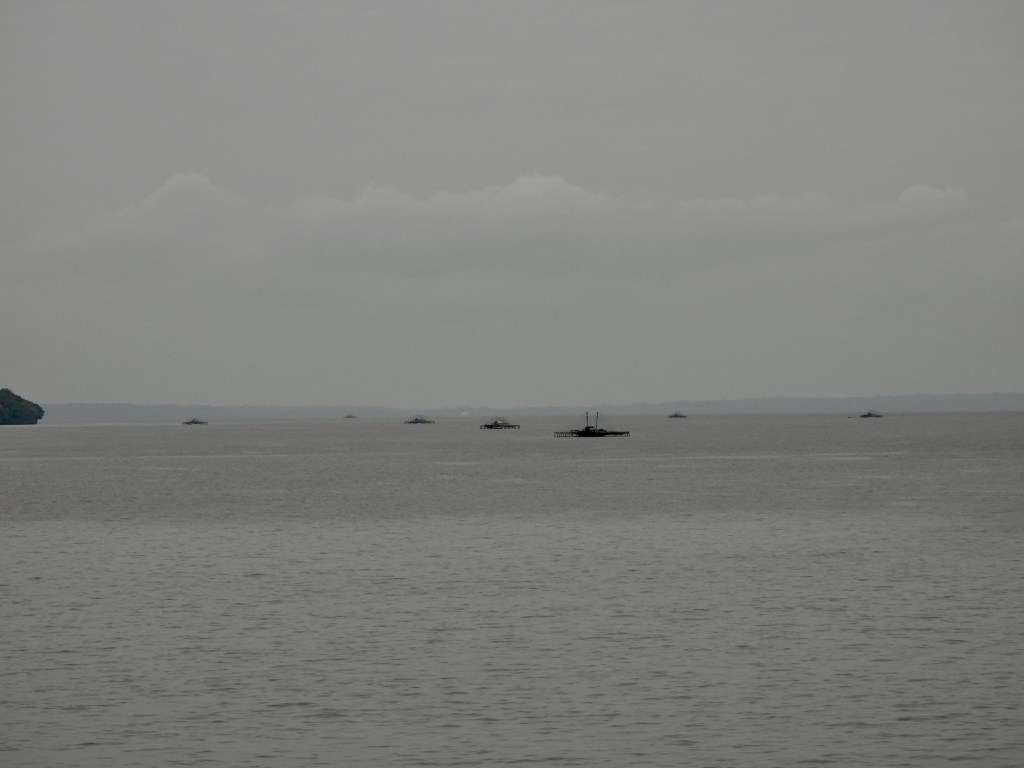
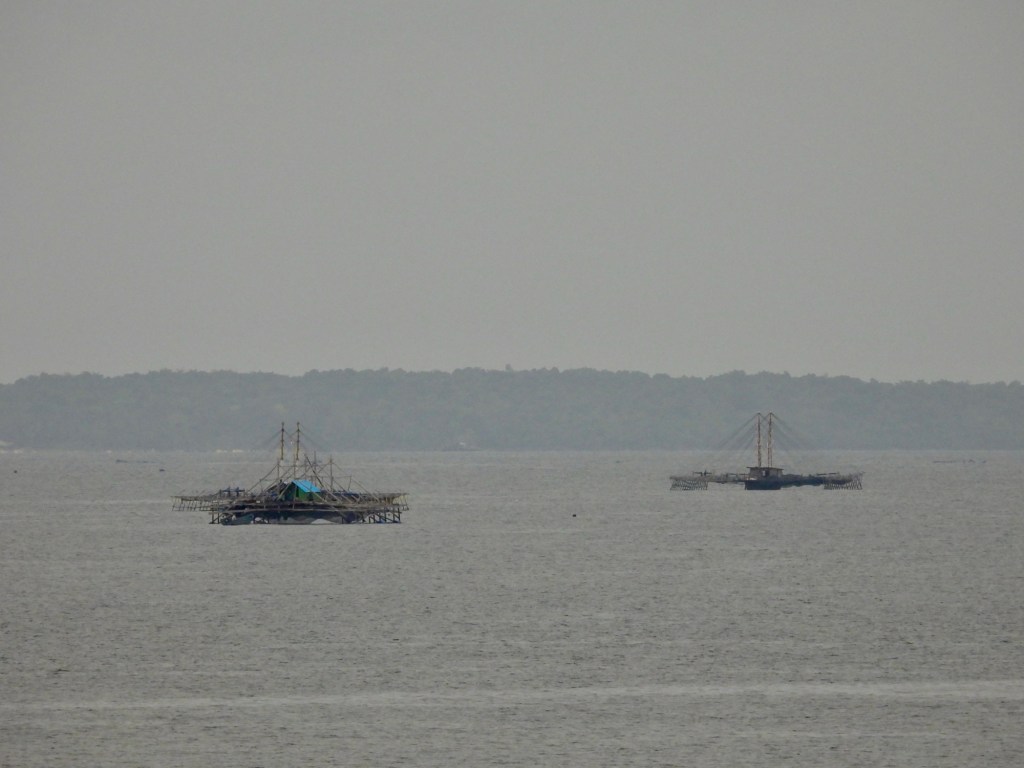
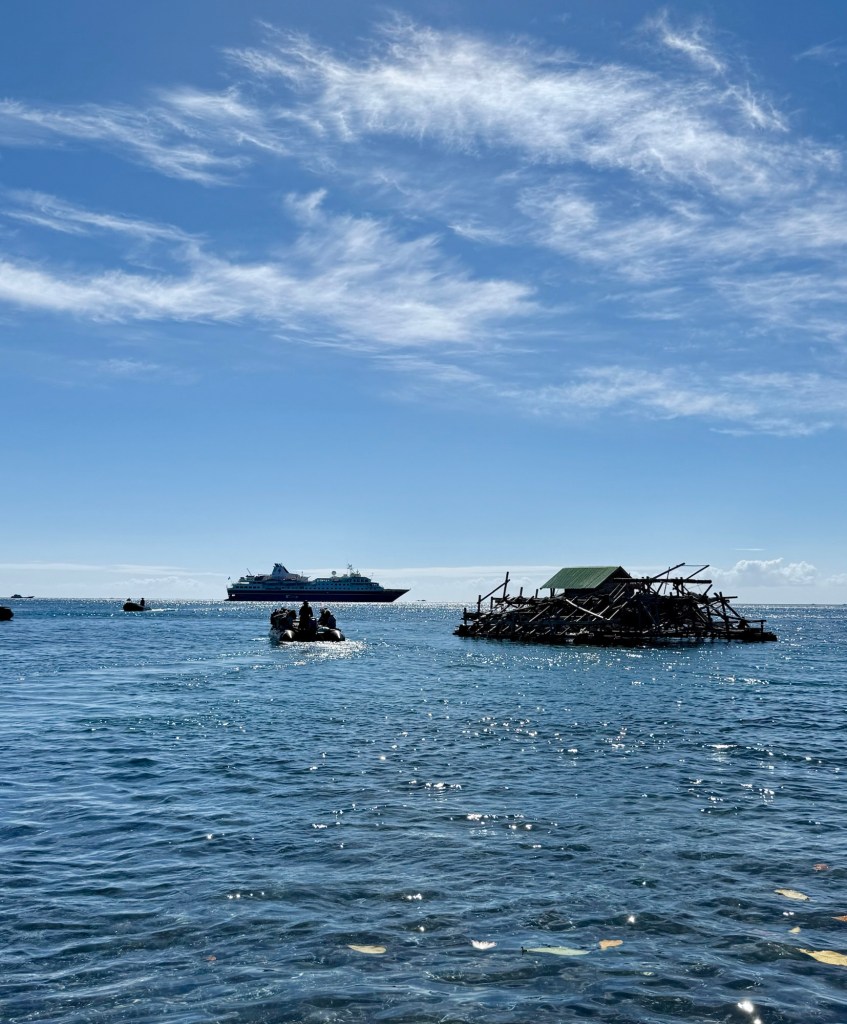
We were now sailing through a sea of FADs (pun intended) – Fish aggregating devices.   These are man made structures used to attract large fish.  In this area they are large rafts, but in some areas, they may just be small floats that have hanging ropes and nets.  Small fish gather underneath the shelters, bringing in the larger fish such as tuna and marlin, which are then caught

Earlier in the trip we had hooked (on the ship) a couple of the smaller ones (which don’t always have any kind of beacon or light) and here, they are made to house people with small huts on top!  In fact, a job on a FAD is a very well paying job for young local boys.  Not sure how much the job was worth for the 16 year old who spent 49 days adrift on one after it broke loose in a storm. 

He drifted almost 2,000km before being rescued.  Apparently, he did not return to a job on the FADs!

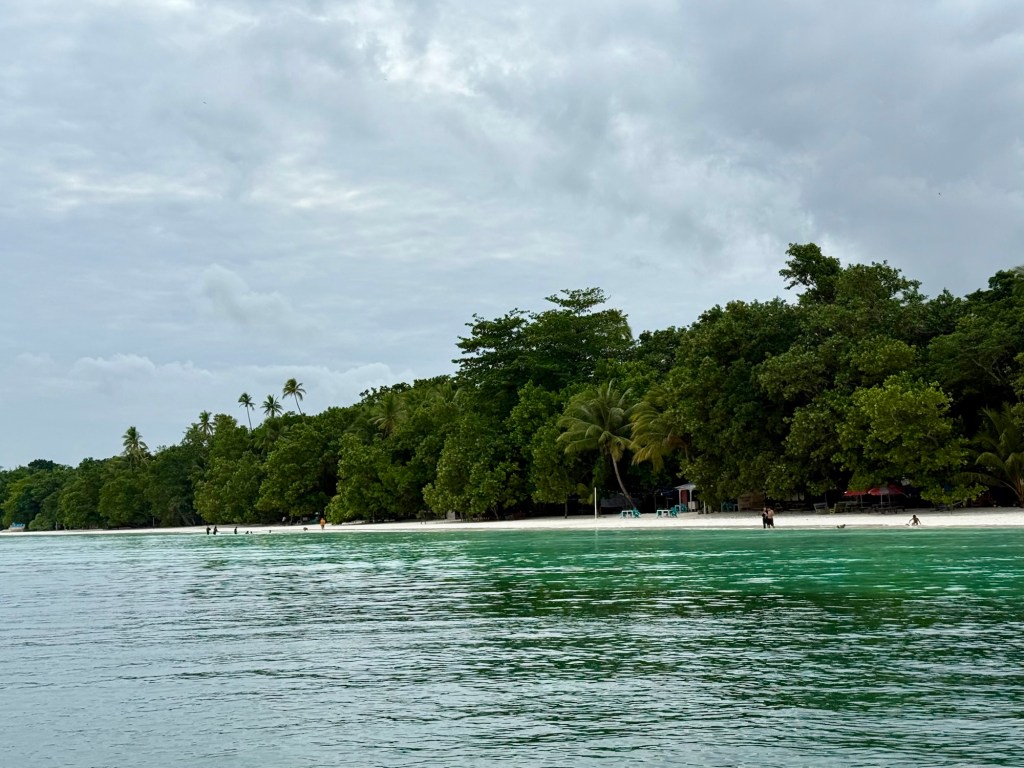
Today’s landscape was completely different to yesterday’s volcanic caldera and the soaring mountains of the day before, as today we were visiting the low lying coral island of Kei (or Kai) Kecil (or Little Kei Island) in the Kai Island group.  (The other main island in the group is called Kai Besar, meaning Great Kai Island – very imaginative lol).

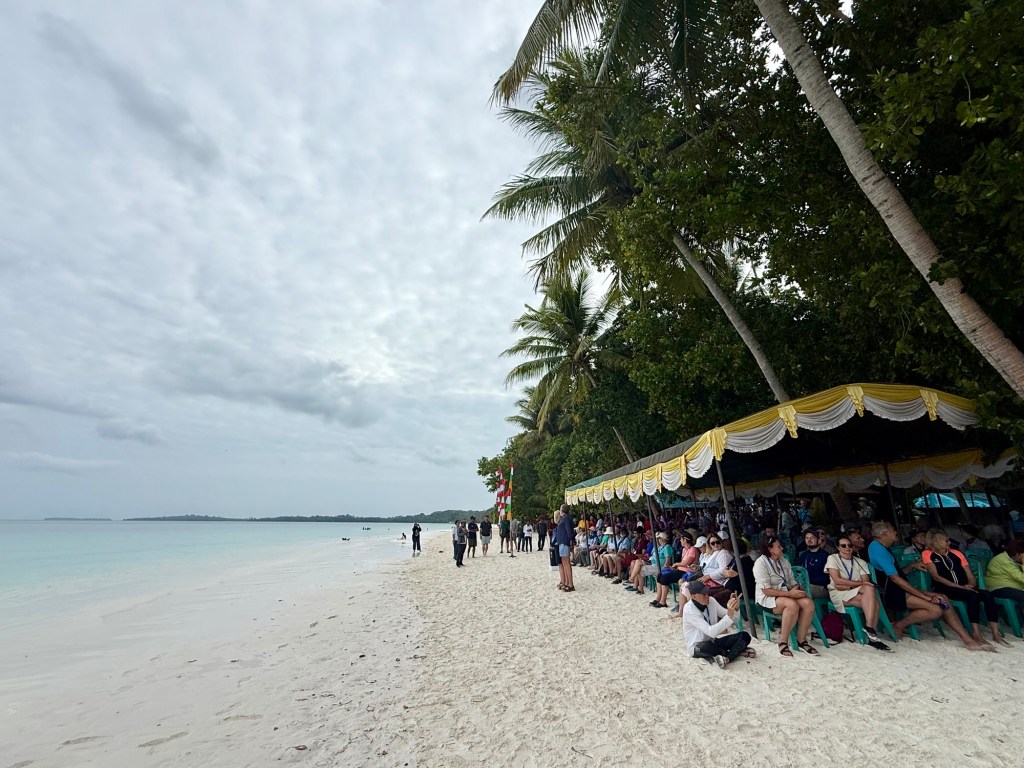
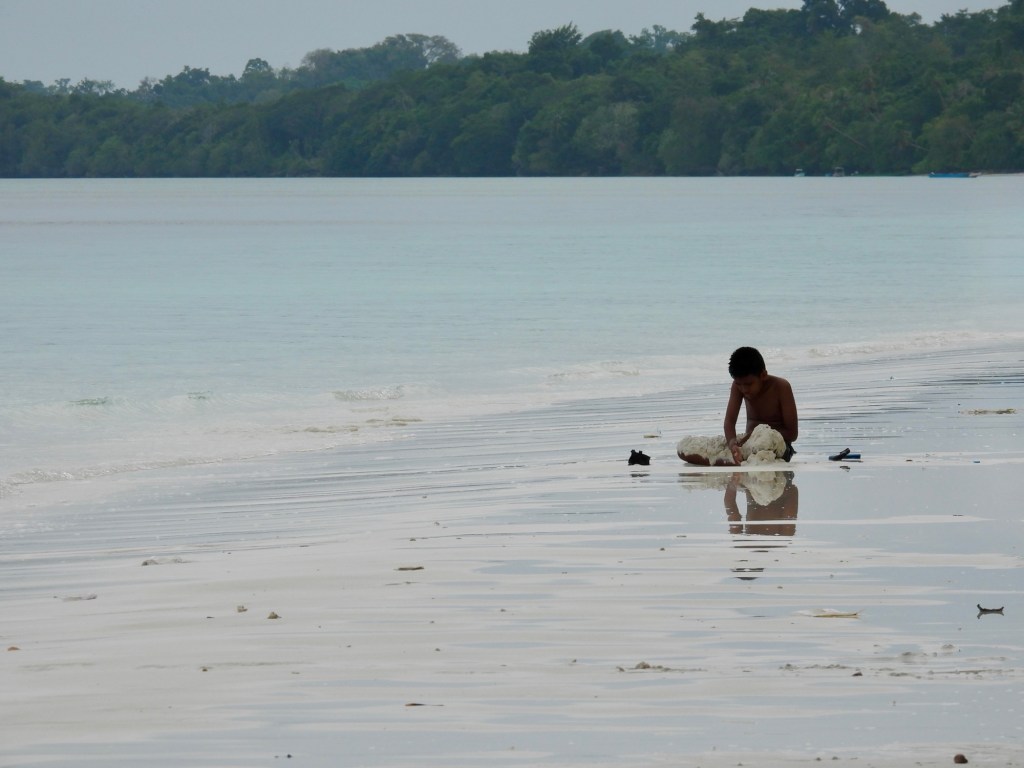
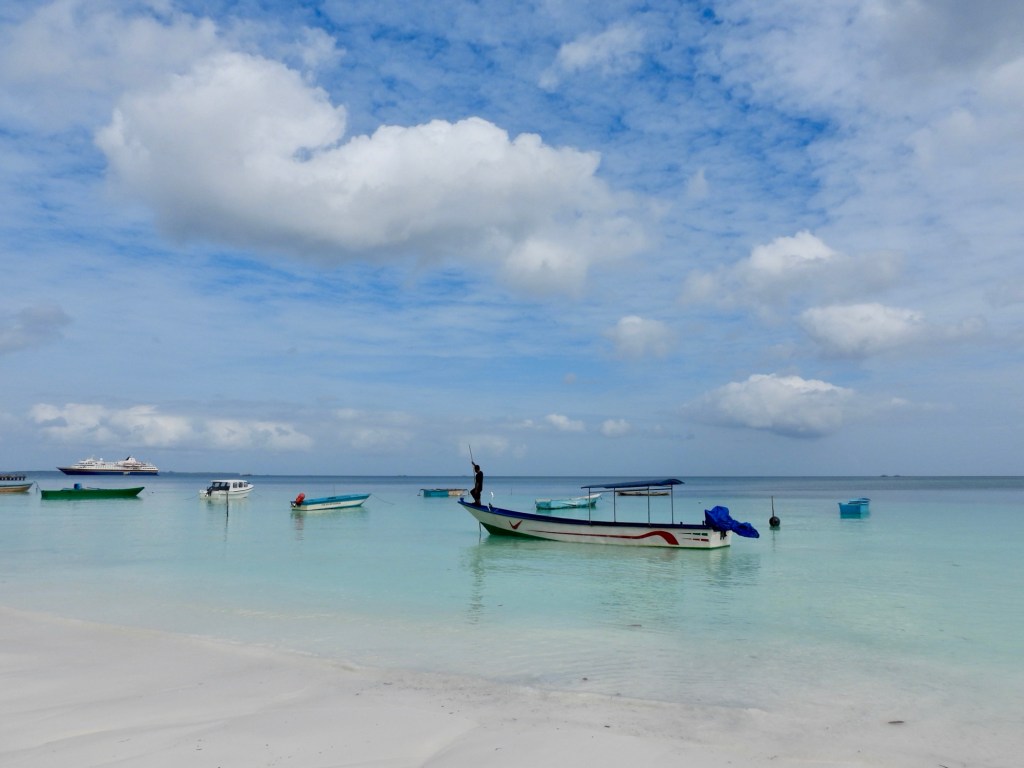
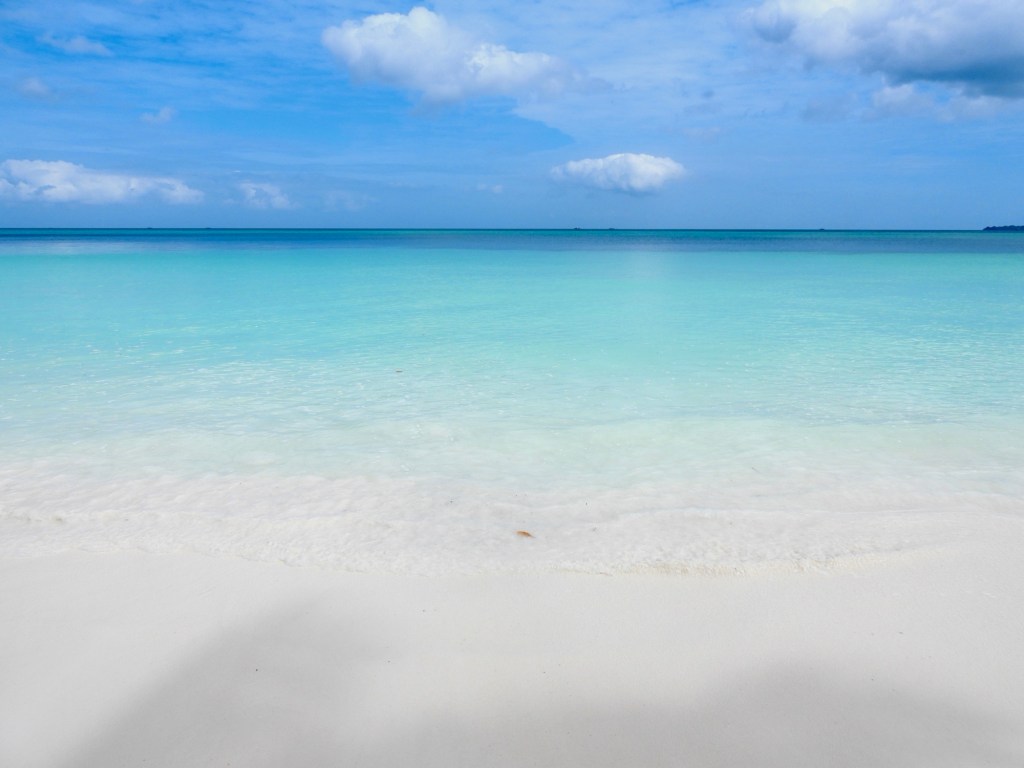
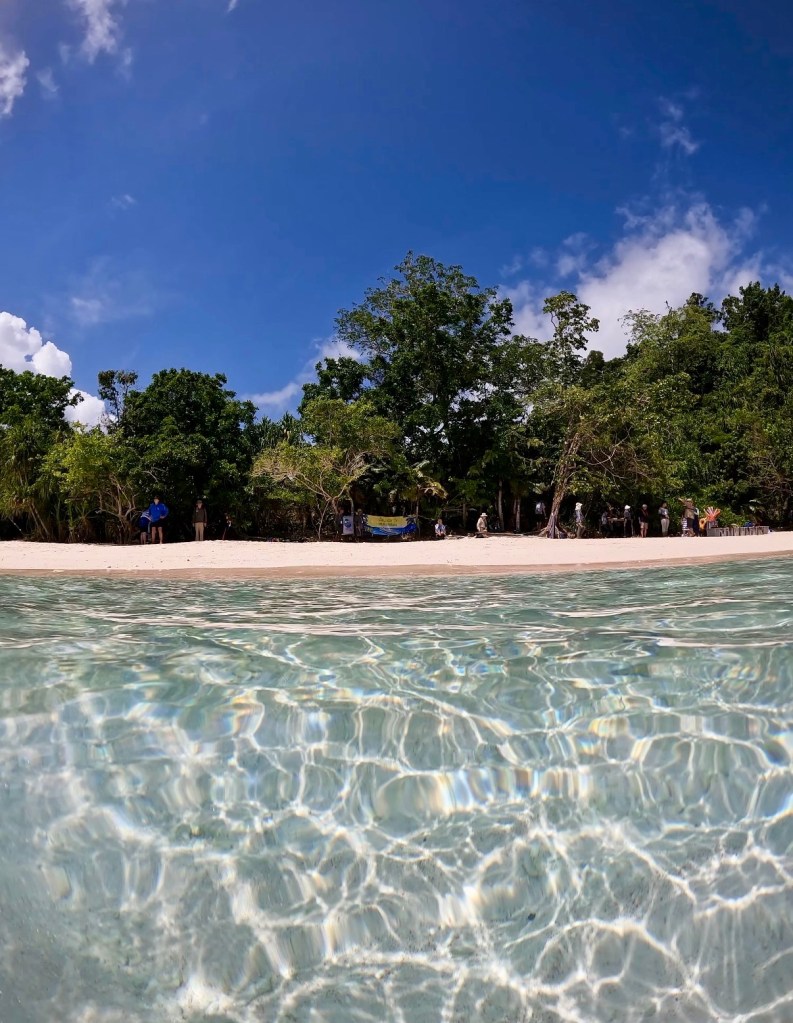
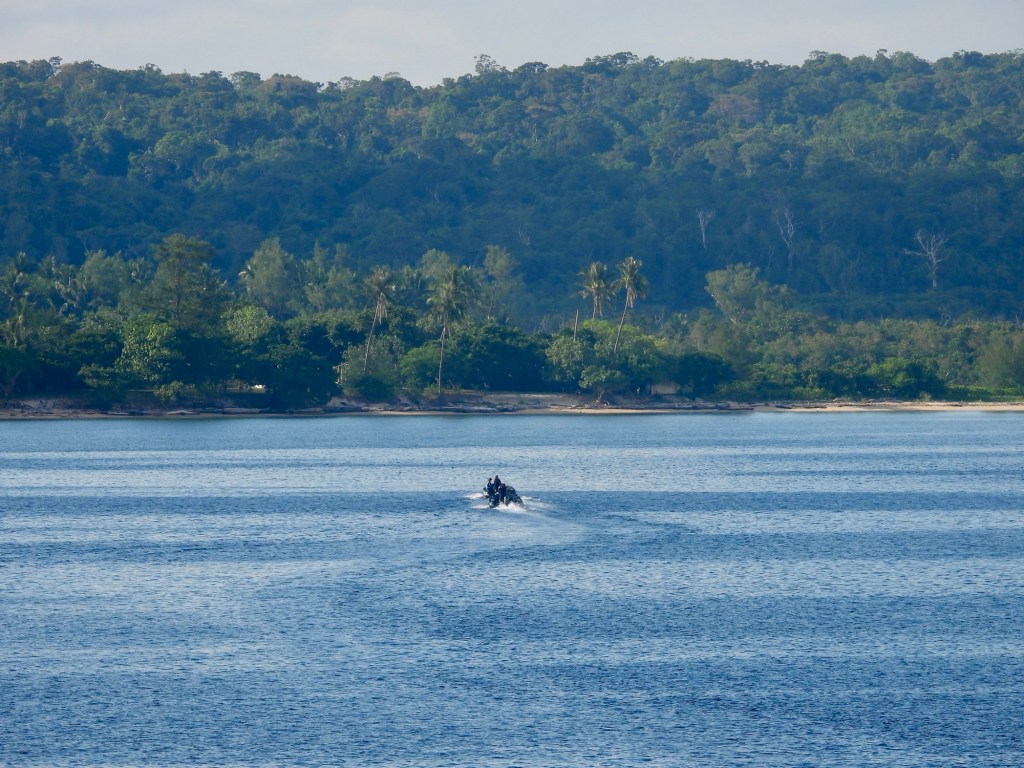
It was a moody morning, but it did not take away from the beauty of the island, it apparently has some of the softest white sand, and clearest turqoise waters in the world and it was definitely one of the most beautiful beaches I have seen.  The sand was more like talcum powder!

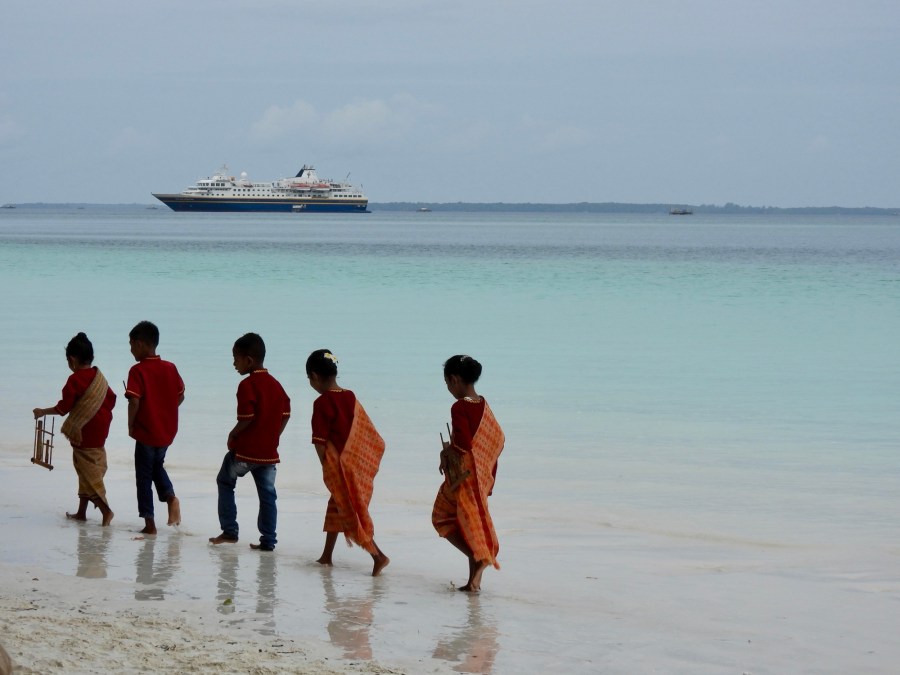
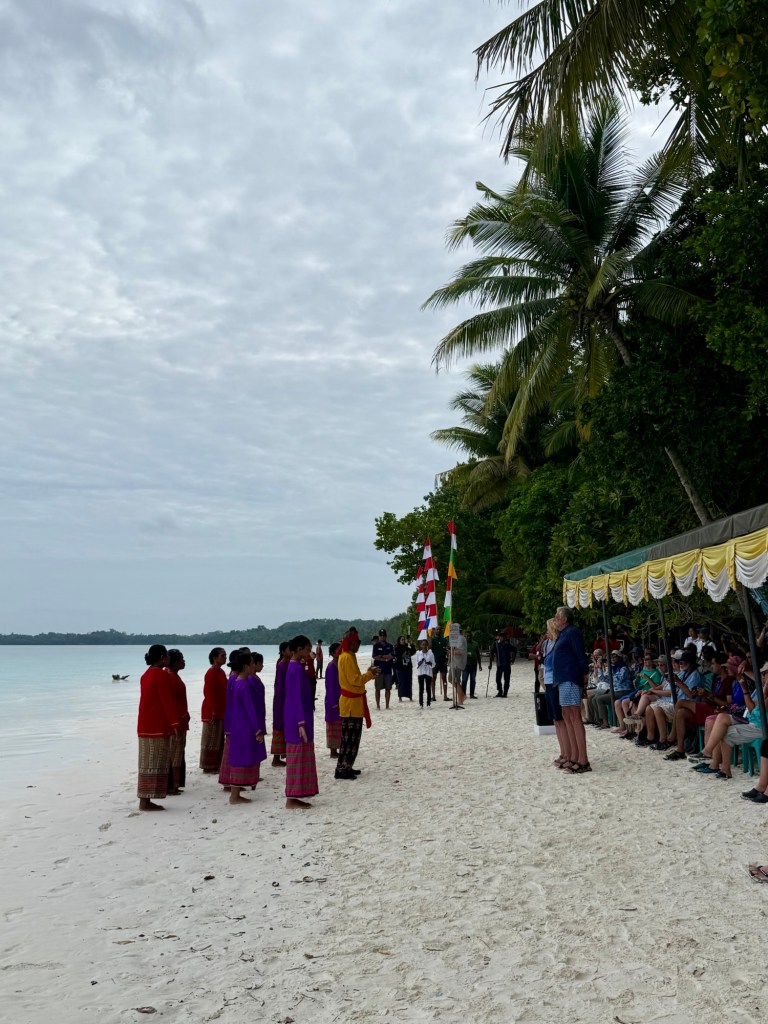
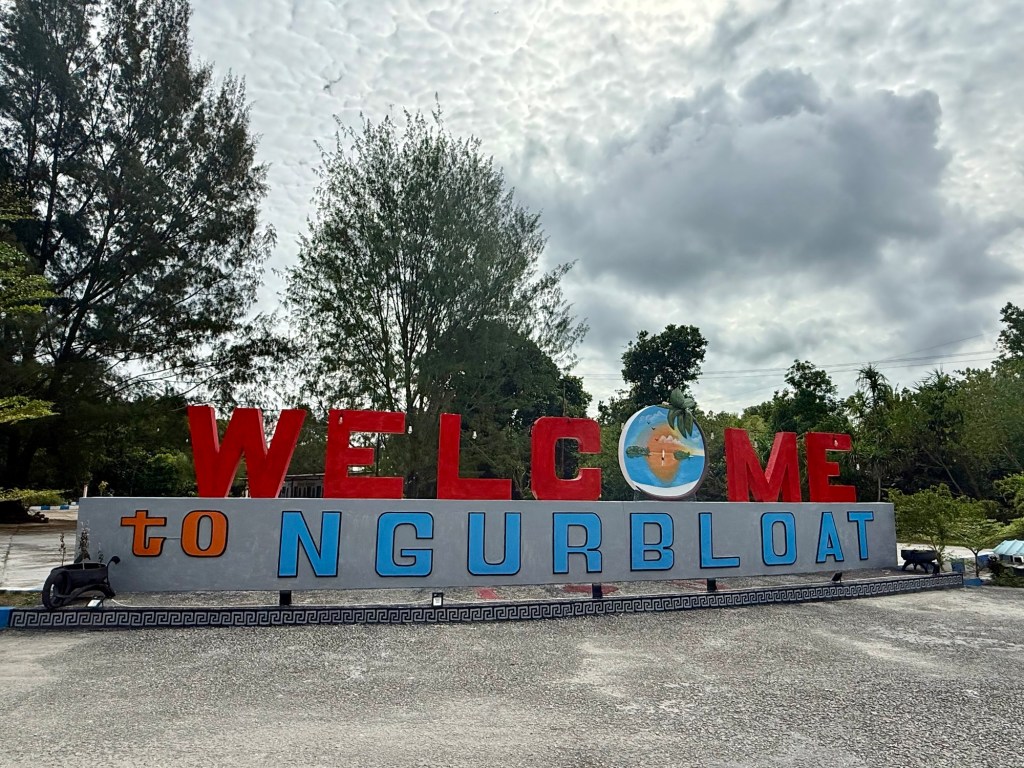
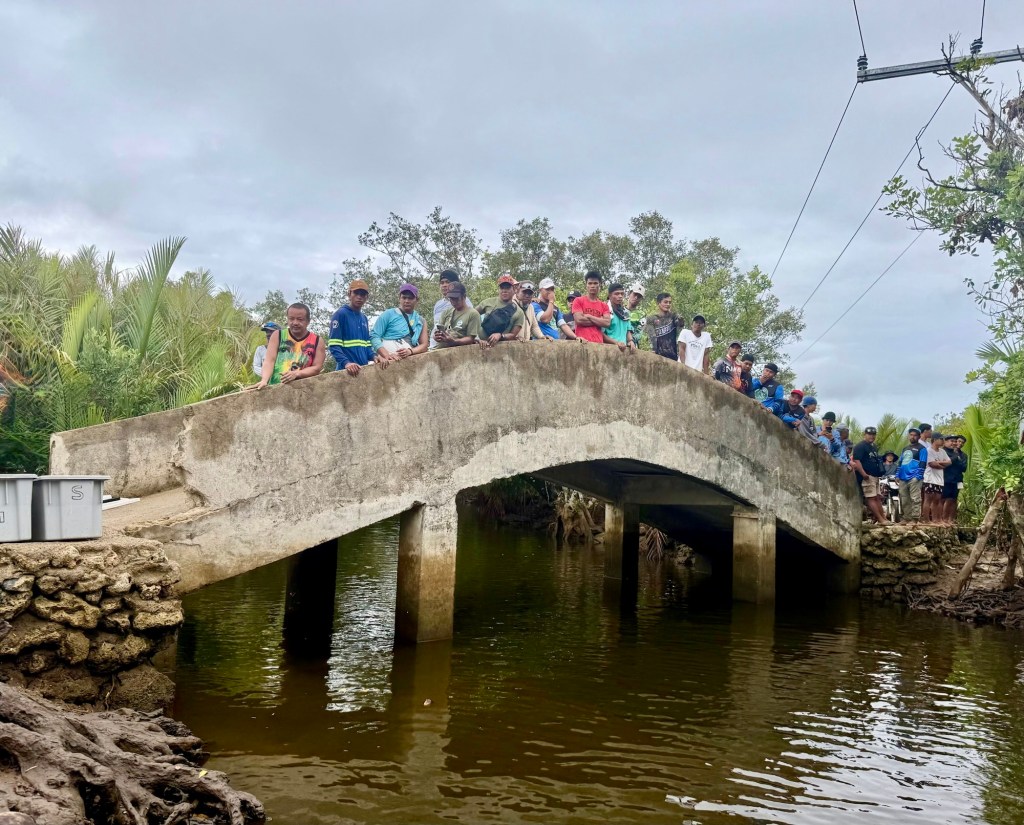
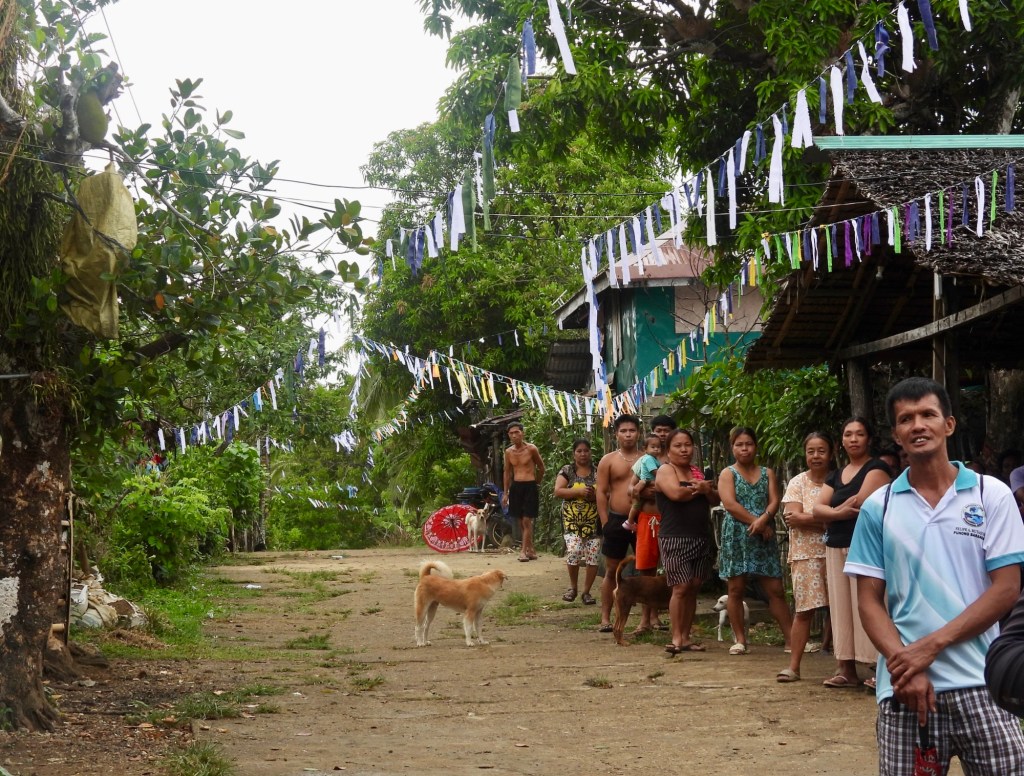
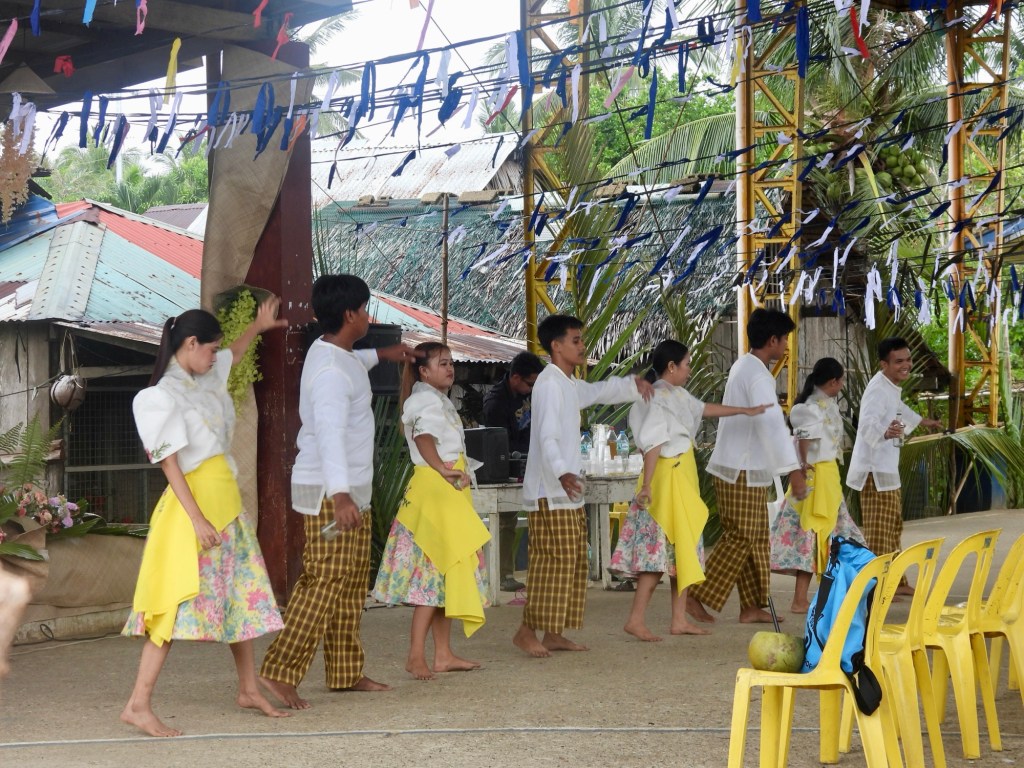
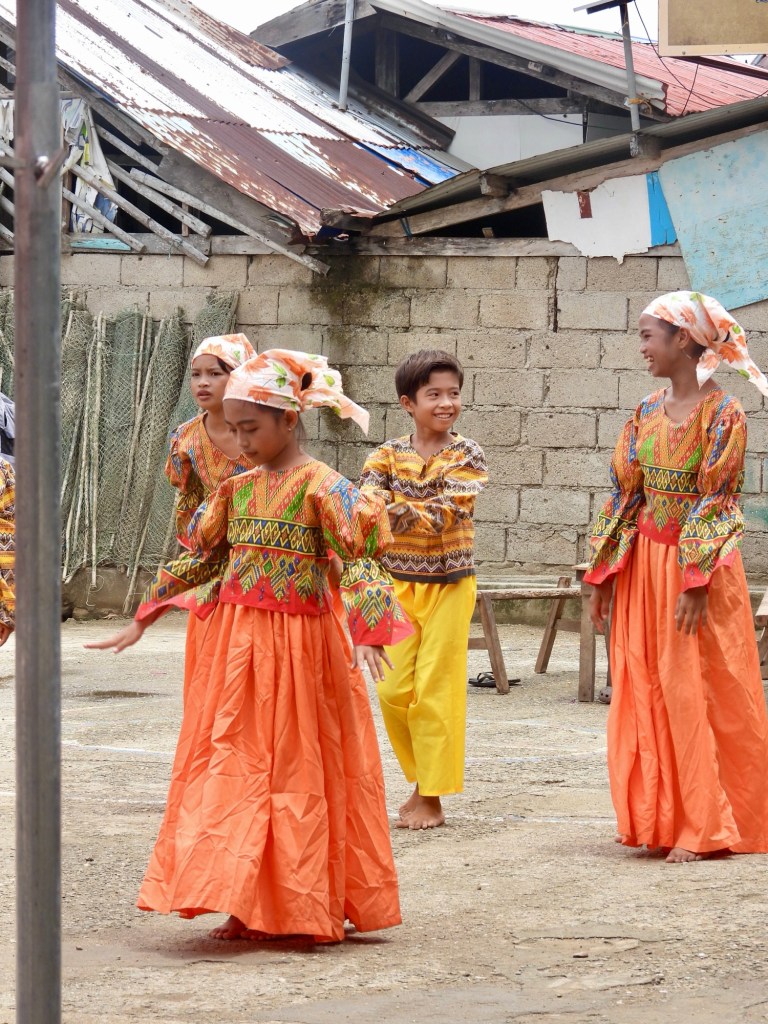
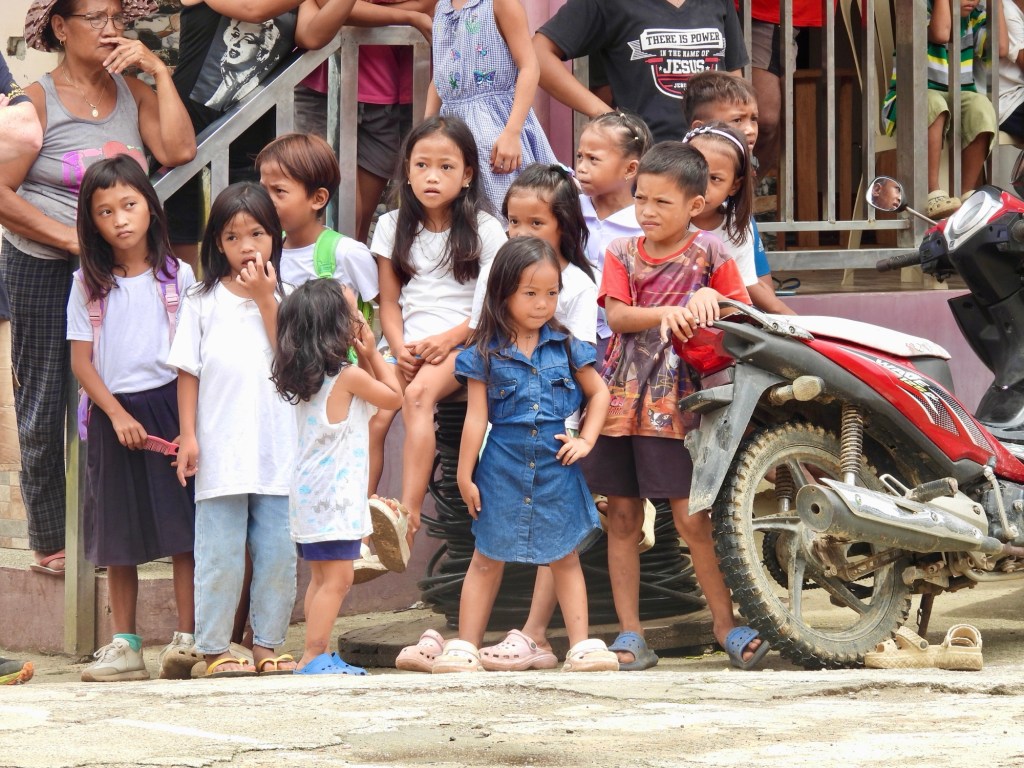
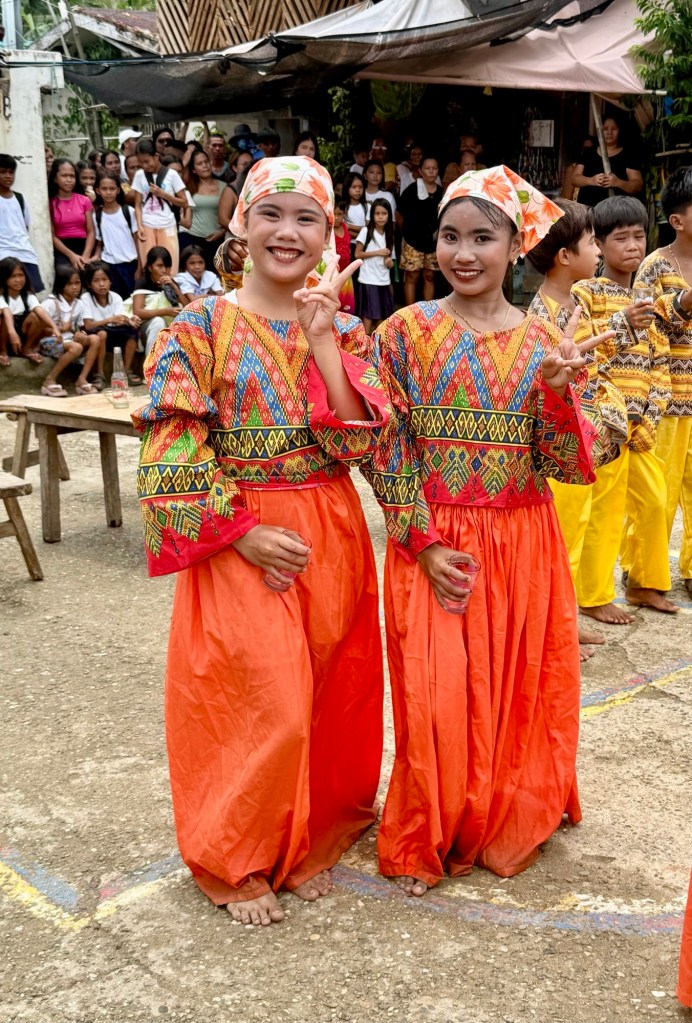
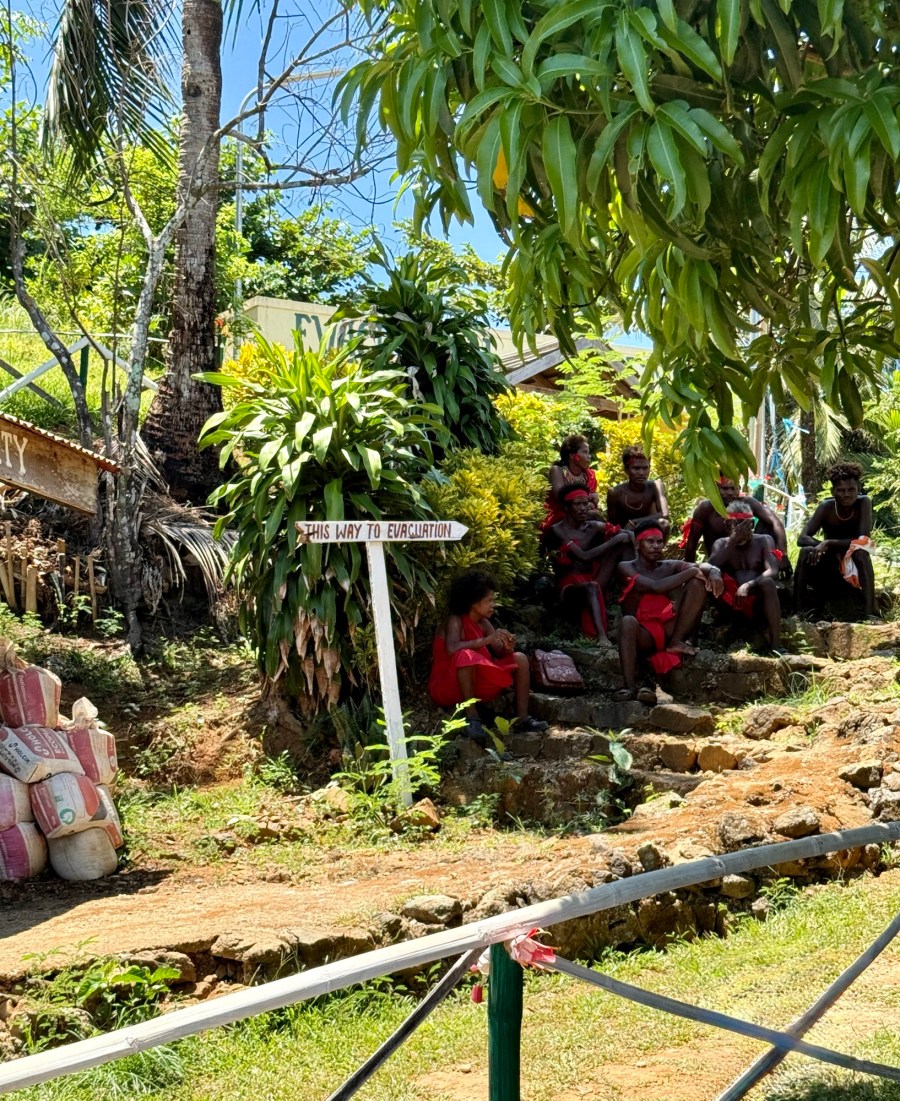
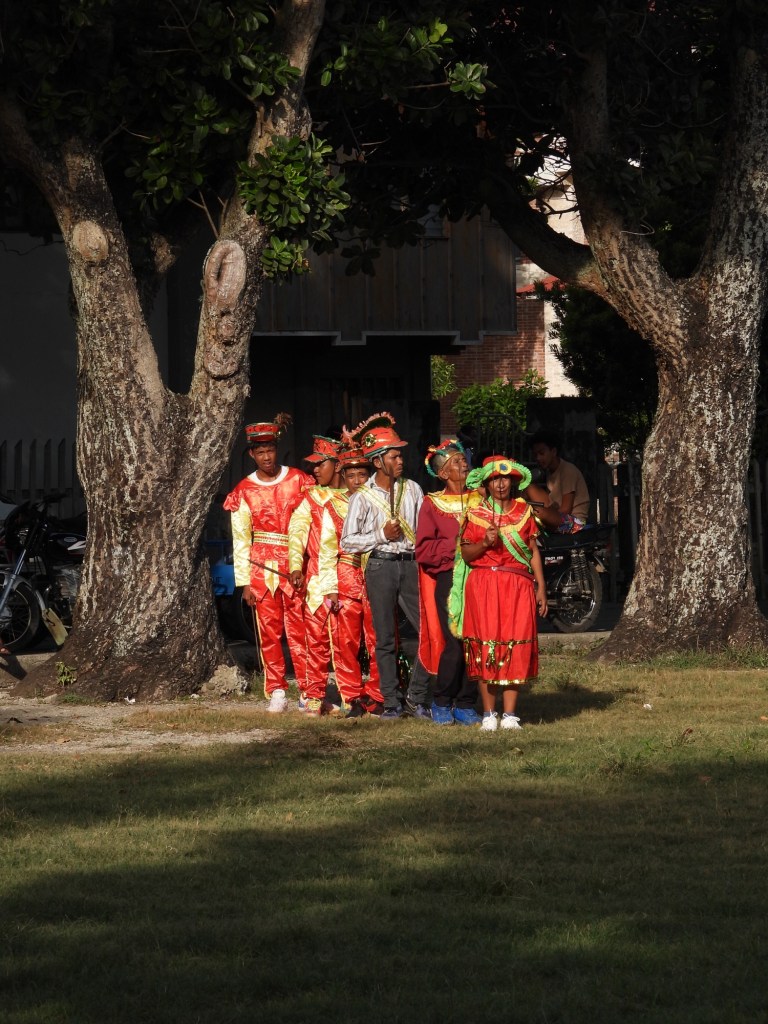
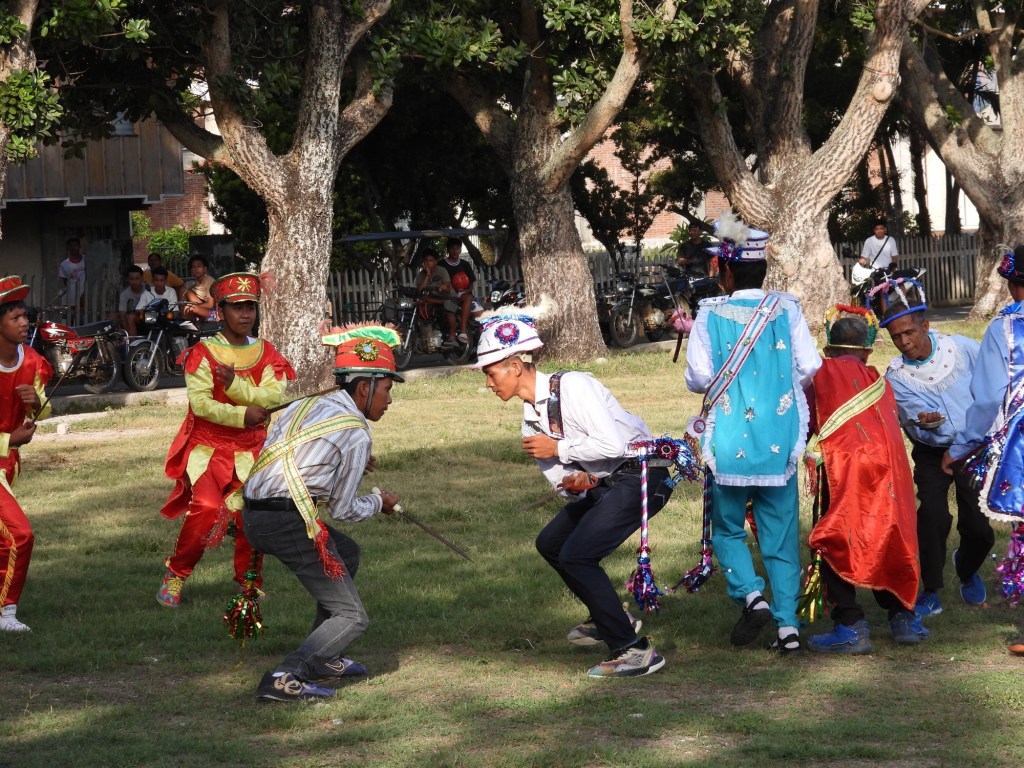
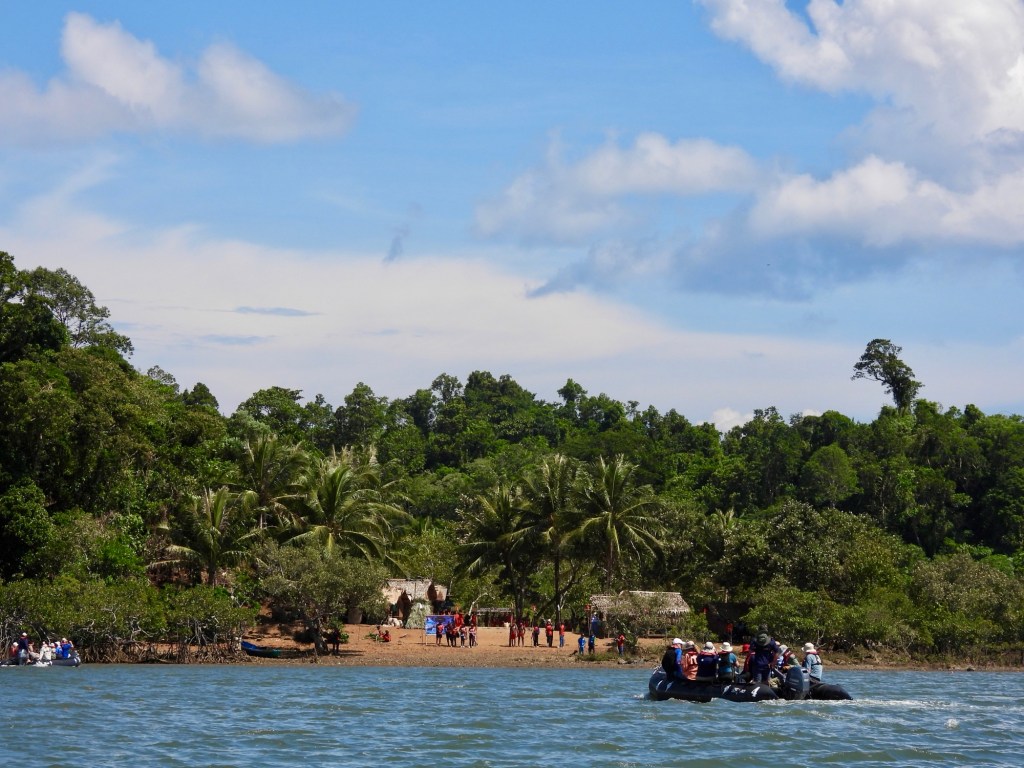
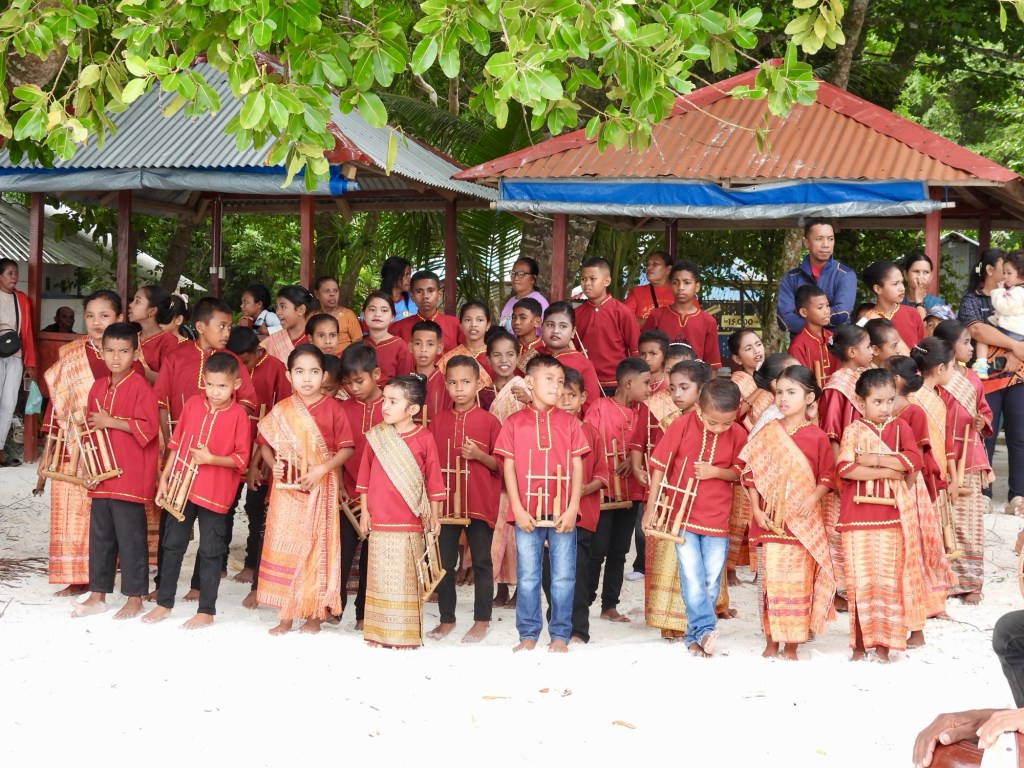
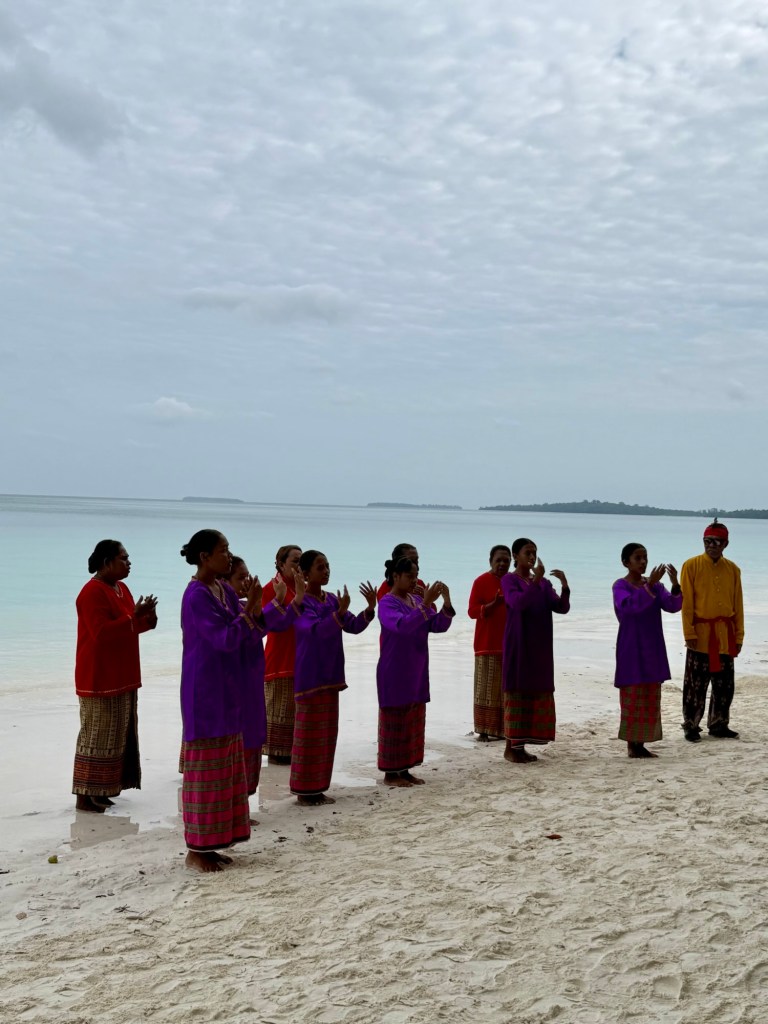
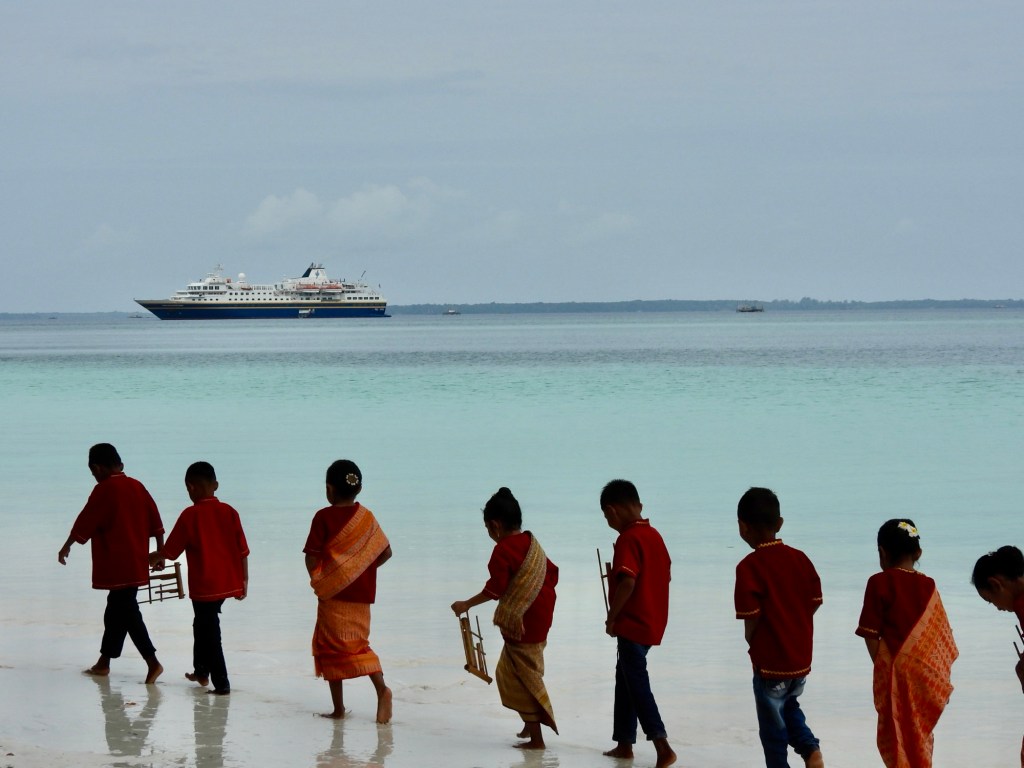
It was a stunning backdrop for the welcome we were to receive.  Much of the town’s population was on Ngurblat Beach and a large marquee had been set up for shade as we awaited the performances by local children.

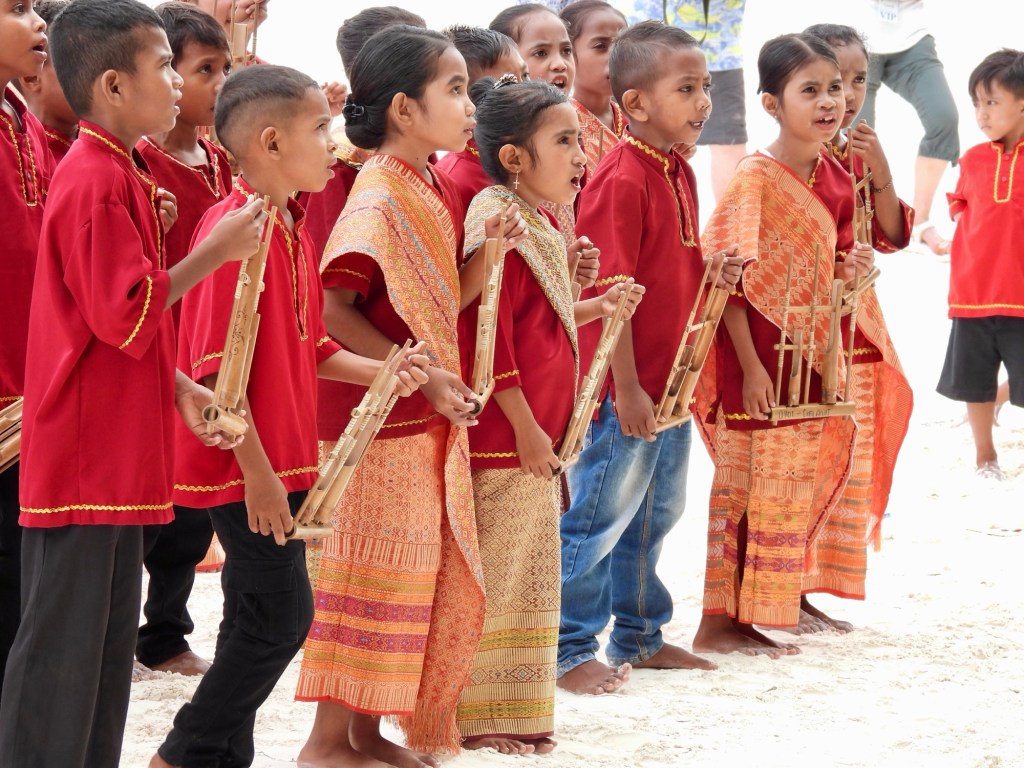
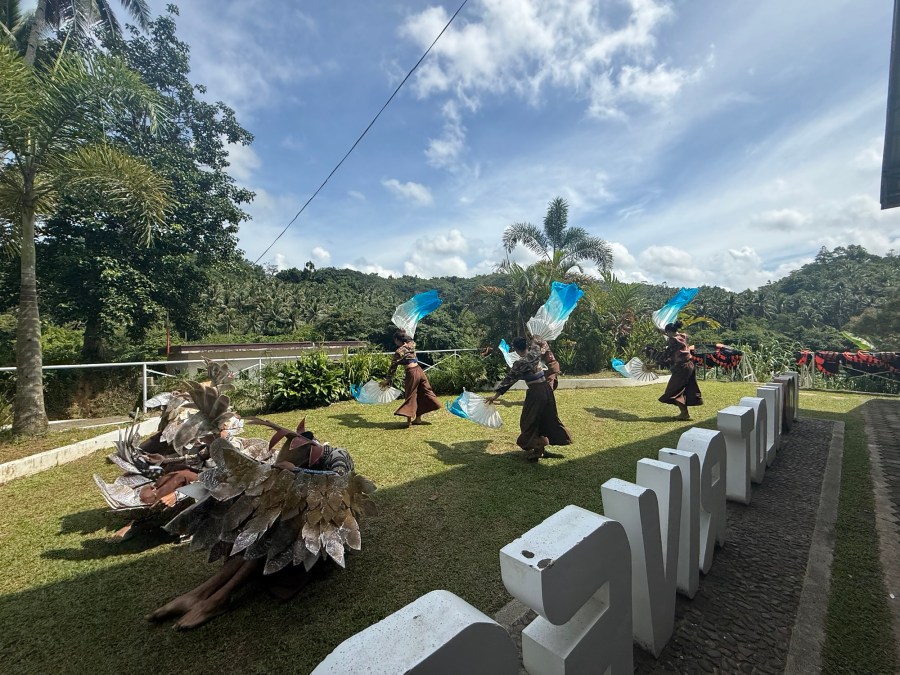
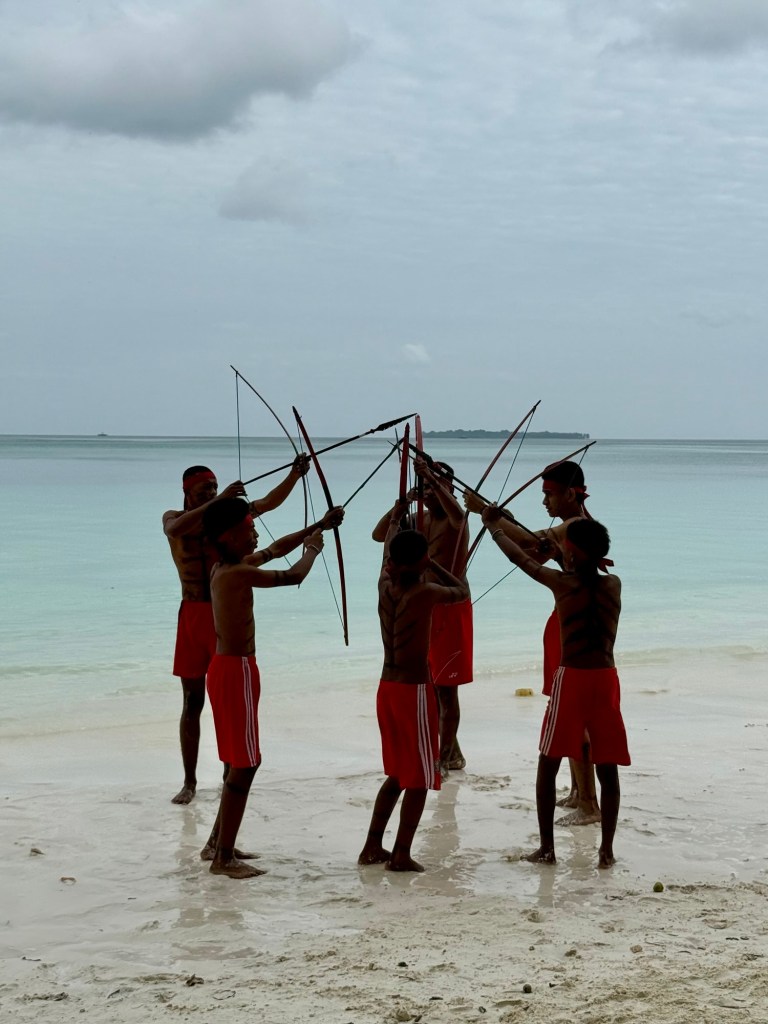
Initially there was a “warrior’ dance, followed by a group of children playing a local instrument (I actually don’t know what it was called) and singing.  It was quite different to anything else we have experienced and it was truly beautiful. 

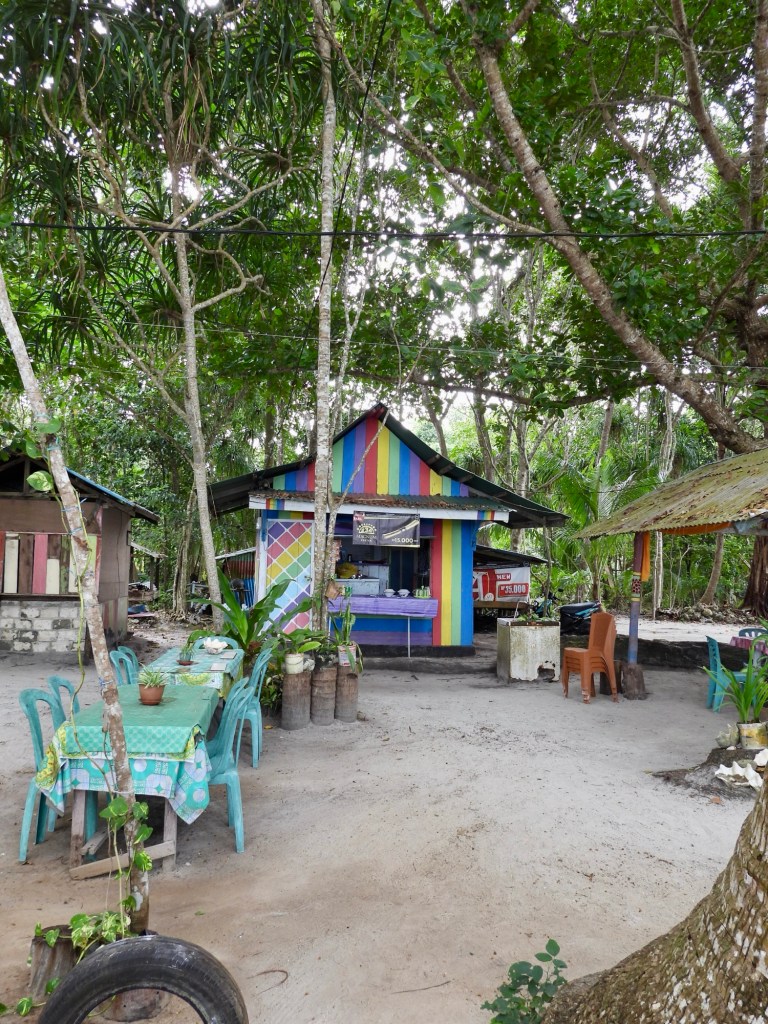
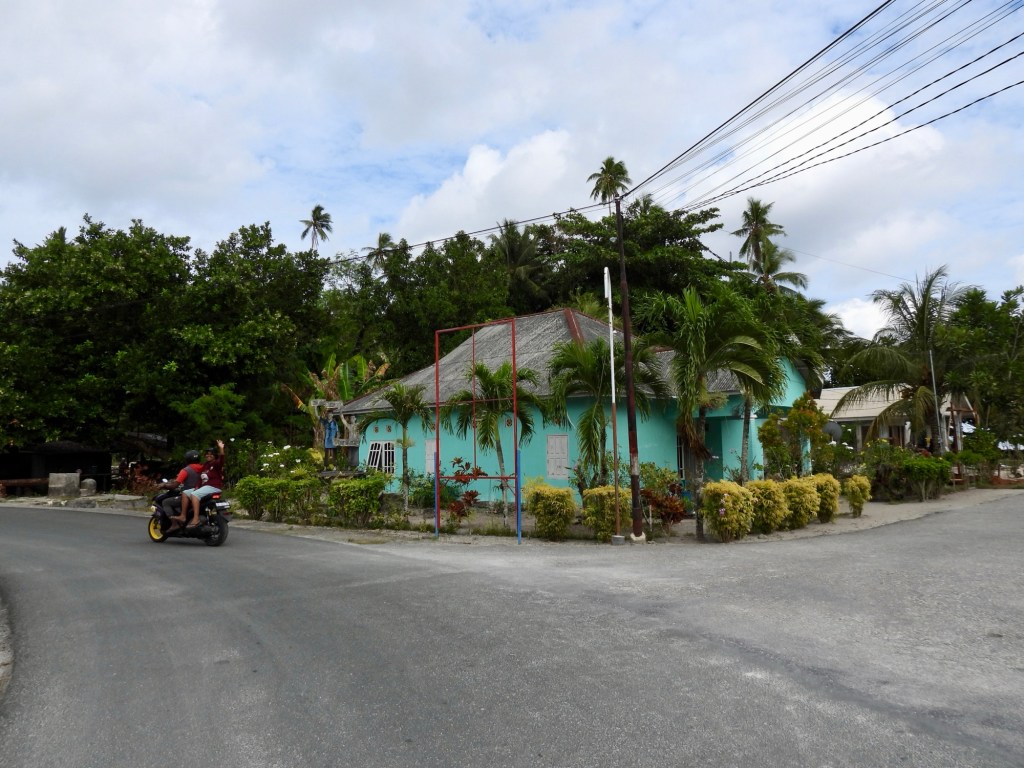
After the welcome, we free time to walk around the area a learn a little more about it.  It was clear that this was a small beach resort town, but it seemed pretty empty.  Apparently they get approximately 2,000 foreign tourists visit a year, due to the difficult route to get here, but this makes it that little more special in my eyes. 

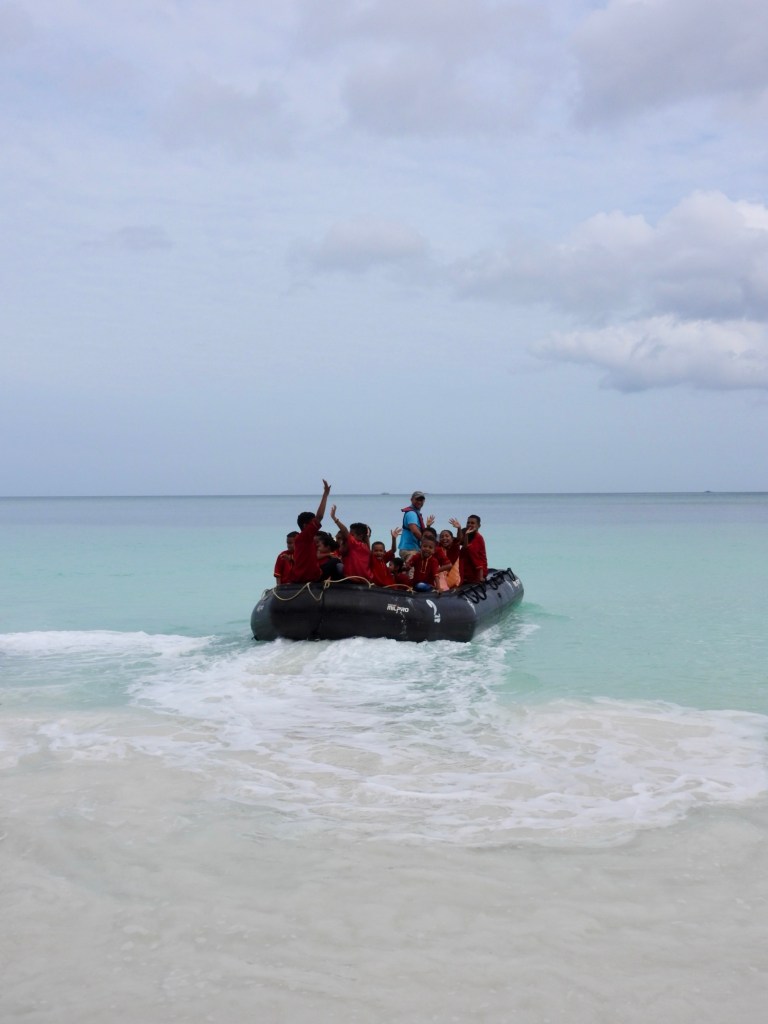
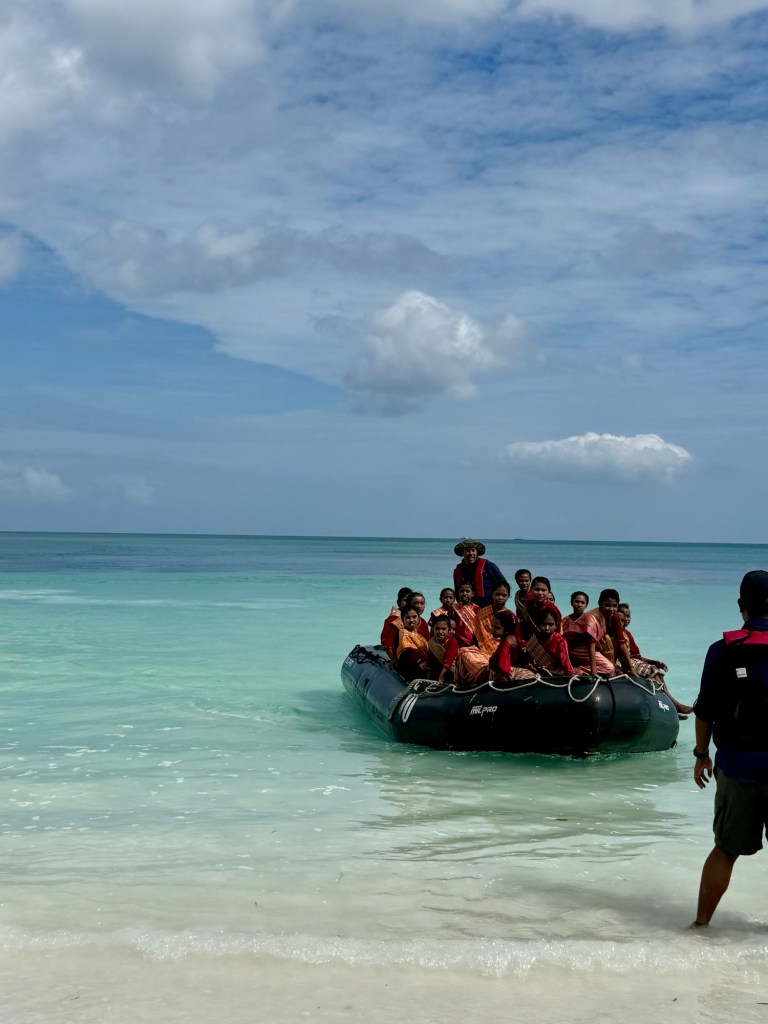
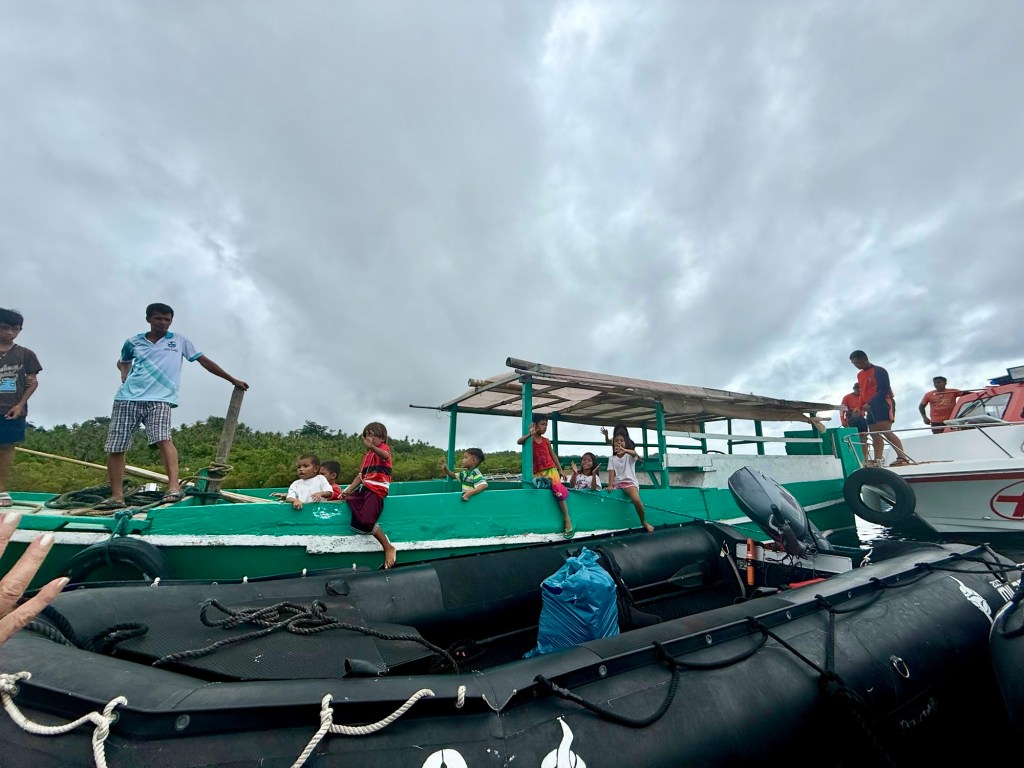
I don’t think that I have mentioned previously, that on each stop in Indonesia, while we were on shore, the captain arranged to take some of the local children out to the ship – sometimes up to 70 of them!  On board, they enjoyed ice cream, going up and down in the elevator (which many have never seen before) and looking at the books in the library. 

It was always so special to see their excitement as they jumped into the zodiacs to head out to the ship and their screams of joy as they came back (with the zodiac drivers doing donuts on the way back to shore).   It was very special.  We actually demanded donuts on our way back to the ship and screamed with excitement too!

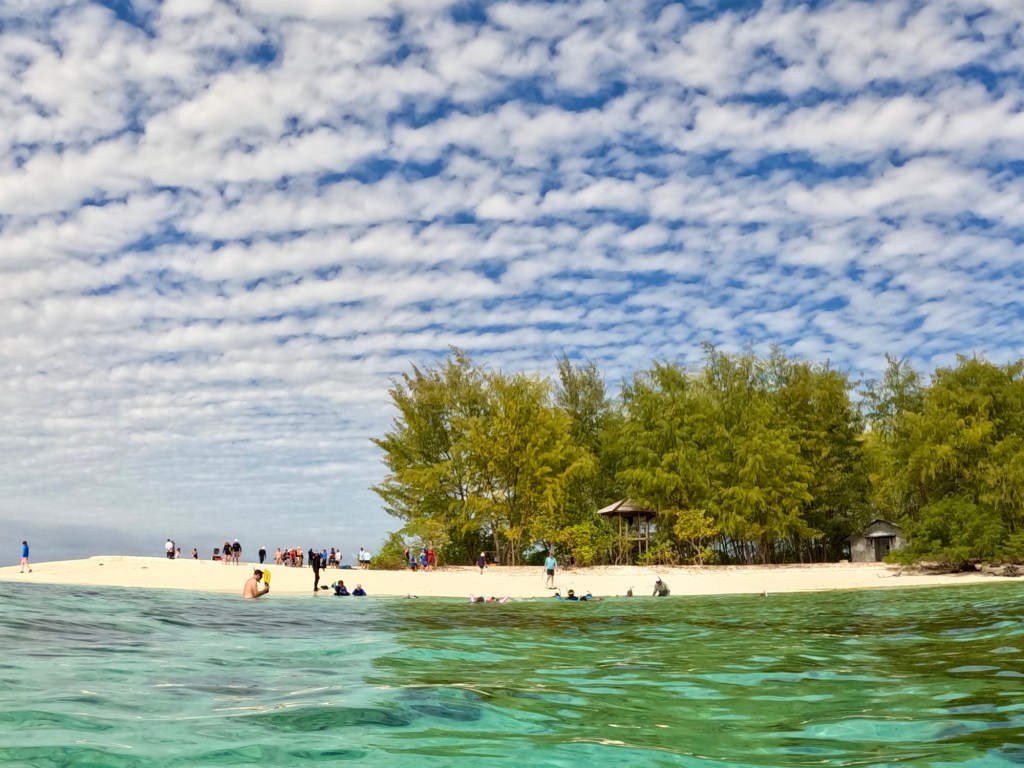
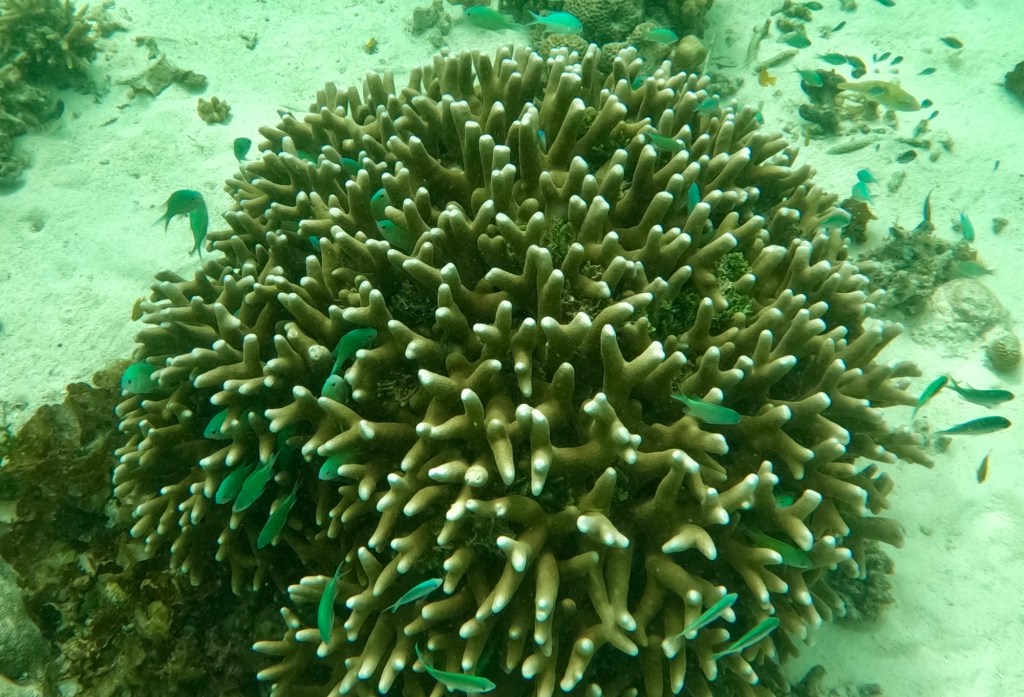
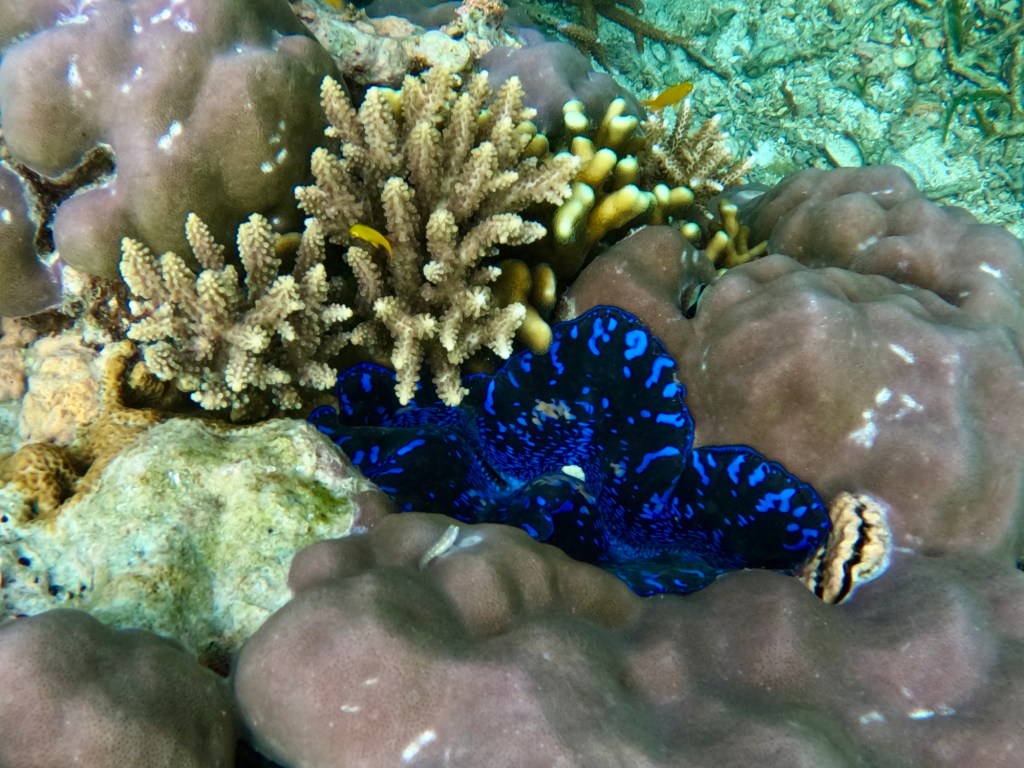
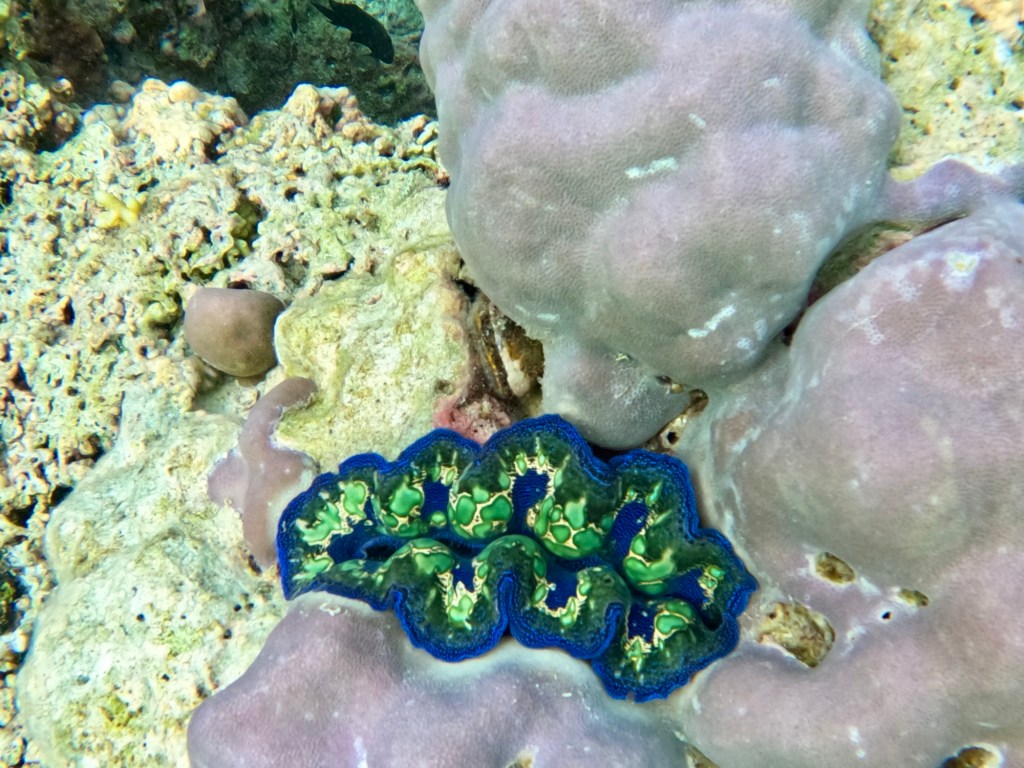
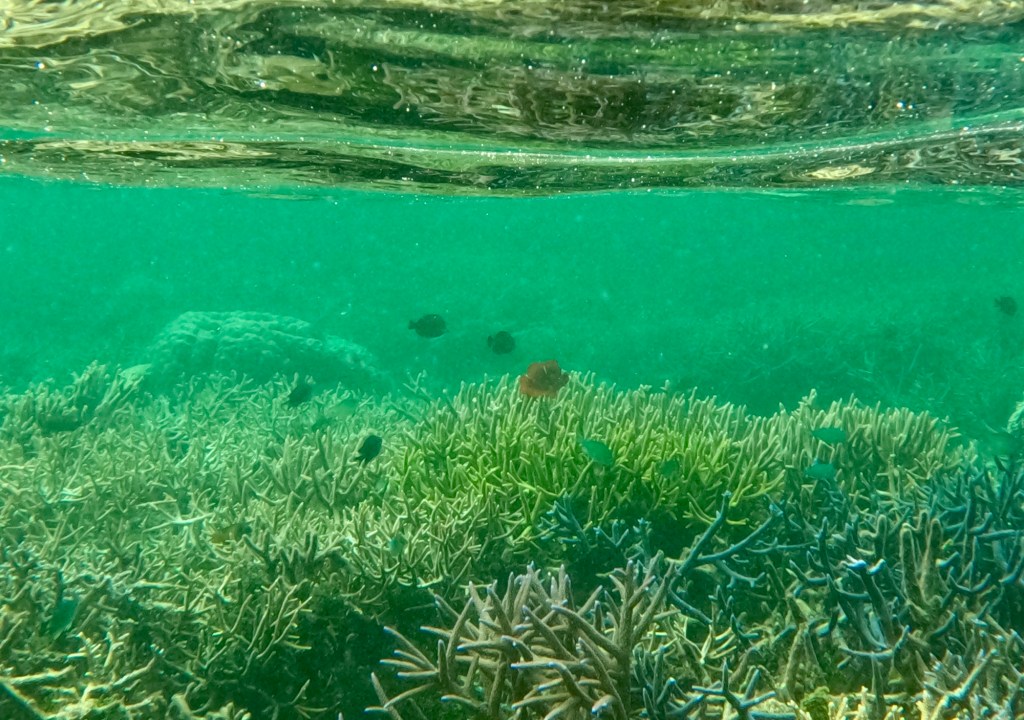
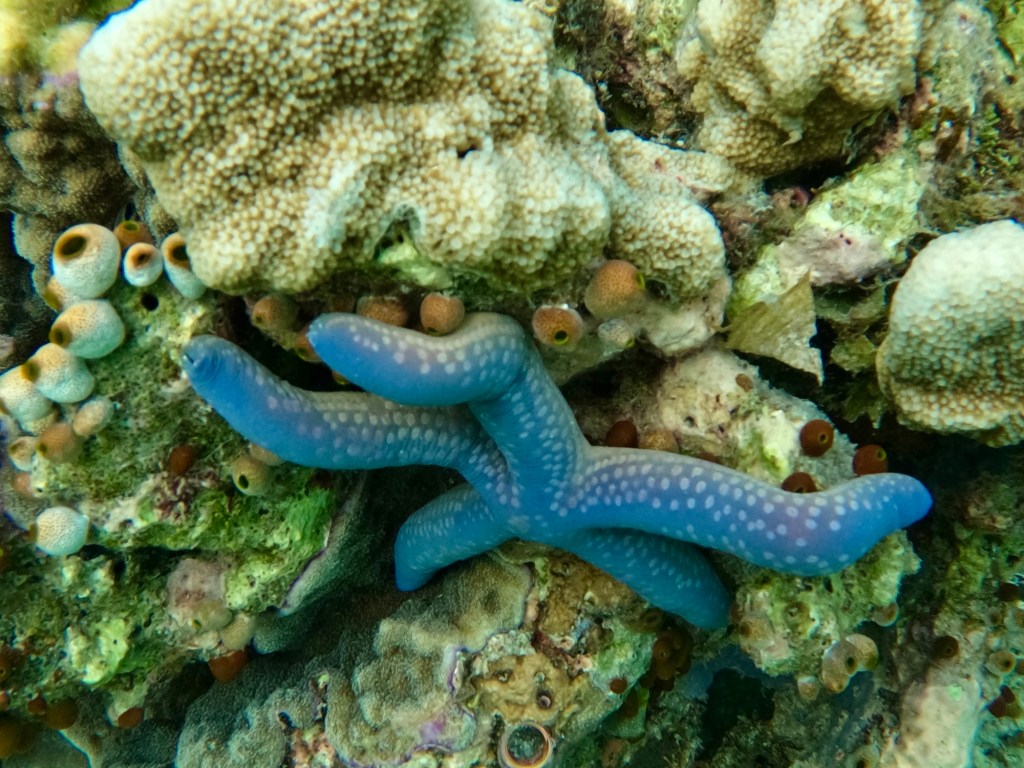
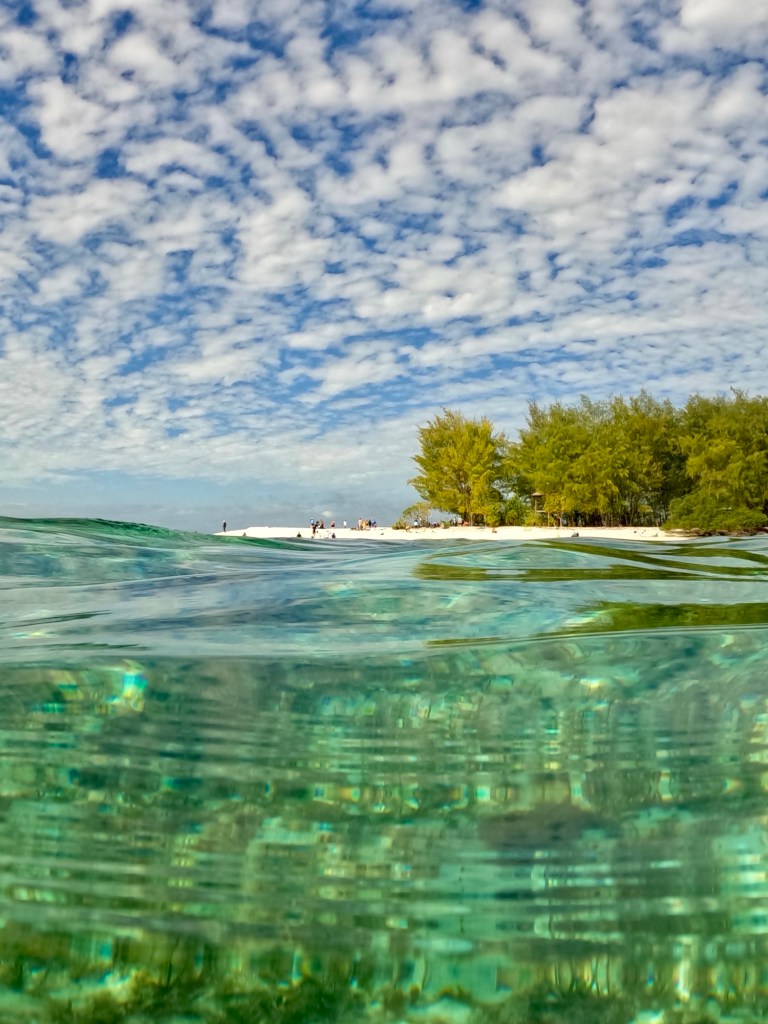
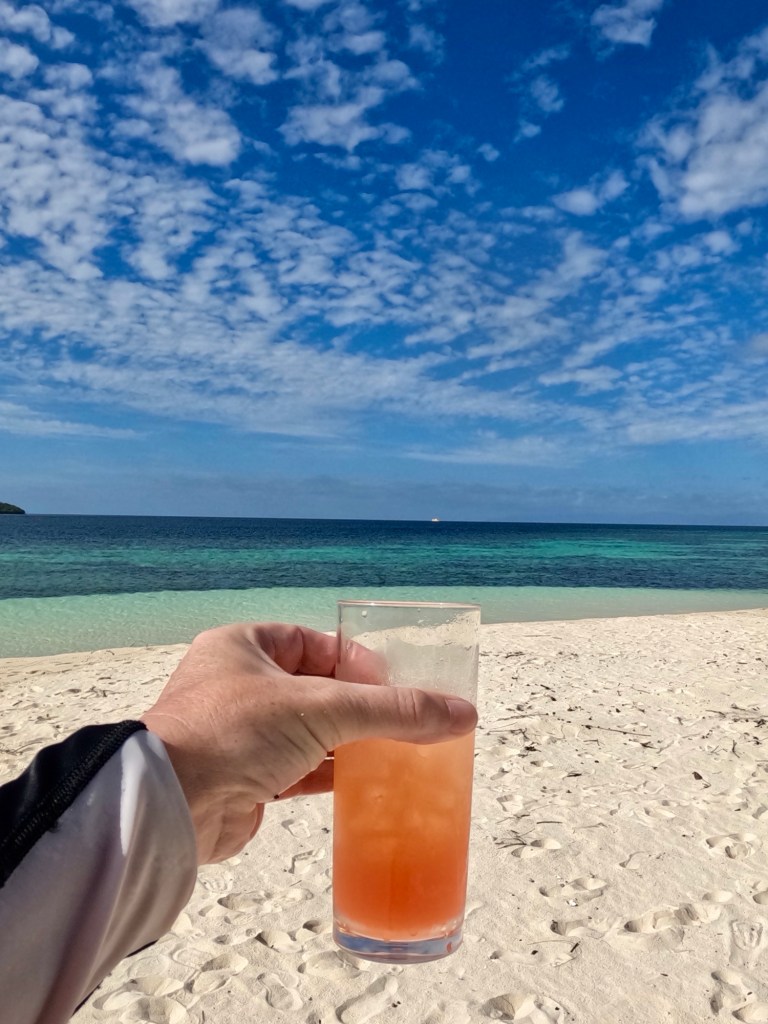
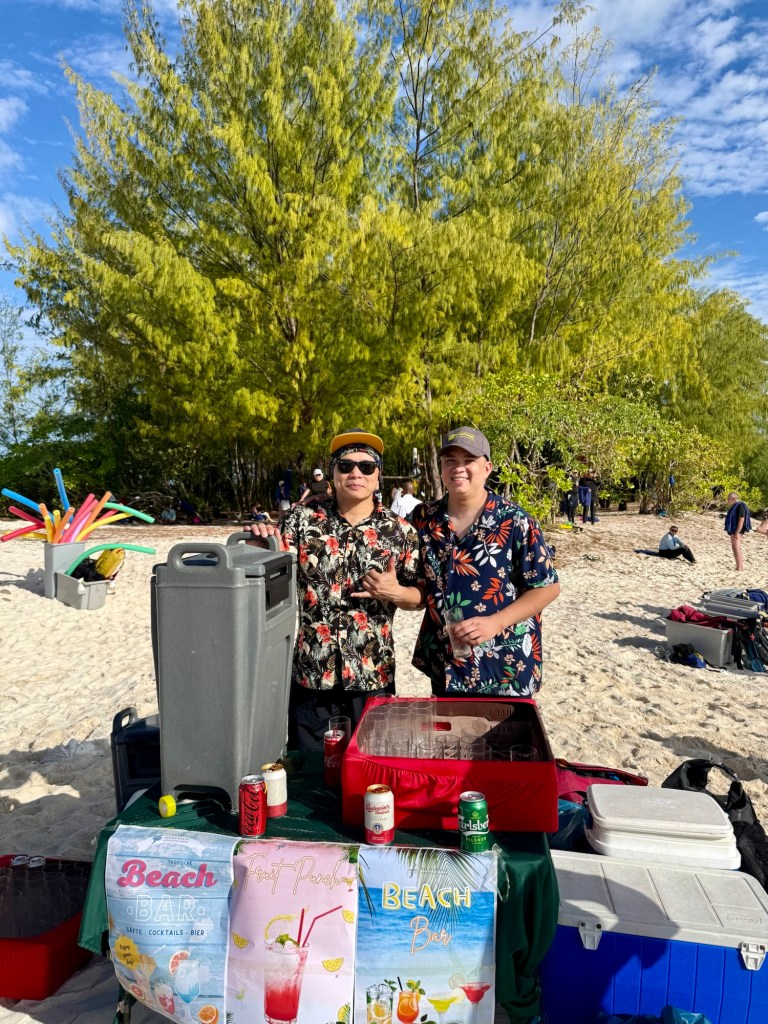
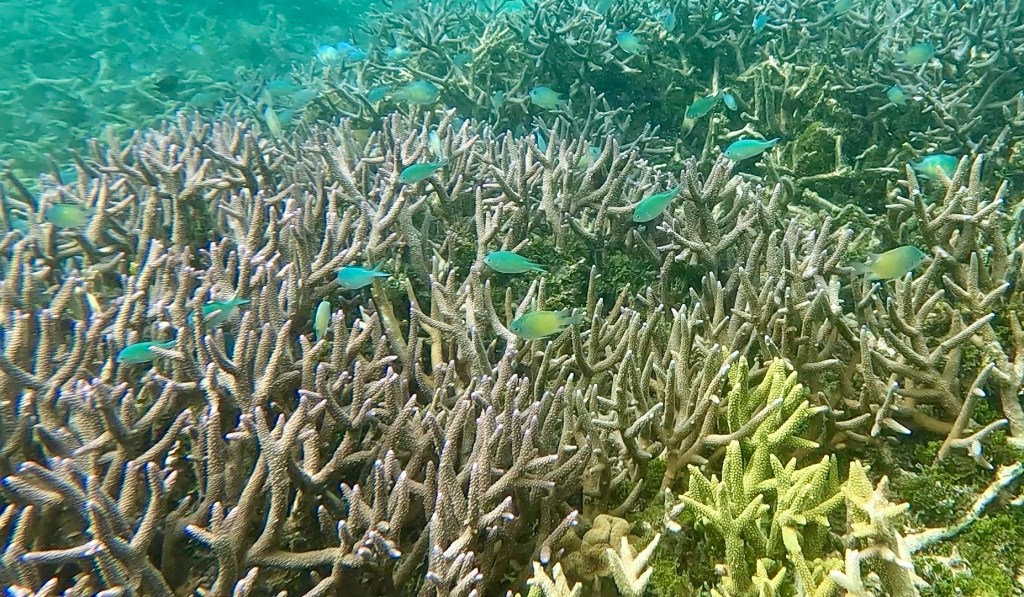
Our final afternoon was spent on a small but perfectly formed island where we could snorkel and relax.  The snorkelling was amazing, with the highlight being some stunning giant clams, and my go pro came in handle to bat away the few jelly fish I saw lol.  A small bar was set up on shore serving rum punches and after some time snorkelling, I enjoyed a couple.  It was a perfect sea, sand, sun and sky (oh and rum punch).  I wish it never had to end. 

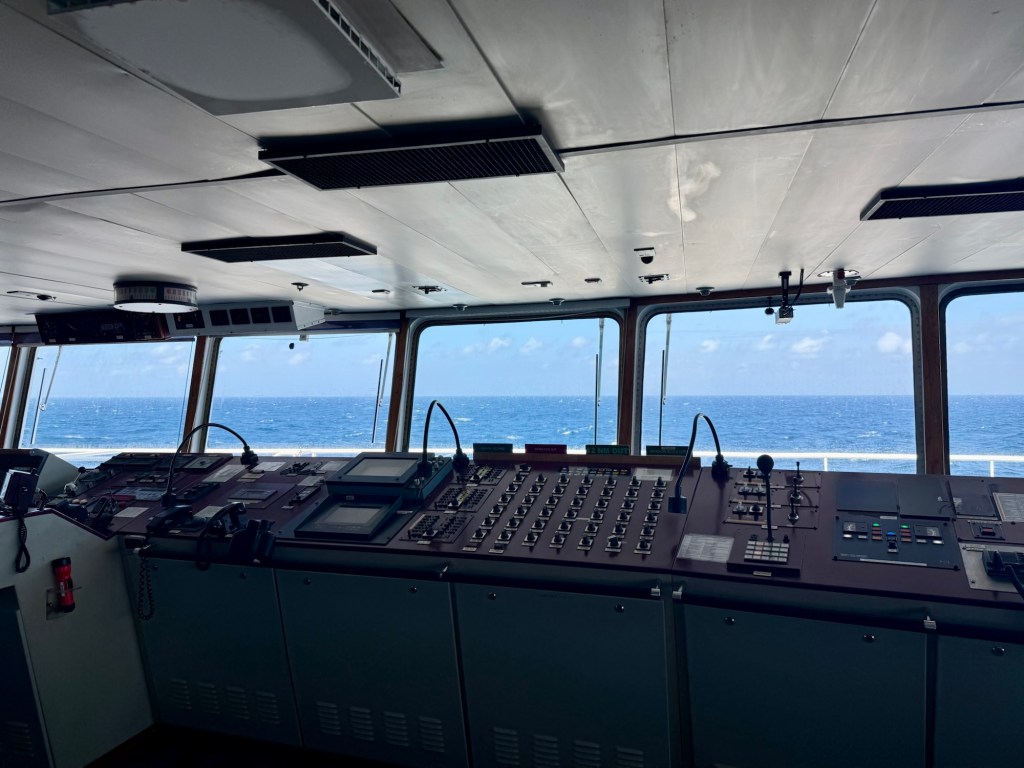
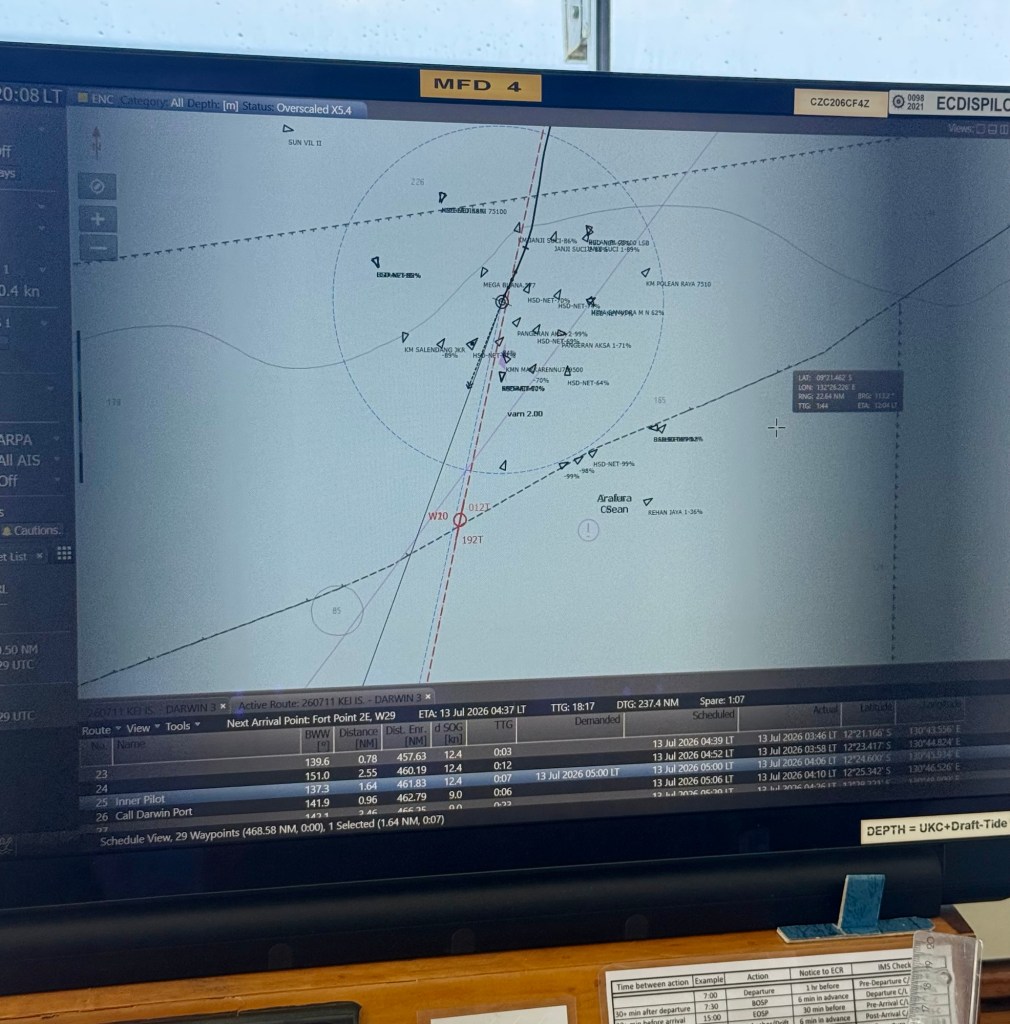
But, it actually wasn’t quite the end, as we still had another whole day on board as we continued to sail south and our final sea day meant a couple more lectures, packing and a visit to the bridge which is almost always open for visitors but I had not yet visited.

It was really interesting to see all the FADs and Indonesian fishing vessels on the radar, and the clear demarcation between Indonesian (where there were lots of boats and FADs) and Australian waters were there was hardly any. 

I also attended a talk on the history of the ship we were sailing on – the Heritage Adventure. Heritage Expeditions purchased it in 2019 (I think), not long after it sank a Venezualan naval ship as it tried to boat and take control of it!!  Apparently, they had fired live ammo at it, before trying to ram it, not realising it had an ice strengthen hull, ultimately sinking themselves!

There wasn’t much more we could do around the ship as the crew were already busy scrubbing the it from top to bottom in preparation for our arrival into Australia.  We were also now in open ocean so although it was not rough, there was definitely some more movement than we had had previously. 

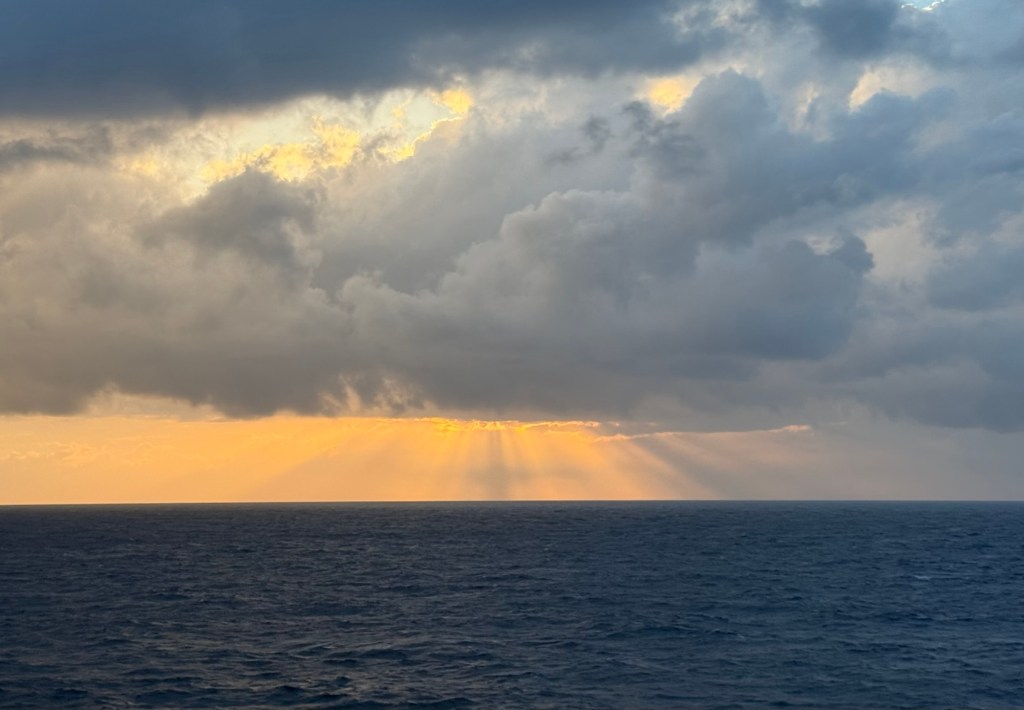
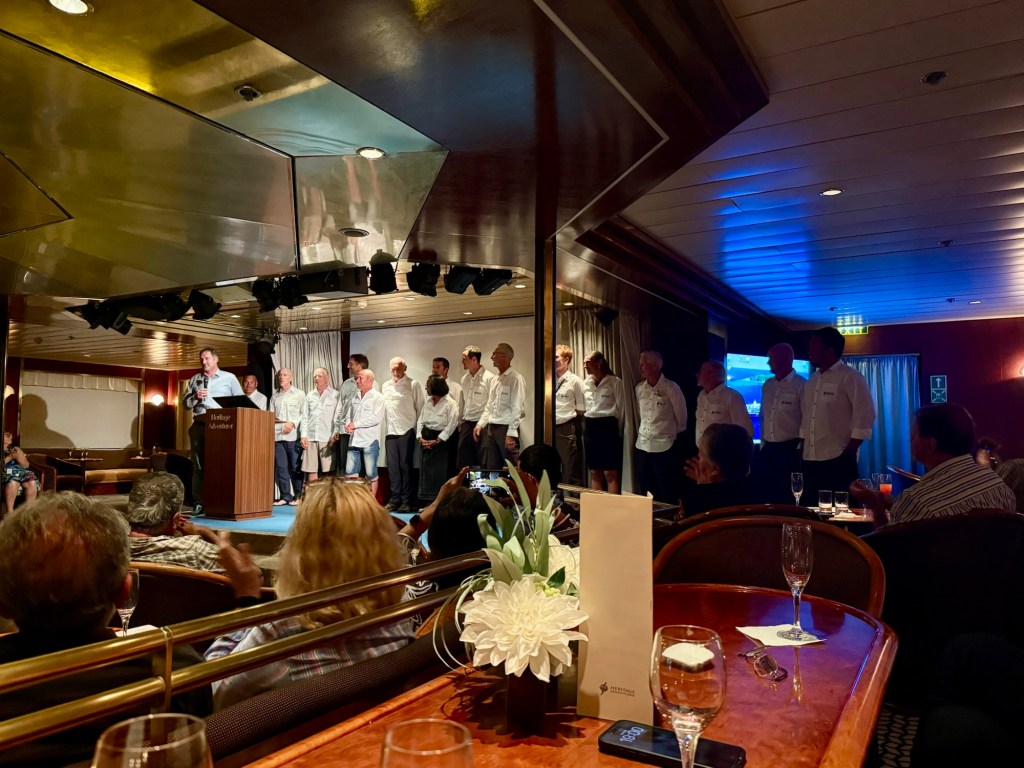
Before I knew it, it was time for our final sunset, out final briefing and farewell dinner.  It was such a great trip, and I was truly sad for it to come to an end and to say goodbye to new friends.

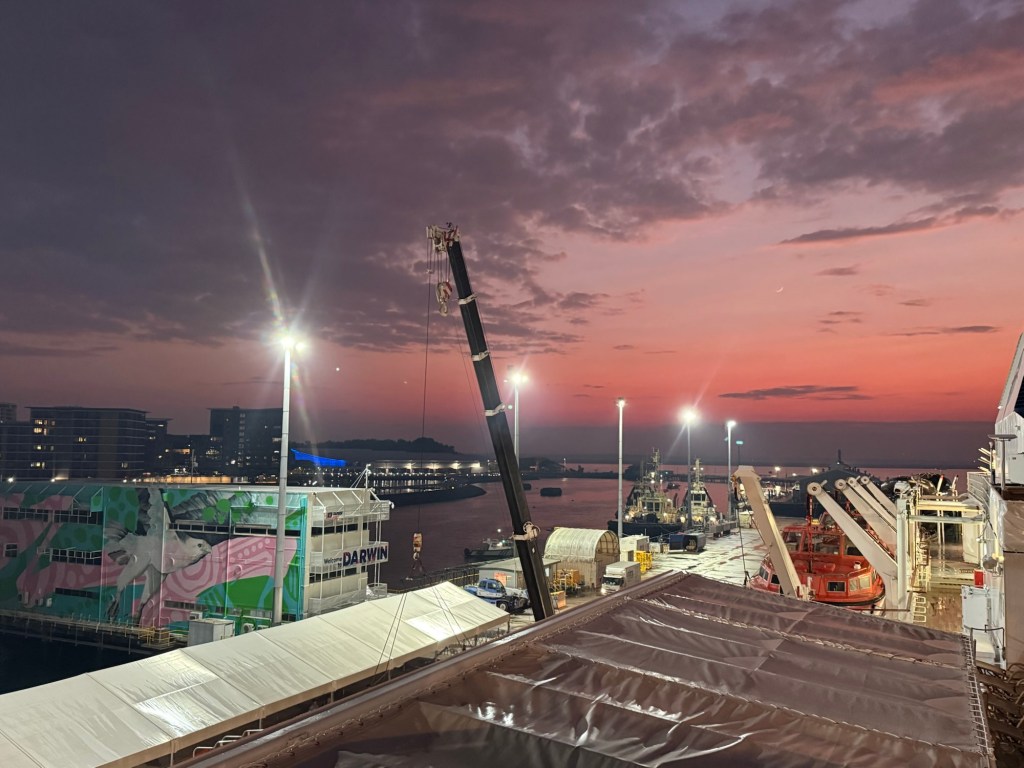
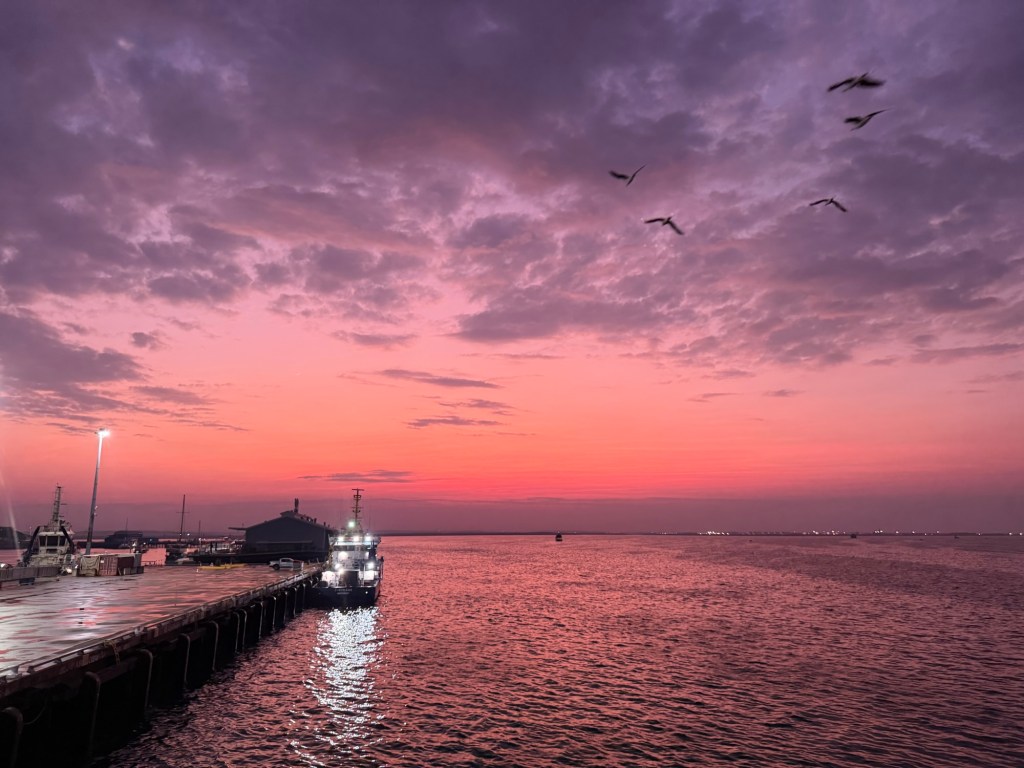
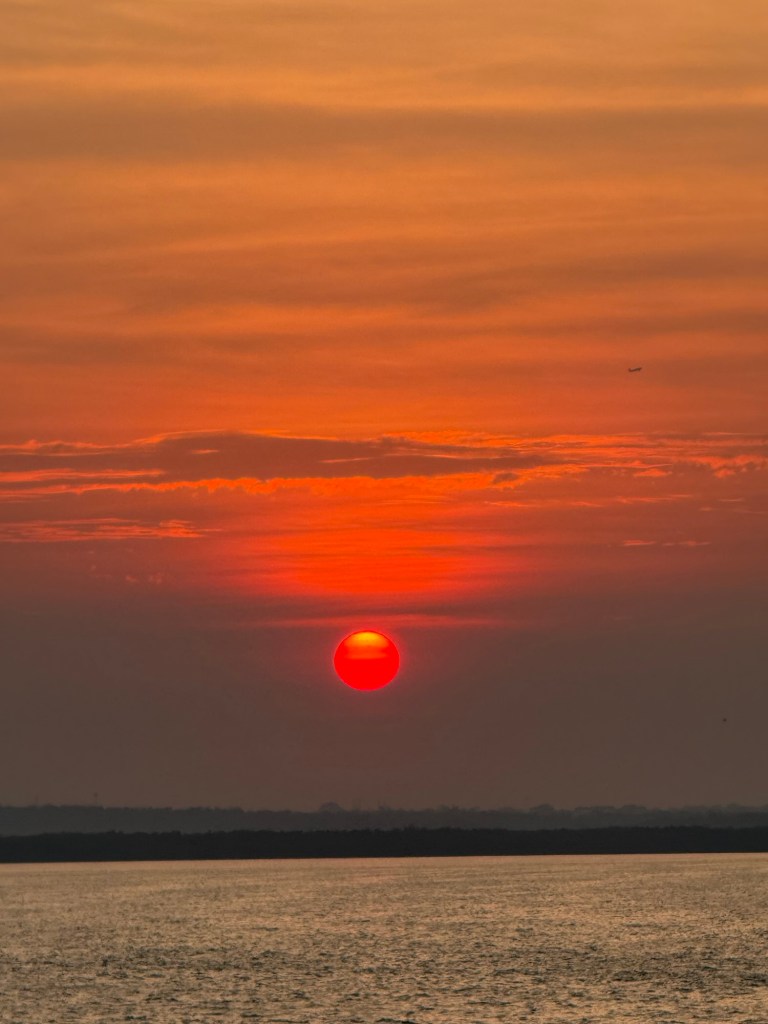
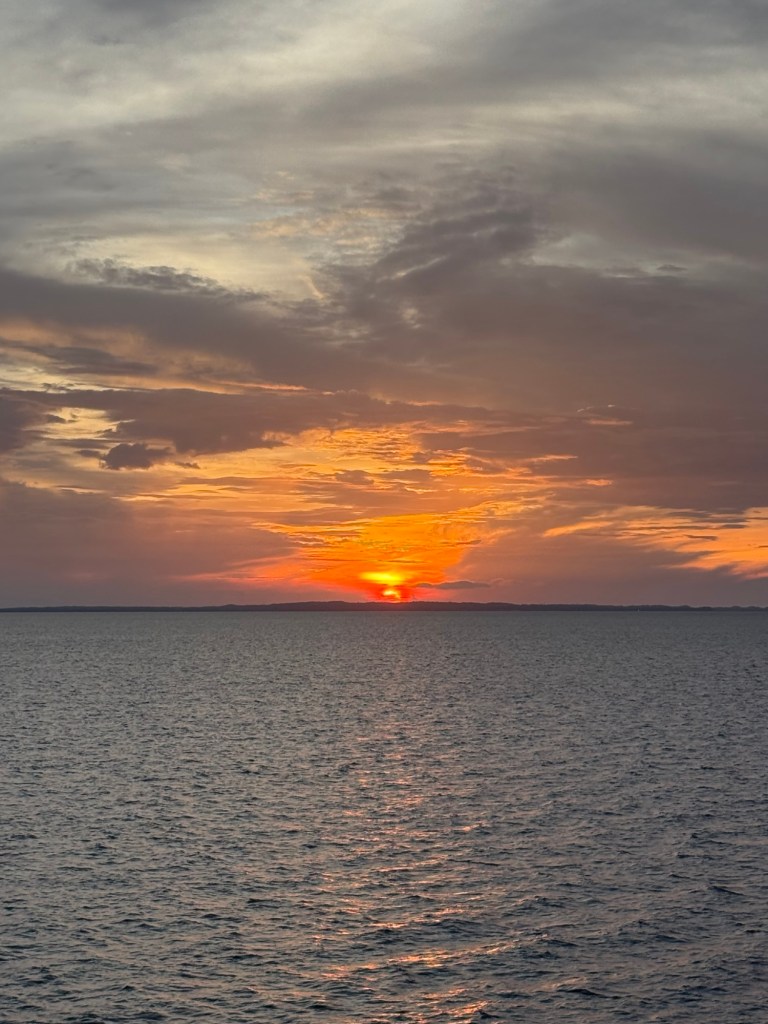
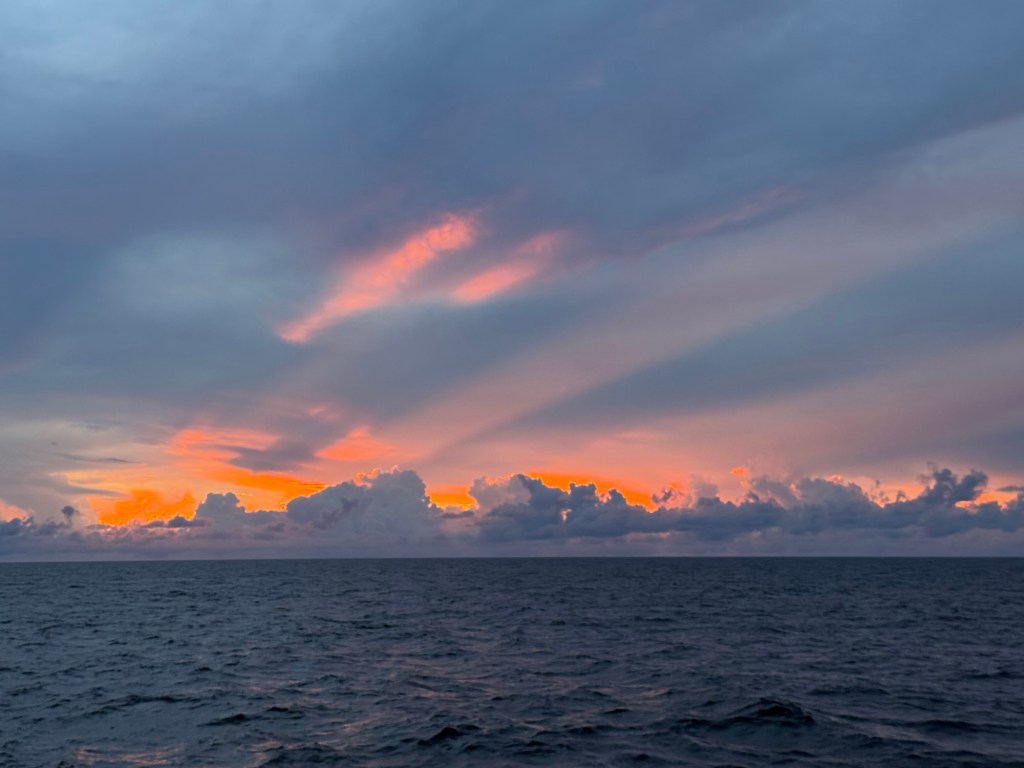
Our bags had to be outside our rooms by 6am, but as always, I was up around 5am and headed up to the deck as we pulled into Darwin harbour with the local pilot.  The final sunrise did not disappoint.    It was stunning with an amazing red sun – just what I would have expected from the ‘top end” of Australia. 

All that remained was to disembark for the last time, clear Australian customs and immigration, and say our final farewells.


Whale Sharks & Welcomes

Indonesia, July 2026

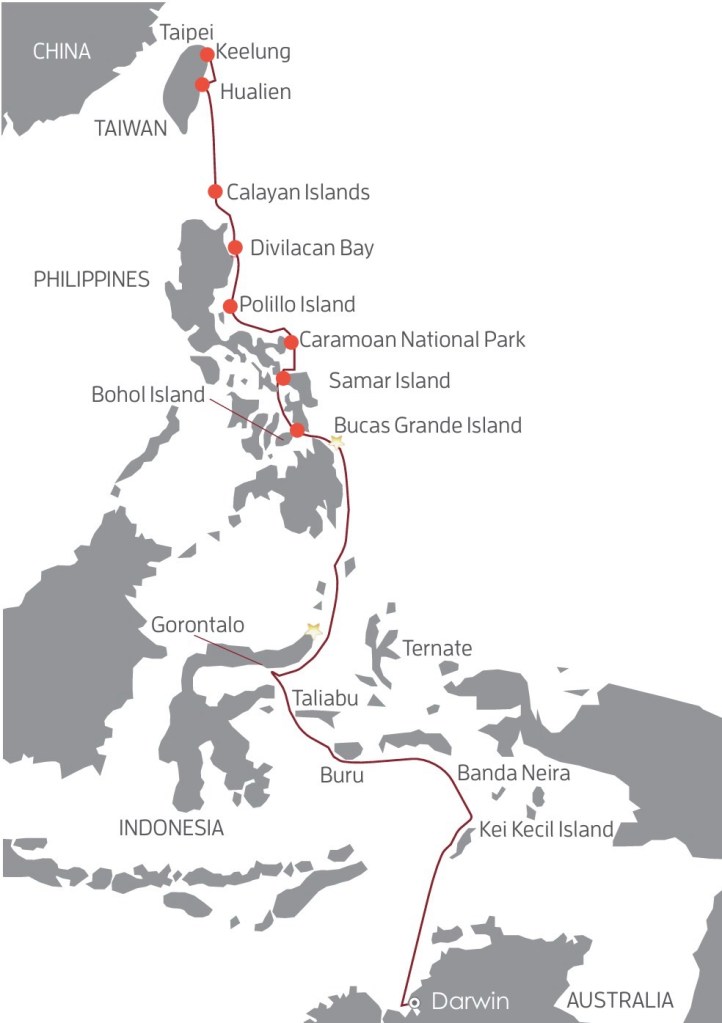
Today we stopped off the coast of the town of Gorontalo, further south on the island of Sulawesi.  It is famous for scuba diving, and more importantly, whale shark encounters.  This was the reason we were here and it is clear it is a big source of income for the town.

I had signed up for the first zodiac of the day, so it was a very early start and we were in the water a little after 6am!  As with my experience in Cenderawasih Bay in Western Papua 4 years ago, they were feeding the sharks and to be honest I was not 100% certain it was an experience I wanted to do again (but of course I did – and lived to regret it… read on).  This time the feeding was from small boats, in much shallower water, as we were less than 100m from the shore.

Initially, there were way less people in the water (20 in total) and 3 juvenile sharks around 4.5-5.5m long.  From experience, I decided to hang back and enjoy seeing them as they circled around the area.  You really had to keep an eye out in every direction, as you never knew where they might appear from and did not seem to care if we were in the way!  Despite their size, they were thankfully very calm and graceful so did not induce any fear in me.

When our 12 minutes was over, we swim the short distance to the shore, where we could relax until it was time for our second swim (if we wanted to do one).  I took the opportunity to wander around this part of the town.  Clearly the waterfront was set up for the Whale Shark tourists, with small shops and cafes (most of which were not open as it was still only 6.30am)!

But just one street back from the waterfront, normal life appeared.  We are now in a predominately Muslim area and that was apparent within the architecture and clothing of those people we saw.  We had also been advised go cover shoulders and knees when going ashore to be respectful of the culture.

Back in the water for my second session and this time there were less but, but only 2 sharks. Again I hung back and enjoyed seeing them swim around me and to be honest, I was pretty happy with the experience, until ….

I was swimming back to shore when I saw that they basically had people riding the sharks! Someone (my guess was a local tourist who perhaps could not swim) sat in a clear kayak which a ‘guide’ pulled along whilst throwing food directly in to the sharks mouth to keep them at the surface so the kayak is basically on their backs!!  What a circus – I was fuming and sadly it tainted my whole experience.  Apparently it is a social media crazy to get photos of this from drones (and yes there were lots flying around)!

It as such a shame as it is amazing to see these beautiful animals in their own habit but then to see them being treated like circus animals was so sad.  Fair to say I will not be participating in any similar events in the future!

As we had started at 6am we were back on board  by 8.30am and we had an interesting presentation on the conflict between conservation and over tourism (apt after the morning’s experience).   This was given by Abam, our Indonesian guide, who is one of the founders of the Elasmobranch Insitute Indonesia, an NGO focusing on shark and ray conservation.  He acknowledged this mornings events and noted that changes in mindset around wildlife takes time and is one of their biggest challenges.

As we continued to sail south, we crossed the equator, which of course meant an initiation ceremony for those pollywogs amongst us i.e those who have never crossed the equator at sea.  The crew always put on a fun event, where those being initiated must kiss a fish to appease Neptune.  I enjoyed the spectical (and the rum punch that accompanied it lol).

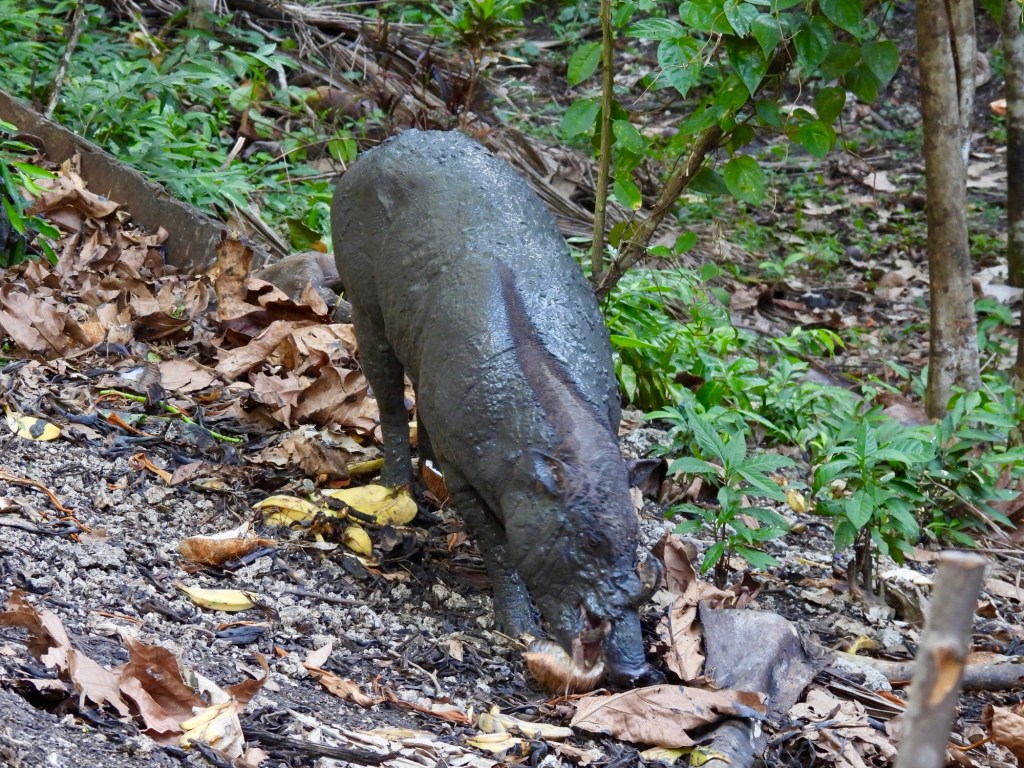
We stopped off at Malenge, in the Togean Islands (and part of Kepulauan Togean National Park) in the afternoon in the hope of spotting yet another animal I had never heard of – the Barbirusa deer-pig!  They are members of the swine family, found only in a handful of Indonesian islands.  There are species (unique to individual islands) and all are listed as threatened.  They are sometimes referred to as ‘prehistoric pigs’ as they can be seen in cave drawings 35,000 years old!

They are most notable for their long upper canines (in males) which can sometime grow around and penetrate the pig’s skull! Females only have the lower canines.

 We landed in yet another picture perfect resort where they put out food for them (it seems to be a day for feeding wildlife), but as they are wild they don’t always come to eat and unfortunately today was one of those days.  However, there was a smaller spot in the next bay where one was, so we jumped back in the Zodiac and headed around.

The one here appeared to be more like a pet and was very tame, but at least I got to see one.  It was more of a photo opportunity then a true wildlife experience – conservation may not have won today!

Dinner tonight was a BBQ on the deck as the sunset.  A perfect end to an another day of exploration.

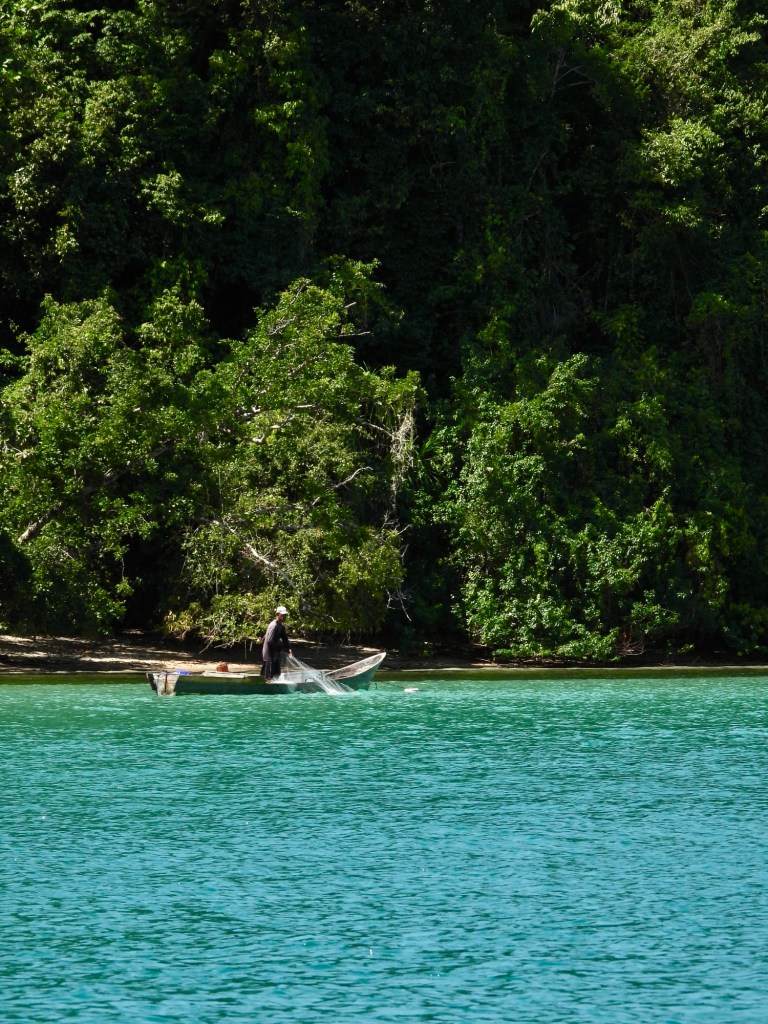
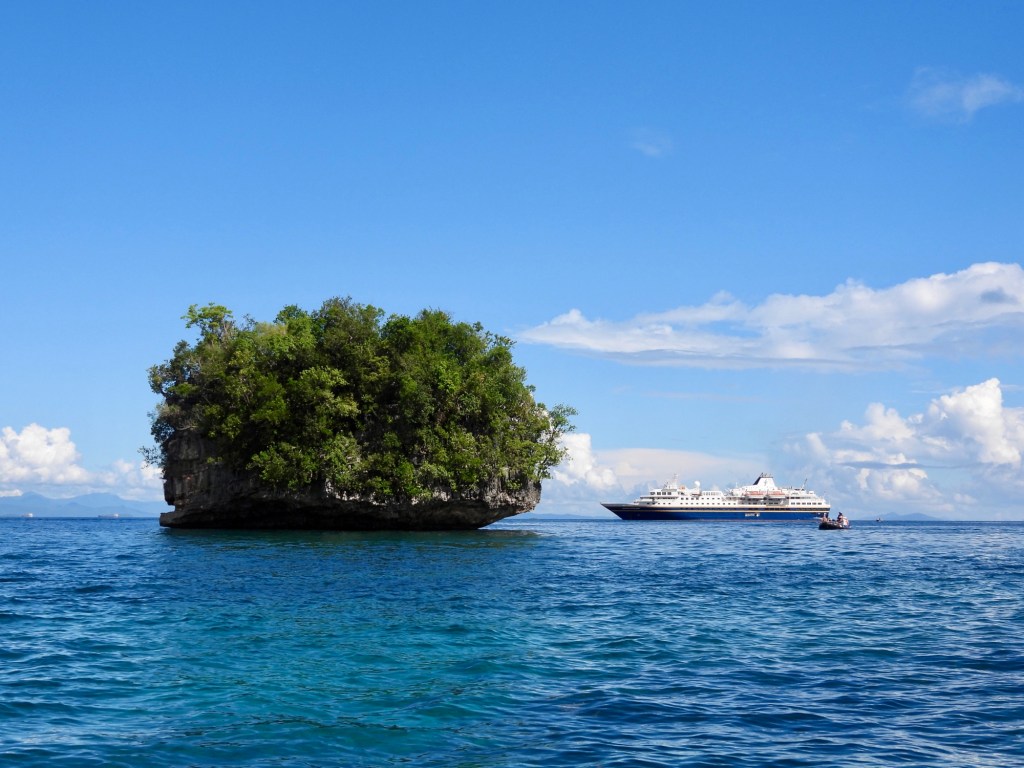
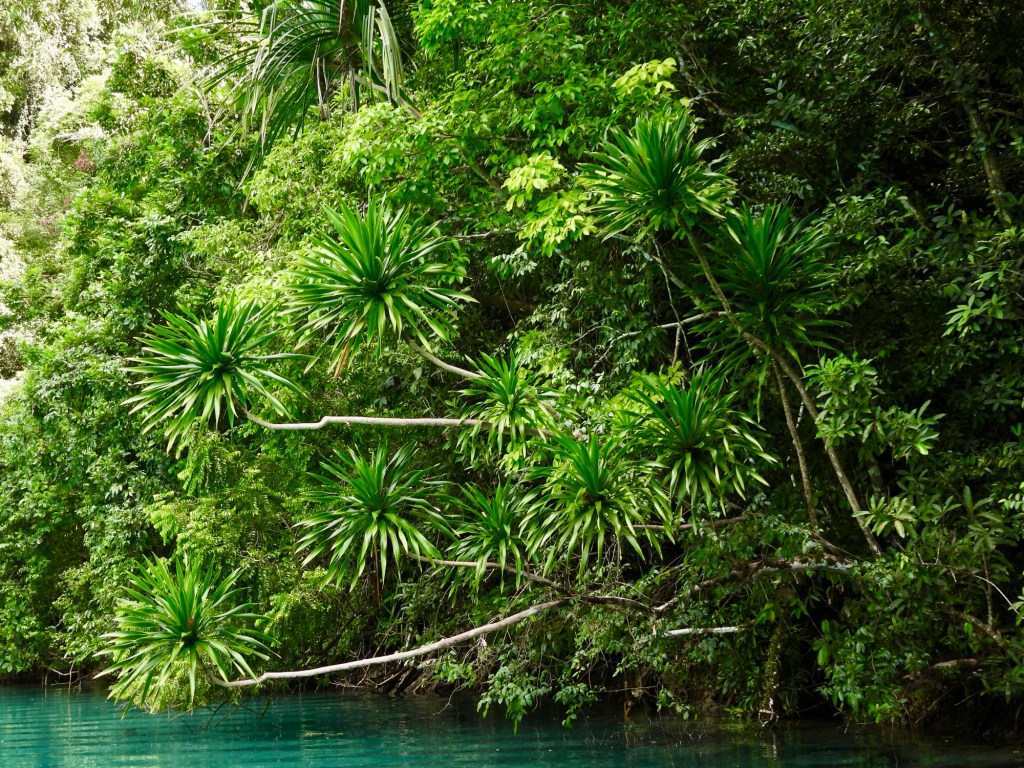
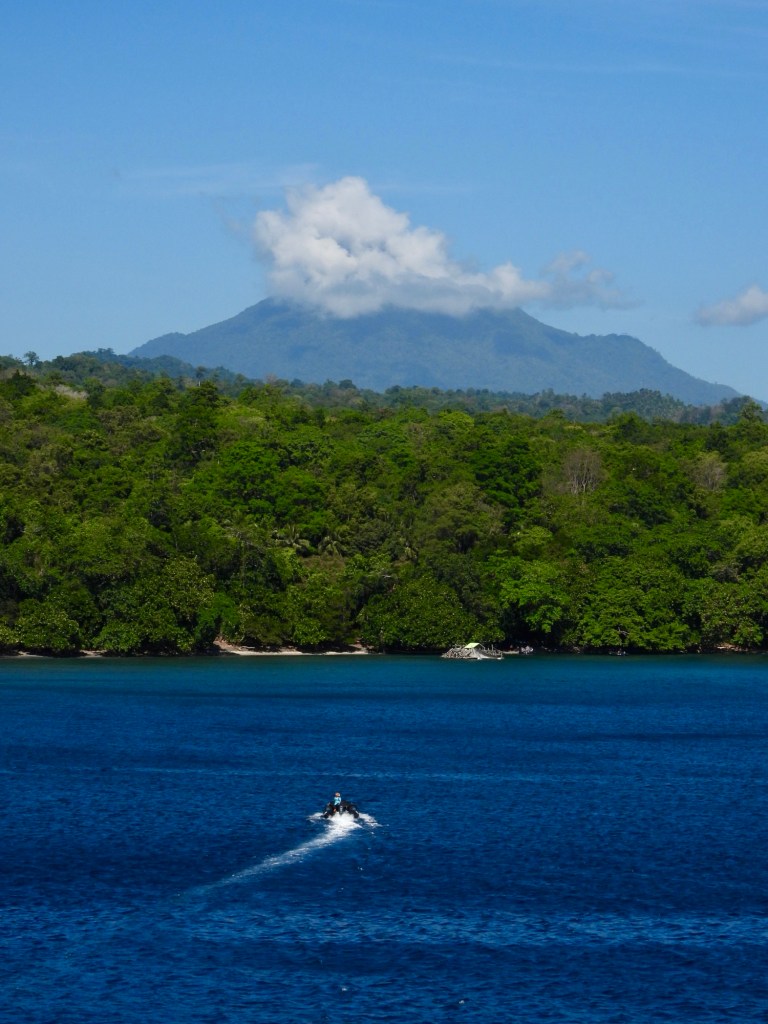
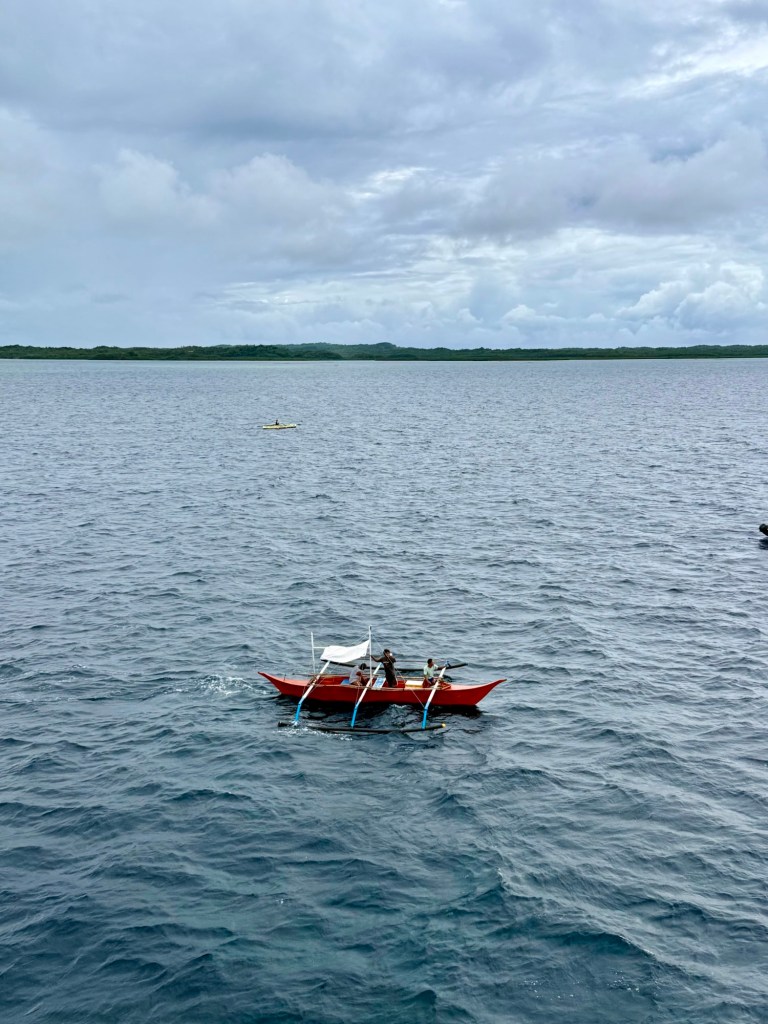
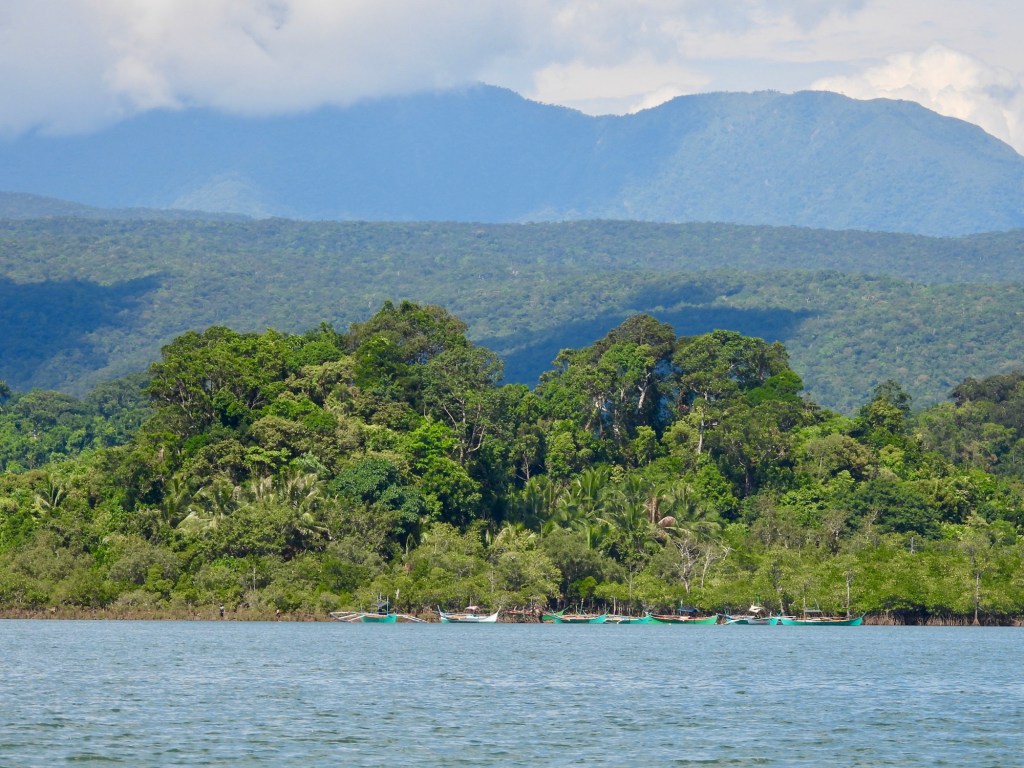
After such an early start the day before, the next day was a bit more relaxed as we did not arrive at our destination for the day until around 10am, which was of course followed by the usual formalities before we could start our day with a zodiac cruise around the beautiful Seho Island.  As with previous days, the water was an incredible turquoise blue, and the lush, dense green forest cascaded down the cliffs to the water.  Not too much to see in the way of wildlife but we did watch some local fisherman for a while, checking out what they had caught in their nets.

Our morning ended with a stunning snorkel.   It was a little shallow and the tide going out so you had to take real care when swimming over the coral, so didn’t stay long but it was lovely.  As was the beach which had a pink tinge to it, due to the crushed coral and it was beautiful.


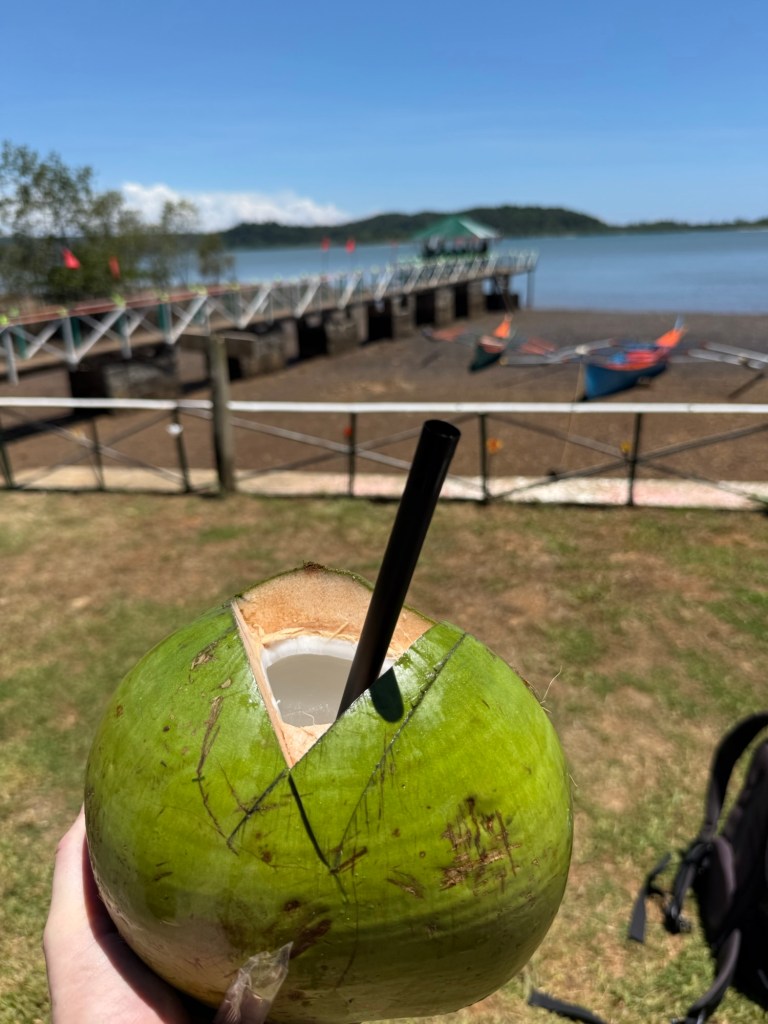
The local tourism board had arranged for people on the beach to provide fresh coconuts.  This time they even had t-shirts made specially for the occasion.

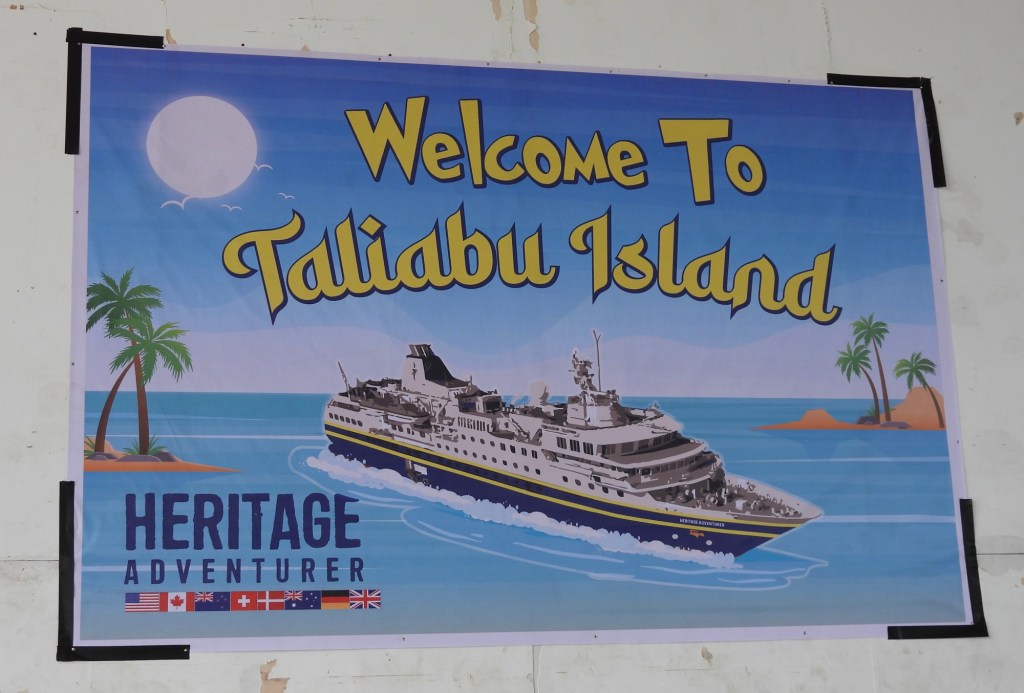
We repositioned over lunch to a mooring just off the coast from Taliabu Island and the town of Bobong, where we were basically welcomed by the whole town and a lot of welcome formalities!

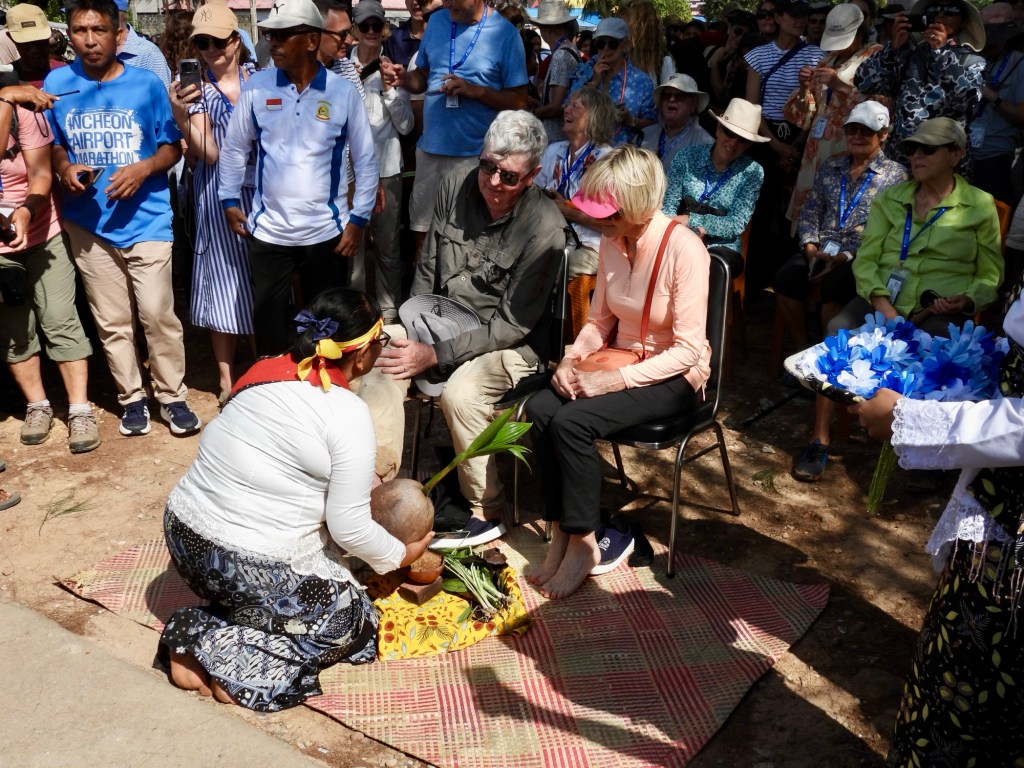
The welcome ceremony started with Elaine (Elaine #2 that is) and Peter on shore where there feet were washed with the water of a young coconut and then they were beaten with some sort of foliage!  We then walked a short distance down the road to the town hall for a formal welcome. Again it seems much of the town was there.

Fire, ambulance, police, army, children, adults  … everyone was there and most wanted selfies either with themselves or with their children!  We were definitely made to feel like celebrities for the day.
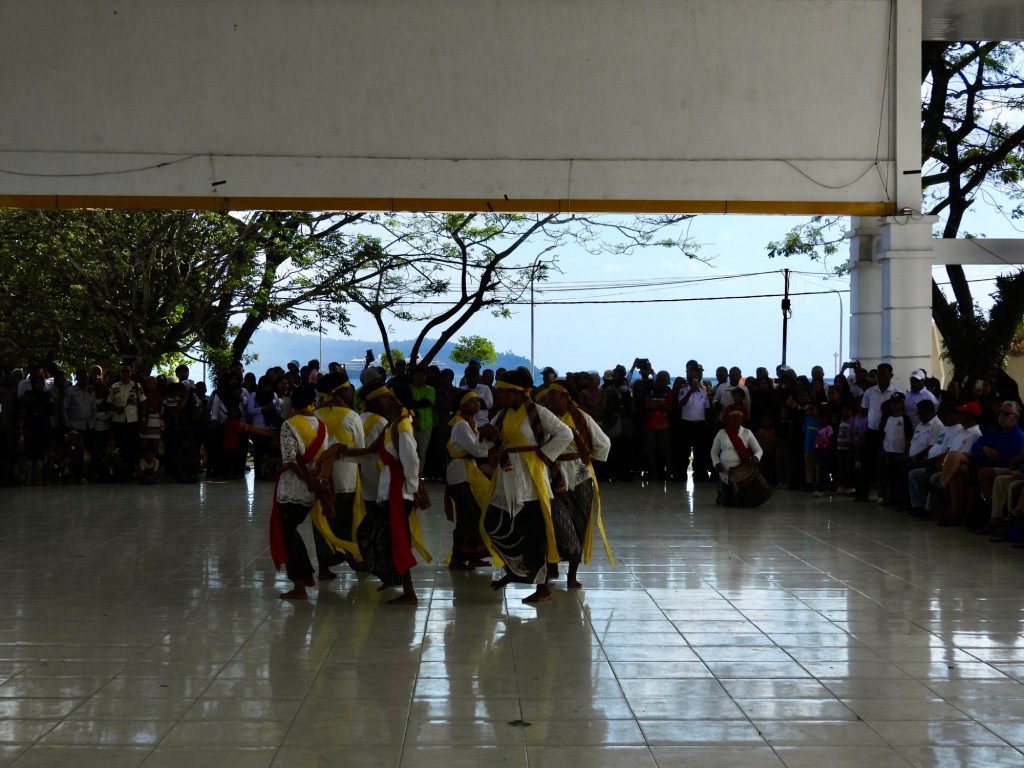
After welcome speeches and more dancing, we were divided into small groups with local guides for a walk around the town which was madness – everywhere we went people were pushing their children on us to have photos – it’s really was an event as we walked around the town. 

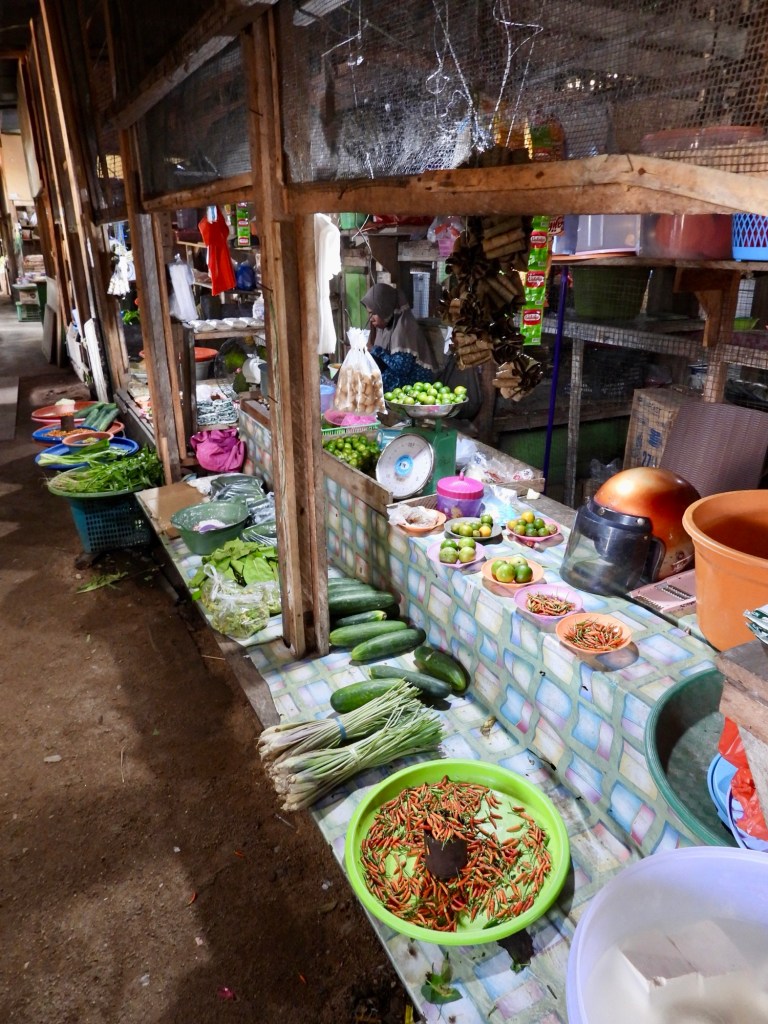
We passed the government buildings, a new hospital and then through the market and back around to the water front.  I took some time to wander around on my own (trying to get out the crowds that followed us everywhere).

Back on the ship for dinner and I got thoroughly embarrassed at dinner by a birthday cake and a very very long song from all the staff (yes, it was my birthday)!  I then got back to my room to find it full of balloons, a big birthday banner, a towel cake and a hand written card, signed by the expedition crew. It was all very sweet. ❤️ 


Goodbye Philippines, hello Indonesia

Bucas Grande, The Phillipines & Tangkoko, Indonesia

July 2026

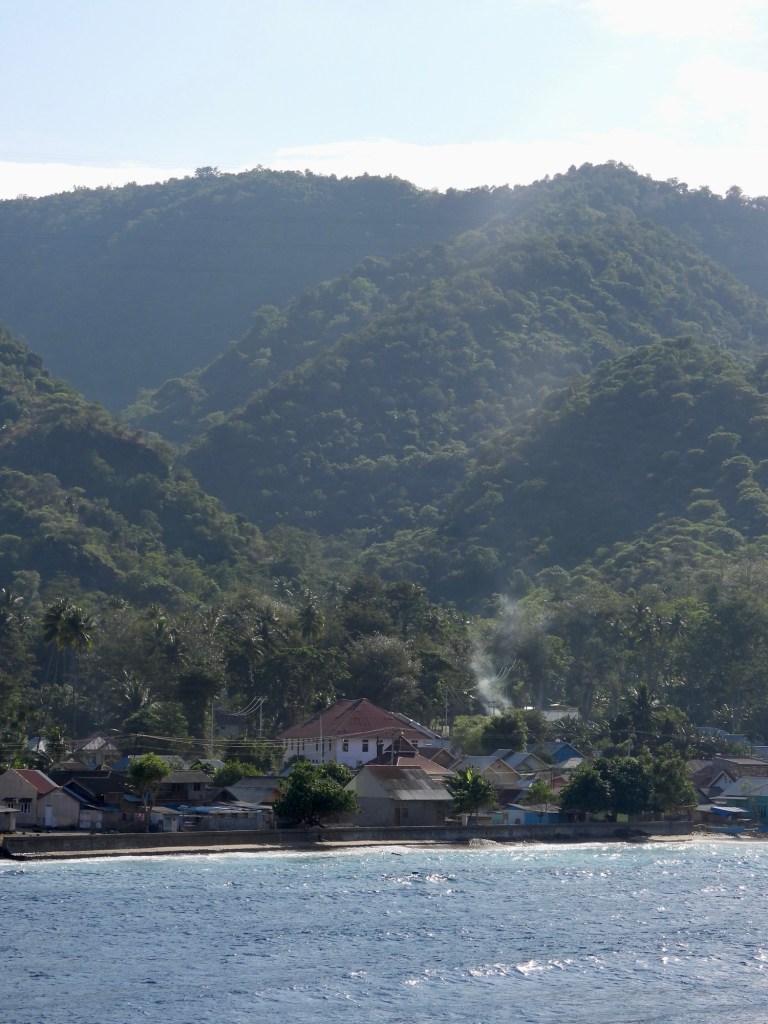
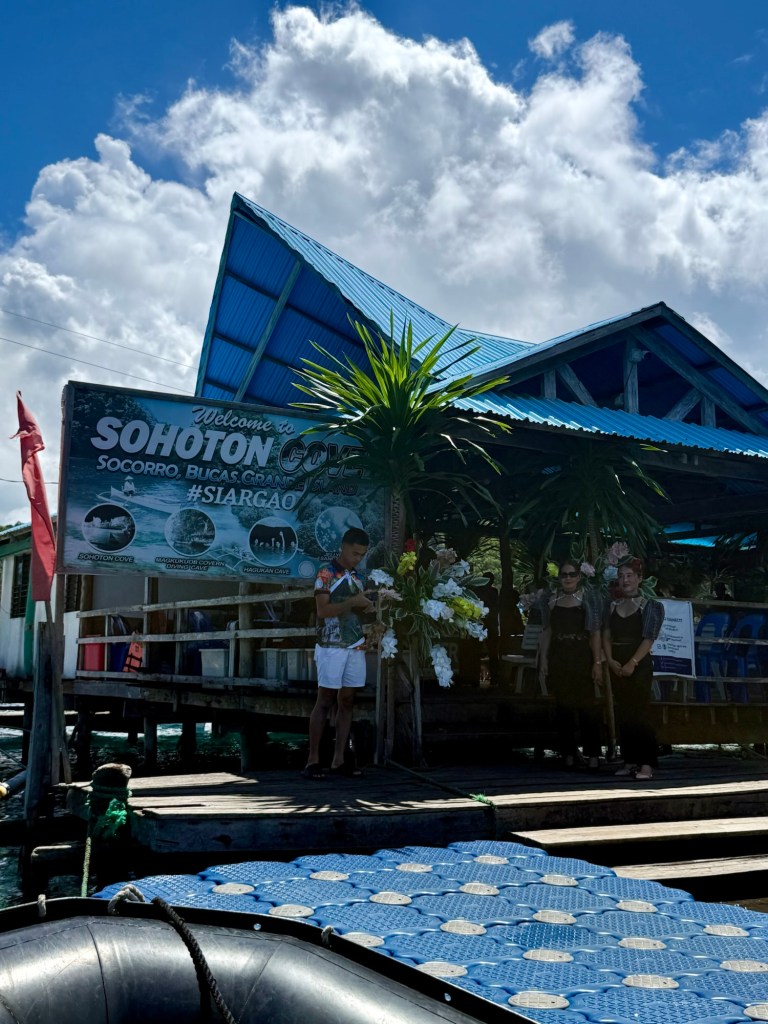
For our last day in the Philippines, we woke moored between the paradise of Sohoton Cove National Park, on Bucas Grande island and a large nickel mine on the neighbouring island, with barren, dusty hills and 8 huge ships moored up along its shores.  The two could not be more different – a literal beauty and the beast

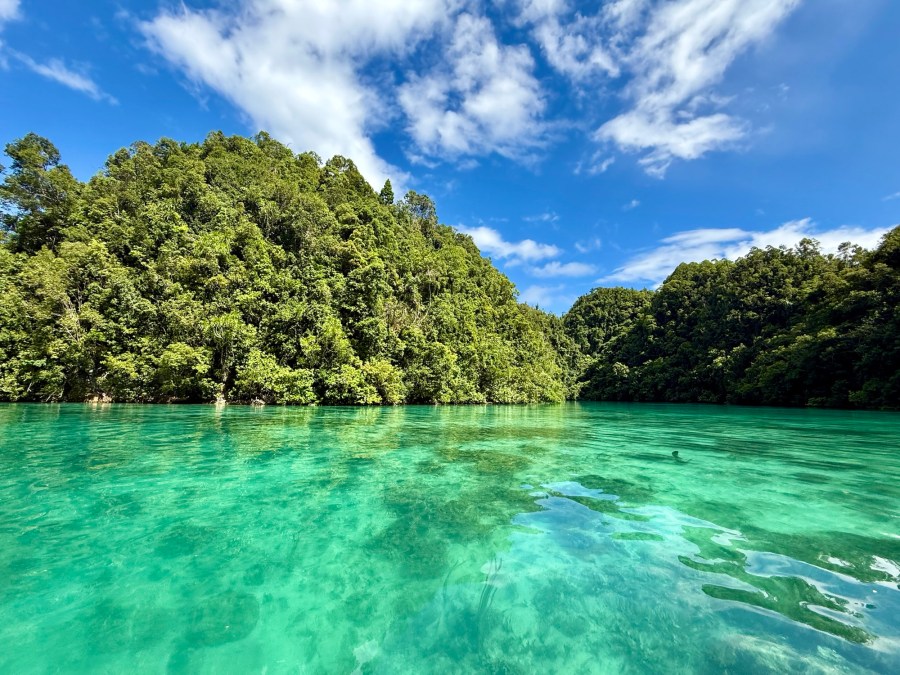
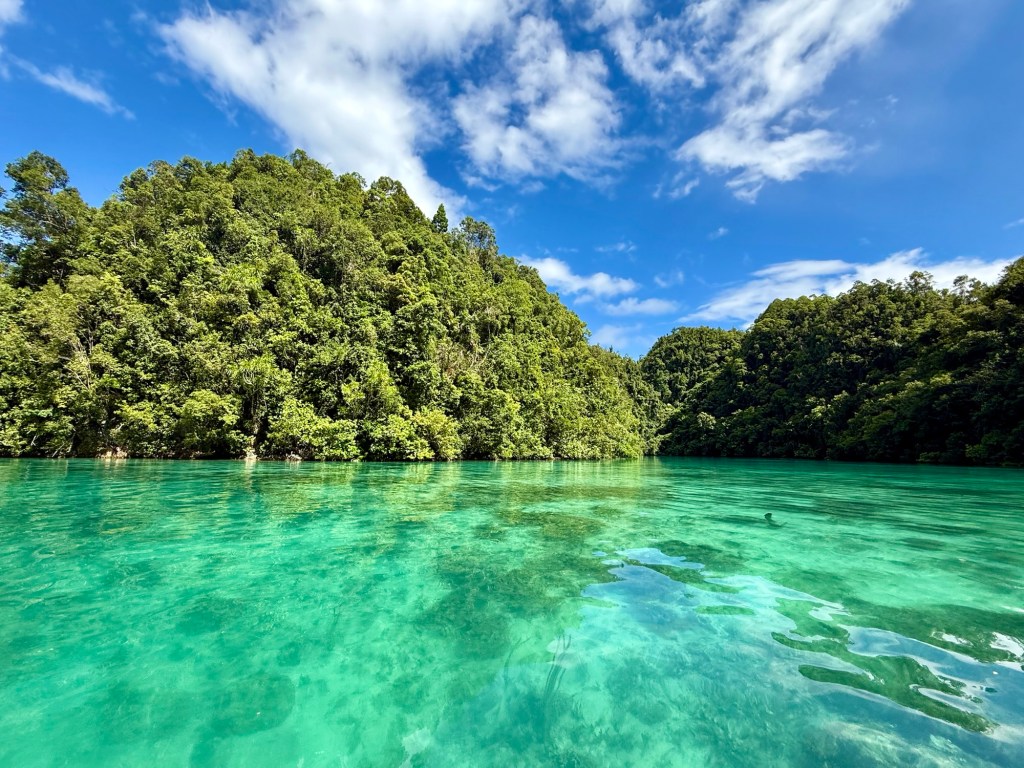
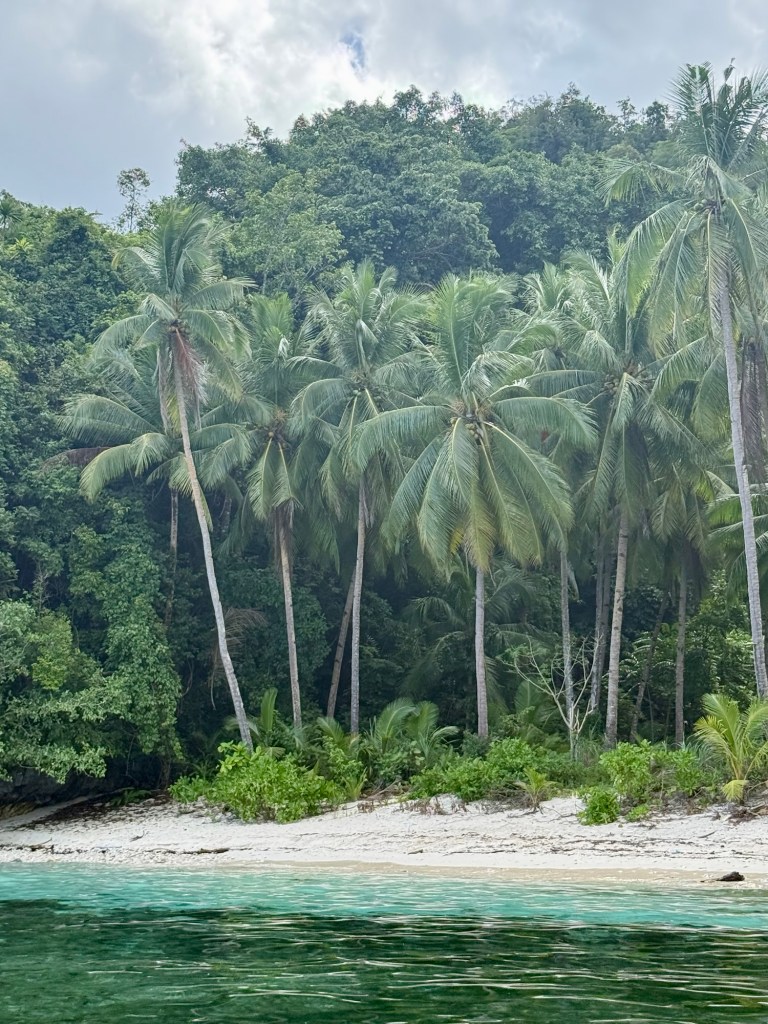
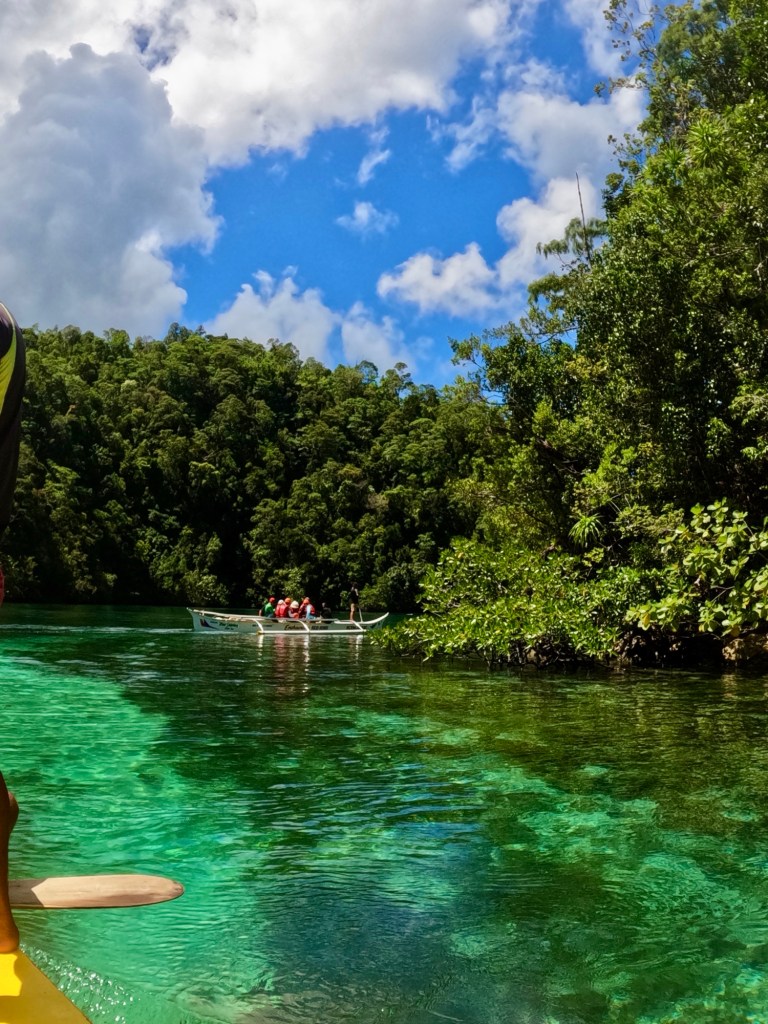
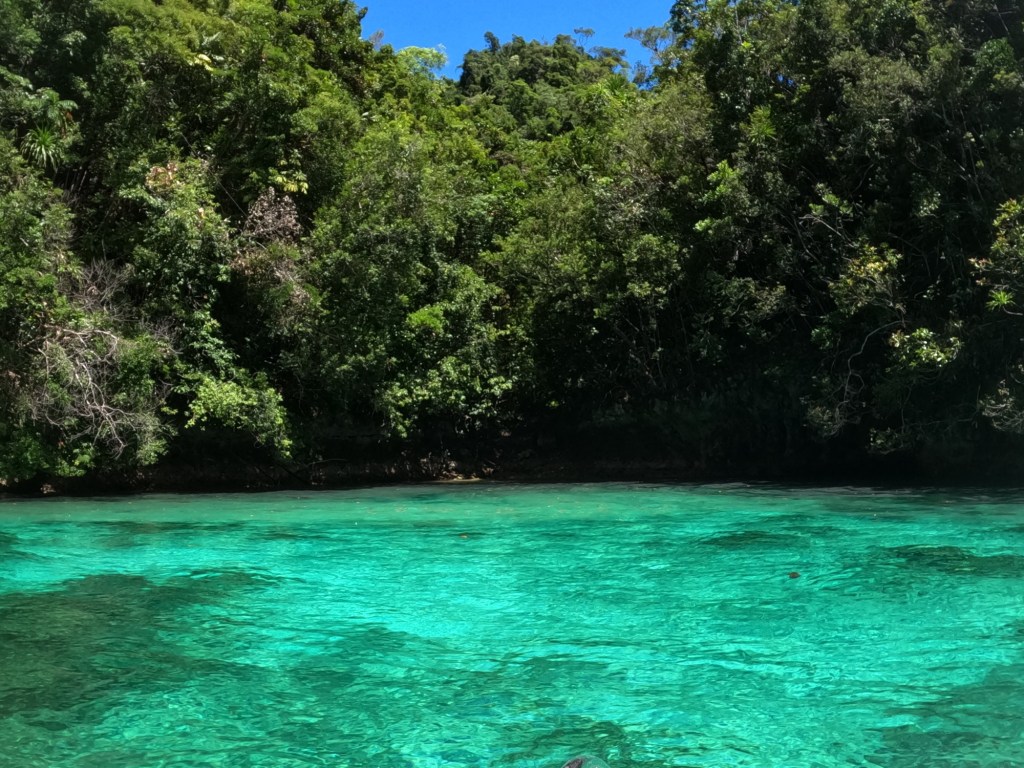
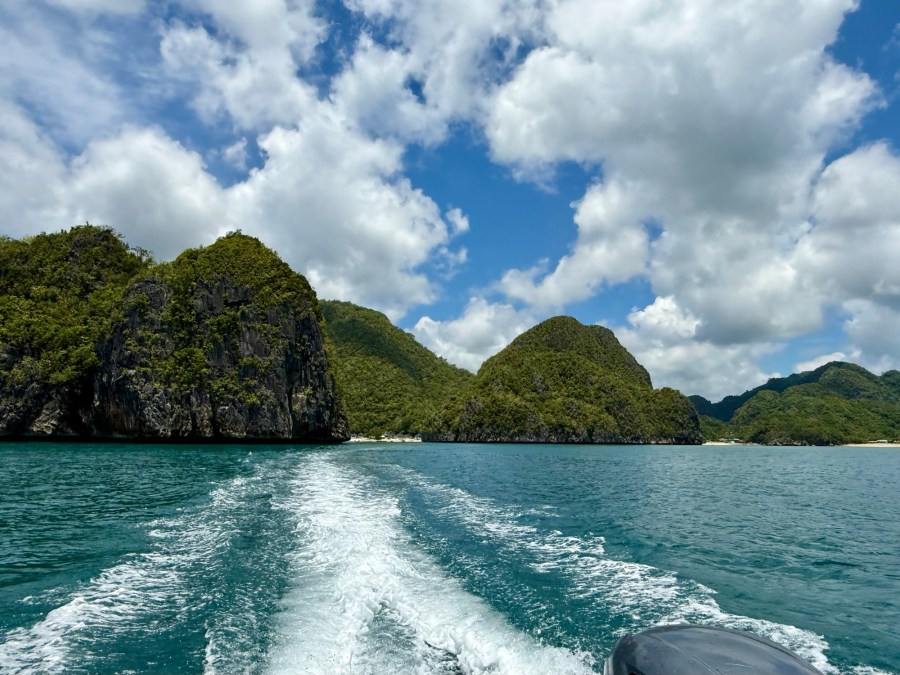
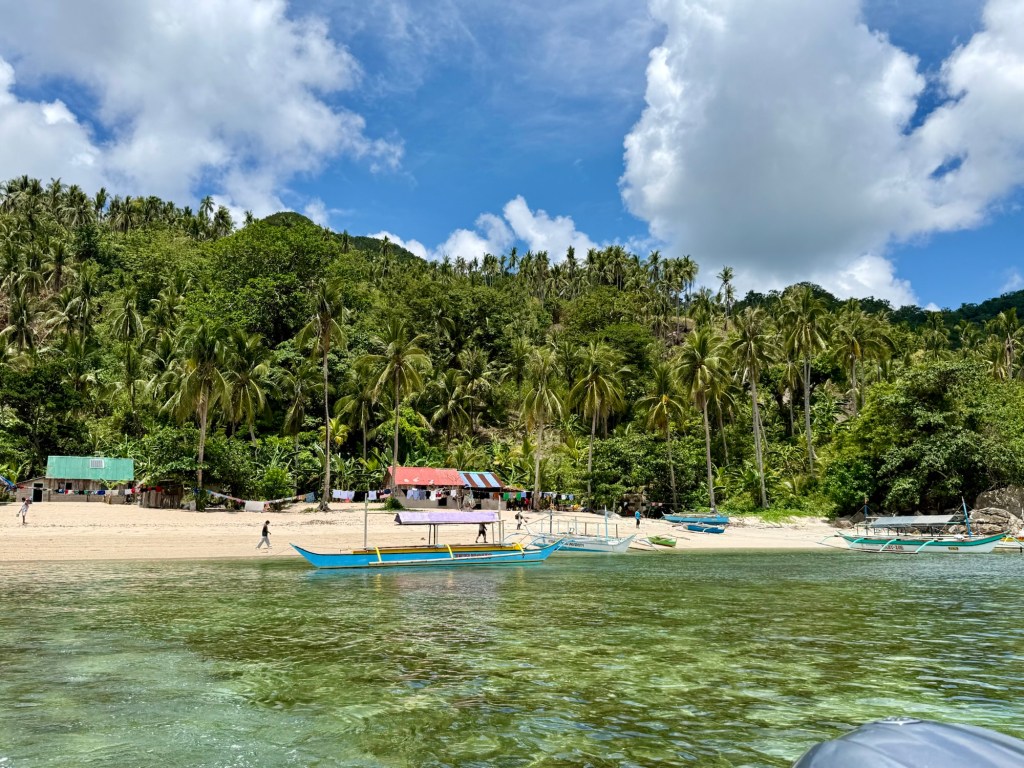
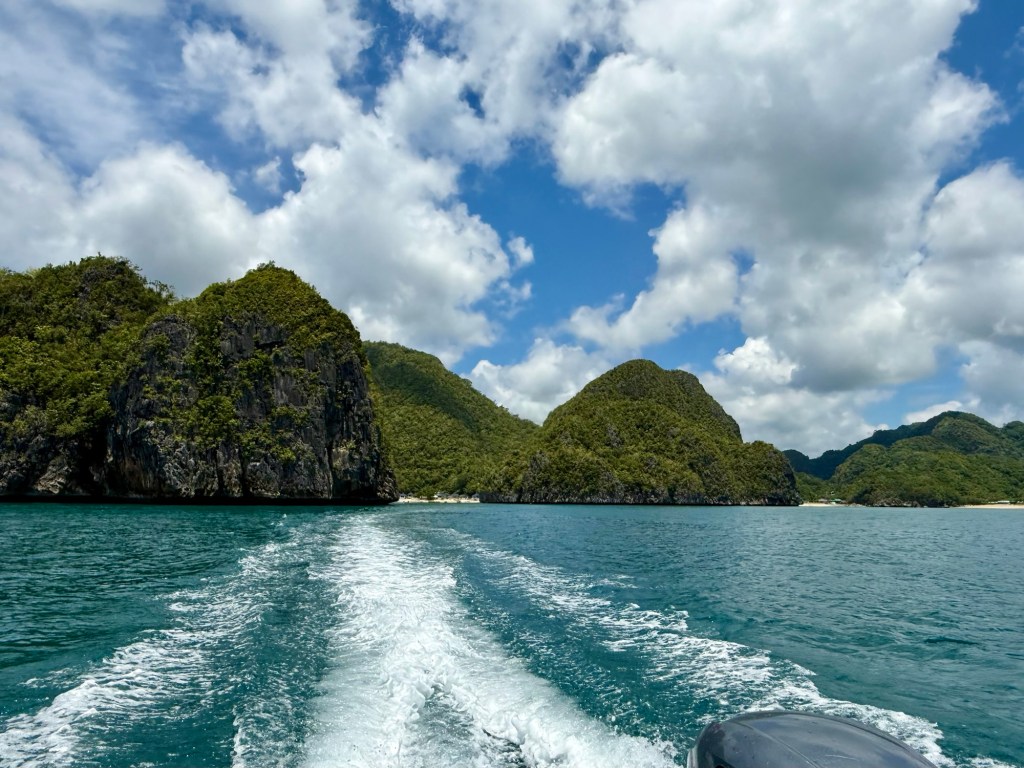
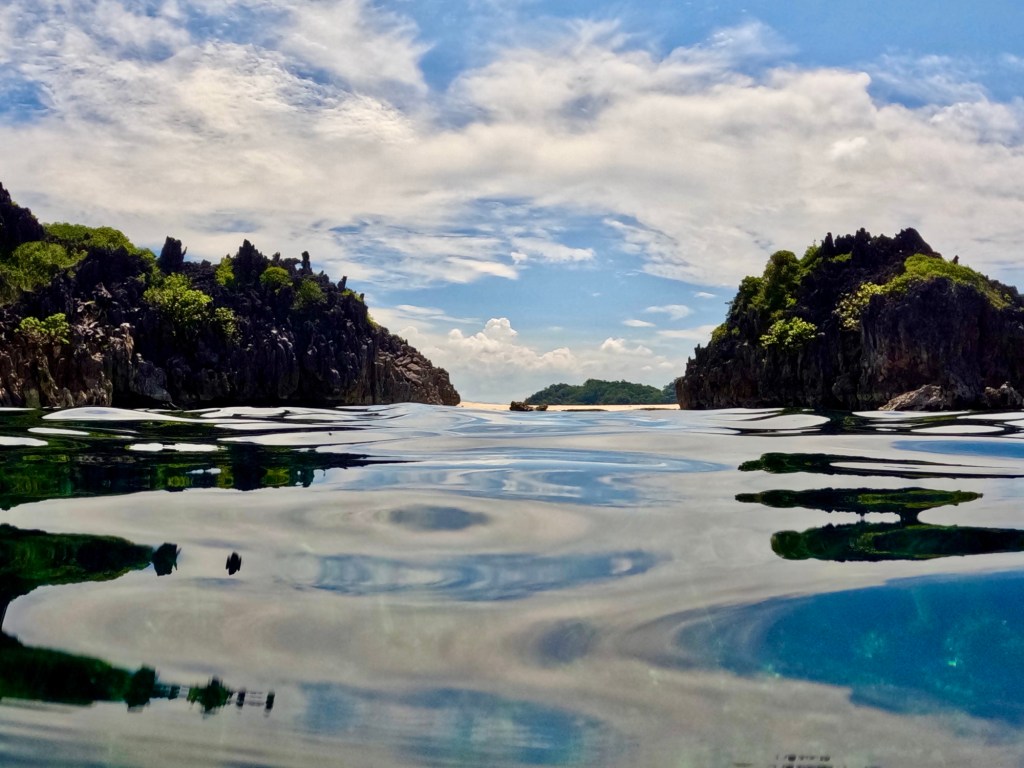
Thankfully, we were to spend our morning around the beautiful Bucas Grande Island, and we started by exploring the towering limestone cliffs and incredible blue/green water, interspersed with perfect palmed lined white sand beaches. 

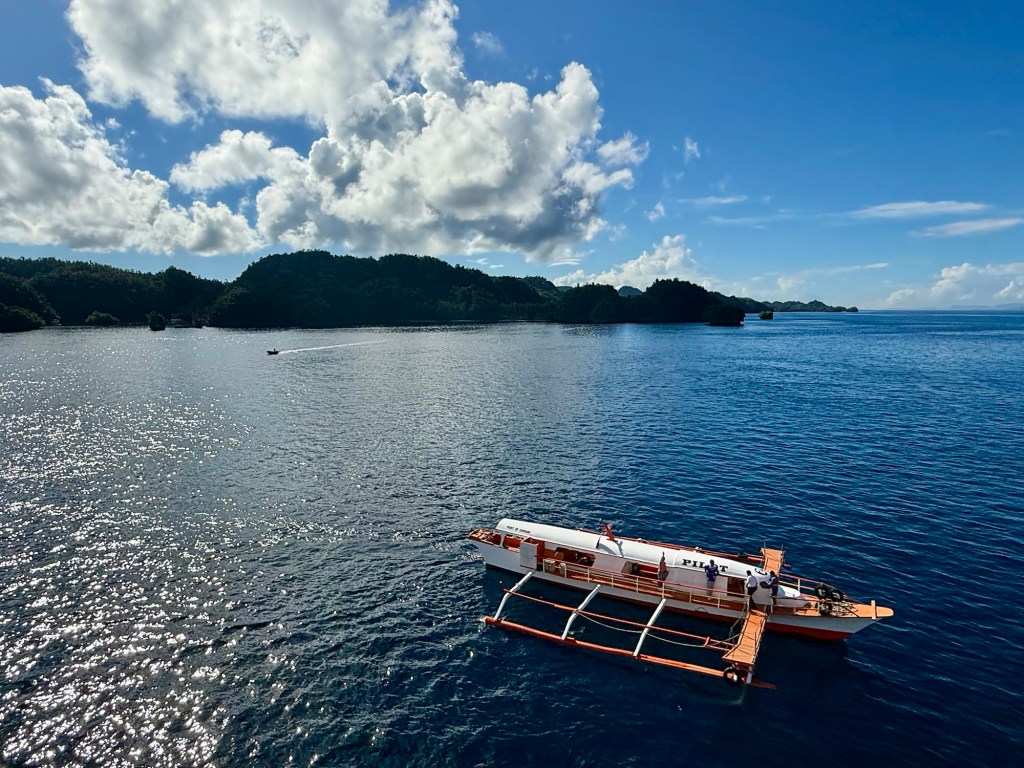
Our zodiac meanderings followed around the coastline, spotting flora and fauna and even a few jellyfish in the perfectly clear water and we ended at a pontoon where we were given helmets and we transferred to small local outrigger boats and are local guides took us through a low cave.  You can’t get through it at high tide and I could see why, I ended up in the bottom of the boat to avoid hitting my head.

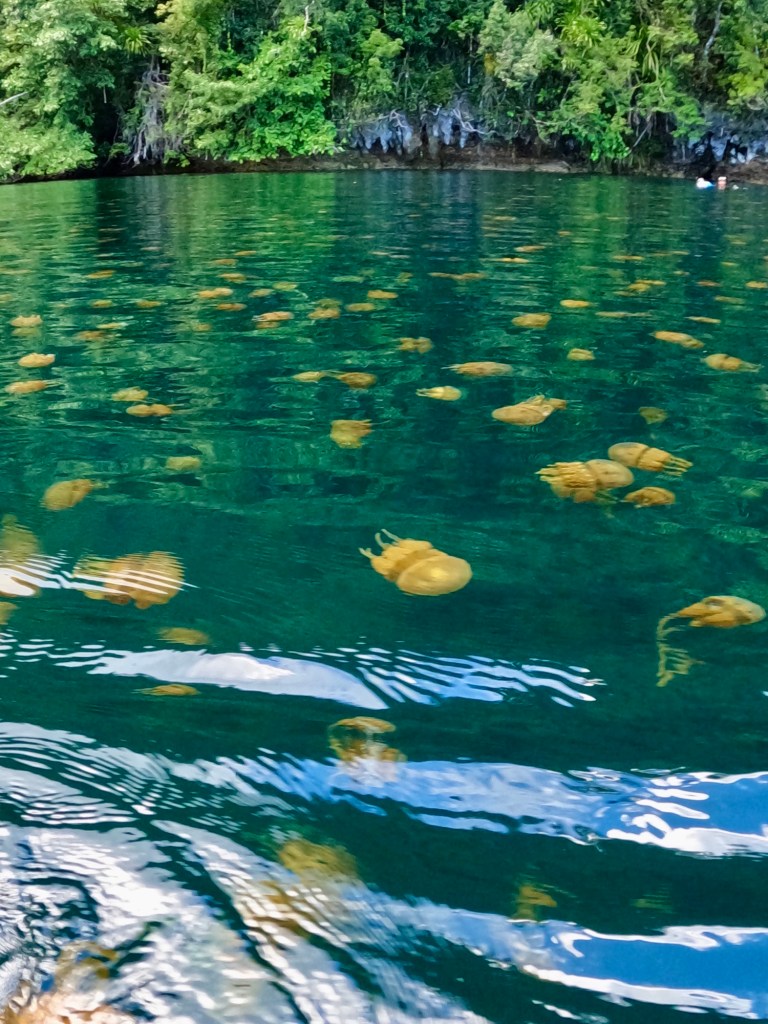
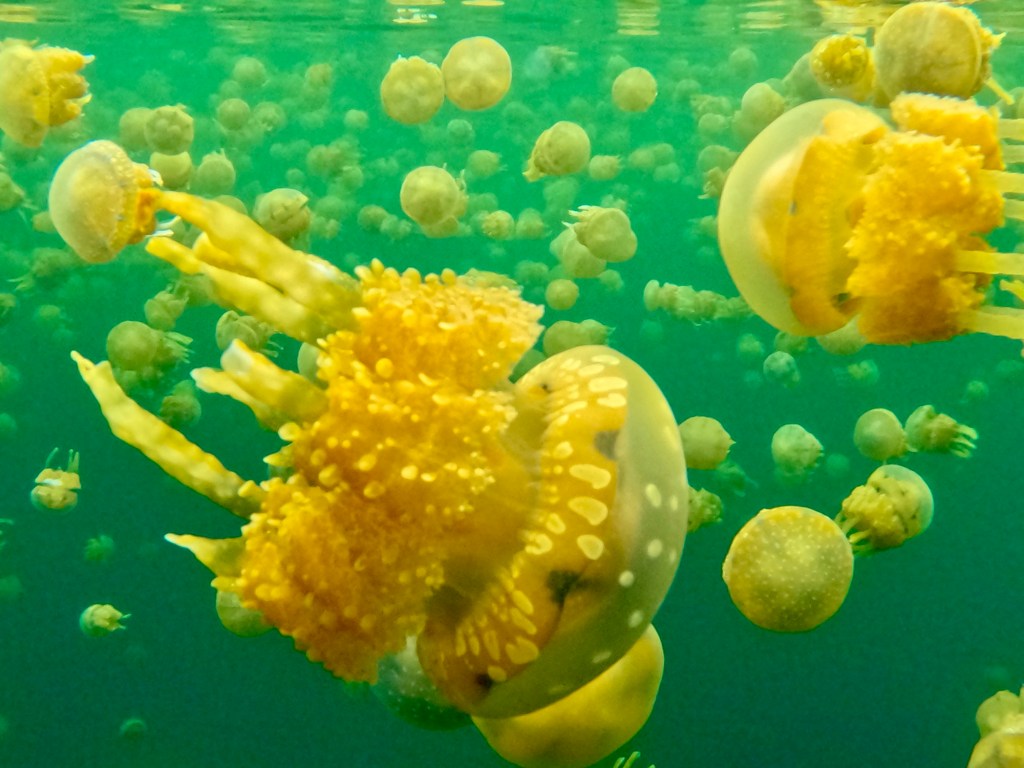
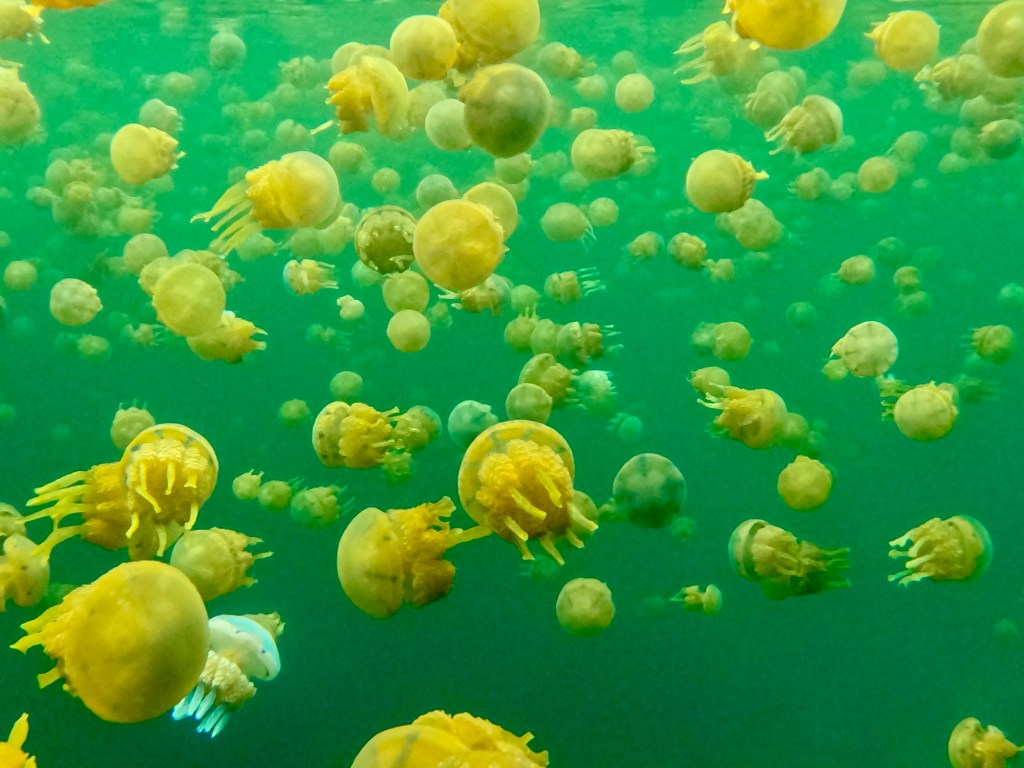
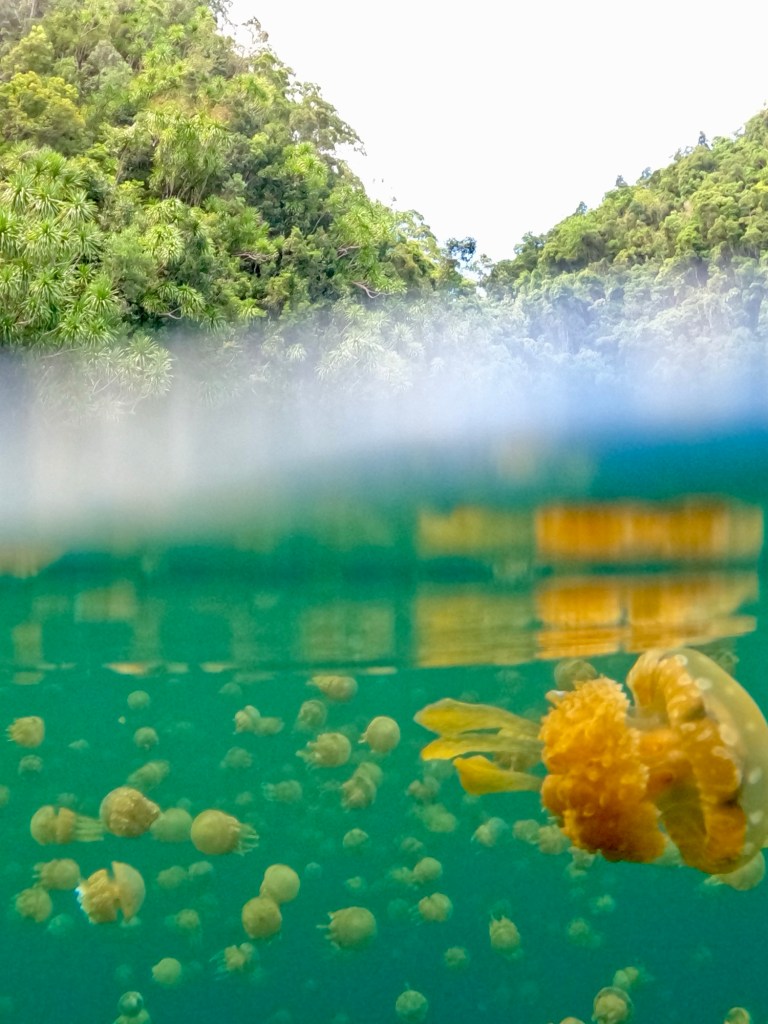
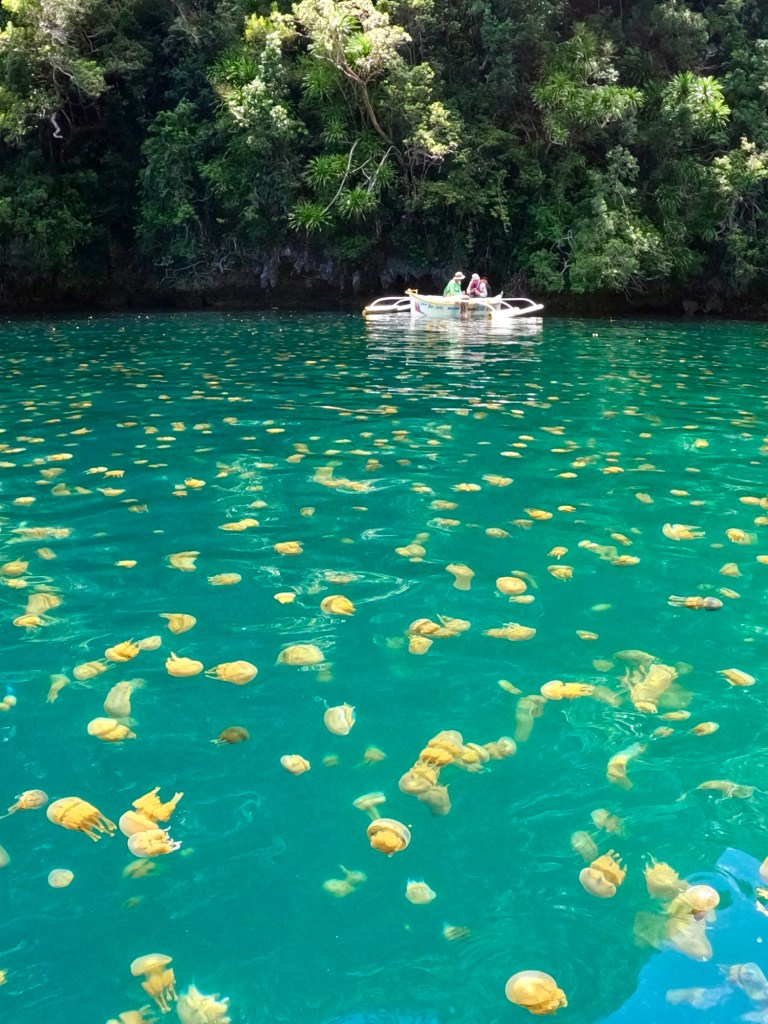
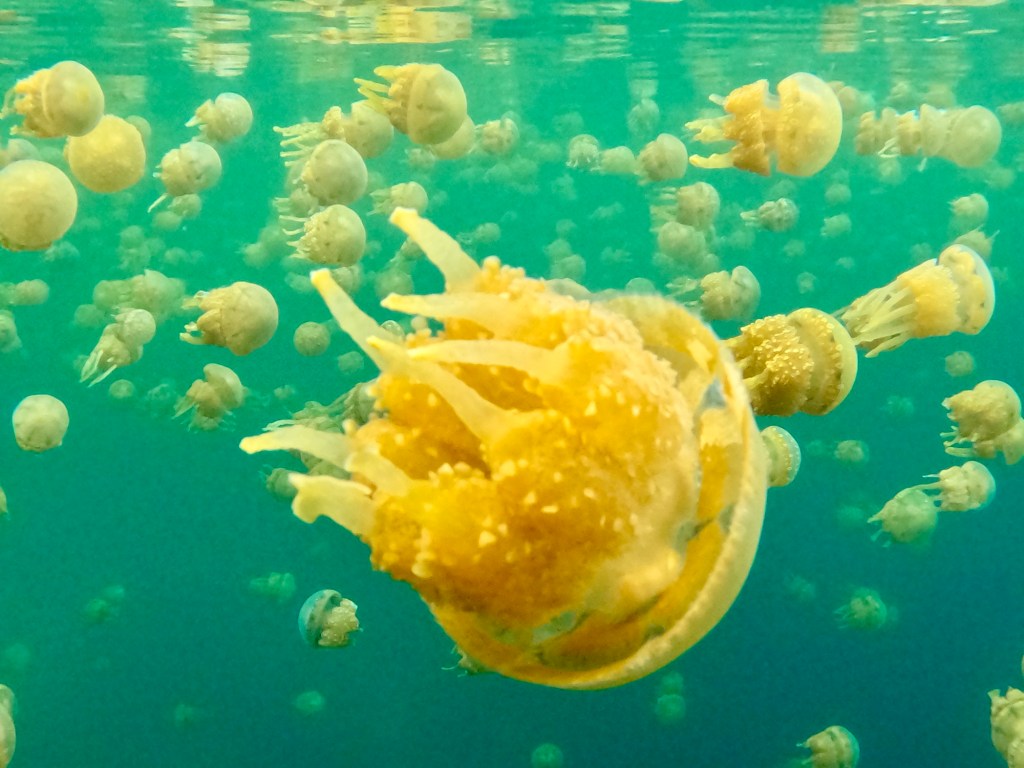
 We came out into a hidden Tojoman Lagoon, a literal wonder-world, surrounded by lush jungle covered limestone cliffs.  Below us was was clearest emerald, green water and in that water was the pièce de résistance, hundreds, possibly thousands of jellyfish.  Not just any old jellyfish, but golden, non-stinging spotted jellyfish (or mastigias papua) that are believed to have evolved in isolation. 

 I had seen photos of the jelly fish but could not image that it would be as amazing in person – but it exceeded my expectations.  It was incredible!  And just to be clear, despite saying that they are non-stinging, technically they do sting.  But as their prey is the tiny phytoplankton, it really has no affect on humans.  That said, the most sensitive of us did feel a little stinging from time to time as we swam with them.  I have been lucky enough to have done a lot of pretty special things in my life, and this was right up there.


After this incredible experience, we headed back through the cave to the pontoon, and guess what, there were snacks and fresh coconuts ready for us.  I do love this hospitality (and the snacks lol)

Back on the ship and we set sail south towards Indonesian waters which would take around 1.5 days.   I took some time to do a bit of a room reset and do all my laundry.  I am not sure how I would have coped with sharing a room as it is currently resembling a laundry room lol. 

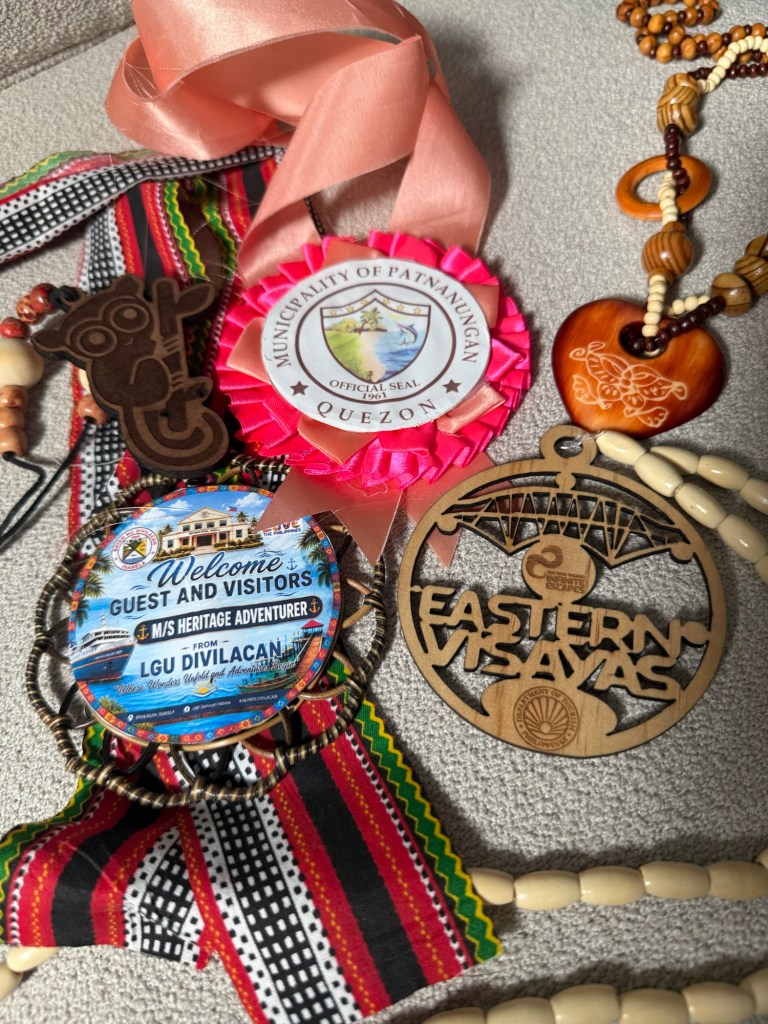
I also spent some time writing up the trip so far, and of course we had lectures on our coming visit to Indonesia.  Our time in the Philippines was amazing, and we had such warm welcomes everywhere.  We were also always gifted with a necklace of some kind, many with seeds and wood beads which I can’t take home but it is the thought that counts.

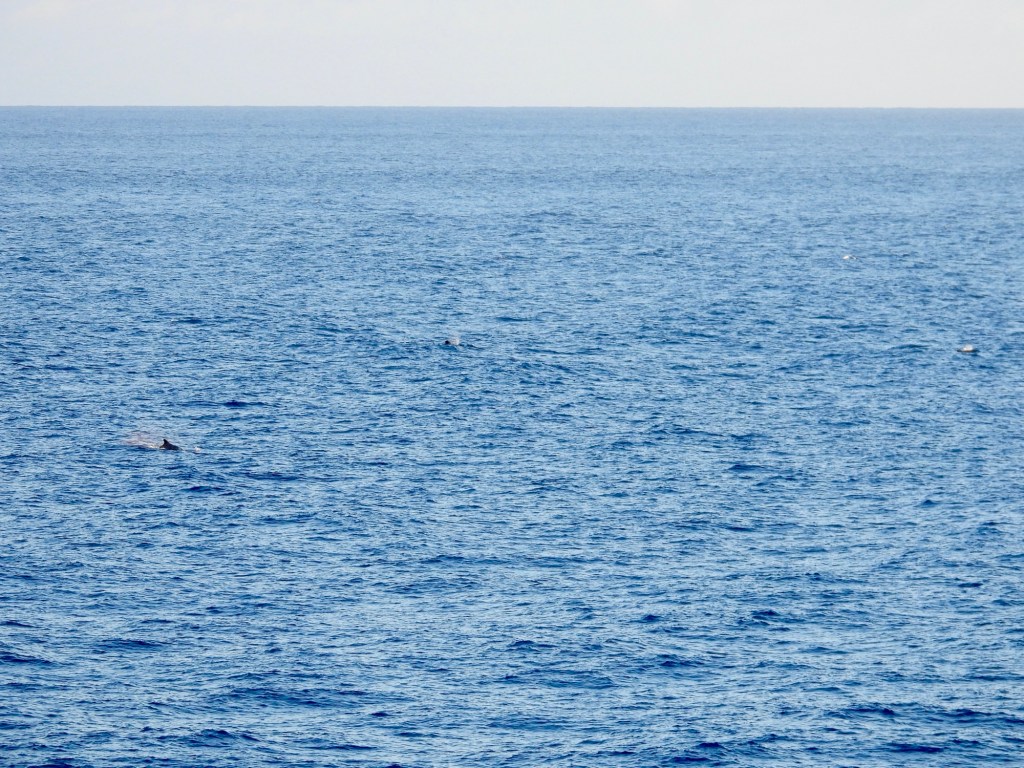
As we travelled south, there were a number of calls for whales, more often than not, by the time I got to the best viewing point, I did not get a good view but this time the captain turned the ship around so we could spend a bit more time with a pod of short-finned pilot whales which was awesome. (Just to clarify, there are several whales in this photo!)


Our first stop in Indonesia was Tangkoko Nature Reserve, an 8,700-hectare sanctuary in North Sulawesi and a chance to see some more unique wildlife. I was raring to get off the boat and explore.  

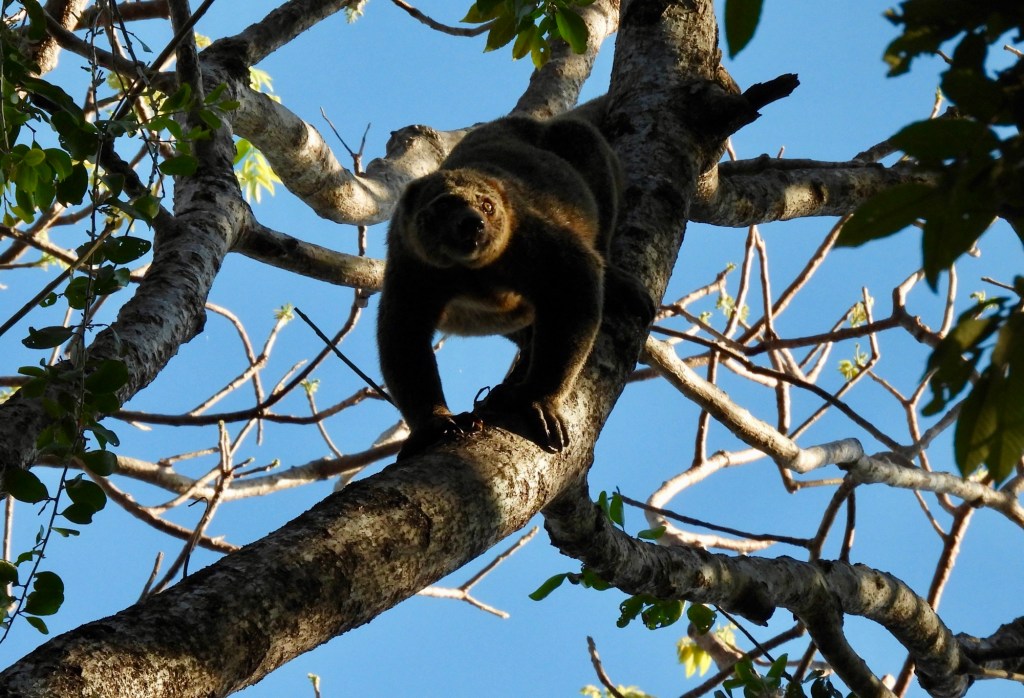
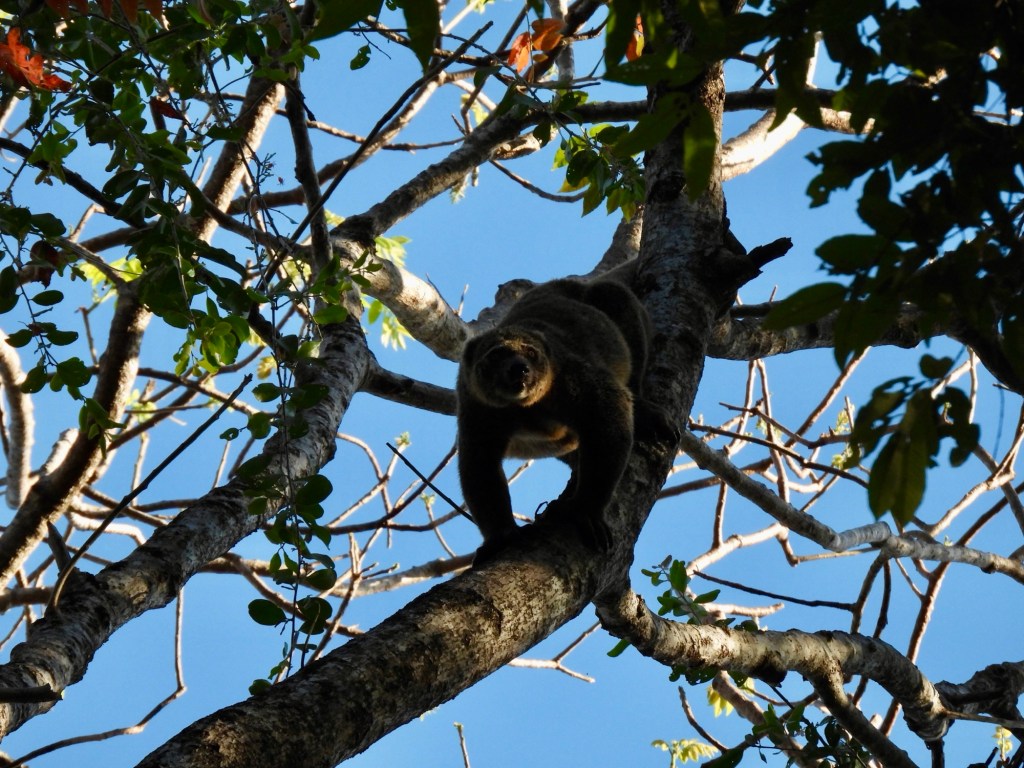
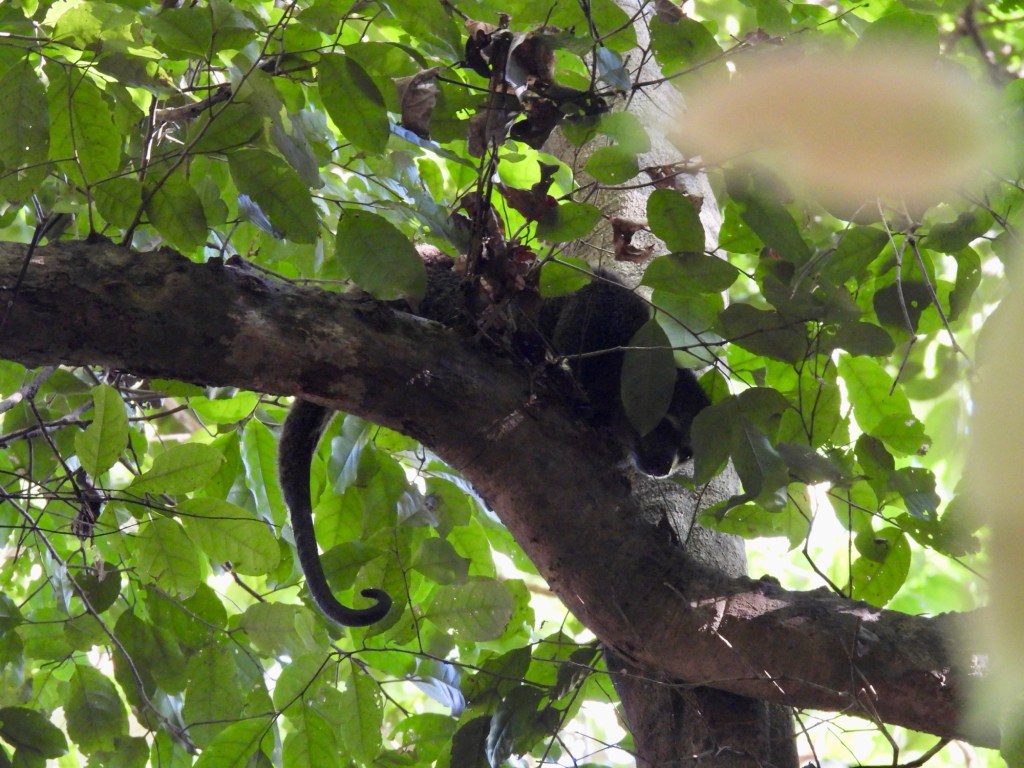
We arrived via zodiac on the beach and set off in small groups with our local guide.   The first thing he spotted was the vulnerable Sulawesi Bear Cuscus – an animal I had never heard of!  As you may have guessed, it is not a bear, it is in fact an arboreal marsupial endemic to this part of Indonesia.  It was named “bear” after its thick, dark, bear-like fur and it’s cute, bear like face.  (That last bit is my opioion rather than fact lol.)

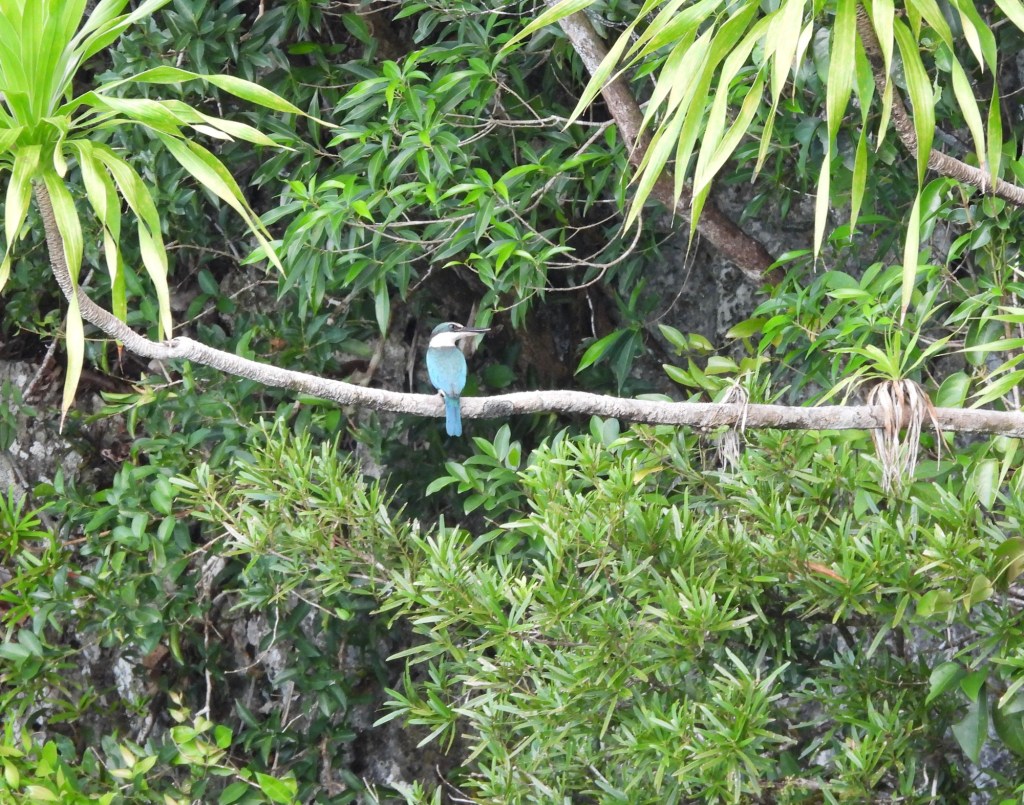
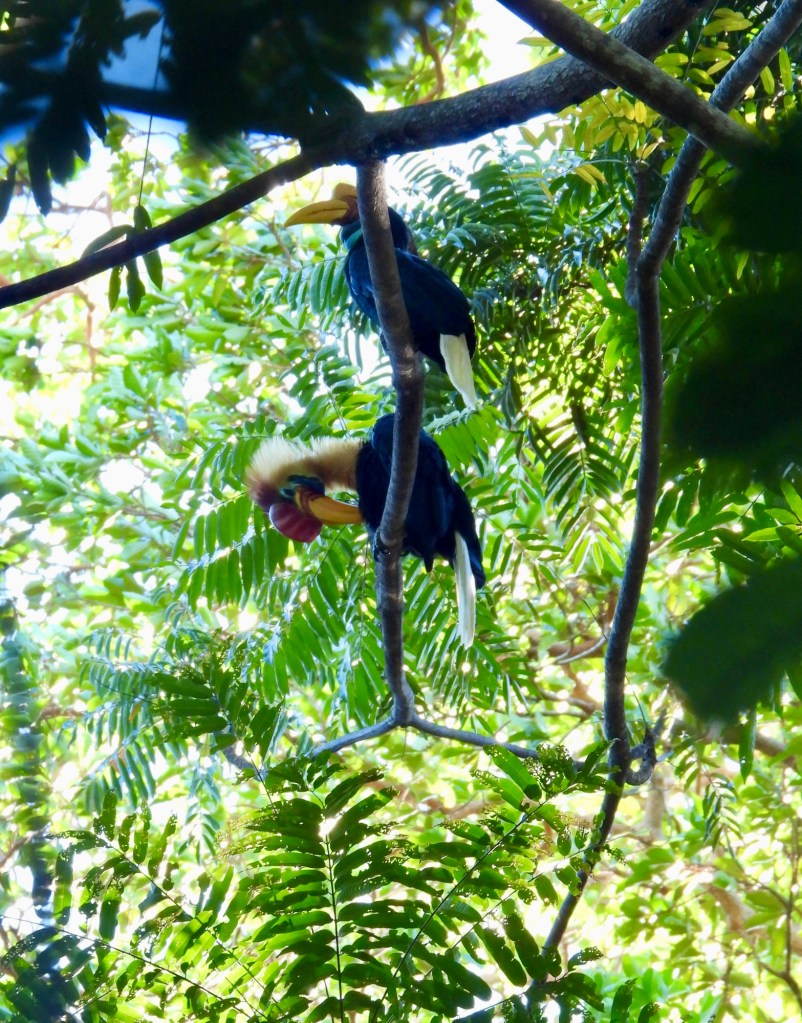
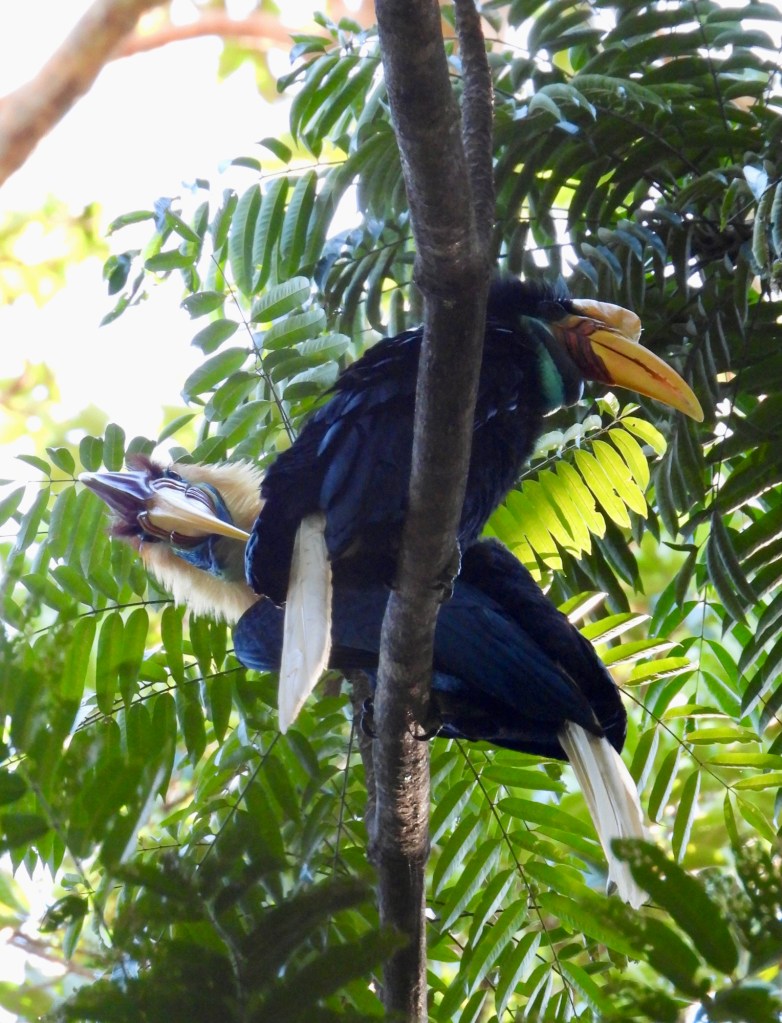
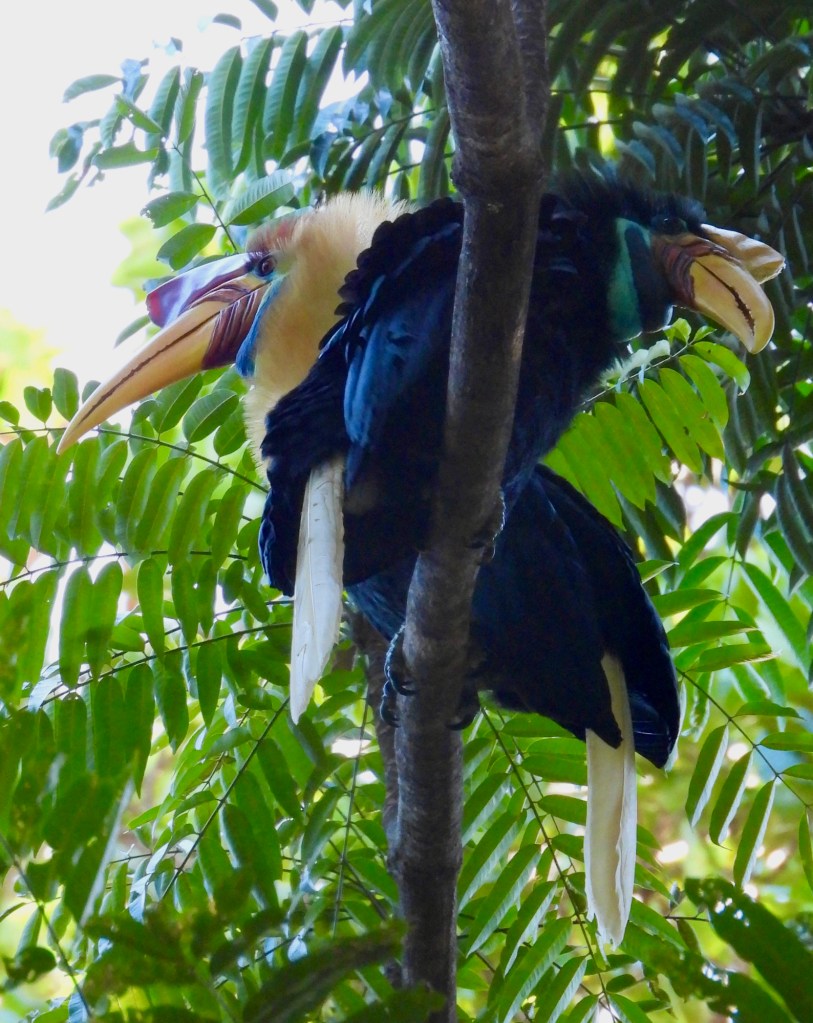
Next up was the incredible Knobbed hornbills.  Our guide heard them and we charged through the forest (ignoring the monkeys that we would go back to) to find them.  And find them we did.  They are also known as the Sulawesi wrinkled hornbill – neither of these names give you any indication of the beauty of these birds!

They are endemic to Indonesia, found on only a few islands where here is elevated evergreen forest and we were so lucky to spot a pair high up in a tree. The stuck around long enough for us to get a great view with binoculars and camera zooms. 


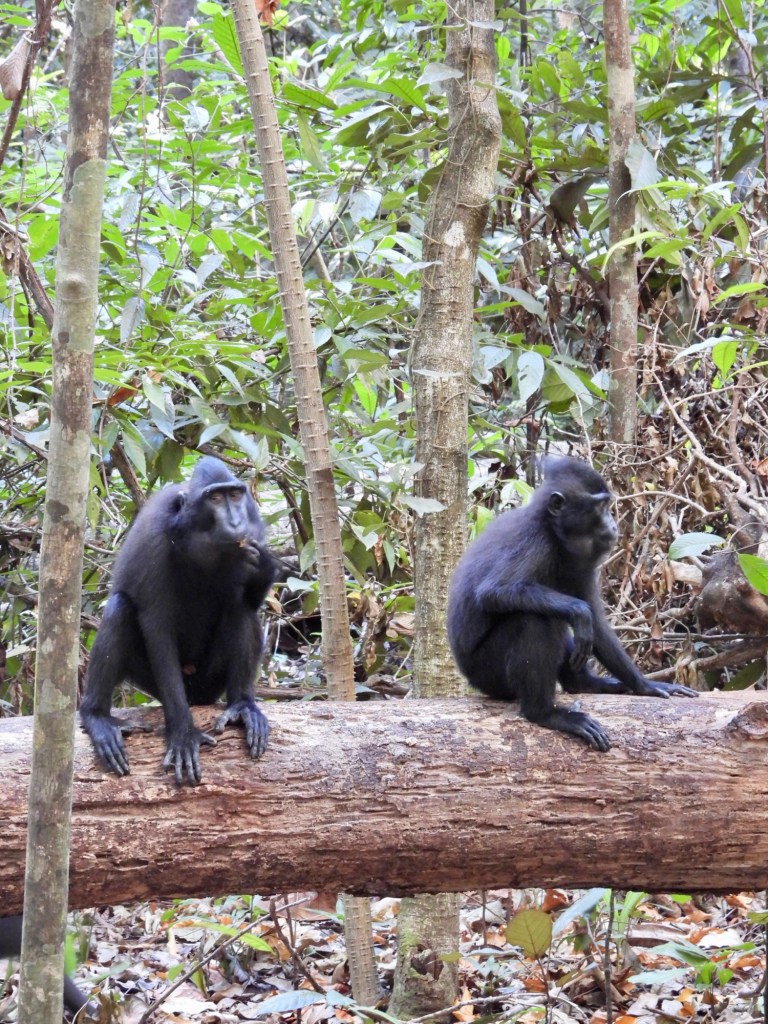
As we wandered back through the forest, we came across the monkeys again – this time, the critically endangered Sulawesi Crested Black Macaque. They did not sit still for long as they passed us along the track, going in the opposite direction to us.


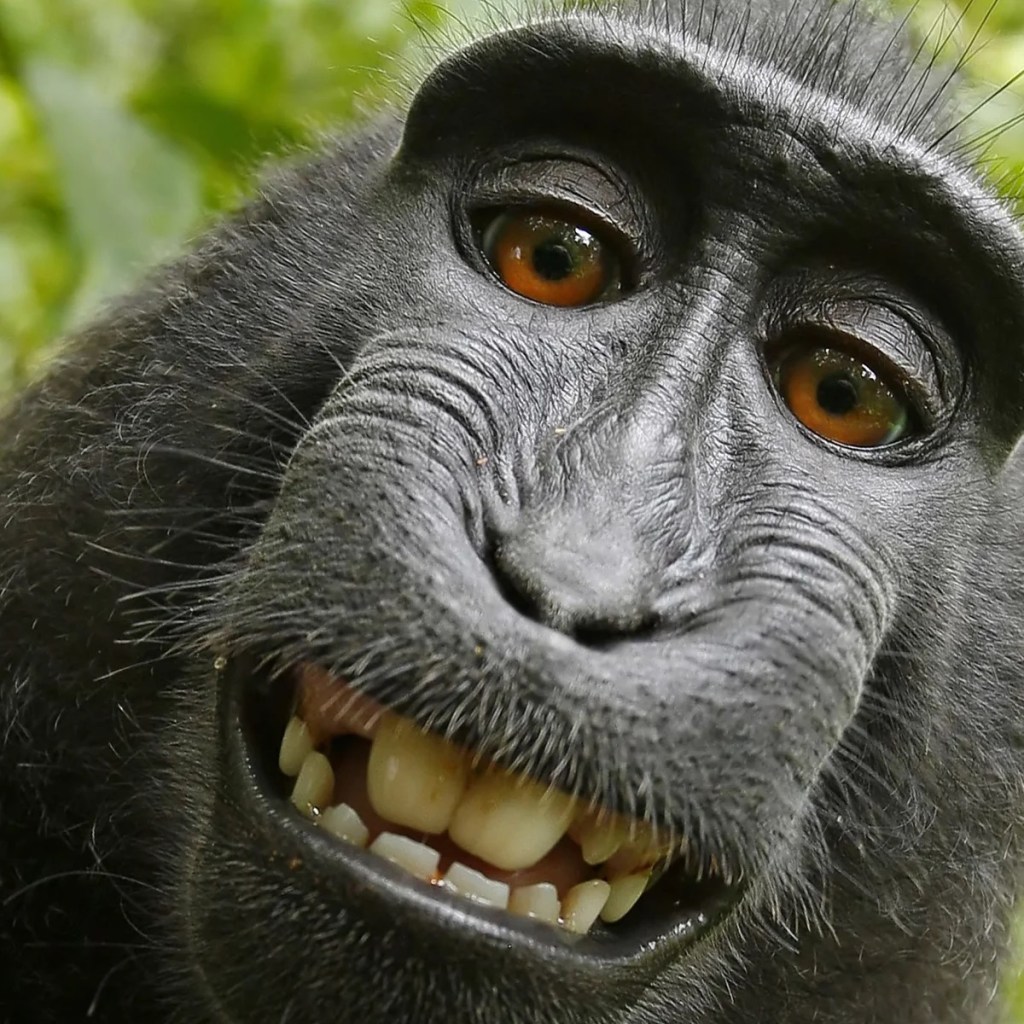
The Crested Black Macaque’s claim to fame was as the star of the viral “selfie” of 2014, actually taken in this park by one of the macaques with a trial camera.  It sparked a legal debate as to who owned the copyright to the photo – the person who owned the trail camera, or the monkey.  I have included the photo here (so give credit to whomever credit is due – although it was ruled that the image was in the public domain so could be freely used).

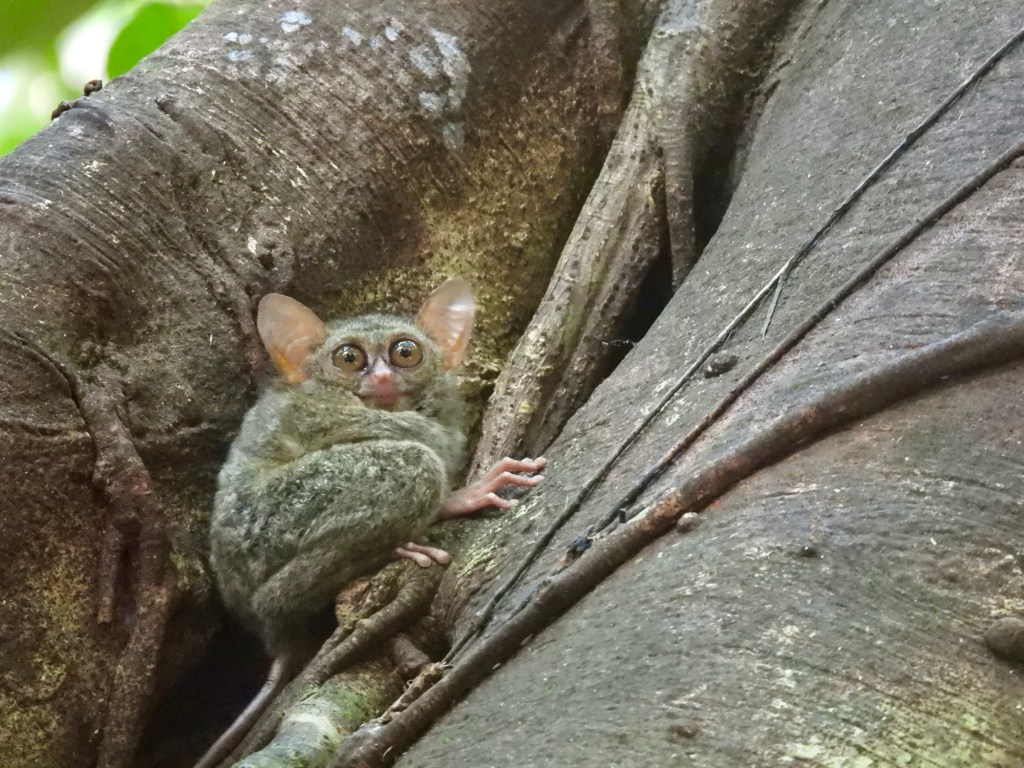
I was then really excited to see another Tarsier.  This time, a Spectral Tasier.  Related of course to our tiny Phillipine version, but this time, endemic to a few Indonesian islands. Accordingly, to our guide, we were seeing a male, and inside the small hollow he was sitting outside, he could just see a female inside.  I took his word for that lol.

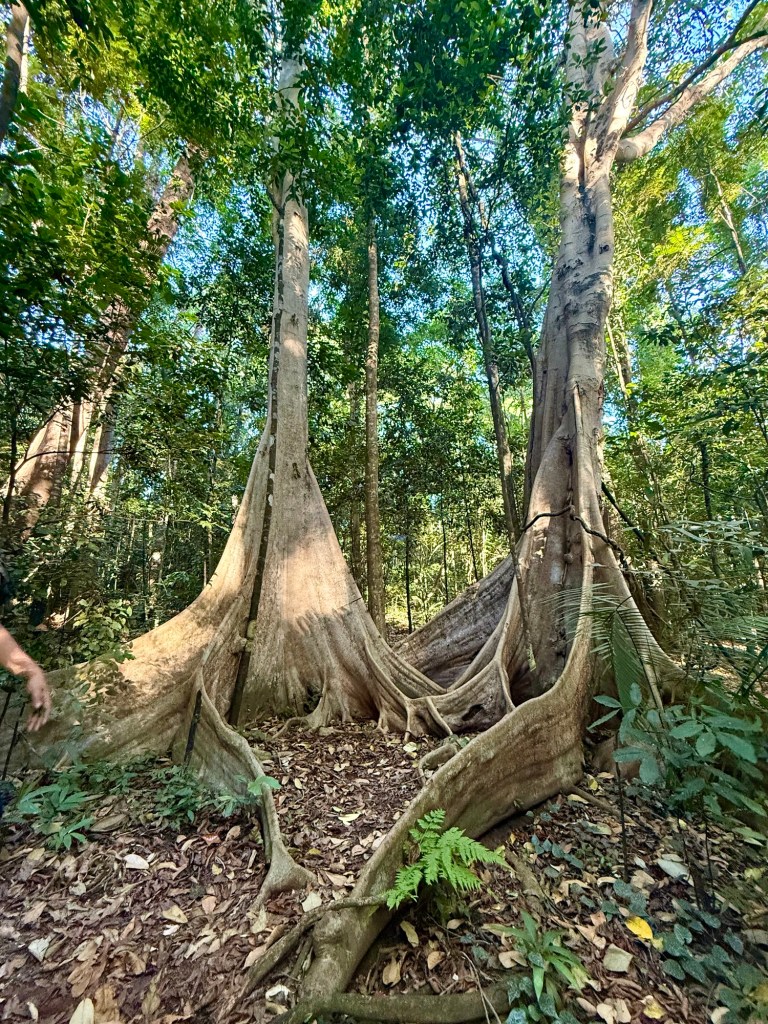
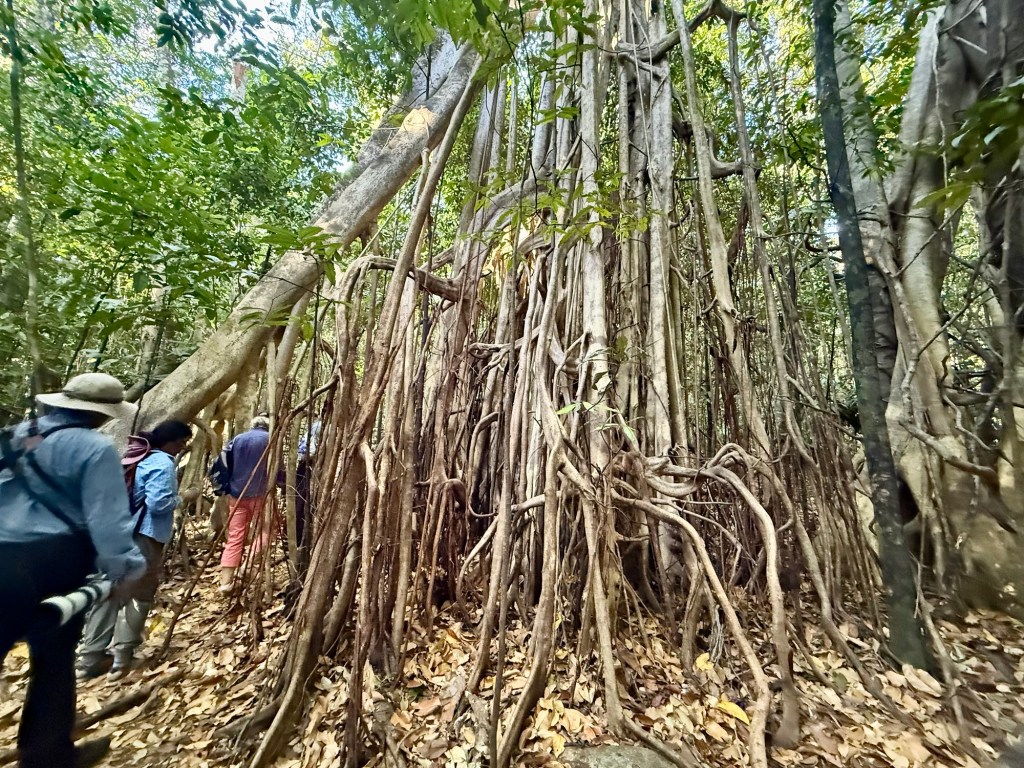
It was a great walk, not too hot, not too hard and we spotted the ‘big 4” we had hoped to see.  A “highly commendable” must also be given to the amazing trees we spotted along the way, including a huge ficus tree.

Back at the beach we were rewarded by … you guessed it, snacks!  This time including some of my favourite fruit, mangosteen, snakeskin fruit and rambutan, and some freshly made pandan pancakes wrapped around a delicious coconut filling.

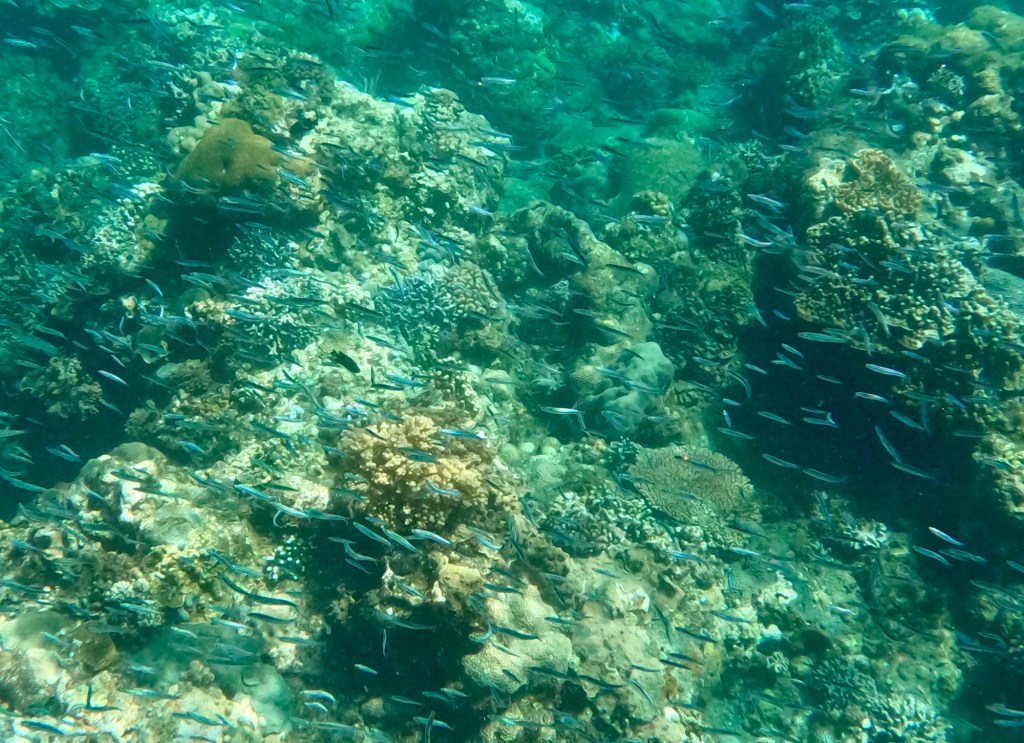
The wind picked up when we were back on the ship, so the afternoon’s snorkelling was a little choppy. This meant the visibilty was not great, but it was still nice to be out in the water.  There were lots of little fish and we spotted what I called ‘fireflies’. Tiny iridescent dots of blue, or yellow or orange lighting up randomly.  With thanks to by “boat bestie” who did some research, I now know that what we were seeing was tiny shrimp like animals called sea sapphires.  They are translucent when they are not shining (and only the males shine) so it was impossible to get any photos of them!

We were now sailing through the land of FADs – fishing aggregation devices and had already snagged a couple along the way!  I will probably go into these in more detail in another blog.


Samar Island – town and country

The Philippines, July 2026

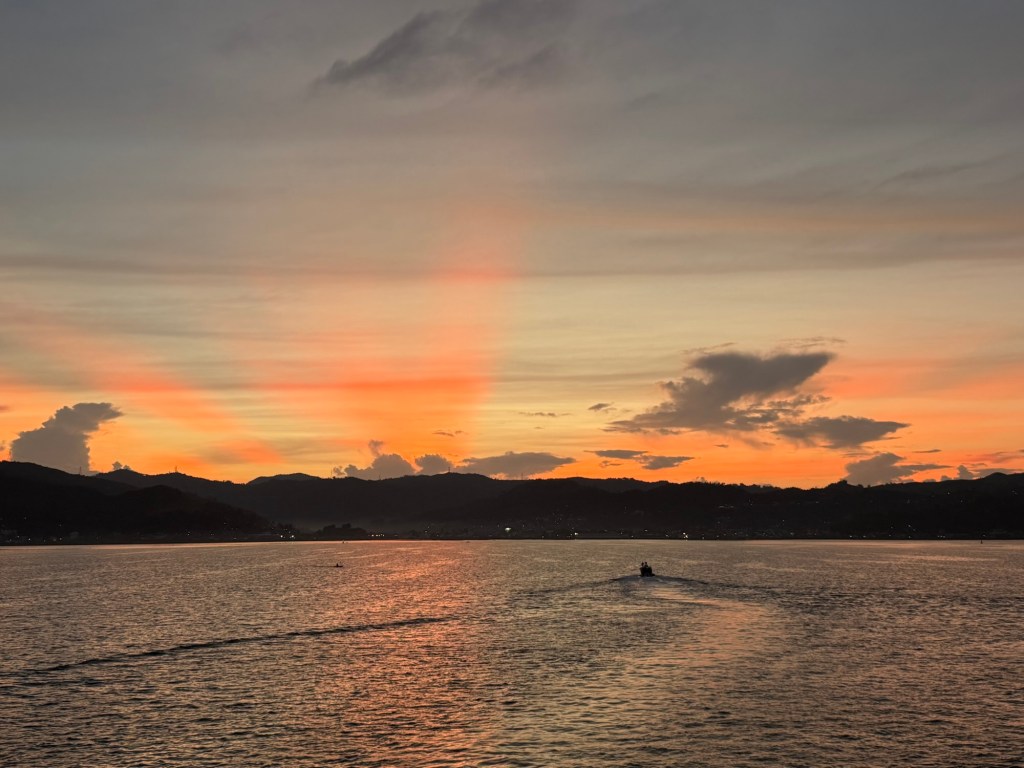
As we continued south through the Philippines, we left the large island of Luzon behind and reached the less visited Samar Island in the Eastern Visayas and the day started with the most beautiful sunrise. 

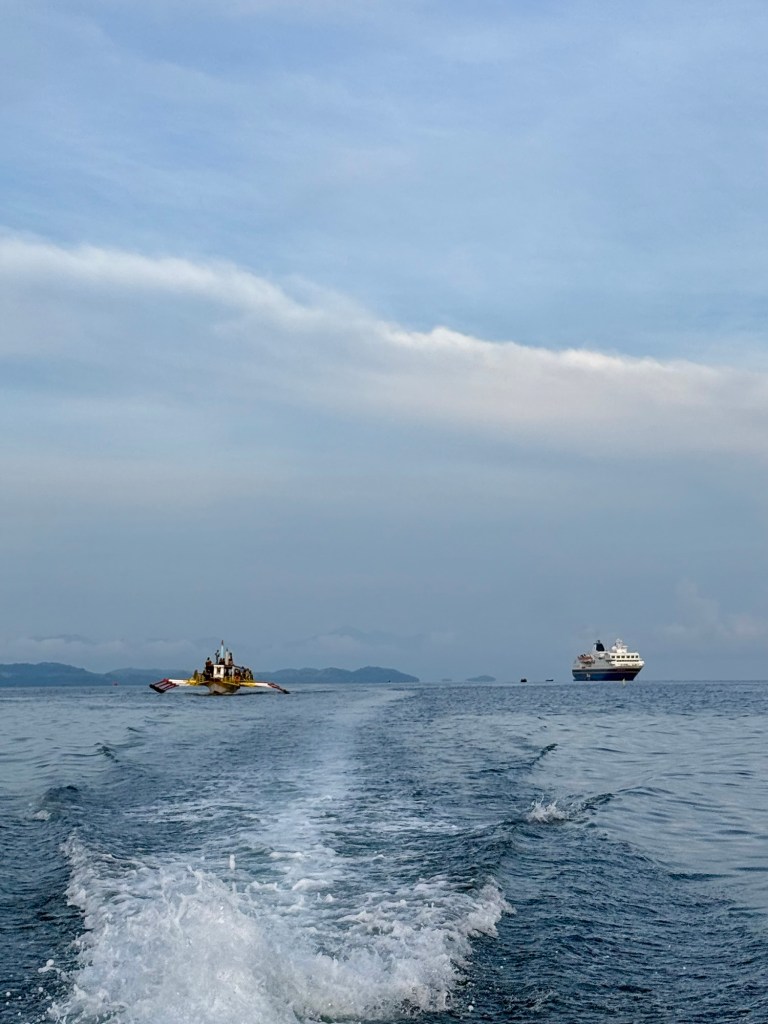
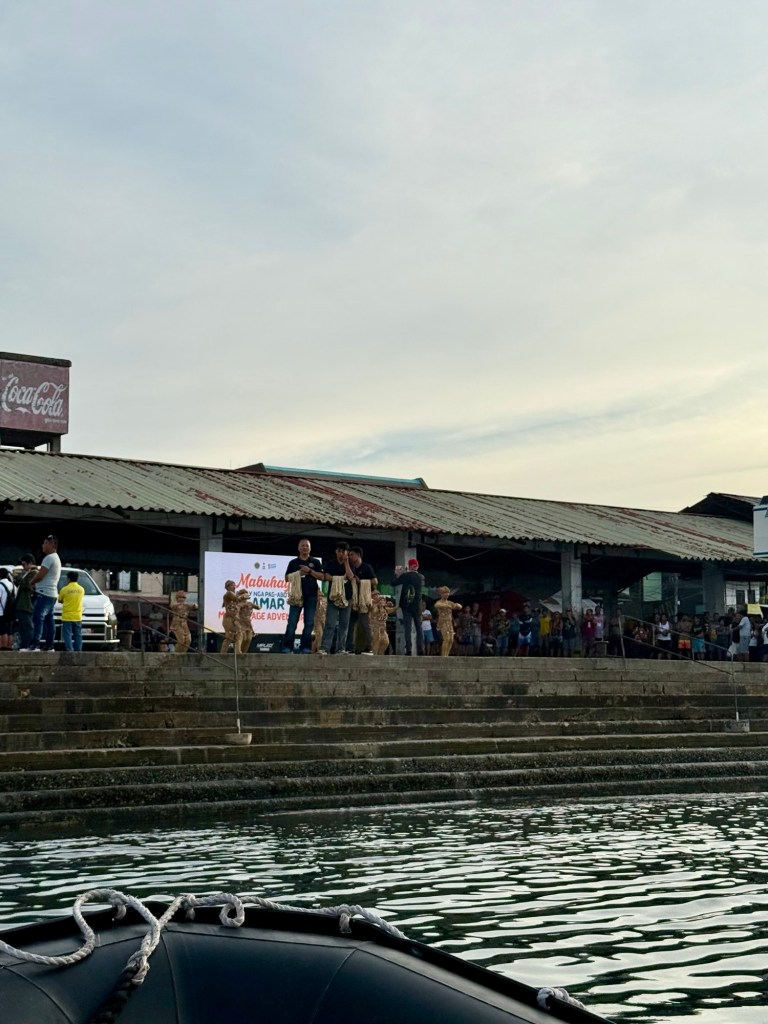
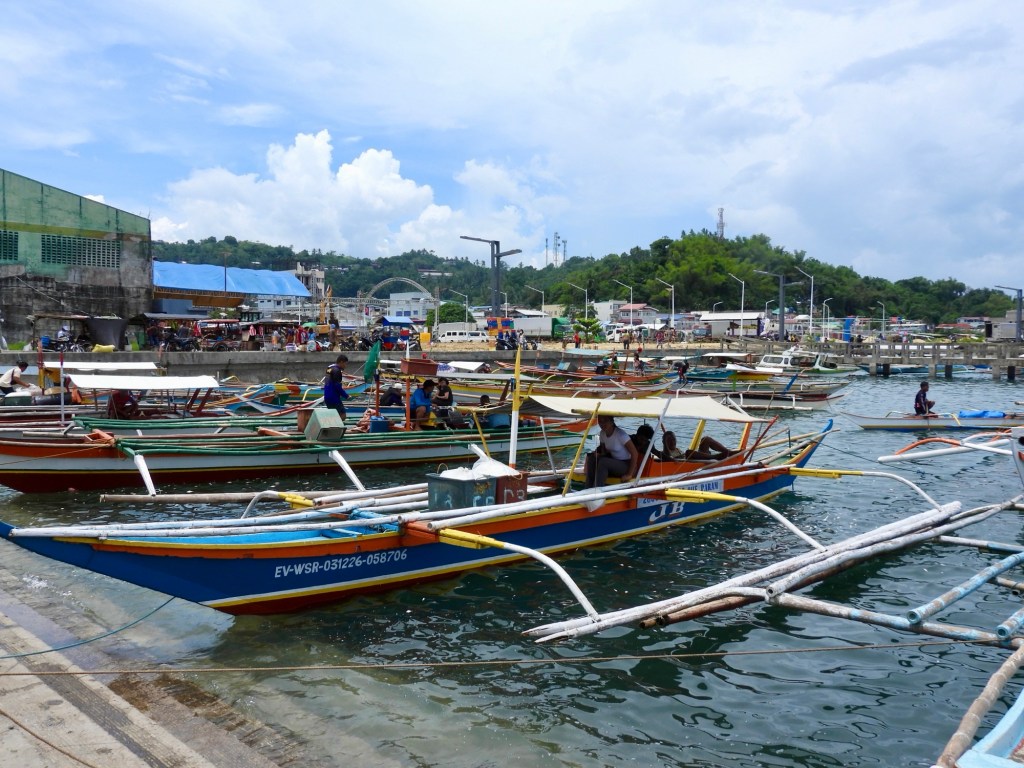
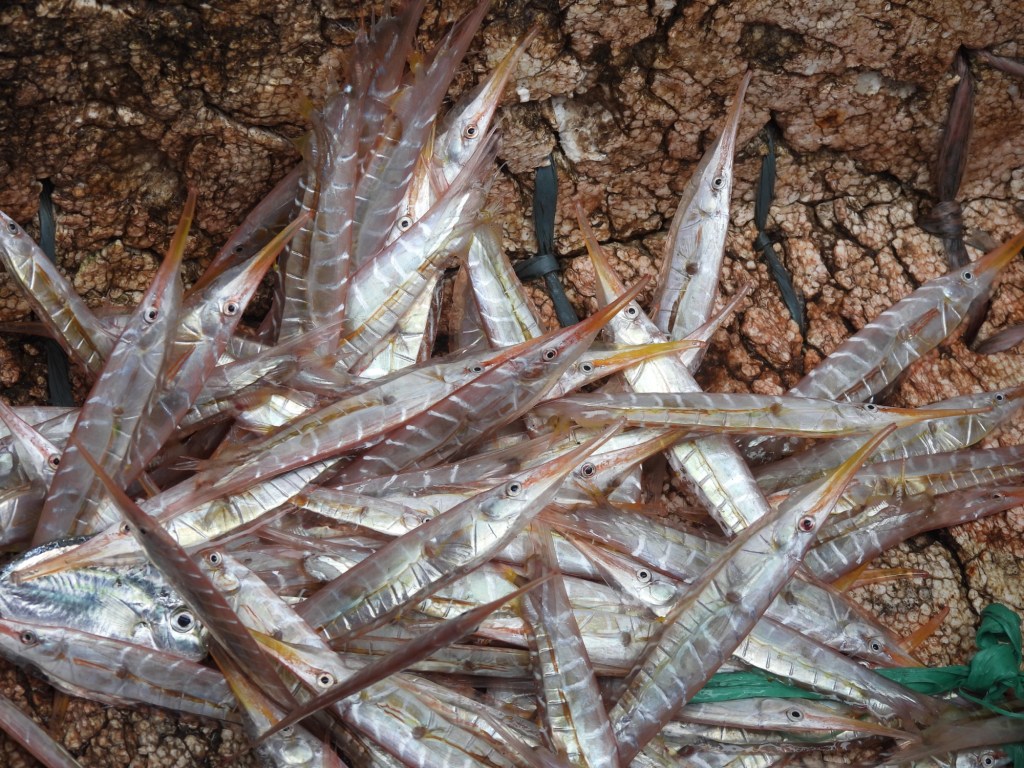
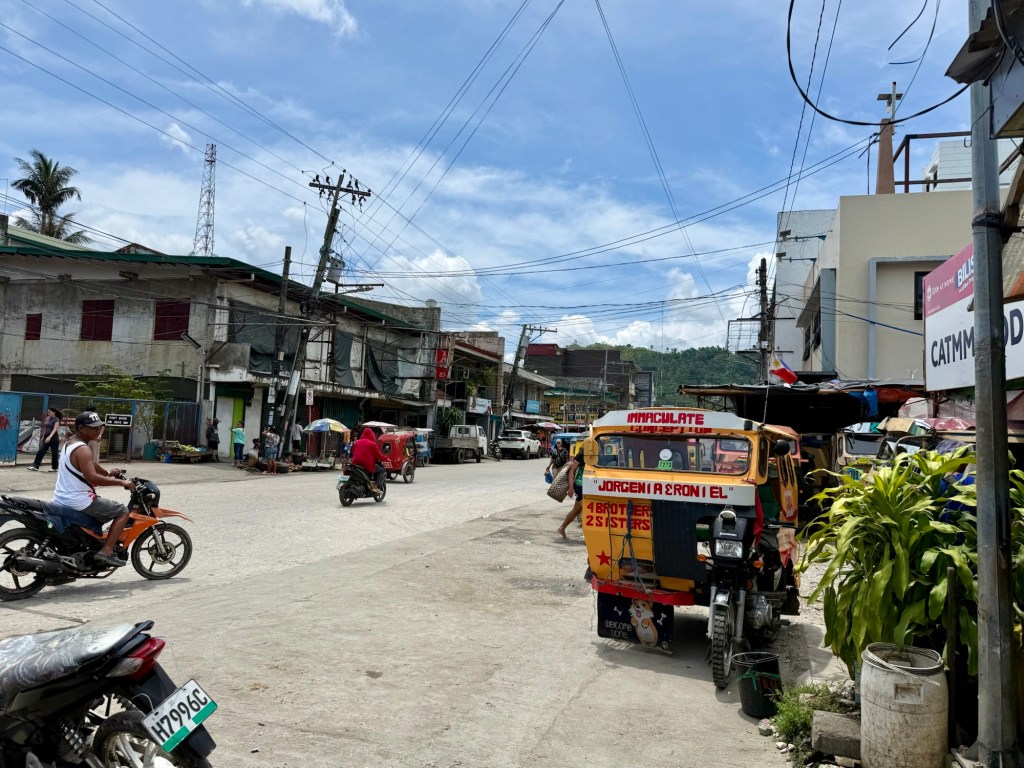
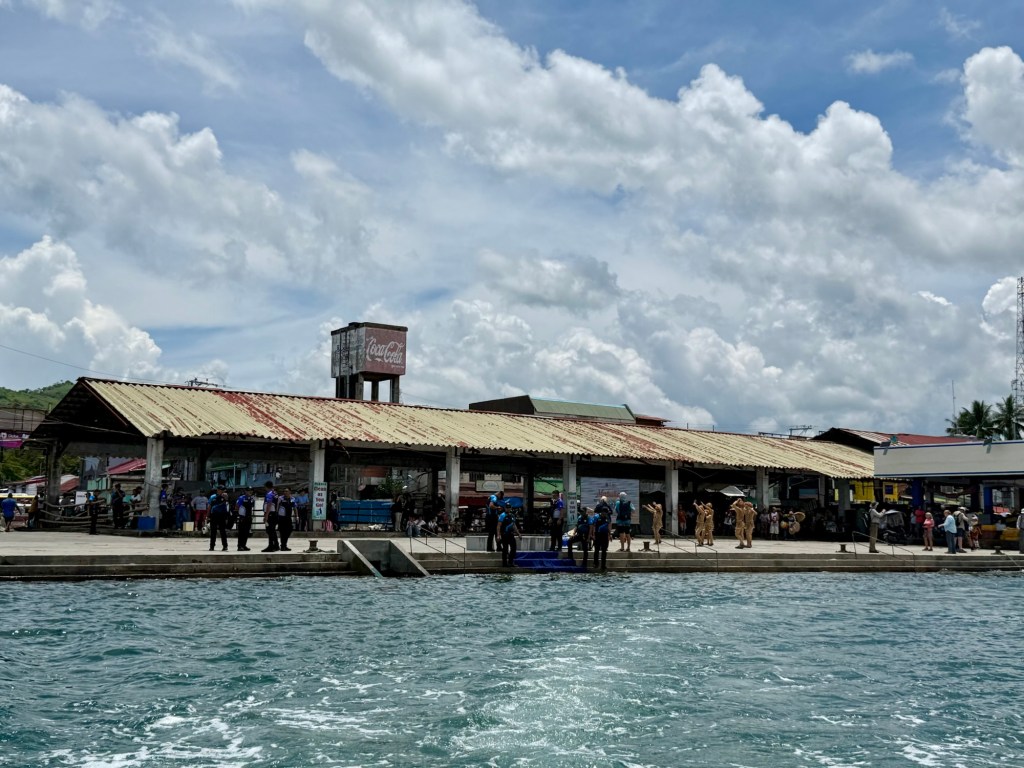
We landed in Catbalogan City, a city with a population of just over 100,000 and it was an assault on my senses –commuter boats (which look like creepy insects to me), fishing boats (and the accompanying fish), the usual morning harbour sounds and of course, welcome music and dancing. 

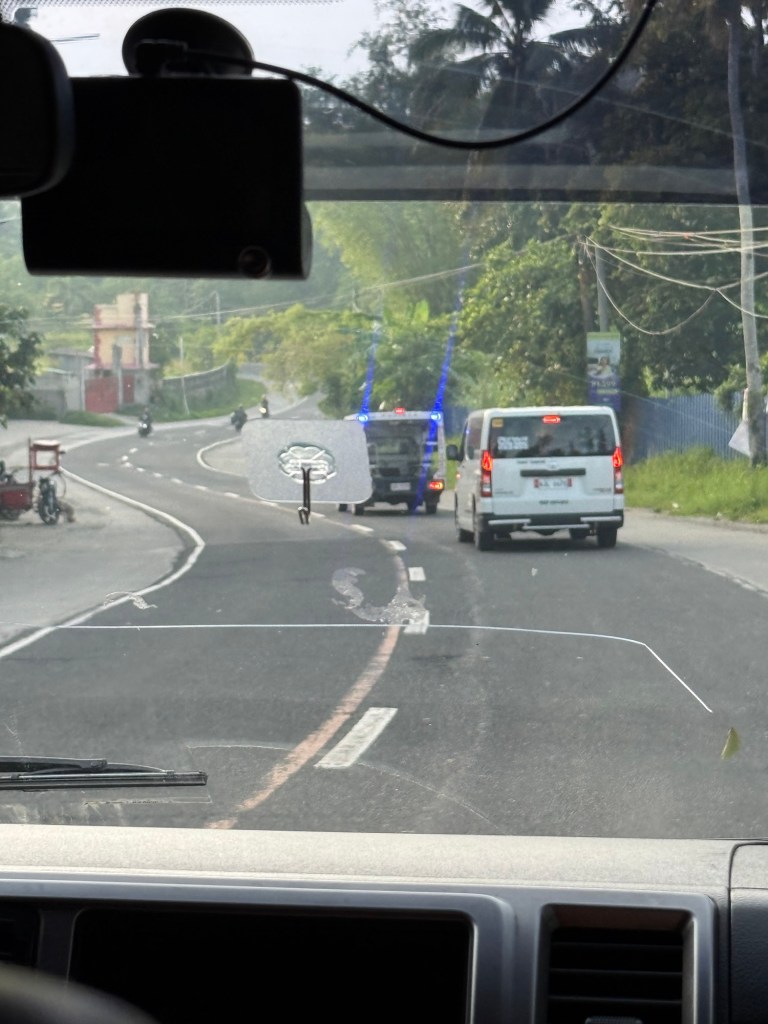
From the wharf, we were bundled into minibuses and whizzed off under police escort into the hills and the Samar Island Natural Park where I had opted for the nature walk.   The park is a lowland forest reserve and home to the largest tract of relatively intact lowland forest in the Philippines. 

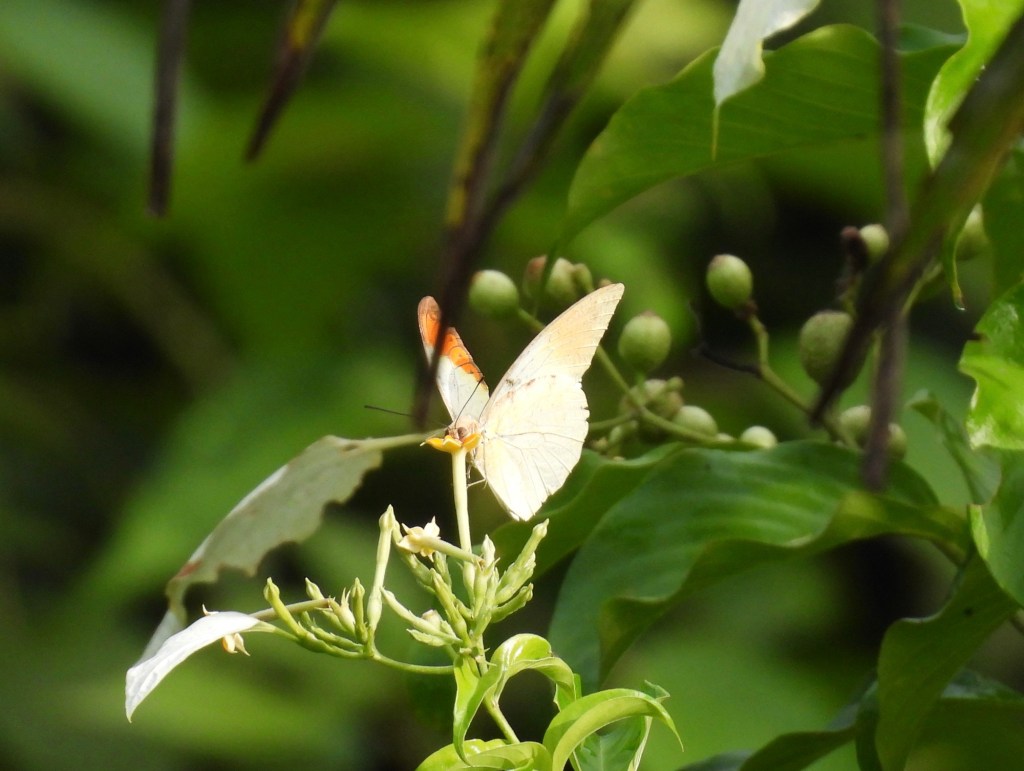
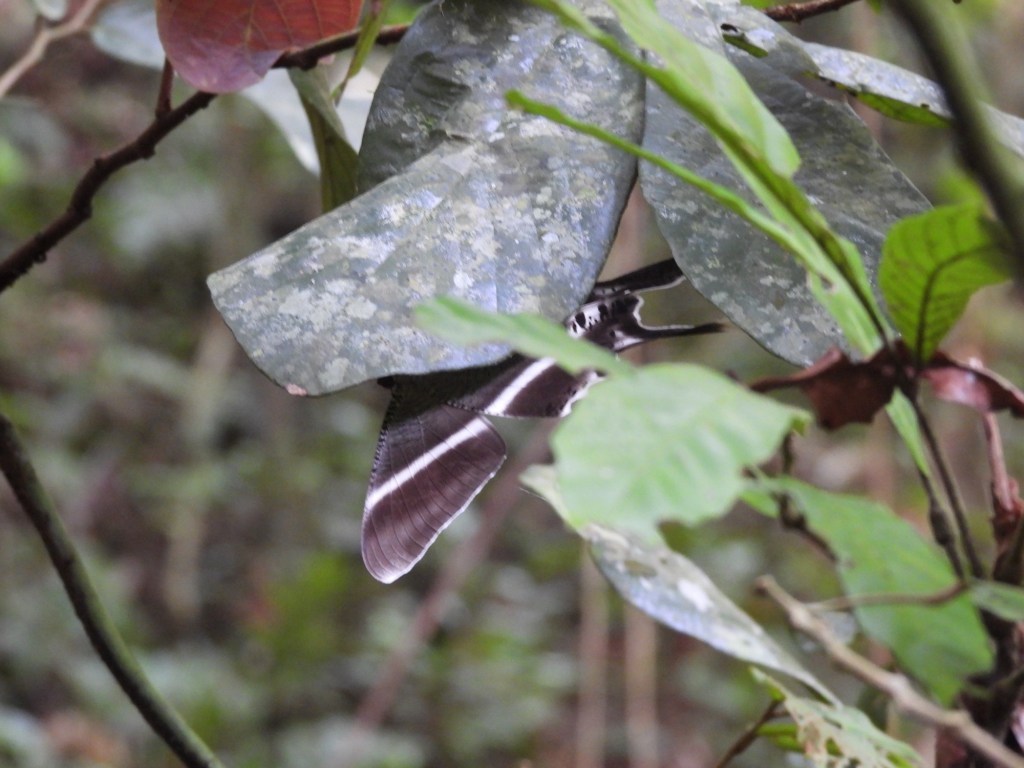
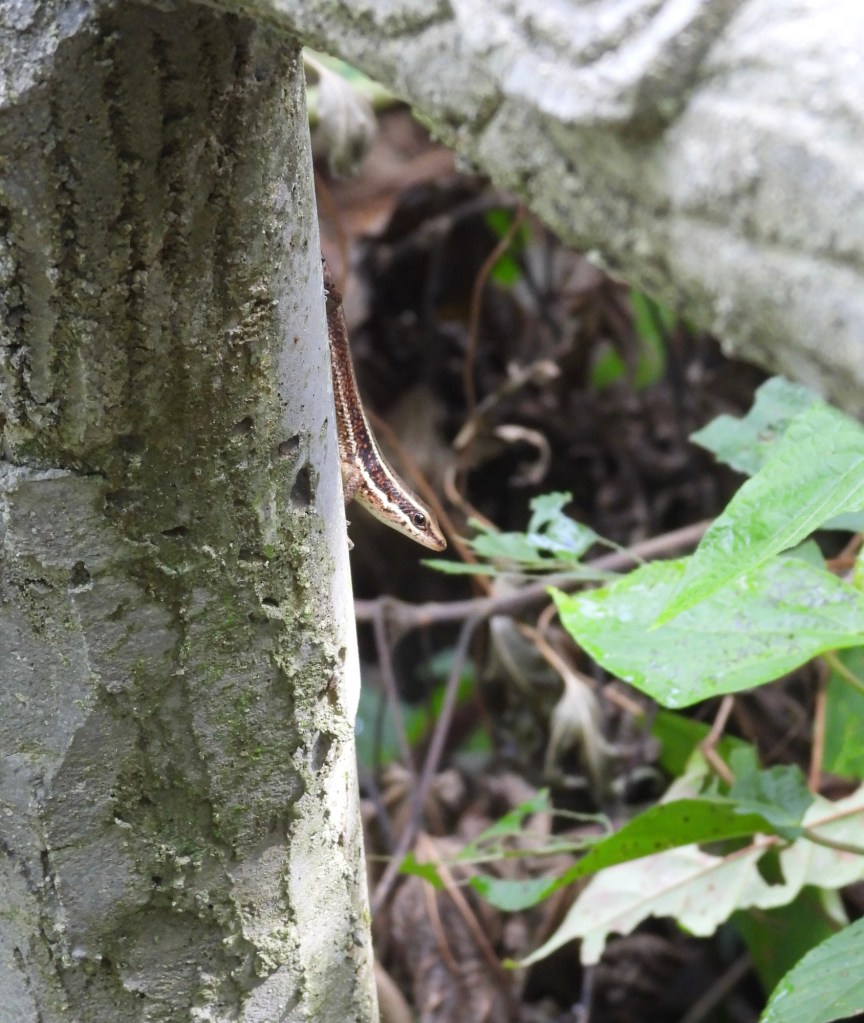
Despite being home to a number of endemic species, I did not see much during my walk up the 1,200 steps, dotted with rest/viewing areas.  Again, I think part of the problem was too many people and walking to fast, rarely taking time to stop and just be still.  I did manage to spot a couple of birds, loads of beautiful butterflies and a little lizard and really enjoyed the walk in the relative cool of the forest.

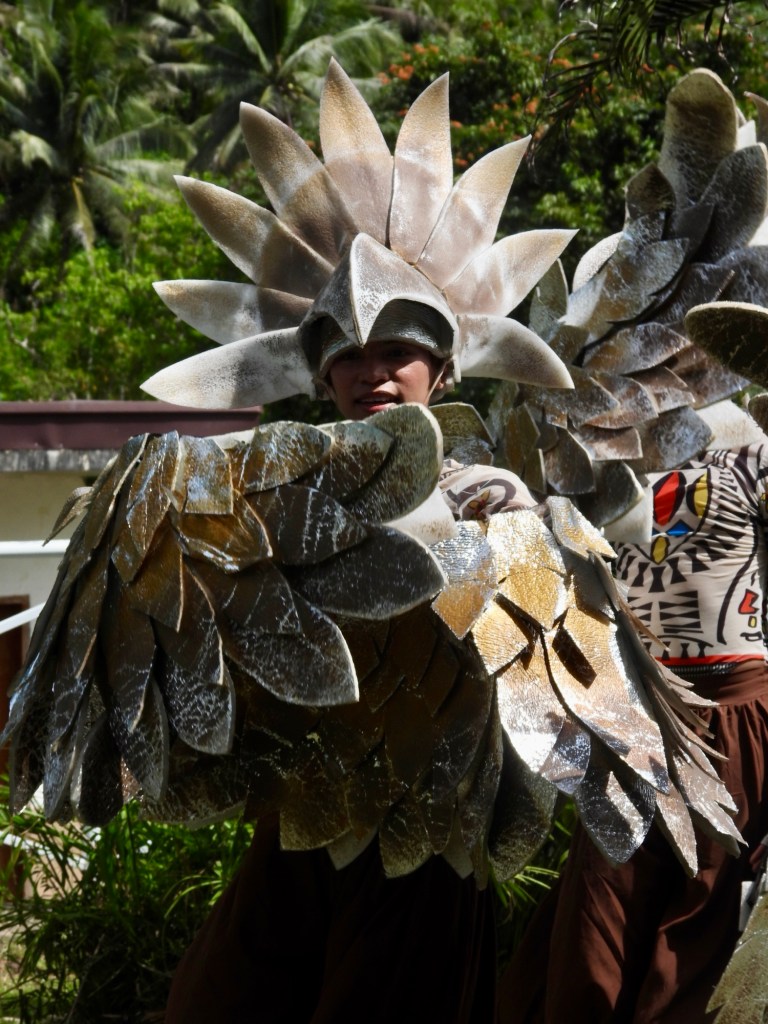
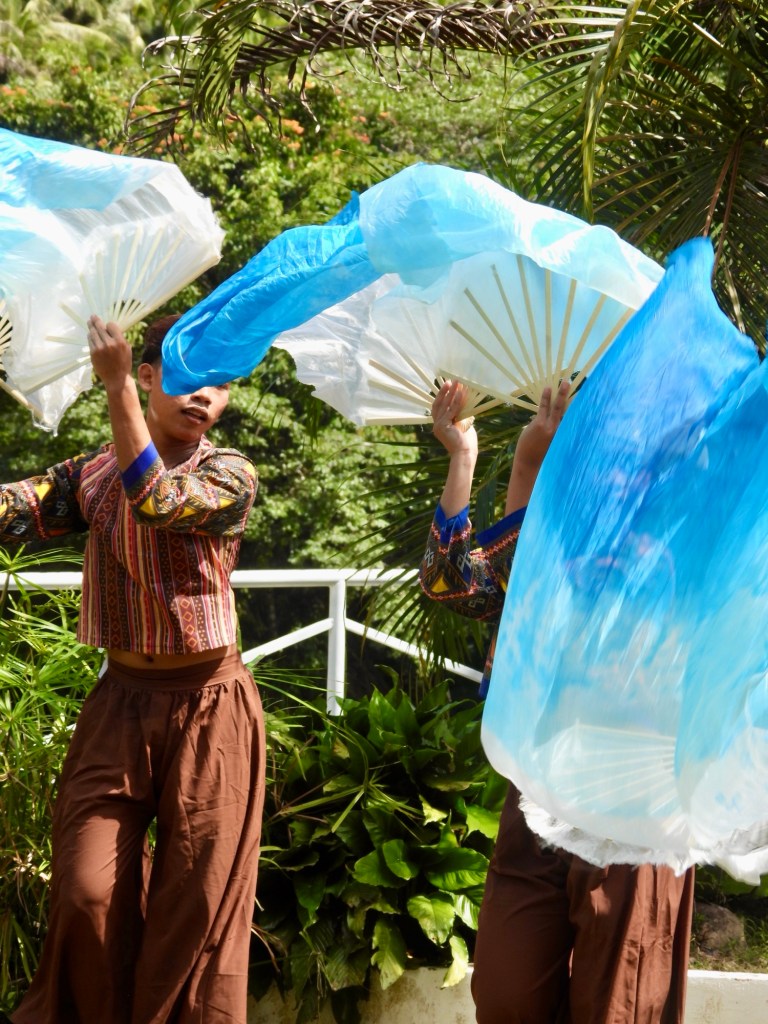
After the walk, we were transferred to the visitors’ centre where we were greeted by some more beautiful dancing, this time, what I believe to be a dance that showcases the Philippine Eagle and the other bird life of the natural park.

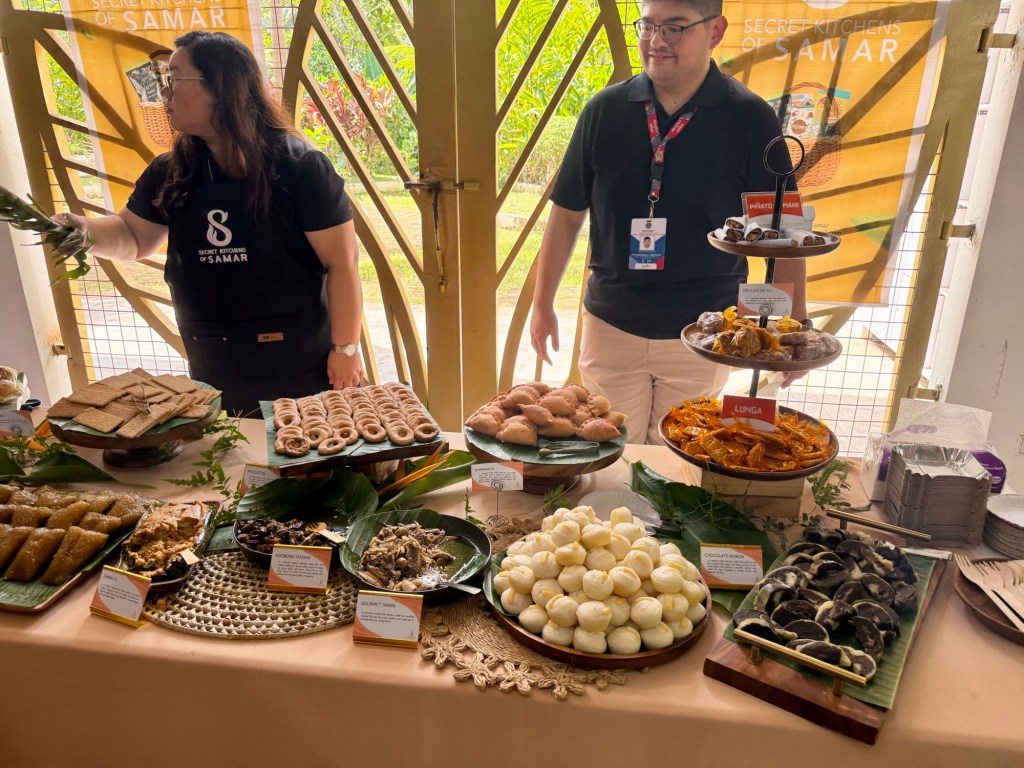
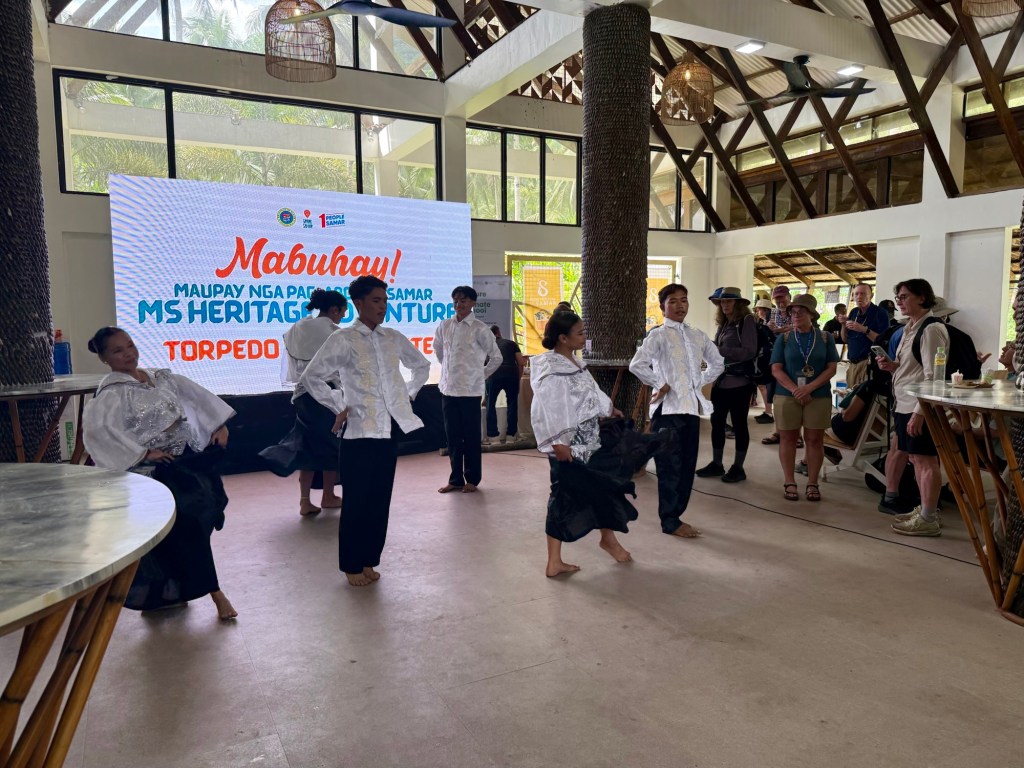
There was also a huge spread of local food, and …. free massages and even more dancing!  The welcomes we are getting are just getting bigger and bigger!

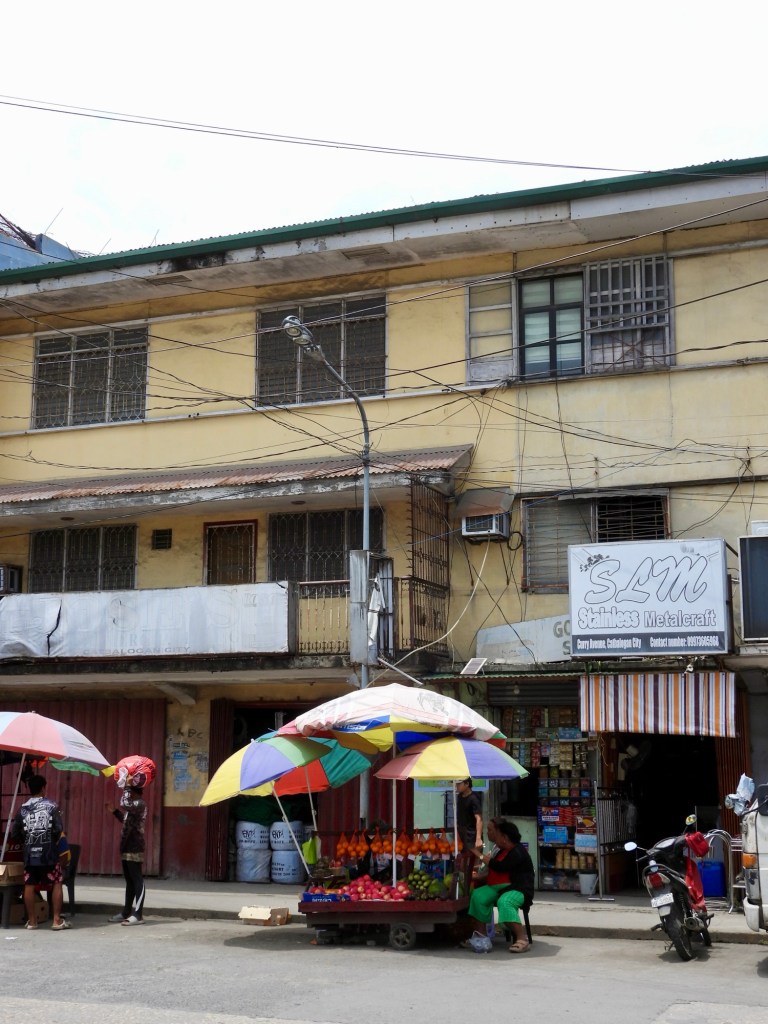
Back down in to the hustle and bustle of Catbalogan city (population of around 107,000) and we had a little time to wander around the harbour area.  One of the few downsides of a trip like this, is that there is little time just to wander and absorb the local atmosphere so it was nice to get a little time to do that here.  I might note the dances that meet us this morning were still on the wharf to dance us off as well!

We spent the afternoon sailing past beautiful, mountainous islands and I spent most of the time out on the deck as one of the aircon units was broken so it was pretty warm inside!  To help with this, slushies were provided – I may have enjoyed the vodka and orange slushies a little too much lol.

Too many slushies meant I missed the lecture on fishing in the Philippines, but I did go to one about ex-President Ferdinand Marcos, given by Stella, an expedition crew member who was there, on the streets, when it was all happening.

In summary, Ferdinand Marco was President of the Philippines from 1965 until 1986 when he was deposed by the People Power Revolution. From 1972 to 1981 he ruled under martial law when many people when arrested for speaking out against him, including the opposition leader, Ninoy Aquino, who was eventually assassinated.

And if you don’t know about him, you may know about his beautiful wife, Emelda who had thousands of pairs of designer shoes.  Or perhaps his son Bongbong, who is the current President of the Philippines!

 Yet another beautiful sunset ended the day, before a hot and sweaty night as the air con was still not fixed.  It is crazy when you have to open doors to let in air when it is a humid 30+C outside!  Sadly my cabin has no windows (actually I only have port holes) that can be open – just a little fan to circulate the warm air.


Bat caves & corpse flowers – Philippine exploration continues

Polillo Islands & Caramoan Peninsula, The Philippines

June 2026

Our next stop was Patnanongan Island, the largest island of the Polillo archipelago group of 24 islands and islets and it was an overcast morning as we moored off the coast. 


What was supposed to be an earlier morning start turned into a very slow one as we waited for officialdom to take place. Every stop we make, requires the local officials to come on board before we can disembark to do anything!  At least all the waiting around meant the rain had cleared for the time being.

We are very much the centre of attention wherever we stop, with locals coming out in their boats to take photos of us, taking photos of them lol.  I must admit, I like that the photo taking now goes both ways.

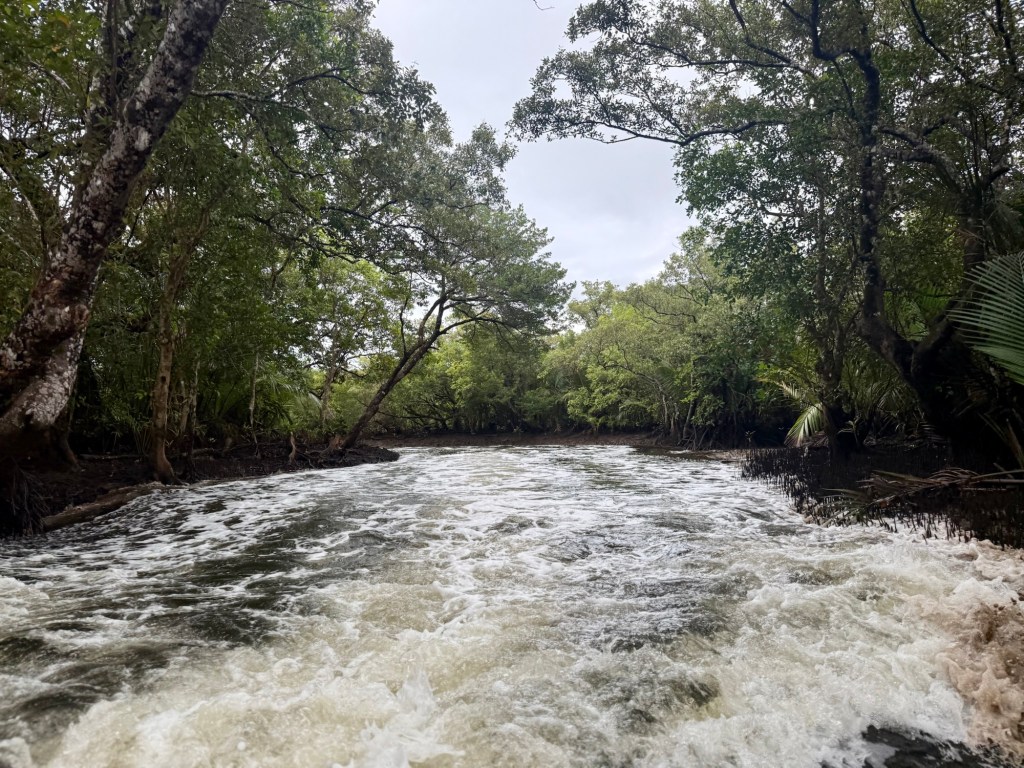
Finally through the formalities, we jumped into the Zodiacs to head to our landing point and in the choppy seas we all got soaked in the crossing to the coast, but then it was much calmer as we zipped through the narrow channels of the mangroves to our landing point. 


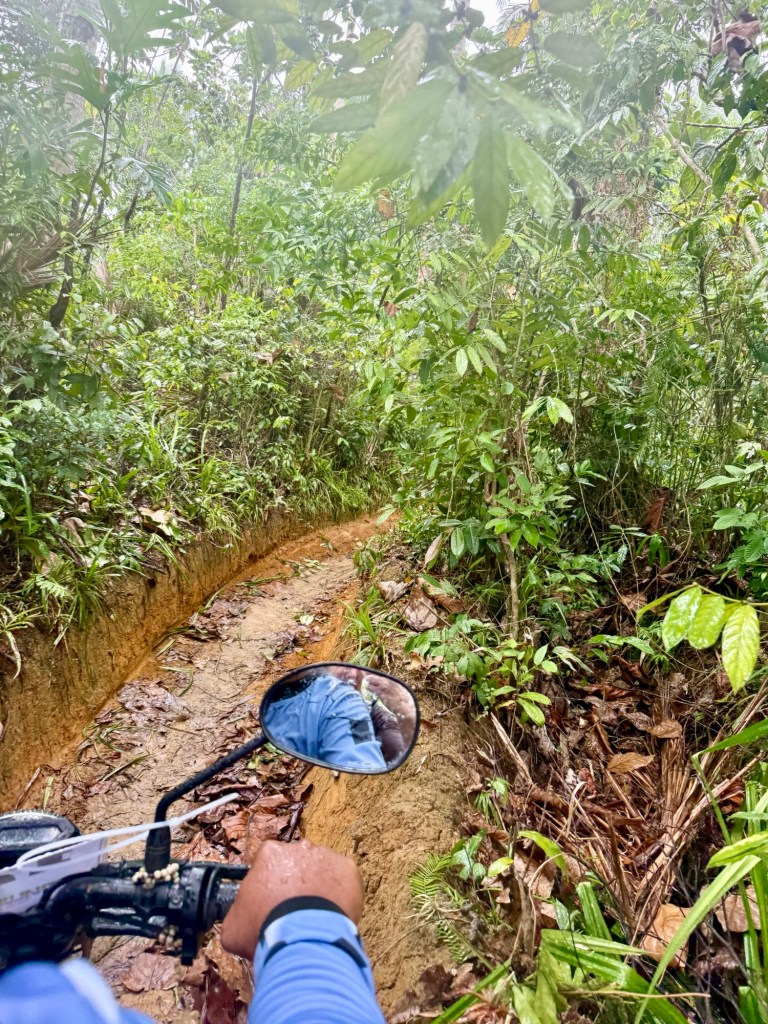
From the Zodiac we transferred to the local transport – here it was a Habal Habal, which is basically just a motorbike taxi.  Everyone and anyone with a motorbike had shown up to shuttle us from our landing point, down the narrow concrete “road” into the village hall where we were greeted by a hoard of local tourism board employees, fresh coconuts, music, dancing and request for selfies.  I think they were taking more photos of us, than we were of them.

The downside in being in one of the first boats is that we have to wait for everyone else to arrive before the formalities started, but on the other side it gave us time to wander around the small community and chat to some of the people.  It seemed the whole town was out to greet us (that will be a recurring theme)!

After the dancing and speeches, we jumped back on our Habal Habals.  Initially the plan was that we would find the same driver, I managed to do that as I was one of the early ones, but as people were trying to find their drivers it started to rain and the ‘organisation’ turned into chaos lol.  I was still already damp from the zodiac ride so didn’t even bother put my coat on!

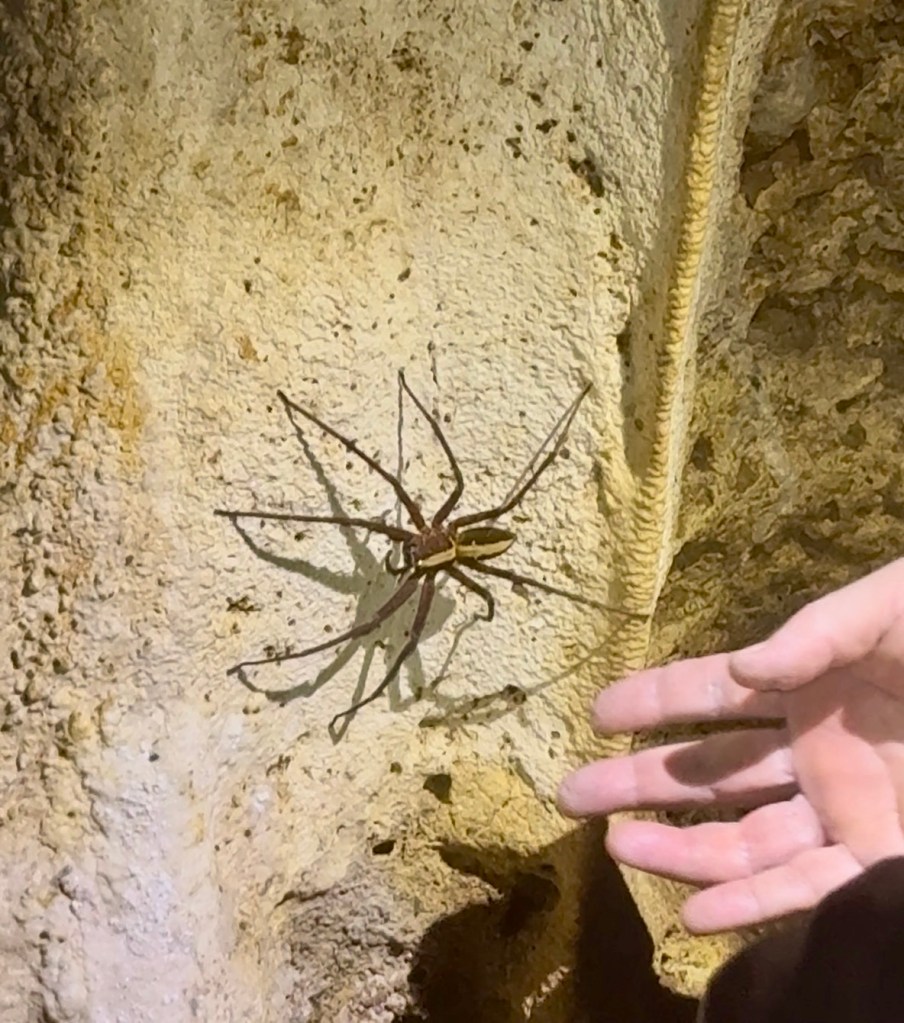
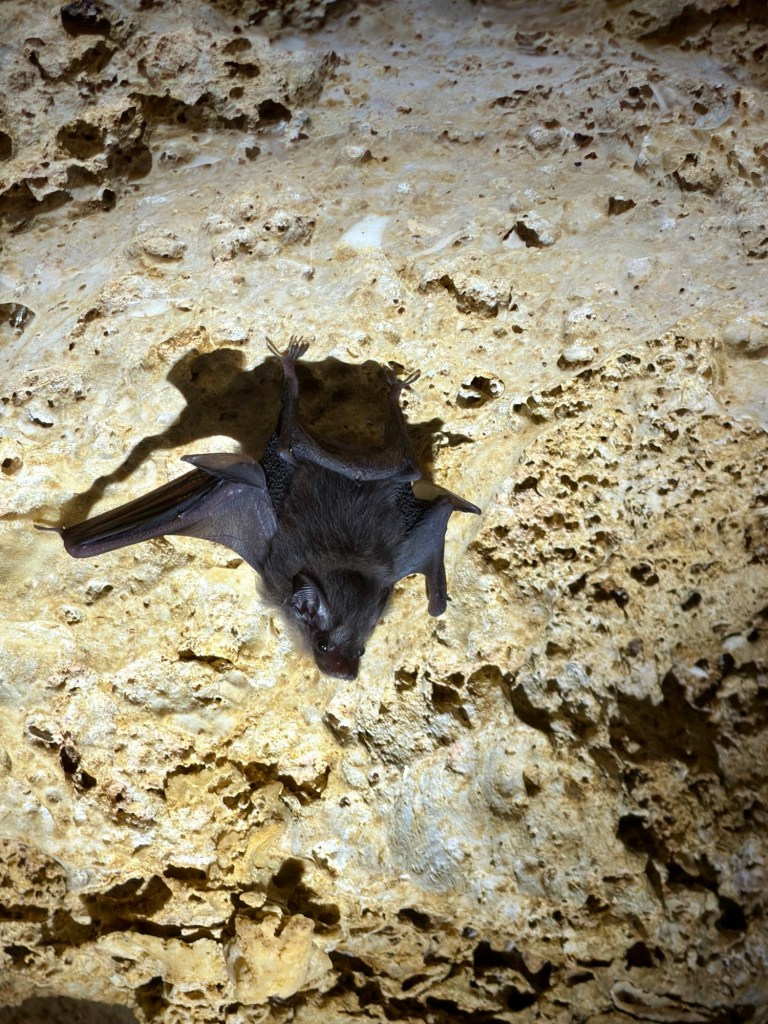
 We continued down the concrete path, until that turned into a dirt path and then in to little more than a mud track through the jungle which took us to our destination – a cave complex.  Disorganistion continued as some people got hard hats, some didn’t have torches and everyone was trying to shelter from the rain and finally I managed to find my way into a group that entered a cave full of bats and giant Cave Wolf spiders.  Not everyone’s idea of a good day out, but I loved it. 


Sadly, there were no great photos of the bats (as it was dark lol) but I did take a video.  I didn’t realise just how many bats were flying around us until I watched it back. I do have a great photo of a Philippine Sheath tailed bat from a lovely boat friend (also called Elaine, and we are basically the same person lol).

By the time we exited the caves, the rain had subsided and after a quick snack of boiled banana we were back on the bikes (the plan to stay with your same driver had gone out the window), zipping back through the slight more muddy and changing dirty tracks and back on the concrete path, down to another town, Sinintan, with more music and dancing and speeches!

So many more selfies and fist bumps with the children as we made our way to the zodiacs and back to the ship to dry off and have lunch.  It is nice to see the excitement our visits bring to the small towns we visit, particularly with the children (who seem to have time off school to see us).  We are most definitely the spectacle!

This afternoon was our first snorkel opportunity, and I almost didn’t go as it was overcast and let’s be honest, I could not be bothered!  But at the last minute I changed my mind, got changed, grabbed my gear and jumped in the last boat to the beach on Anilon Island.  I am so glad I did as the water was warm and were lots of fish to see.  I am also very glad that technology geotags photos taken on my phone, so I know the names of places I have visited!

Again, the local tourism board staff had arrived at the beach earlier and set up shelters and were walking around with snacks (snacks in this part of the world are next level – particularly if you like things made with coconut and glutinous rice, which I do!).    

We are now in the Coral Triangle, an area approximately 6 million km sq that spans across the Indonesian-Philippines region and across to the far southwestern Pacifc region and contains more coral reef species than anywhere else in the world.  It is recognised as a global epicentre of marine biodiversity.  With that said, I hope for lots of great snorkelling in my future.  (Map from WWF).  get map from photos (credit WWF)

The day ended with a beautiful sunset

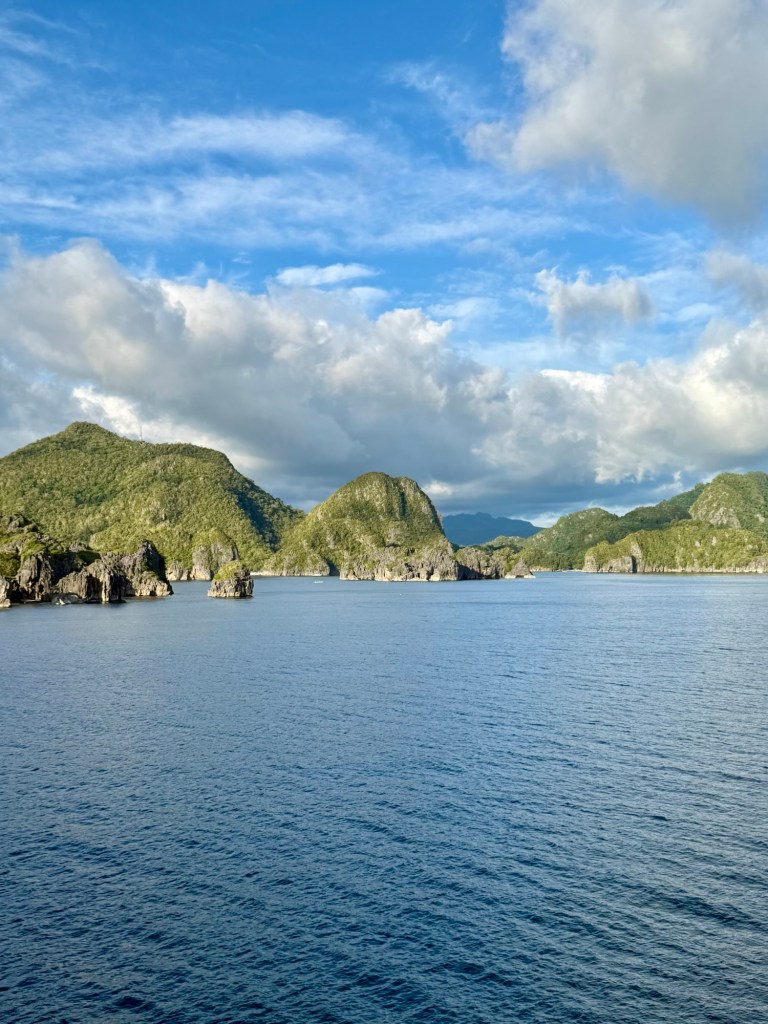
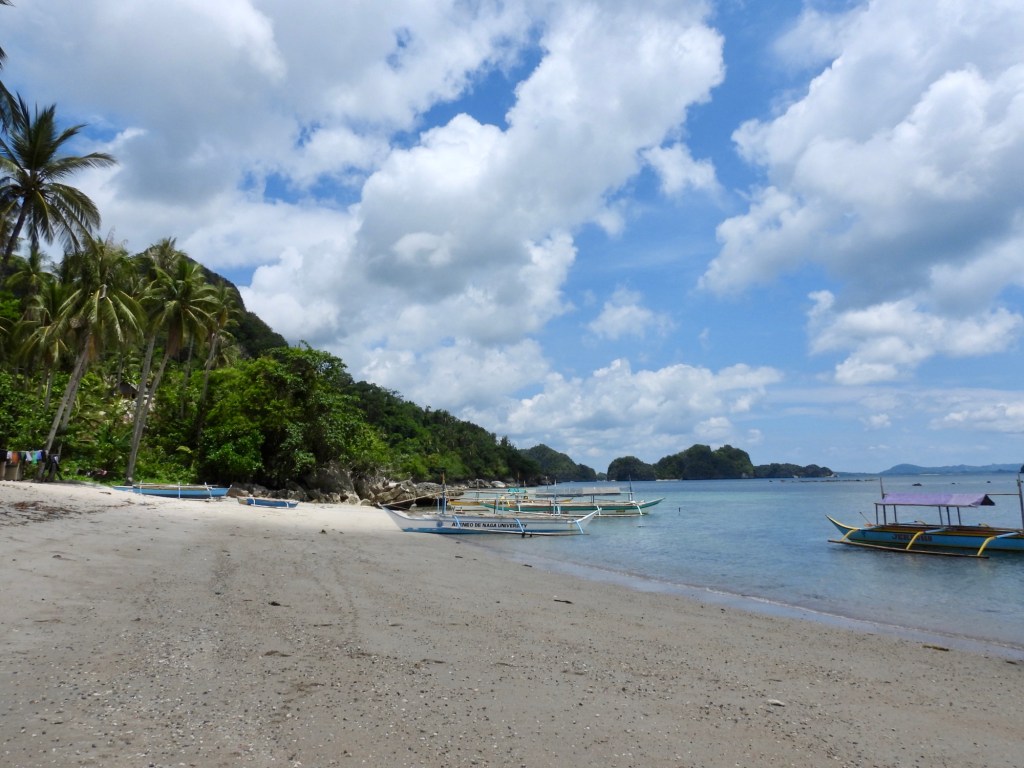
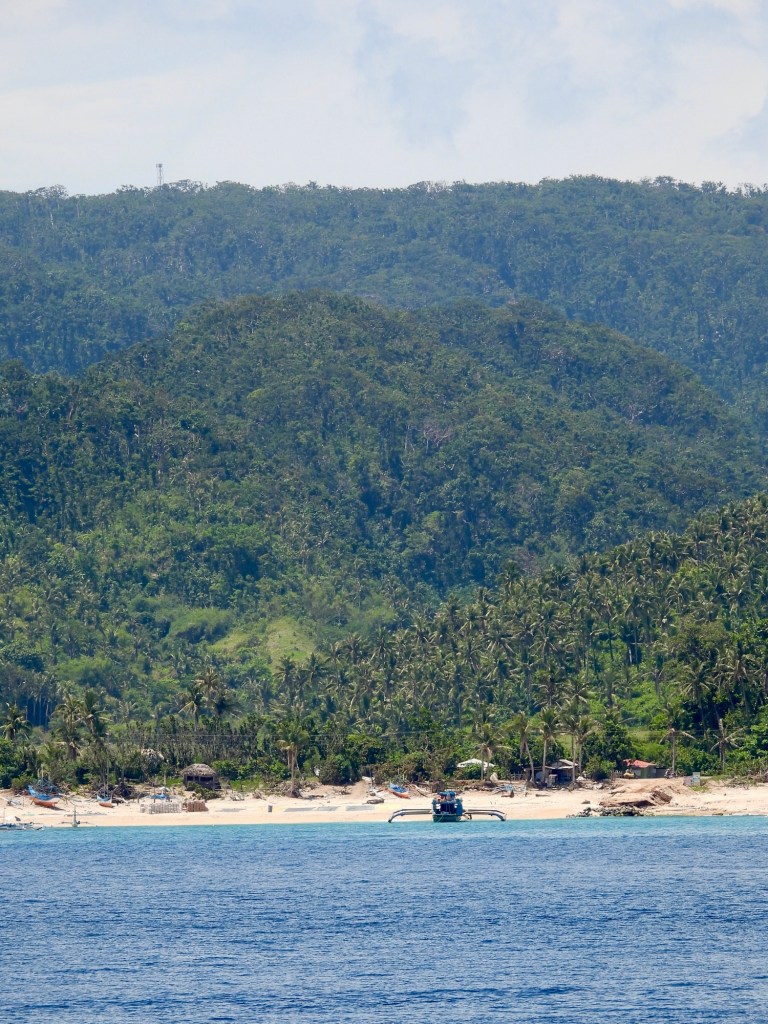
As always, we travelled overnight, and the next day we awoke near the Caramoan Peninsula.  It was another beautiful morning as we moored off the jungle capped towering limestone cliffs, dotted with stunning palm lined beaches.   

The area is the location for filming of a number Survivor shows and as filming was currently taking place, we were limited to where we could explore.  I thought it would be hilarious to walk through the filming of a scene that is supposed to be completely isolated – until a bunch of tourists trek through lol.  Sadly, that was not to be.

I had opted to go on the ‘long’ walk, approximately 4km long but with some altitude and scrambles so it was a little more adventurous.  The adventure had started before we even got to the beach, with my zodiac having to return to the ship before we even made it to the beach to pick up a late comer!  Then, the zodiac broken down and we had to swap mid ocean to another one, which thankfully was close at hand.  All part of the fun, I guess.

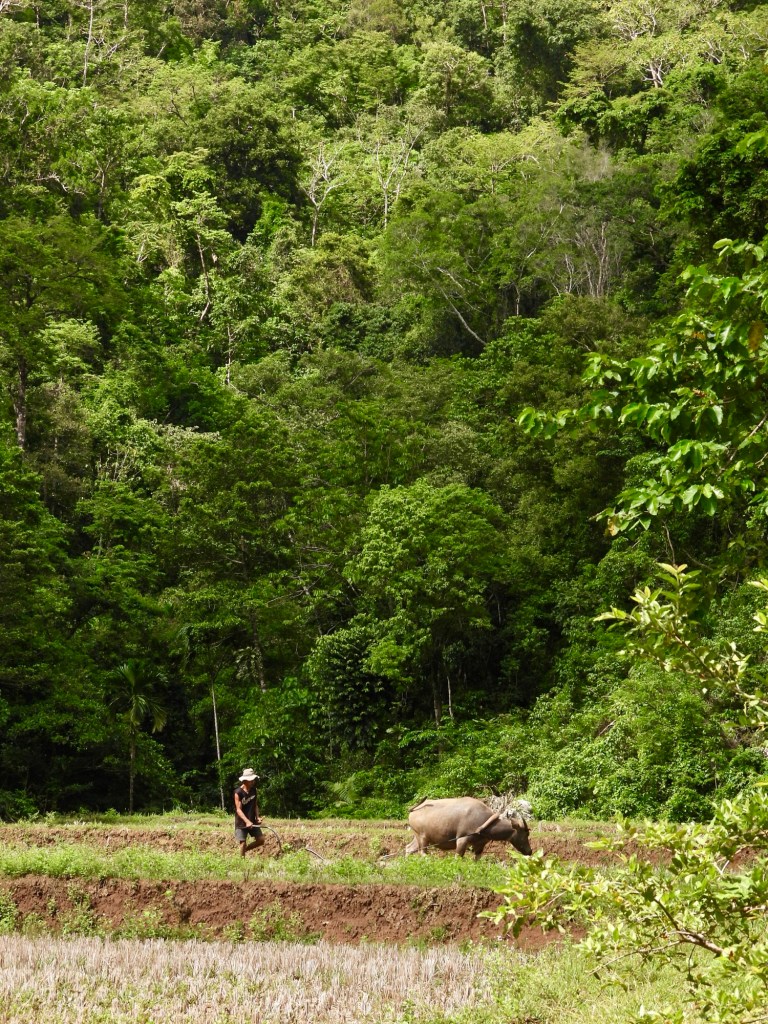
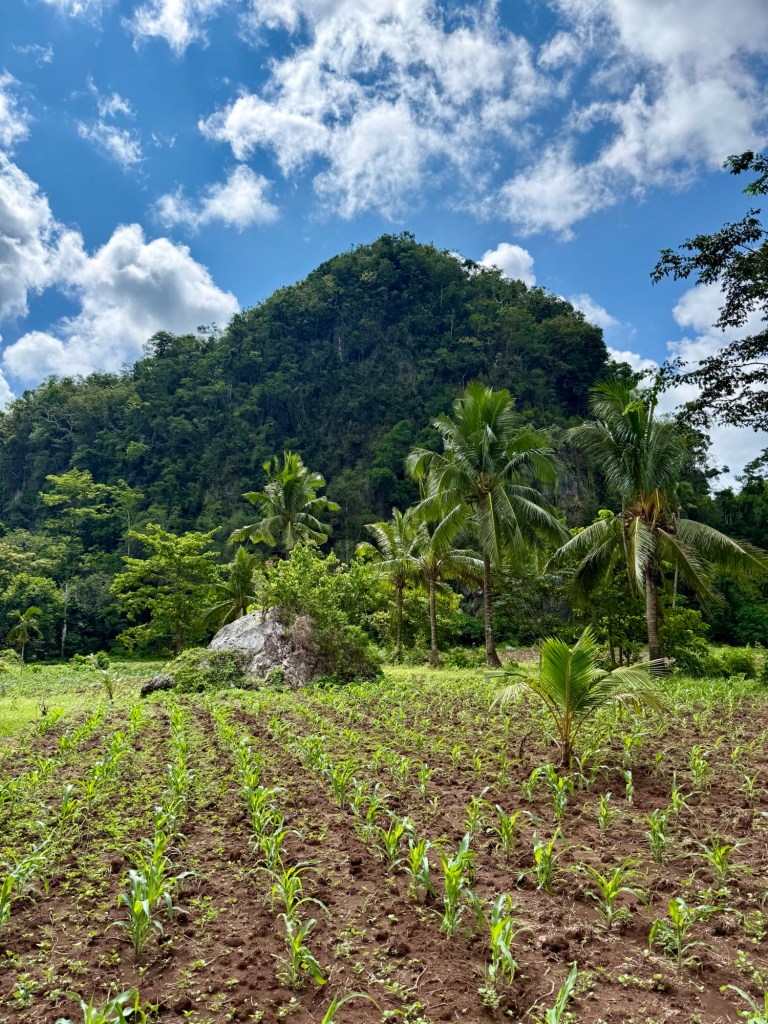
It was a lovely walk, though a very sweaty one.  Through jungle with trees growing straight out of the limestone rocks and then through a farm, right in the middle of the jungle where they were working the rice paddies with water buffalo (the national animal of the Philippines), and then on through coconut plantations.

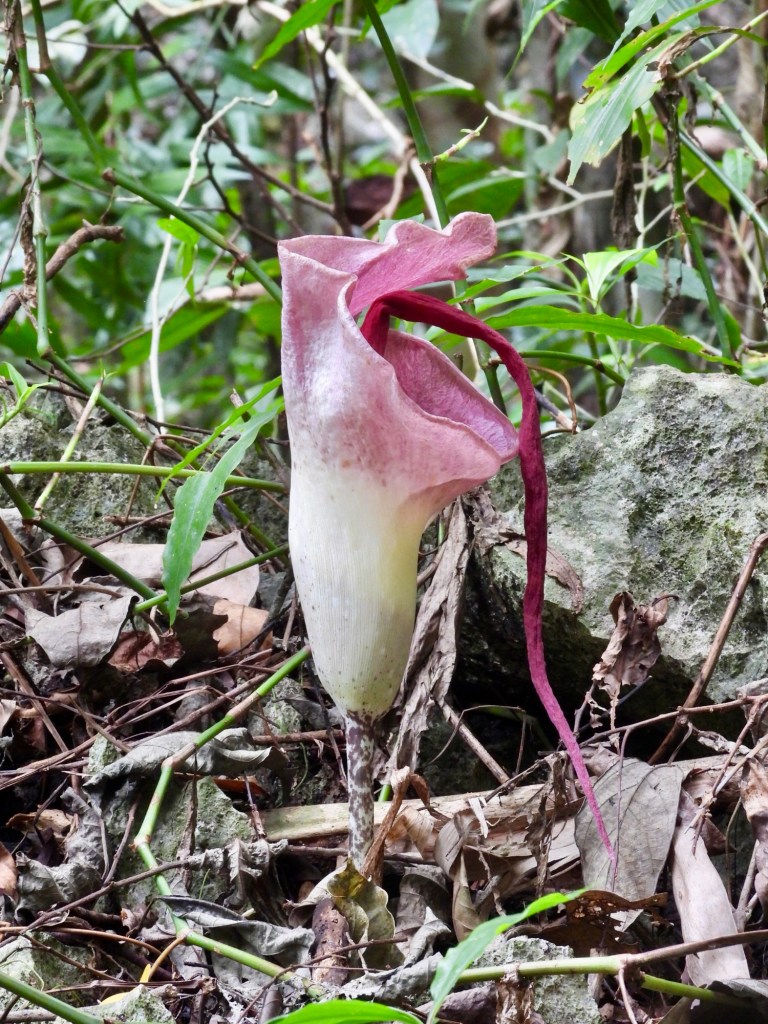
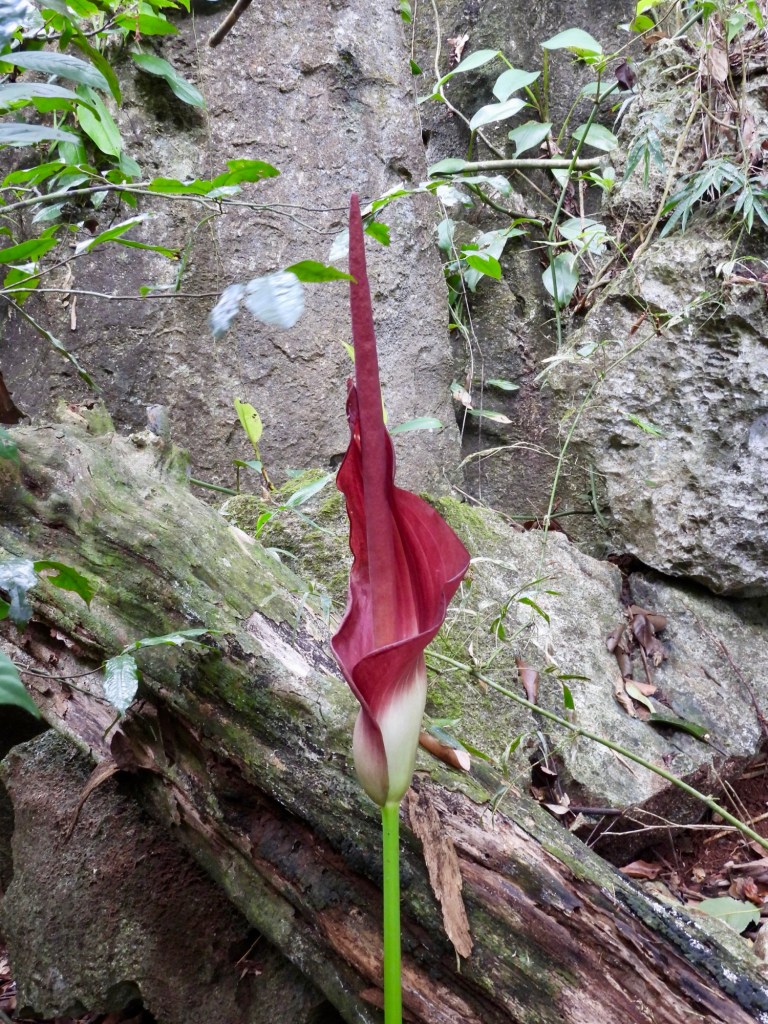
The highlight for me was some beautiful dragonflies and two carnivorous corpse plants in flower. They rarely flower and people queue to see them in flower in botanic gardens around the world – and here were two!  They are called ‘corpse’ flowers as they have a pungent odour, but I did not get close enough to smell them!


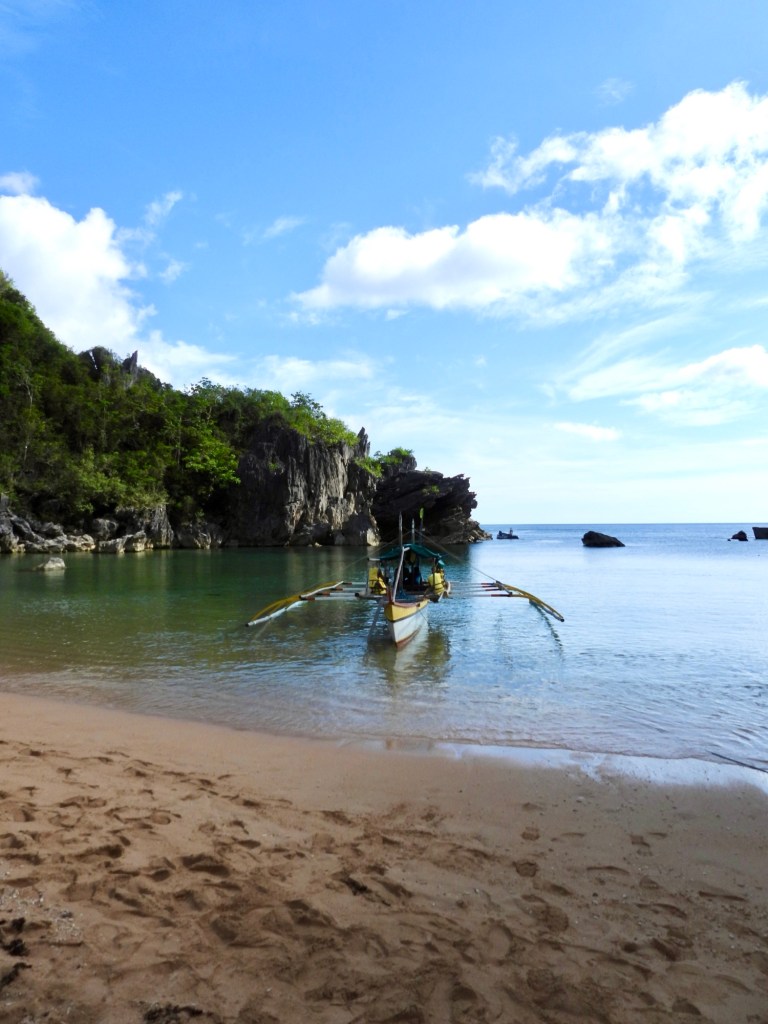
At the end of the walk we ended up on another beautiful beach from which we were transferred to yet another beautiful beach where there was a resort who had put on a huge spread, including a suckling pig or lechon (which was delicious).  Apparently, the resort is only in existance because of the TV filming, but it is such a beautiful spot, surrounded by beautiful bays and water.  (How many times can I use ‘beautiful’ in one paragraph? Time will tell.

In the afternoon we had a zodiac to zodiac snorkel, which always tend to be in deeper water.  There was a lot of sea grass and not so much coral, but it was still very enjoyable and the water was so warm.  Great for me, maybe not so much for the planet!


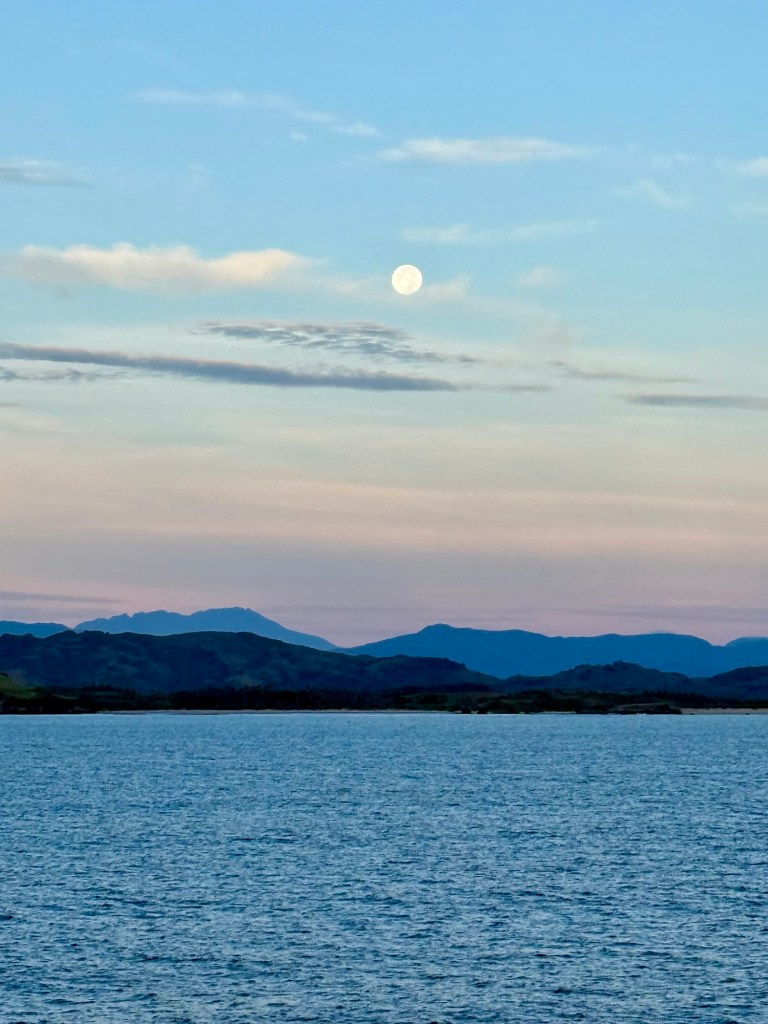
As the we set off for our evening sail, we passed Mt Mayon (an active volcano) in the distance and dolphins same in our wake as the sun set beautifully in the distance.


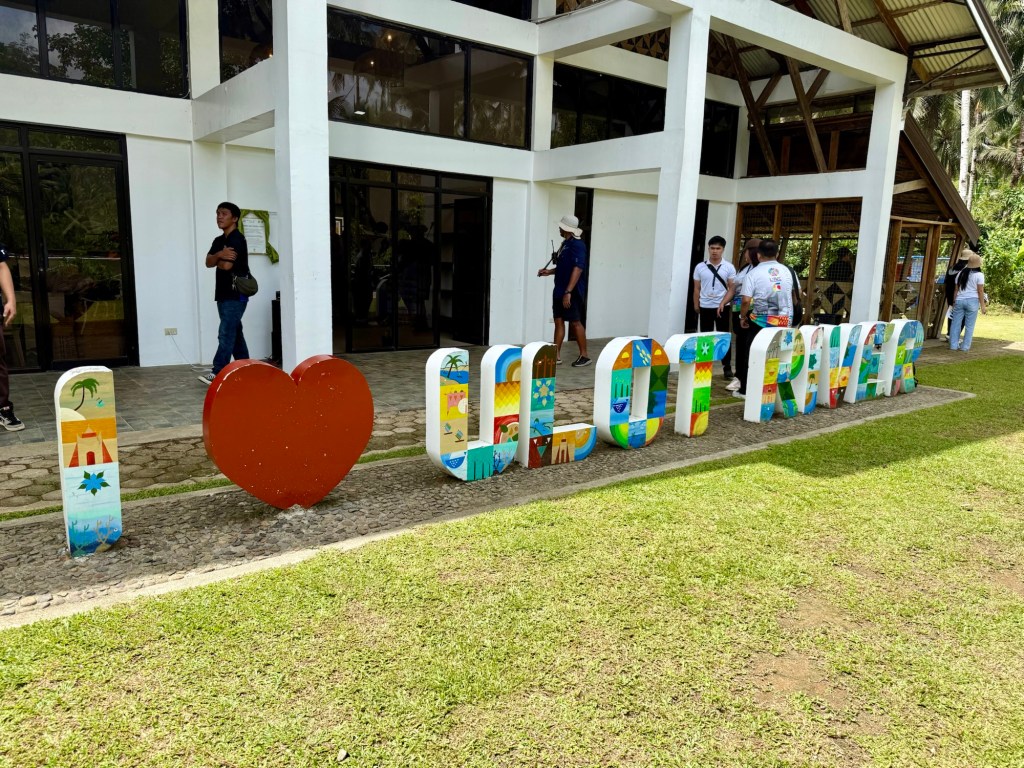
What a welcome to the Philippines

Calayan Islands & Divilacan Bay, Philippines

June 2026

As I didn’t close my curtains, I woke to sun streaming in my porthole. I jumped out of bed and headed up stairs (I am on deck 3, the gym is on deck 7 – some might say it is a workout just getting to the gym lol).  I just did 30 minutes of cardio this morning as other things seemed way more challenging with the movement of the boat. 


I also wasn’t feeling 100% – was it the movement of the boat, not enough water, all the food I have been eating or perhaps too much wine last night. May a combination of all of these.  Either way, after an early breakfast I went back to bed lol.  We don’t reach our destination today till around lunchtime, so the morning was going to be a slow one anyway. 
I had also already decided I was not going to have dinner (which does not start till 7.30 tonight) so started squirrelling away a little food so I had something to eat. Dinner is wonderful if you want 3 course affairs with wine, but I definitely don’t want that every day, particularly when it starts so late (for me anyway)!

Our first destination in the Philippines was the island of Calayan.  One of the Philippines northern most islands.  Officially know as the Republic of the Philippines, the country is made up of over 7,500 islands and has a population of over 114 million people!   Hard to believe as we are going to be avoiding the desensly populated places on this trip. I had applied for the visa online and thankfully the ships crew did all the rest of the formalities for us.

The Philippine population is a mix over the years of the early Negritos, Austronesians, Chinese, Spanish (who colonised in 1543 and named the country Las Islas Filipinas after King Philip II of Spain).  More modern history saw the Japanese invasion during WWII, liberation by the Americans, and finally independence in 1946. 

Calayan Island sits in the Luzon Strait and is in the Babuyam group of islands and I was excited to get out on the zodiacs and on to land.

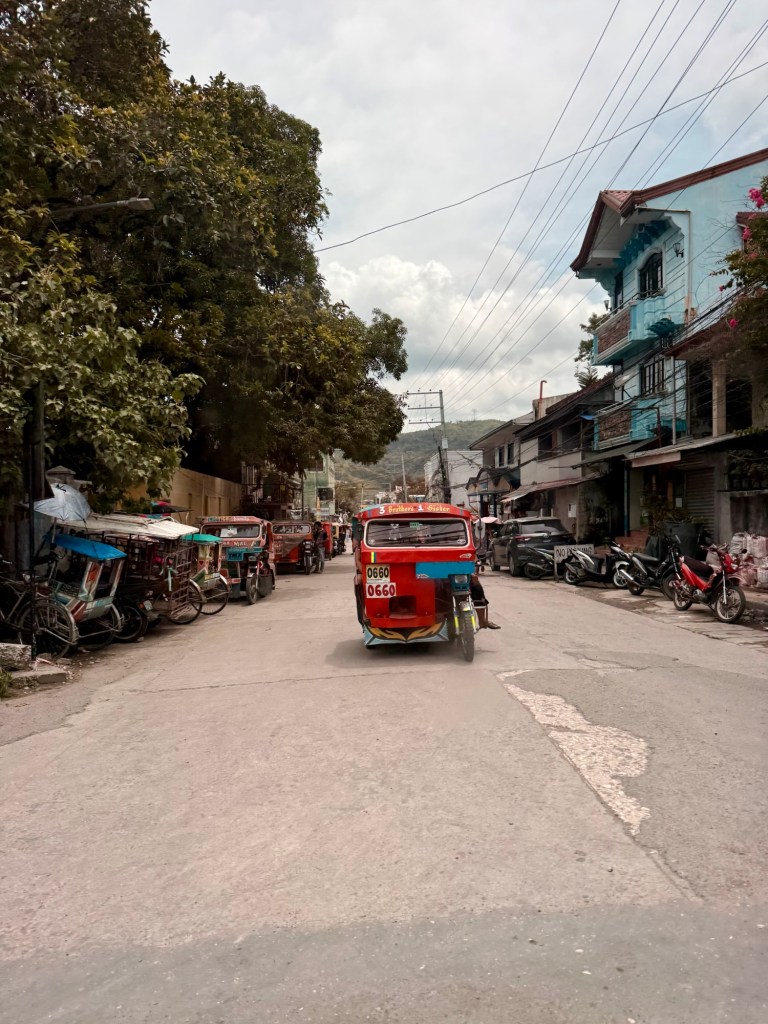
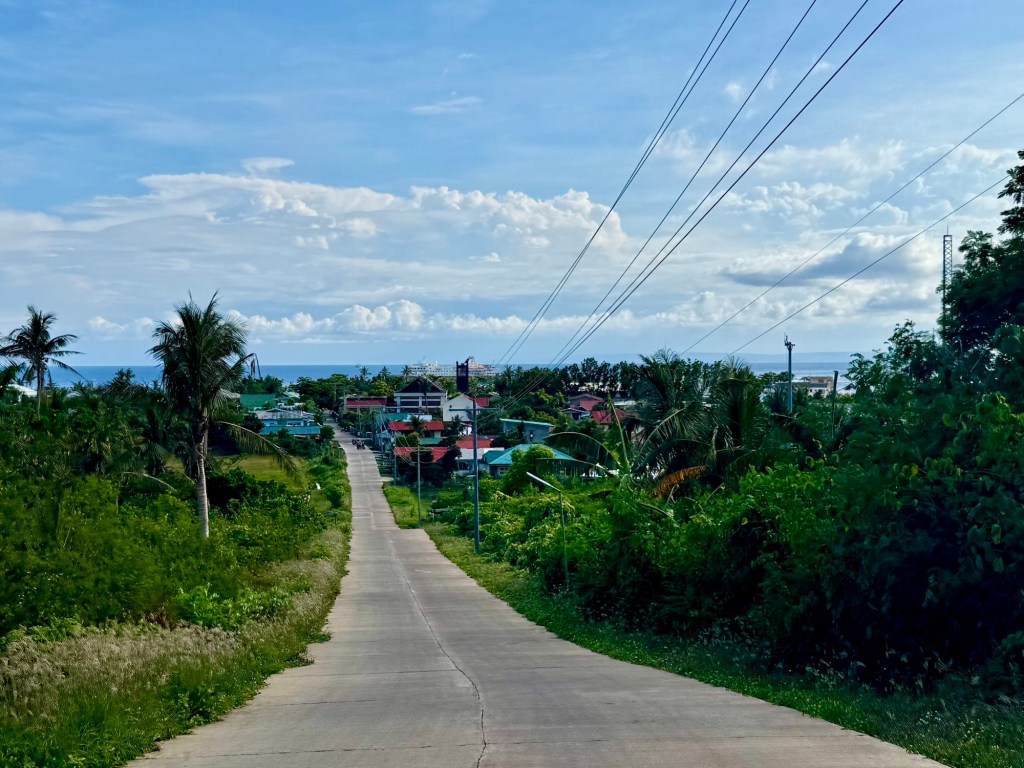
As in most places where we are travelling away from the landing point, we travel by the best available transport.  In Poblacion, this was motorbikes with small “side cars” attached.  I used the word “side car” loosely as it was not much more than a shelf with a plank to sit on.  Call it what you will, it was great fun wizzing out of town, down the concrete road and out in to the countryside. 

I had opted for the nature walk, more of a nature march as we were a fairly large group, moving rather fast and loudly so most wildlife had long gone before we had a chance to spot it!

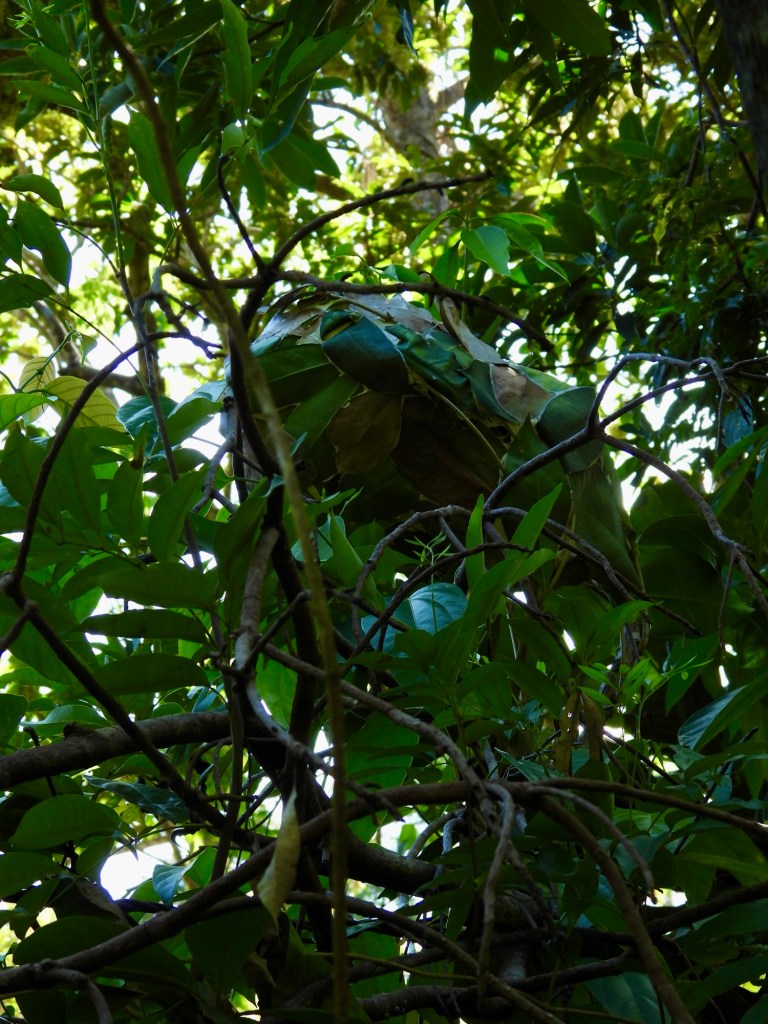
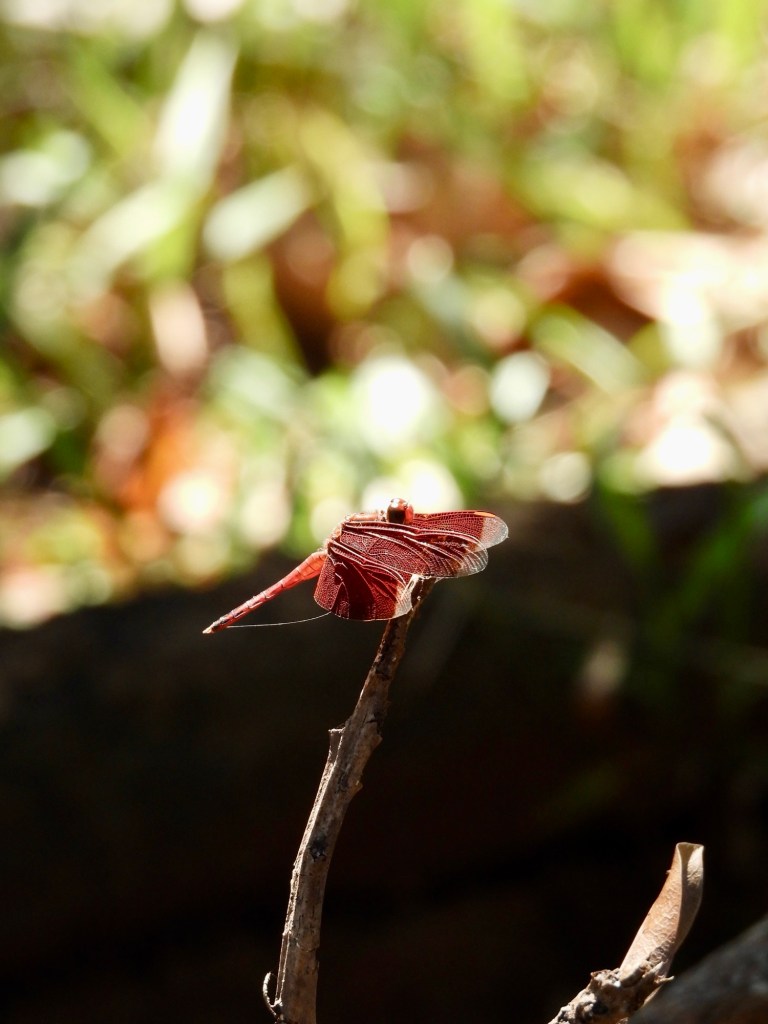
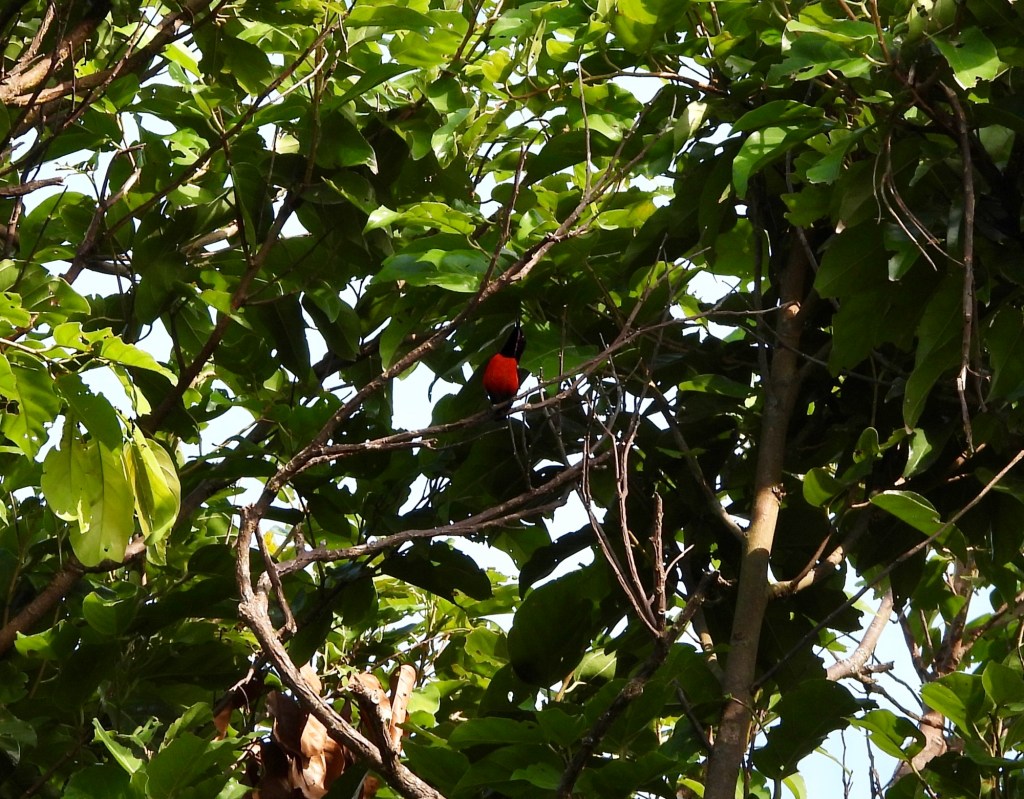
We did spot an ants nest made of leaves stitched together, huge black and yellow butterflies, beautiful red dragonflies and a tiny sunbird (apparently a purple throated one).  We also saw a very old Narra Tree, the Philippine National tree.  Often cut for wood, so you don’t often see one this large.

I didn’t get many photos, but it was lovely to be off the ship!

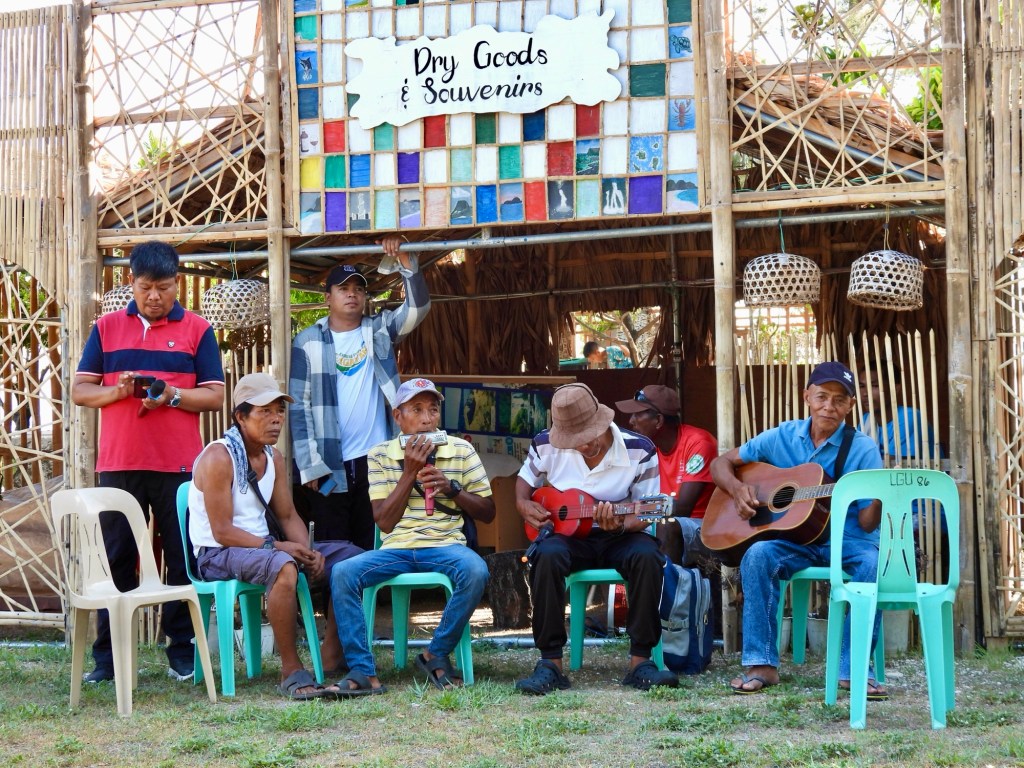
We jumped back into the side cars and headed back down to town where the town had put on a spread of local snacks, had a band playing and put on a show of one of their local dances, showing the fight between good and evil.  It seems the whole town had come out for the event (though I think our visit was the event)! I love it that now days, it is not just us taking photos of the locals, they are taking videos and photos of us!

As we were on land a bunch of the local kids where on the ship enjoying ice cream served by the captain. A zodiac that takes about 10 of ‘us’, took around 20 of them and they all seemed very excited to be aboard.

Back on the ship, we had now settled into the routine, often with a late afternoon lecture and then the briefing about the day we had had, as well as what was waiting for us in our next port of call.  These briefings are best when accompanied by a gin and tonic from the bar!

Travelling overnight as we normally do, we woke the next day in Divilacan Bay in the northeast of Luzon, the Philippines’ largest island. We were near the Sierra Madre mountain range which stretches 540 km along the eastern coast of Luzon and acts as a natural barrier from the east coast to the hugely populated capital city of Manila just on the other side of the ranges. 

On the eastern side (where we were) the protected forests run from the mountains to the sea and has few roads or any other forms of transfer other than boats.  (Though I learnt in a conversation with some of the many tourism staff who are everywhere we go, that there is a road under construction, though it will still take at least 4 hours to get here from the nearest large city).

 Our first activity was a zodiac cruise around the coastline and mangroves.  Incredible big sky and glistening blue ocean.  Unfortunately, the tides were against us, and my group did not get much of a mangrove cruise as the water was too shallow (some of the earlier zodiacs had to row out), so we were some of the first to land at the first village we were going to be visiting. 

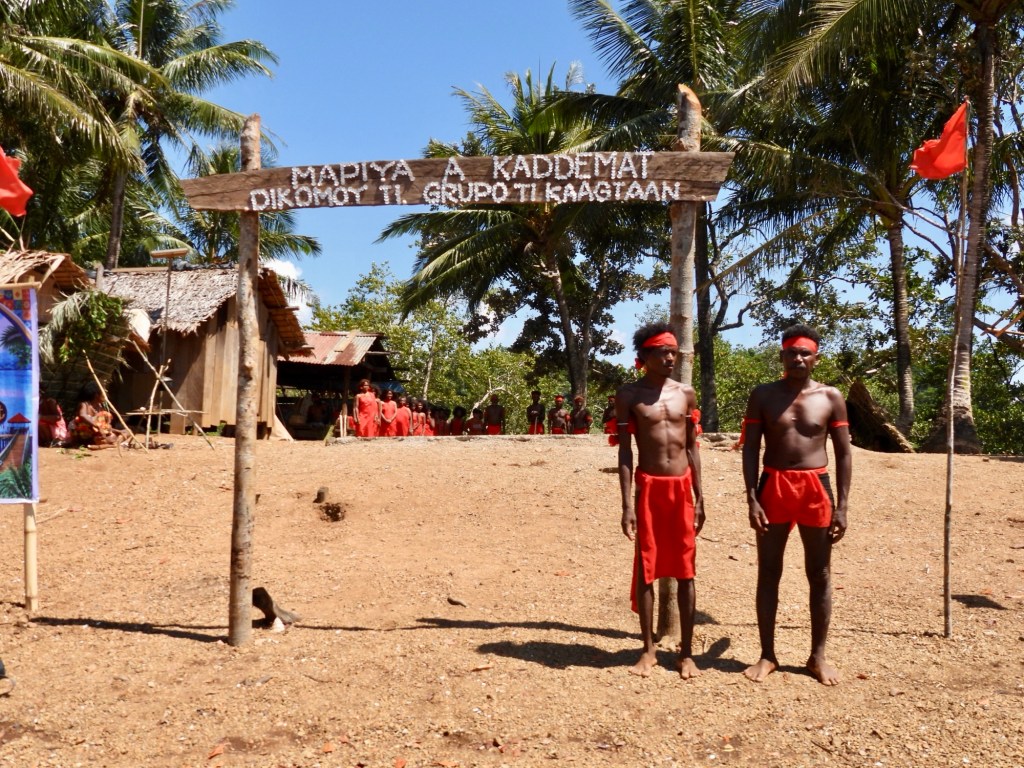
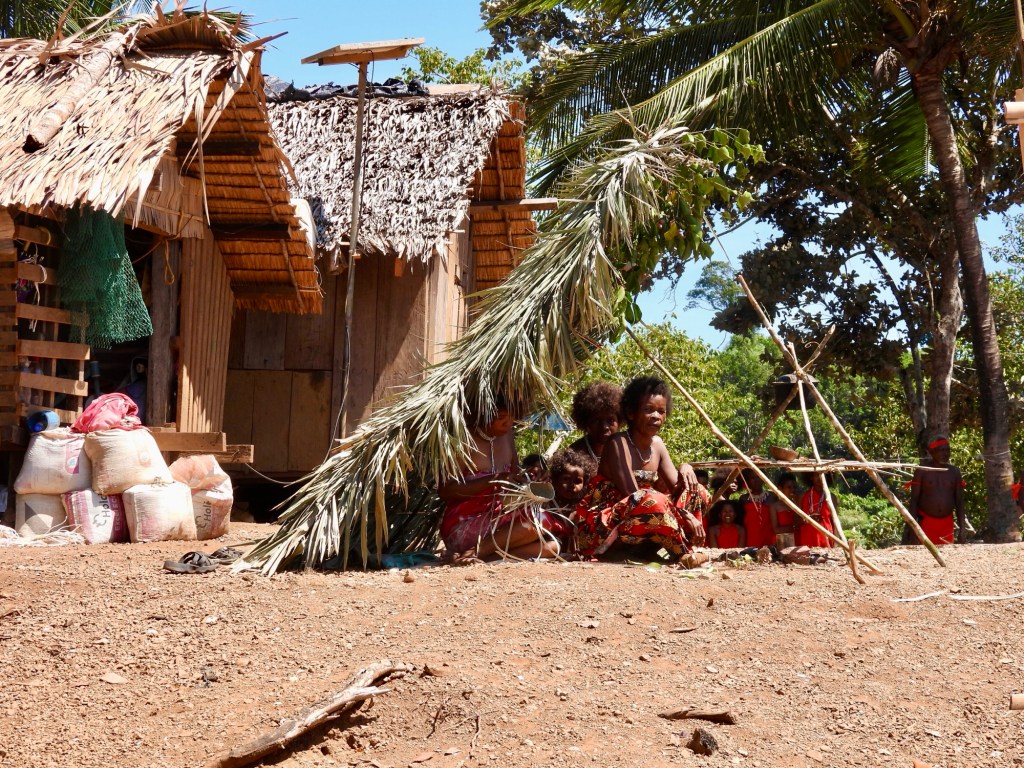
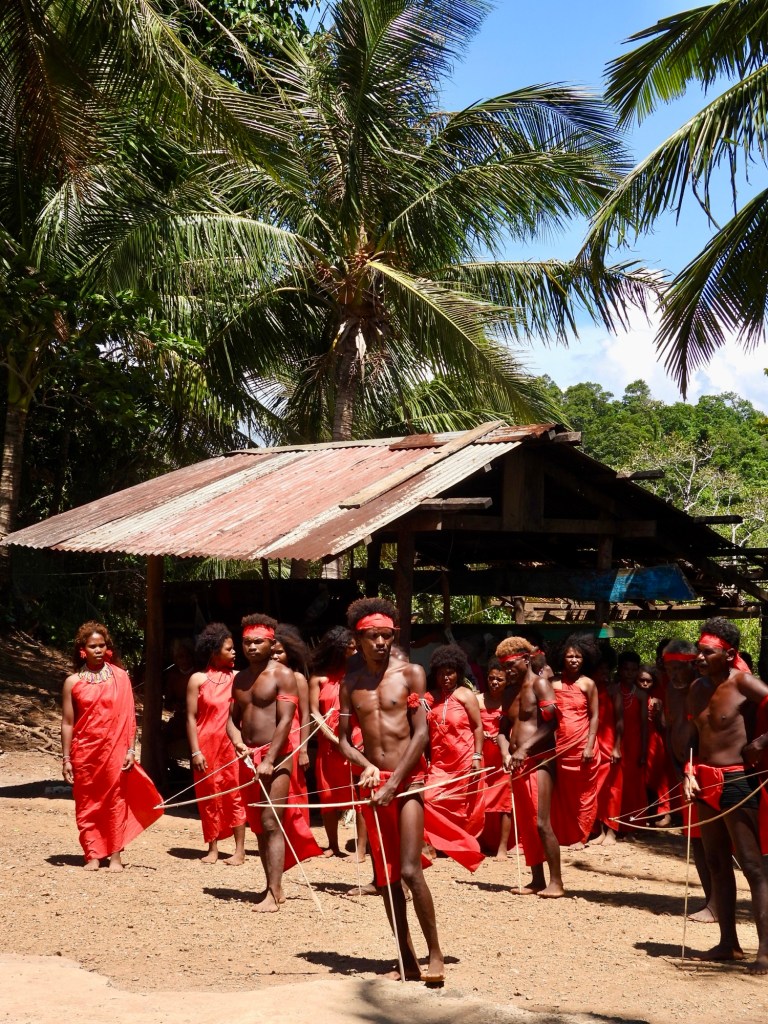
 As with every visit we were to make in the Philippines, we were welcomed with a rosette of some kind and a large sign welcoming us and the ship.  This village was different though, as the people who live in this area are the Dumagat people, also known as Agta, the indigenous Negrito group of the Philippines.  There darker skin and curly hair makes them more akin to their Aboringine or Austronesians roots rather than other people we see in the Philippines.

They welcomed us with dances depicting their daily lives, including fishing, crab hunting, farming and pig hunting (thankfully the poor little pig at the centre of that dance was not hurt!). 

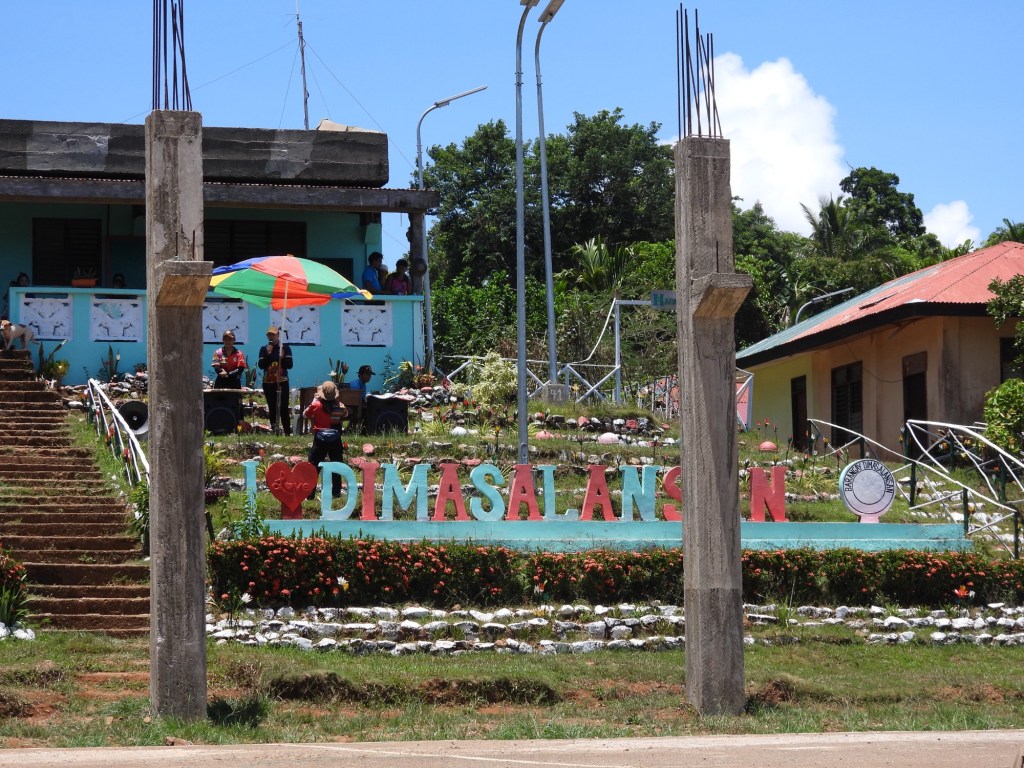
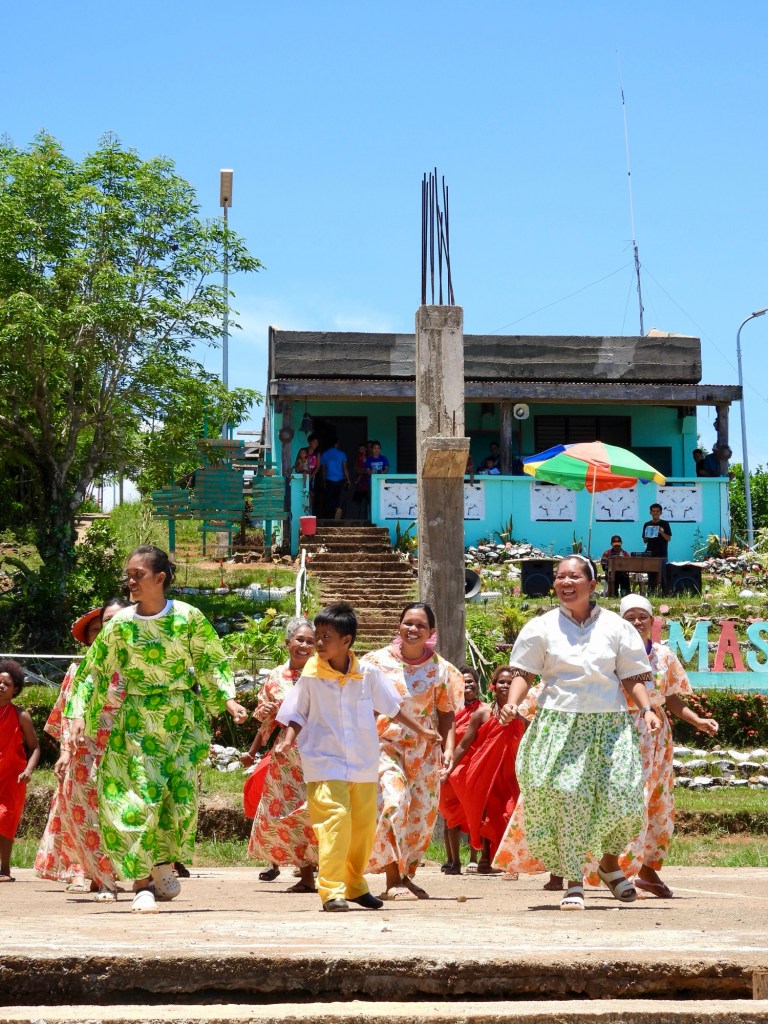
From our first landing point, we walked a short distance and emerged in to a much bigger and more modern village of Dimasalansan, where we were welcomed with fresh coconuts and another huge spread of local snacks including sea snails (which I did not try) and my favourite gluttonous rice cake things. 


There was also more formalities and dancing, this time including an audience participation ‘solidarity’ Dance.  It was interesting to see both communities participating here and apparently their integrate well and the Dumagat children come here to go to school.


Back out to the ship for a relaxed afternoon at sea and a lecture on sea birds of the area as we continued on south.


Old rocks & old streets

Taiwan, June 2026 

No change to my normal routine, so I was early to breakfast and then took a short walk to get coffee.  It was raining and not to hot and beautiful walk through a lovely park.  I also stopped off at 7/11 to get a few snacks for my room on the ship (not that they would really be needed as there is always so much food). Now my official trip has started, I can switch my brain off and just follow instructions (I am very good at that lol).

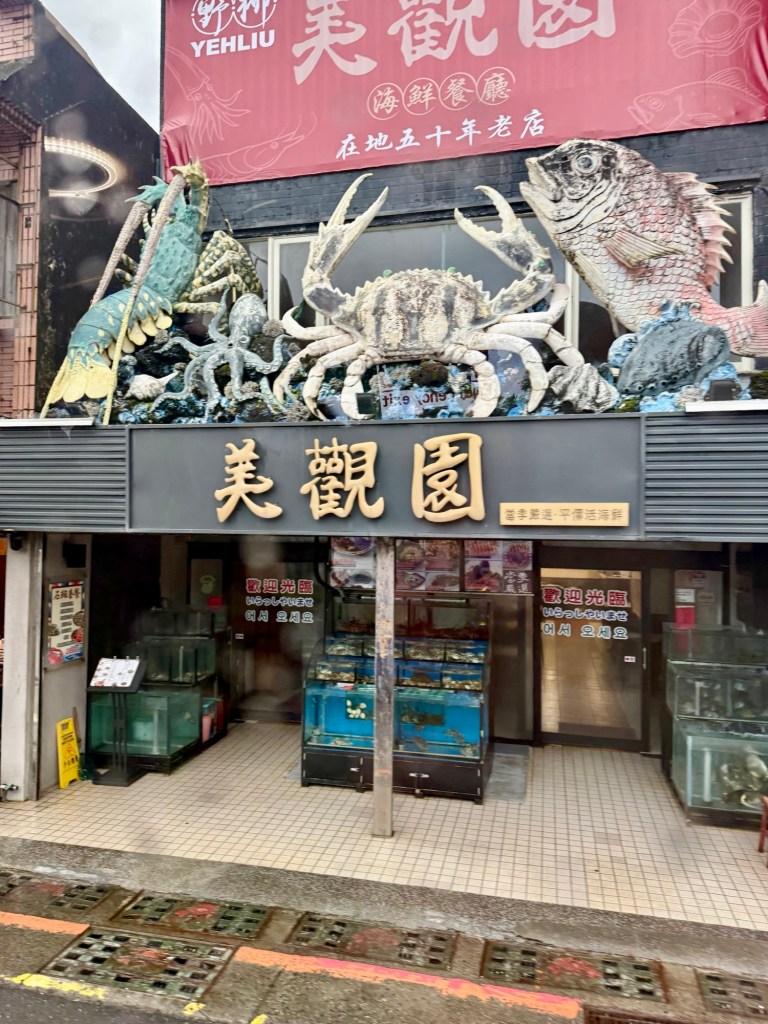
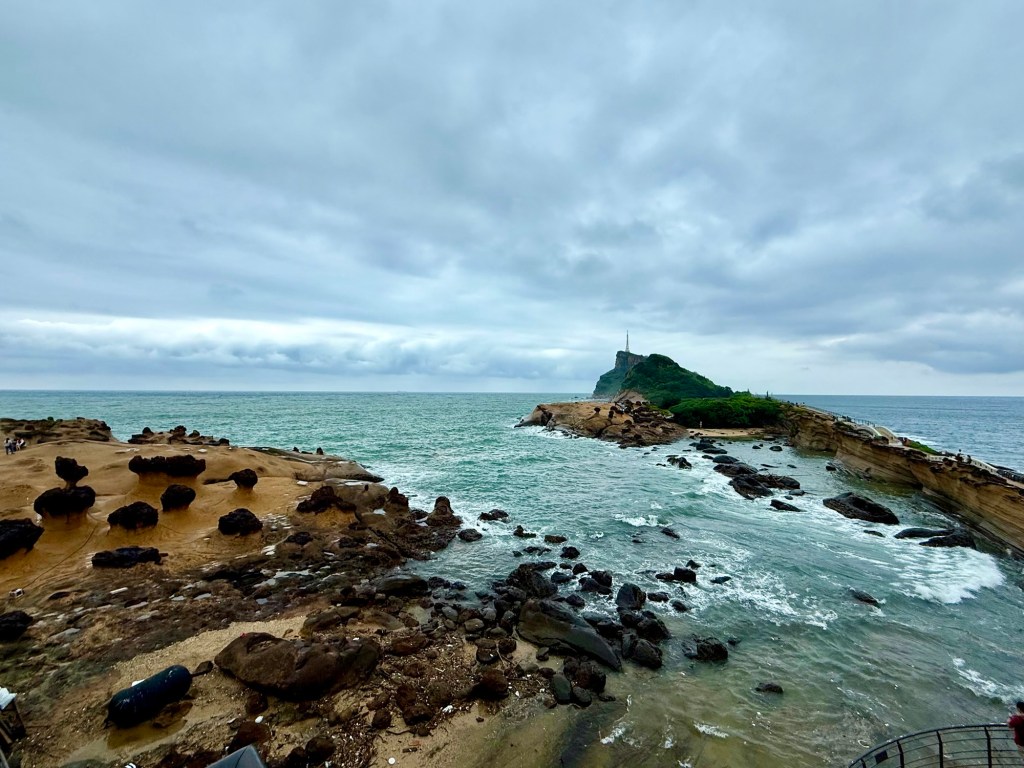
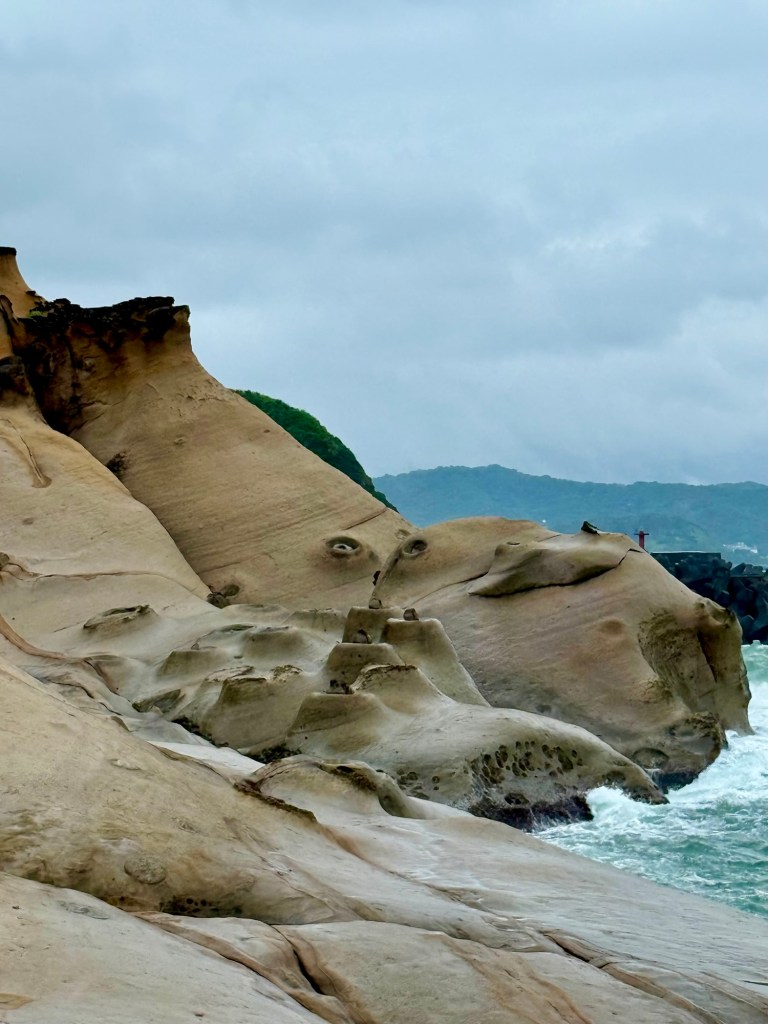
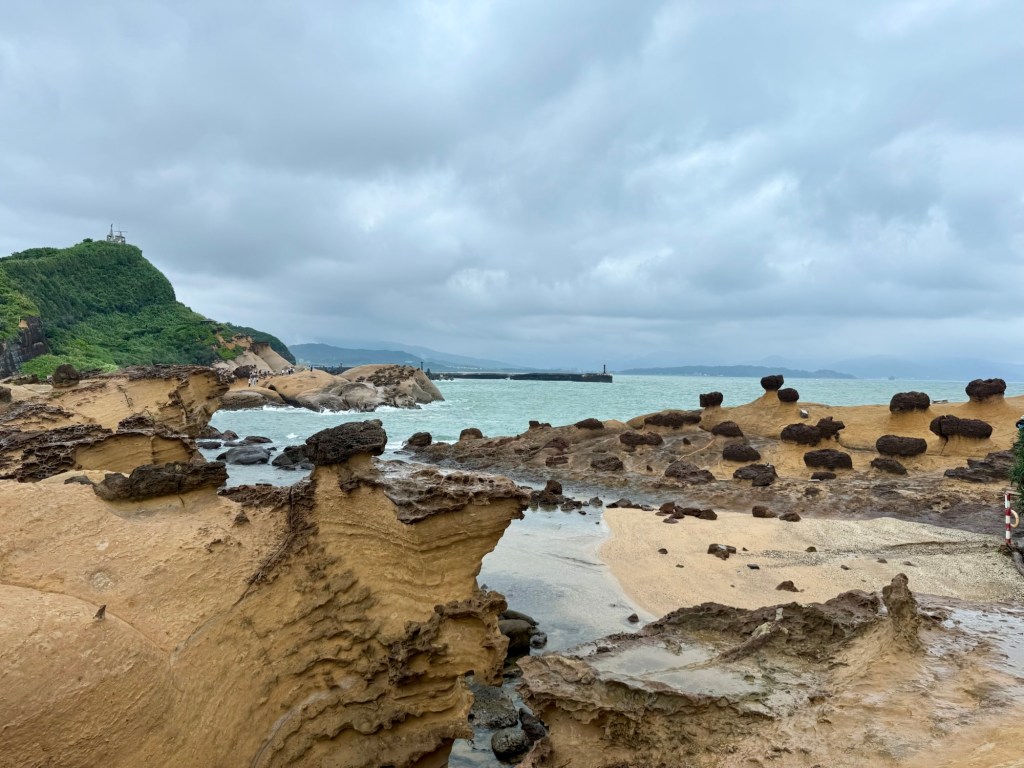
We started the day with a bus tour out of the city.  I struggled to understand a lot of what our local guide was saying but I enjoyed the views as we left the city behind and drove in to the lush green bush covered hills and after passing through a small town with narrow streets lined with seafood restaurants with fish, crabs and other sea creatures in tanks, we arrived at our first stop – Yehliu Geopark on the northern coast of Taiwan.  World famous for its eroded rock formations caused by the sea erosion and weathering of the sandstone and limestone in the area.
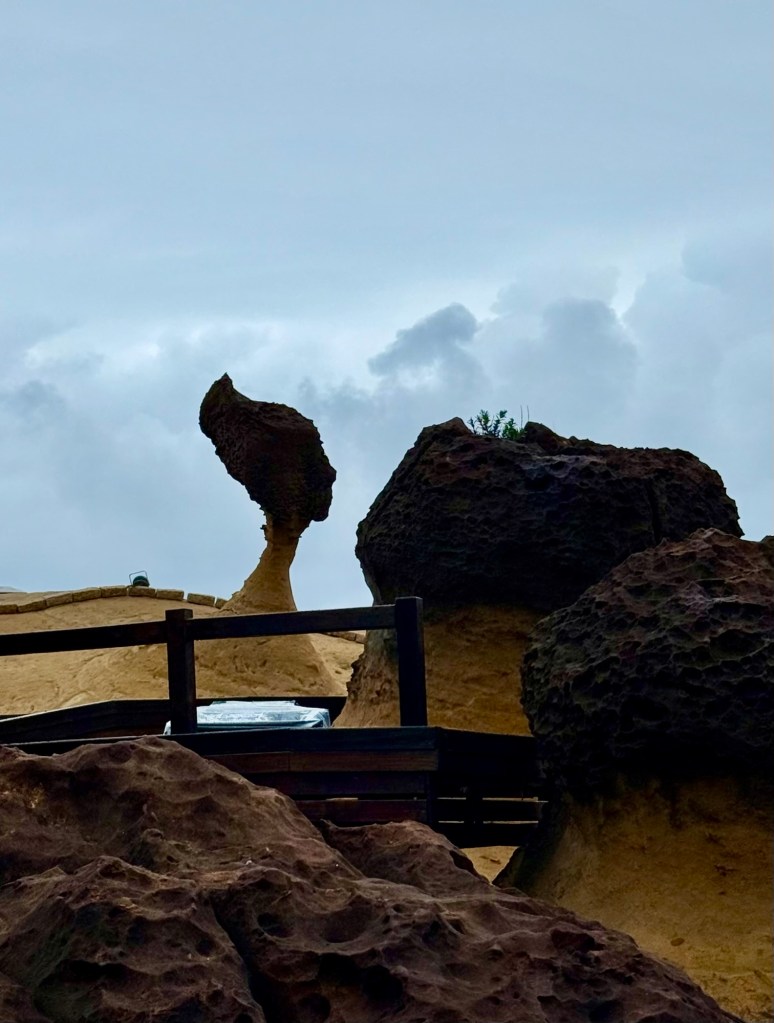
 I decided to ditch the group, with the guide I could not hear and wandered around by myself.   The most famous of the features is the Queen’s Head.  She is so famous in fact, people queue to have their photo taken with her.  Of course, I did not, but I did get a sneaky photo from afar without too many other people in it.   You definitely need some imagination to see some of the figures but it was still very cool to see. 

 At the end of the park we were funneled through the souvenir stalls (with lots of dried seafood ) before we could get back on the bus for the 45 minute drive to our next stop at the historic mining town of Jiufen.  The town boomed and busted based on gold mining, but was reintroduced to the world in the 1980’s when a movie was filmed here (“A City of Sadness”).

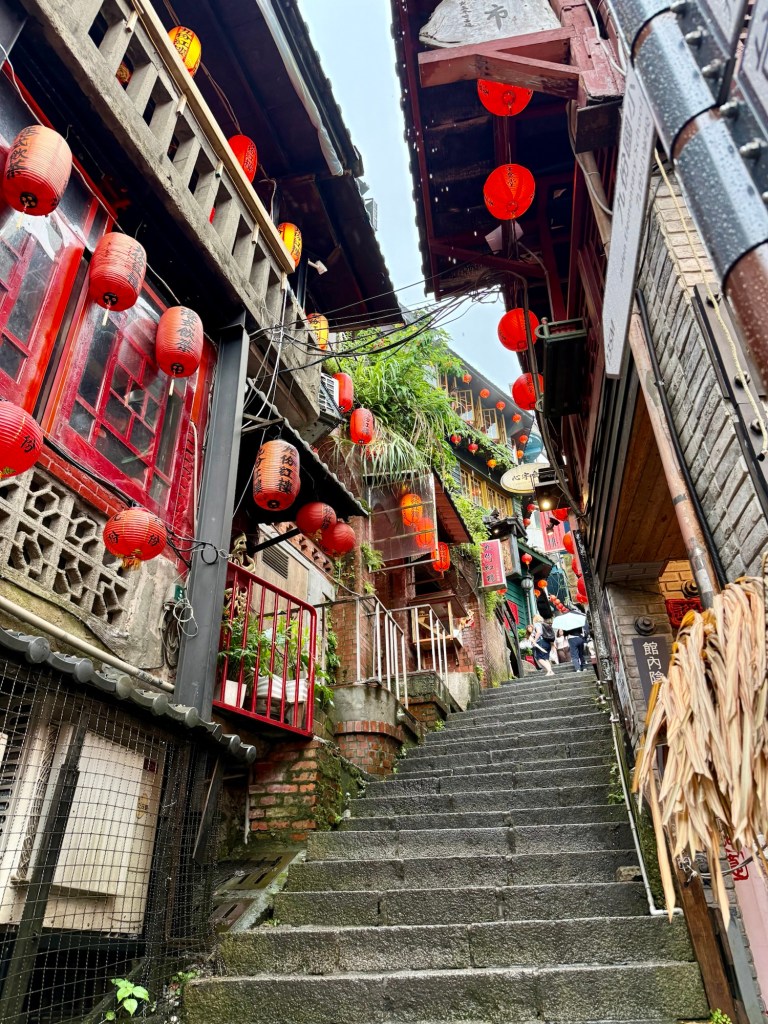
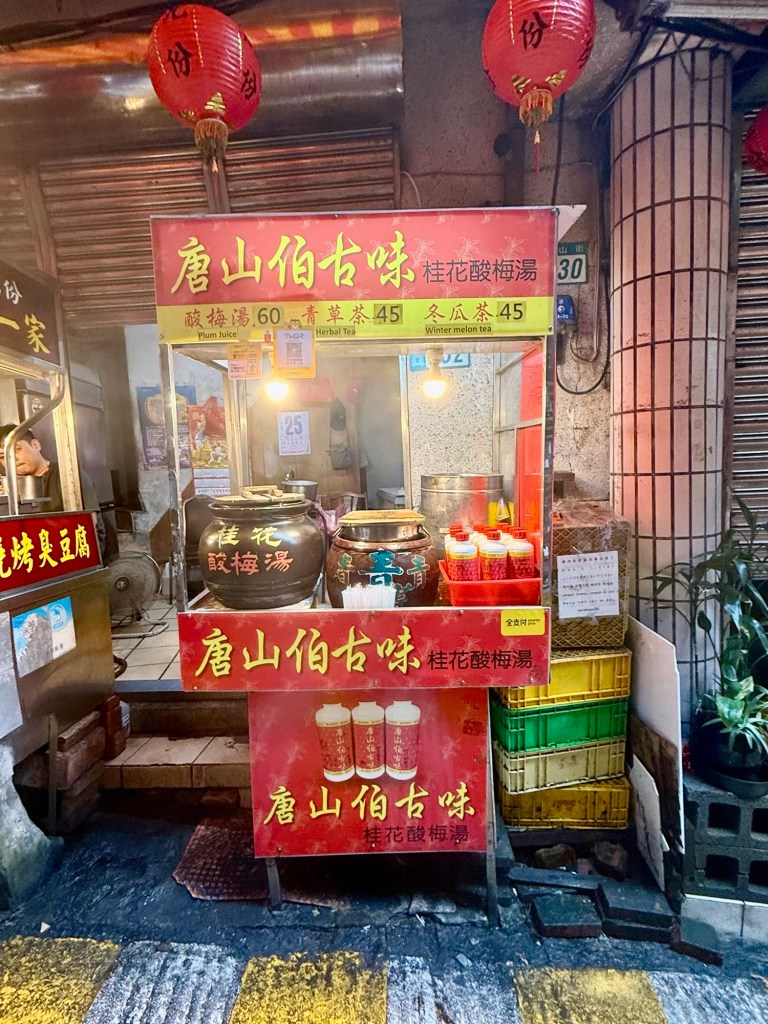
The narrow Juifen Old Street winds up a step staircase and down narrow side streets, lined red lanterns and with small shops selling souvenirs and traditional snacks and food. This was also our lunch break but rather than sit and wait for food, I went off exploring (I am definitely “that” person again)! 

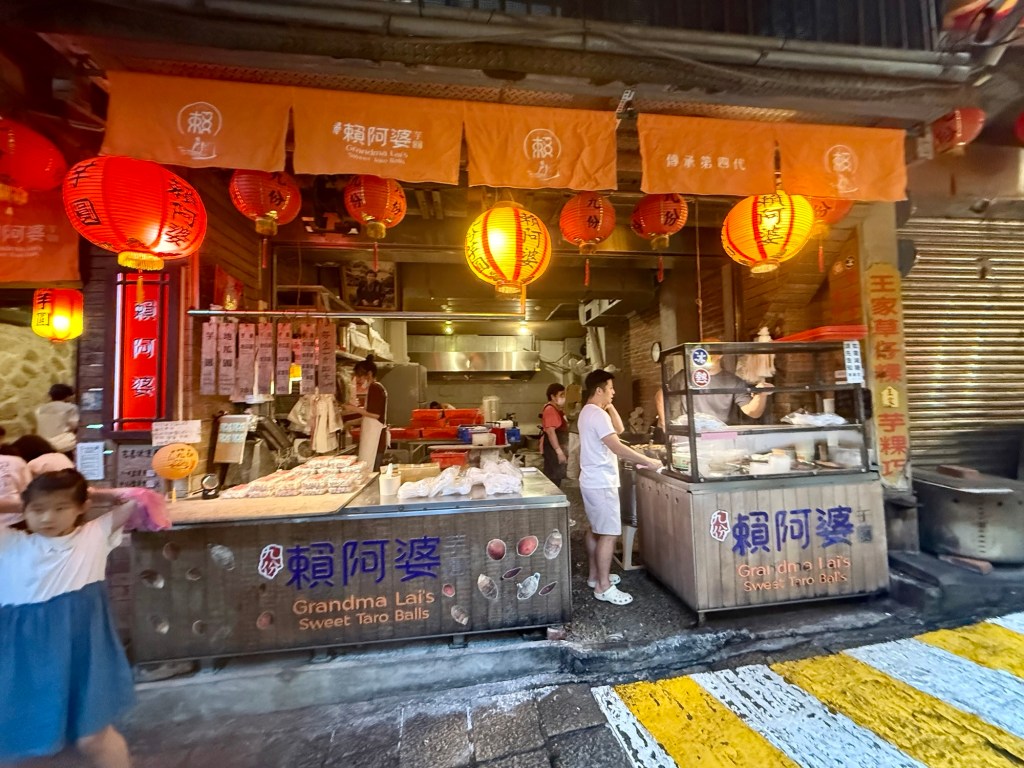
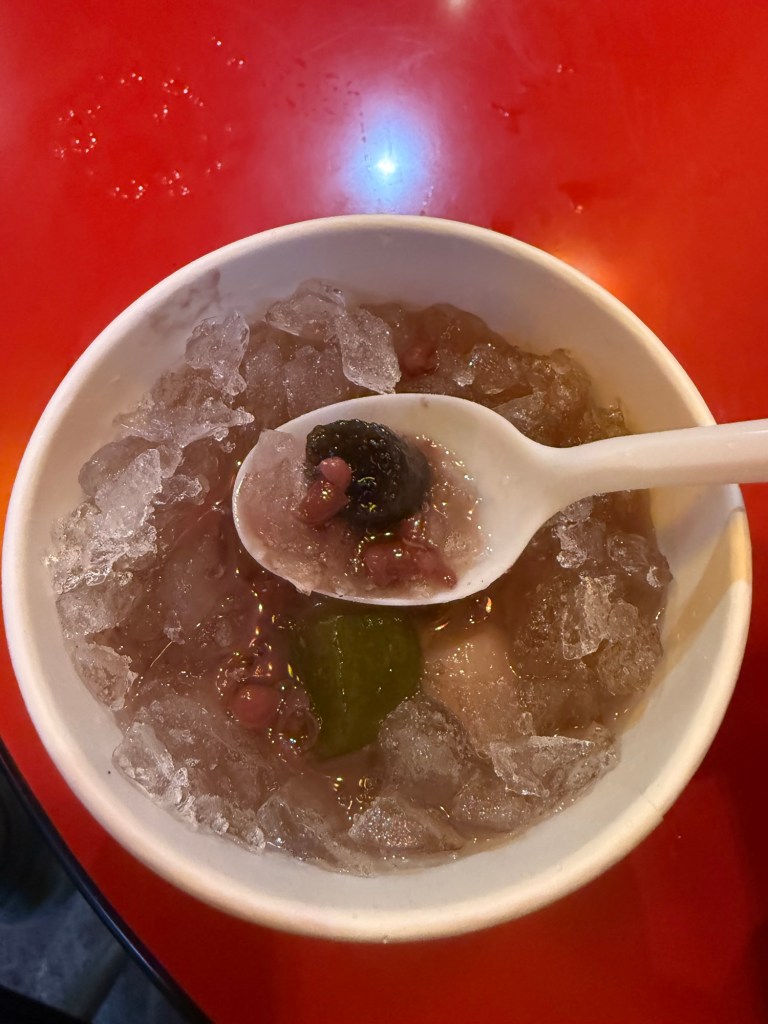
I tried some locally famous taro balls, they could be cold or hot but I opted for cold, as the sellers said it was their favourite (turns out it was just the hot ones covered with ice lol).  It seemed like they were mixed with beans hich was a littl odd but the Taro balls themselves were tasty. 

 I also tried some delicious local fruit wine, lychee and apple, and an amazing mango cream cheese mochi.  Sadly my purchasing was limited as most places only took cash and I was almost out!  It was probably not a bad thing. 

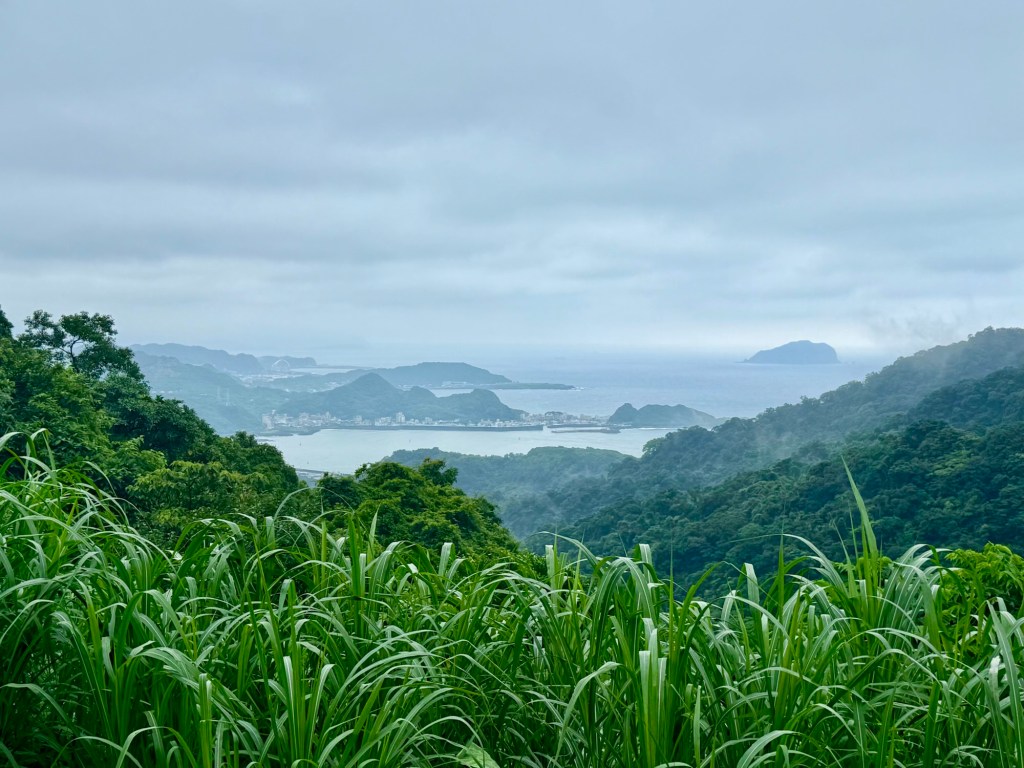
I wound my way through the narrow streeets lined with shops and ended up getting a little lost, but I just kept going down the hill (as the bus park was below the town).  I have to admit I was not massively happy with some of my choices as I found myself walking down the narrow street with no footpath and big buses coming passed…. But I got there in the end and enjoyed the beautiful view out to the coast now that the cloud had cleared a little.

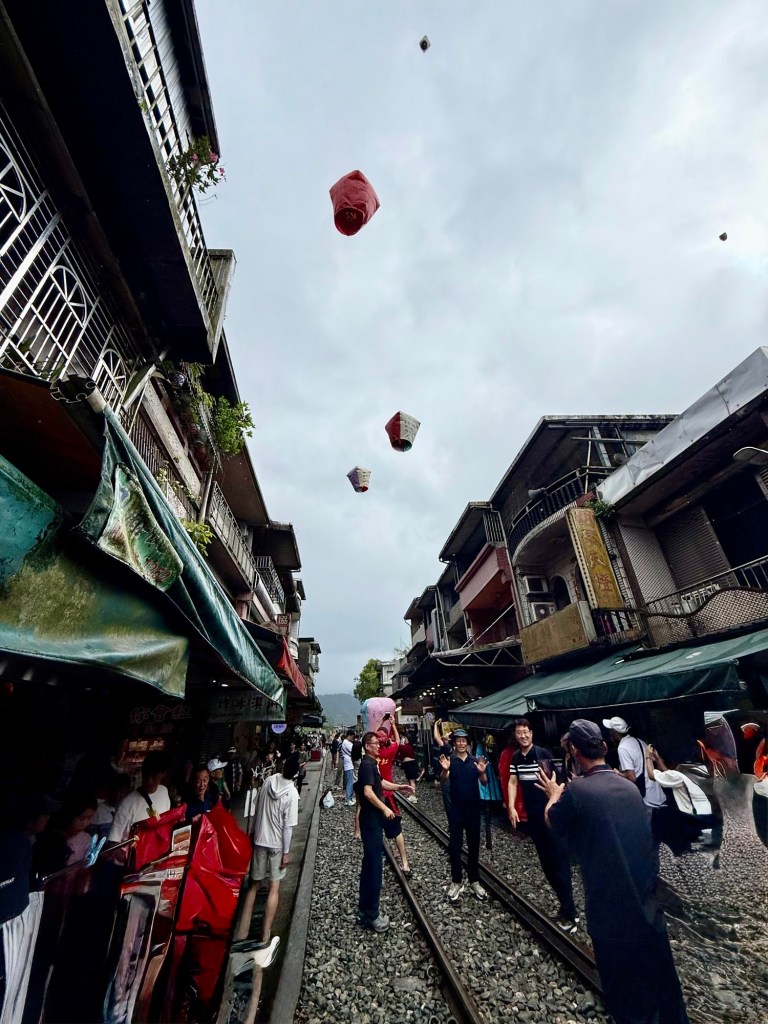
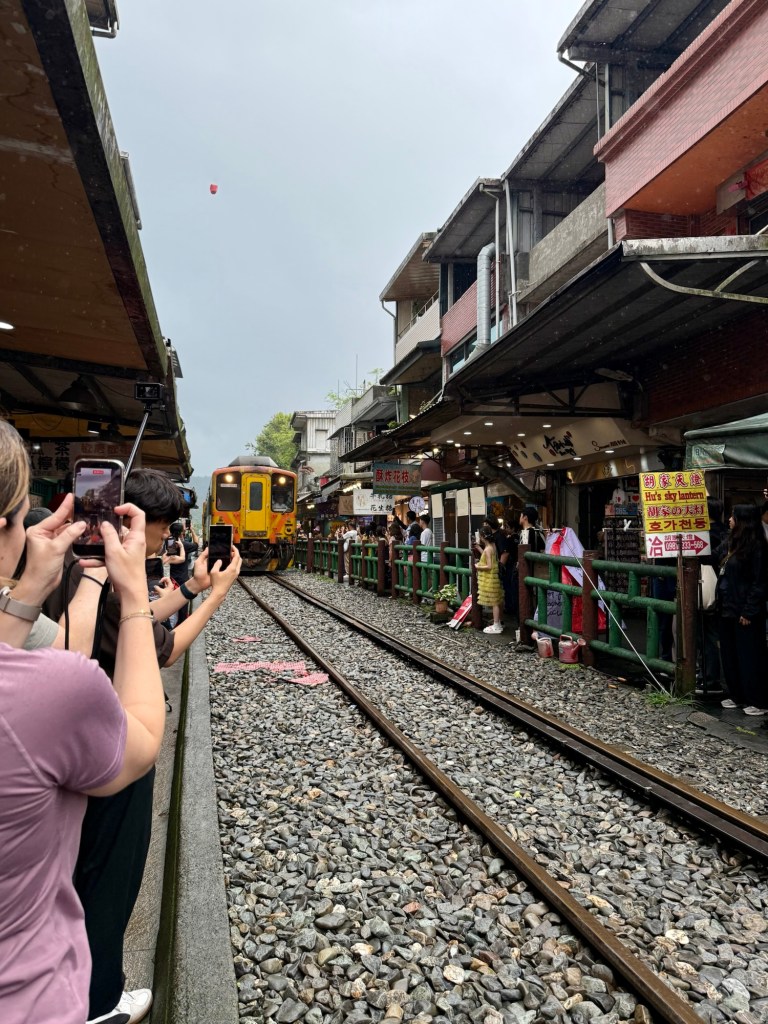
 Back on the bus and we carried on through the windy, narrow mountain roads to our final stop for the say, Shifen Old Street.  Another historic old town, this one with an active train line running through it.  The draw here is for people to release sky lanterns. 

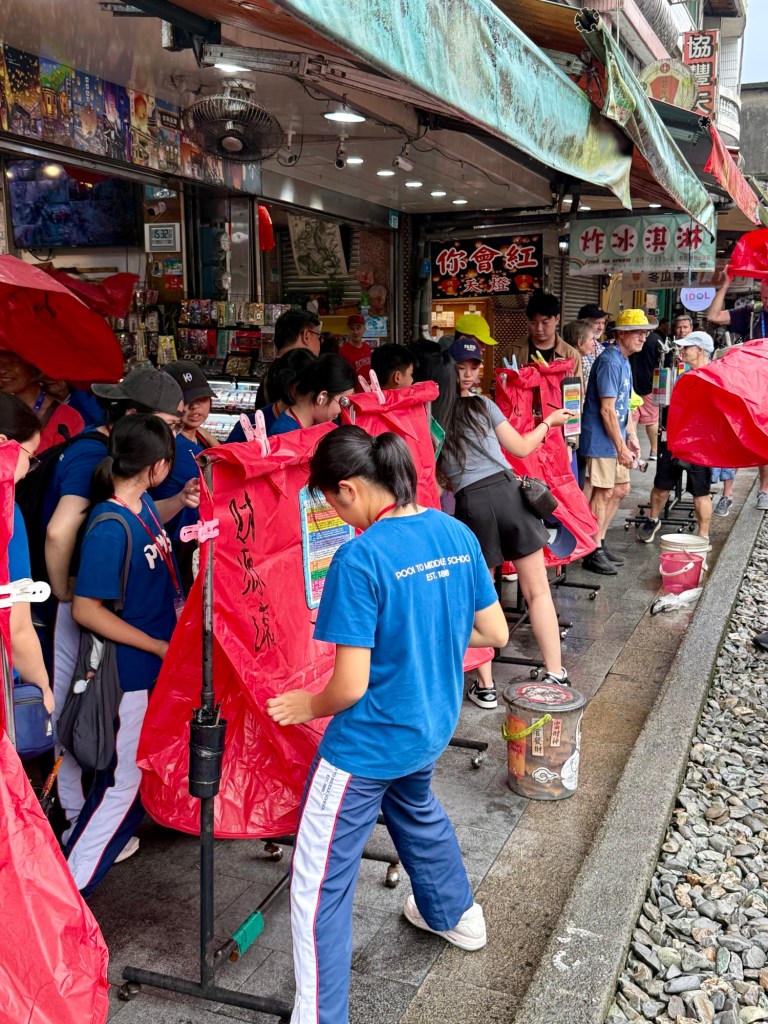
You write your wishes on the laterns which are about 80cm tall and then release them from the rail tracks (with everyone having to scramble off each time a train came through – which happened twice in the short time we were there).  

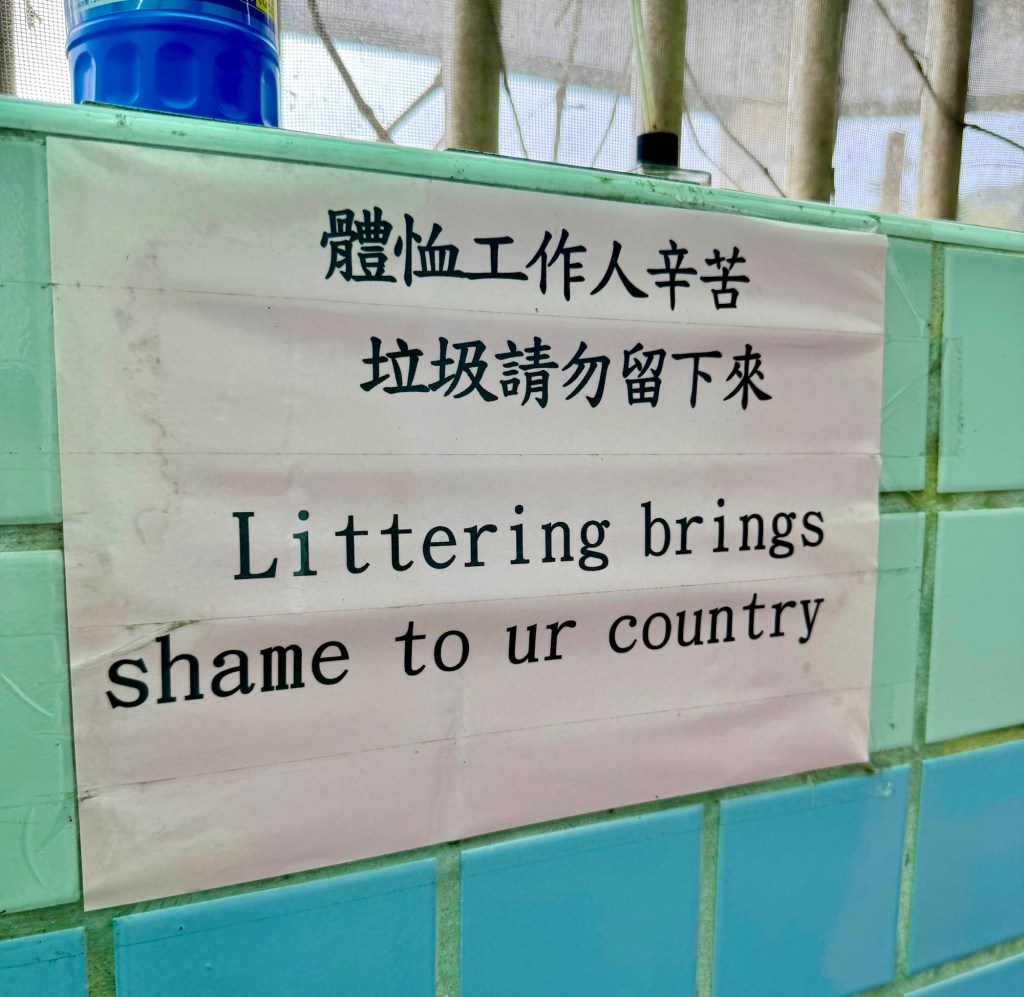
Apparently people get paid TWD10 (about NZD0.55) per lantern if they collect them where they fall and return them but we did see main littering the mountain side and in the river so I decided not to do one.  There were certainly enough going up without me needing to be involved and I was happy taking photos.

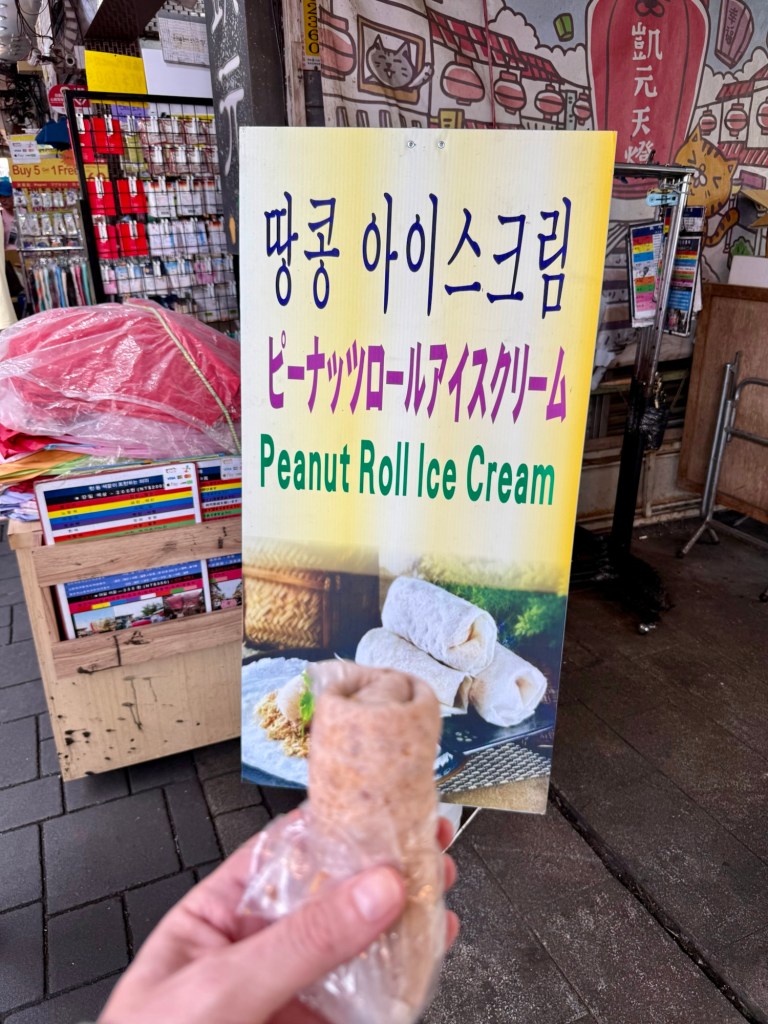
Again most of the shops only take cash so not shopping for me. Thankfully I did have enough to try the local peanut roll ice cream.  I opted to have it without the cilantro (which seemed an odd combination to me) and it was pretty tasty.

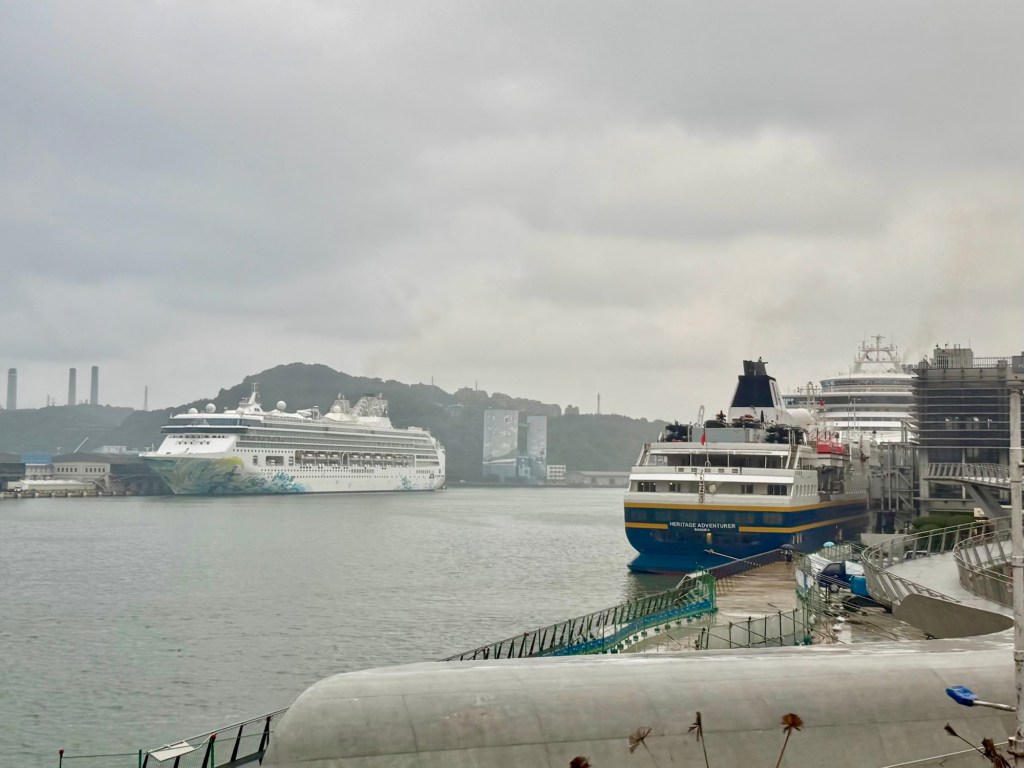
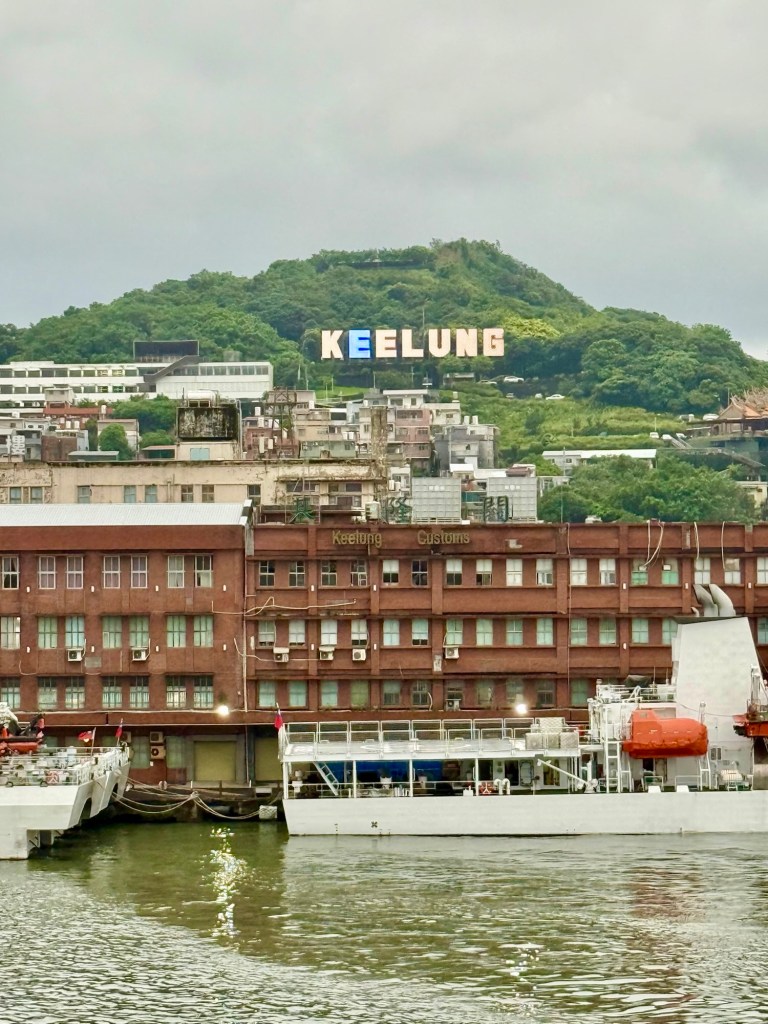
 Back on the bus for the last time today, and we were off to the port of Keelung where we boarded the Heritage Adventurer, my home for the next 18 days.  It is my second time on the ship and I was excited to see a couple of expedition crew members who I remember from my last trip, including my favourite naturalist.

 I had booked the cheapest cabin (still not cheap) which was a lower level, triple share room – and luck was with me and I have it all to myself!  What a great start to the trip.  It was great to be able to unpack and get settled in before being interrupted by ship formalities – a life boat drill, welcome drinks and then a first briefing which included an introduction to the expedition crew and a briefing for tomorrow as we set sail out of the harbour and out on our adventure.


Travel & Taipei, Taiwan

June 2026 🇹🇼

It seems like an age since I have written a blog. Of course, I have been out and about but for some reason nothing seemed blog worthy, but all that is about to change … so buckle up. 

 I travelled from Christchurch to Auckland a day early to avoid any early morning weather delays (which are not uncommon at this time of year) and then on to Hong Kong.   On this flight I was in business class (through some upgrade vouchers) and I was soooo excited. Particularly as it was a day flight, around 11 hours long, so I had plenty of time to enjoy the benefits I had not paid for. Oh, and I did – champagne, delicious cocktails, duck red curry and pavlova for lunch … venison ragu and plum cheesecake for dinner with a lovely glass of Pinot.  The food was amazing!  I even had a nap on my lie flat seat (if I was going to sleep properly, I could have got a mattress too)!

Then, after an easy 1.5 hour transfer in Hong Kong, I was on my last leg to my final destination.  I was flying Eva Air for the first time, and we got a full meal on a flight that was less than 2 hours!  A tasty chicken curry and rice and an odd “Thousand Layer Cookie” in salted egg yoke flavour!  It was a weird mix of sweet and savoury and was not unpleasant (expect for the slightly odd eggy after taste).

Landing in Taipei, Taiwan, and it took around 45 minutes to go through the landing formalities (including a 15 minute walk from the plane to the checkpoints) before I was released into the somewhat organised chaos of the airport arrives hall. 

I had arranged a transfer to my hotel so there was a sign with my name (one of many) but that is only the first step – then some takes you out to the road chaos (and into the humidity) to try and find your driver and you are then on your way on the 30 minute drive into the city.

Thank goodness I had a driver as I don’t think I would have found the hotel – there were no signs on the street that I could see. In fact you had to go to 5th floor of a building and it was then clearly a hotel but I still didn’t see the name in English.

Despite the rock-hard bed, I had a good sleep until my alarm went off at 7am when I was supposed to be bounding out of bed to go to a view point up a hill.  But I decided to take it easy and enjoy the nourishing snack of chocolate milk and a blueberry yoghurt sandwich (think Japanese sando vibes) I got from the convenience store last night … oh and it was pouring with rain so definitely not worth the extra walk!

Instead I made my way into the underground city that was part of the Taipei Main Station, and after getting lost many times, I decided I would jump on the Metro and find my way to my walking tour starting point and before finding coffee.   Once I managed the payment system (I got a 1 day pass for T$150 which turned out to be a round token rather than a ticket) and found my train (thank goodness for online maps – they are an absolute god send in the madness that is Asian metro stations)!

There was lots of construction around the meeting place and no obvious cafes (I think I was too early for local places), but I did find a place open – a Starbucks!  Not massively proud of that, but oddly it had no branding on the outside and I nearly walked past it! I decided that I would make up for having Starbucks coffee by getting some local bakery thing to eat – which ended up being a small, sweet rice bun!

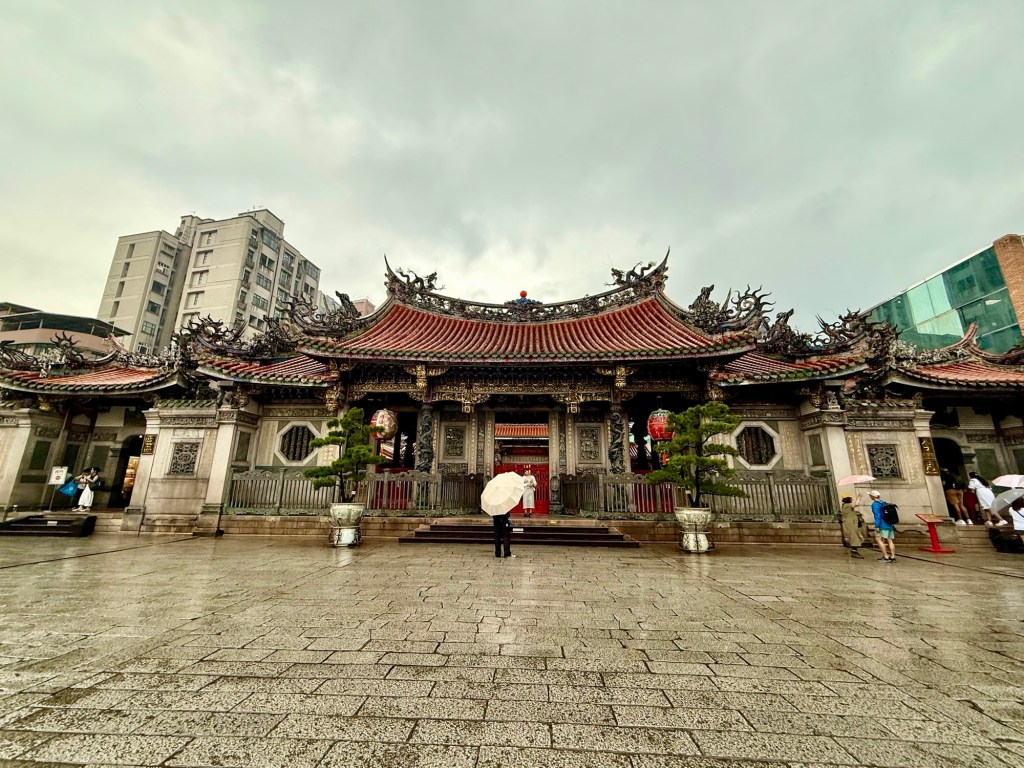
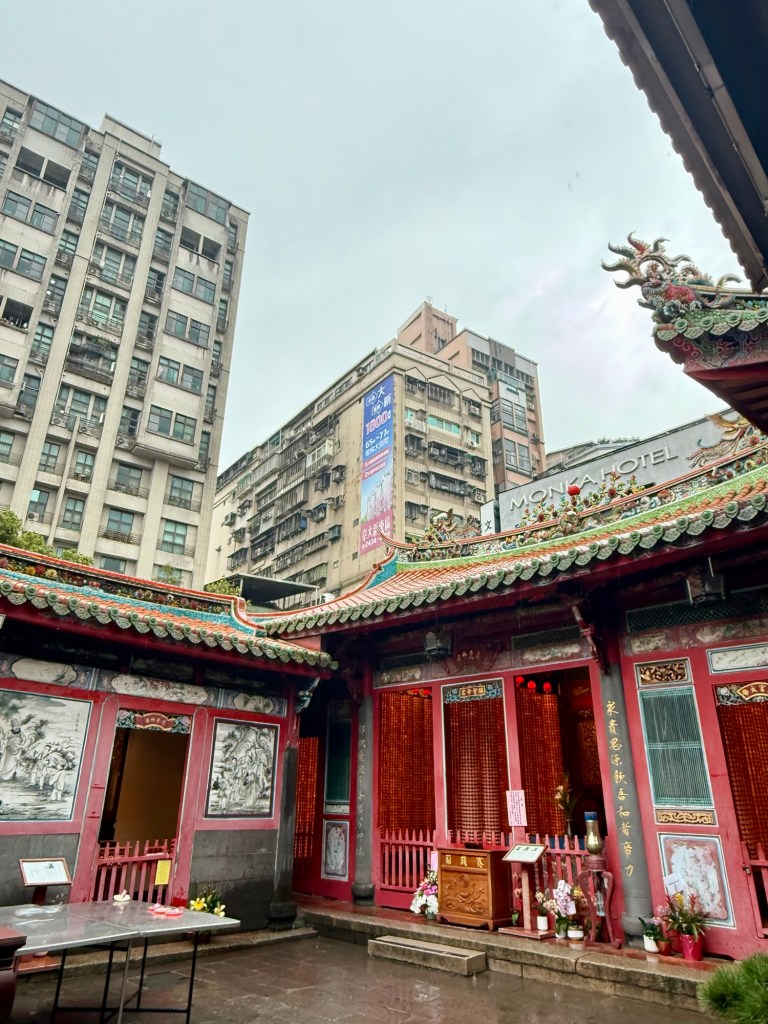
I meet my small group (only 8 of us) and our two young, enthusiastic local guides in the rain outside of Lungshan temple. They started with some basic history of the country, though to be honest, there is nothing basic about the history of Taiwan.  Now officially the Republic of China (ROC), more commonly know as Taiwan, previously know as Formosa (derived from beautiful in Portugese) and they participate in international sporting events as Chinese Taipei!

Early Australasian societies settled the islands thousands of years ago, then the Dutch in the south in1624, swiftly followed by Spain in the north in 1626.  1662 saw the first of the Chinese dynasties, Ming, followed by Qing in 1683.  Skip forward to 1895 and the Japanese invaded before having to cede the island to China at the end of World War II.  More on that later.

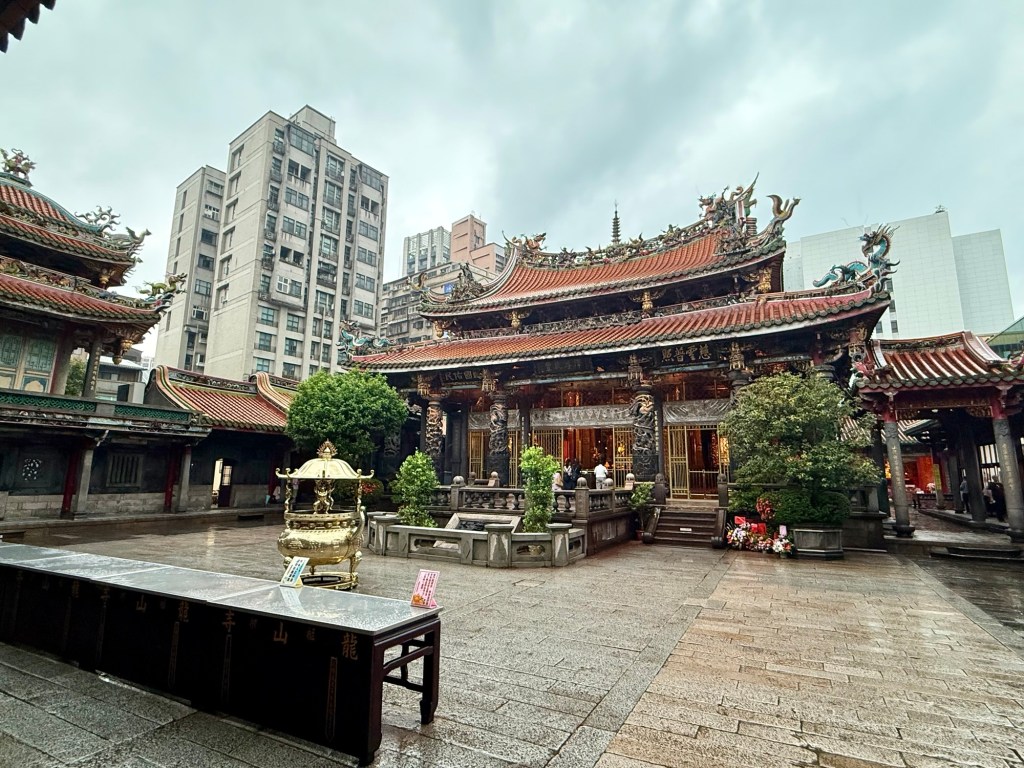
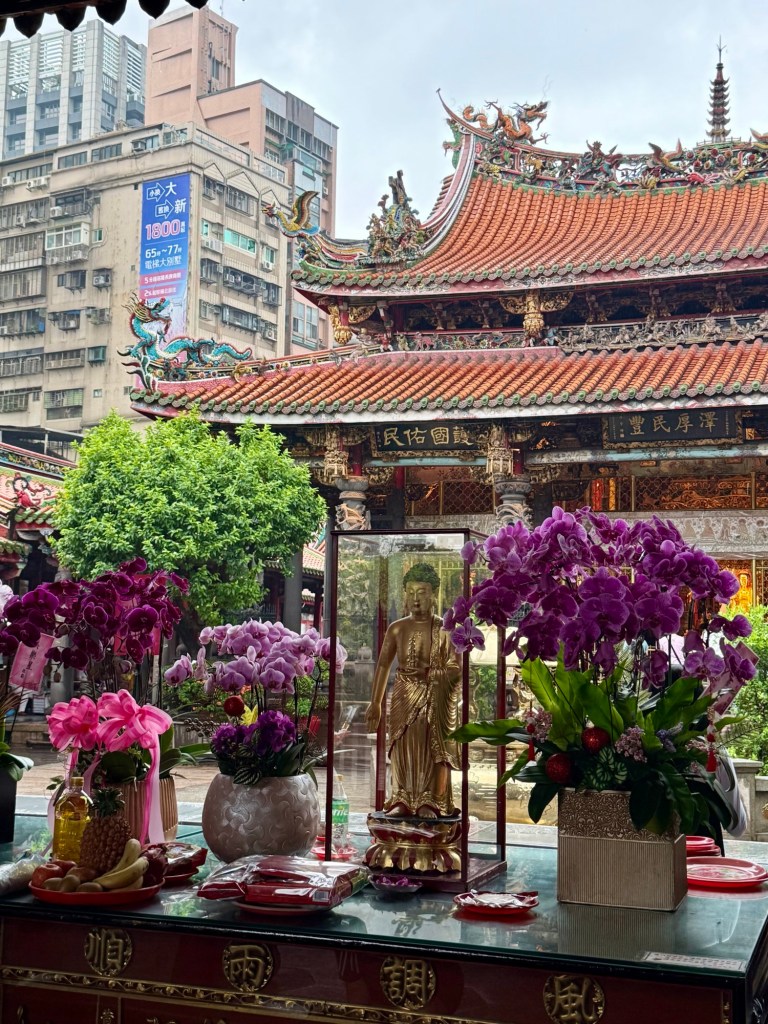
Our starting point of Lungshan (I have also seen this written as Longshan) Temple was built in 1738 as a place for Chinese settlers to gather.  It was heavily bombed by Americans during the war so what we see today is more modern and worships a mixture of Buddhist, Taoist and other deities. 

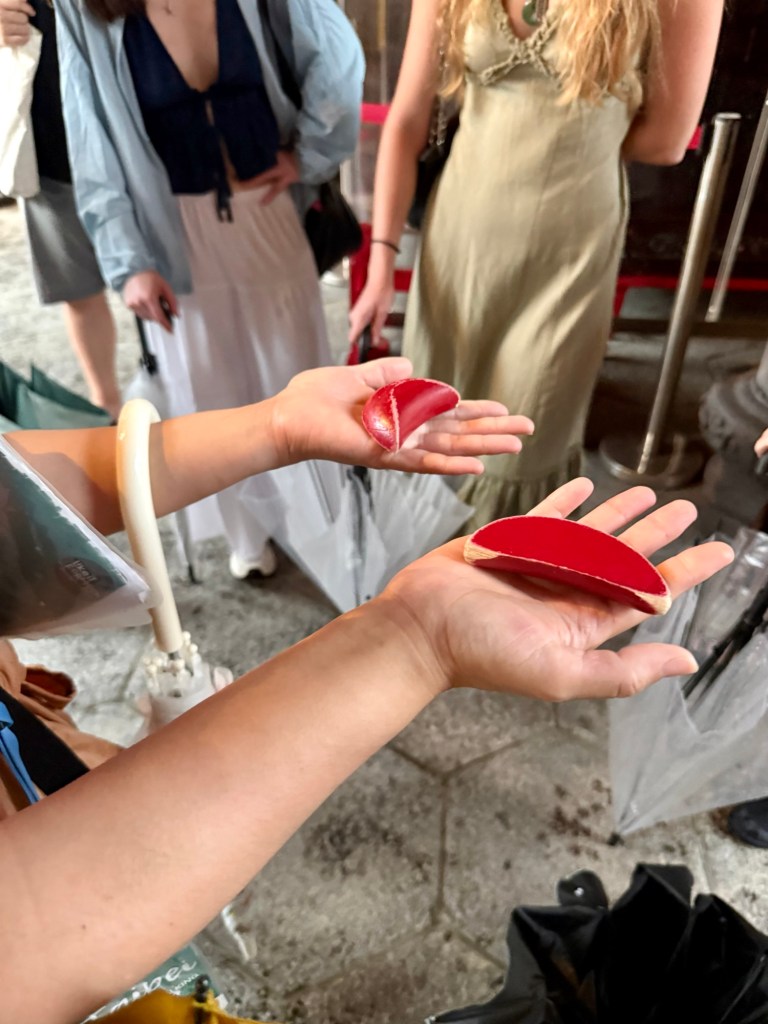
We entered through the gate on the right side, the Dragon Gate (you exit via the Tiger Gate on the left side and only Gods or Emperor’s can use the centre gate) and learnt about the various pray practices used by worshippers to get answers from the Gods.  Some use incense sticks, other use Jiaobei or Moon blocks, red moon shaped blocks you throw on the ground and ask yes or no questions.  Depending on how they land, the answer is yes, no or maybe.

Apparently there are also more complicated ways to communicate with the Gods and there are staff on hand to help you translate the answers.

Some of the more specific Gods at this temple was the God of Education (to whom you may give offerinings of celery/green onion or perhaps stationery), the Goddess of Child Birth (very important in an agricultural society when people wanted lots of children, predominately boys to work in the fields) and one of the most popular Gods with the younger generation – the God of Marriage and Romance.  Also known as the “Old man under the moon”, he likes sweet things like chocolate and candy, and bubble tea!  Along with your offerings (always given in pairs), you would leave your very specific list of attributes you are looking for in a mate e.g. you don’t just say tall, you say exactly how tall!

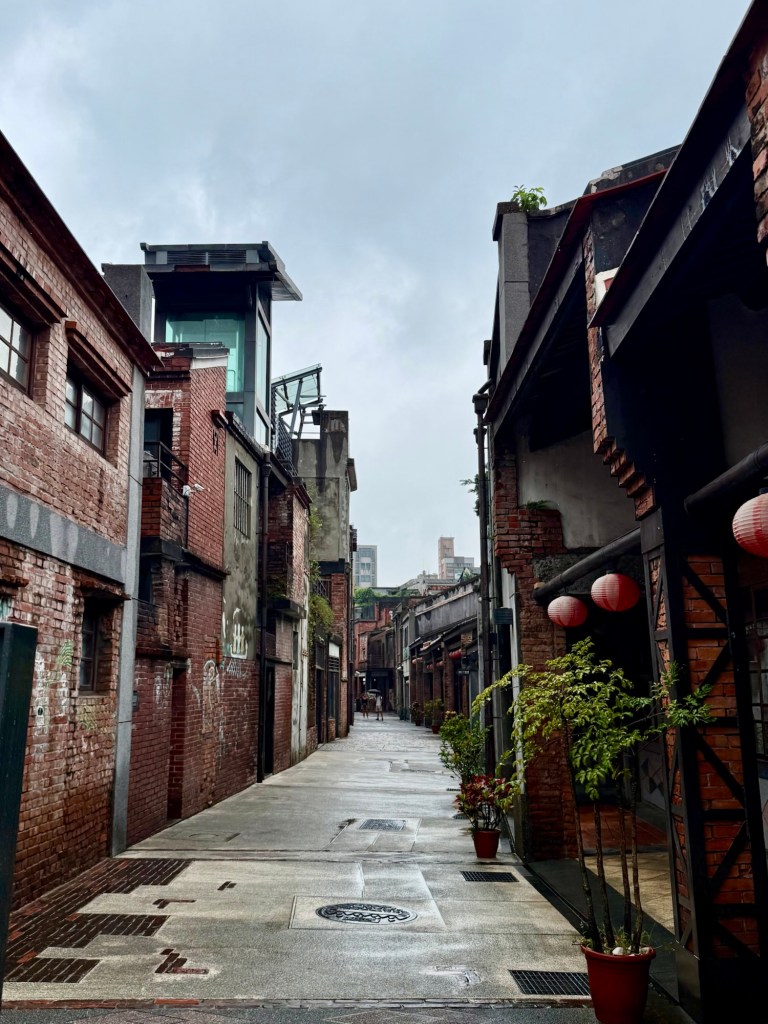
Leaving the temple, we walked down to a couple of streets of old town houses.  All the houses are very narrow as tax was paid based on the width of the street front.  The area used to be full of industry such as printing, tea shops and hotels.

 We had a quick stop at a traditional ice cream shops where I tried all the traditional flavours – Taro, Red Bean and of course the old favourite – Chicken egg (actually kind of a vanilla custard).  I am not sure any of them really tasted of much except for sugar but they were ok.

We spent a little time in the Xiamen Red House, built by the Japanese as an indoor market and has a unique construction, incorporating both octagonal and cruciform shapes.  Today it houses shops, craft stalls, a tea house, and workshop and exhibition space.

From here we could see much for the mish mash of architecture in the city.  The original city walls were demolished by the Japanese as they were restricting the city’s growth.  They were also going to demolish the original Qing dynasty gates but public outcry meant they were saved. 

Like many Asian cities, with a complex history of immigration and colonisation, Taipei is a contrast of wide tree lined boulevards, rundown narrow shanty like streets, grand European/ Japanese archecture and rundown Chinese temporary buildings. The city sustained considereable bombing during WWII, followed by an influx of Chinese refugees.  These temporary buildings were constructed to accommodate them all, and many of these “temporary” buildings are still standing, just!

The Presidential Office building on the other hand is a beautiful example of Baroque style Japanese architecture (yes, apparently that is a thing) and it used to be the tallest building in Taiwan! It was here we learnt a little more about the complex situation Taiwan finds itself. 

Although it functions as an indepdent, sovereign country, with its only democratically elected government, constitution, currency etc, the People’s Republic of China (PRC) claim it as it’s own as part of it’s “One China” principle, so it’s sovereignty is only recognised by 12 other countries.  Despite being a founding member of the UN in 1971, the UN now no longer recognises it as an independent country!

We walked through the peaceful 228 Peace Park, originally called Taipei Park, the oldest park in the city and was renamed in memory of those who died in the so called 228 event in 1947 when civil unrest against Government corruption led to the massacre of 28,000 people including scholars, teachers etc and the subsequent “White Terror”banned non Mandarin speakers from working in any skilled jobs (most of the population at that time only spoke Japanese).  The Martial Law in Taiwan lastest 38 years, only being lifted in 1987!

When martial law was lifted, Taiwan started to develop into the high tech global economy and a thriving democracy we see today. 
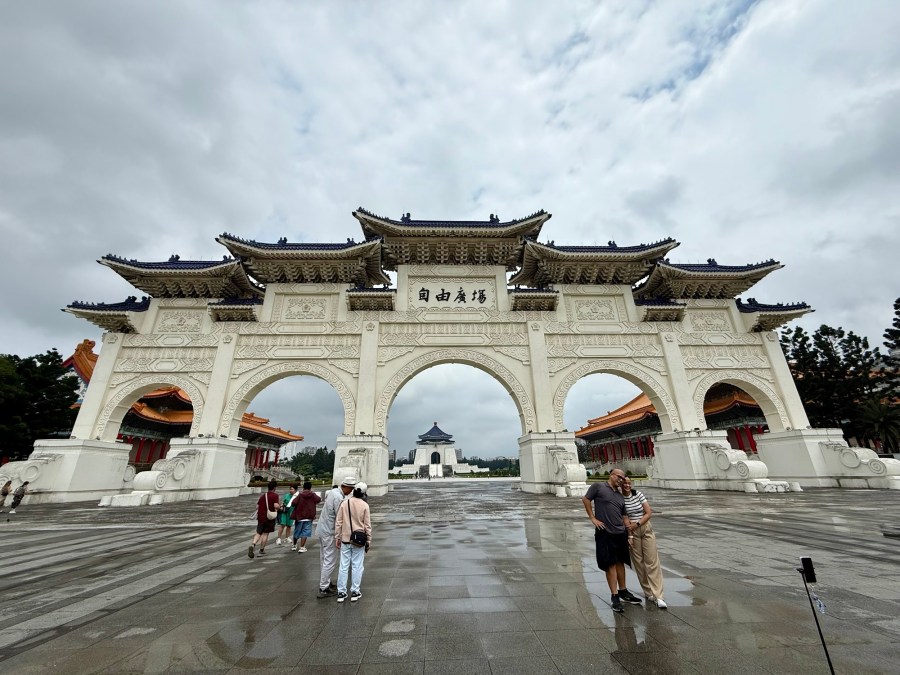
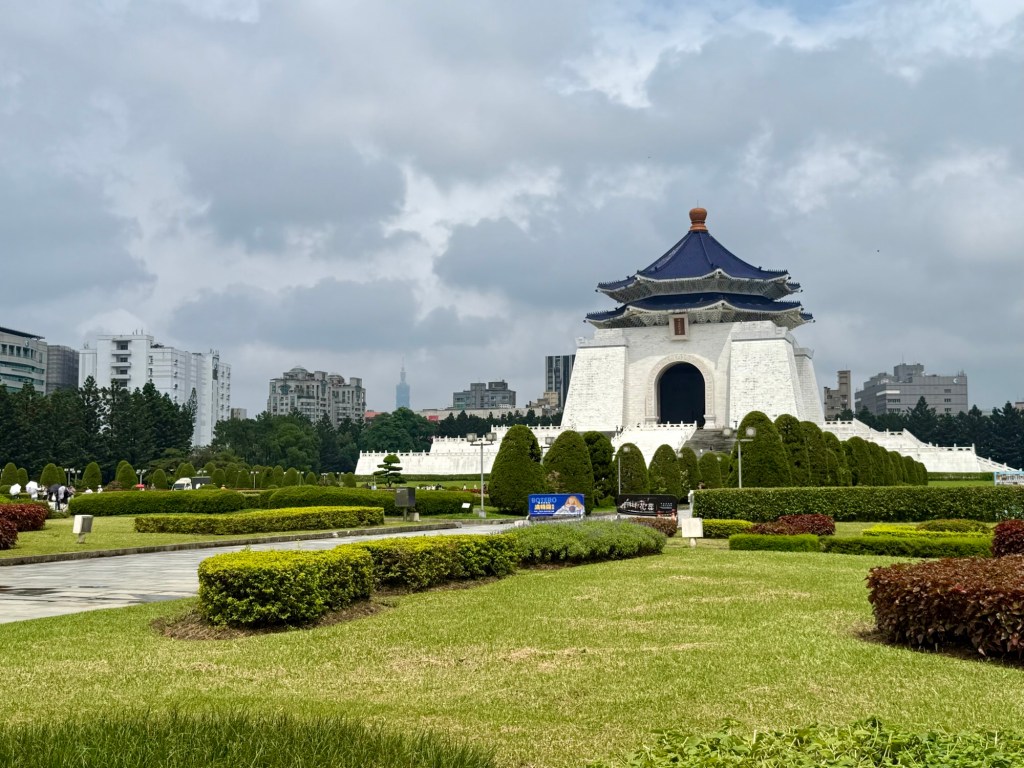
The final stop on the walking tour was the huge complex of the Chiang Kai-shek Memorial hall.  (A Chinese military commander, revolutionary, and statesman who was President of the Republic of China (Taiwan) from 1948 to 1975.) A huge gate, looking out to the white and blue Memorial Hall (the colours are rare in Chinese architecture but are the colours of the ruling political party), flanked by two more traditional Chinese buildings housing the National Theatre and the National Concert Hall.  It certainly was a wow moment. 
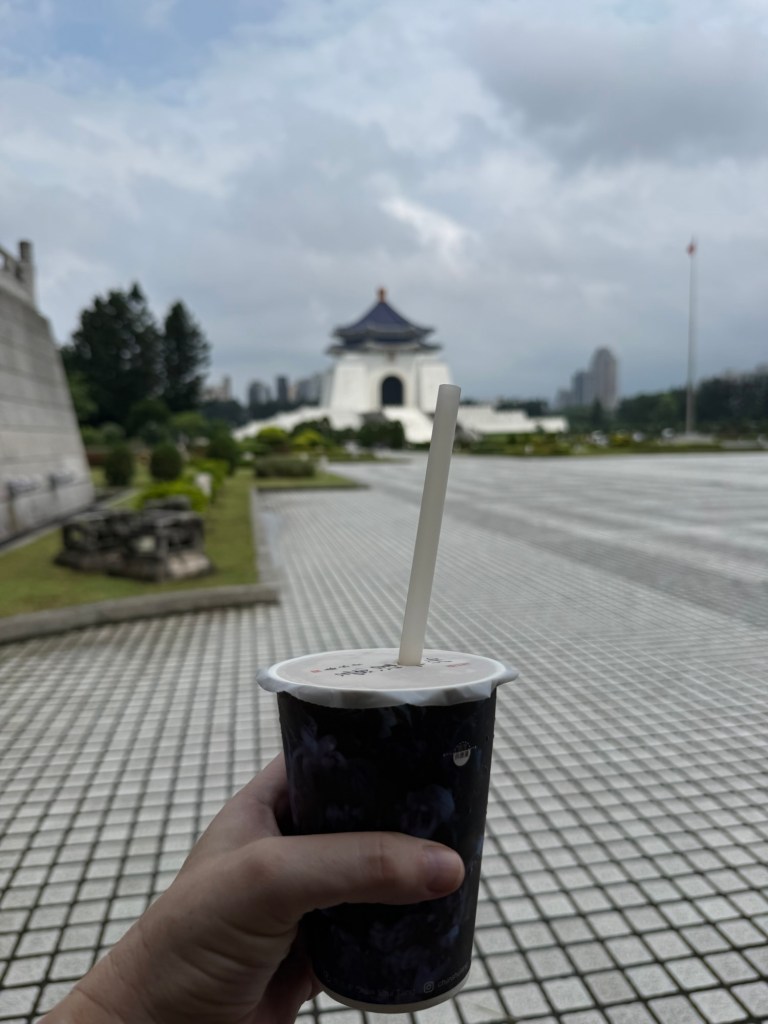
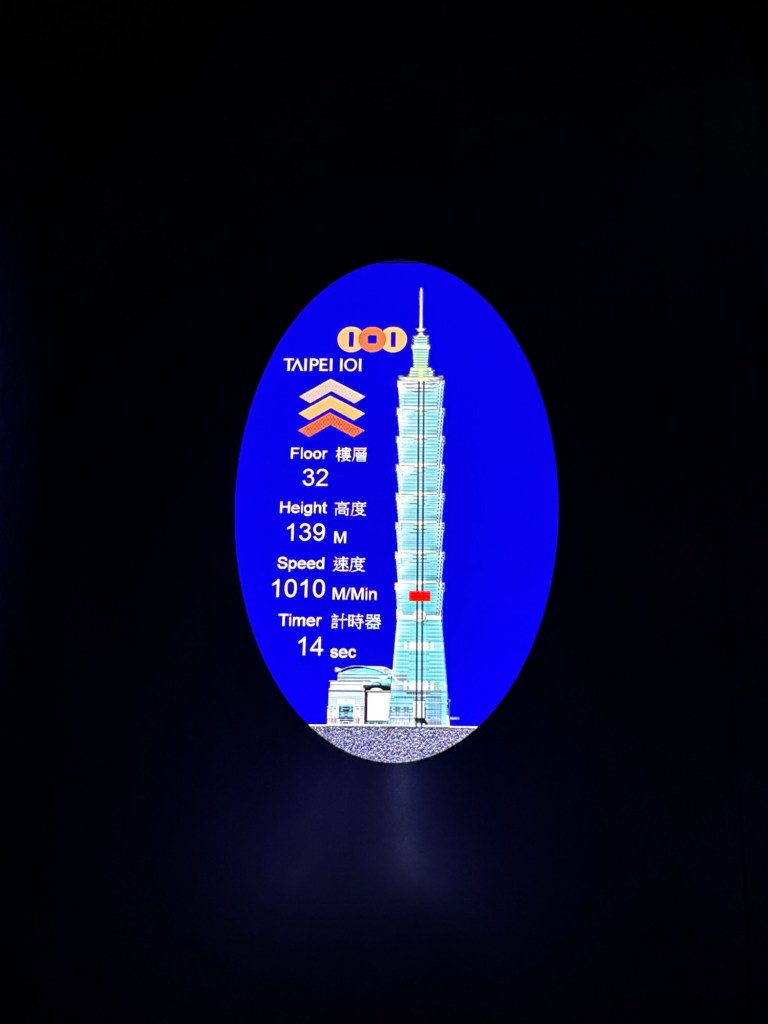
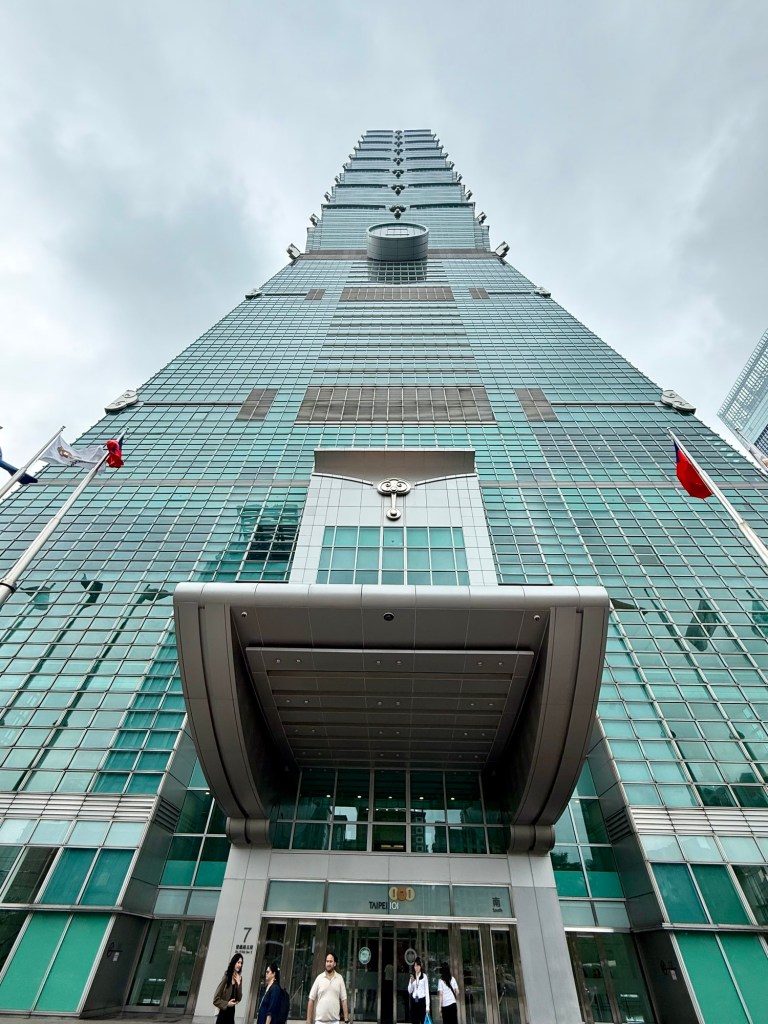
Our guide told us, that apparently the restaurant/café in the complex claims that it is the birth place of bubble tea, and therefore I had to get one before heading off to the nearest metro station to make my way to Taiwan 101.  The tallest building in the city and the home of the fastest passenger elevator in the world, that takes you up to the viewing platform.

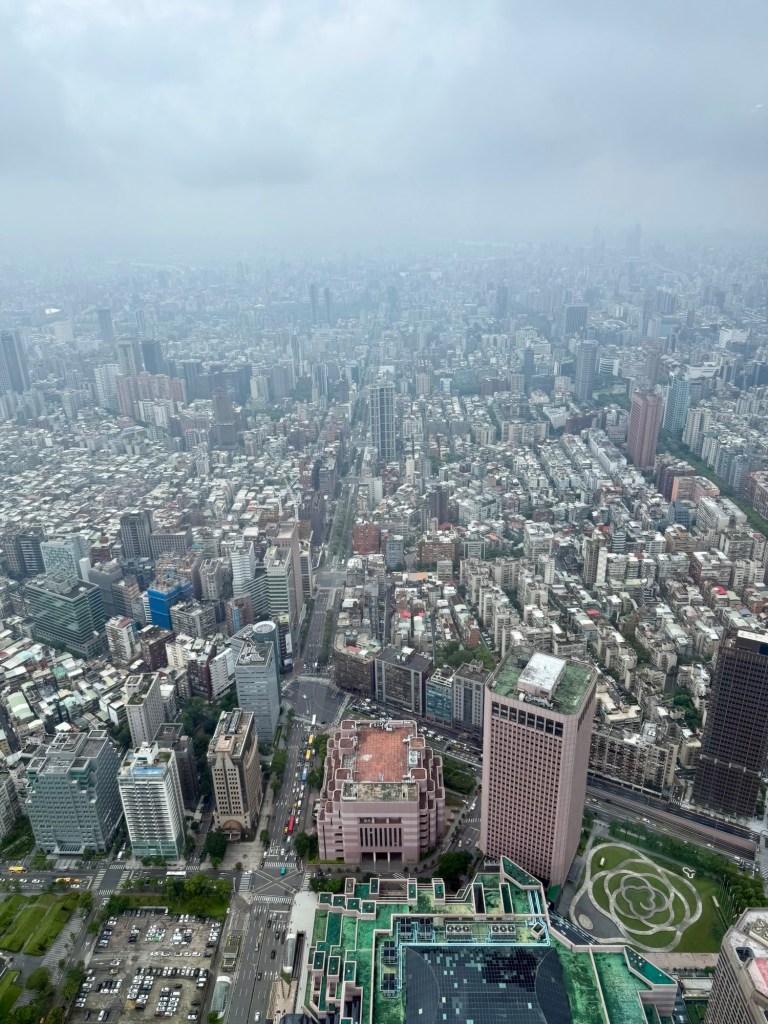
The cloud had lifted a little so I got a little bit of a view from the top before I was whisked back down, had a quick look around the shops (so many designer shops) before heading back to my hotel to pick up my bags before heading off to my new, and very much improved, hotel which was the meeting point for my trip which has now officially started.