Calayan Islands & Divilacan Bay, Philippines
June 2026
As I didn’t close my curtains, I woke to sun streaming in my porthole. I jumped out of bed and headed up stairs (I am on deck 3, the gym is on deck 7 – some might say it is a workout just getting to the gym lol). I just did 30 minutes of cardio this morning as other things seemed way more challenging with the movement of the boat.
I also wasn’t feeling 100% – was it the movement of the boat, not enough water, all the food I have been eating or perhaps too much wine last night. May a combination of all of these. Either way, after an early breakfast I went back to bed lol. We don’t reach our destination today till around lunchtime, so the morning was going to be a slow one anyway.
I had also already decided I was not going to have dinner (which does not start till 7.30 tonight) so started squirrelling away a little food so I had something to eat. Dinner is wonderful if you want 3 course affairs with wine, but I definitely don’t want that every day, particularly when it starts so late (for me anyway)!
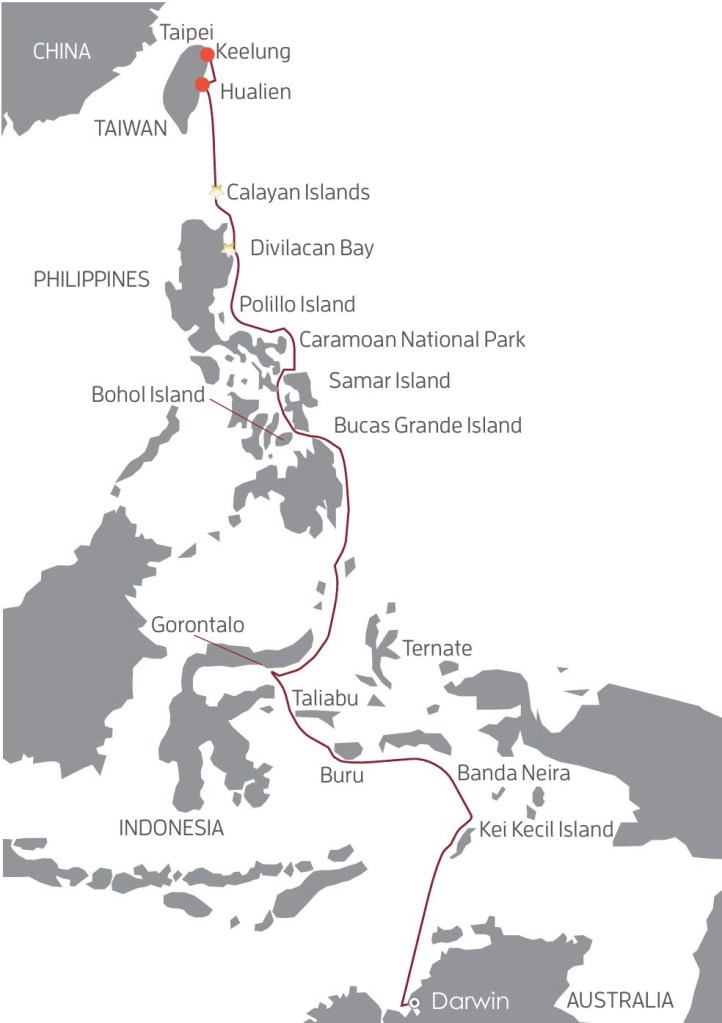
Our first destination in the Philippines was the island of Calayan. One of the Philippines northern most islands. Officially know as the Republic of the Philippines, the country is made up of over 7,500 islands and has a population of over 114 million people! Hard to believe as we are going to be avoiding the desensly populated places on this trip. I had applied for the visa online and thankfully the ships crew did all the rest of the formalities for us.
The Philippine population is a mix over the years of the early Negritos, Austronesians, Chinese, Spanish (who colonised in 1543 and named the country Las Islas Filipinas after King Philip II of Spain). More modern history saw the Japanese invasion during WWII, liberation by the Americans, and finally independence in 1946.
Calayan Island sits in the Luzon Strait and is in the Babuyam group of islands and I was excited to get out on the zodiacs and on to land.


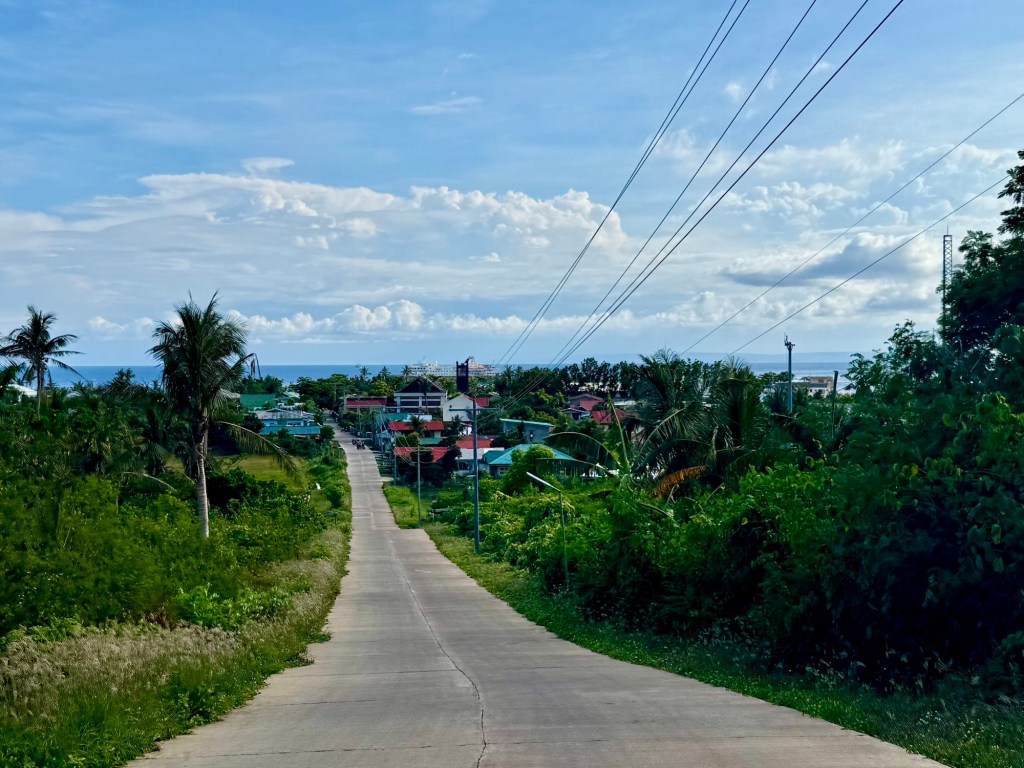
As in most places where we are travelling away from the landing point, we travel by the best available transport. In Poblacion, this was motorbikes with small “side cars” attached. I used the word “side car” loosely as it was not much more than a shelf with a plank to sit on. Call it what you will, it was great fun wizzing out of town, down the concrete road and out in to the countryside.
I had opted for the nature walk, more of a nature march as we were a fairly large group, moving rather fast and loudly so most wildlife had long gone before we had a chance to spot it!
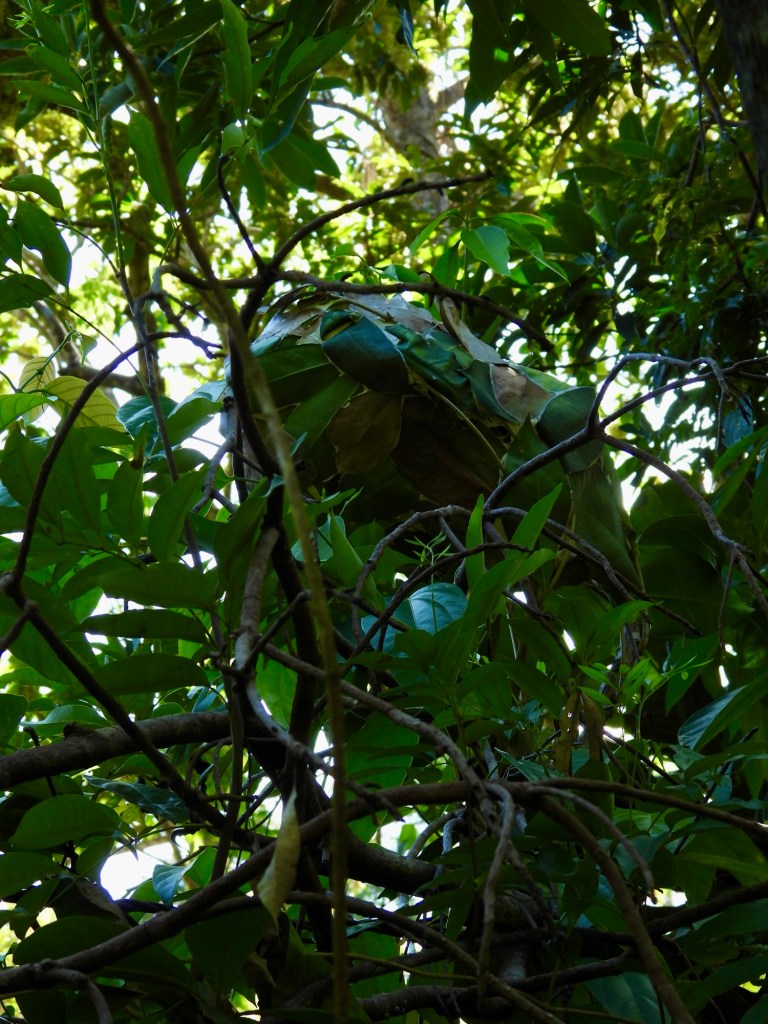
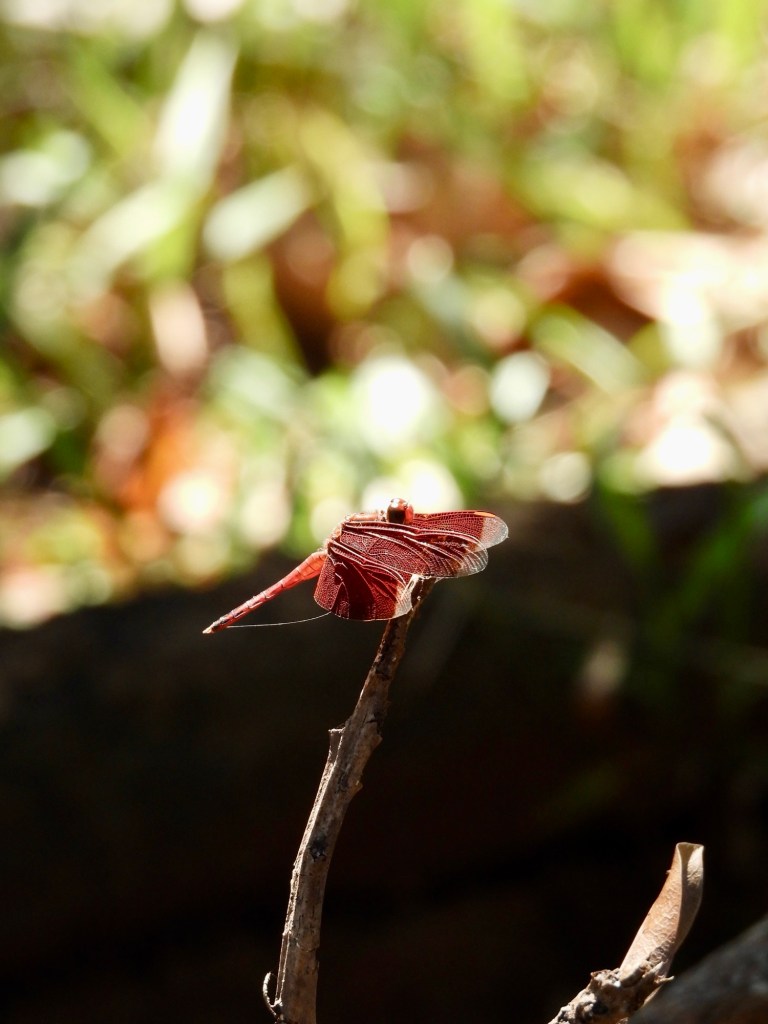

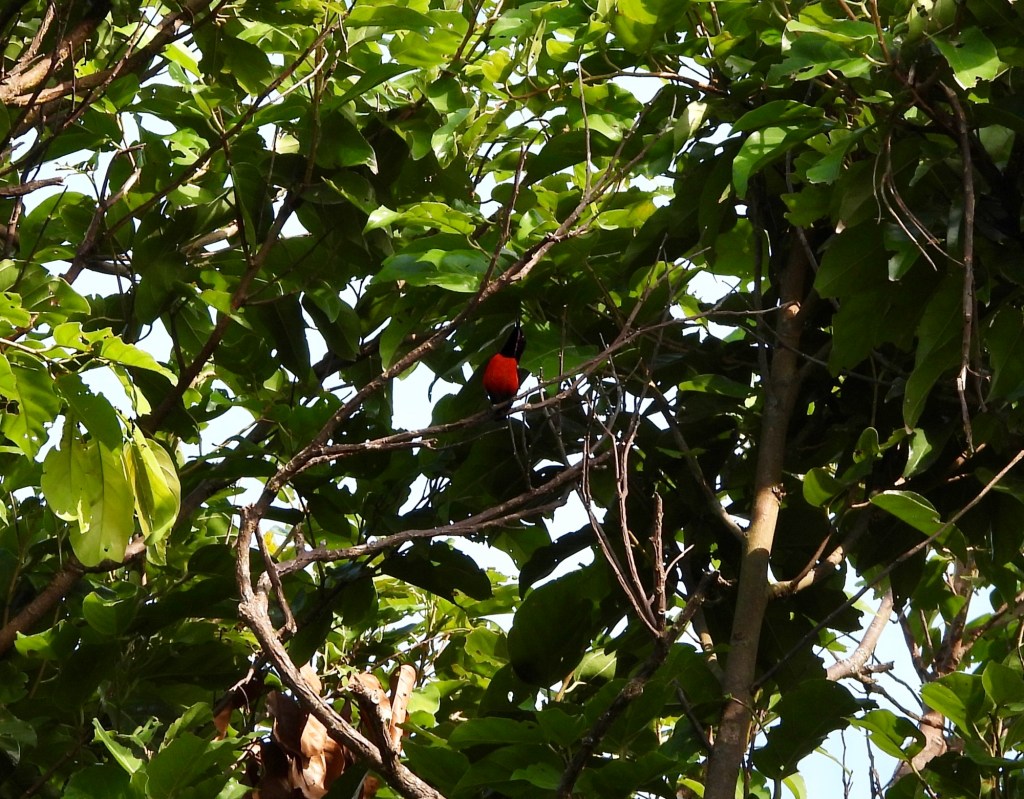
We did spot an ants nest made of leaves stitched together, huge black and yellow butterflies, beautiful red dragonflies and a tiny sunbird (apparently a purple throated one). We also saw a very old Narra Tree, the Philippine National tree. Often cut for wood, so you don’t often see one this large.
I didn’t get many photos, but it was lovely to be off the ship!
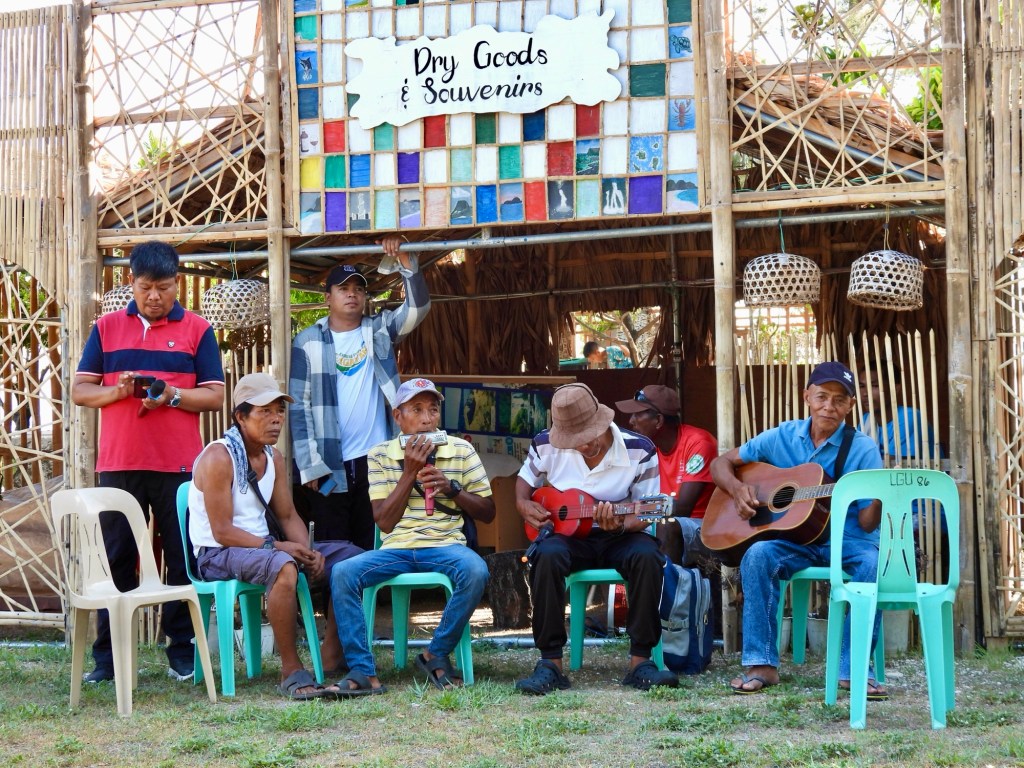
We jumped back into the side cars and headed back down to town where the town had put on a spread of local snacks, had a band playing and put on a show of one of their local dances, showing the fight between good and evil. It seems the whole town had come out for the event (though I think our visit was the event)! I love it that now days, it is not just us taking photos of the locals, they are taking videos and photos of us!
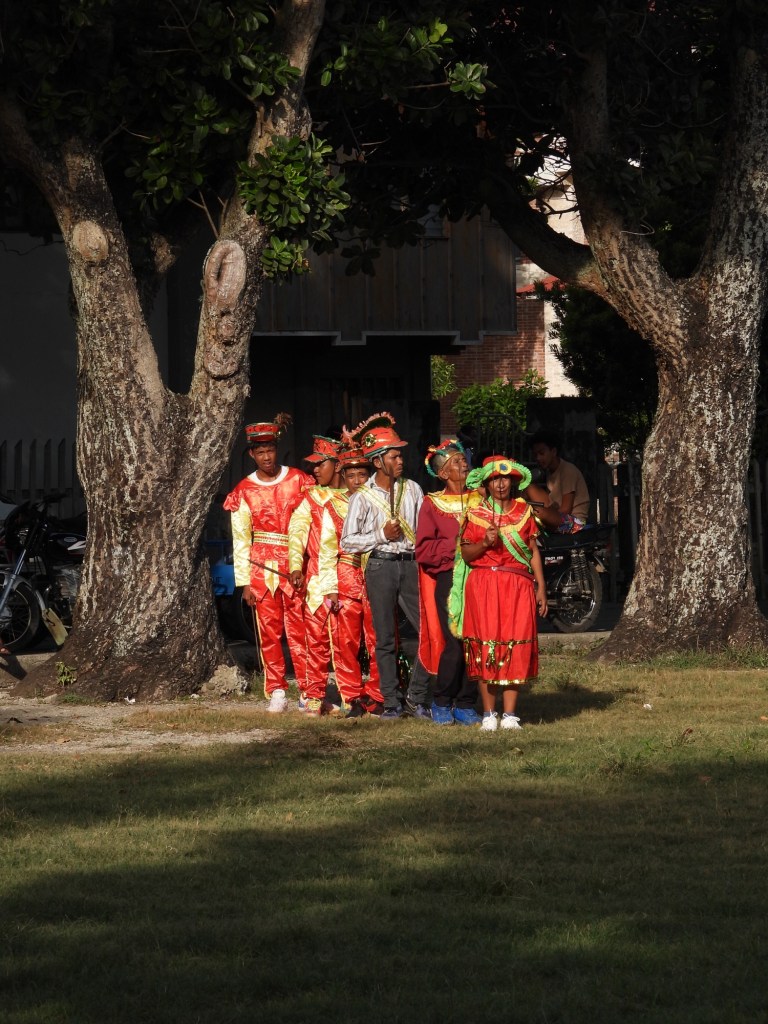
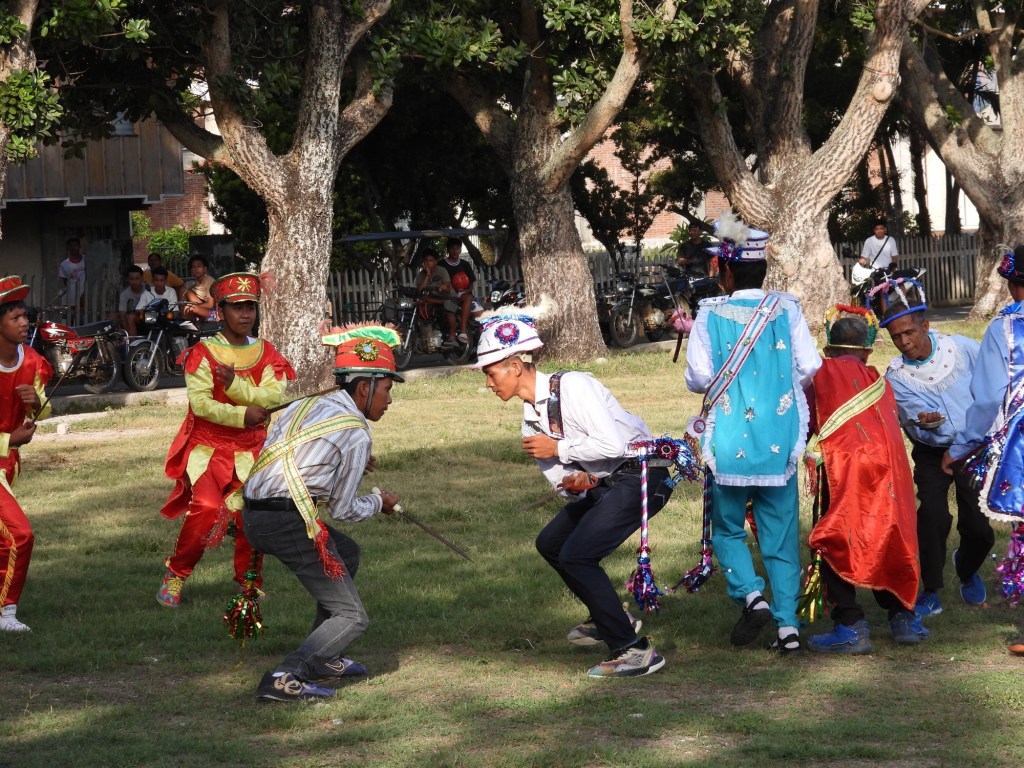
As we were on land a bunch of the local kids where on the ship enjoying ice cream served by the captain. A zodiac that takes about 10 of ‘us’, took around 20 of them and they all seemed very excited to be aboard.


Back on the ship, we had now settled into the routine, often with a late afternoon lecture and then the briefing about the day we had had, as well as what was waiting for us in our next port of call. These briefings are best when accompanied by a gin and tonic from the bar!
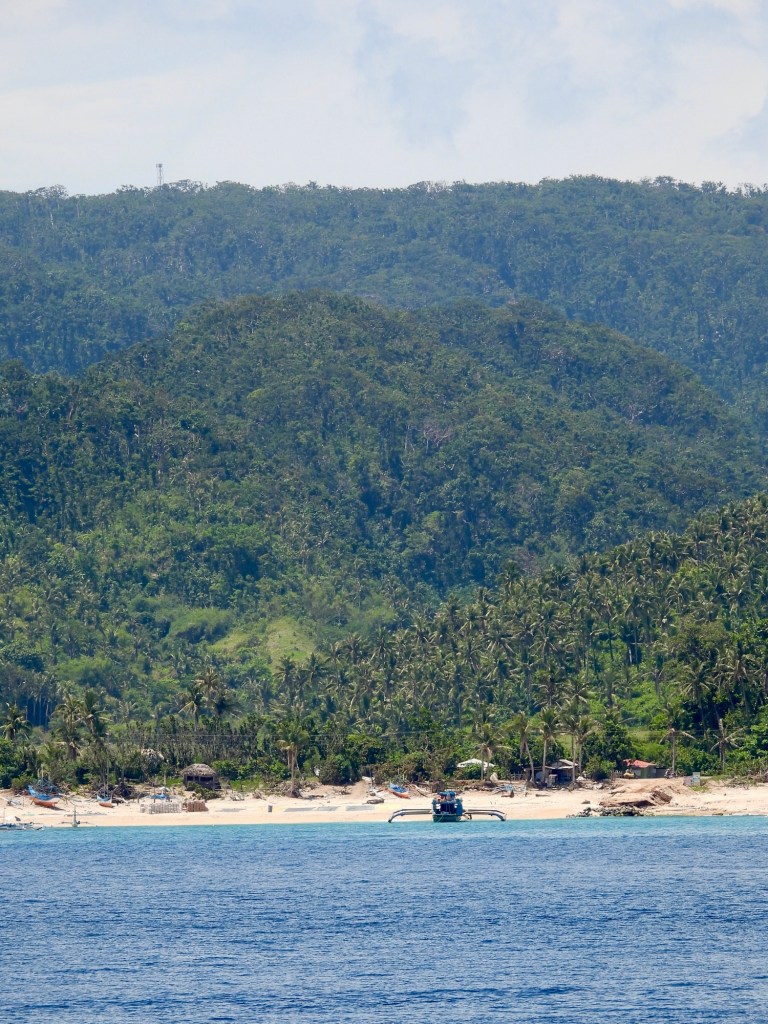
Travelling overnight as we normally do, we woke the next day in Divilacan Bay in the northeast of Luzon, the Philippines’ largest island. We were near the Sierra Madre mountain range which stretches 540 km along the eastern coast of Luzon and acts as a natural barrier from the east coast to the hugely populated capital city of Manila just on the other side of the ranges.
On the eastern side (where we were) the protected forests run from the mountains to the sea and has few roads or any other forms of transfer other than boats. (Though I learnt in a conversation with some of the many tourism staff who are everywhere we go, that there is a road under construction, though it will still take at least 4 hours to get here from the nearest large city).
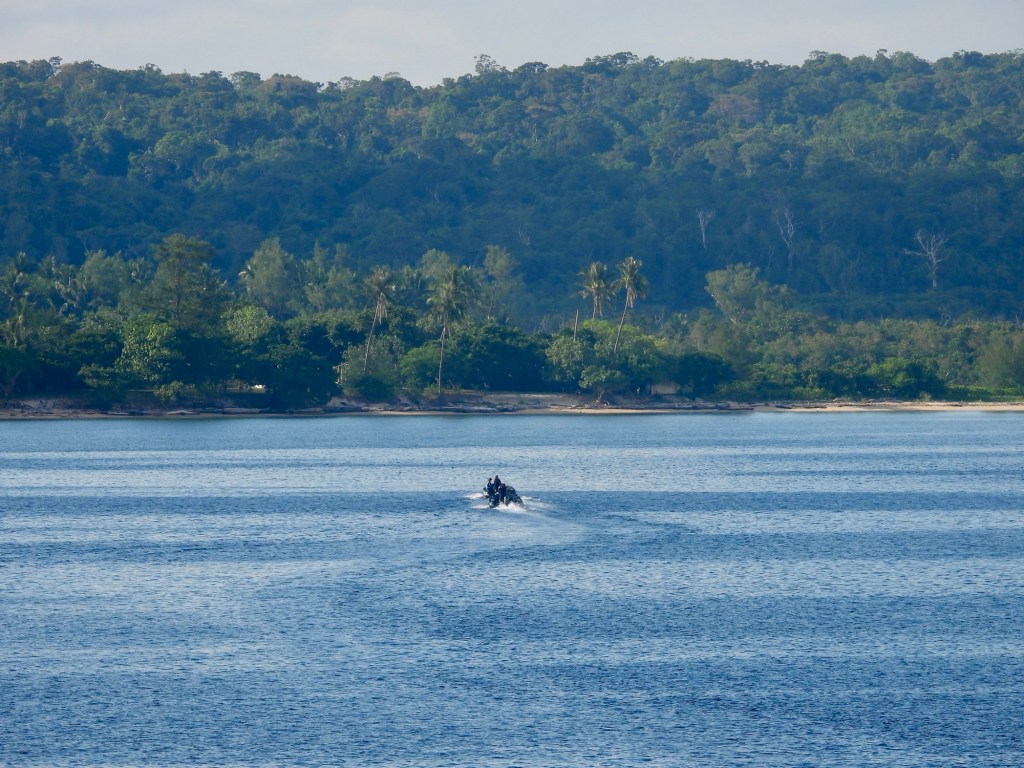
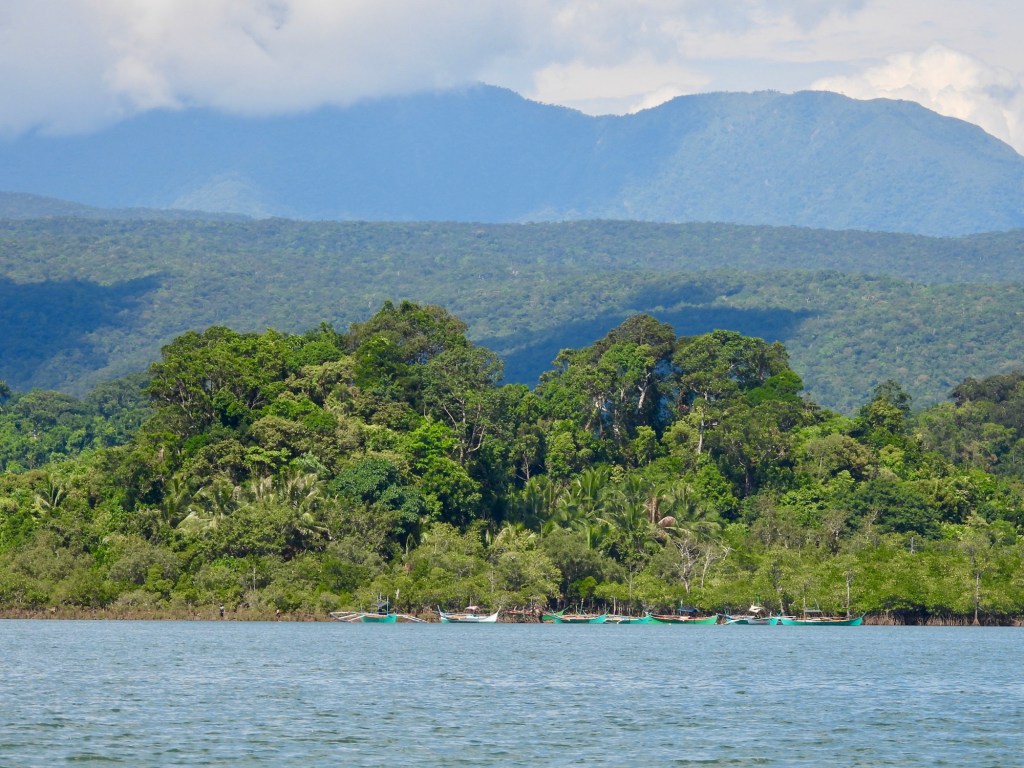
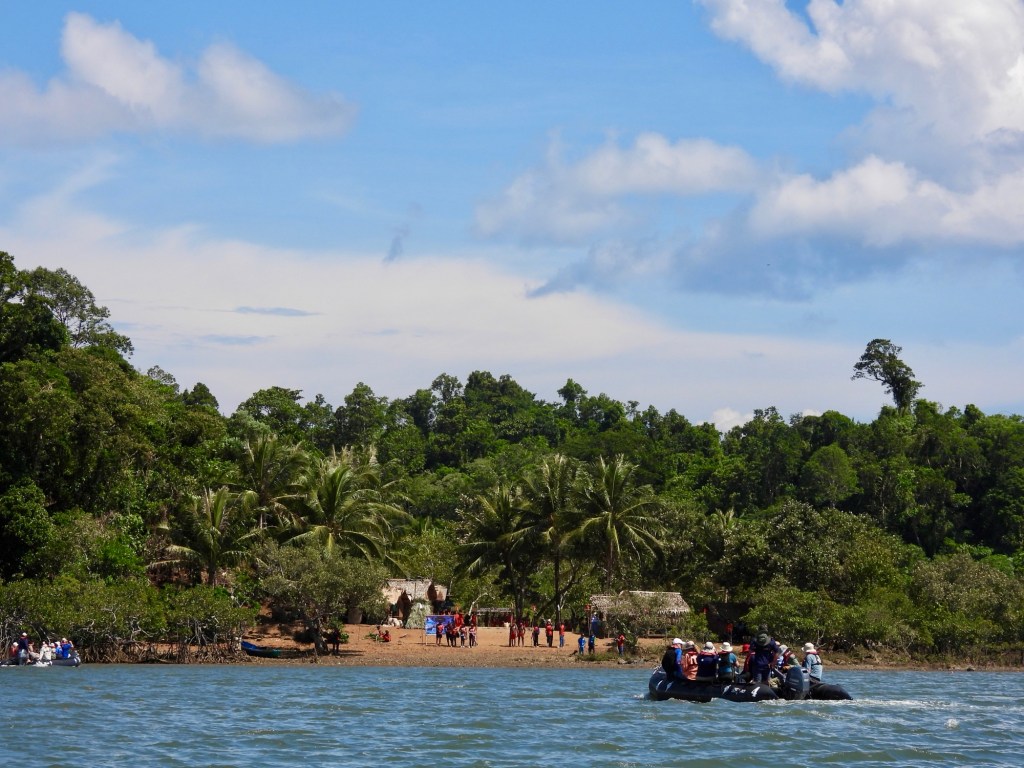
Our first activity was a zodiac cruise around the coastline and mangroves. Incredible big sky and glistening blue ocean. Unfortunately, the tides were against us, and my group did not get much of a mangrove cruise as the water was too shallow (some of the earlier zodiacs had to row out), so we were some of the first to land at the first village we were going to be visiting.
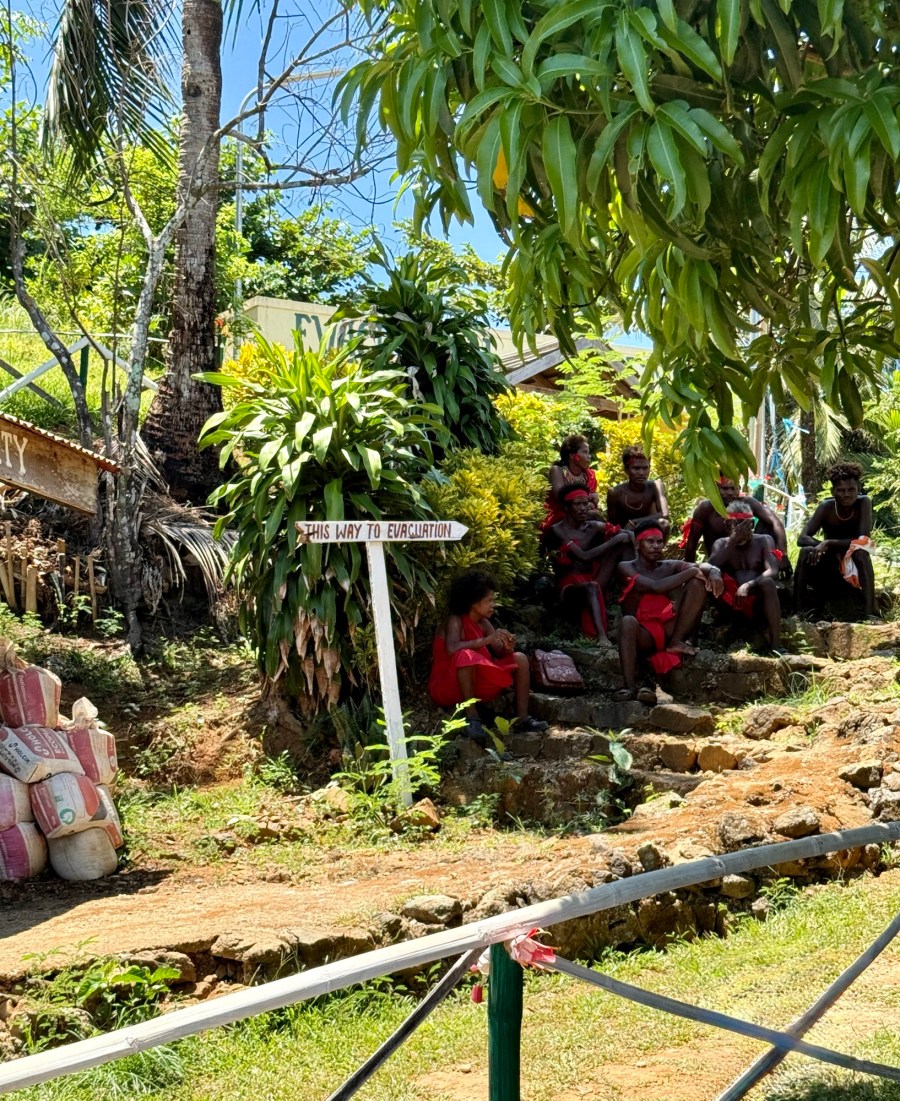
As with every visit we were to make in the Philippines, we were welcomed with a rosette of some kind and a large sign welcoming us and the ship. This village was different though, as the people who live in this area are the Dumagat people, also known as Agta, the indigenous Negrito group of the Philippines. There darker skin and curly hair makes them more akin to their Aboringine or Austronesians roots rather than other people we see in the Philippines.
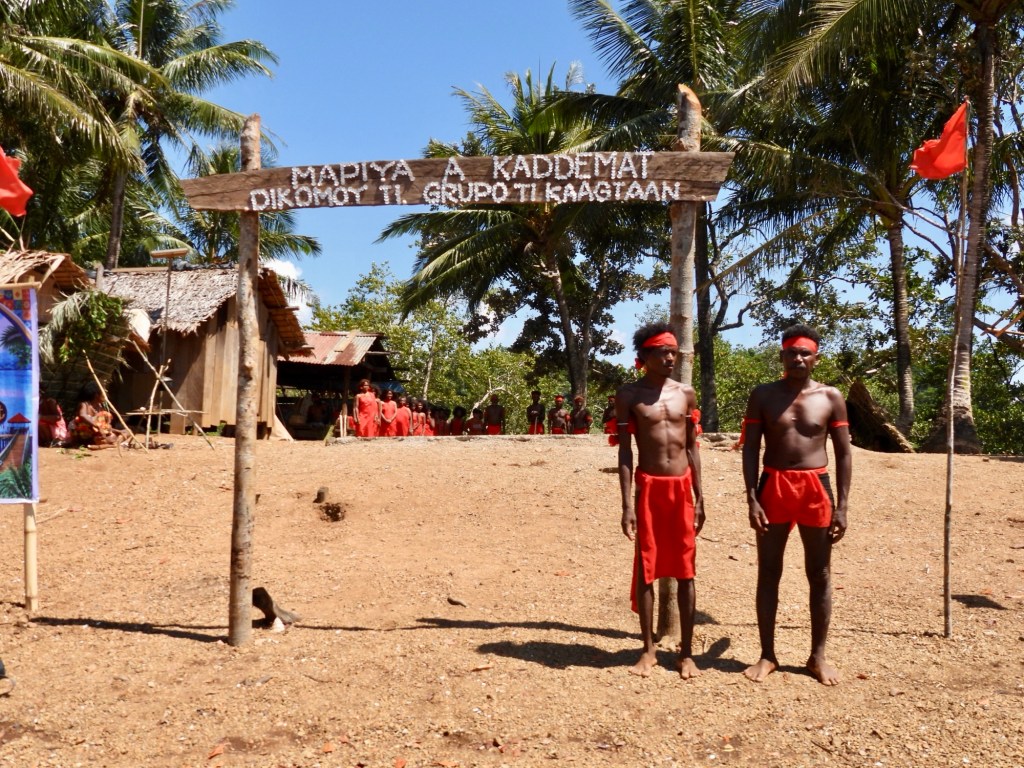

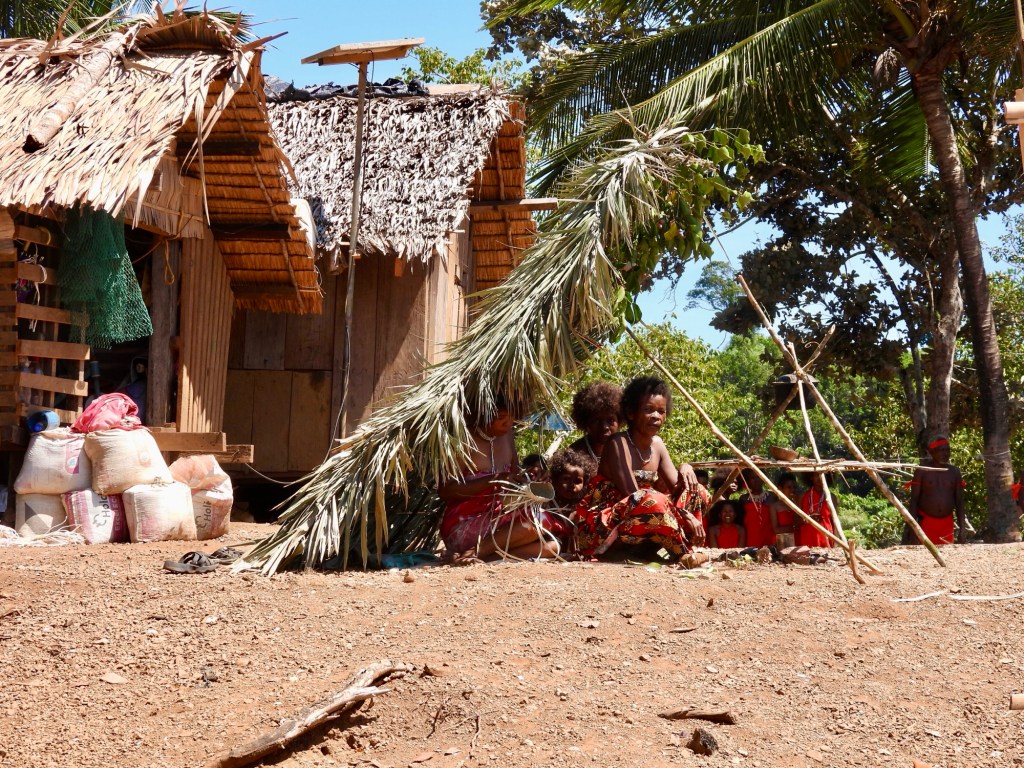
They welcomed us with dances depicting their daily lives, including fishing, crab hunting, farming and pig hunting (thankfully the poor little pig at the centre of that dance was not hurt!).
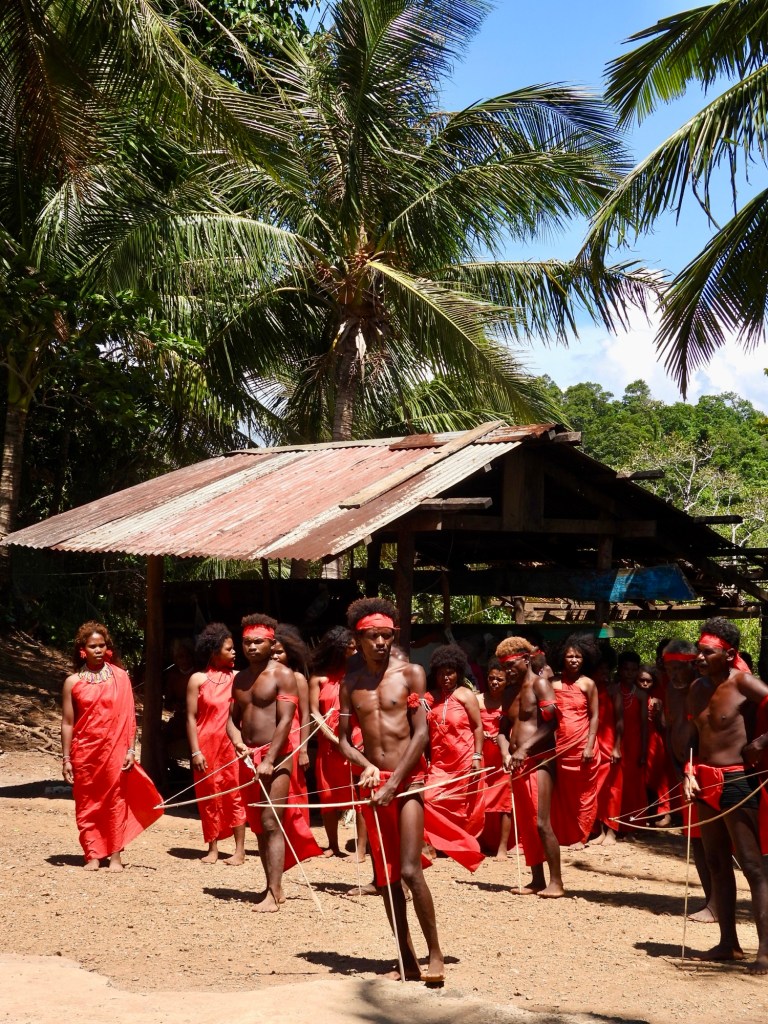
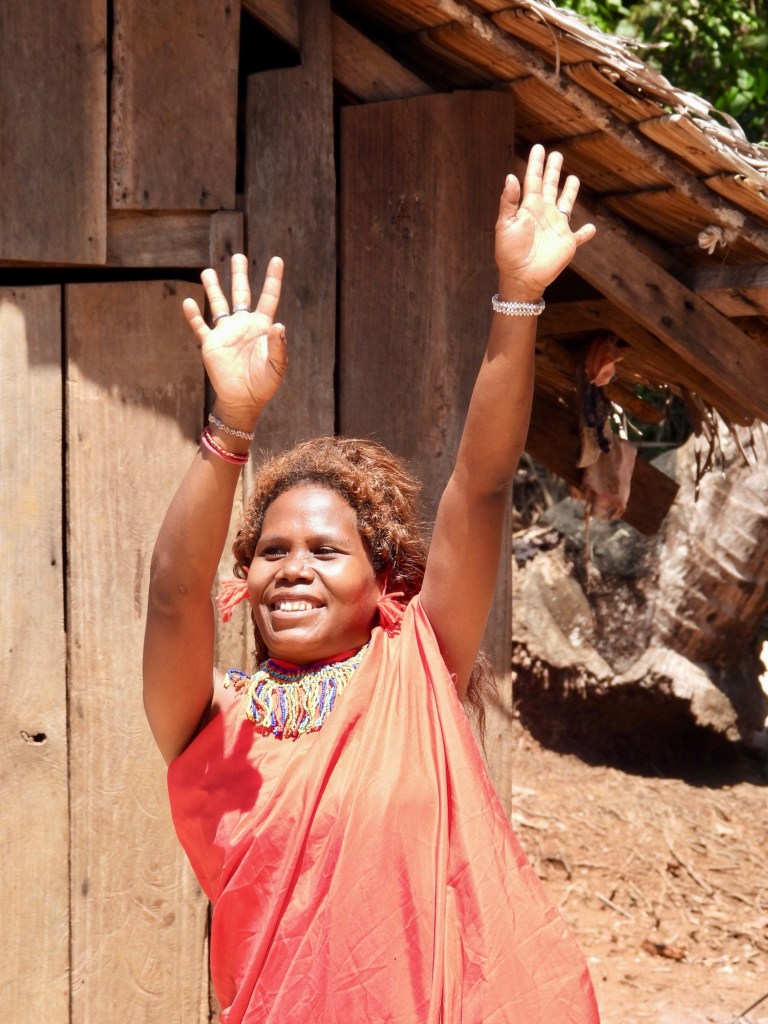
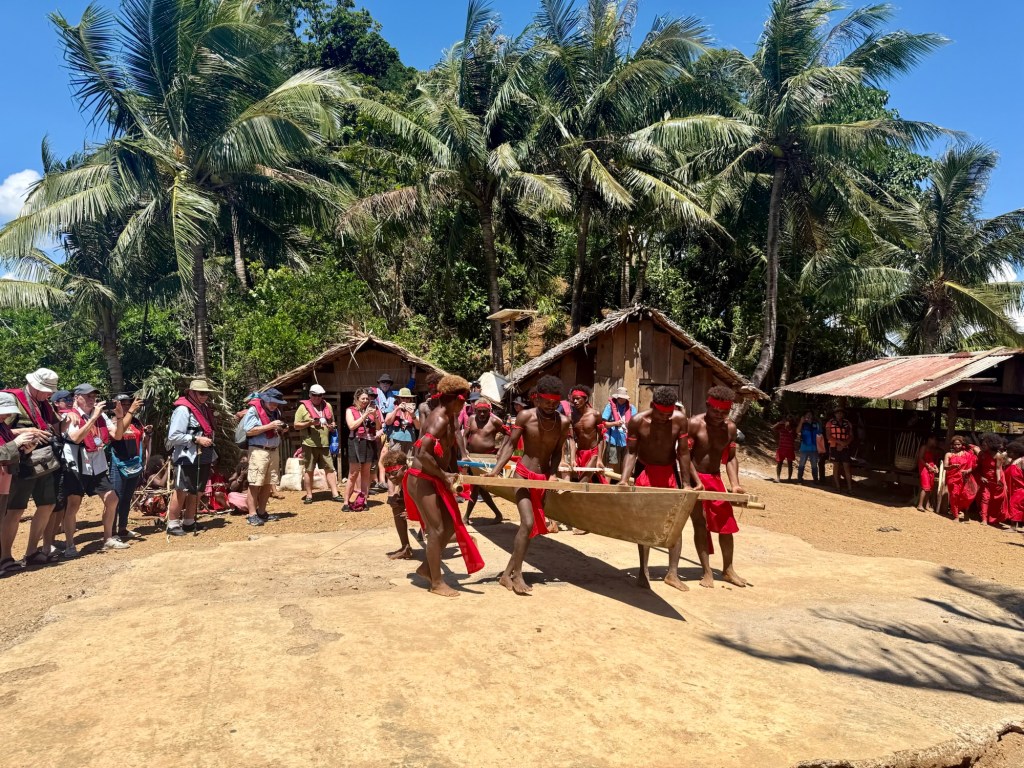

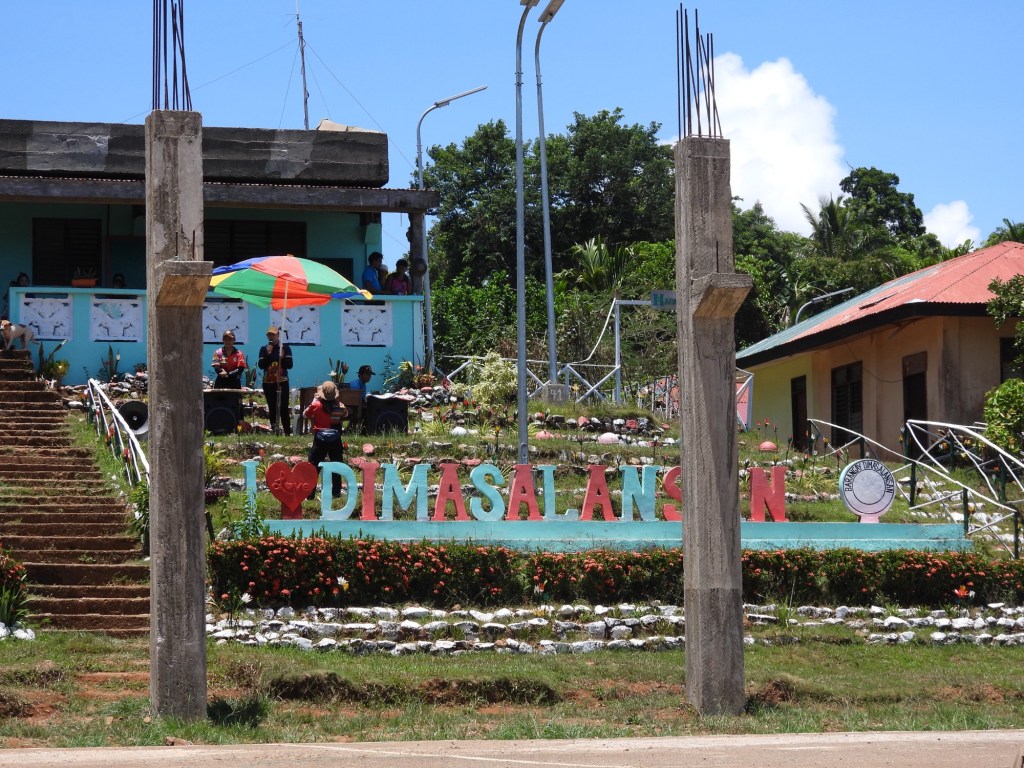
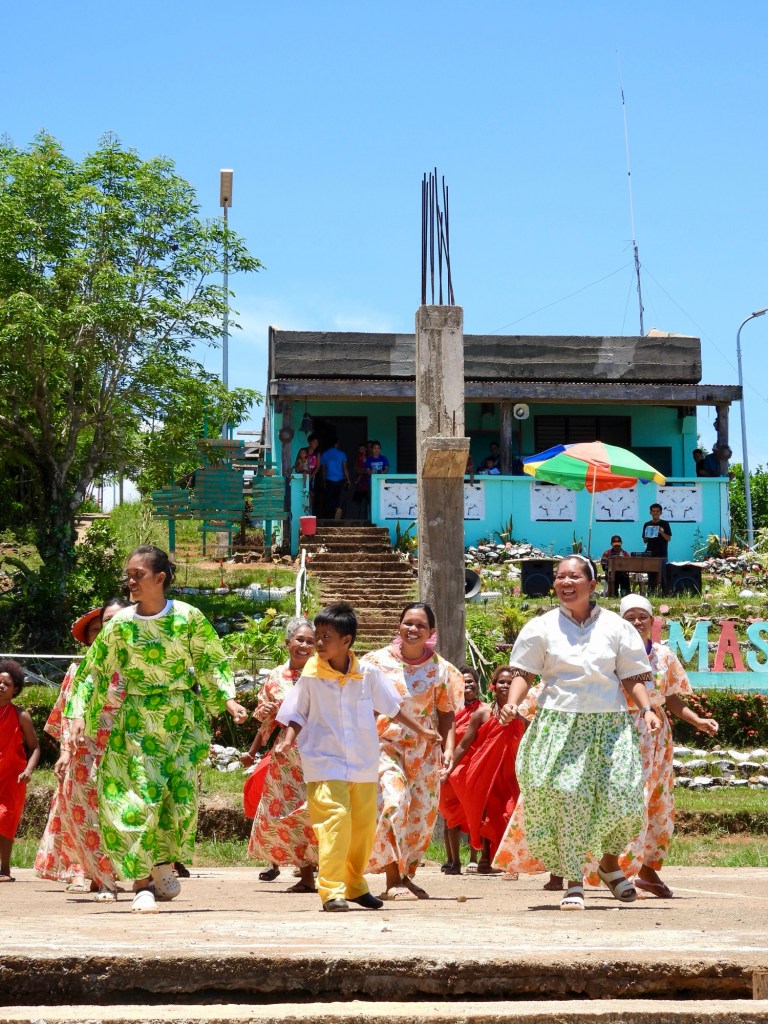
From our first landing point, we walked a short distance and emerged in to a much bigger and more modern village of Dimasalansan, where we were welcomed with fresh coconuts and another huge spread of local snacks including sea snails (which I did not try) and my favourite gluttonous rice cake things.
There was also more formalities and dancing, this time including an audience participation ‘solidarity’ Dance. It was interesting to see both communities participating here and apparently their integrate well and the Dumagat children come here to go to school.
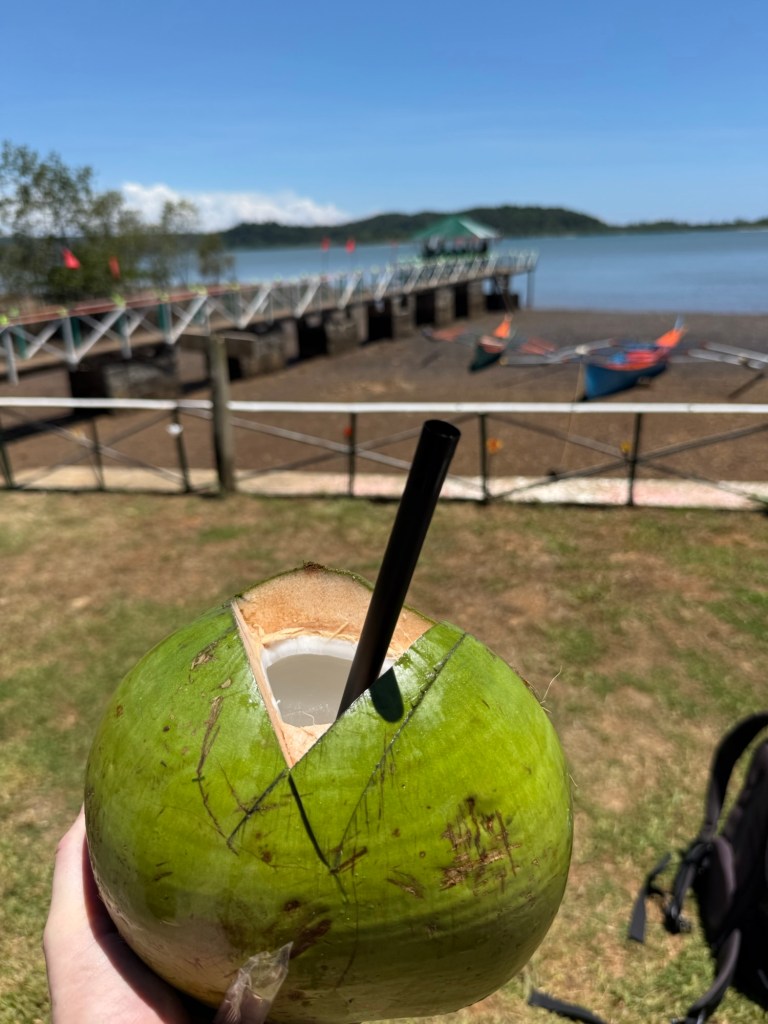
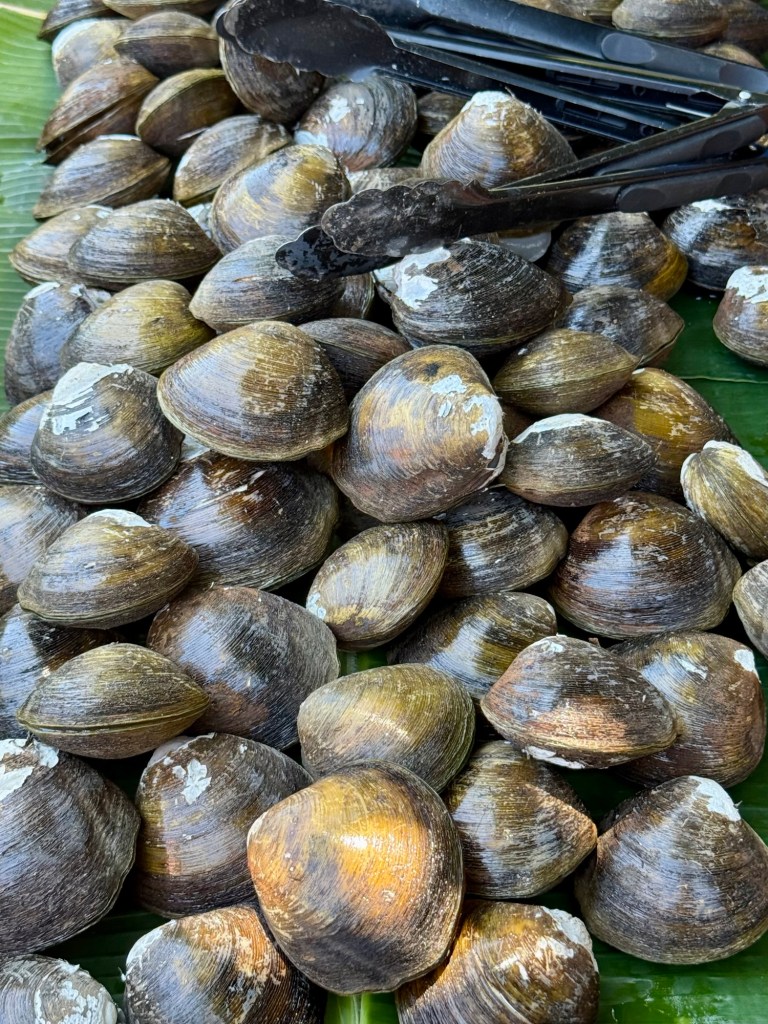

Back out to the ship for a relaxed afternoon at sea and a lecture on sea birds of the area as we continued on south.