August 2026
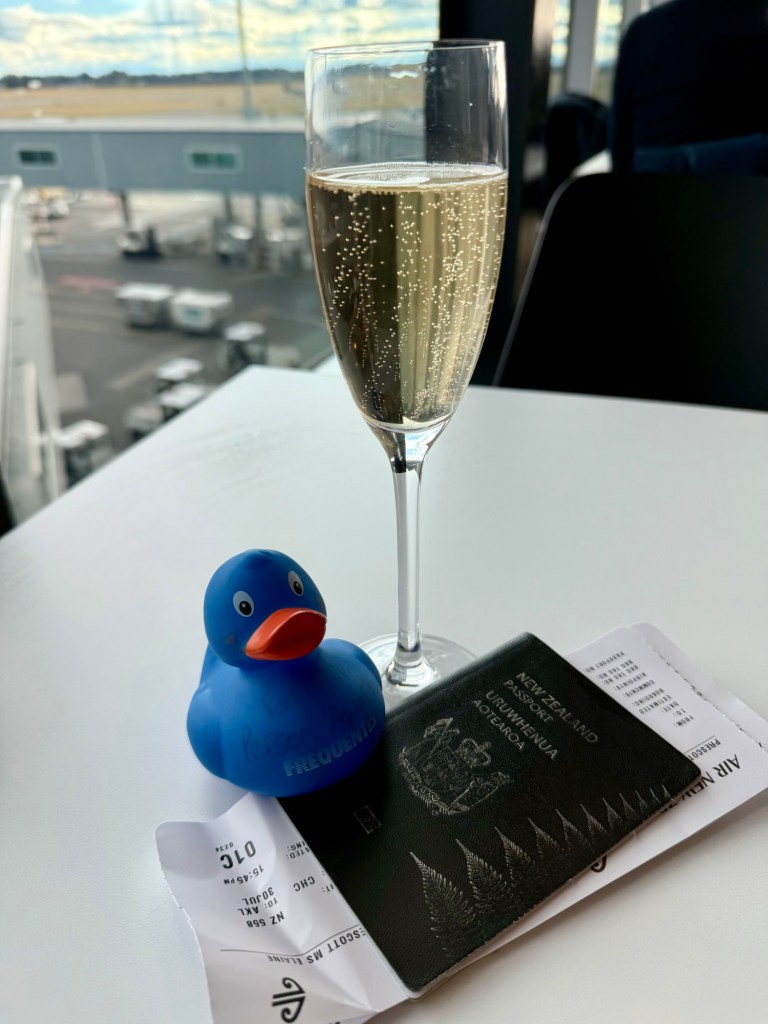
The only way I know to get over post-holiday blues is to either book another holiday or go on another holiday. Naturally, I did both. And so, in what I freely admit was a somewhat extravagant decision, I headed to New York City for a few days.
I know. Who goes all the way to NYC for a few days? Apparently, me!
But I had two very good reasons (in my mind anyway): I had booked tickets to see a couple of shows, and I had been dreaming about Liberty Bagels ever since my last visit in December. Sadly, one of those show plans didn’t quite work out. I had been yearning to see Chess again, but that was cancelled. Still, there were plenty of other things to look forward to.
The 16-hour flight went smoothly, and I was pleasantly surprised by how quiet arrivals at JFK airport were. I don’t think I’ve ever got through an American airport quite so quickly — I was out and on my way within about 30 minutes of getting off the plane.
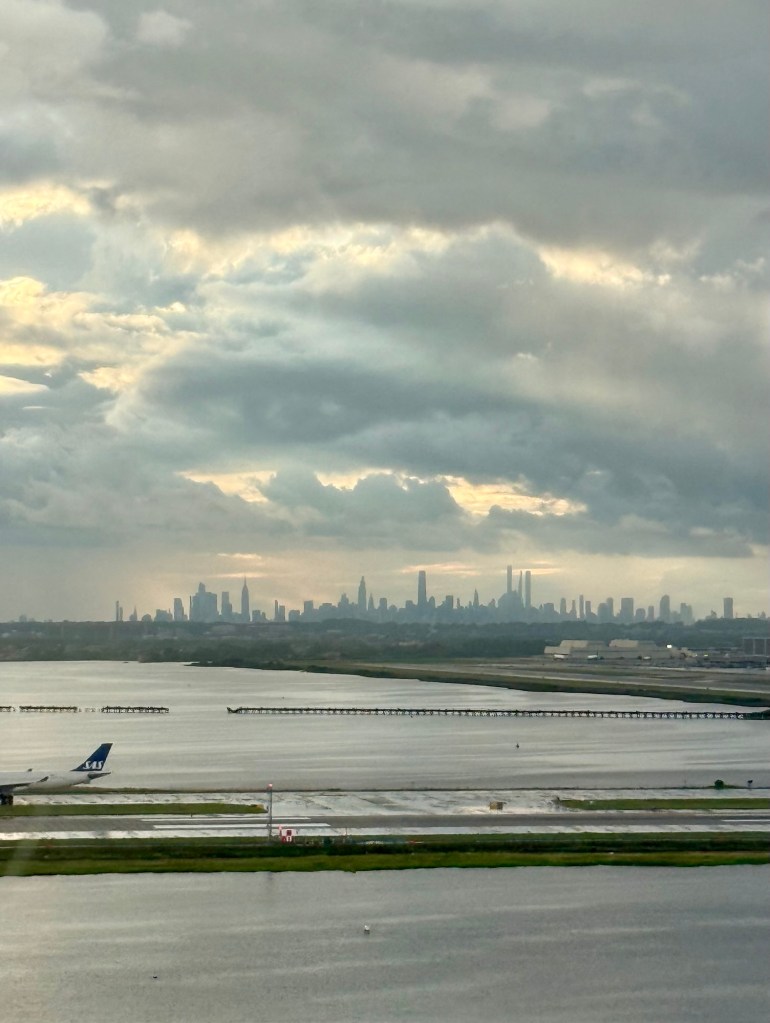
I caught the train into the city, although here’s a tip: buy your ticket before you get on. I had no time because I had to run for the train, so I jumped on and sorted the ticket afterwards. This resulted in an $8 surcharge. An $8 surcharge when the actual fare was less than $6. I mean… cheeky.
Once in Manhattan, it was an easy walk to the hotel and, as always, I had that immediate feeling of I love this city. A good night’s sleep followed, which was exactly what I needed.
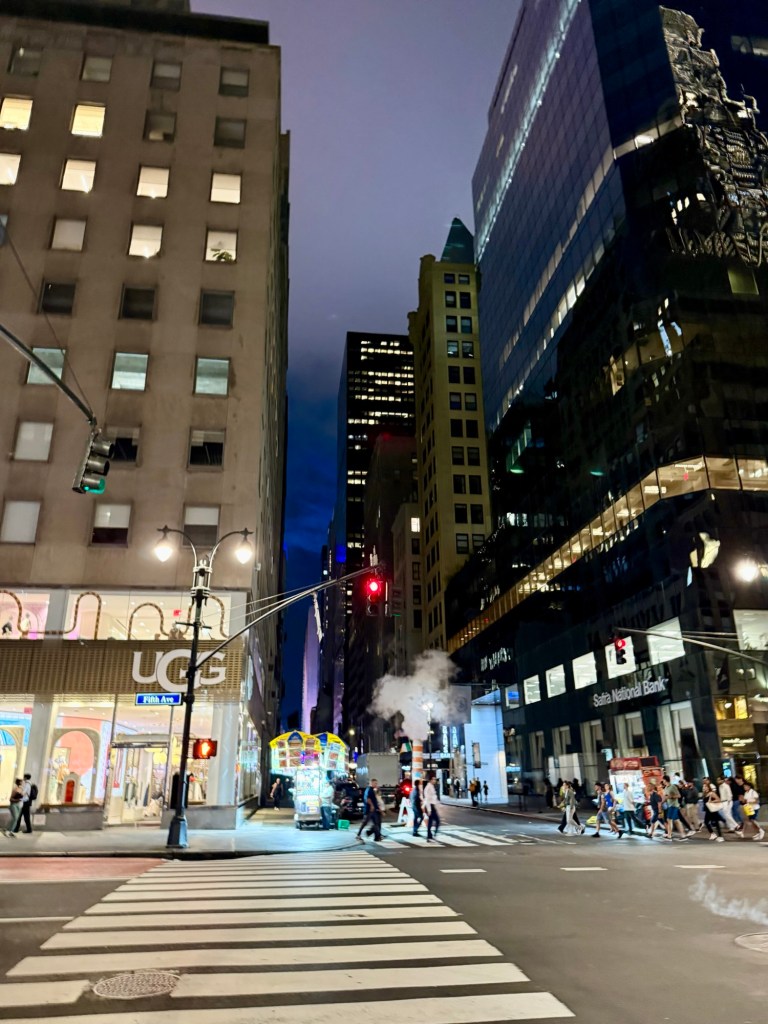
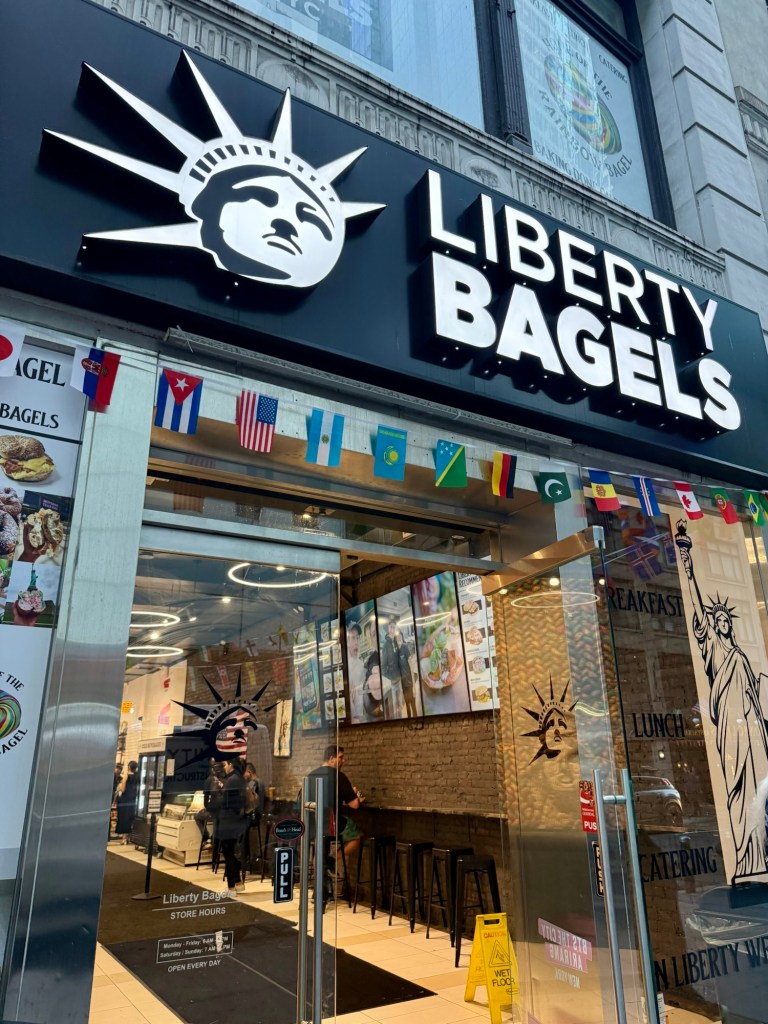
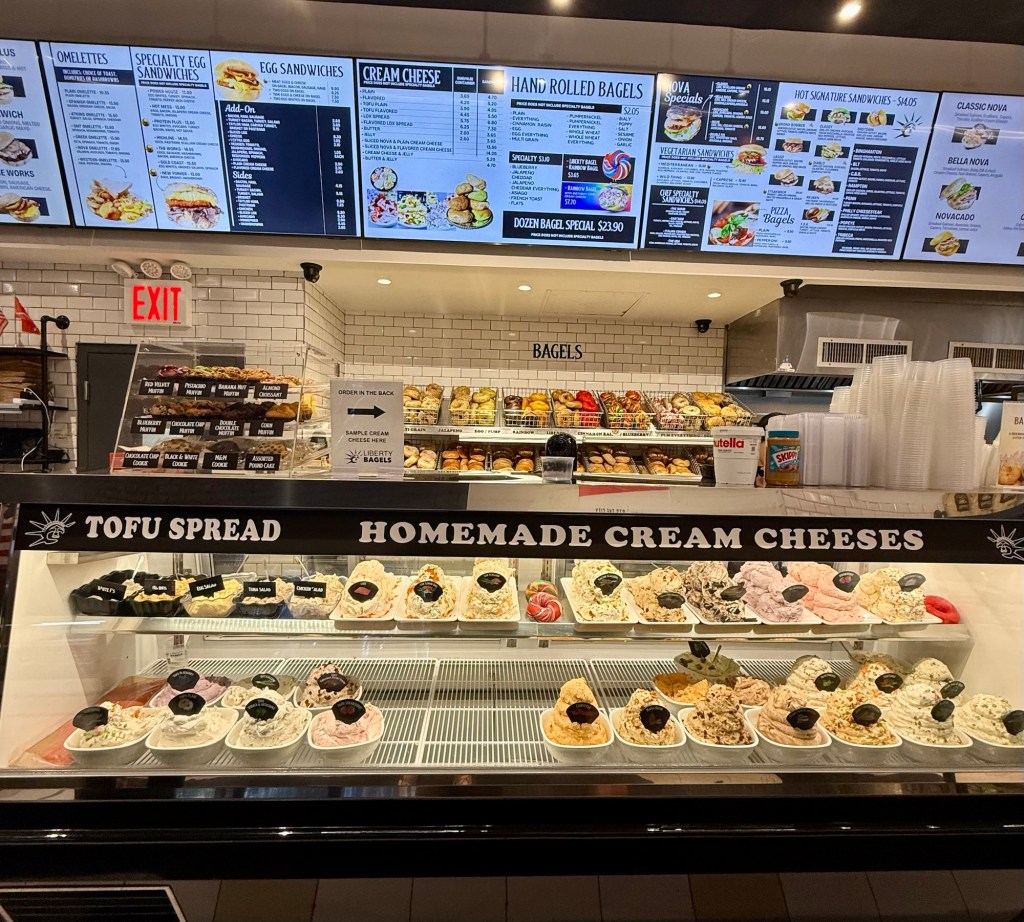
And then, first things first… Liberty Bagels! I had discovered a new Liberty Bagels location, closer to my hotel and unlike the original, which has that wonderful old-school, hole-in-the-wall bagel-shop feel, this one was big, clean and rather fancy.
But the important thing was the bagel. I had been dreaming about these since I left New York in December, and thankfully they did not disappoint. Worth the trip? Absolutely.
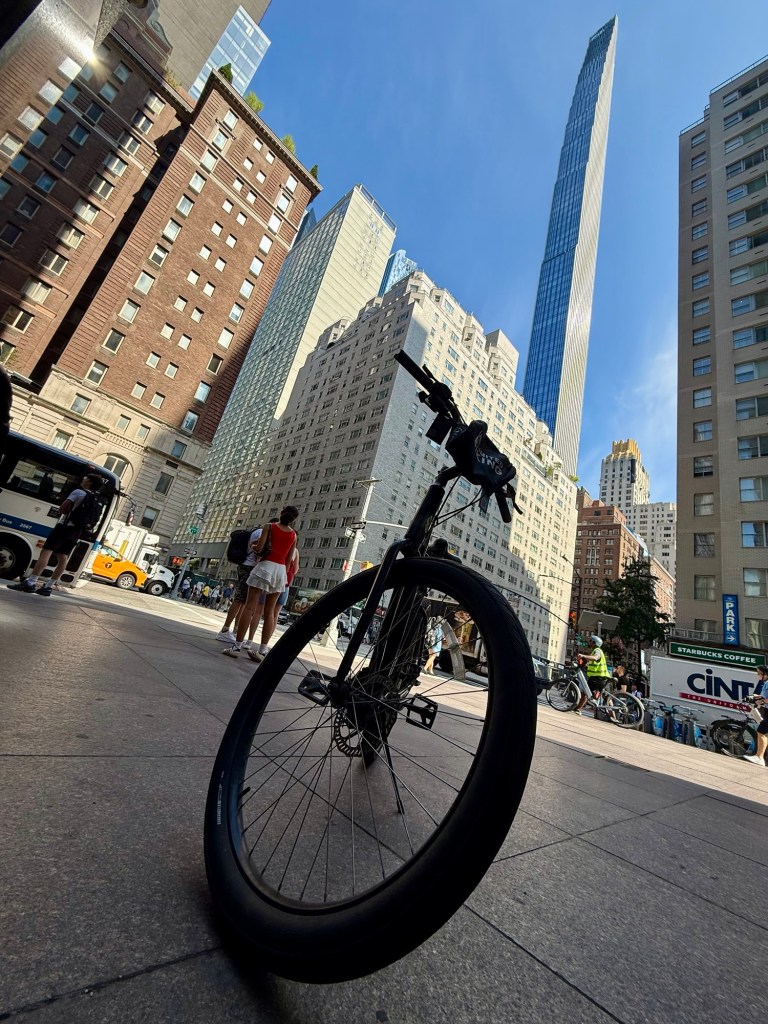
Next up was a 10am bike tour of Central Park. We were told to check in 15 minutes before the start, so naturally I did exactly that… and then stood around wondering why we were waiting for people who were late!
Our guide was an estate agent (the bike tours were just a little fun side hustle for him), which became increasingly obvious as the tour went on. Along with the history of Central Park, we got plenty of information about the surrounding buildings, what famous people lived where, and naturally, what the apartments cost.
Central Park dates back to the 1853 and was one of the first major public landscape parks in the United States. It’s enormous, over 840 acres, and apparently attracts around 42 million visitors a year.
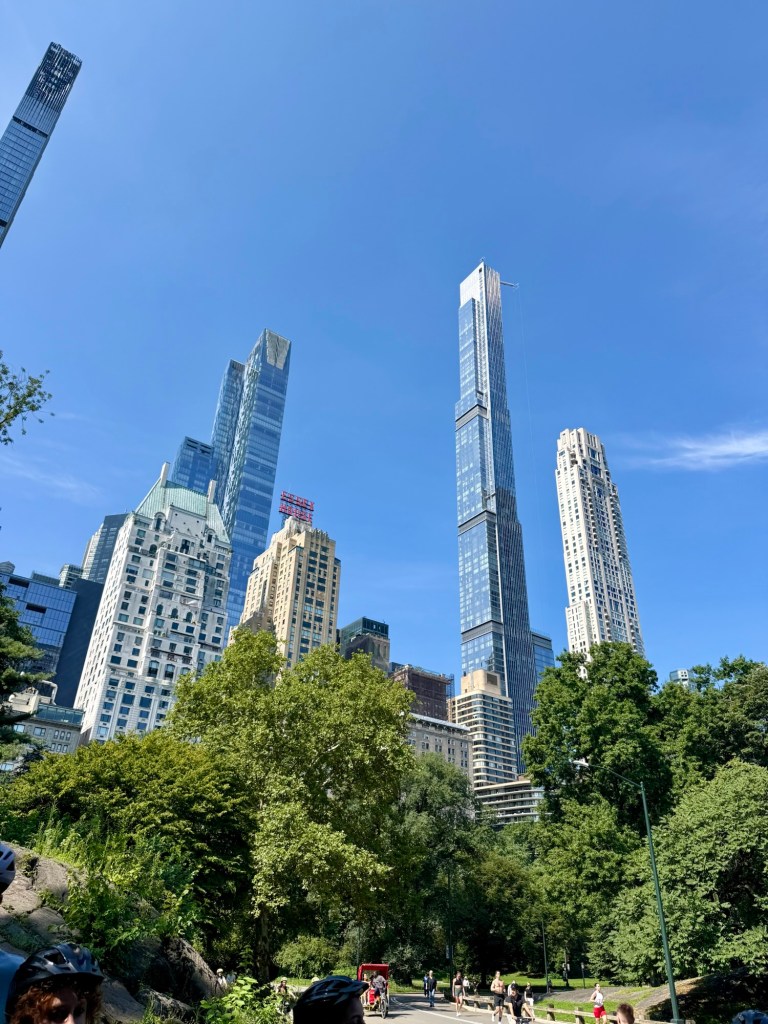
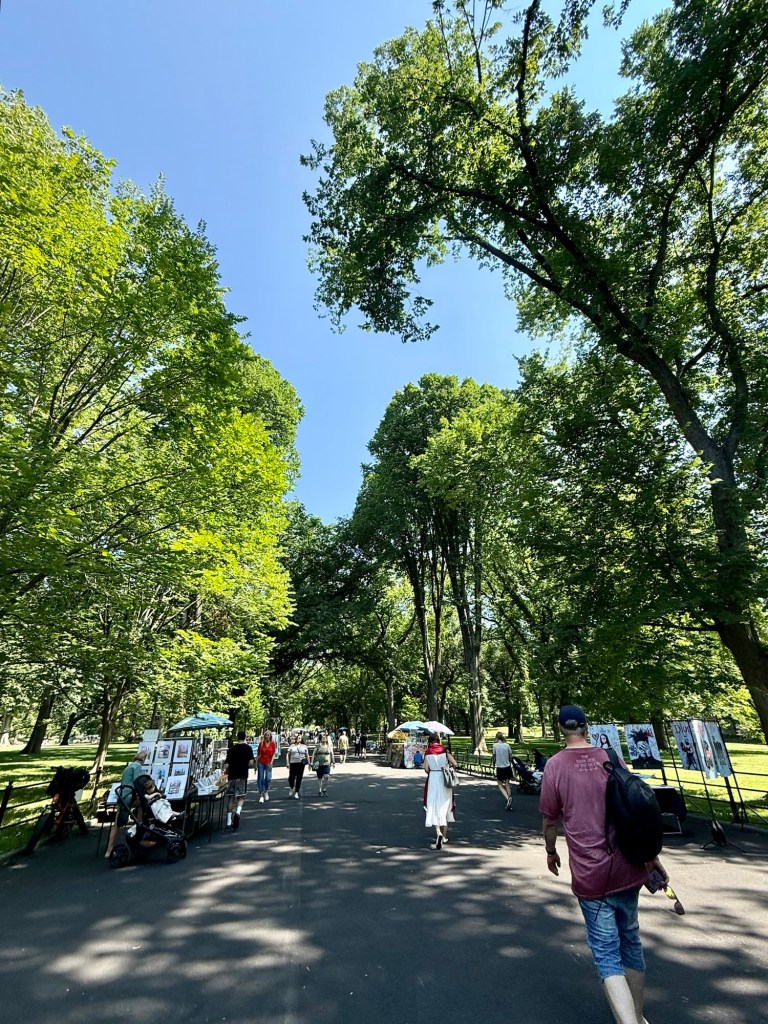
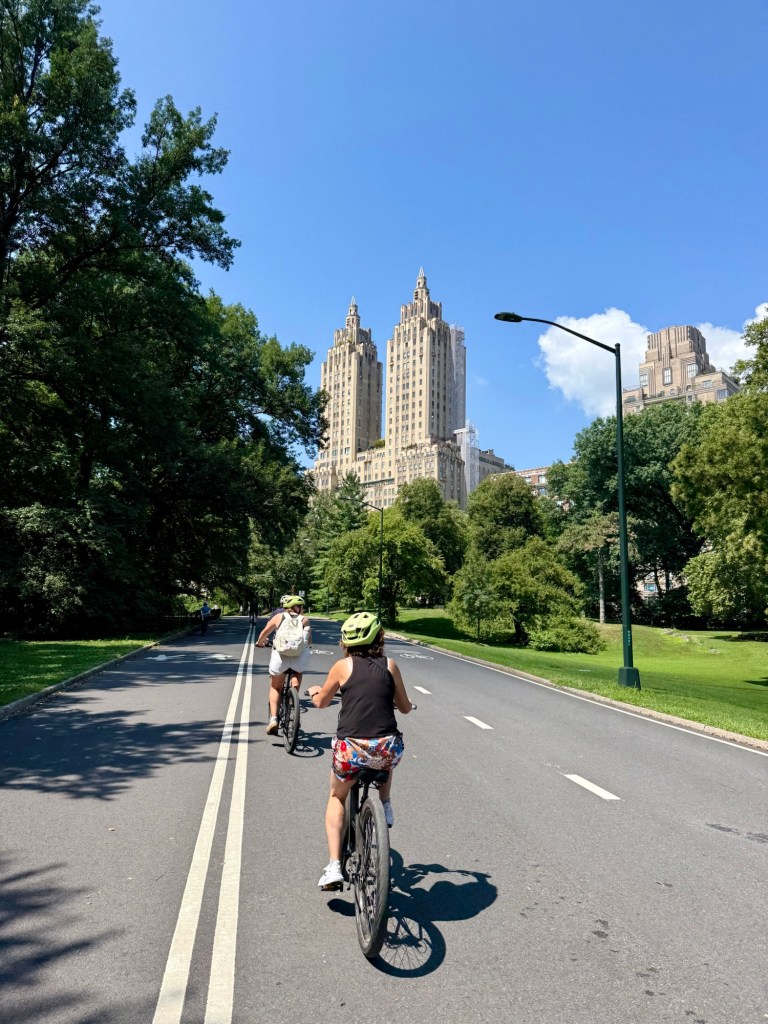
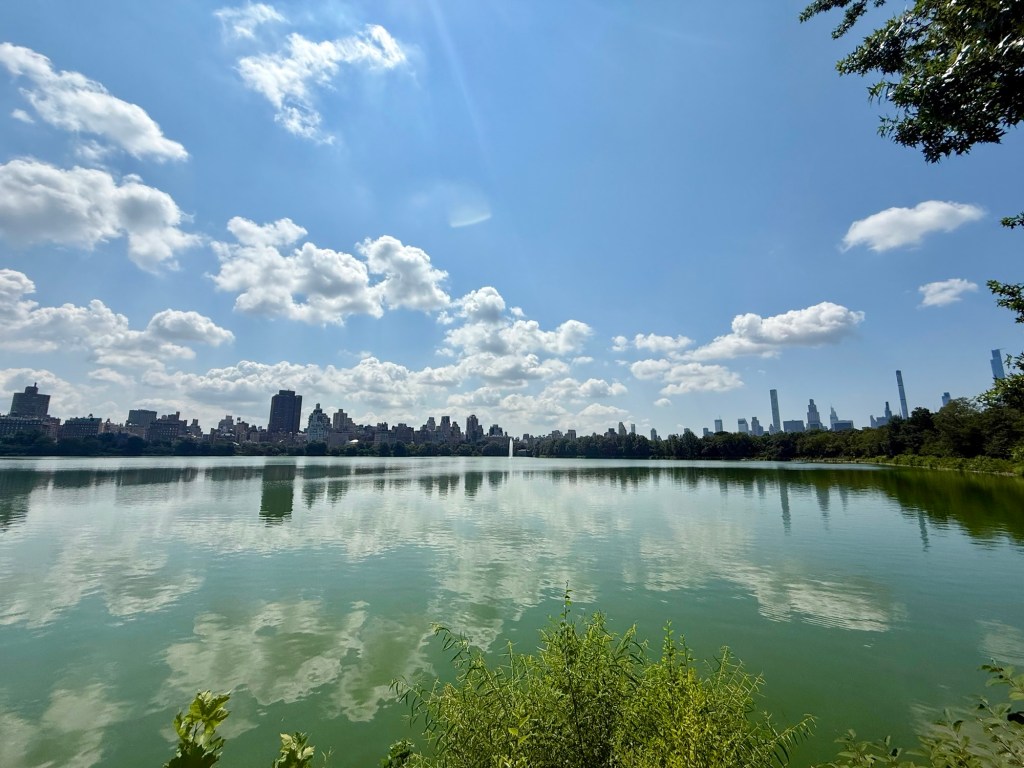
We cycled past Bethesda Fountain and Bridge, the boat pond, Cleopatra’s Needle and the Jackie Onassis Reservoir, with its beautiful views across the park.
There were plenty of film and TV references too. Central Park is one of the most filmed locations in the world, so it was fun recognising places I’d seen on screen.
We also passed the Dakota building, which was once the northernmost building in Manhattan. John Lennon lived there and was tragically killed outside the building in 1980. Nearby is Strawberry Fields, the small memorial dedicated to Lennon. Someone is almost always there singing his songs but unfortunately, we were running late so did not have time to take in the atmosphere.
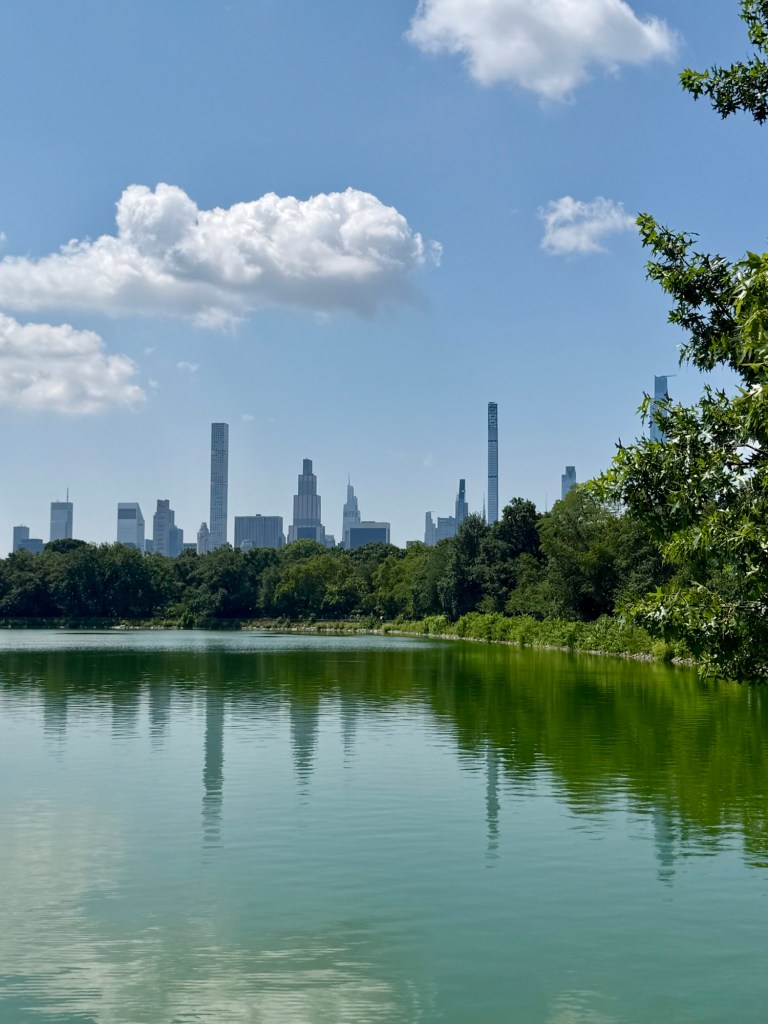
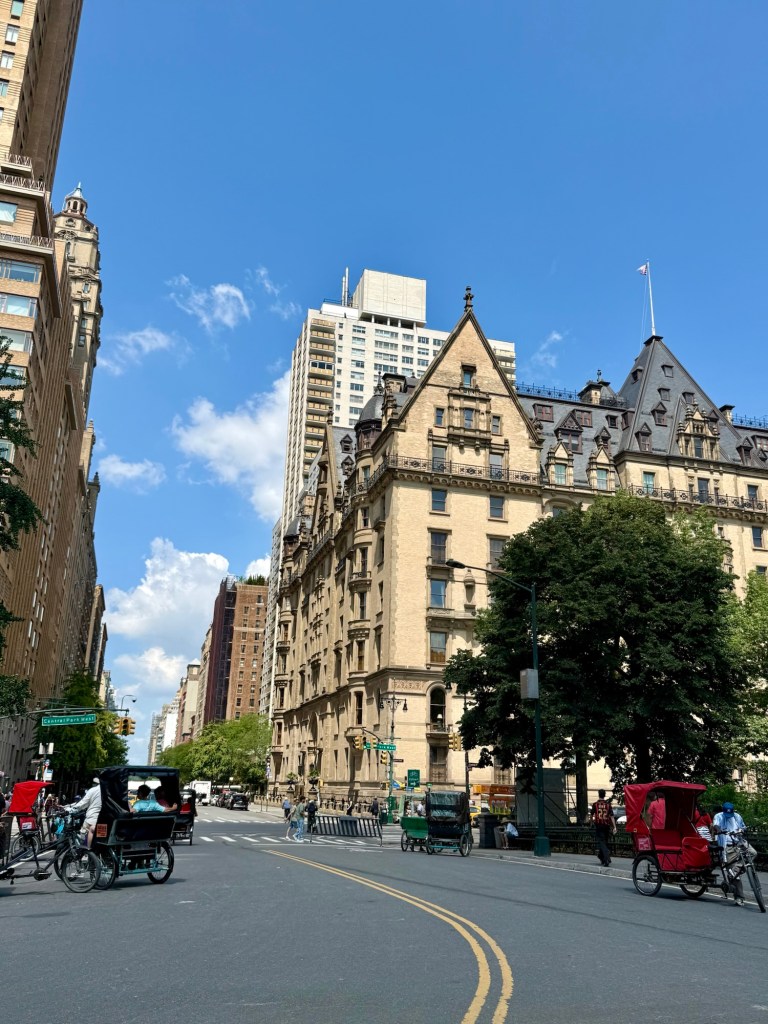
The bike ride itself was good, although it was a little slow and involved rather a lot of waiting. One member of the group was 10 and had only recently learned to ride a bike, which perhaps wasn’t ideal for a group sightseeing tour. Still, Central Park is Central Park, and it’s a lovely way to see it.
After the bike tour I wandered around the shops, but I didn’t buy nearly as much as I thought I would. Except at Hershey’s, obviously.
After a few hours of relaxing, it was time for the first show of the trip: Schmigadoon. The show had won the Tony this year, and the audience was clearly very happy to be there. It was ridiculous and wonderful, and the sold-out crowd spent much of the evening hooting, hollering and generally having a fantastic time. It was so much fun — and a brilliant way to start my NYC theatre marathon.
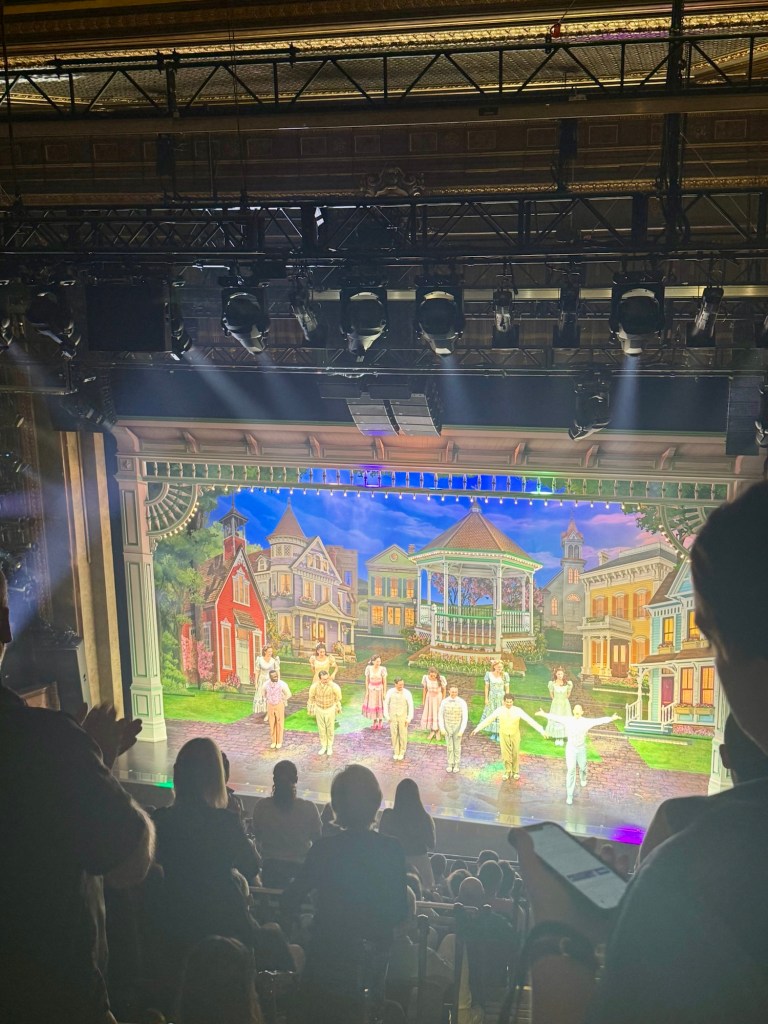
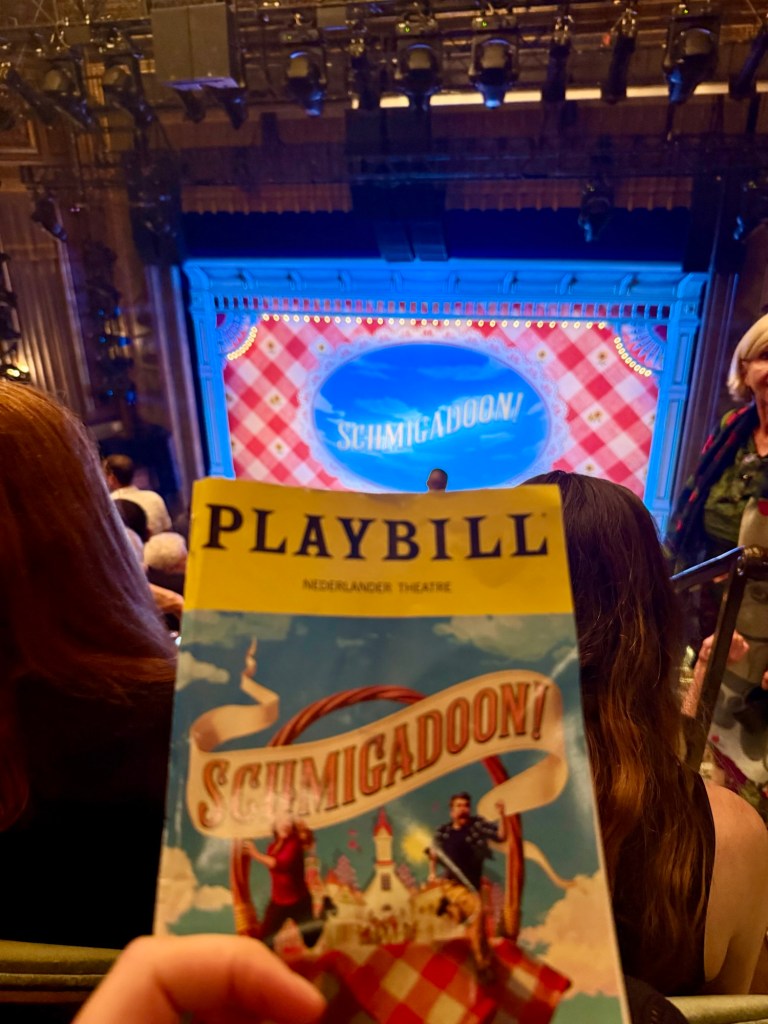
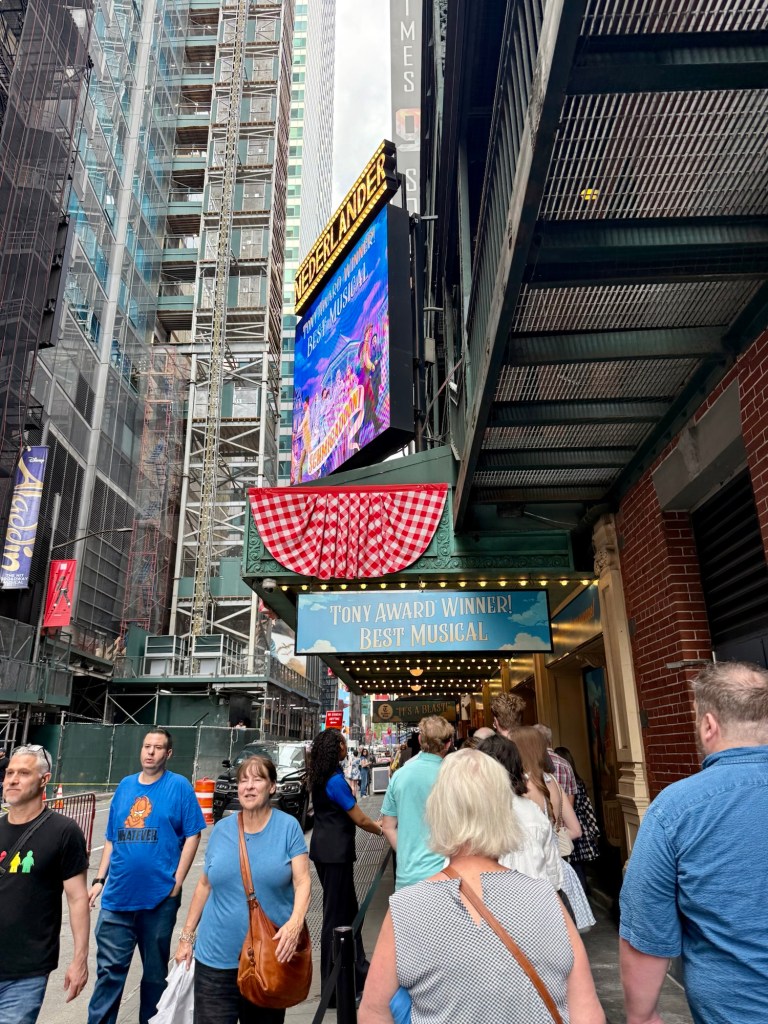
I even managed to resist buying a NZ$45 cocktail. Those who remember the NZ$60 cocktail debacle from my previous New York trip will understand what an achievement this was.
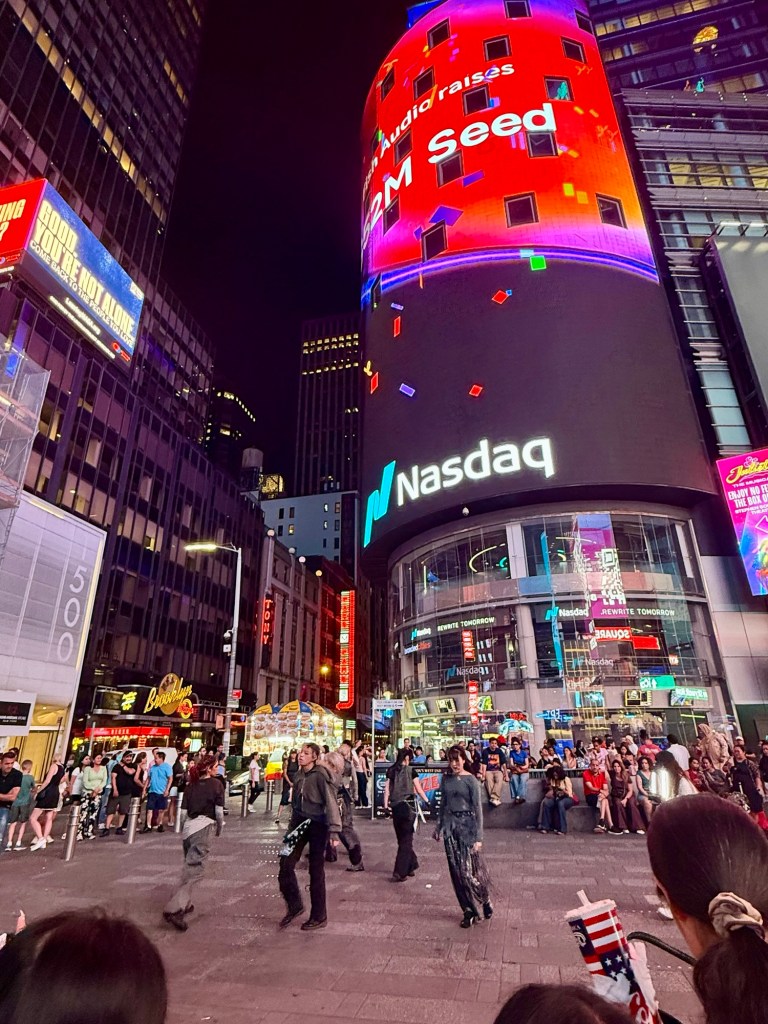
After the show, I walked back to my hotel through the crazy buzz of Times Square. New York at night never disappoints.
The next day I headed out to meet my nephew as he arrived by bus from Rhode Island. We then took the subway downtown to the ferry terminal and hopped on the Staten Island Ferry.
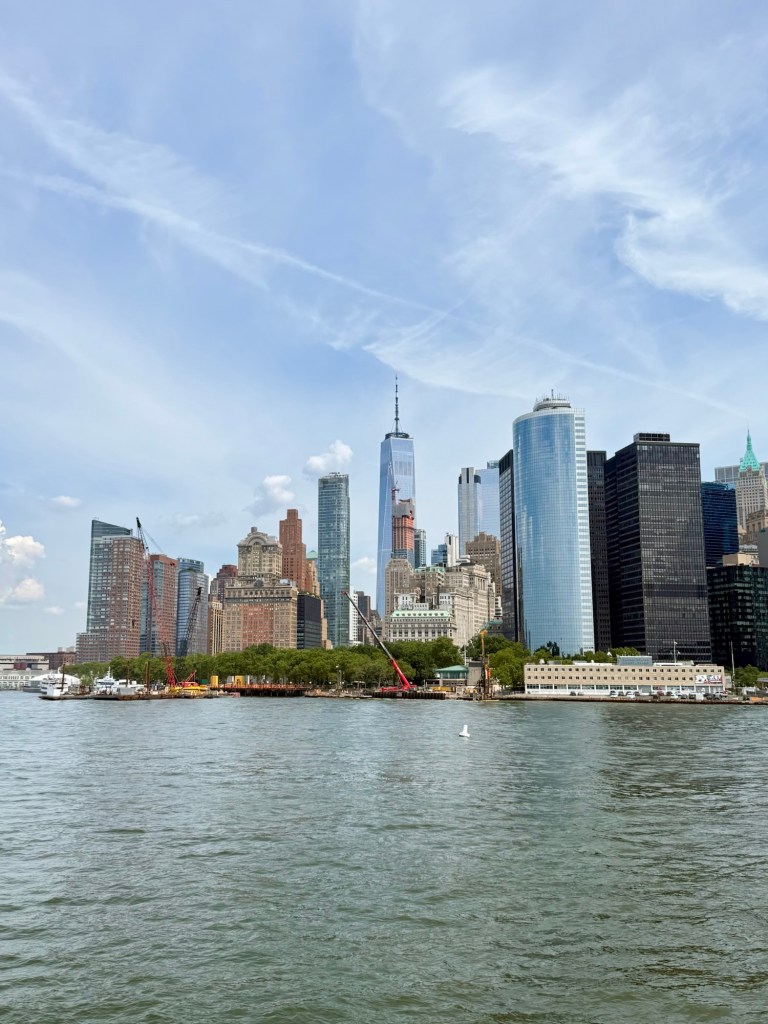
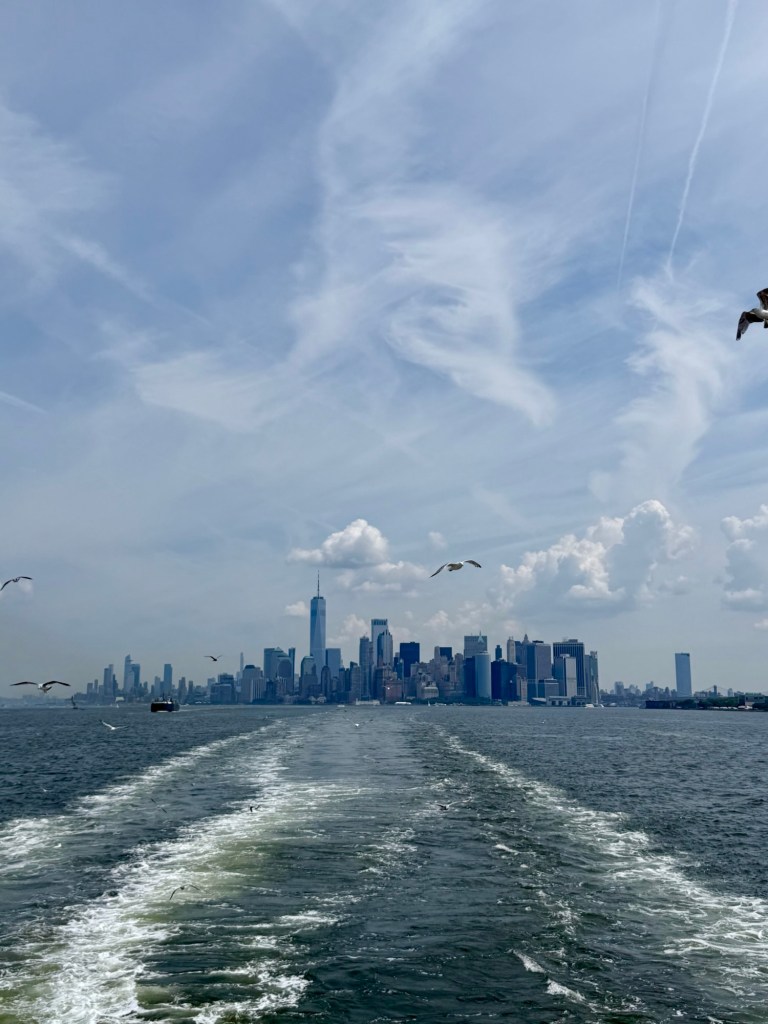
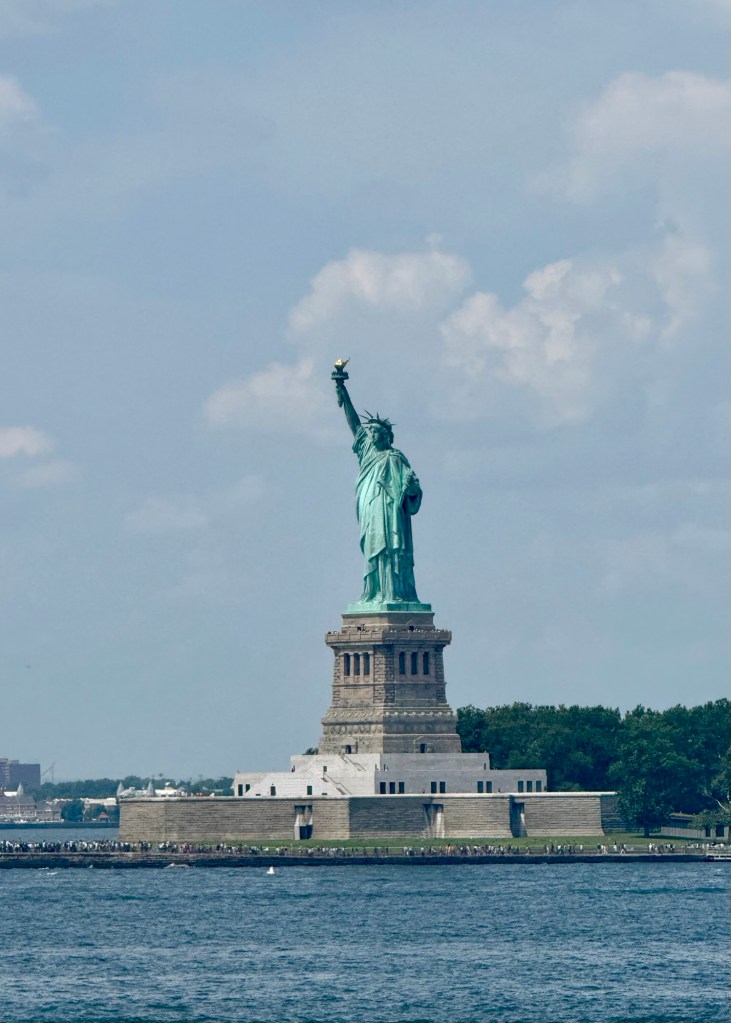
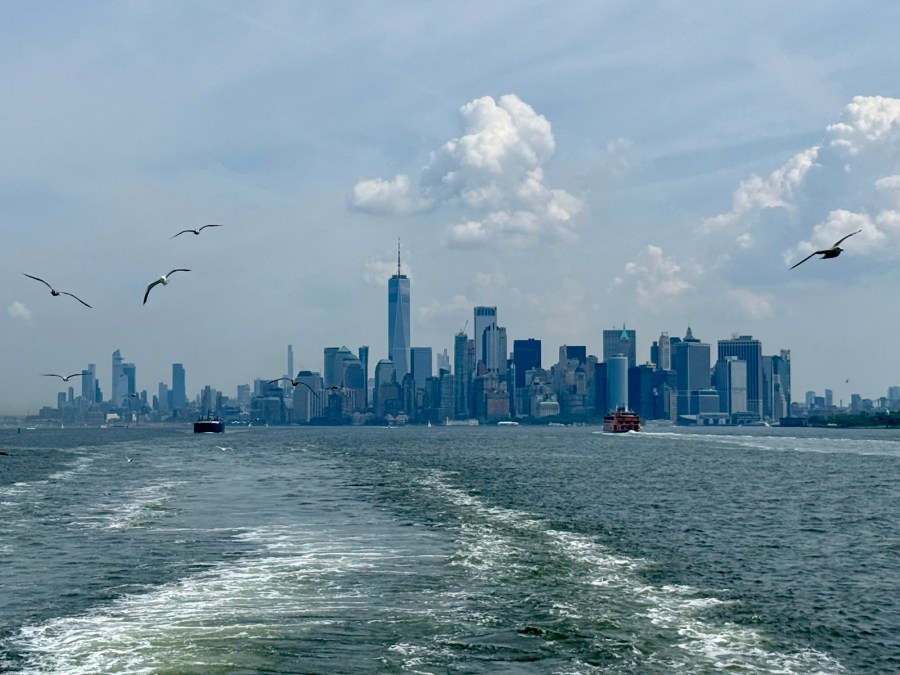
If you’ve never done it, this is one of the best free things to do in New York. You get fantastic views of the Manhattan skyline and the Statue of Liberty without paying for a sightseeing cruise. There seemed to a lot of people waiting when we arrived, and we were concerned that we may not get on the boat, that was until we looked them up, and found out that most of the ferries can take over 4,500 people! We were definitely going to get on lol.
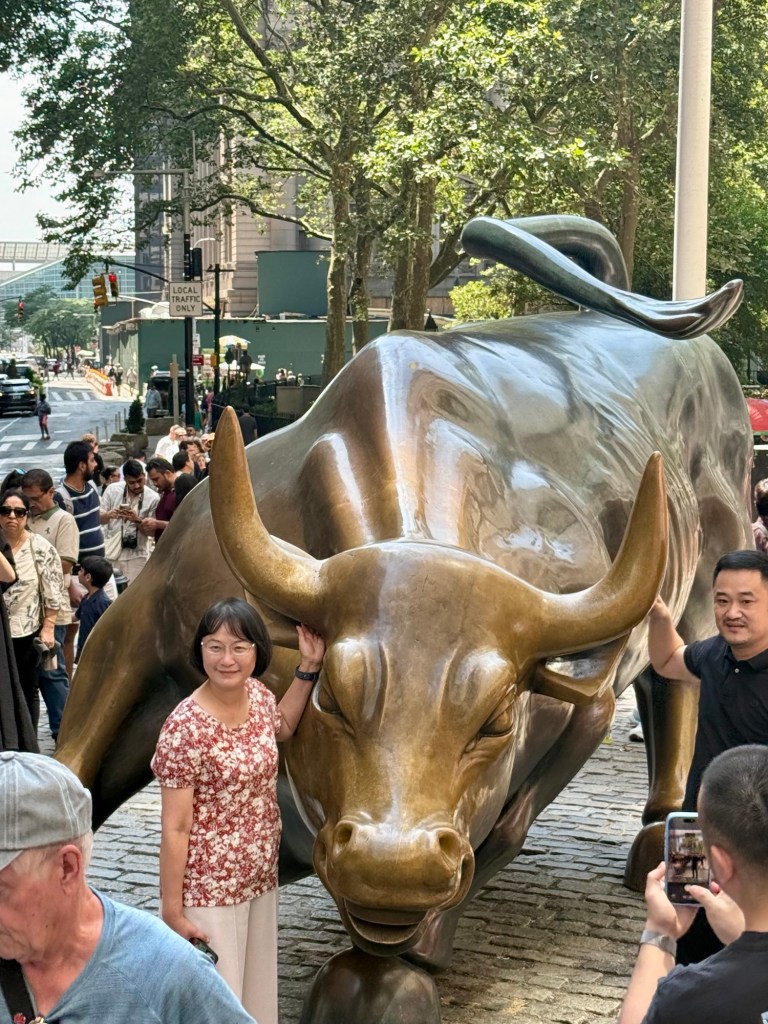
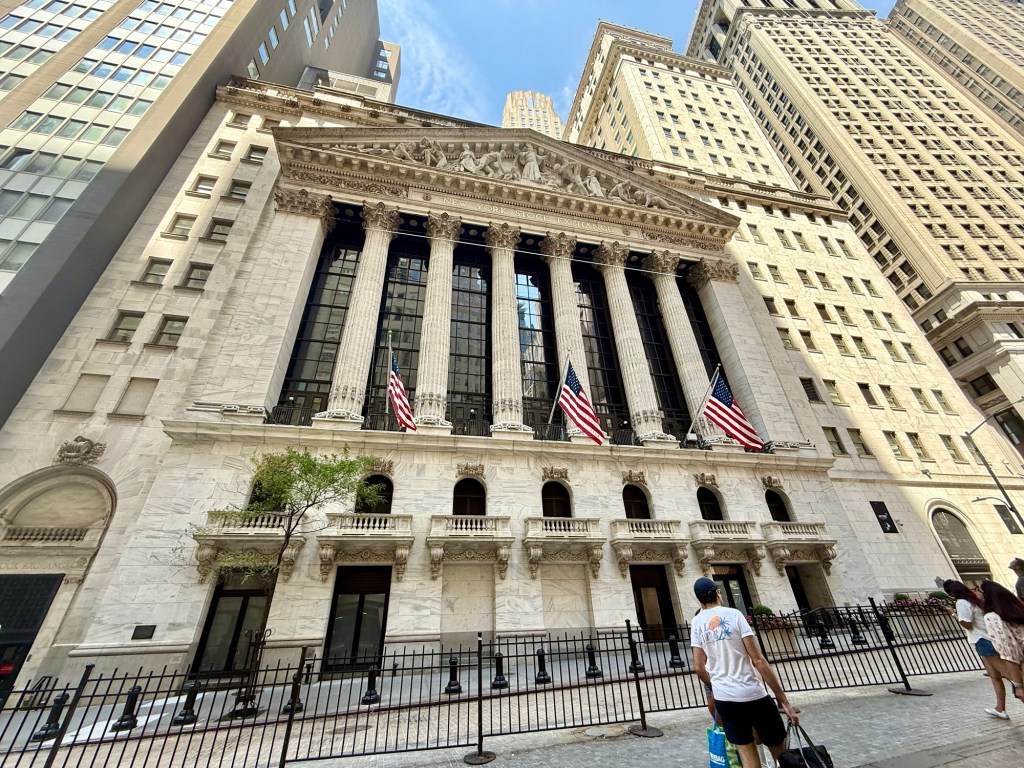
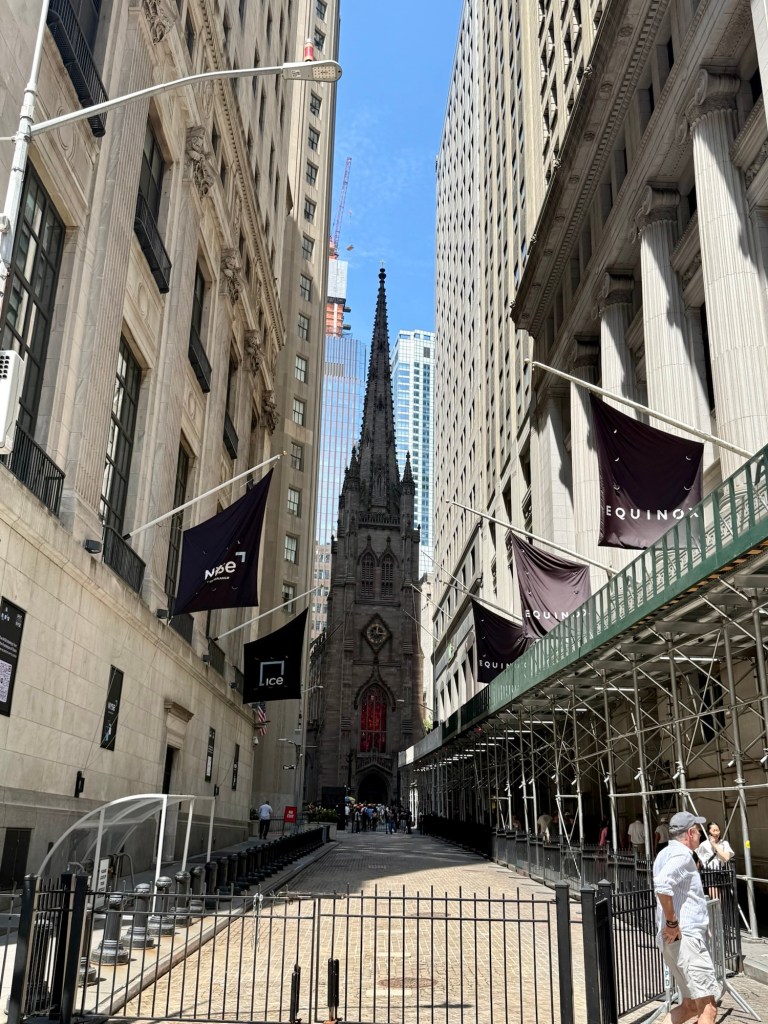
Back on Manhattan, we wandered around the Financial District, taking in the Charging Bull and the New York Stock Exchange. I also made up for my disappointing shopping performance the previous day with a visit to the Gap Factory store.
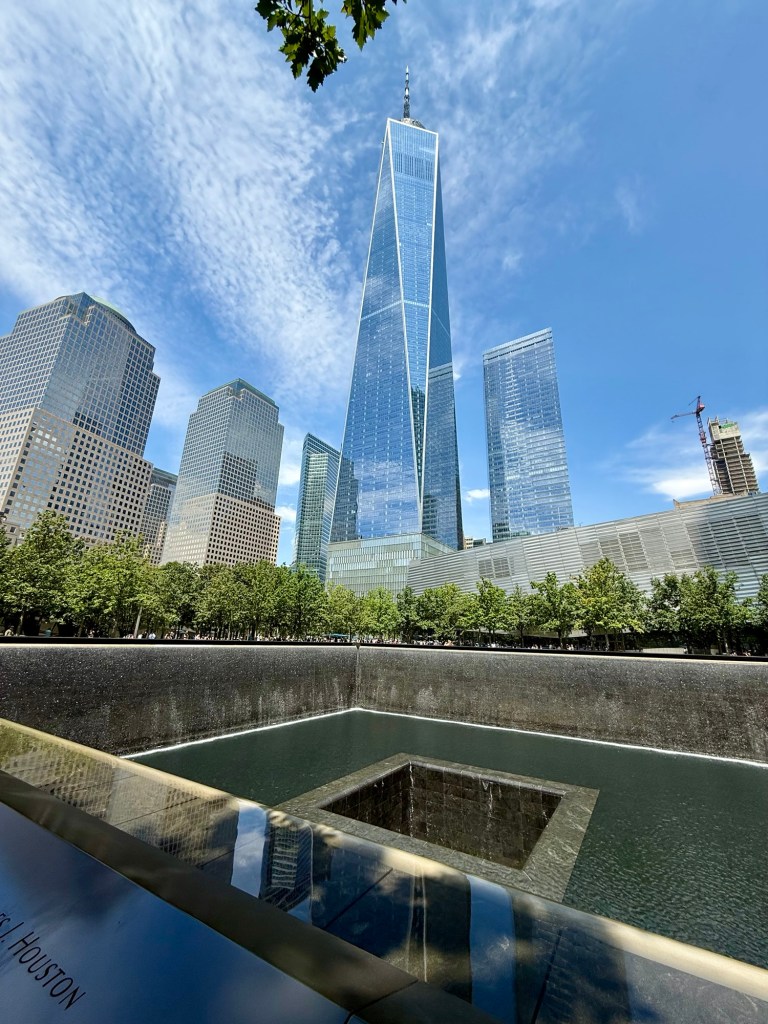
Next was the World Trade Center Memorial. I had seen it before when I visited in December, but on my last visit the water had been switched off because it was so cold. Seeing the fountains running this time made a surprising difference.
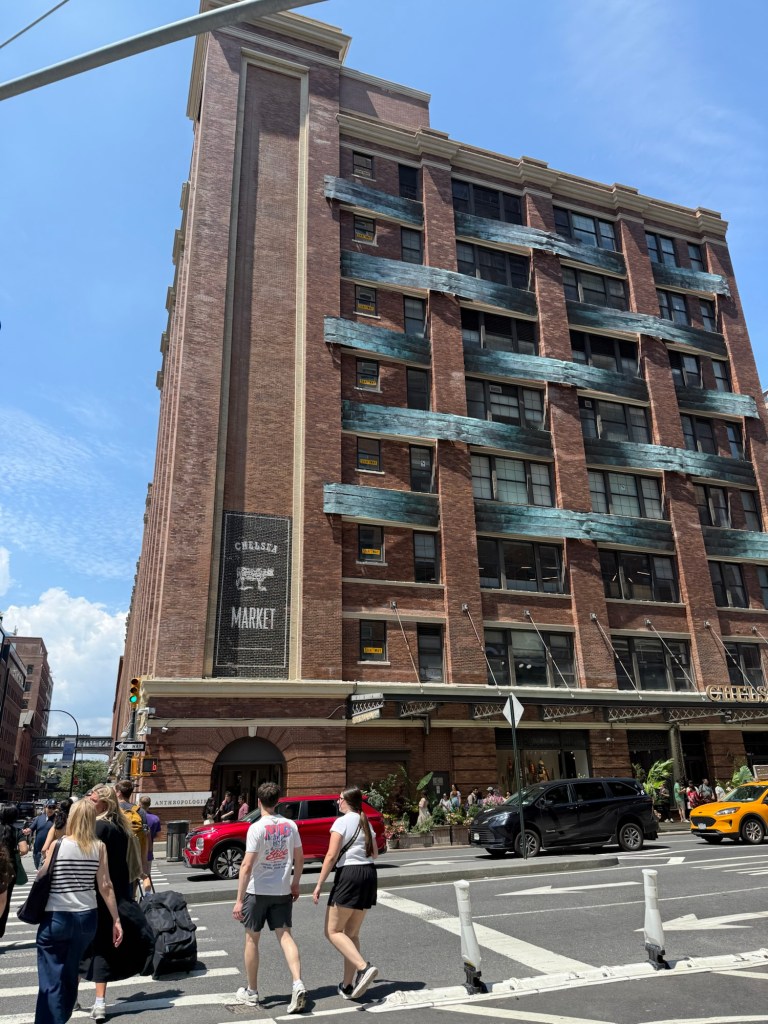
From there we headed to Chelsea Market for lunch. It reminded me of our little local Riverside Market, but on steroids. It was huge and there were sooo many people. Thankfully it was air conditioned, and we enjoyed the much-needed escape from the heat outside.
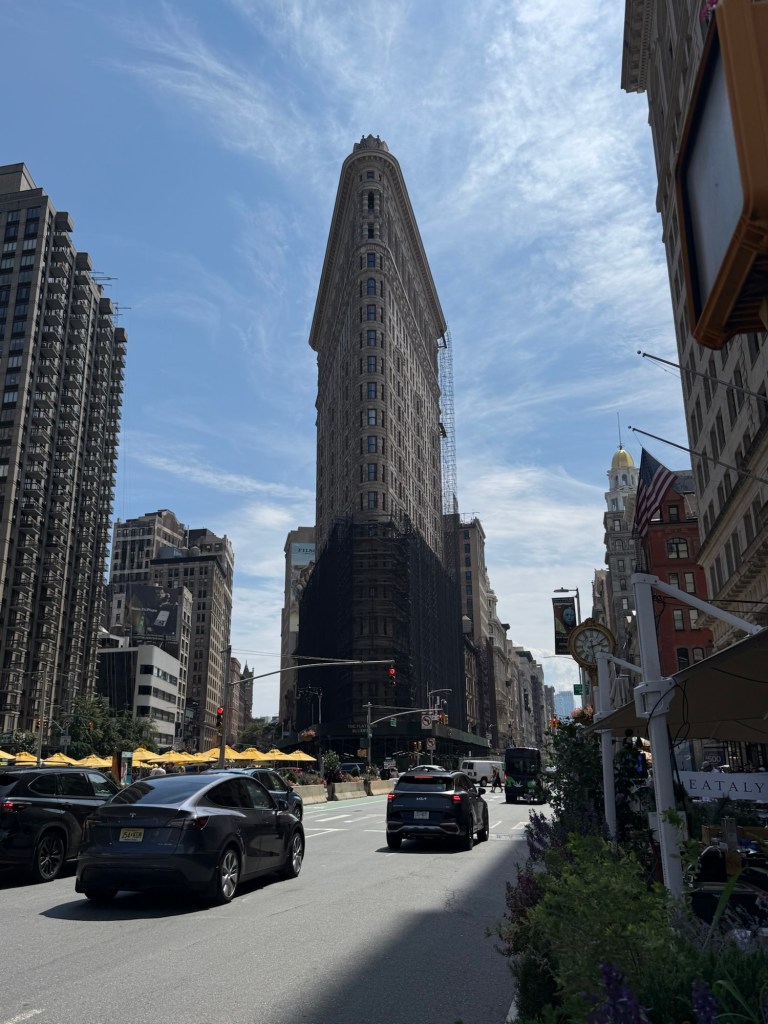
We decided to walk to our next destination — the Flatiron Building — which took us through some beautiful streets lined with trees and brownstones and then we headed back uptown towards Rockefeller Center and stopped for a drink in the area that becomes the famous ice rink in winter. It was delicious, but also so expensive – some things in New York never change.
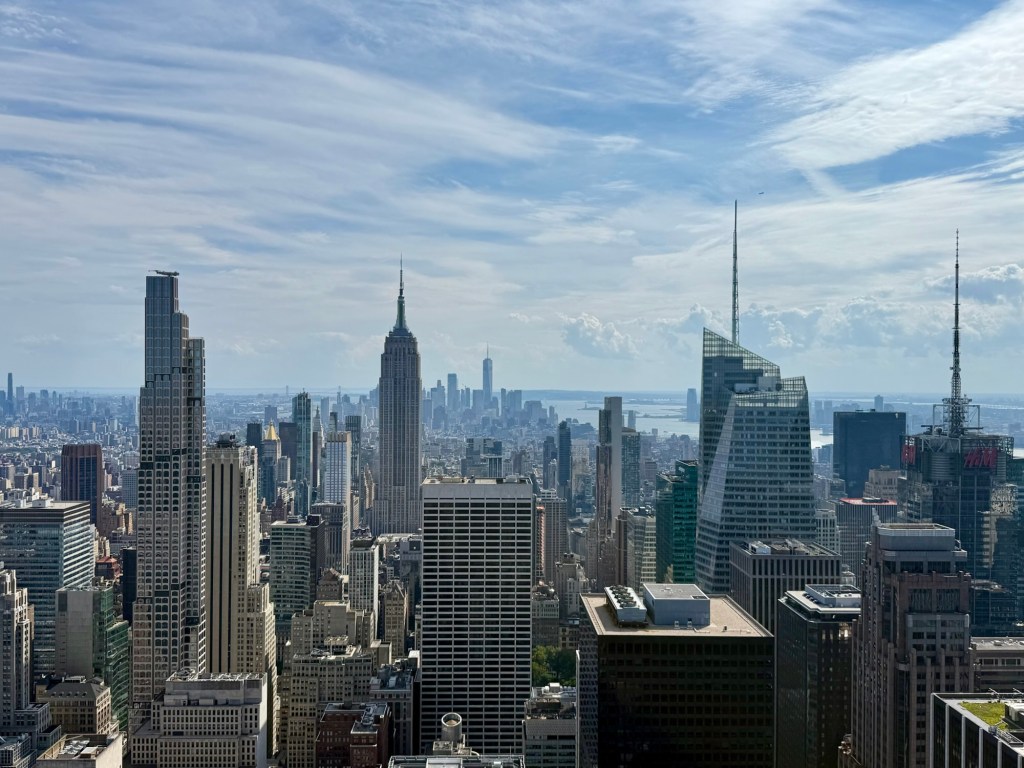
Then it was time to head to the Top of the Rock. The views from here are fantastic — the kind of panoramic New York views that make you stop and remember just how enormous this city is.
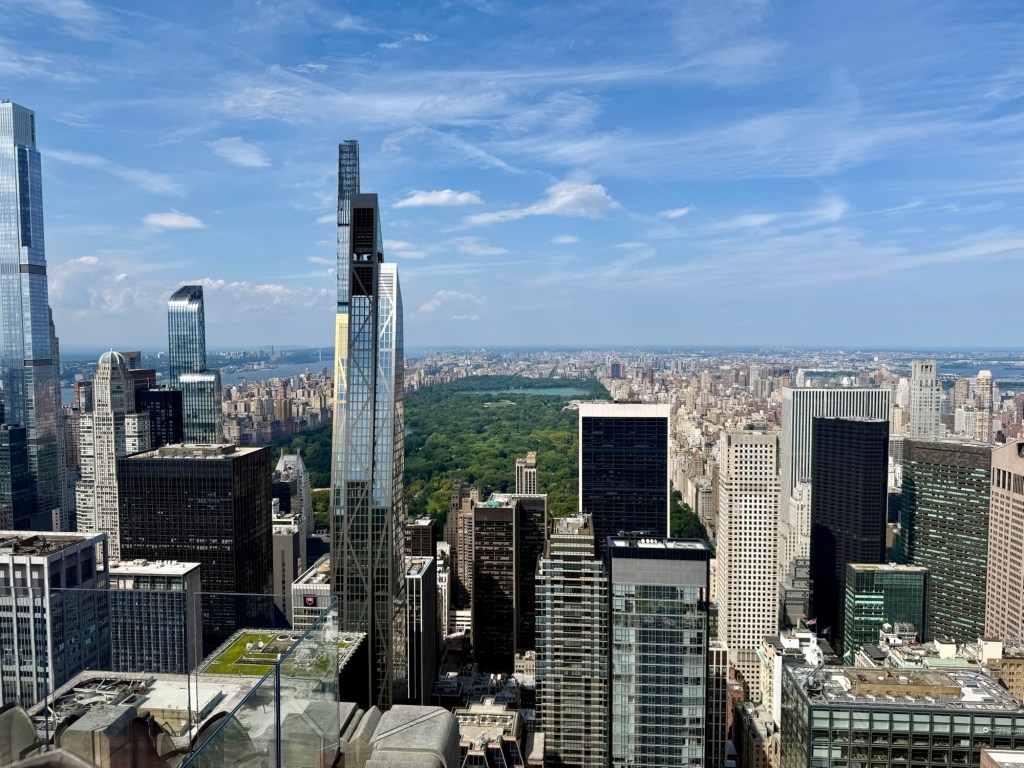
After looking around a few more shops, we slowly made our way back towards Times Square, where it was time to say goodbye as my nephew was on his way back to Rhode Island and I had just enough time to shower and change before the next show.
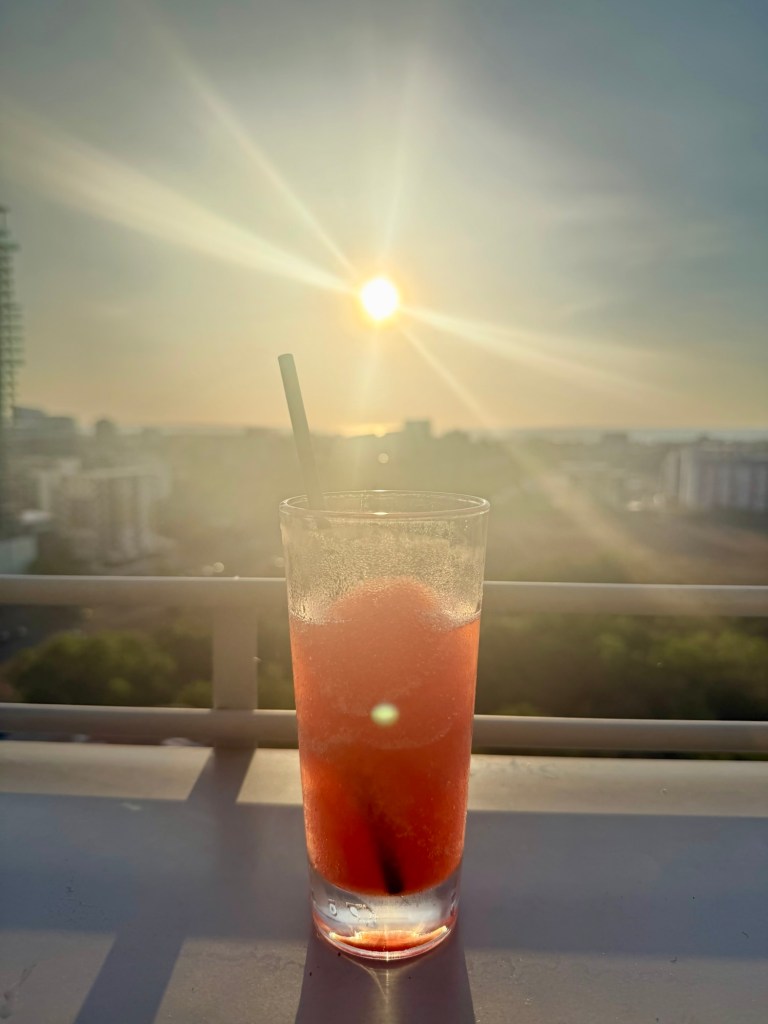
That night’s show was Titanique. It was another silly, amusing show and again the New York crowds whooped and cheered throughout the show. Another great night and I did I mention I had a great night time view from my hotel?
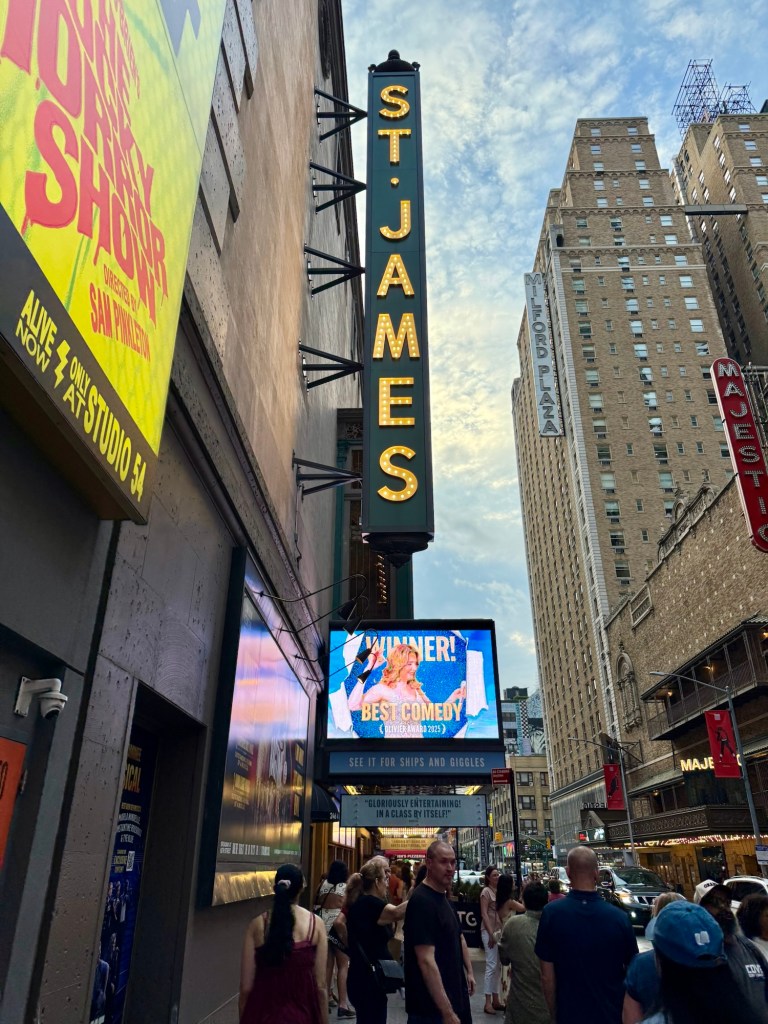
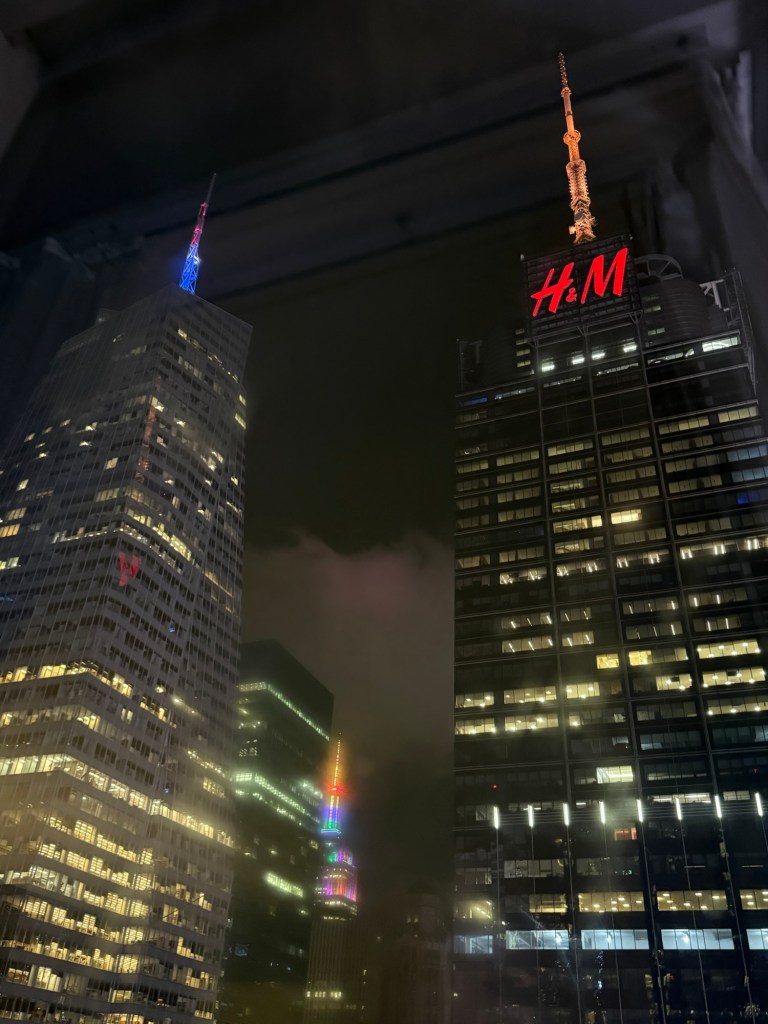
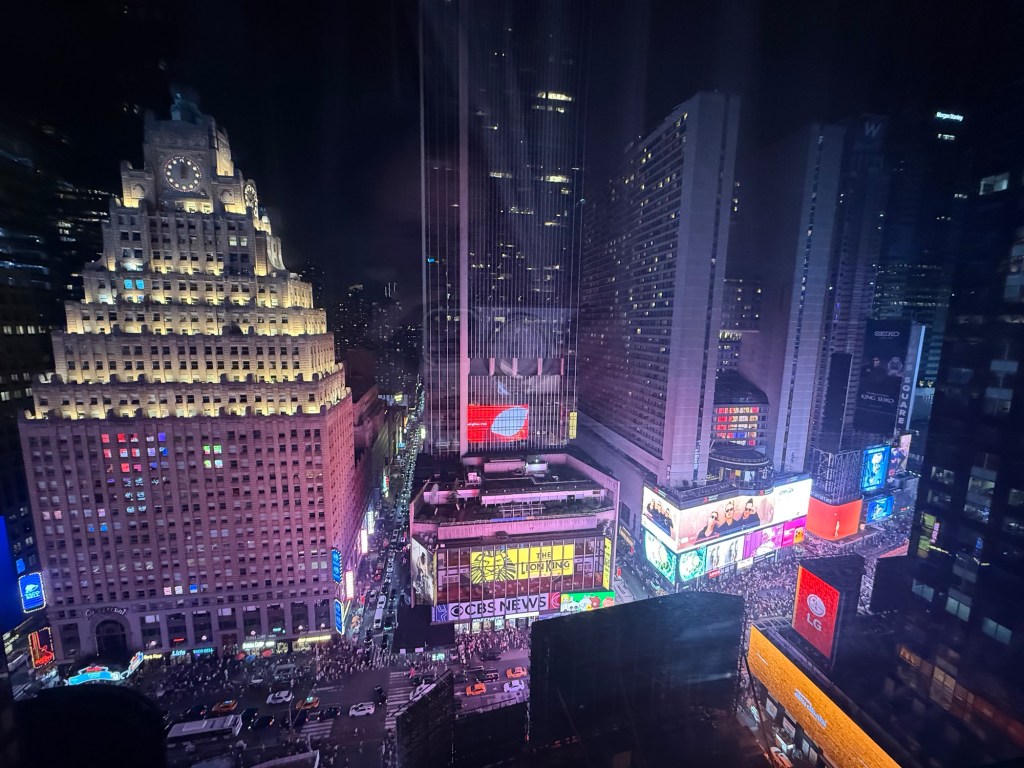
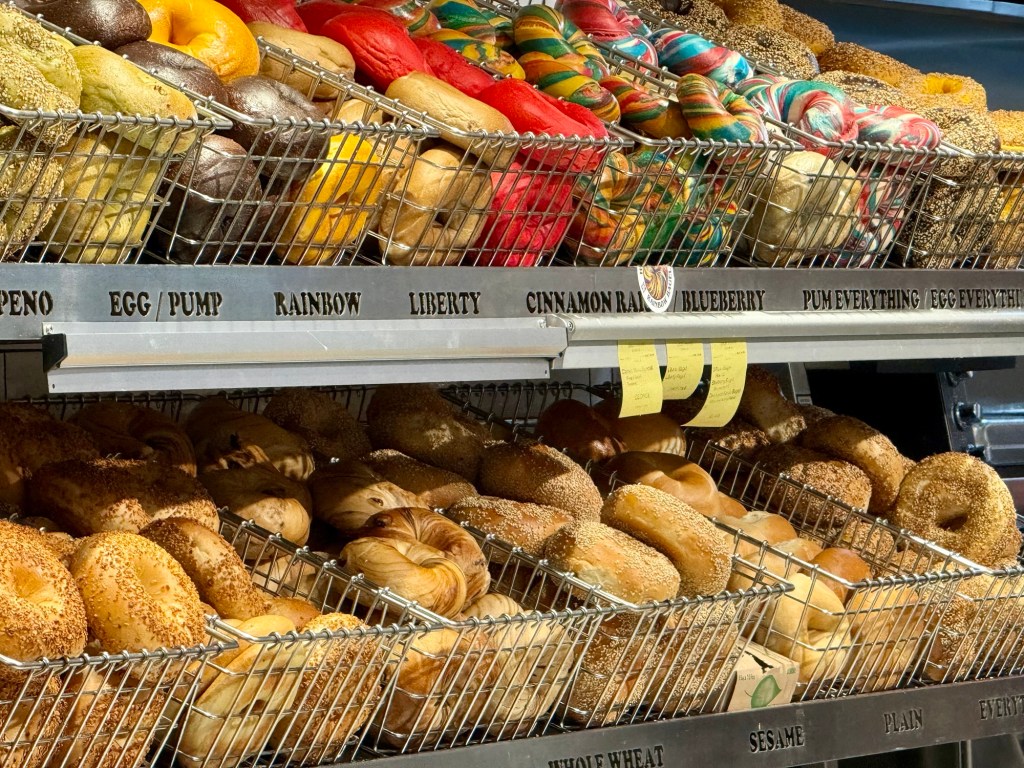
Sunday morning began with another bagel run, possibly too successful as they gave me 5, rather than the 3 I had ordered. Although I would never complain about too many bagels, it did mean every meal for the rest of my trip had to be a bagel lol. (And yes, there are really that many different bagel options and almost as many cream cheese options!)
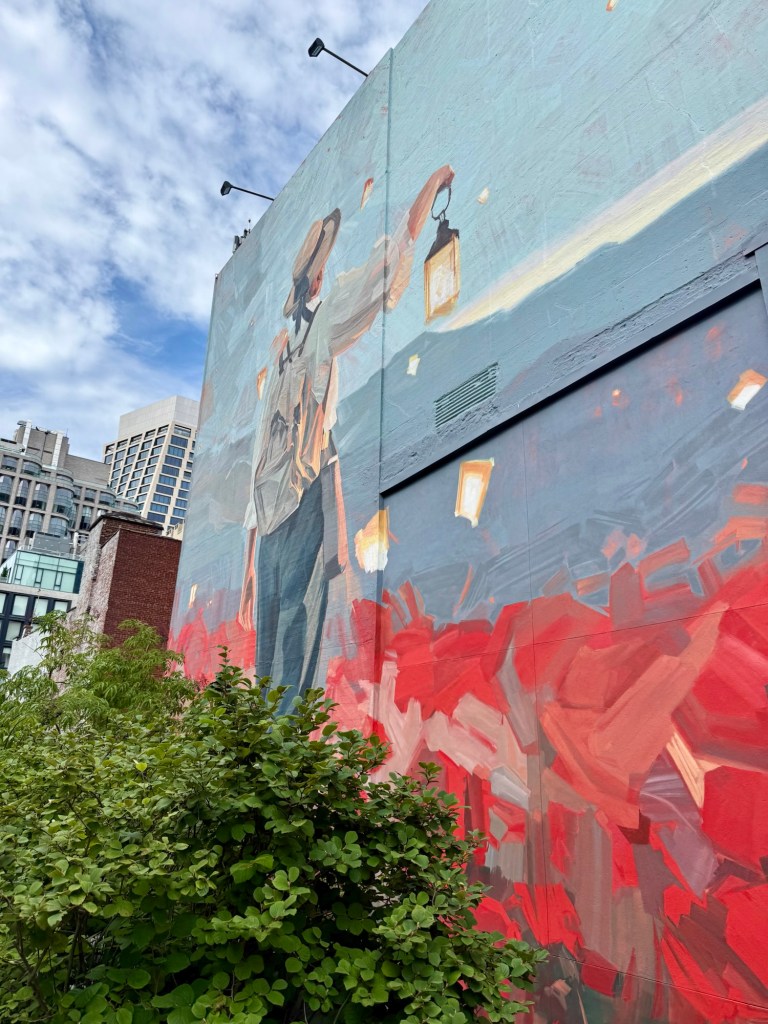
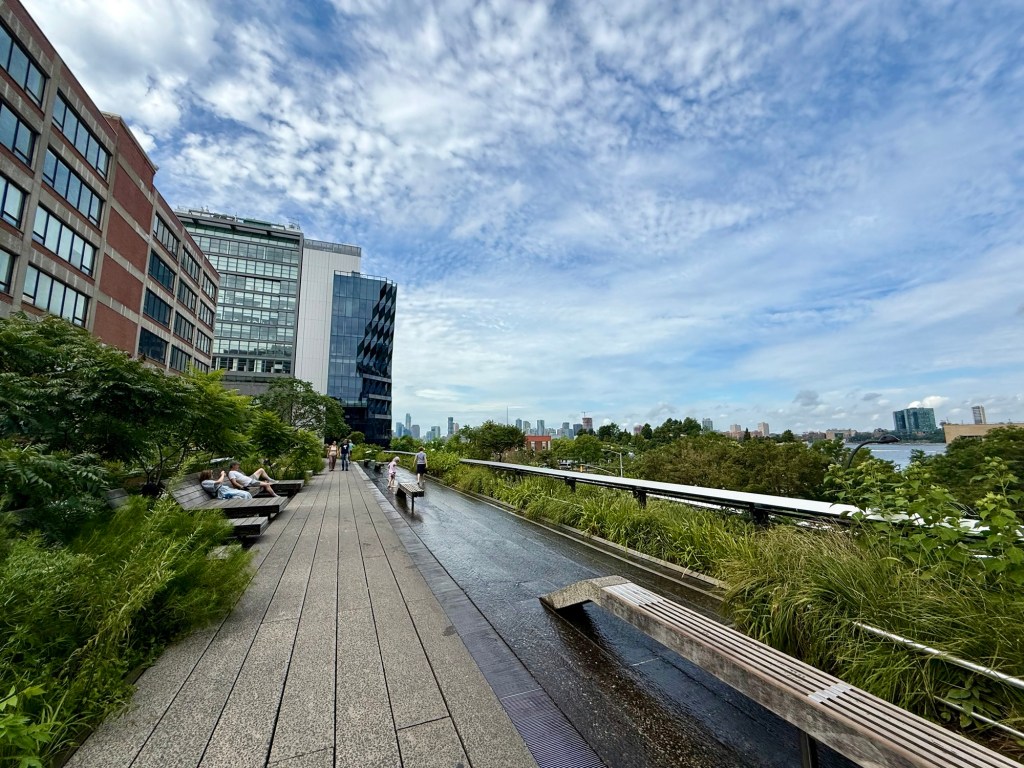
I had a rough plan for my final full day, starting in Hell’s Kitchen before heading towards the Hudson River and the High Line. What was once an elevated railway line is now a beautiful public park, with trees, wildflowers, art, interesting architecture, water features and places to sit and relax. And the views aren’t bad either.
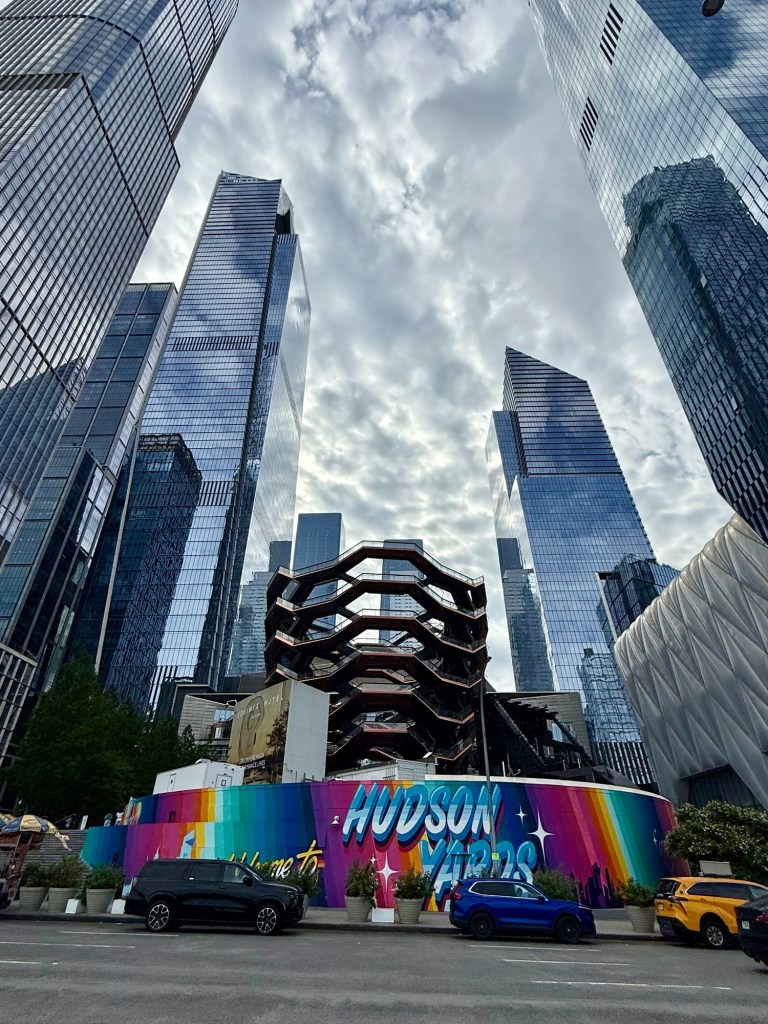
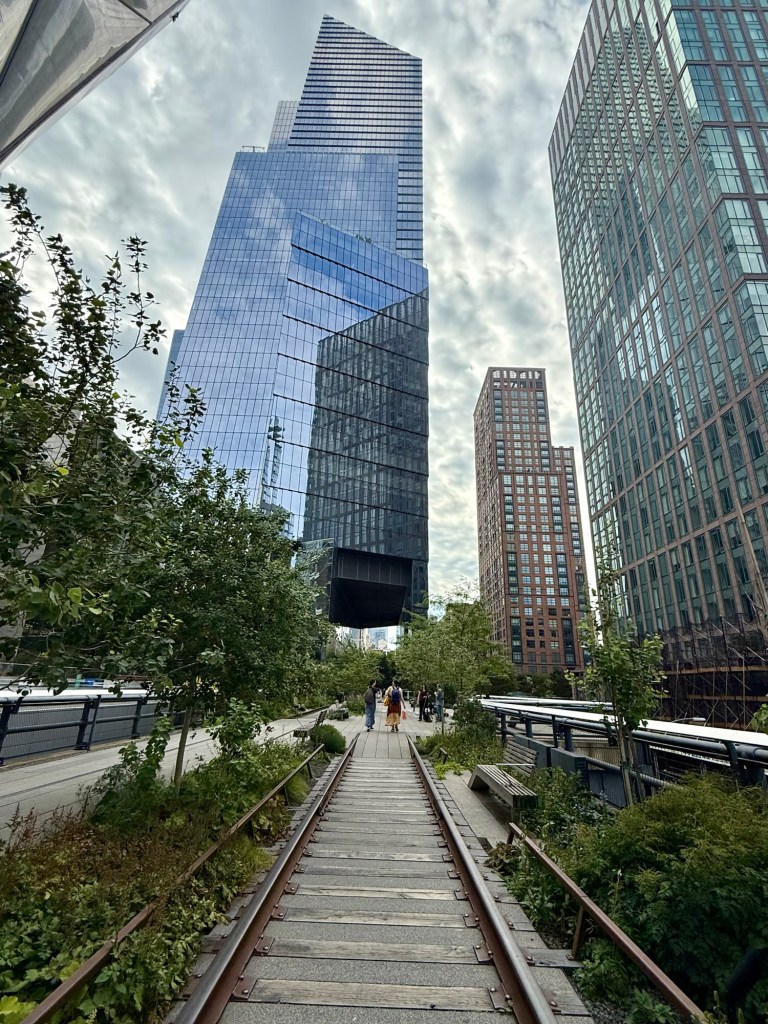
You can look across the Hudson towards New Jersey while wandering through this unexpected green space above the city. It’s one of those places where you can forget, for a little while, that you’re in one of the busiest cities in the world.
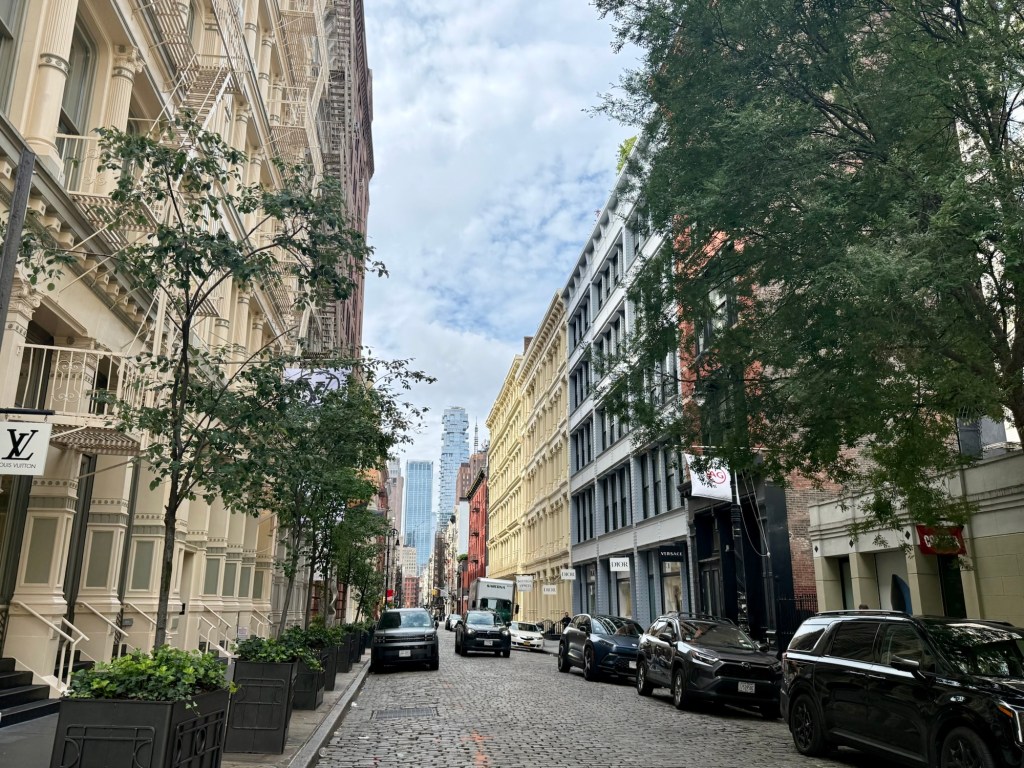
From there I wandered through some beautiful, leafy, tree-lined streets before heading into SoHo. Cobblestones, old buildings, modern shops and a huge variety of architecture make it a lovely area to explore on foot and stop for a drink in a small café.
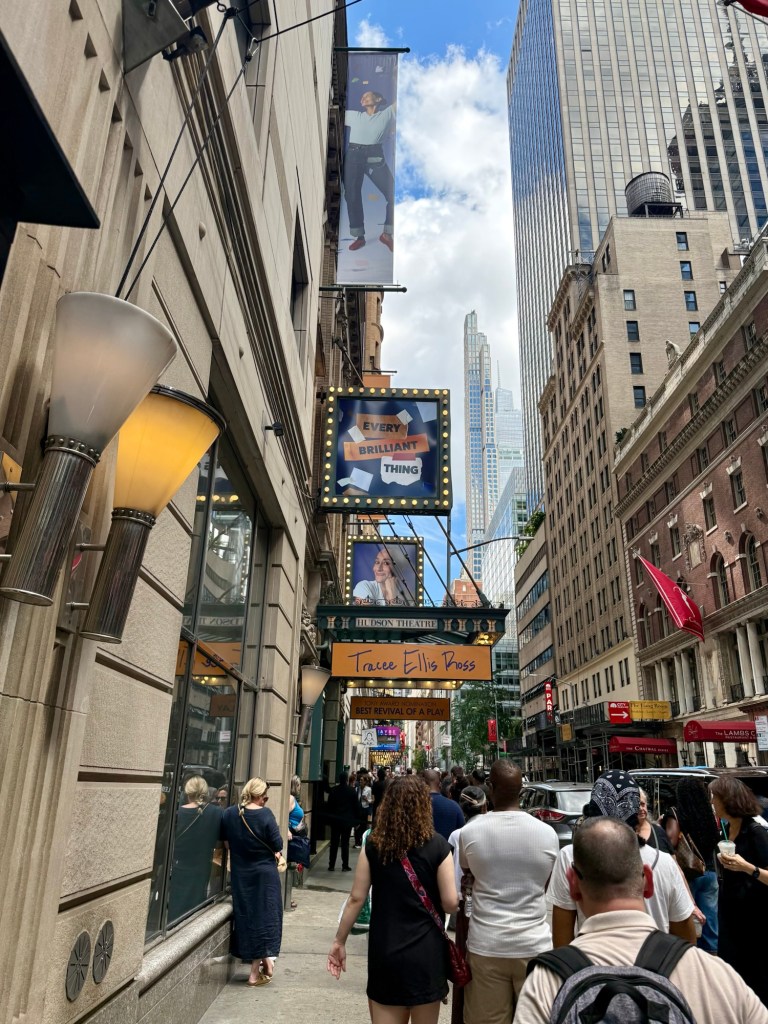
After taking the subway back uptown, I had a little time to rest before heading to the matinee of Every Brilliant Thing. This play was very different from the others I had seen.
People were sitting on the stage as we arrived, and the actress, Tracie Ellis Ross, was already standing there chatting as the audience came in. It all felt very casual and intimate — quite a contrast to the big Broadway-style shows I’d seen earlier. The show was sad and funny and poignant, and there was audience participation.
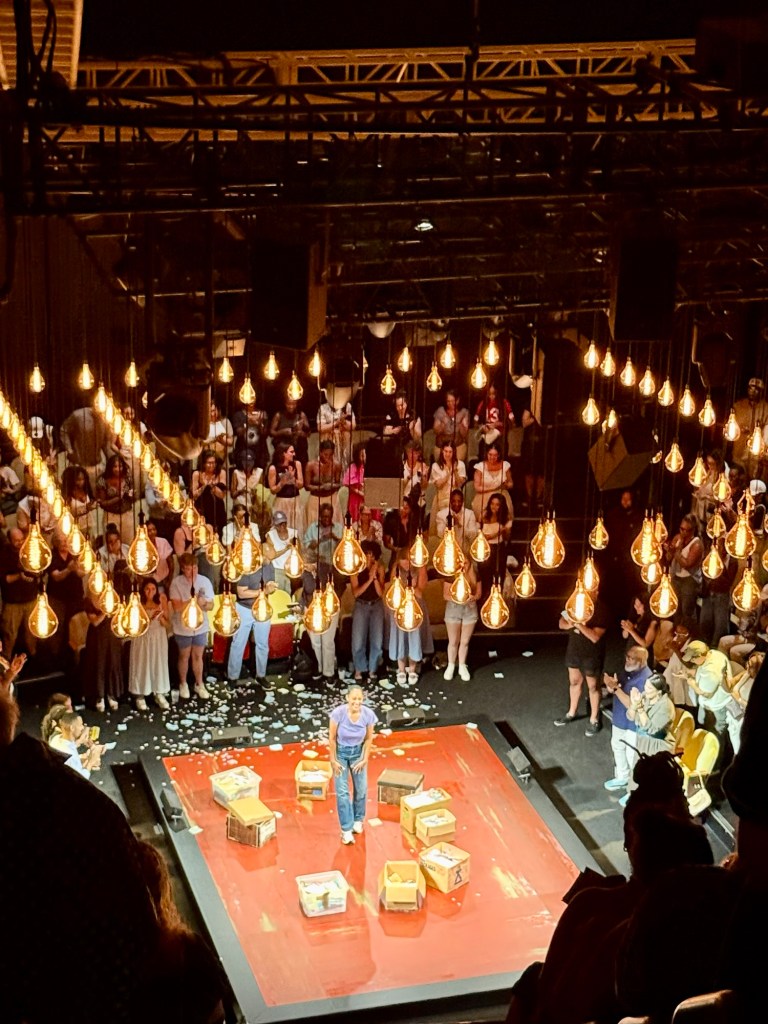
Normally, I hate audience participation. But in this case, it worked brilliantly (particularly because it did not involve me lol). It was probably one of the highlights of the theatre experiences on this trip.
And then came the final show of the trip and one of the reasons I had come to New York at this particular time – Les Misérables.
I’d actually already seen the arena tour in Brisbane the previous year, but I’d loved it so much that I was keen to see it again. This time it was at Radio City Music Hall, and thankfully my seat wasn’t quite as high and steep as the one I’d had when I saw the Rockettes there in December.
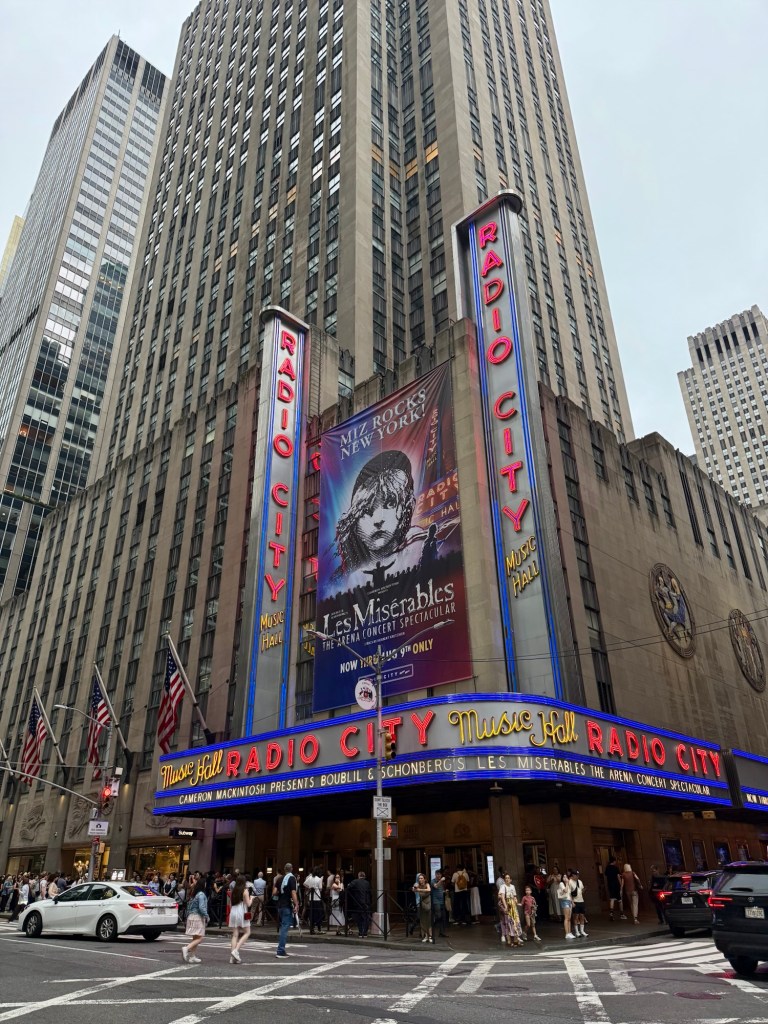
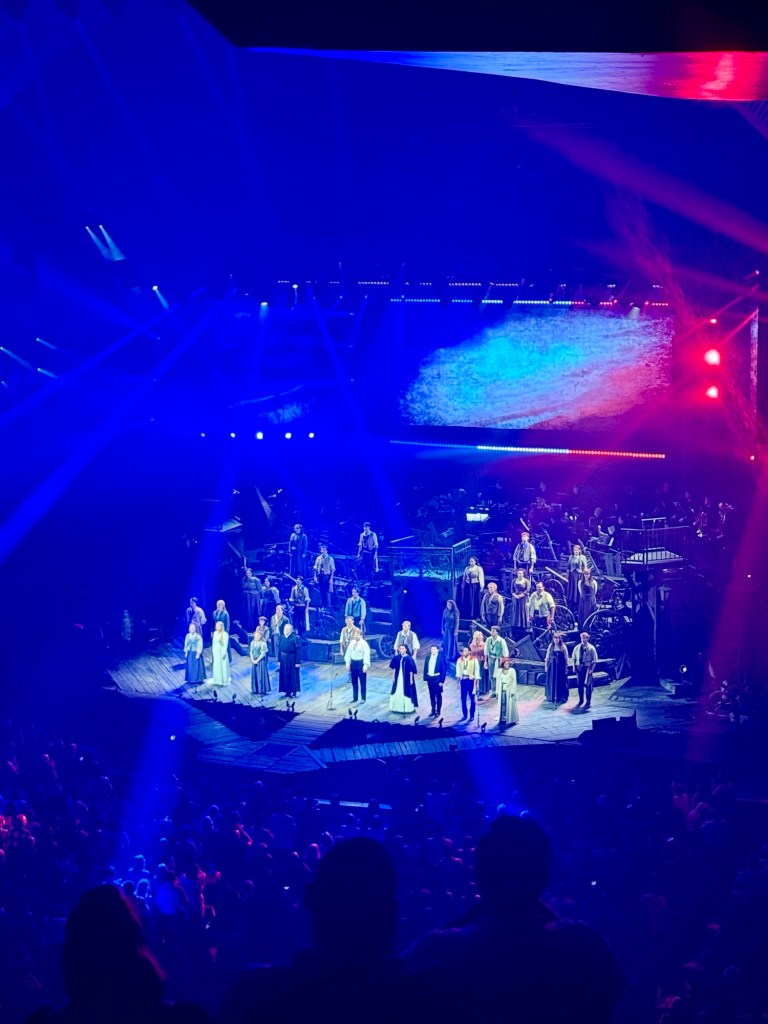
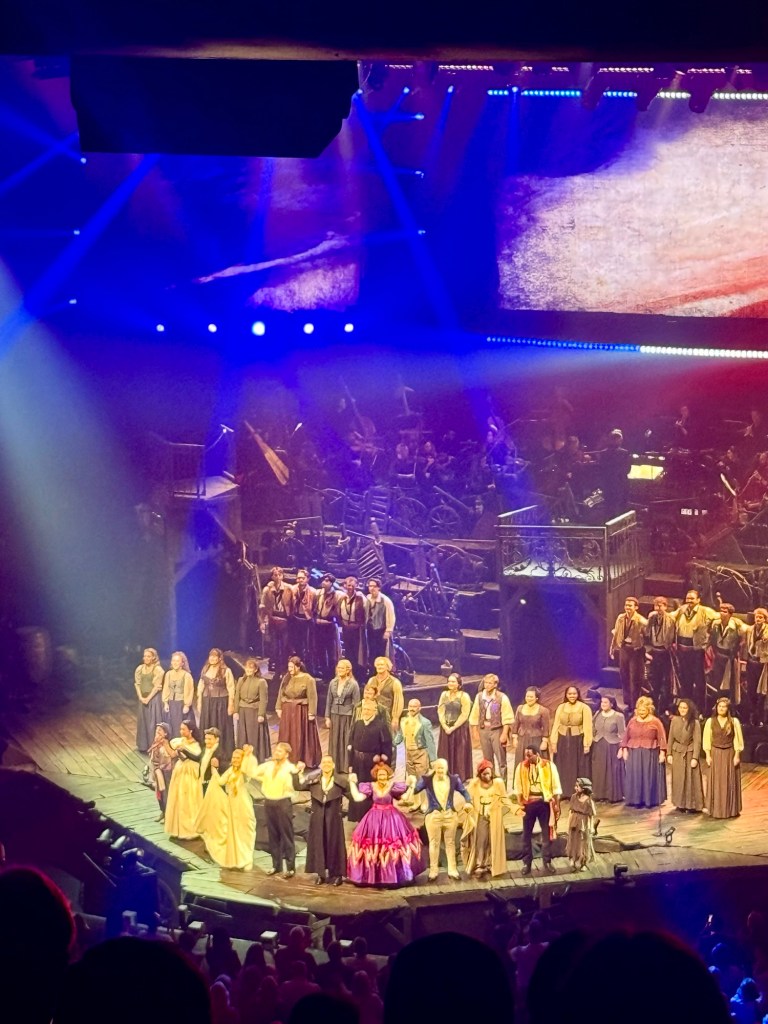
And there was another bonus, I didn’t have to worry about missing a train home afterwards. In Brisbane, I’d been watching the clock nervously because of the transport situation. This time I could relax.
I know I had already seen it before, but it was still amazing and a great way to round out my theatre visits.
I woke on my final morning to the rain that had been forecast for most of my trip finally arrived. My phone was actually warning me about flash floods! Naturally, I decided to go for a walk.
I did actually have to return to my room for my coat and umbrella after initially leaving without either, but let’s just say I got still got soaked. Not ideal when you’re packing to leave that day but it was still warm and I enjoyed the early walk, regardless of the rain
My afternoon plan involved a movie near Penn Station to kill some time, so I booked some luggage storage and wandered around for a while, and before too long, it was time to catch the train out to the airport (this time I got a ticket in advance) for the long journey home.
So, was the trip worth it? Absolutely. Was flying 16 hours for a few days in New York extravagant. Yes. Was booking another holiday specifically to cure the post-holiday blues perhaps slightly excessive? Almost certainly.
Did I spend too much money on cocktails, transport mistakes and various other things? Probably. Did I eat enough Liberty Bagels to justify the trip? Also most definitely!
But I got Central Park, the High Line, the Staten Island Ferry, Top of the Rock, the buzz of Times Square, far too many bagels, some great theatre, time with my nephew, and several days in one of my favourite cities.
And, most importantly, the post-holiday blues are gone. For now.
Until I book the next holiday.