Bucas Grande, The Phillipines & Tangkoko, Indonesia
July 2026
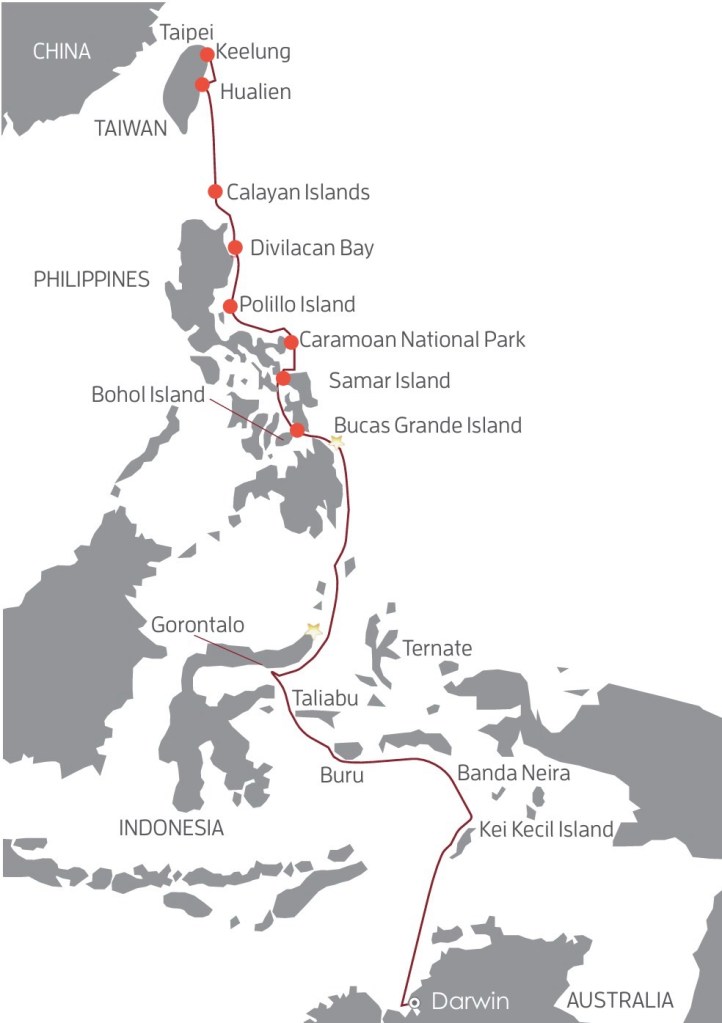
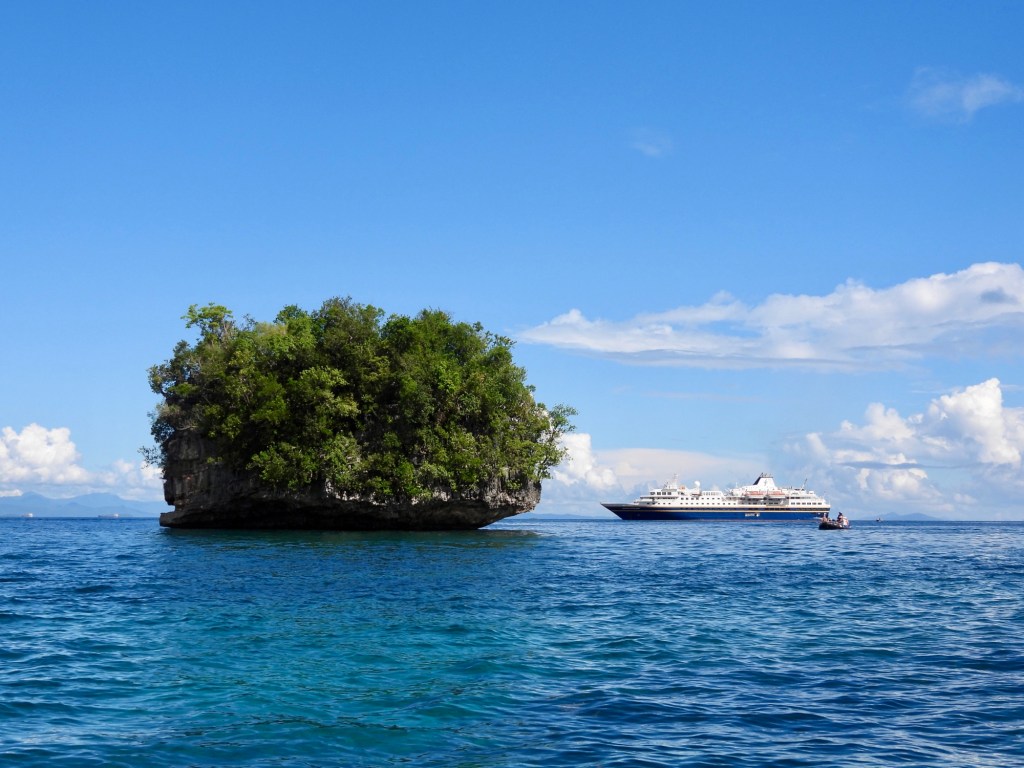
For our last day in the Philippines, we woke moored between the paradise of Sohoton Cove National Park, on Bucas Grande island and a large nickel mine on the neighbouring island, with barren, dusty hills and 8 huge ships moored up along its shores. The two could not be more different – a literal beauty and the beast
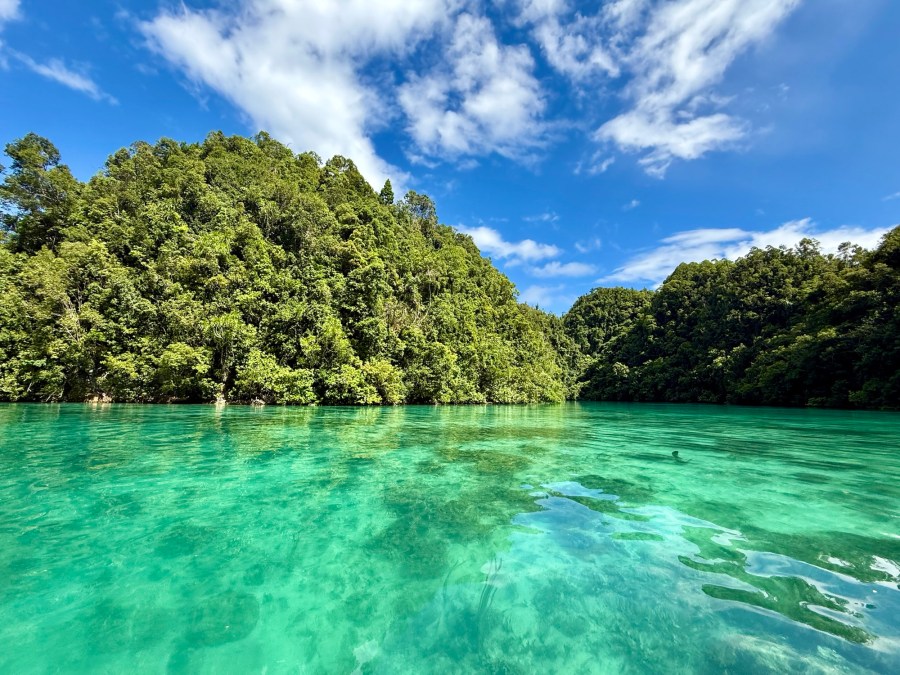
Thankfully, we were to spend our morning around the beautiful Bucas Grande Island, and we started by exploring the towering limestone cliffs and incredible blue/green water, interspersed with perfect palmed lined white sand beaches.
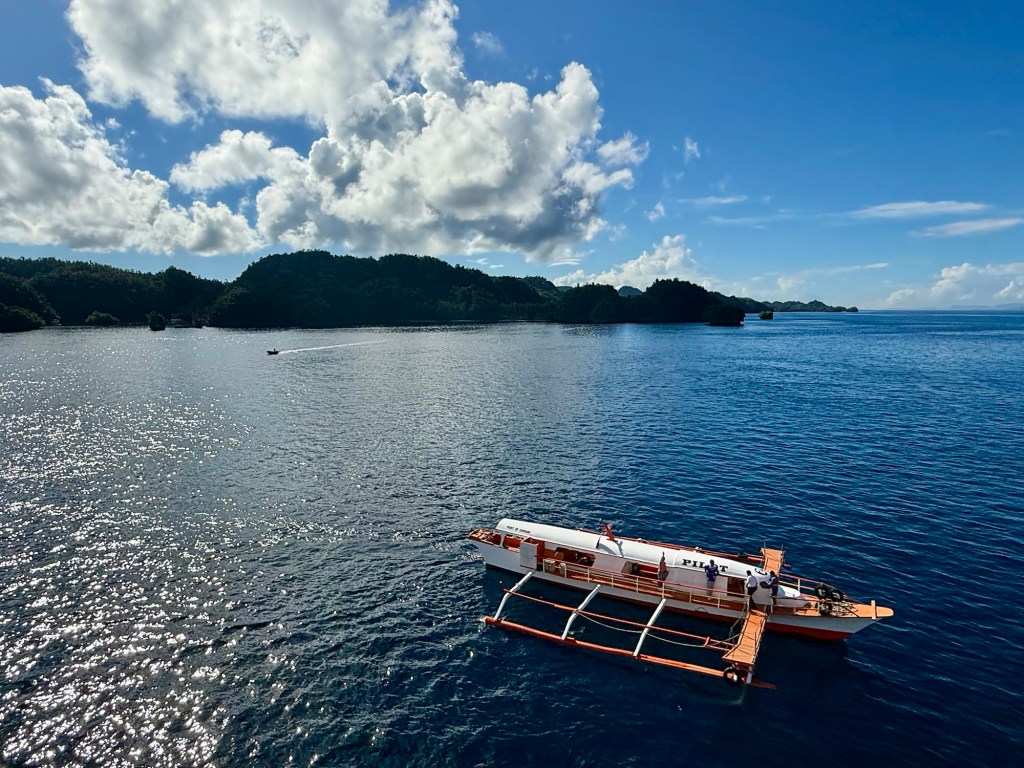
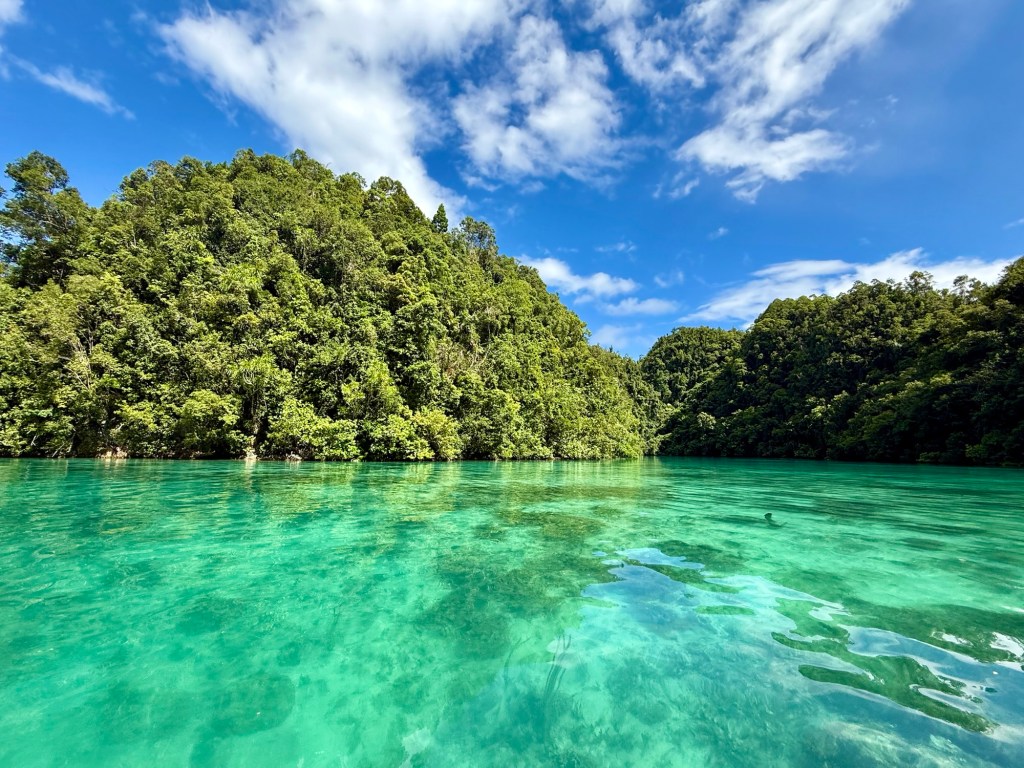
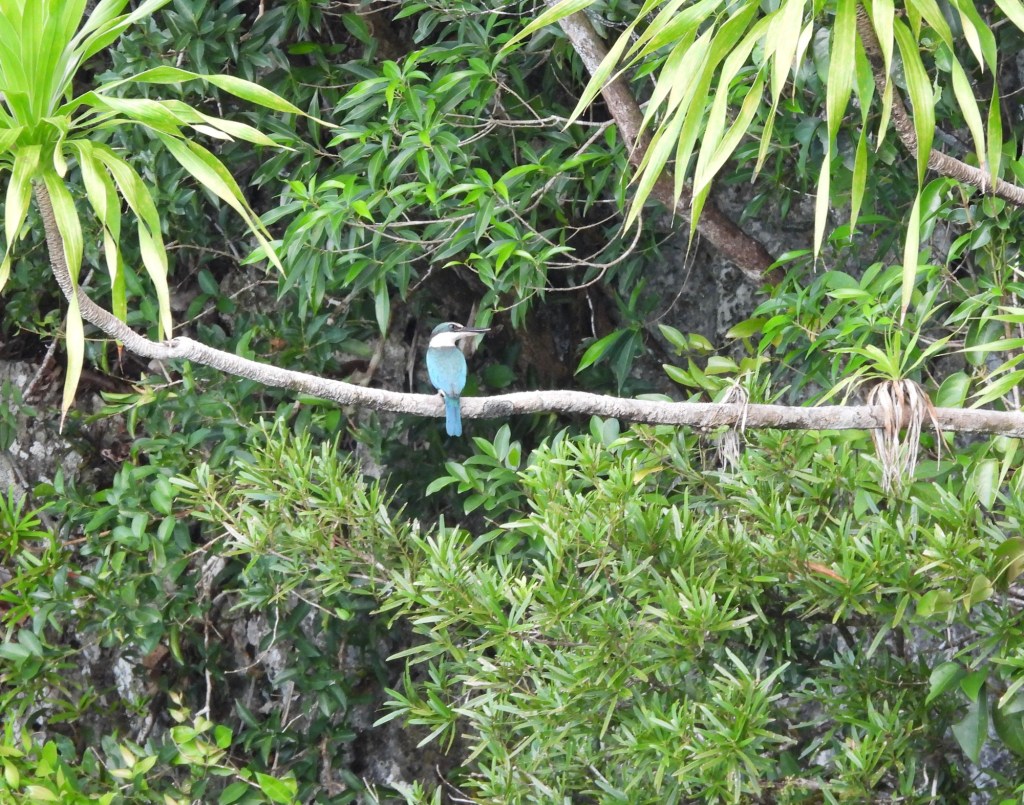
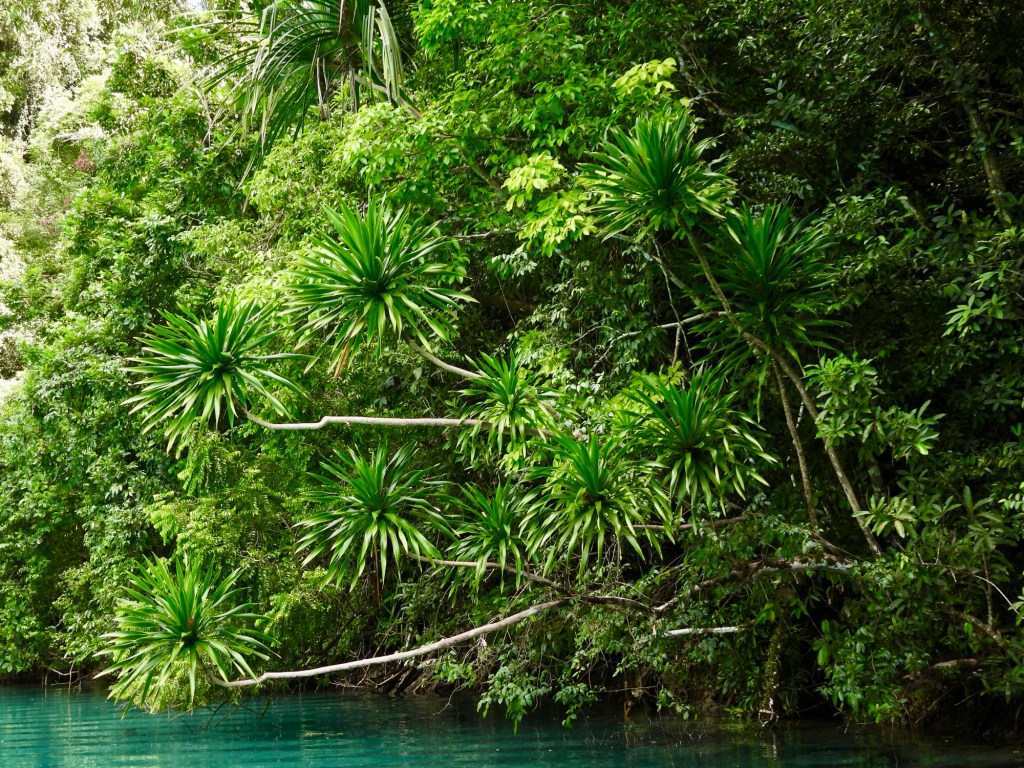
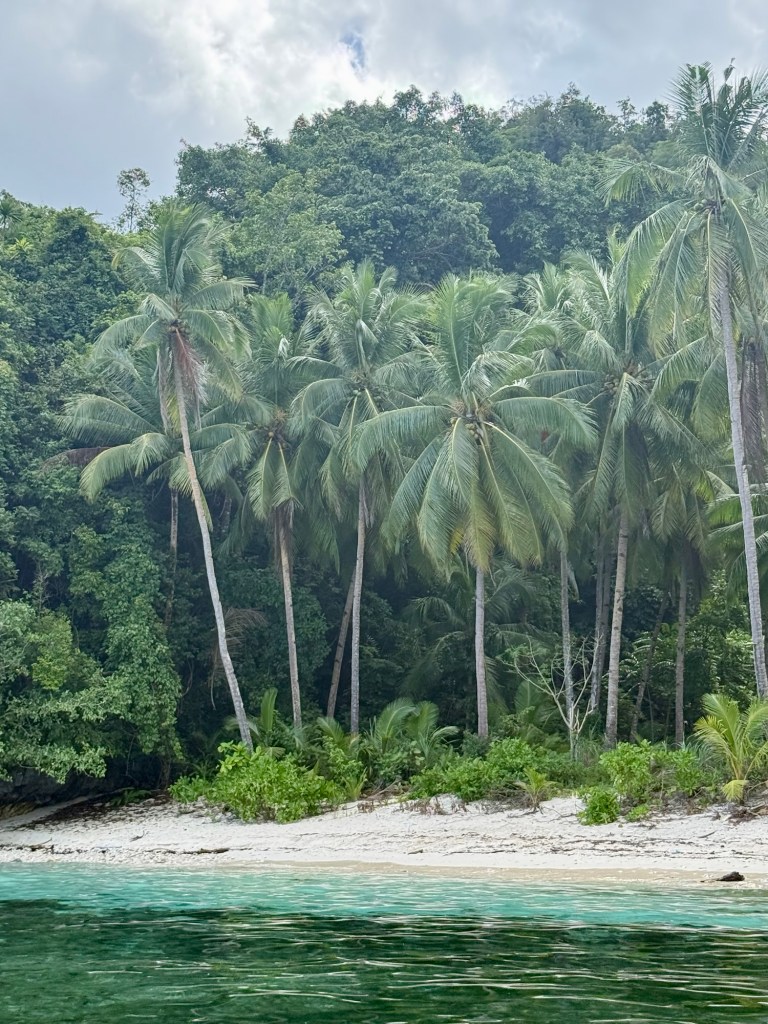
Our zodiac meanderings followed around the coastline, spotting flora and fauna and even a few jellyfish in the perfectly clear water and we ended at a pontoon where we were given helmets and we transferred to small local outrigger boats and are local guides took us through a low cave. You can’t get through it at high tide and I could see why, I ended up in the bottom of the boat to avoid hitting my head.
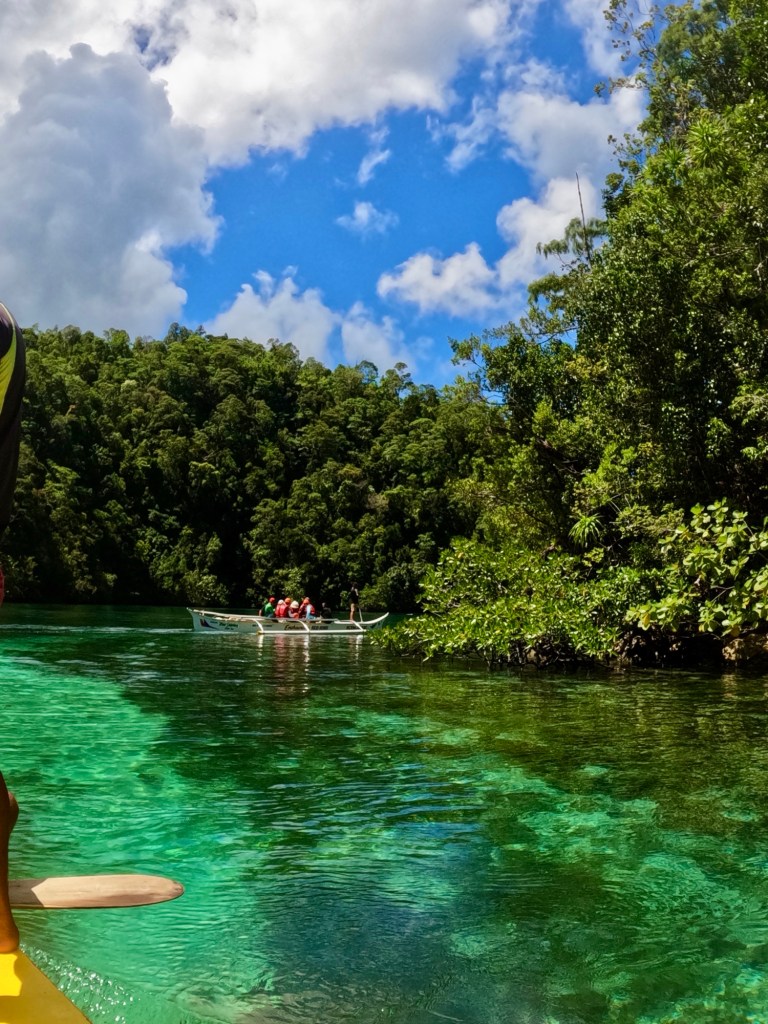
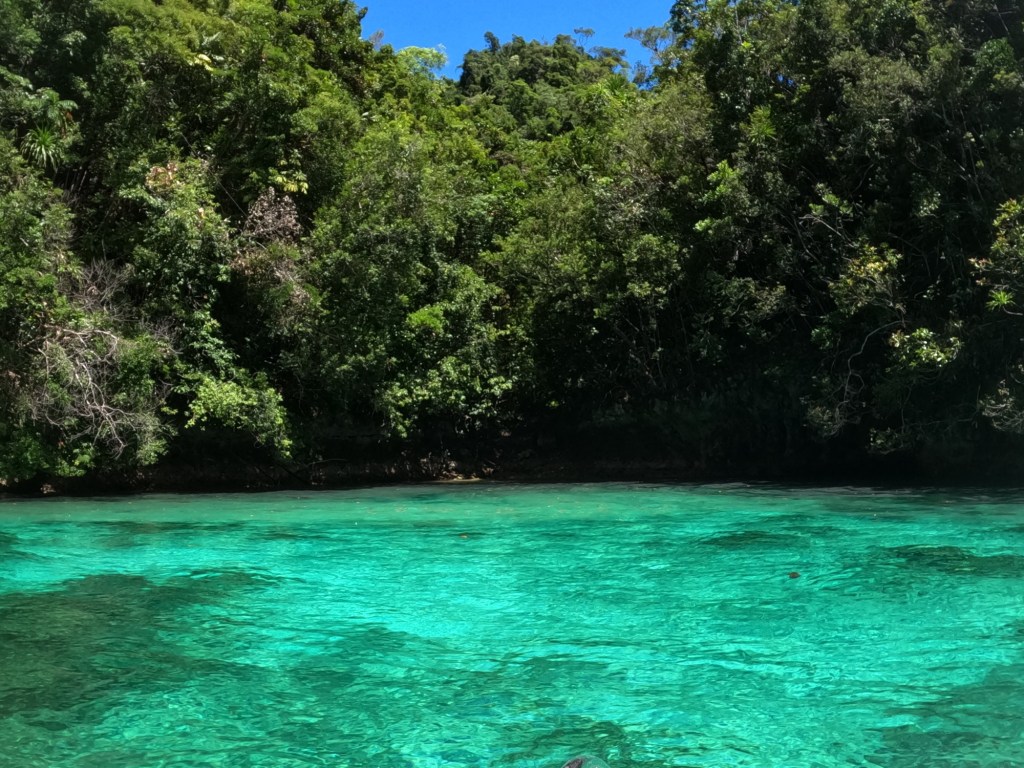
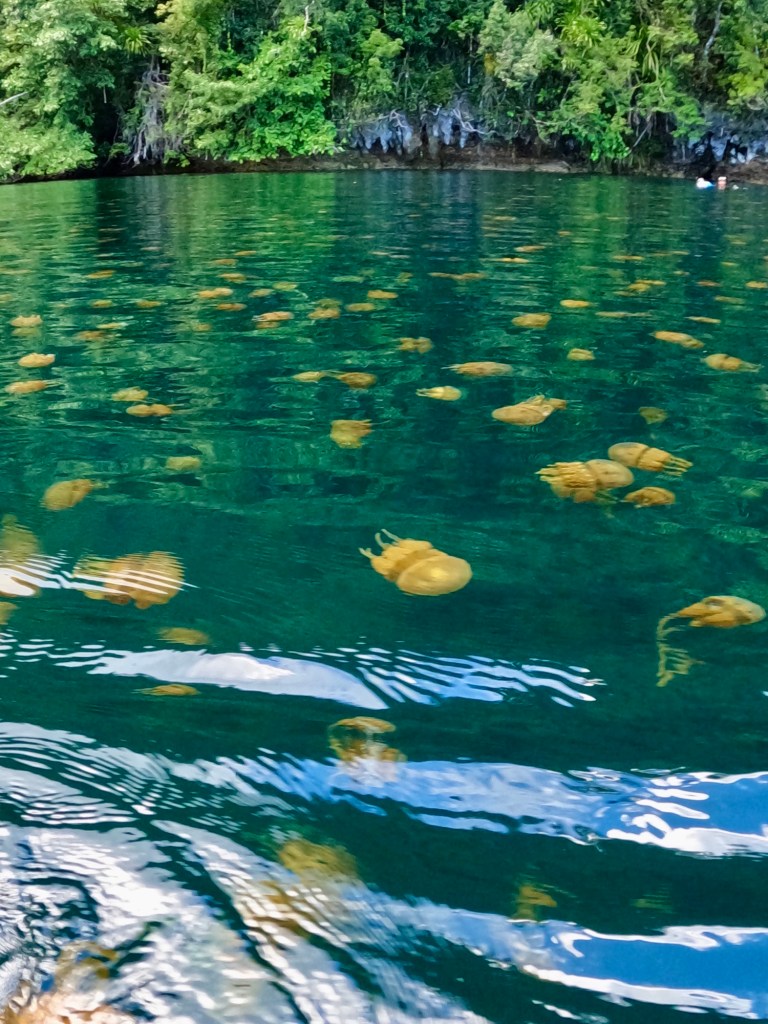
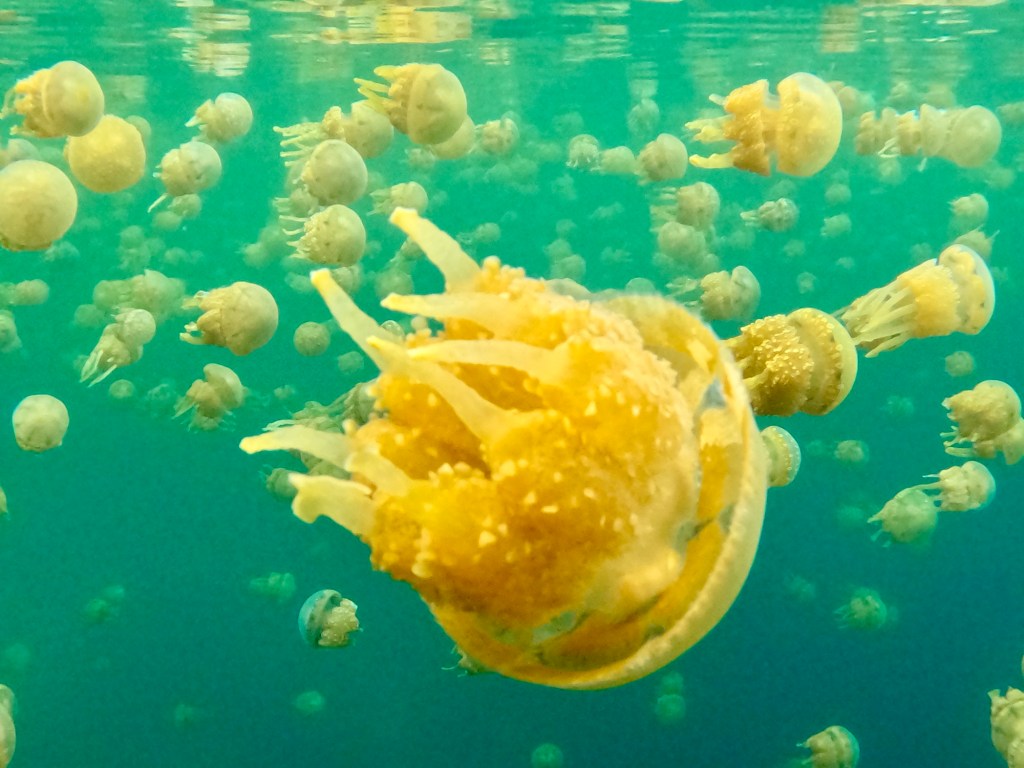
We came out into a hidden Tojoman Lagoon, a literal wonder-world, surrounded by lush jungle covered limestone cliffs. Below us was was clearest emerald, green water and in that water was the pièce de résistance, hundreds, possibly thousands of jellyfish. Not just any old jellyfish, but golden, non-stinging spotted jellyfish (or mastigias papua) that are believed to have evolved in isolation.
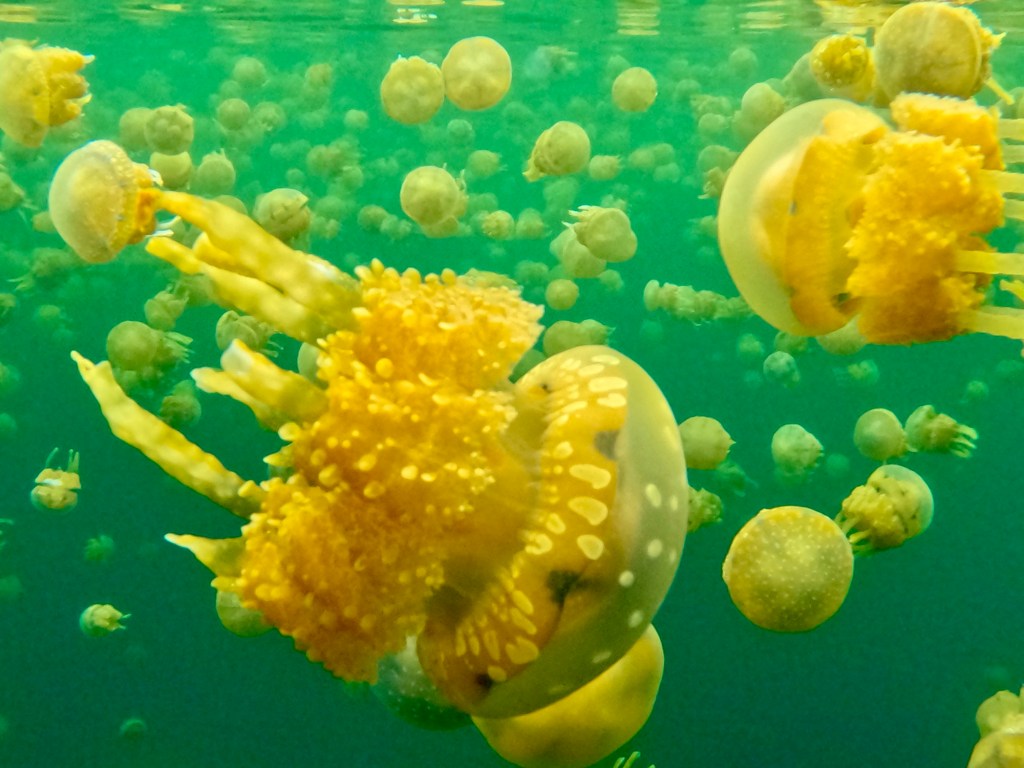
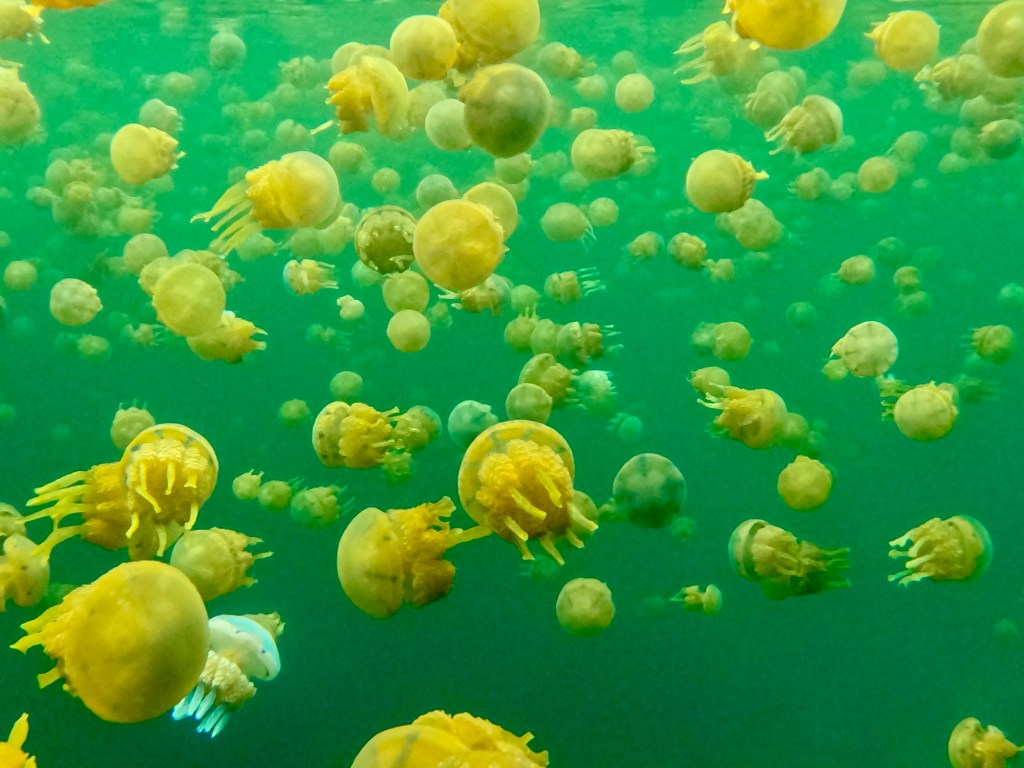
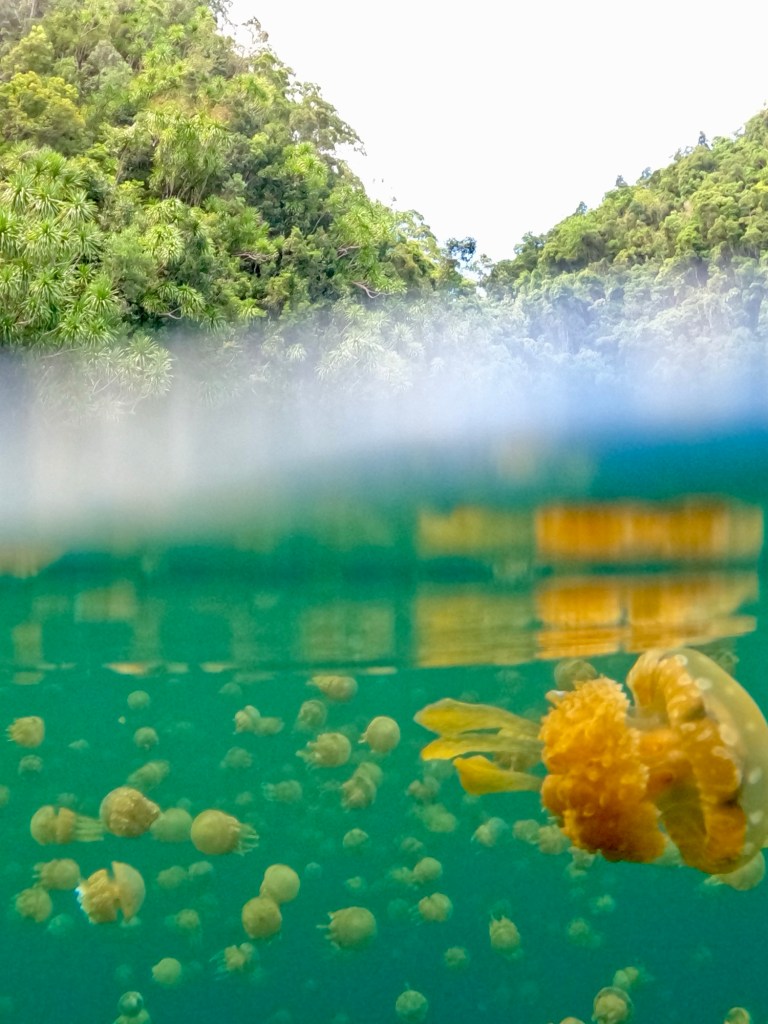
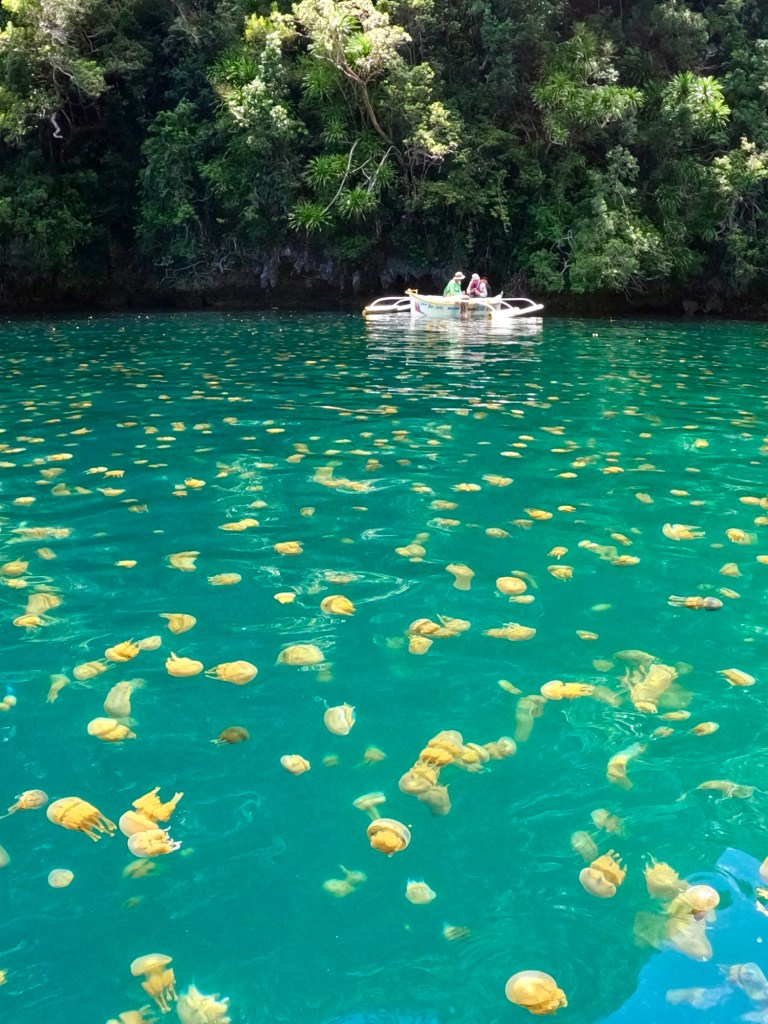
I had seen photos of the jelly fish but could not image that it would be as amazing in person – but it exceeded my expectations. It was incredible! And just to be clear, despite saying that they are non-stinging, technically they do sting. But as their prey is the tiny phytoplankton, it really has no affect on humans. That said, the most sensitive of us did feel a little stinging from time to time as we swam with them. I have been lucky enough to have done a lot of pretty special things in my life, and this was right up there.
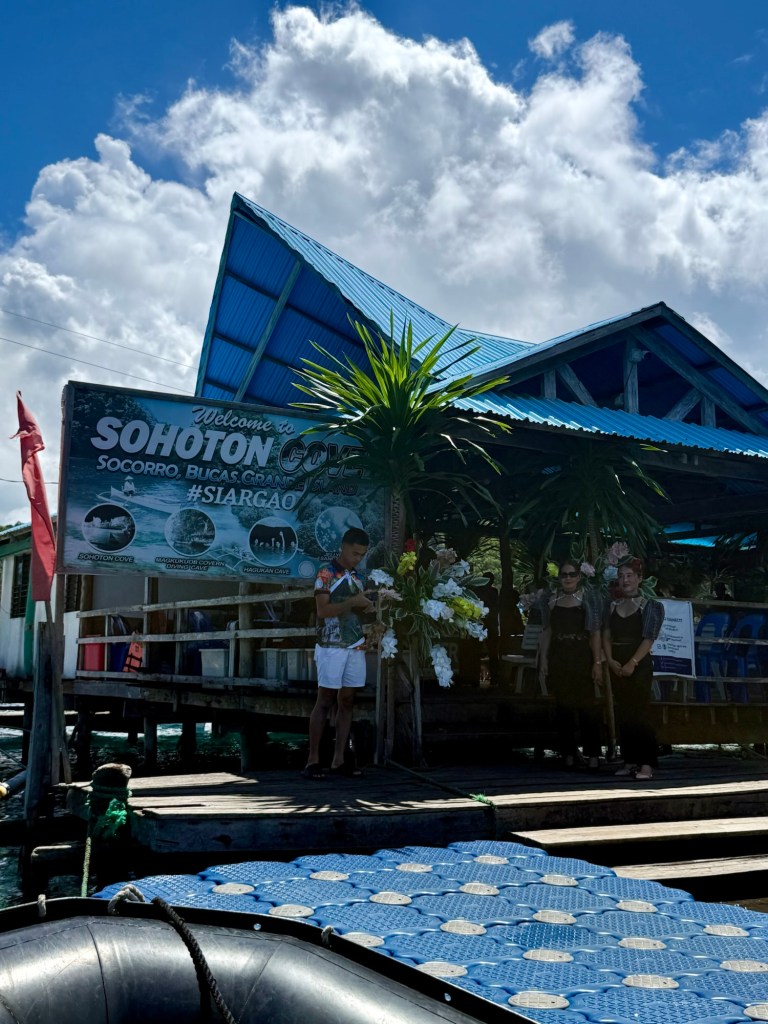
After this incredible experience, we headed back through the cave to the pontoon, and guess what, there were snacks and fresh coconuts ready for us. I do love this hospitality (and the snacks lol)
Back on the ship and we set sail south towards Indonesian waters which would take around 1.5 days. I took some time to do a bit of a room reset and do all my laundry. I am not sure how I would have coped with sharing a room as it is currently resembling a laundry room lol.
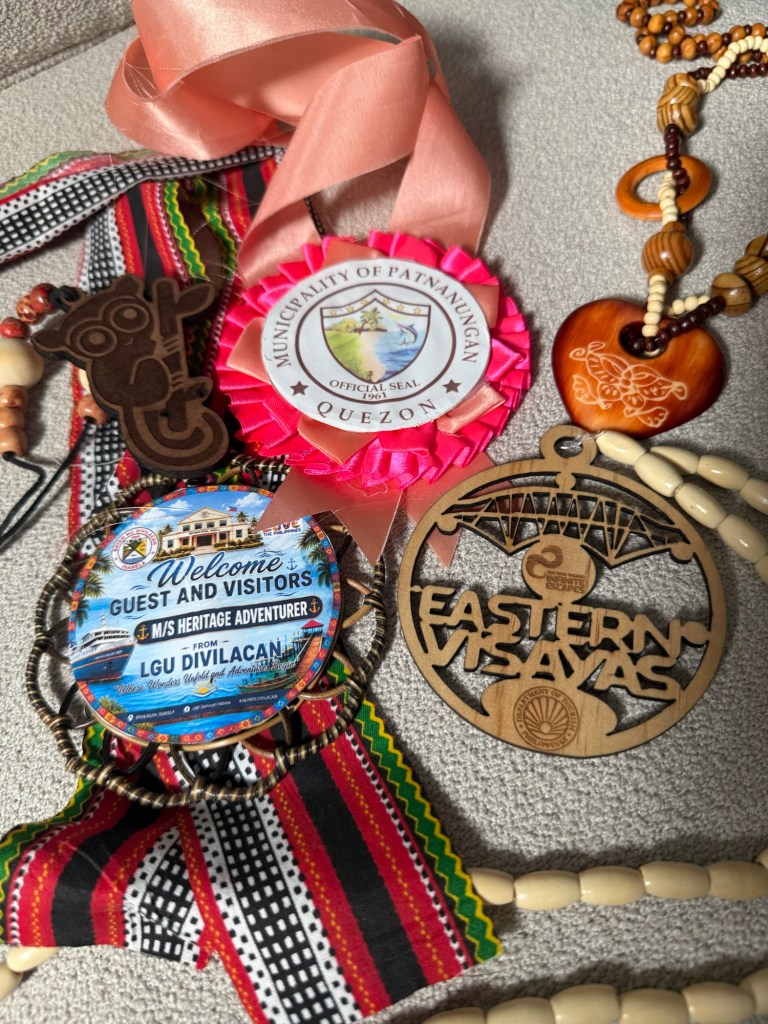
I also spent some time writing up the trip so far, and of course we had lectures on our coming visit to Indonesia. Our time in the Philippines was amazing, and we had such warm welcomes everywhere. We were also always gifted with a necklace of some kind, many with seeds and wood beads which I can’t take home but it is the thought that counts.
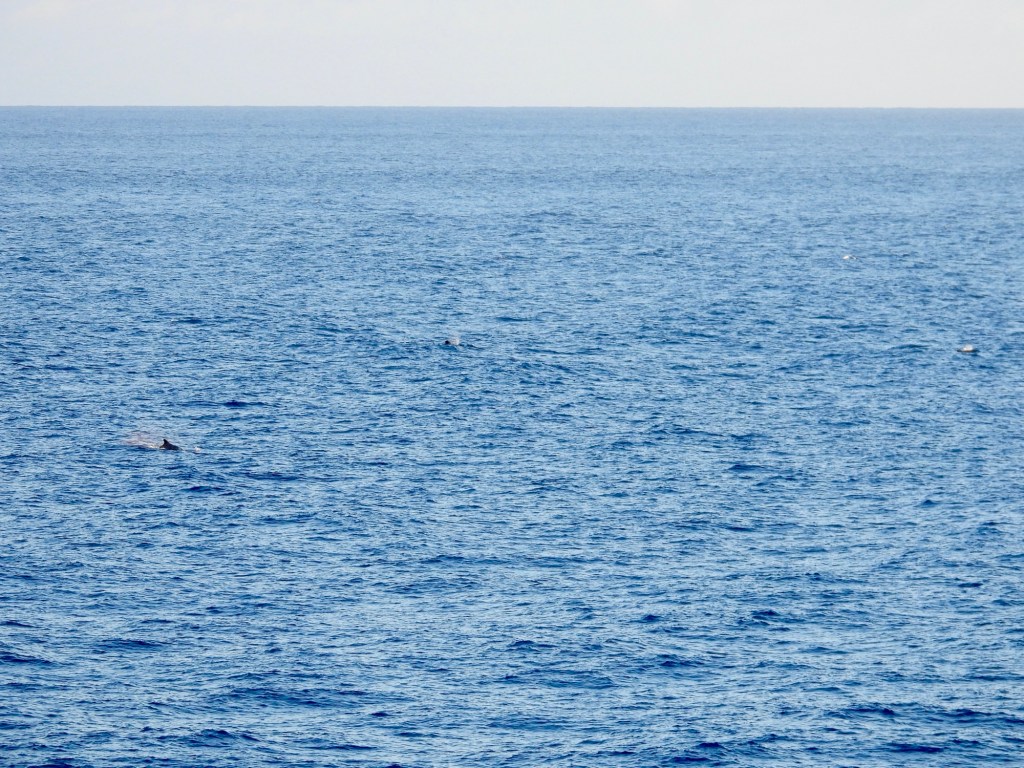
As we travelled south, there were a number of calls for whales, more often than not, by the time I got to the best viewing point, I did not get a good view but this time the captain turned the ship around so we could spend a bit more time with a pod of short-finned pilot whales which was awesome. (Just to clarify, there are several whales in this photo!)
Our first stop in Indonesia was Tangkoko Nature Reserve, an 8,700-hectare sanctuary in North Sulawesi and a chance to see some more unique wildlife. I was raring to get off the boat and explore.
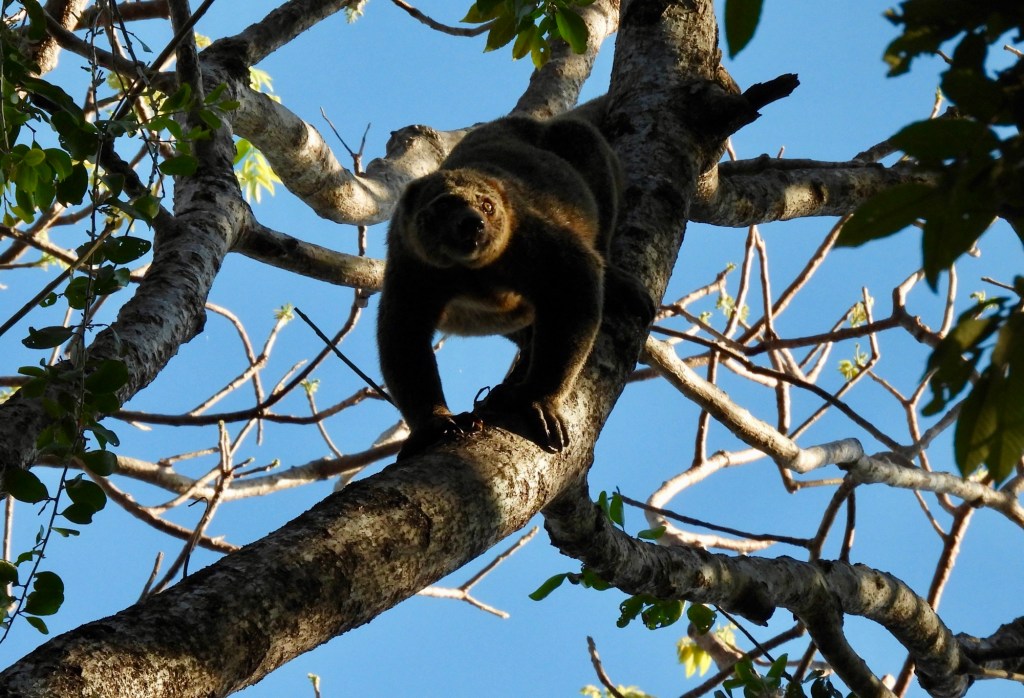
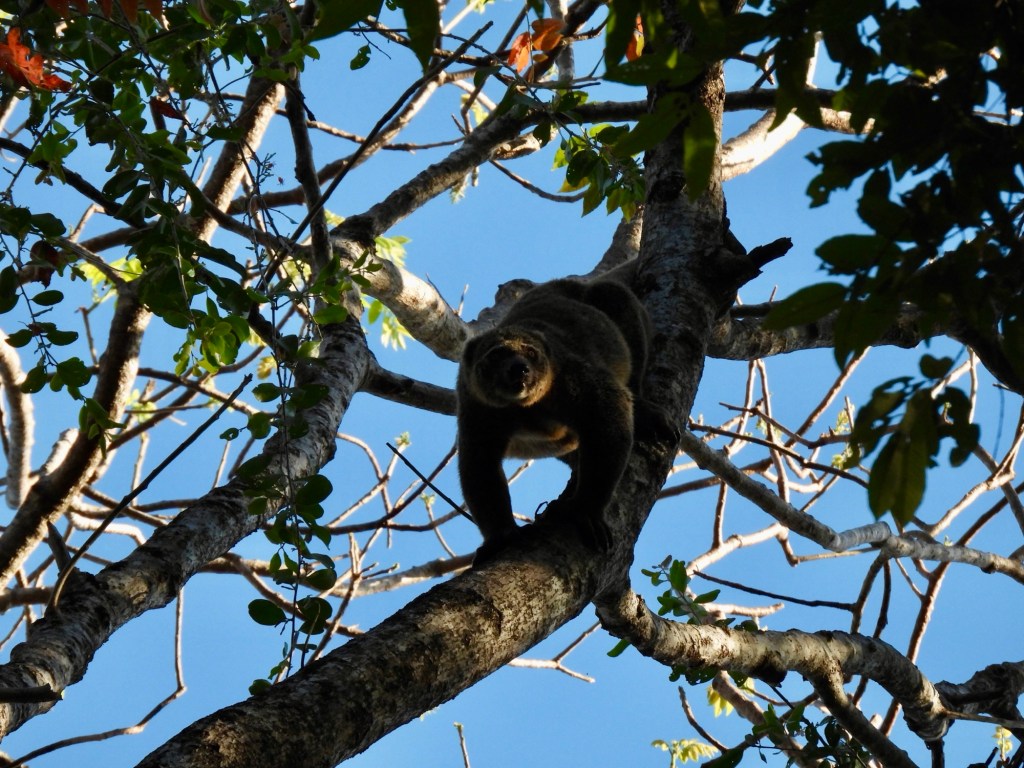
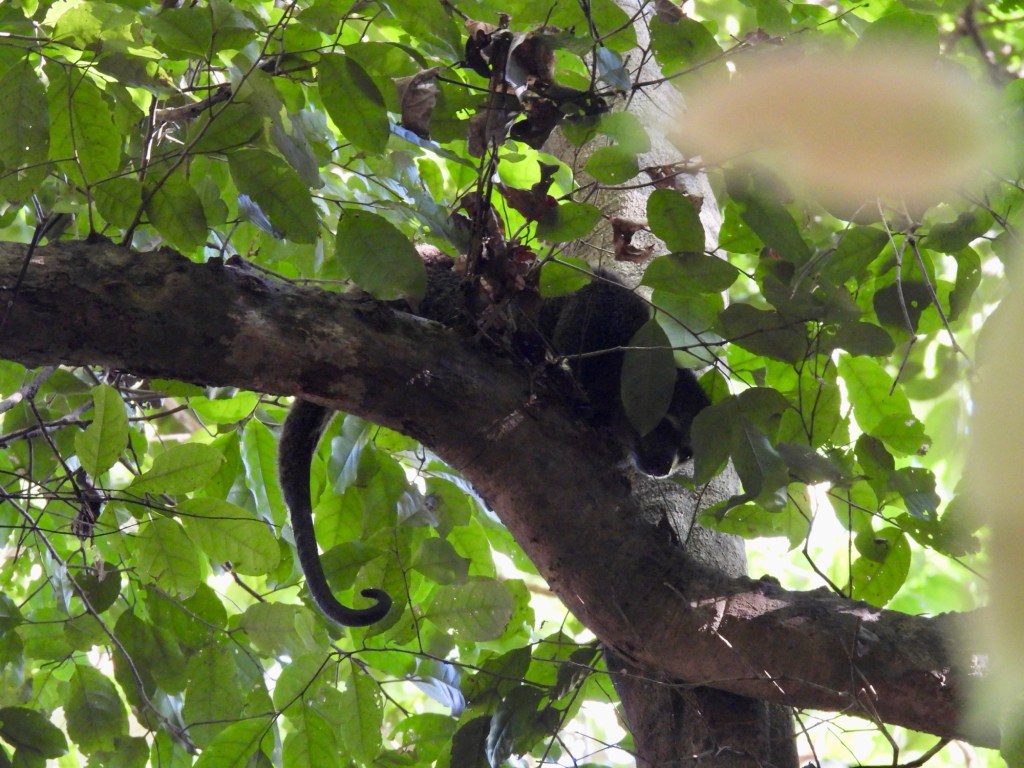
We arrived via zodiac on the beach and set off in small groups with our local guide. The first thing he spotted was the vulnerable Sulawesi Bear Cuscus – an animal I had never heard of! As you may have guessed, it is not a bear, it is in fact an arboreal marsupial endemic to this part of Indonesia. It was named “bear” after its thick, dark, bear-like fur and it’s cute, bear like face. (That last bit is my opioion rather than fact lol.)
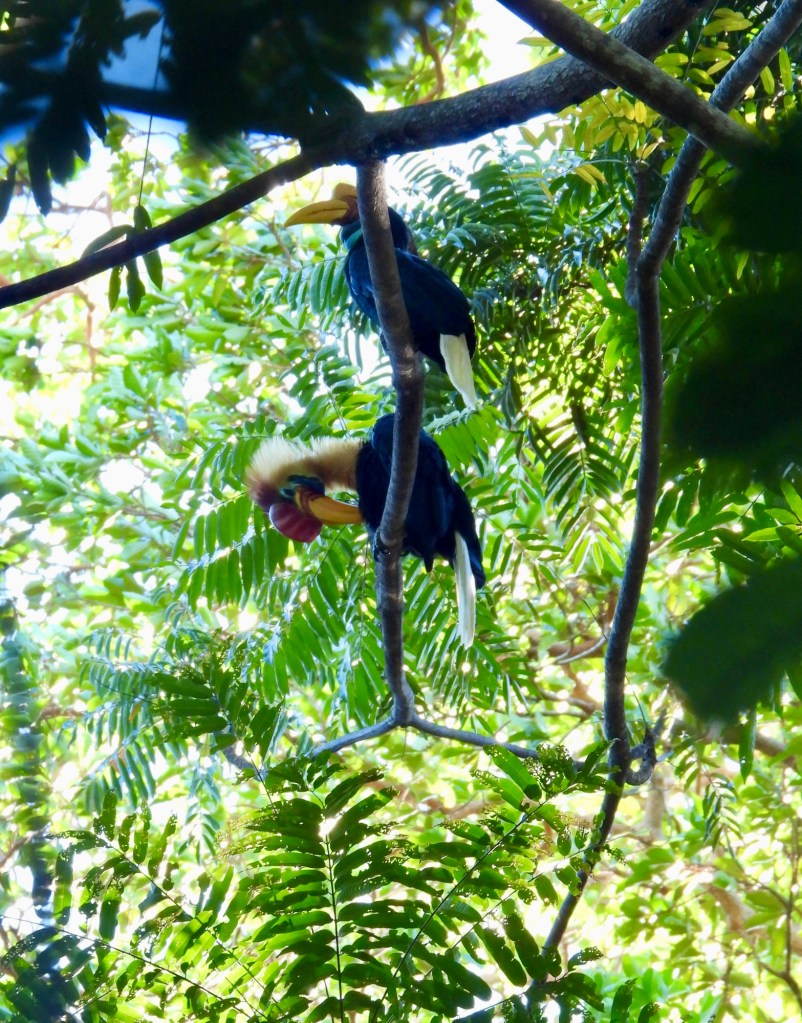
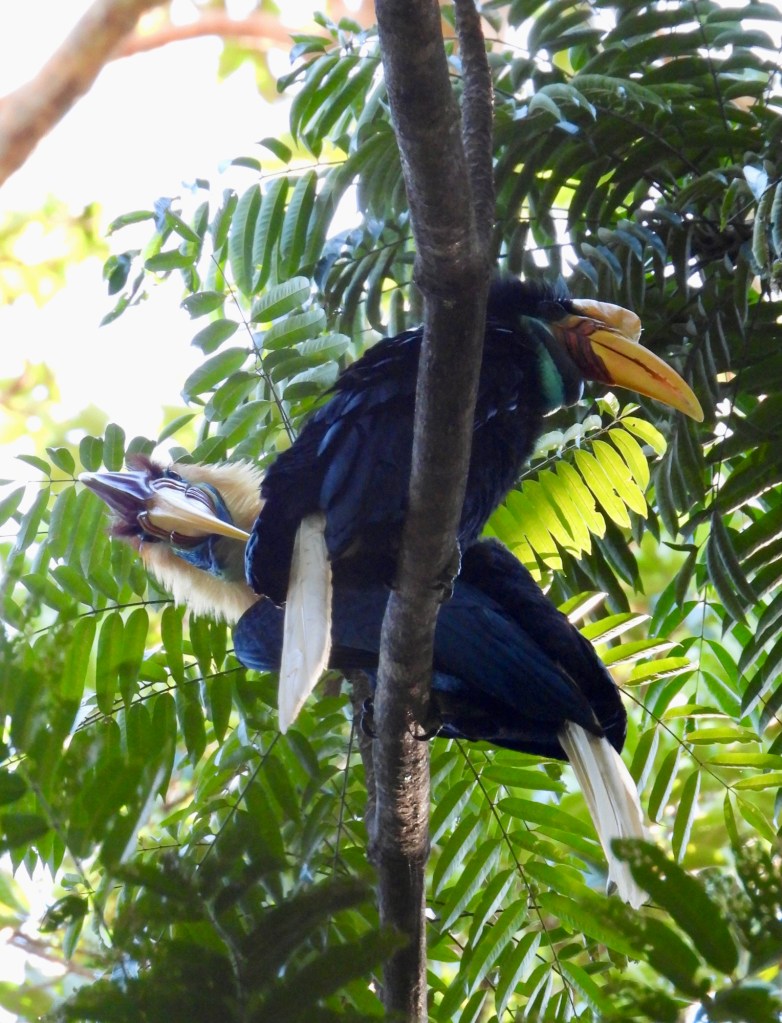
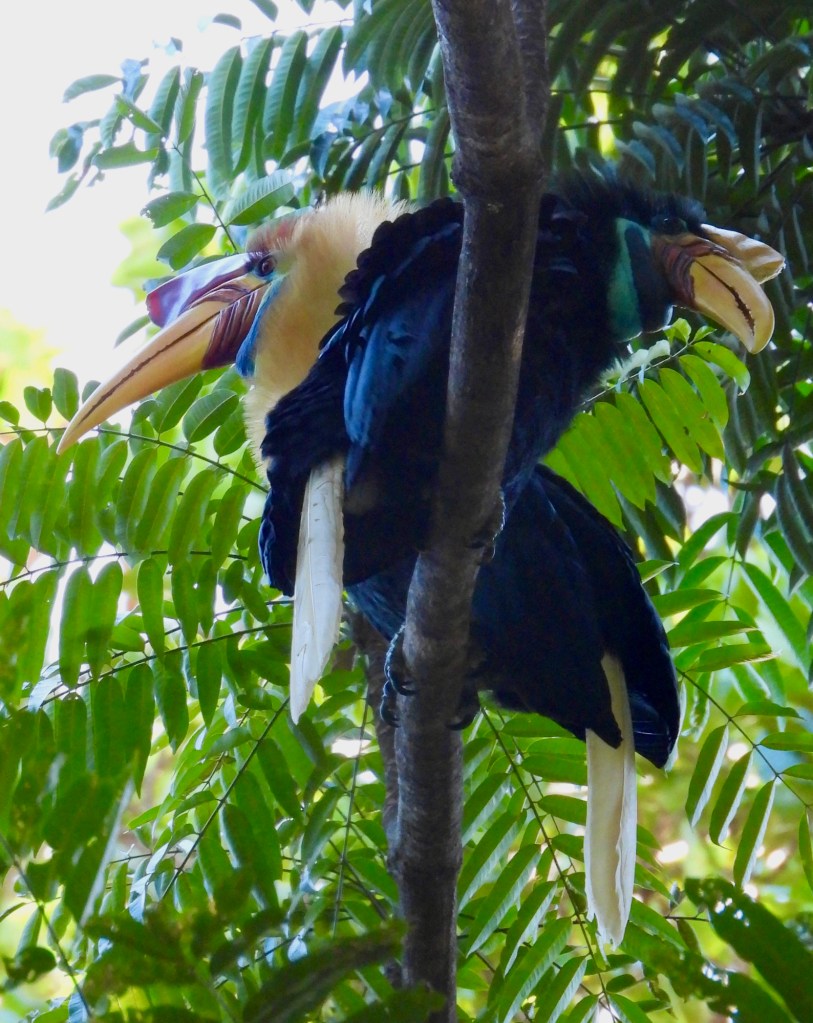
Next up was the incredible Knobbed hornbills. Our guide heard them and we charged through the forest (ignoring the monkeys that we would go back to) to find them. And find them we did. They are also known as the Sulawesi wrinkled hornbill – neither of these names give you any indication of the beauty of these birds!
They are endemic to Indonesia, found on only a few islands where here is elevated evergreen forest and we were so lucky to spot a pair high up in a tree. The stuck around long enough for us to get a great view with binoculars and camera zooms.
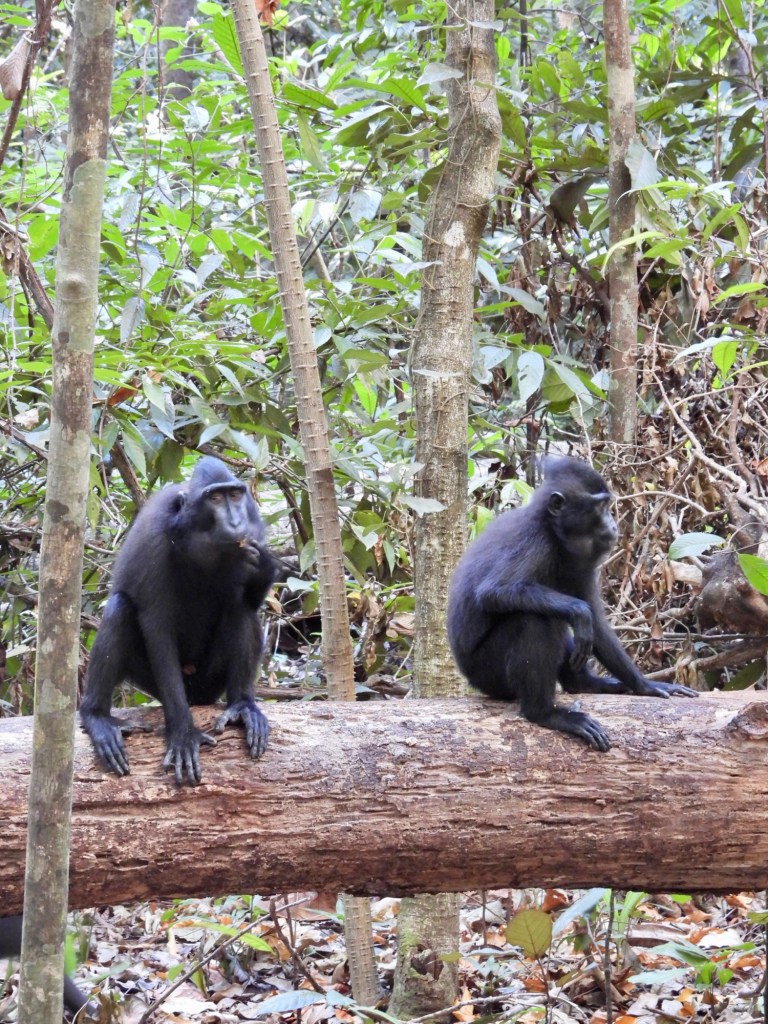
As we wandered back through the forest, we came across the monkeys again – this time, the critically endangered Sulawesi Crested Black Macaque. They did not sit still for long as they passed us along the track, going in the opposite direction to us.
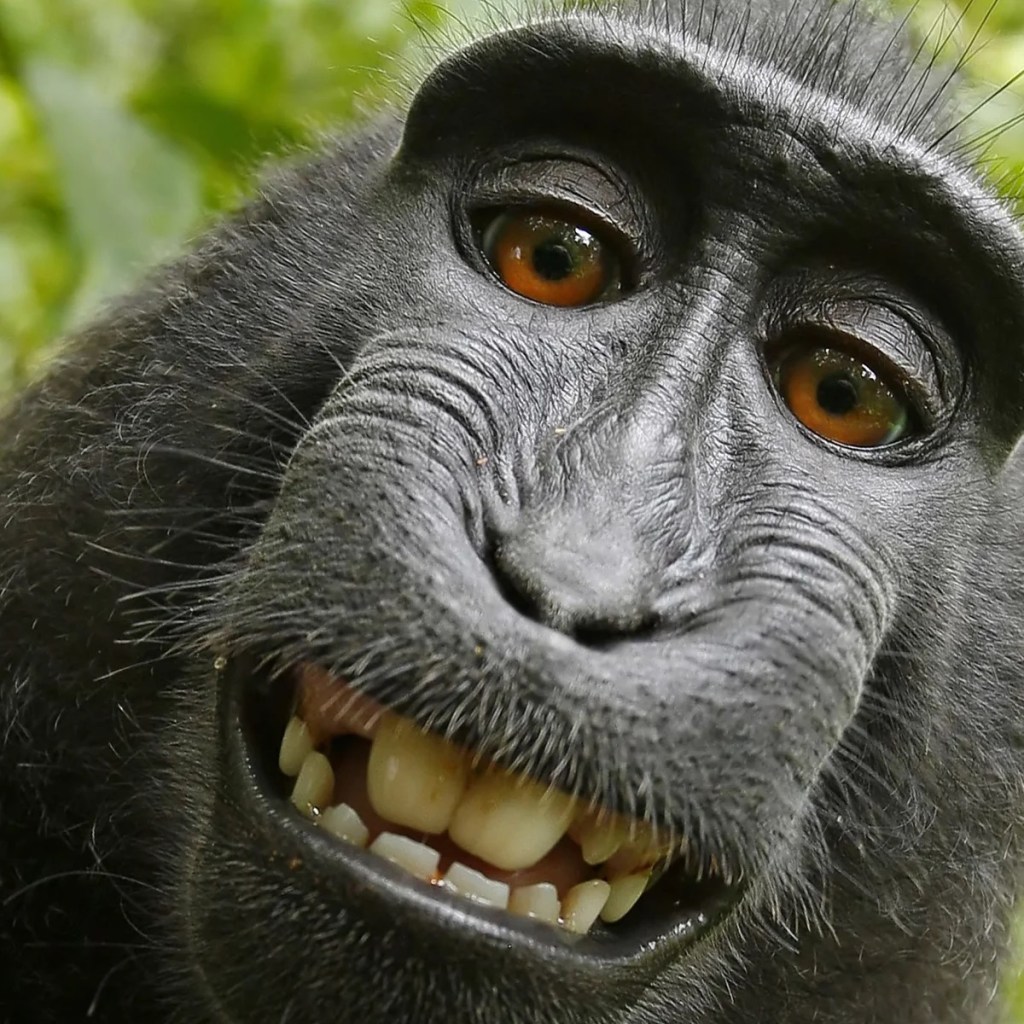
The Crested Black Macaque’s claim to fame was as the star of the viral “selfie” of 2014, actually taken in this park by one of the macaques with a trial camera. It sparked a legal debate as to who owned the copyright to the photo – the person who owned the trail camera, or the monkey. I have included the photo here (so give credit to whomever credit is due – although it was ruled that the image was in the public domain so could be freely used).
I was then really excited to see another Tarsier. This time, a Spectral Tasier. Related of course to our tiny Phillipine version, but this time, endemic to a few Indonesian islands. Accordingly, to our guide, we were seeing a male, and inside the small hollow he was sitting outside, he could just see a female inside. I took his word for that lol.
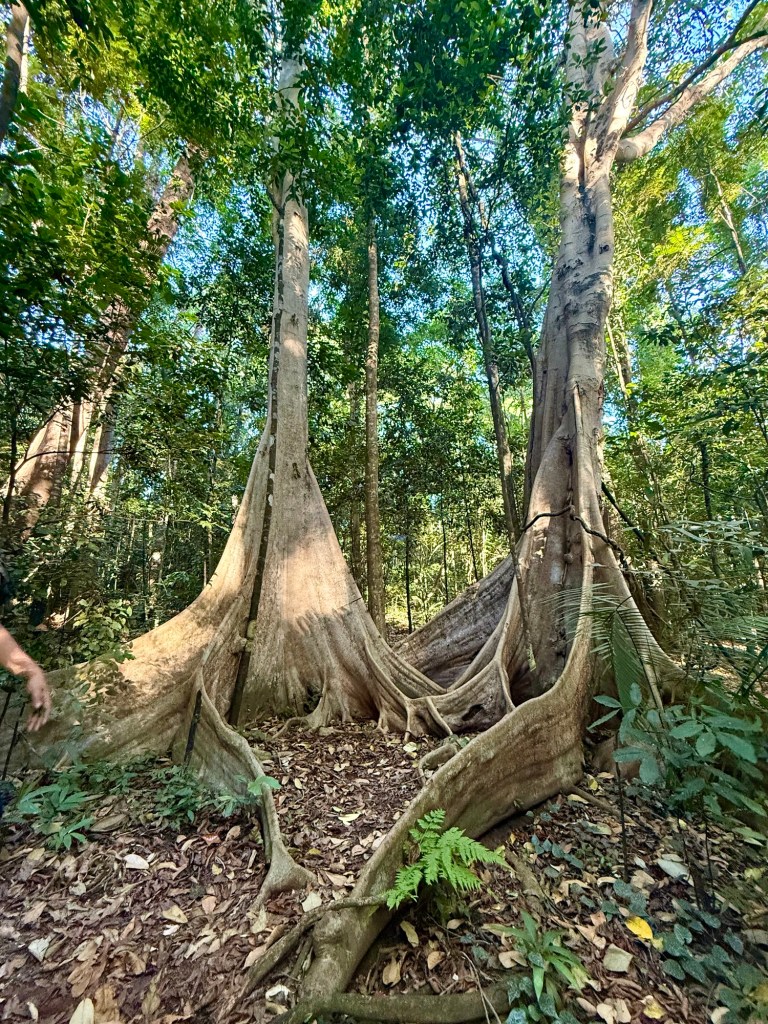
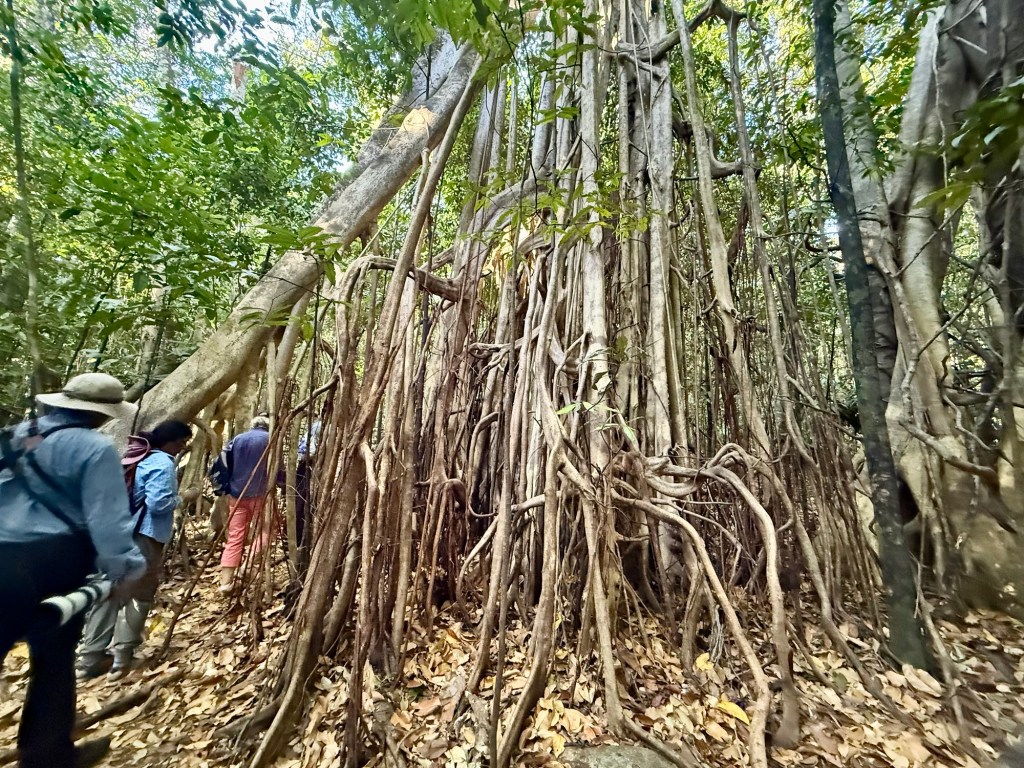
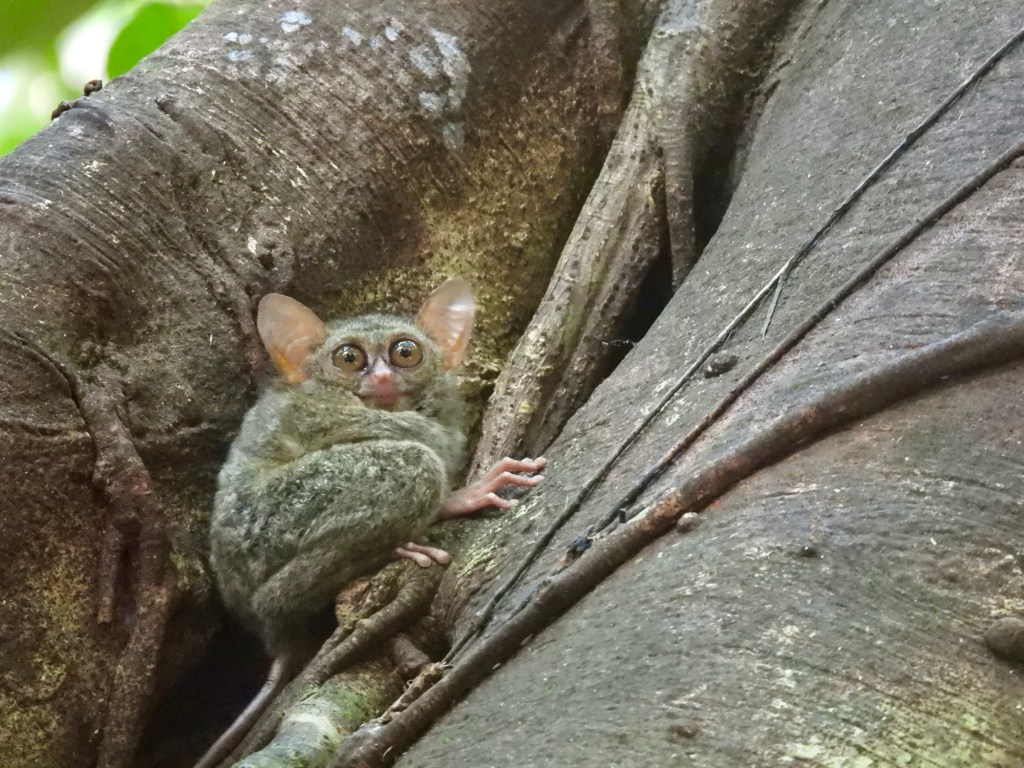
It was a great walk, not too hot, not too hard and we spotted the ‘big 4” we had hoped to see. A “highly commendable” must also be given to the amazing trees we spotted along the way, including a huge ficus tree.
Back at the beach we were rewarded by … you guessed it, snacks! This time including some of my favourite fruit, mangosteen, snakeskin fruit and rambutan, and some freshly made pandan pancakes wrapped around a delicious coconut filling.
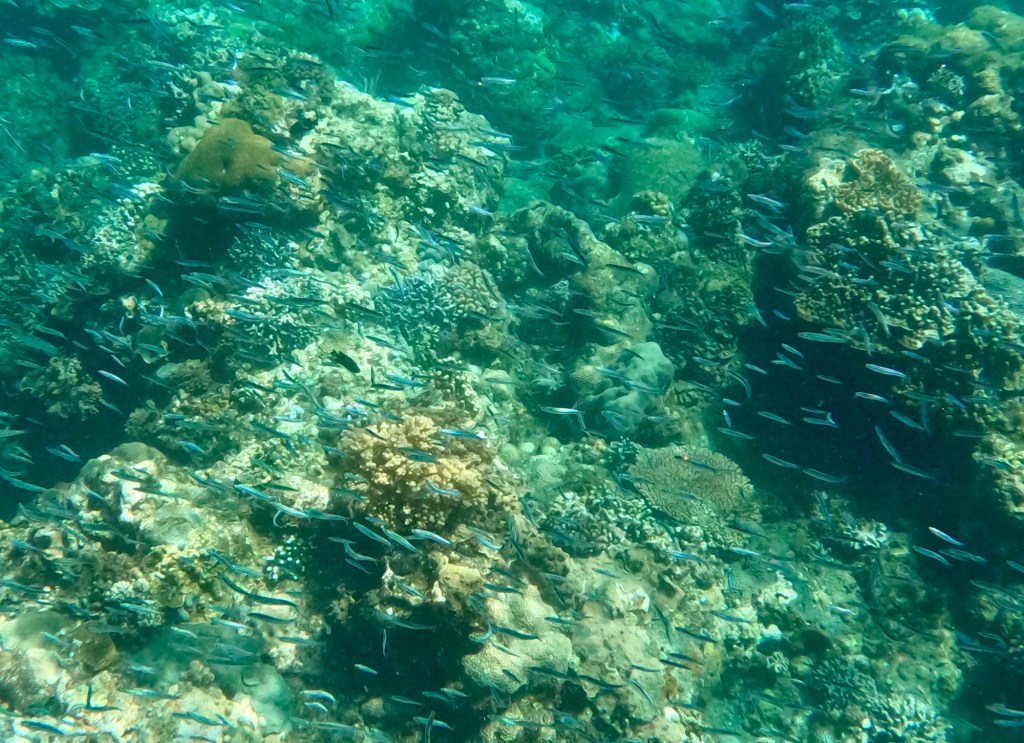
The wind picked up when we were back on the ship, so the afternoon’s snorkelling was a little choppy. This meant the visibilty was not great, but it was still nice to be out in the water. There were lots of little fish and we spotted what I called ‘fireflies’. Tiny iridescent dots of blue, or yellow or orange lighting up randomly. With thanks to by “boat bestie” who did some research, I now know that what we were seeing was tiny shrimp like animals called sea sapphires. They are translucent when they are not shining (and only the males shine) so it was impossible to get any photos of them!
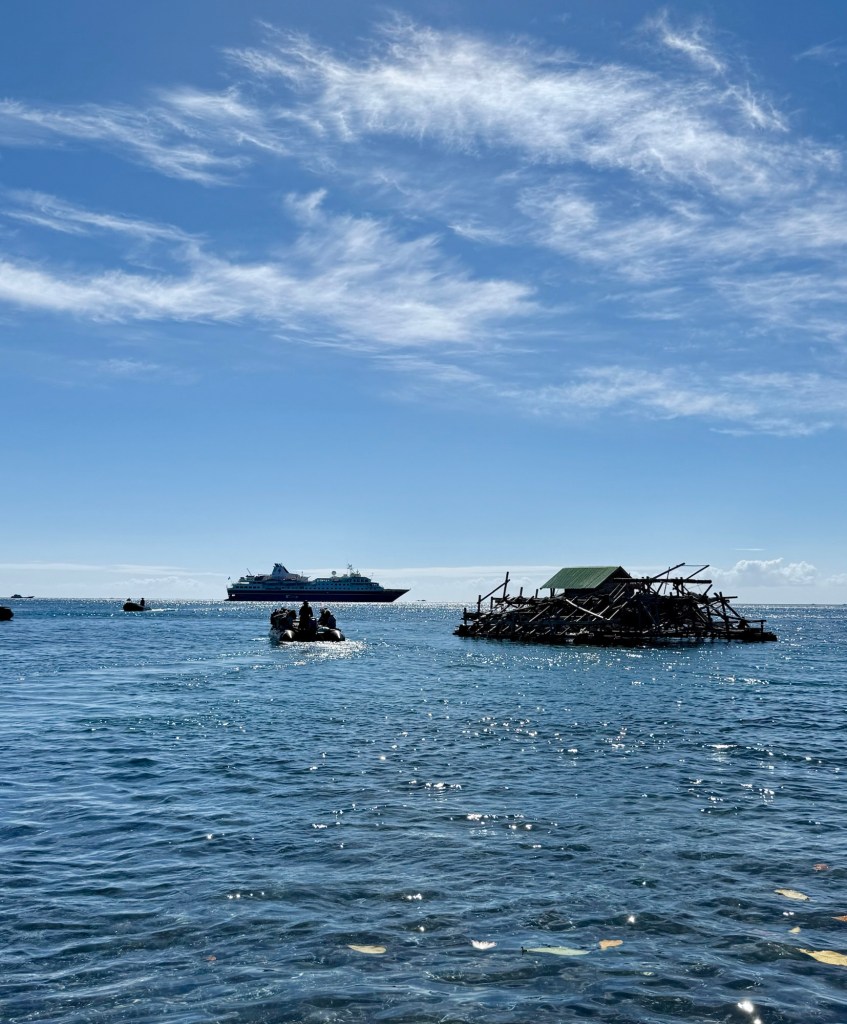
We were now sailing through the land of FADs – fishing aggregation devices and had already snagged a couple along the way! I will probably go into these in more detail in another blog.

