
The Philippines, July 2026
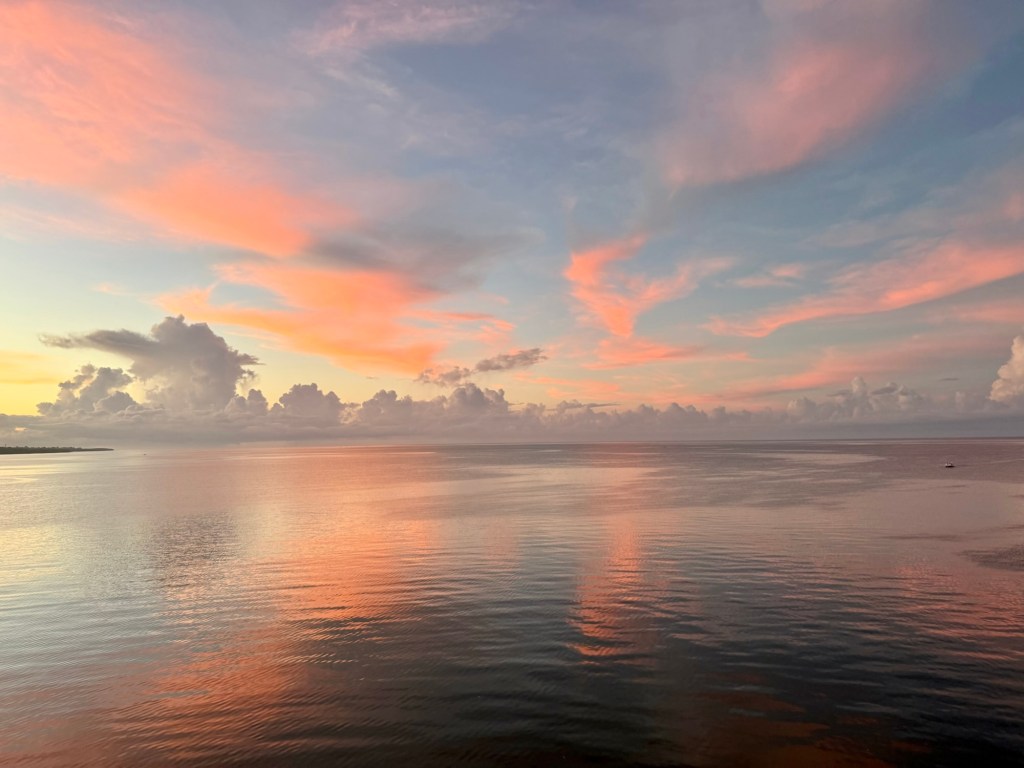
The beautiful sunset of the night before was matched only by the beautiful sunrise that followed it and it was a very short zodiac ride to the wharf in Baclayon on the island of Bohol in the Central Visayas.
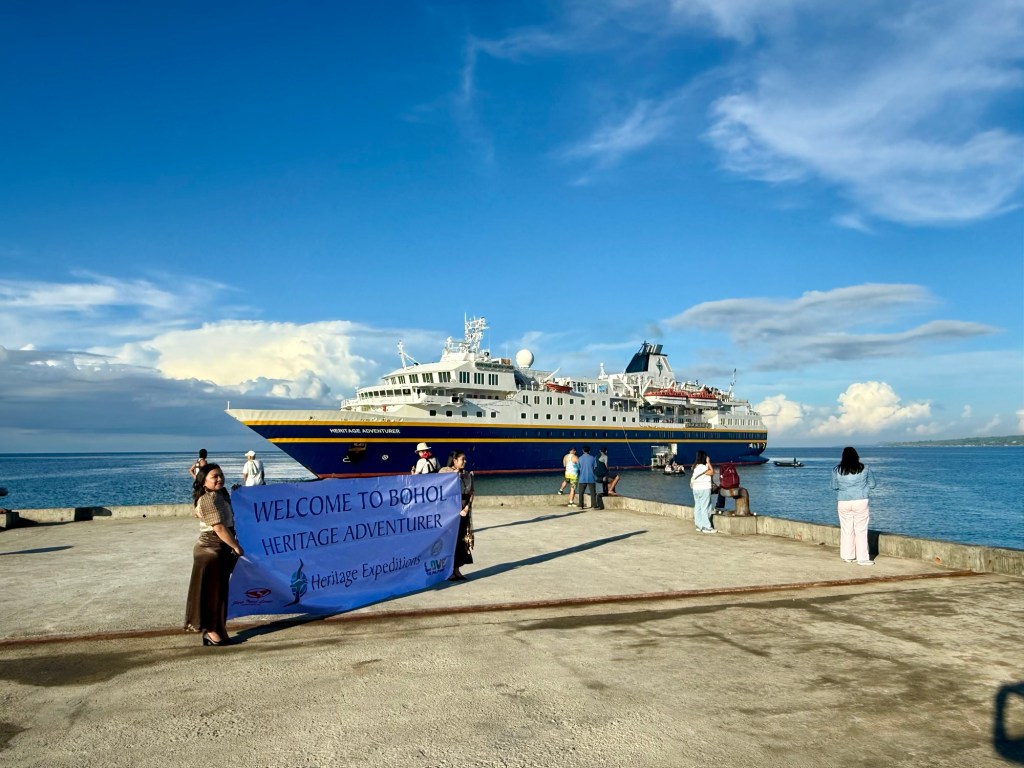
Bohol is famous for a number of things and it is the Philippines first and only UNESCO Global Geopark. In our whistlestop visit, we were going to visit a number of its most important sites.
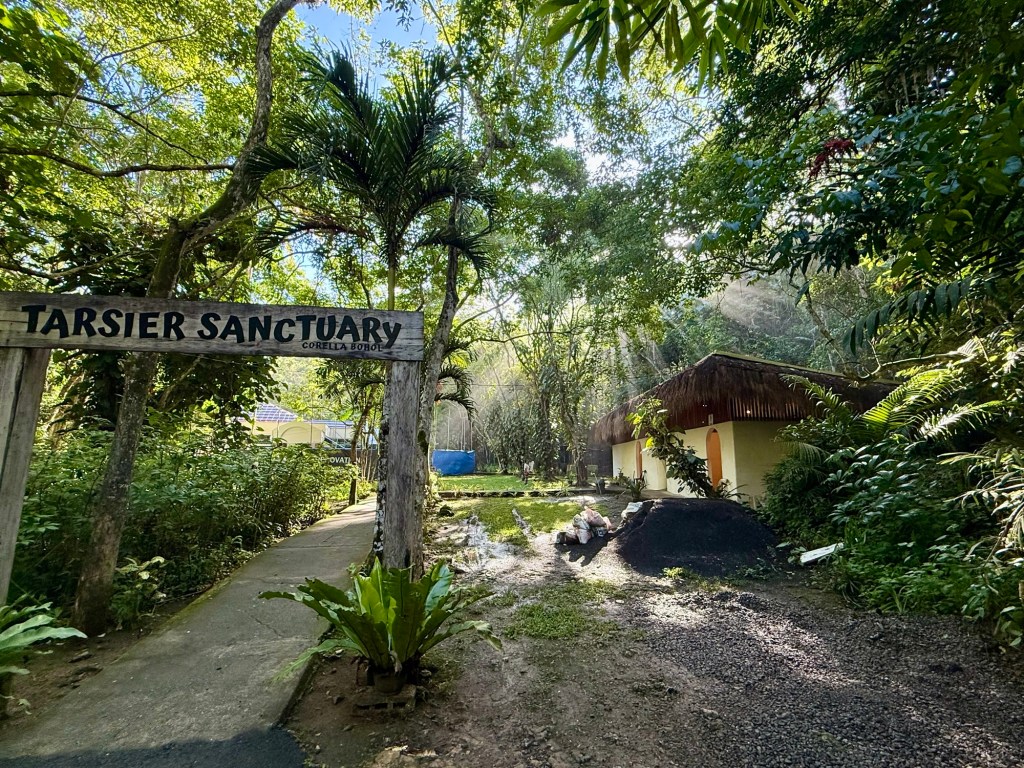
We had had a pretty early start, and once on shore, we jumped into minivans to go out of the city to our first stop, the Tarsier Sanctuary (a reasearch and protected breeding area, opearted by the Philippine Tarsier Foundation) by 7am.
If you are unfamiliar with a Tarsier, I beg of you, please watch this video (it is not only informative, but also funny) – True facts about the Tarsier .
If you prefer to read, Tarsiers are often referred to as the world’smallest monkey, however it is not actually a primate, but the more ancient Prosimian suborder. There are 4 species, found on different islands in Asia, and not surprisingly we were at the scantuary to see the Philippine Tarsier.
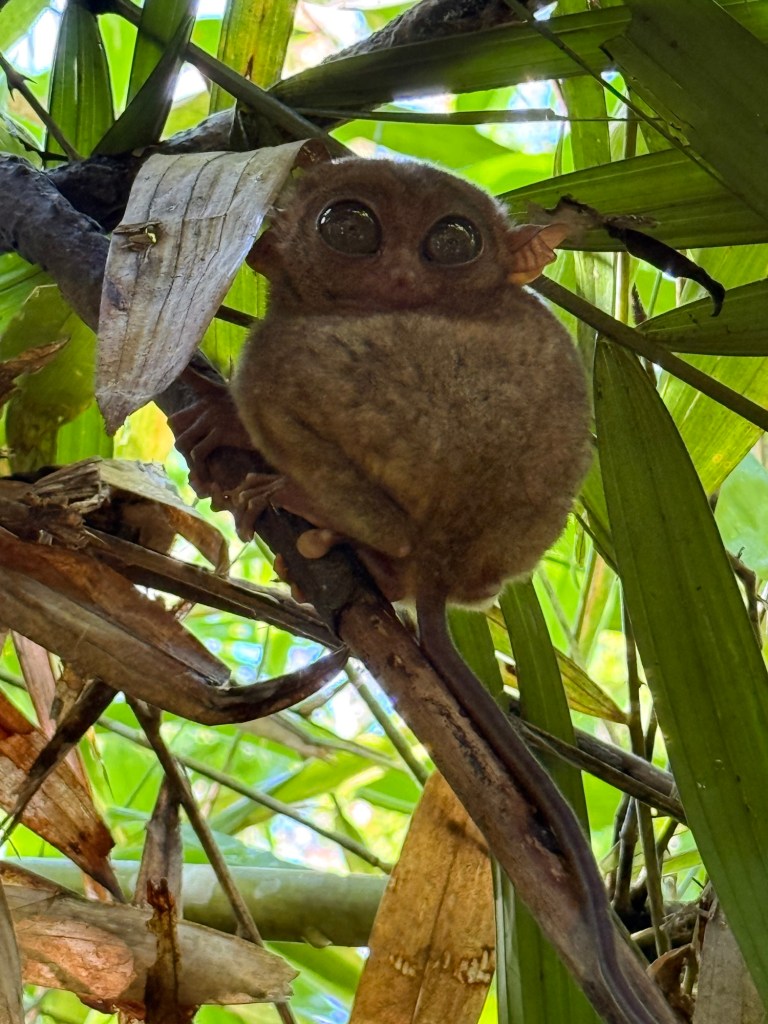
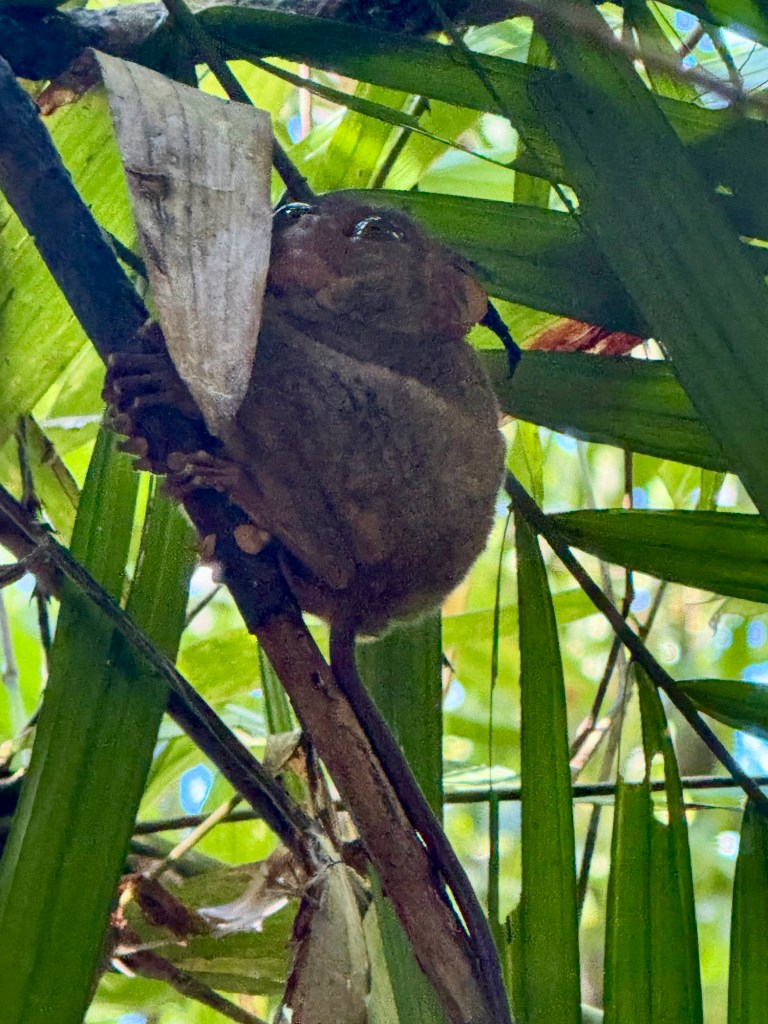
So, picture an animal that weighs around 120 grams, with a body standing around 100mm and a tail around 150-180mm long, acting as a 5th limb (like monkeys). It has ears like a bat, eyes that take up about 60% of its face and a head that can rotate 180 degrees! Yes, it is super weird and so ugly it’s cute lol.
They are considered near theatren due to lose of habit, hunting, the ill-informed pet trade (they rarely survive long in captivity), and to stuff and sell! The Tasier Scantuary we were visiting was started the ‘Tarsier Man’, Carlito Pizarras, who used to hunt the creatures with his father, who was a taxidermist!
As a young man, he took it upon himself to understand the animals and eventually managed to breed them for reintrodcution to the wild and he was approached to start a government supported nonprofit conversation programme in 1997 – the Philippine Tarsier Foundation. He was in site when we visited so it was amazing to meet him in person.
Tarsiers are nocturnal which means when we were trying to spot them, they were trying to sleep! It actual helped, as the scantuary staff would head out early in the morning and locate the sleeping creatures so they could easier guide us to them.
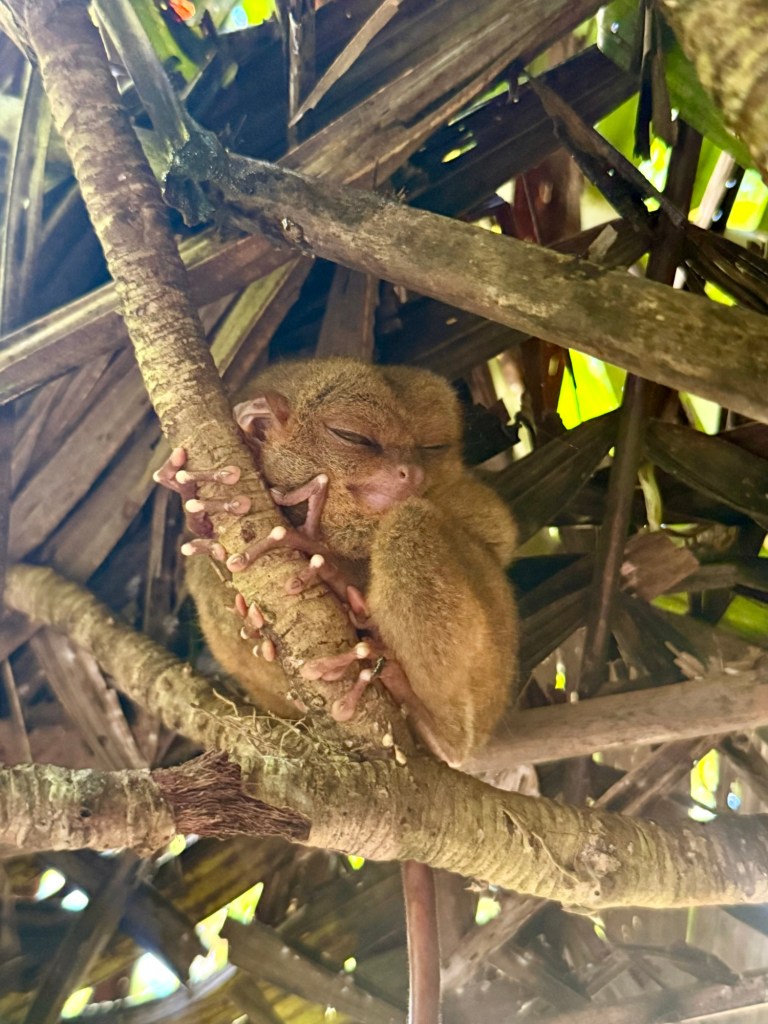
It was clear we woke them, as the guides stuck our cameras/phones pretty close to them to get us the perfect photos, but despite their shy and nervous demeanour, this didn’t seem to bother them too much. Perhaps because they know they are safe here? It was incredible to see three of these little gremlins in their natural habitat … I do believe they were the inspiration for many movie creatures, including the gremlins and Yoda from Star Wars.
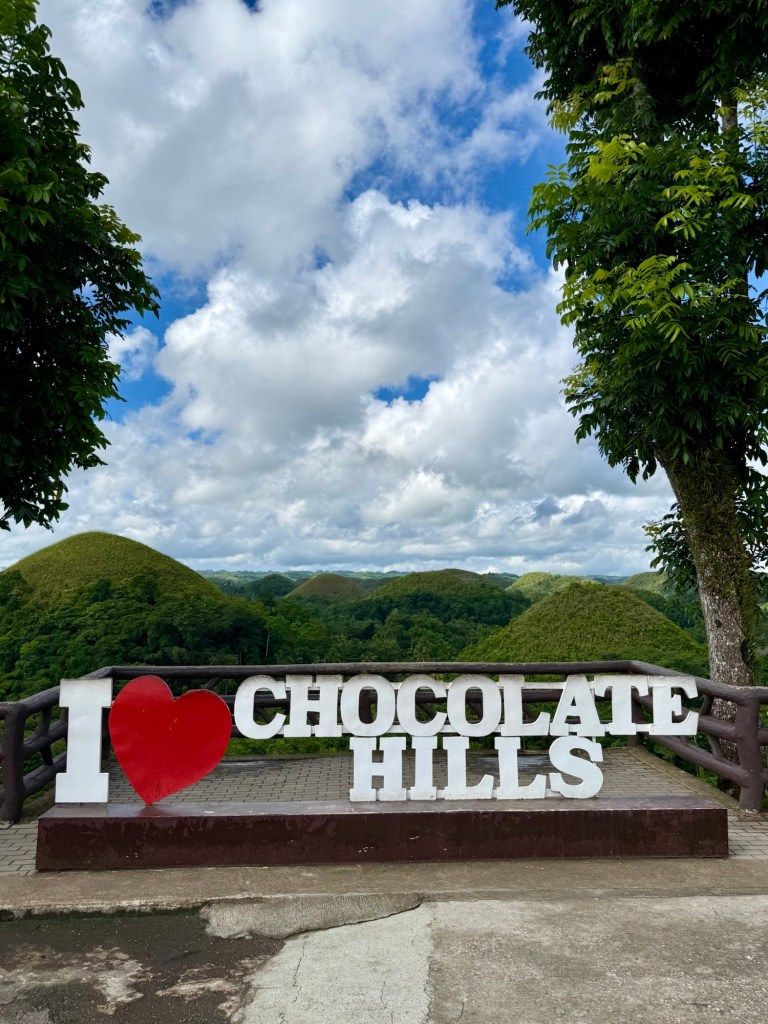
Next on my group’s tour of Bohol was one to the Philippine’s most famous sites, the Bohol Chocolate Hills. There are between 1260 and 1770 concical hills (called Conical karsts) in the area, ranging from 30-120m tall, which were formed by a combination of tectonic uplift of marine limestone and subsequent erosion and and dissolution of the limestone by rain.
During the dry season the grass covering the hills is brown, hence the name the Chocolate hills. As the rainy season has started, the hills were more matcha during my visit.
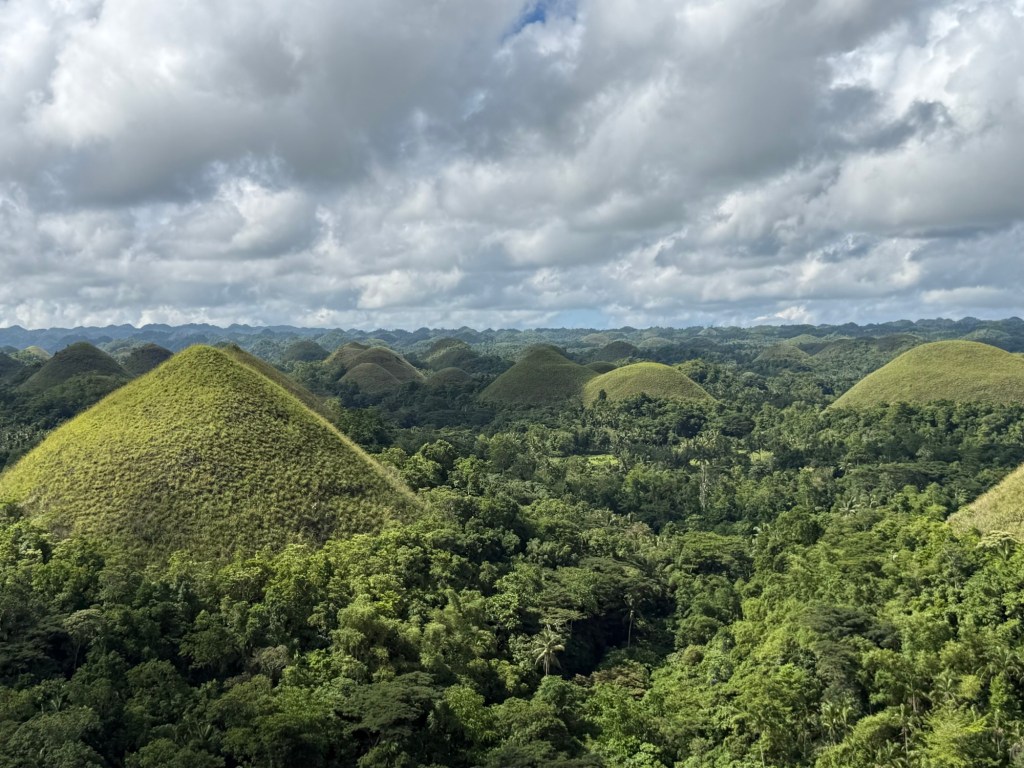
If you are into folklore, there are a couple of stories for the creation of the Chocolate Hills. The first is where two giants who hurled massive stones at each other, and when they made peace, they did not clear up the mess, leaving the thrown stones to form the hills. The second myth is that the hills are teardrops from a heartbroken giant who wept uncontrollably when his mortal love died. Believe which ever creation myth works for you!
Back in the bus we passed through small villages, farming areas and areas where they were building big solar farms. Apparently after the last big earthquake, they were without power for one month as they are currently dependant on another island for energy so are working on a way to produce enough renewal energy to power the island.
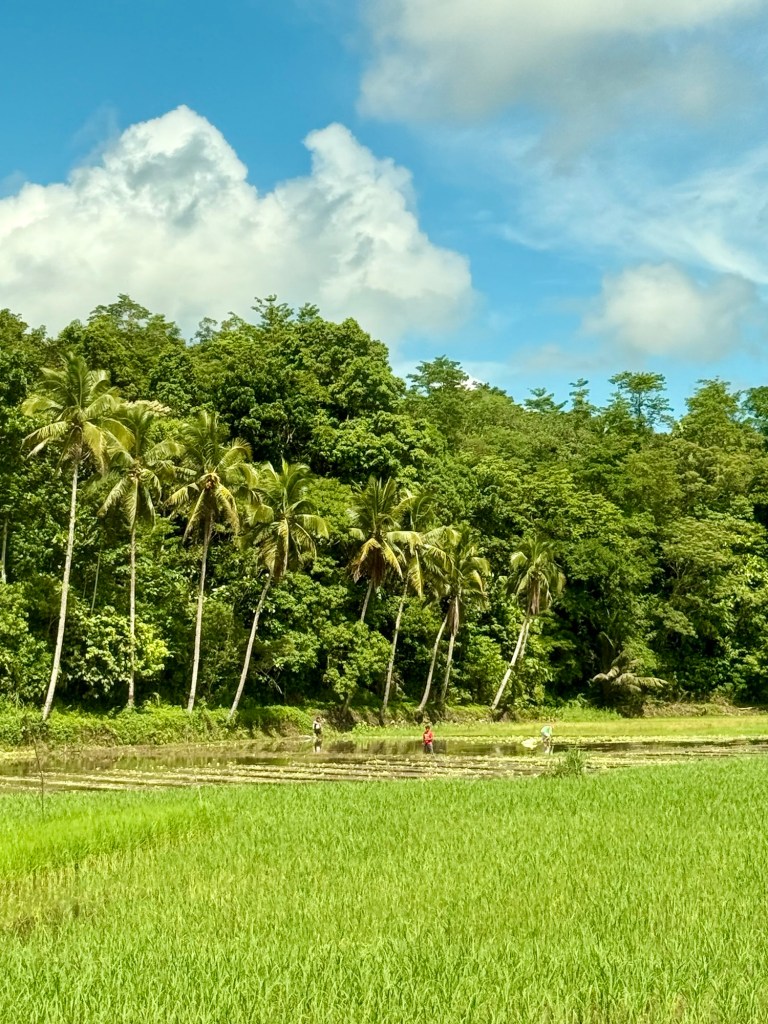
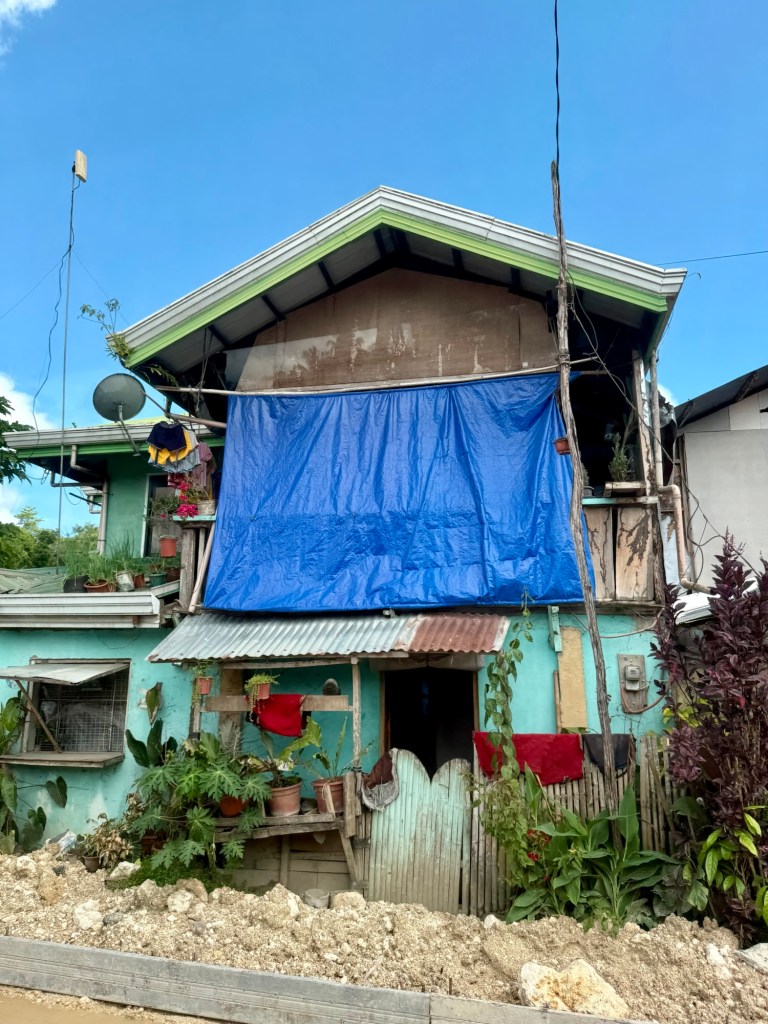
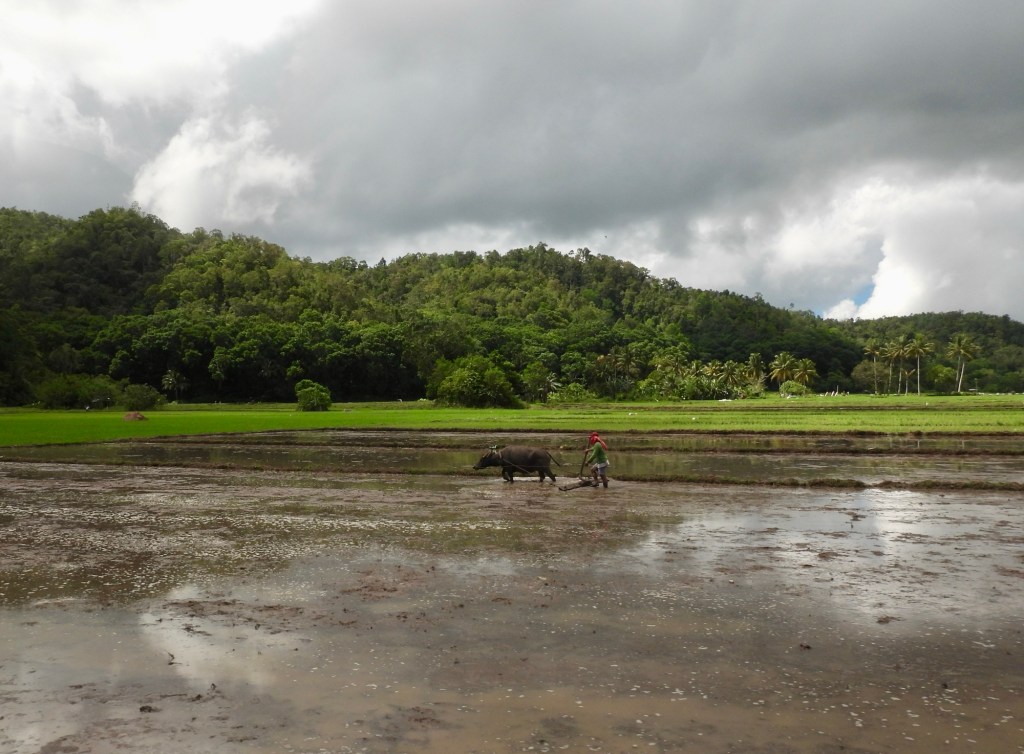
Most of the areas we passed through had good roads, decent housing and rice fields. Our guide told us that the community are responsible for keeping their towns clean, and each family provide a family member to help with the regular clean ups.
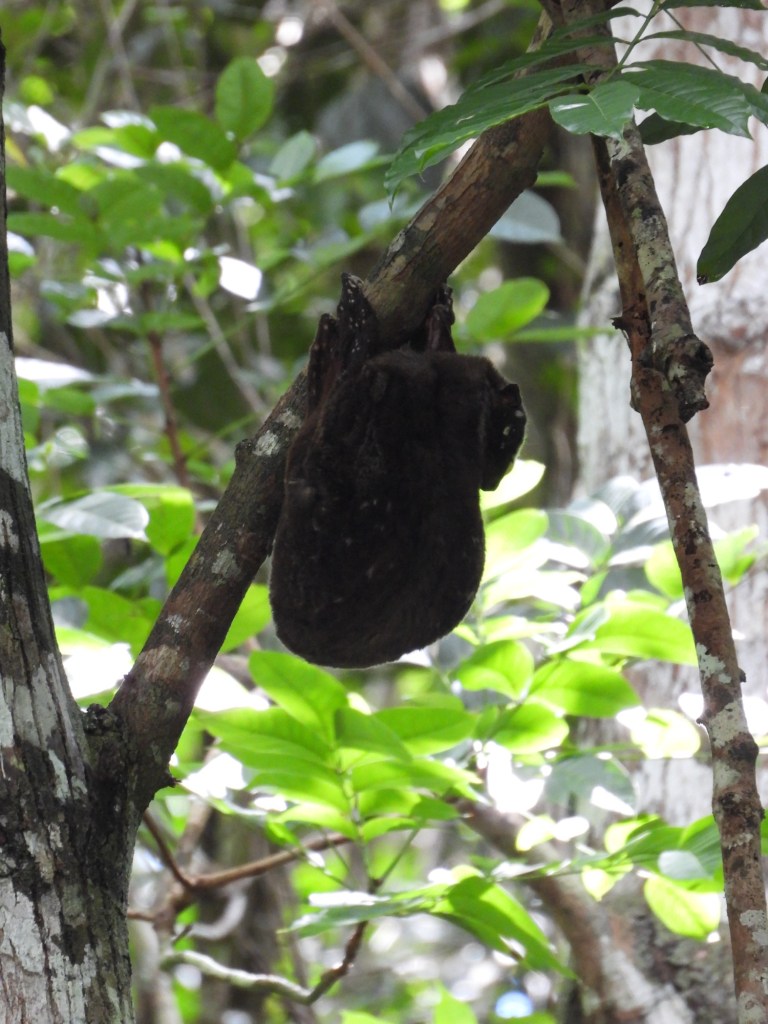
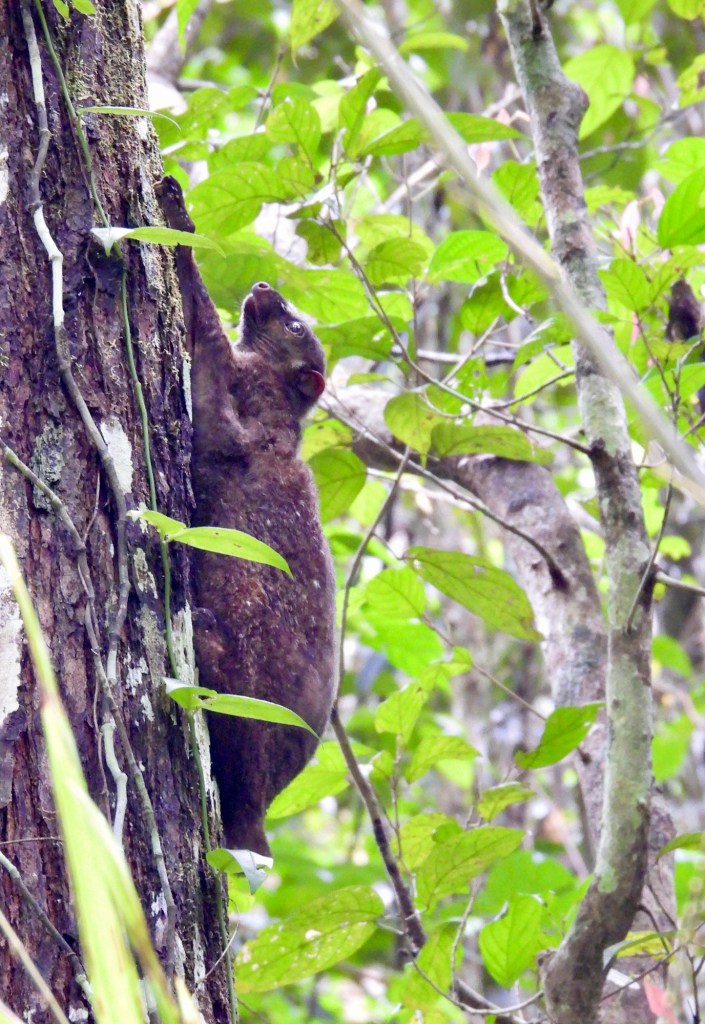
Our next stop was the Rajah Sikatuna Protected Landscape in the area of Bilar, and we were here to hopefully see the Colugo or Flying Lemur – FYI, it is not a lemur, and it does not fly lol. They are not even primates but are close relatives.
They live high in the trees and glide between trees, so we were lucky to spot a couple high up in the canopy.
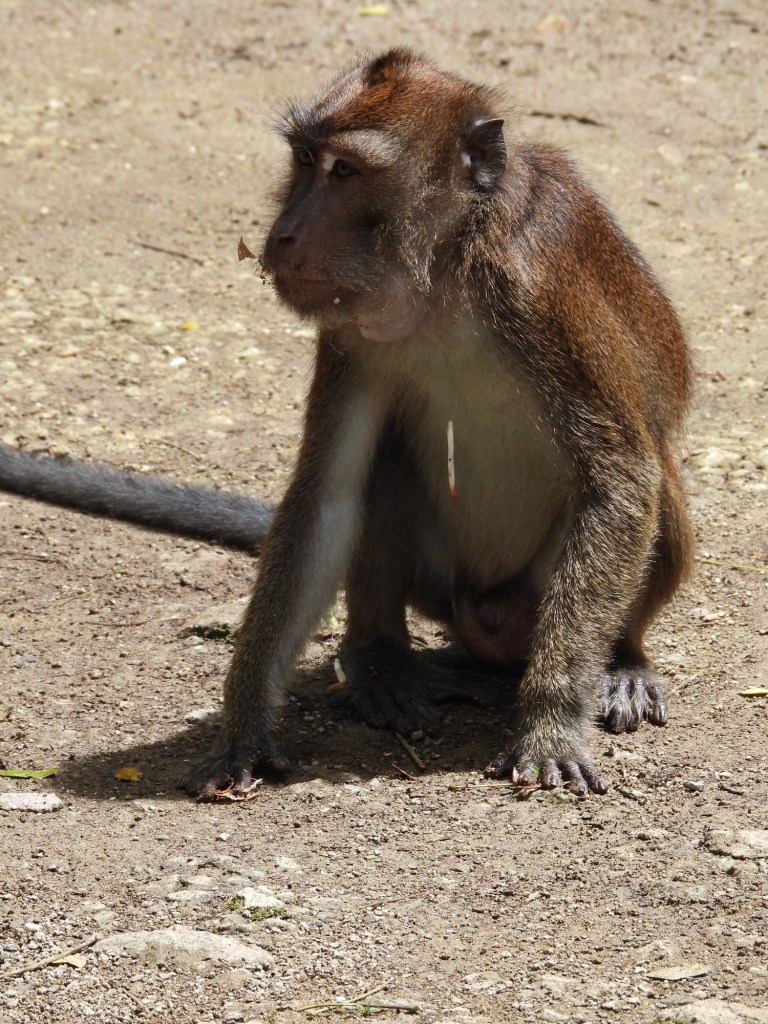
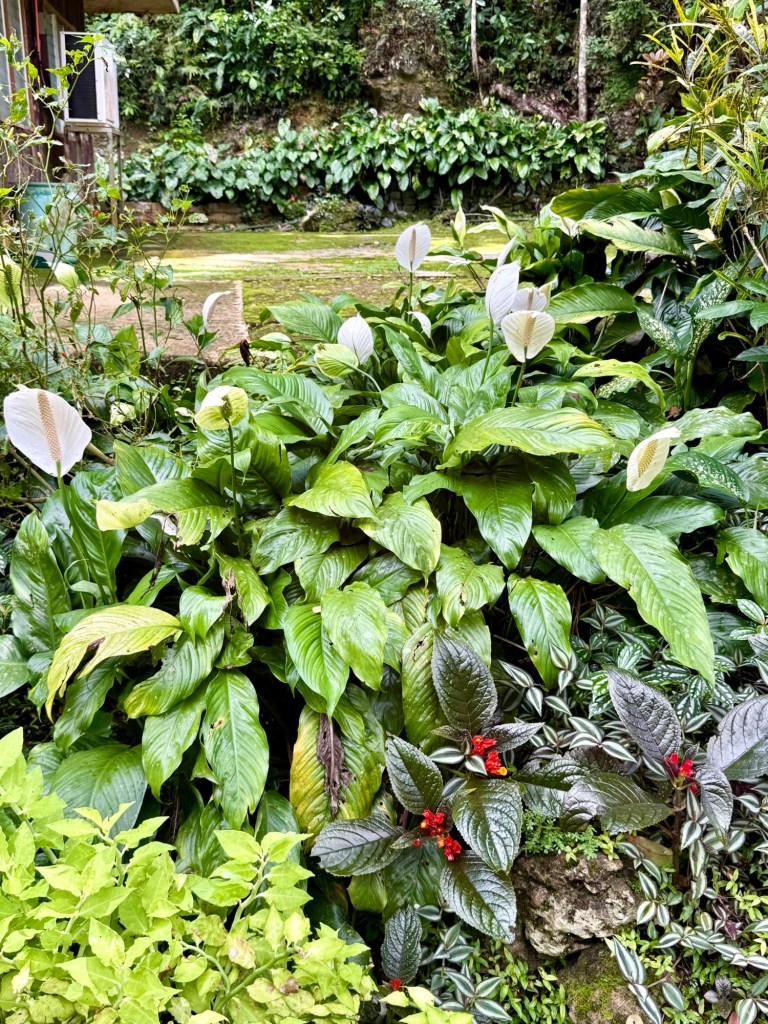
We also saw a couple of Philippine long tail macaques, but it seems the staff in the ‘protected landscape’ feeds them, as they came right up to look in her hand! I was more excited to see Peace Lillys growing in their nature all habitat (which is clearly not my living room, though they seem to be happy enough there too)!
As we travelled to our final stop, a lovely river side resort, it started to rain, and by the time we arrived, the forecourt was already flooding in parts. The staff kindly held umbrellas over us as we waded through the water which I found amusing. And as always, food and drinks were put on for us to enjoy before we stepped back out into the torrential rain.
What was supposed to be a lovely river cruise turned into an adrenaline sport with the rain so hard it hurt and we were actually unable to look forward into the rain – I felt for the zodiac driver who had too, to make sure we didn’t run into the large restaurant river boats that we passed. The dry people on the boats waved and cheered as we speed passed them lol. (I tried to document the experience in photos but they just do not do the rain justice!)
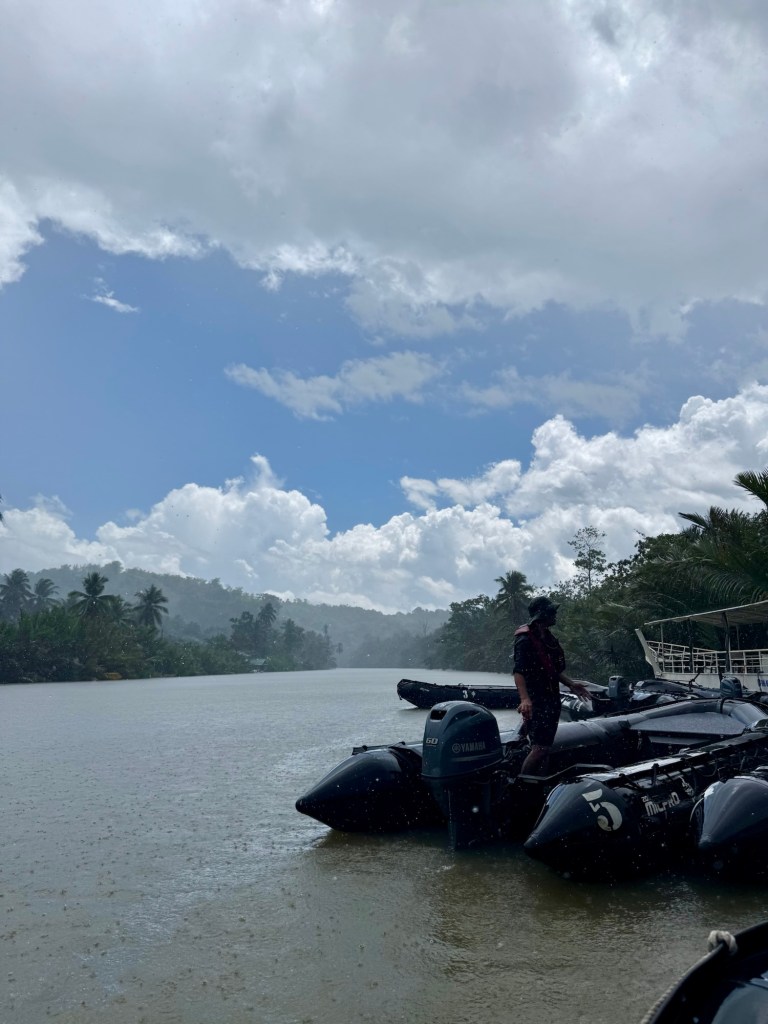
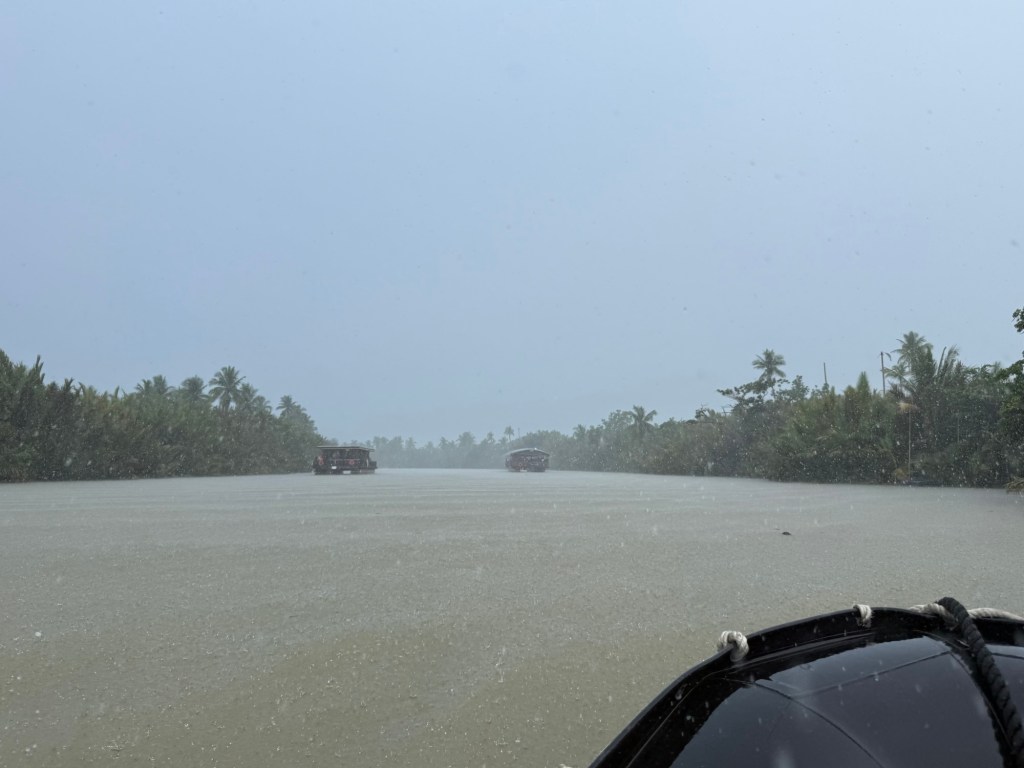
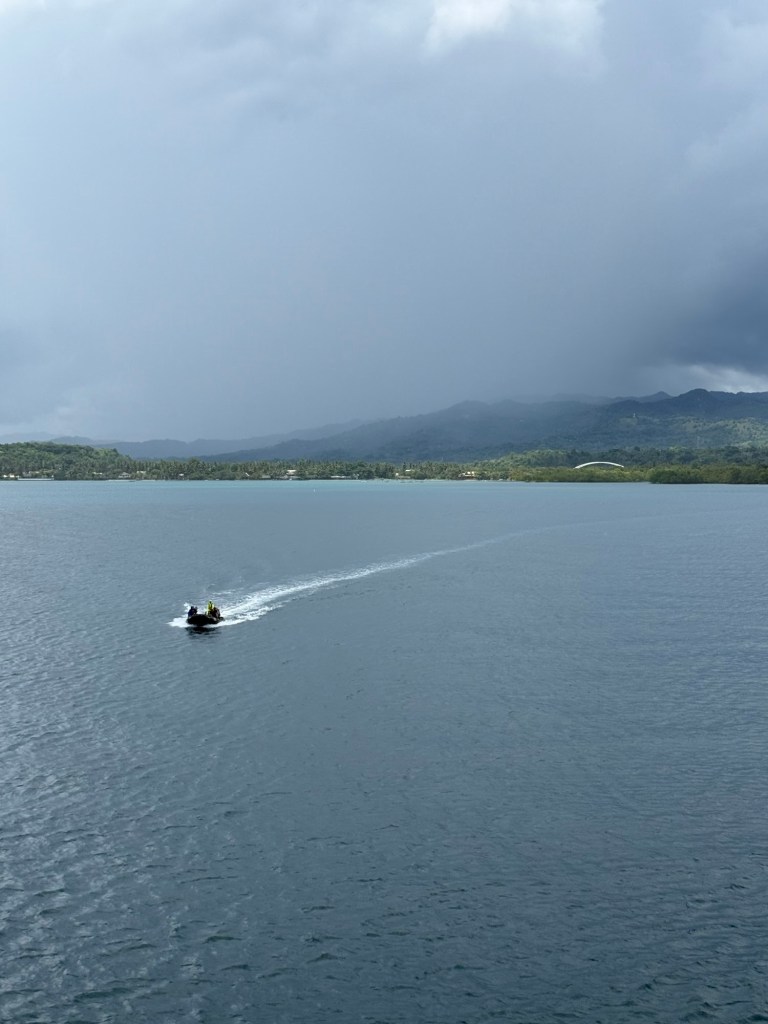
I thought we could outrun the rain, but not today. My waterproof shoes were no good when the water goes into the top and then cannot get out, but surprisingly, my raincoat held up pretty well under the circumstances and I did actually have some dry patches (as did my waterproof bag).
After what seemed like an age, the ship appeared through the mist on the horizon, and it almost appeared dry! Rainstorms are often so localised here that could have been quite possible. By the time I was back on board and dry, the rain has stopped so I am sure people after me may have had a dry ride. What a fun way to end a wonderful morning
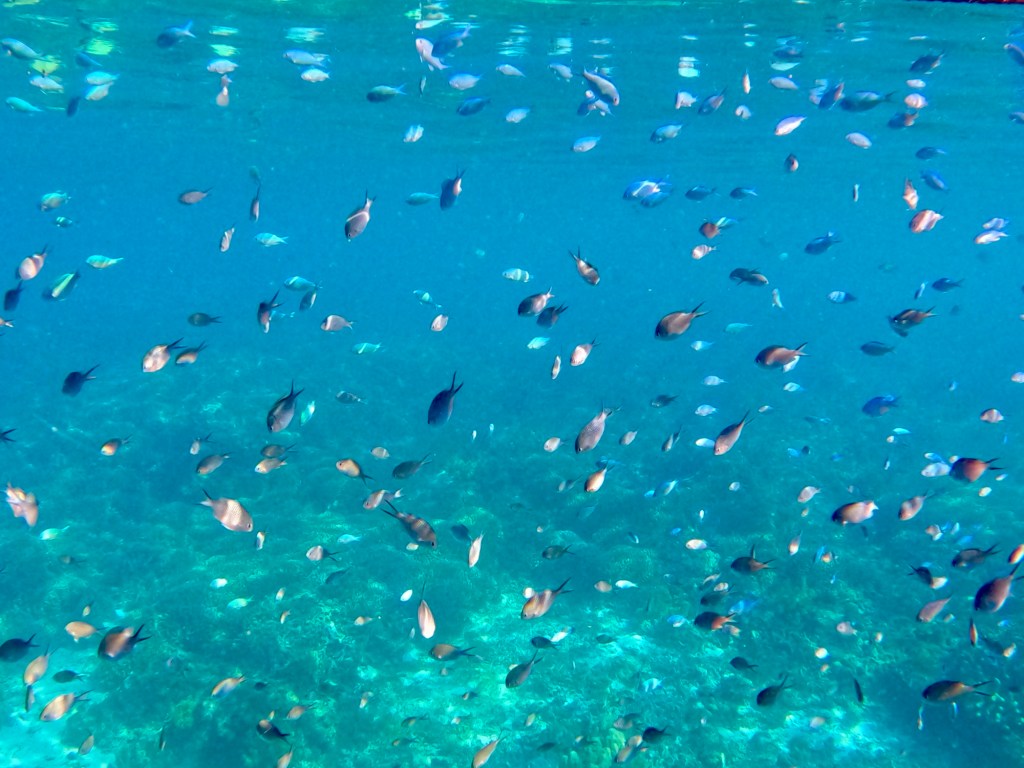
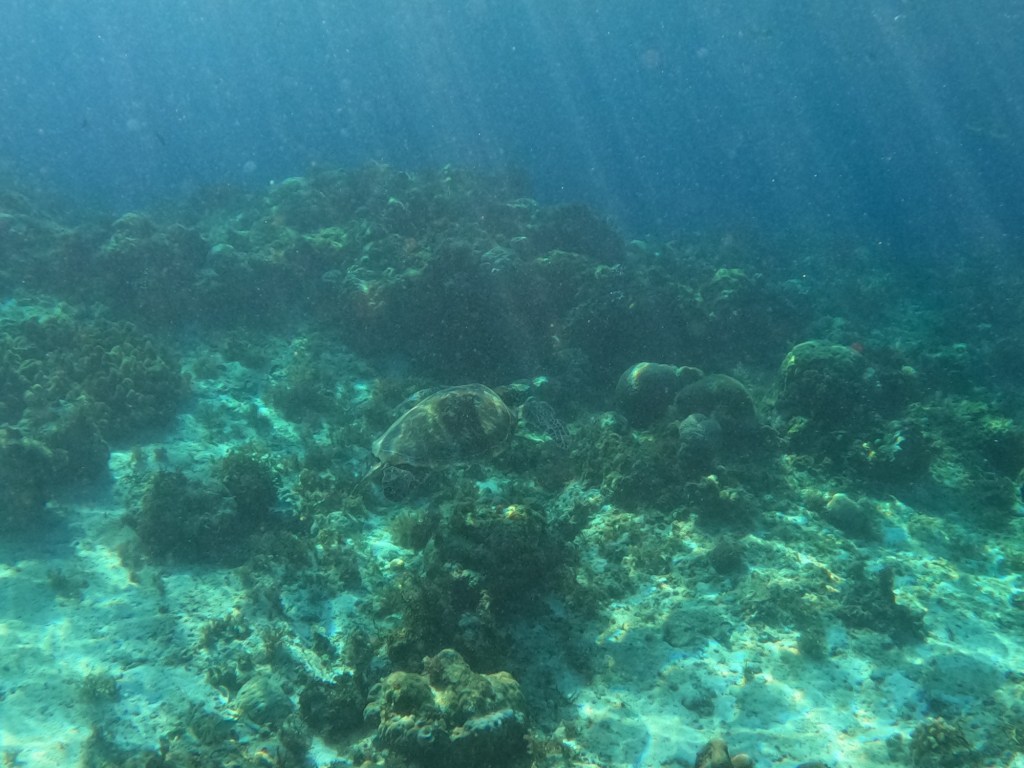
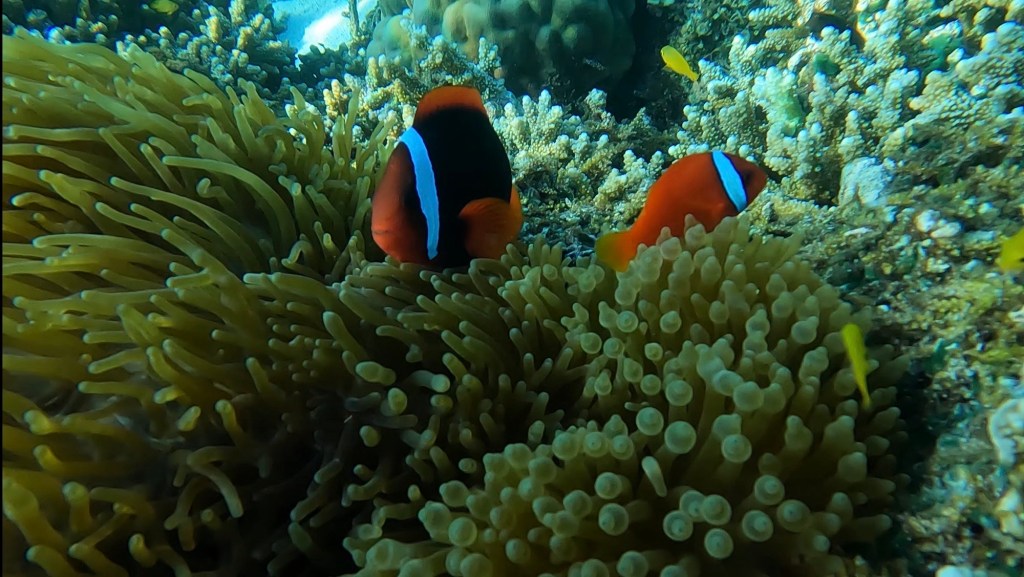
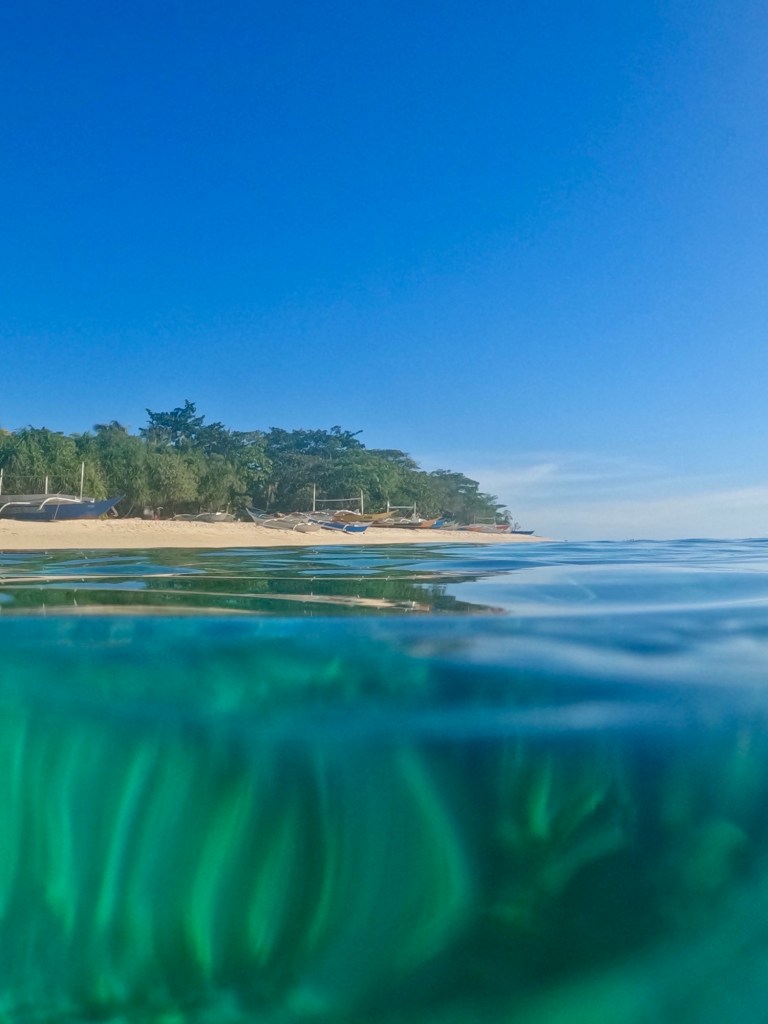
We spent the afternoon snorkelling off a small island called Balicasag (now formally in the Central Visayas). There were loads of fish and a few turtles, and lots of young Philippine people who appeared to point us in the right direction. I assume they were arranged for us, but you never can tell.
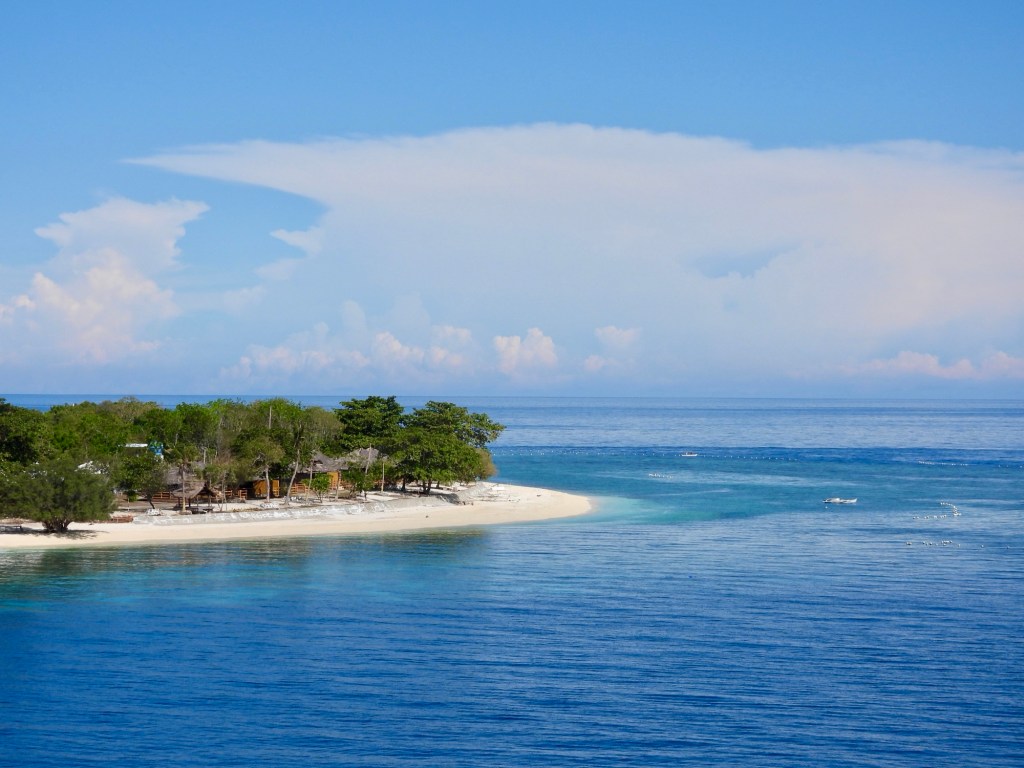
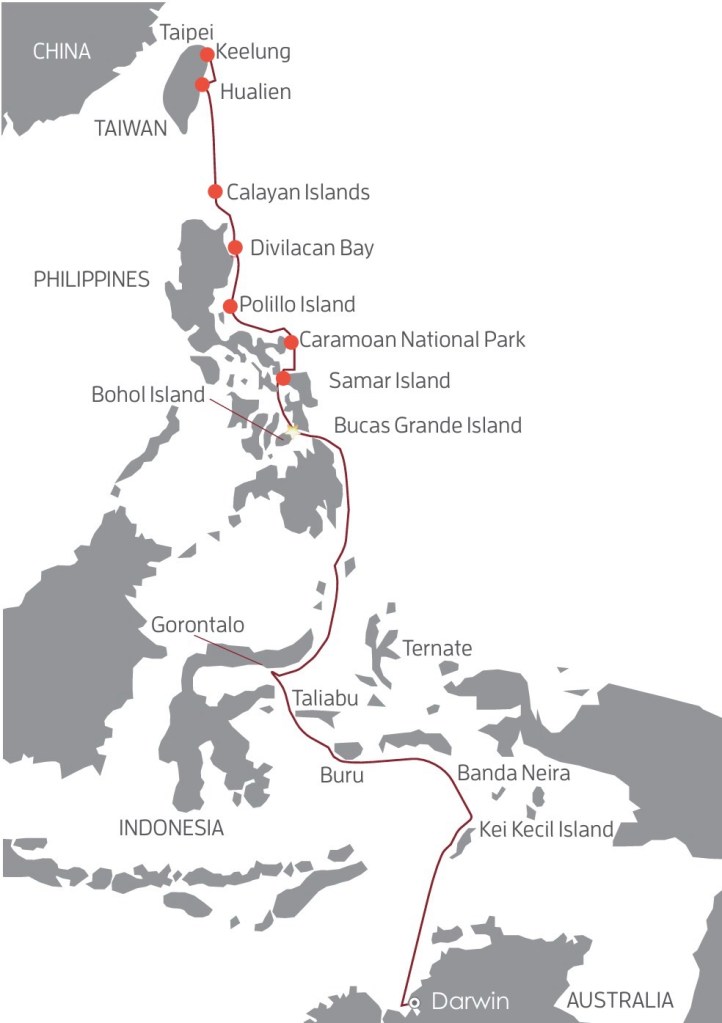
It was such a great day, and it ended with a Philippine themed dinner as we continued on south.

