Beautiful Bosnia

I had an early start on my second morning in Dubrovnik but I had time to have a quick look around the old city which was beautiful in the morning light and oh so peaceful without all the tourists!

That was until I headed to the meeting place for my tour!  All the tour buses and transfers met there around the same time so it was a little crazy – the buses and tour people didn’t have names or signs so everyone just stood around waiting to be called. Thankfully it actually all went way more efficiently that I had anticipated and even better, they were on time.  First 24 hours in Croatia had led me to expect nothing less lol.

What a day it was – 10 hours, 6 border crossing and 2 countries 🤔.  And so, to my first visit to Bosnia and Herzegovina (BiH).  Given that all the day trips left the city around the same time, I left Dubrovnik with some apprehension about how long all the border crossing were going to take!

As we left the city, we drove up the beautiful coastline, flanked by many islands – did you know Croatia has over 1000 Islands along its coast.  (No wonder it is a popular destination for sailing holidays).   I wish there were stops to take photos but I guess we were in a mad dash to the border – one of the biggest downsides for me of organised tours is having no flexibility to stop where you want (and of course spending so long on a bus!).  I also always want to sleep on buses but can’t because I am worried I will miss something.

60756247_421705582001127_8135651009134329856_n (1)

As we continued around the coast, we passed by the Croatian city of Ston, also known as the City of Salt.   The city is surrounded by thick stone walls 5 kilometres long, built in the 15th century to protect a precious commodity – salt!  They have been harvesting salt there for over 4000 years, making it the oldest active salt pan in the world.  Incredibly, at the peak of its success, 1kg was equal in value to 1kg of gold, hence the reason for those strong defences.

But I digress, this blog is supposed to be about BiH isn’t it??  Let me start with the reason for so many border crossings.  I was completely unaware of this, but you cannot drive the coastline of Croatia, without having to cross in to BiH (for 20km) before crossing back into Croatia.

How on earth did this happen I hear you ask (or not, but I will tell you anyway lol).  For that story, you have to go back to when Dubrovnik was an independent state and the entire coastal region was called Dalmatia (yes, where the spotted dogs originate from). When the Great Turkish war broke out in 1683 the Independent State of Dubrovnik found itself in the middle of war that had nothing to do with it, so in order to shield itself from attack, it cut itself off from the rest of Dalmatia by giving a small piece of land (an area known as Nuem) to the Ottoman Empire (which controlled what is now BiH).

The plan actually worked but jump forward 400+ years when Yugoslavia broke up, this piece of land remained part of BiH, causing the issues we see today.  On the Croatian side, the border staff review all passports when exiting and entering, whilst on the B&H they were far more relaxed but I can only imagine the monster traffic jams in the peak tourist season despite the efficiency!

Since 2007, the Croatian Government have been building a bridge from part of a Croatian peninsula to point on the mainland (a distance of only 2.4km) so Croatian’s and travellers alike can avoid going through all the border crossings when wanting to travel through the country! It was supposed to be finished in 2-3 years but the money disappeared! More recently they have now given the contract to a Chinese firm along with some EU money (80% of the cost) so everyone lives in hope this time the bridge will be completed.  If you look closely, you can actually see the start of the bridge in the distance in the photo below.

61053108_456032368492175_4809406371202072576_n (2)

A slightly odd and unrelated observation was the love for Latin music – buses and shops are more often than not pumping out reggaeton lol.   I could close my eyes and transport myself back to Colombia where I was this time last year!

The first border crossing in to BiH only took around 15 minutes.  The guide collected all the passports so we just needed to wait on the bus in Neum (hence the name of the Neum corridor) and once through we stopped at a café/restaurant for snacks and toilets.  Unfortunately, all the tour buses stop as same place so there was the expected massive queue for toilets and little then time for coffee 🤦🏻‍♀️.

My first impression of BiH was of people smoking inside WTF 🙅🏻‍♀️ and lots of people were smoking (though I have noticed it is still a fairly popular habit in Europe)!  Also, it is important to note, the coffee was not good – I would not have missed out on much if I had not rushed so much in the bathroom 😂.   That said, the sun was out and it was warm and there was a beautiful view over town (and out to the beginnings of the bridge).  I would not be surprised if this town is sabotaging the bridge build as it will lose a whole lot of business when buses don’t need to go through it!

The next border crossing was even quicker than the first and we were then back in Croatia!   From here we left the coast and drove inland and past vineyards (and from my dinner the night before, I had come to the conclusion that Croatian wine is pretty good) and orchards growing mandarins, oranges and tomatoes.  Apparently, the gastronomic speciality in the area is eels and frogs brodet (or stew).  I will pass on that!

The 3rd and final border for the morning was easier but took slightly longer and I was glad I brought my kindle with me to pass the time whilst waiting at the border.  Finally, by 10.30 we were in BiH for the second time that morning 👍🏻.  As we were leaving the EU, I had to turn off my mobile roaming on my phone.  Over the last few months I have got so used to just using my phone as normal in Europe, but outside of the EU roaming chargers are GBP6 per mb so definitely not worth making the mistake of mindless scrolling!  (We can kiss goodbye to that little perk at some point in the future when the UK finally leaves the EU!! I bet those who voted to leave did not think about wanting to stream their football whilst on their summer holiday in the south of Spain! (excuse the ever so slight stereotyping there 👍🏻😂)

BiH’s history is as interesting and if possible, even more complex than that of it’s neighbour Croatia.   Settlements in BiH date back to the Neolithic age with a Celtic migration to the region in 4th century BC.  Since then, they have been part of the Western Roman Empire, ruled by Ostrogoths, Alans and then Huns (I am going to have to do a lot more reading to understand who all of these people are).  It was part of the Byzantine Empire and then overwhelmed by the Slavs, all before the 7th century and it was during that time the tribes of Serbs and Croats are first noted.

Subsequent centuries find them under the Kingdom of Hungary and the Ottoman Empire – that saw the end of the Kingdom of Bosnia in 1463.  4 centuries under Ottoman rule left behind an obvious Turkish link in the BiH we see today, in its architecture, religion and food and it led to the emergence of a native Slavic speaking Muslim community.   Apparently when the Ottoman Empire took power, much of population were Christian.  Christians were taxed more than the Muslims (who had other benefits as well) so many of the citizens converted to Islam to avoid becoming second class citizens.

Next came the Austro-Hungarians until the end of WWI when It joined the King of Serbs, Croats and Slovenes (subsequently called Yugoslavia) along with its neighbour Croatia.

The first stop back in BiH for the second time was the Kravica waterfalls – according to the pamphlet they give out it was ‘created by the flow of the tuff surrounded Trebizat river’ 🤔. It goes on to say it is an ‘anatural phenomenon and it’s under the country’s protection as a natural rarity’. You have to love these translations 😂 I believe it is also important to note that you cannot perform any “religious rites” in the water!

The waterfalls are between 26-28m tall and use to provide power to many mills for rolling cloth that used to surround the waterfalls and lake.  It was beautiful and peaceful and there was even a little blue sky but as with Dubrovnik, I can image it is horribly crowded in the summer.

BiH is made up of two regions – Bosnia and Hercegovina (go figure), on this trip we only stayed in the Hercegovina region in the southern corner of the country.   Despite that, the citizens of BiH are all Bosnians (not to be confused with Bosniaks). The majority of the population then fall in to three ethnic groups – Bosniaks, Serbs and Croats, along side which there are three main religions – Islam, Serbian Orthodox and Catholic.

The city of Mostar was the main stop for the day and the Turkish influence was quite apparent here.  The city is surrounded by hills/ mountains and apparently it gets very hot in the summer!

We met up with a local guide who took us through the beautiful old city (or in most cases, not so old city).   Mostar was a fighting hotspot during the war in the 90’s and many of the historic sites were destroyed (also 70% of the infrastructure) and many have been rebuilt.  There are still a number of buildings around the city that are pockmarked with bullet holes, and others that have not been rebuilt – apparently this is purely because the owners never returned, so they have just been left as they were.

One of the main Government building has also not been repaired.  Our local guide told us that the Government say they don’t have money to repair it (or knock it down and rebuild) but of course they have money to drive nice cars and live in nice houses!  I think we can all agree; this is not a problem unique to BiH.

To align with the three main ethnic groups, the country has a unique Presidency with 3 members (one from each of the three main ethnic groups).  They serve a 4-year term as collective head of state with one member designated as Chairperson, a role that is rotated twice around the three members every 8 months!  Phew!

Worse than the physical damage the city was subjected to, the horrors culminating with the Srebrenica massacre, where more than 8,000 Bosniak men and boys were murdered in July 1995 as part of an ethnic cleansing by the Bosnian Serb army.  Not to lessen the horrors of that event, the Bosniak and Bosnian Croat forces also committed war crimes against civilians from different ethnic groups, though on a smaller scale.  War is a truly horrid thing.

Given such a difficult recent history, the groups appear to get on relatively well these days and live and work side by side.

Further significance of the 3 ethnic groups are reflected in the flag with 3 points of the triangle representing the three ethnic groups (apparently the colours being that of the EU is apparently no coincidence as it shows their willingness to join) and the three official languages that appear on road signs, packaging etc.

All the former countries in Yugoslavia used to speak the same Serbo Croat language and as a result, people of the individual countries still speak almost the same language so the Croat guide could speak to our BiH guide, each in their own language without problem.

One of the most significant landmarks of the city is the “Old Bridge” which ironically is not so old.  The original Old Bridge was a 16th century Ottoman bridge which stood for over 400 years before it was intentionally destroyed during the war by the Croat army.  (You can actually watch the bombing of it on YouTube if you want!)  The new “Old Bridge” and the surrounding area was rebuilt with money donated by Spain and a number of other countries and in fact 30% of the new bridge is made from stone from the original bridge brought up from the riverbed by US divers.  The new Old Bridge was officially opened in July 2004 by Prince Charles under heavy security and in 2005 it was added to the UNESCO World Heritage List.  These days, the only bombing you see are locals jumping off the bridge for money.

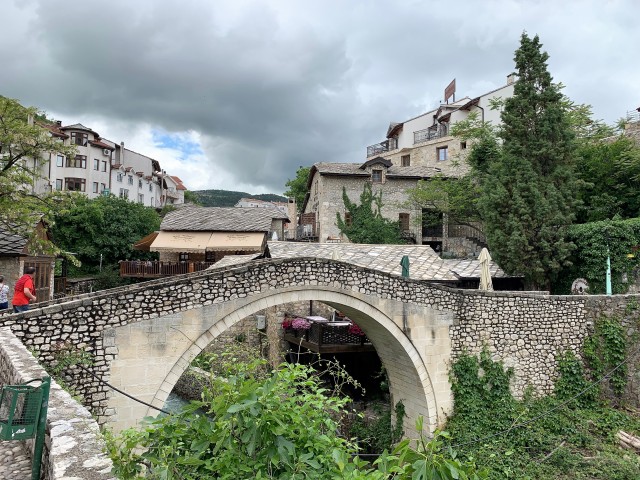
The only bridge in the city to survive the war is the small Crooked Bridge but unfortunately it was destroyed by a flood in 1999.  It has been rebuilt but Mostar certainly does not have much luck with bridges!
60965111_2528132133873956_6249440838909165568_n (1)

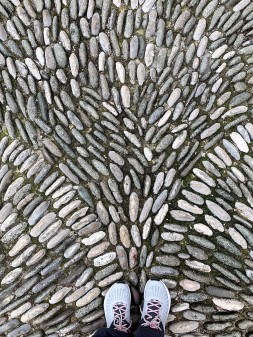
The streets around the Old Bridge were a mixture of cultures (just as the country is) with Turkish style shops, narrow cobbled streets and Bob Marley music blaring (not sure how that culture fits in lol).   The cobbles today are flat as you would expect but get very slippery when wet however the original cobble stones was standing vertically which apparently were much easier to walk on – they had a small example of the old style, something I have never seen before and sounds far more practical.
61269465_2332761123654524_2106233119936872448_n (1)

The last stop before lunch was at the Turkish House, which was exactly as it seems, and beautiful example of an old house which was traditional in the region during Ottoman rule.  This one was built in 1635.  It was beautifully ornate inside and had very high walls around it – apparently the higher the walls the more beautiful the women were within the walls!

We also learnt that they also use to wear a Fez (hats like in Turkey and Morocco) and did you know that the marital status of the wearer was indicated by which side the tassel sits and more importantly, as a guest, if you were served with hot coffee you were welcome, if served with cold coffee you should leave quickly lol!

61416562_325766568099208_1793717345131167744_n (1)

For lunch I wanted something traditional and had considered having Bosnian pie – filo like pastry in a roll and filled with spiced beef, but it was very similar to those in Croatia so instead I went with Cevapcici – little beef sausages with pita bread and red pepper sauce, washed down with a bottle of local beer.  I followed it up with the famous Mostar fig cake for dessert which was very sweet, even a little too much for me (and I love sweet things).  It was definitely much cheaper than Croatia!

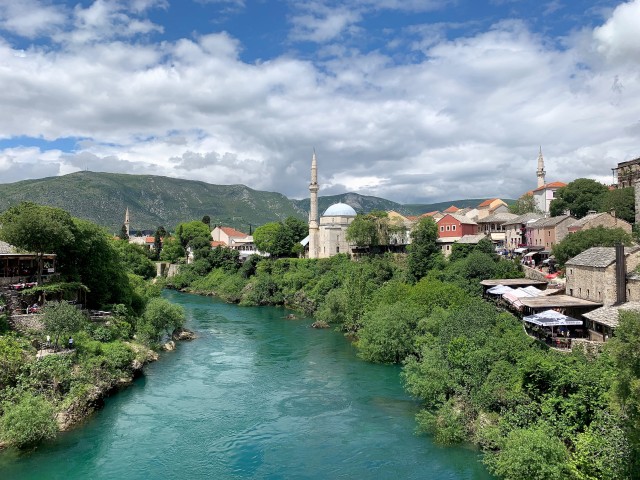
In all honesty, Mostar was truly beautiful.  Beautiful buildings lining the river, narrow shop lined streets, mosques near churches and not full of the crowds of Dubrovnik. The people were also incredible friendly and welcoming.  As with everywhere I go these days, I wish I could have stayed longer.

61076869_298953144382226_5558433746908086272_n (1)

A couple more interesting facts about Mostar and BiH:

  • You only get 13 seconds to cross a 4-lane road – I strolled across in 9 but don’t know how old people do it!
  • Everyone accepted Croatian kuna, euros or Bosnian mark in payment.  On top of that, they gave change in the currency you gave them.  According to our guide, money is money!  Of course, I only went to the tourist towns so this may not be true of the whole country.

After lunch, it was time to head back through the borders to Dubrovnik, I took a cheeky bus nap and woke up in Croatia 😂.

Fun fact – although I am considering this my first trip to this region, I have actually been here before.  During the Civil war, I caught a train from Munich to Istanbul which passed through the inbattled Yugoslavia.  The doors of the train were chained and padlocked shut as the train sped through the rapidly dissolving country without stopping until it reached the Bulgarian border.   I am glad this experience is completely different!
60927048_636600140188191_4679245733734383616_n (1)


Dubrovnik dreaming…

I was excited about my next trip, a very quick trip to three Slavic counties – Croatia, Bosnia & Herzegovina and Montenegro.  It was my first time in my region (almost, but I will explain that in an upcoming blog) and I was excited to explore.

It was also the first time since I have been back in the UK that I had travelled from Gatwick airport.  To be honest it is really a little to far to drive for a weekend away, even a long weekend (at around 2 hours give or take depending on traffic) but as my departure flight was before 7am on Saturday morning I travelled down the night before and stayed in a small hotel near the airport for the night which made the journey somewhat more relaxed.

I arrived in Dubrovnik to a chilly and overcast morning and to a ridiculously long passport control queue!  I have become a little too comfortable these days with just been able to walk through automated immigration gates at airports with very little time taken, but with no automated gates and 3 planes having landed in quick succession, the immigration queue was backed up.  Thankfully I had booked a transfer so I was quickly (well as quickly as the traffic on the narrow roads could take us) taken to the old city.

I must now declare that it seems that I am completely giving up the pretense of being a backpacker (maybe a flashpacker is the term I need to be using) on these trips – ok, I am carrying a small backpacker but now I am booking transfers to the town and in this case, I have a small but convenient hotel room in the old city.  Most of the hostels here are all in another part of the city and I really wanted to stay within the city walls.  That said, my room is in the attic with a very small single bed and lots of beams for me to hit my head on!  So I definitely have not forgone all hardships whilst traveling lol.

As it turns out I was also badly packed for this trip – a real rookie error (the first of a couple on this trip)!  When I had checked the weather forecast earlier in the week, it was not forecast to rain so I had not packed a raincoat or umbrella and as it turned out, I definitely need both! I think from now on I am just always going to pack a raincoat just in case.

With the queues at the airport, I just made it in time to the meeting point for the walking tour I had planned to go on.  But sadly, this was the first free walking tour I have done where there were just too many people and it was hard to hear the guide (I think he had cancelled the early one because of rain so there were definitely more people than normal). There were definitely way too many people for the narrow streets of the old city but the guide was good local guy (who was clearly passionate about the city’s history) so I tried to persevere despite the less than ideal circumstances.

I did of course learn some very interesting facts, as I always do on these tours. Croatia, and more specifically Dubrovnik is yet another country with a crazy history, and again, European history blows my mind!

Over the centuries, the city has been under the control of the Roman Ostrogothic Kingdom, part of the Byzantine empire, under the rule of Venice, then under Croat-Hungarian rule at which time it gained a great deal of autonomy as the Republic of Ragusa (former Italian name for Dubrovnik).  It remained a free state for almost 500 years (although from 1382 it paid an annual tribute to the sultan of the Ottoman Empire) but was much weaken by a massive earthquake in 1667 which killed over 5000 inhabitants and destroyed much of the old city.   In 1808, a weaken city was conquered by Napoleon’s French Empire and annexed under the Napoleonic Kingdome of Italy in 1808.  Then after the fall of Napoleon it became part of the Austro- Hungarian Habsburg empire in 1815.

After WWI it became part of Croatia which was in turn part of the Kingdom of Serbes, Croats and Slovenes which became Yugoslavia after WWII.  Finally, it became the independent country of Croatia in 1991.

All of these cultures left their mark on the city, leaving it rich in culture and enlightenment.  They were early adopters of many modern laws and medical services with the first pharmacy opening in 1317 (which is still in operation today).  They abolished the slave trade in 1418 and they opened the first orphanage in 1432.  They also built a 20km water supply system in in 1438 providing water to the city via two fountains and numerous other outlets around the city (probably more importantly, they also had a sewage system around that time.)  The fountains and other outlets are often decorated with animal faces or gargoyle type heads (or Muskeron as they are known).

Apparently, or so said one of the guides, the city used to elect a new governor every month to avoid corruption – a lot of effort to go to, but perhaps something some countries these days should consider doing??

Of course the old city of Dubrovnik is famous for the fortified walls that surround it – 2 metres thick on the seaside and up to 6m thick on the landside.   The bulk of the existing walls were built in the 14th and 15th centuries and have survived earthquakes and bombings.

To protect the city, the early inhabitants, ingeniously used stone (rather than iron) cannon balls to protect the city –  they had little or no access to the very expensive iron and stone was far easier to source locally.  When it was to be used in canon balls that you literally ‘threw’ away, it just was not worth the money or the effort to source the iron!

These early citizens were traders so they really only needed ships and coastland with little or no need for any space inland space (in fact Bosnia is just over the hill behind the city).

Of course, we are very lucky to be able to see the old city of Dubrovnik today, not only has it been damaged over the years but numerous earthquakes (the last major one in 1979), it was also held under siege during the ‘war of independence’ or ‘homeland war’, and was bombarded by the Yugoslav Peoples Army in December 1991.  The bombardment of the UNESCO World Heritage site provoked an international outcry.  Thankfully no major landmarks were badly damaged and much of the buildings damaged have now been rebuilt/repaired.  Our guide was just a baby during the war and was evacuated from the city with his mother and siblings whilst the father had to remain to fight.

As the walking tour continued through the narrow streets of the old city in the rain, there were already lots of tourists around the city – I can’t imagine what peak season would be like and I am not sure I would enjoy it much.  Add umbrellas to all the people and it meant not a lot of photo opportunities – I took a mental note to make sure I was out early one morning to take some photos when there are less people around (and hopefully less rain).

I actually gave up on the walking tour about halfway through – the first walking tour I left early, but I know I will go back and re visit most places on my own over the coming days.  And so, I head back to my little attic room in the old city (trying to remember to duck as I go under the low beams) and as I took a nap to recover from the early morning the rain came in and the cloud came down.

Having checked the forecast earlier in the week, I had booked a ‘Sunset’ tour and despite the weather they were still running so I went with very little expectation!  I had booked with Eco Tuk Tours, a local family run, eco-friendly company who ran tours in 100% electric tuk tuks.  So out I went in the rain in an electric tuk tuk – thankfully it had plastic sides/roof and if you kept your feet up you didn’t get wet from the puddles on the road lol.   The guide was great and I shared the tuk tuk with a lovely American couple so I was ready to enjoy the experience regardless of the weather.

We drove around the coastline, past the cruise liners lined up along the docks and through the suburban, more modern looking areas which looked like part of the Italian Amalfi coast.  Again, I enjoyed hearing the human stories from the guide, as with the walking guide, he had been evacuated with his mother during the war for independence whilst his remained behind to fight.

Thankfully the cloud lifted as we went the hill behind the city, normally the perfect spot to watch the sunset.  There was definitely not going to be a sunset but we still got a lovely view over the city, though I did not want to get to close to the edge in case a gust of wind got under the umbrella and blew me off!

At the top of the hill  we passed a village which had been captured and burnt to the ground by Bosnian and Montenegro troops during the war and it was from this hilltop were they rained bombs down on the city during the siege.

60568295_486039458602055_4273240246155476992_n (1)

Standing in the rain and wind at the top of the hill, I was very, very grateful that I took my thin down jacket at the last minute – it was not very waterproof but it was warmer than anything else I would have had!  I have definitely learnt by lesson learnt for my next trip, check the weather forecast the day before I leave not just 3-4 days out as it can all change in an instant!

I had hoped I could go back up the hill on another evening if the weather was better and you can normally get a cable car up the hill for the view, however the government had shut it down earlier in the week as they had not paid tax for 9 years (allegedly!).  No one seemed to have any idea when or even if they would get it back up and running again so that was definitely not going to happen.

Given the weather, I picked up something to a couple of Croatian pastries and a small bottle of Croatian wine (which was actually pretty good) and retired to my room to enjoy an awesome thunder storm – lightning lighting up my room and such heavy rain (I was happy to be in the attic room to appreciate it on the roof 👍🏻).  I do love a good storm.

As I had promised myself, I was up early the next morning.  The rain had stopped and I did a quick walk around the to take a few photos I had missed the day before. It was great to wander the peaceful streets with only and few people and lots of cats – many of which appear to be ‘community’ cats 😂.  I noted that morning that oddly lots of my photos look like they have a yellowish /sepia type filter on then when they don’t, it is just the colour of all the stone and the whole old city 😂.

Given that I am only in Europe for a year I am trying to make the most of it and seeing as much as I can. In most cases that means only weekends and in some cases one day in a country. Definitely NOT my ideal style of travel and I wish I had the time and money to stay a week or more in each place … maybe again in the future but for now it is just a taster – a whistle stop tour so to speak.

To that end, I had booked a couple of day trips, one to Mostar in Bosnia & Herzegovina and one to Kotor in Montenegro.  Both of which were equally as interesting and I will write separate blog posts on them so this post does not turn in to a novel rather than a short story!

After a full day tour, I was back in the old city and sods law, on a day when I do not have a sunset tour booked, there is a beautiful sunset.  I went on a mission to try and find a spot to see it, or some of it.  I found a ‘hole in the wall’ bar right on the rocks outside the wall which you got to by going through a small door in the city wall.  It was beautiful but the views were really around the other side of the city and so after a quick drink I continued on with my quest.

Unfortunately the best views were clearly from the city walls themselves but you had to pay around Euro30 to go on them and they were about to close so it would be a very expensive sunset, so I kept walking around the city and found a couple of vantage points to take photos back towards the city bathing in the glow of the sunset , rather than seeing the sunset itself.  Some of the spots were actually rather beautiful though to get to one I had to run the gauntlet of crashing waves to reach it, but it was worth it.  (I probably sure note that I found another way on the way down from the view point which did not involve dodging waves on a narrow path – of course it was all part of the fun.)

From my wanderings around the old city I came to the conclusion that old walled city of Dubrovnik is guarded by cats – at different times of the day, different cats where on duty 😂, in particular guarding Pile Gate (one of the main gates into the city).

After another very long day trip to Montenegro (again this is another whole blog post), I was grateful I stayed the extra day so I could appreciate a little lie in on my last morning.  It was also a beautiful day weather wise – the sun was shining and the Adriatic Sea was sparkling.  In this beautiful weather I decided to walk the city walls – so many amazing photo opportunities.

As I was still chasing that sunset I never saw, and I found the perfect sunset spot, but sadly I had no more evenings.   I was going to have coffee there instead but they only took cash and I was running short of Kuna – as always it is the last day balance of how much cash do I need but without having any left!

So, I just took a photo and went on my way 😂 to find a place that took cards to have my coffee 👍🏻.

These days, very few people live in the old city (around 700 from about 5000 in its heyday) and as beautiful as it is, life would be somewhat difficult with all the tourists, TV and movie filming and little in the way of shops, oh and no cars, so anything you want in your house has to be walked in!  That said some of the remaining residents are doing quite well from the filming, being paid not to open their windows during the filming of scenes where their properties are in the background 😂.   (Most recently Dubrovnik has new found fame from Game of Thrones, much of which is filmed in and around the city – I must admit I have never watched an episode but almost feel like I need to now lol.)

As you walk around the walls you do pass some areas that have not been rebuilt since the bombings, in the out of the way corner places that you only see from the walls and these are sober reminders of the harsh recent hardships this city has suffered.

Although the weather was far from perfect for my trip, I don’t think I would trade that for perfect weather in the summer.  I think the heat in the city would be oppressive and with hordes of people would just be too much!   I am also really glad I paid the extra to stay in the old city (much of the cheaper accommodation was in another part of the city) to be able to walk out the door and explore the narrow alleys and streets of the old city at any time made it particularly special for me.

The last day is always one of those days – I don’t want to go on a trip or go too far away in case something goes wrong and I am delayed getting back … but then I end up wandering aimlessly around and drinking a lot of coffee/drinks so I can pass the time after checking out.

So, after walking the walls I found a cafe and spent an hour savouring a plate of fruit and 2 coffees before moving on … this time to explore Fort Lovrijenac, just outside Pile Gate as it was included in my tickets for the walls.  I had been over there on my hunt for the sunset a few nights before but did not go in as it was already closed at that time.  This time was very different, no gauntlet of waves to run through – but a dry path and calm crystal waters – the view was stunning.  What a difference a couple of days make.

I was so glad I got one day like this to appreciate the true beauty of the city and the Adriatic Sea surrounding it.  But, unsurprisingly, the sun being out meant so were the crowds.  I clearly did not get the memo as so many people were out in little sundresses, shorts and vests!! I was still in my fleece but did take the chance on 3/4 length trouser 😂.  It was nice and warm in the sun, but rather cold when out of it!  There were so many people around, there was actually a queue to get back in through the old city gate!

Given the sunshine, I decided to take one of short glass bottom boat trips.  It was cold in the breeze and out of the sun, and to be honest, the ‘glass bottom’ was really no use but it was lovely to see the city from a different perspective which is what I wanted.  The water was incredibly turquoise and there even some crazy people on the beach and one even in the water!

After all my activities were complete, I still had a couple of hours to kill before I needed to head back to the airport so I was planning an afternoon of lunching and people watching in one (or more) of the many cafes.   Of course, my first stop turned out to be a rookie error!!  I sat down, ordered and ate before checking if they took credit cards – they did not!!  Thankfully between my remaining Kuna and Euro I had just enough to cover the bill (and a couple of Americans sitting next to me had offered to provide the extra Euro 3 I was going to need before I counted all my coins).

Annoyingly, this was the second time in almost as many weeks that this has happened!  It also happened in London when I was there.  Thankfully I could just run to an ATM to get more cash there.  These days I just assume that everywhere – particularly city centre restaurants will take cards, it is definitely one of the things we take for granted.

Of course, at my next stop for dessert and coffee I checked first 🤦🏻‍♀️.  And so, I wiled away the rest of my time in the city, sitting in the sun enjoying a Croatian beer and reading before heading to the airport for my flight.

Back in the UK and I had a long drive home from Gatwick, made long by an accident that closed all 8 lanes (40 minutes at a standstill) and then google.maps telling me to use slip roads that were closed for overnight road works adding an extra 10miles to the journey 🤦🏻‍♀️ .  I am glad I don’t have many other flights booked from Gatwick!


Avoiding the Brexit mayhem (or not, as it turned out)

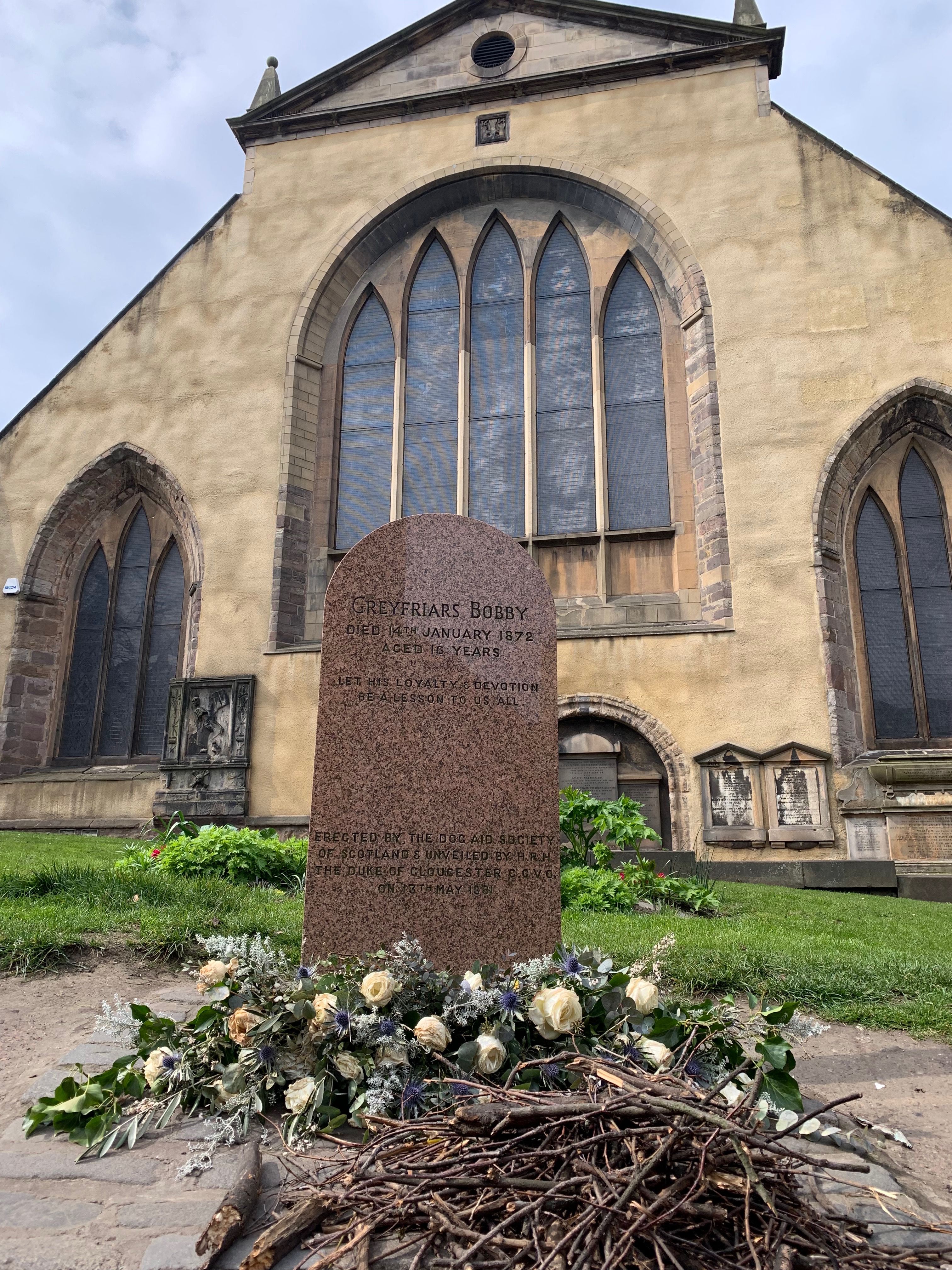
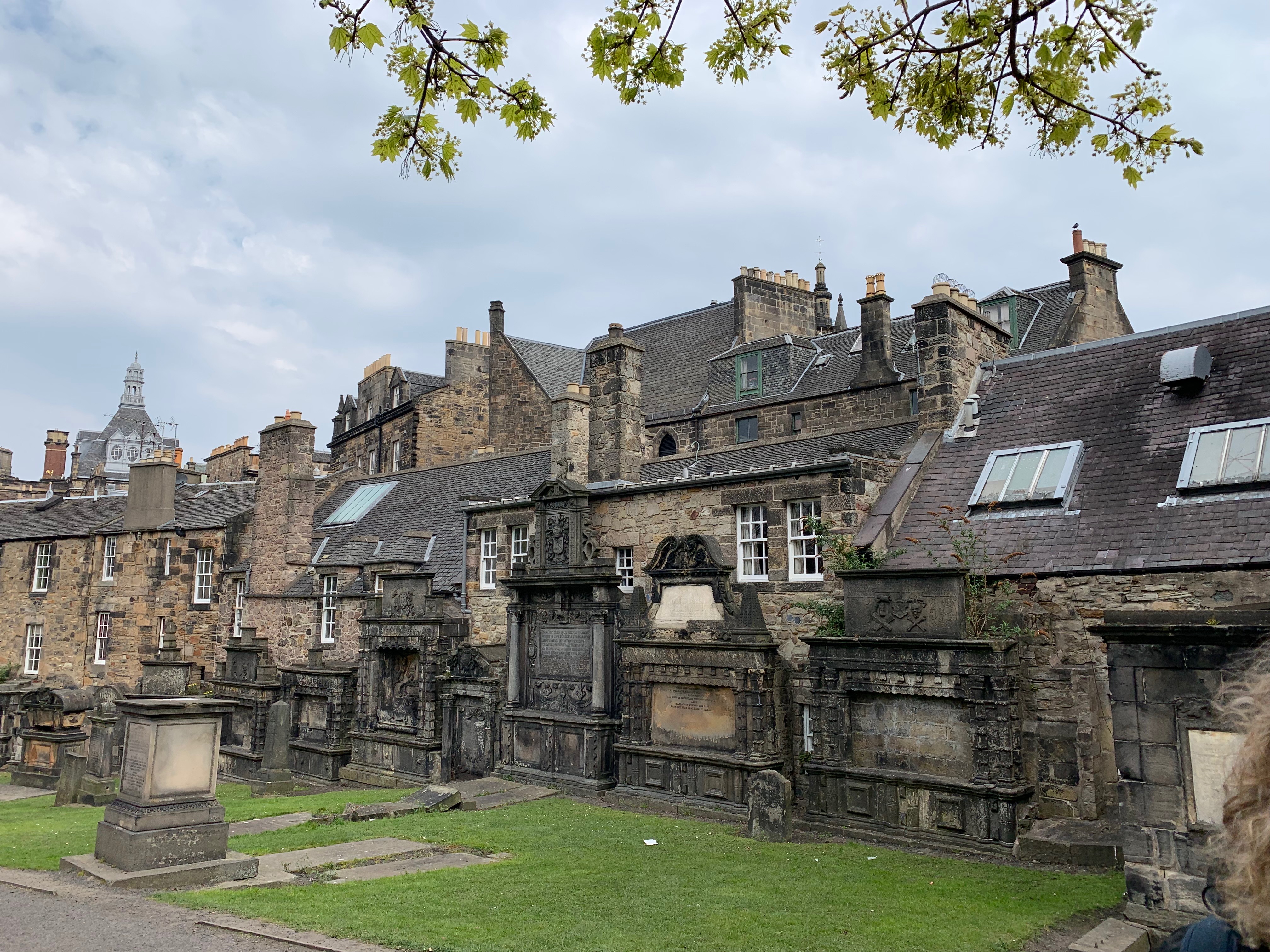
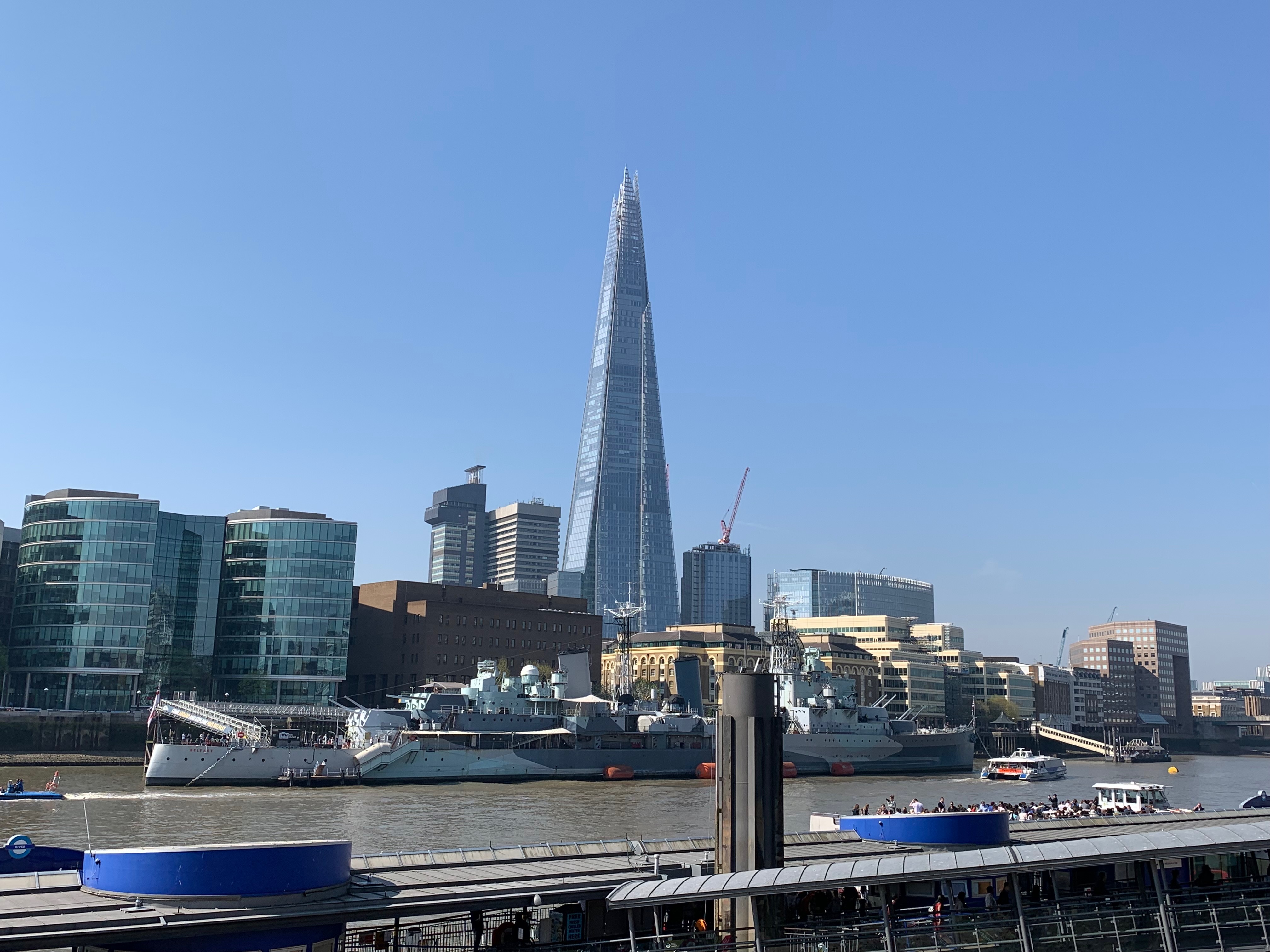
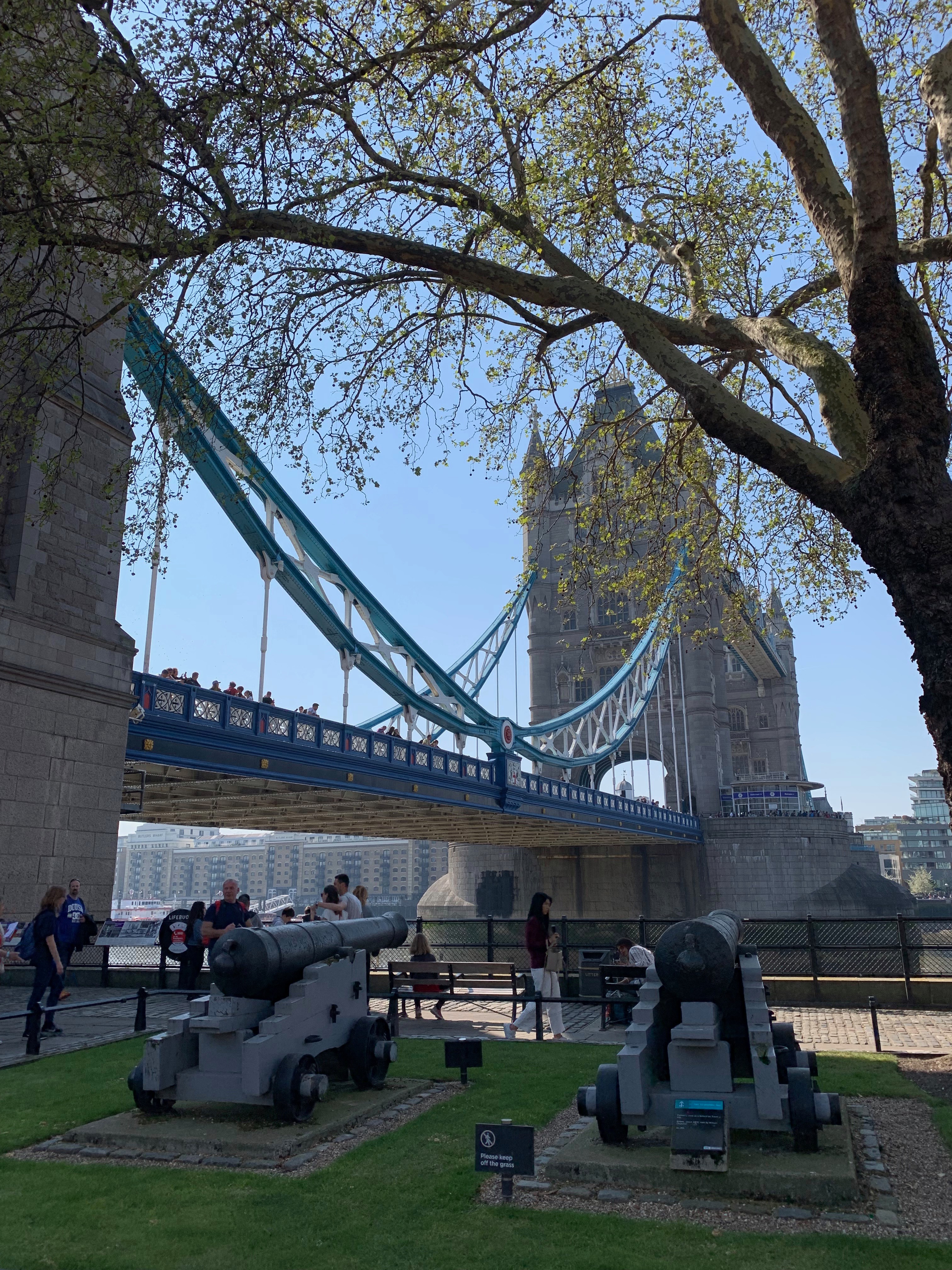
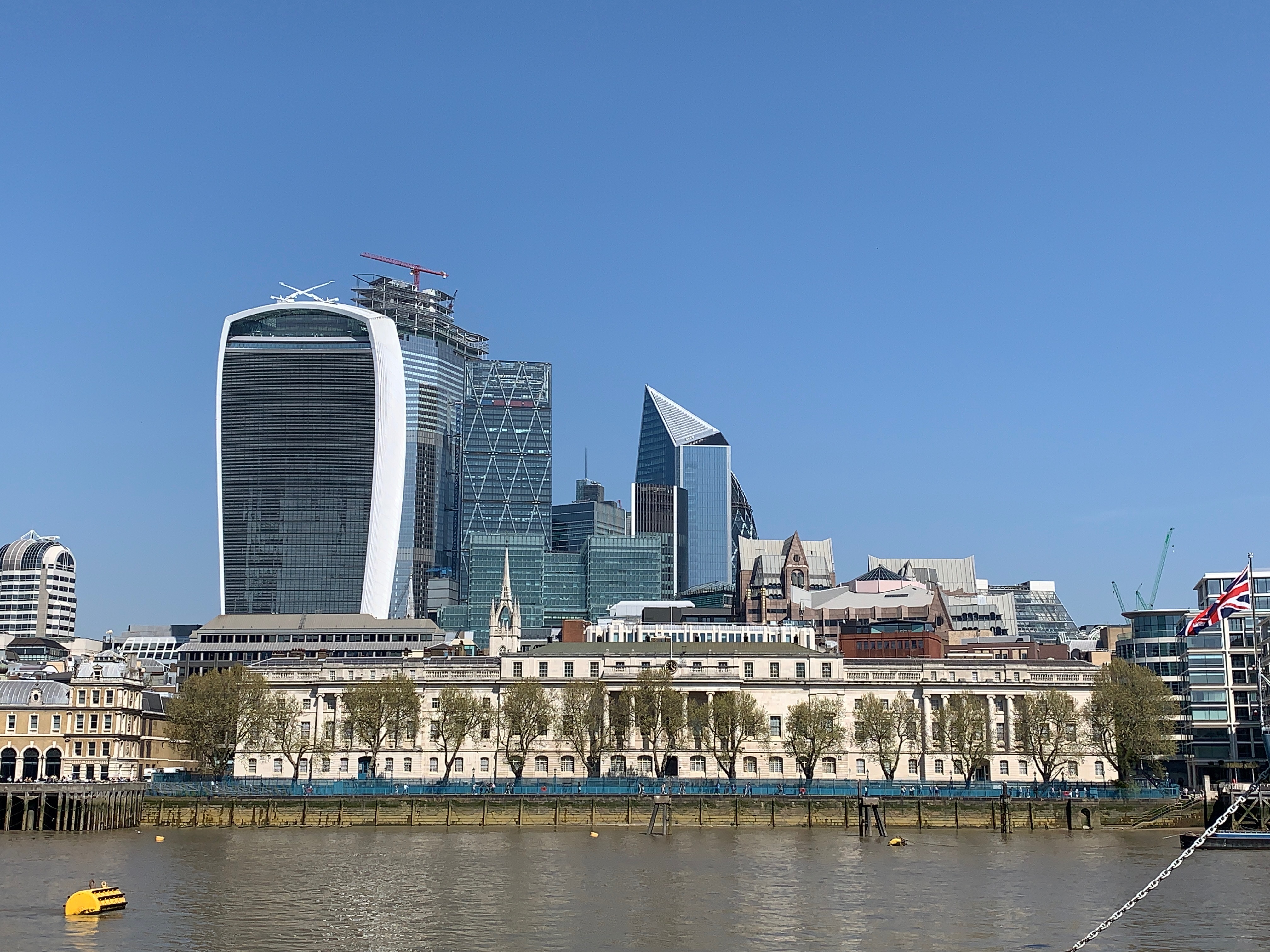
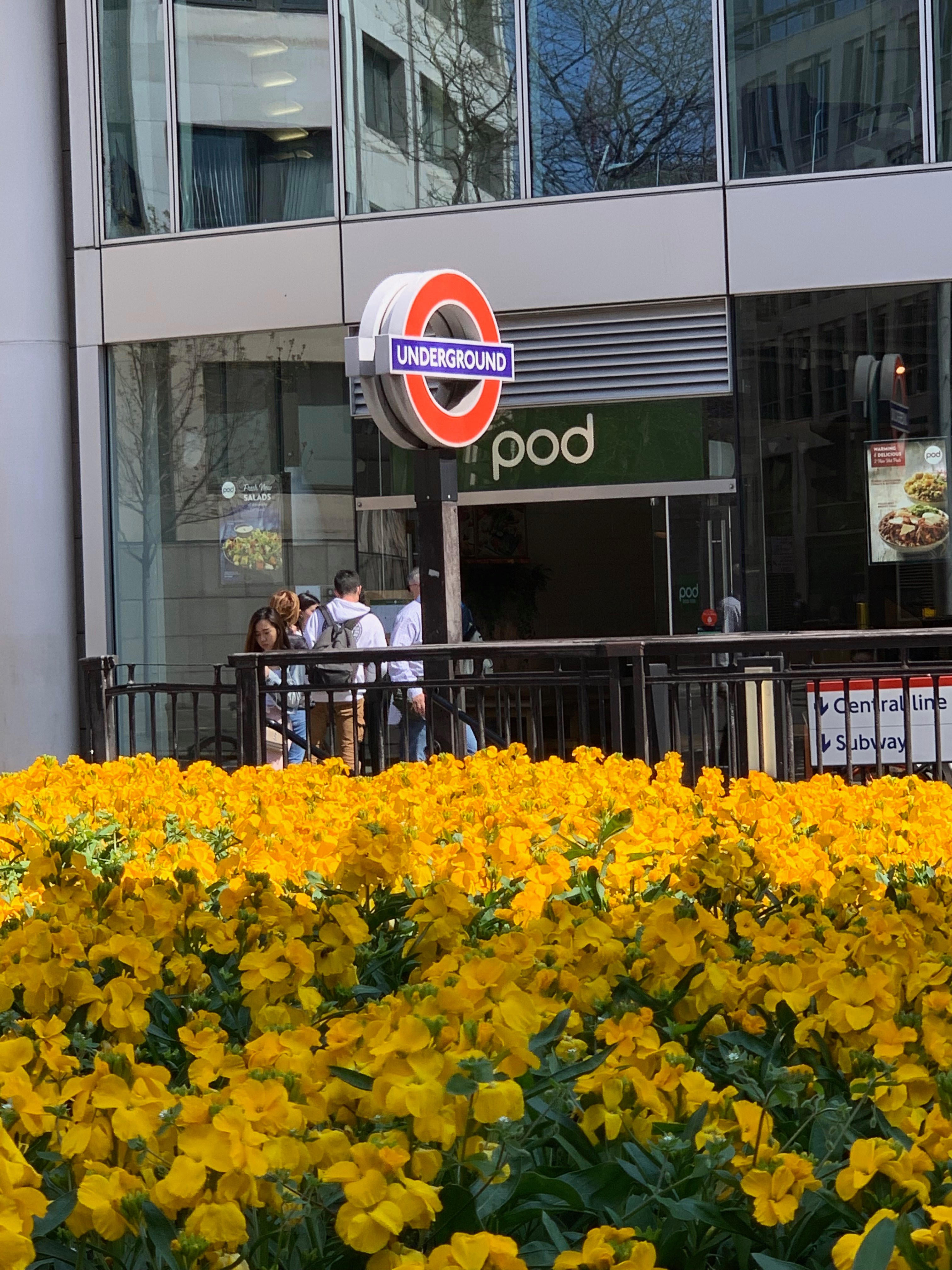
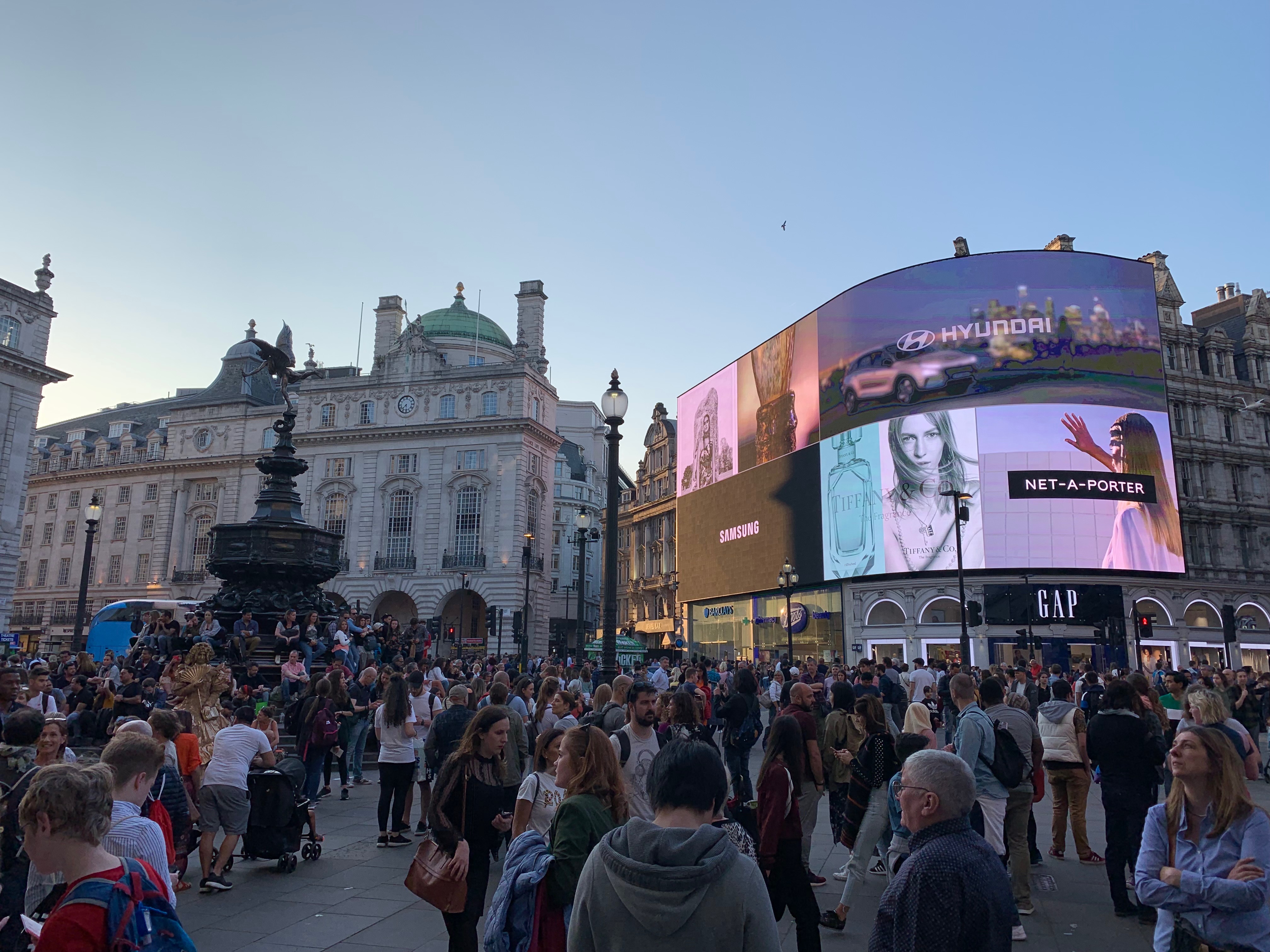
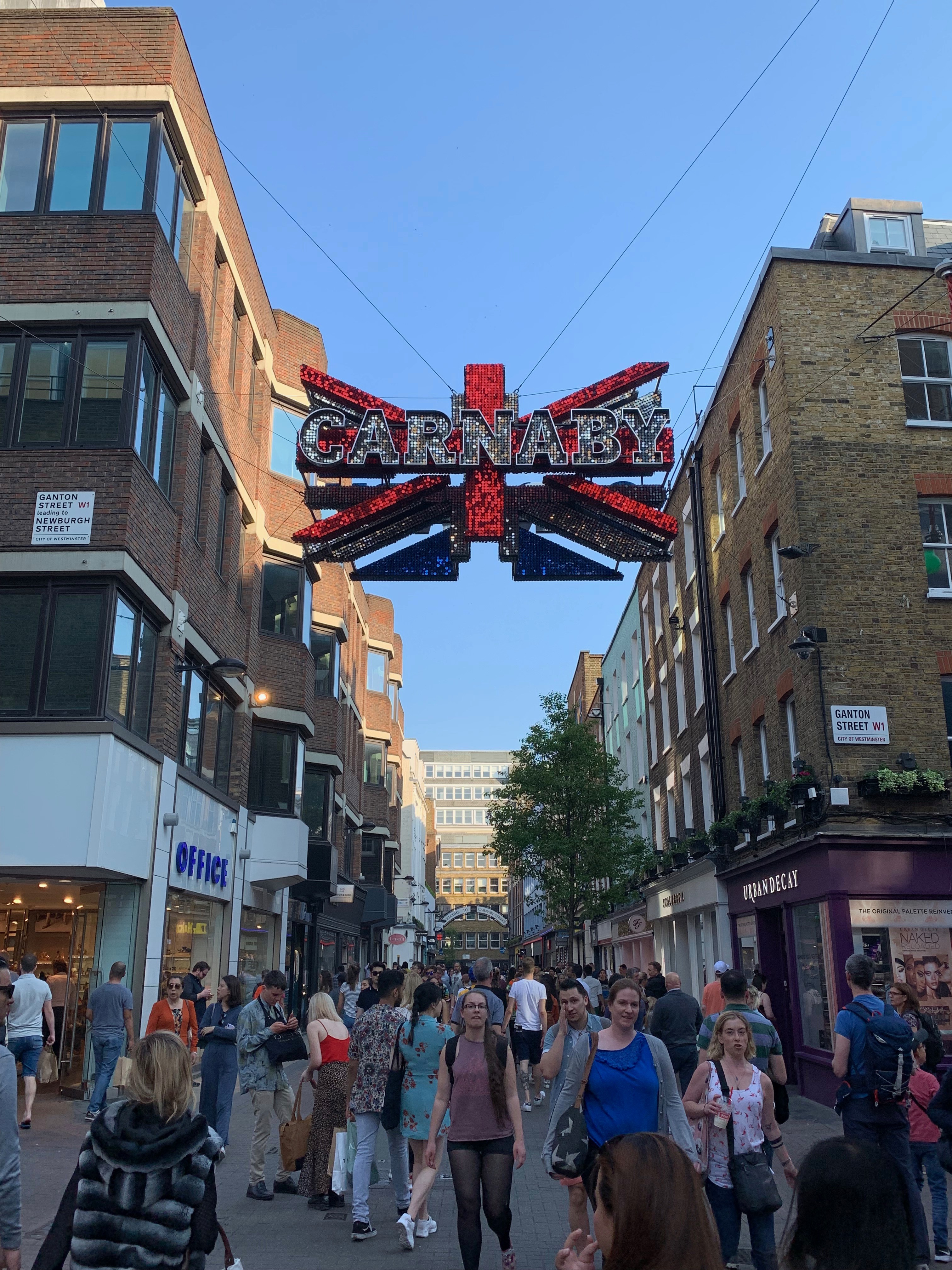
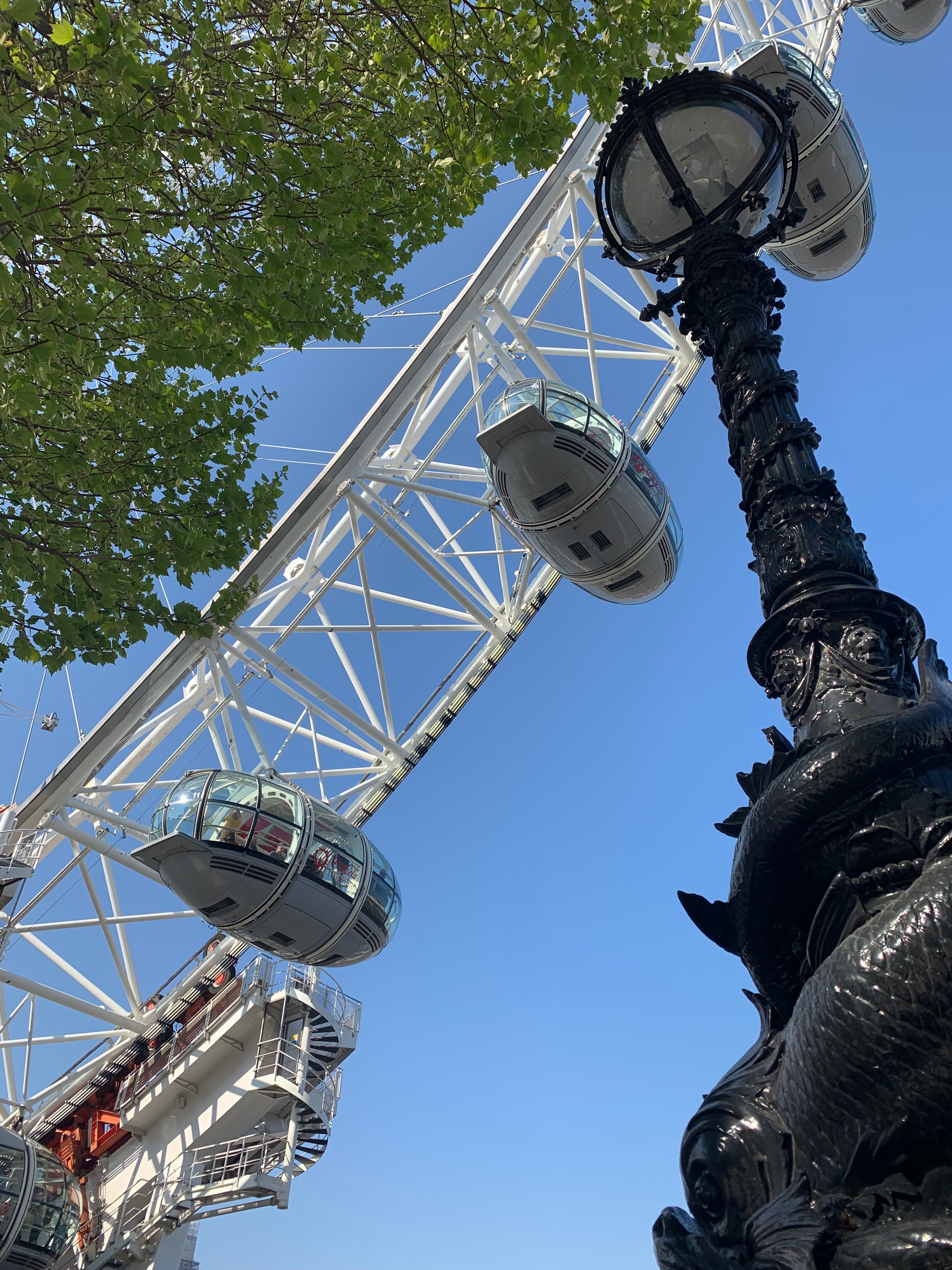
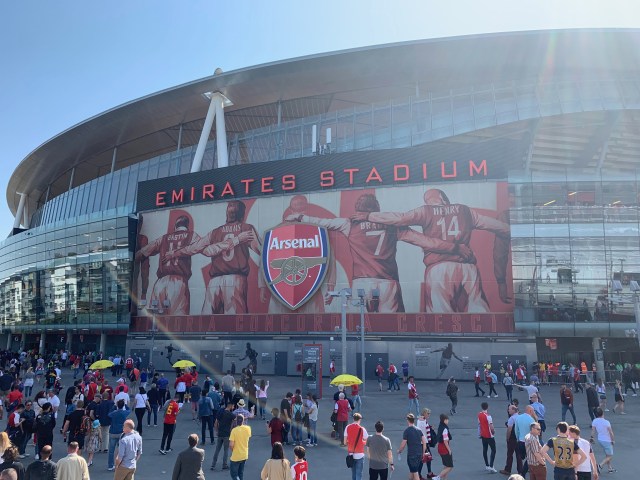
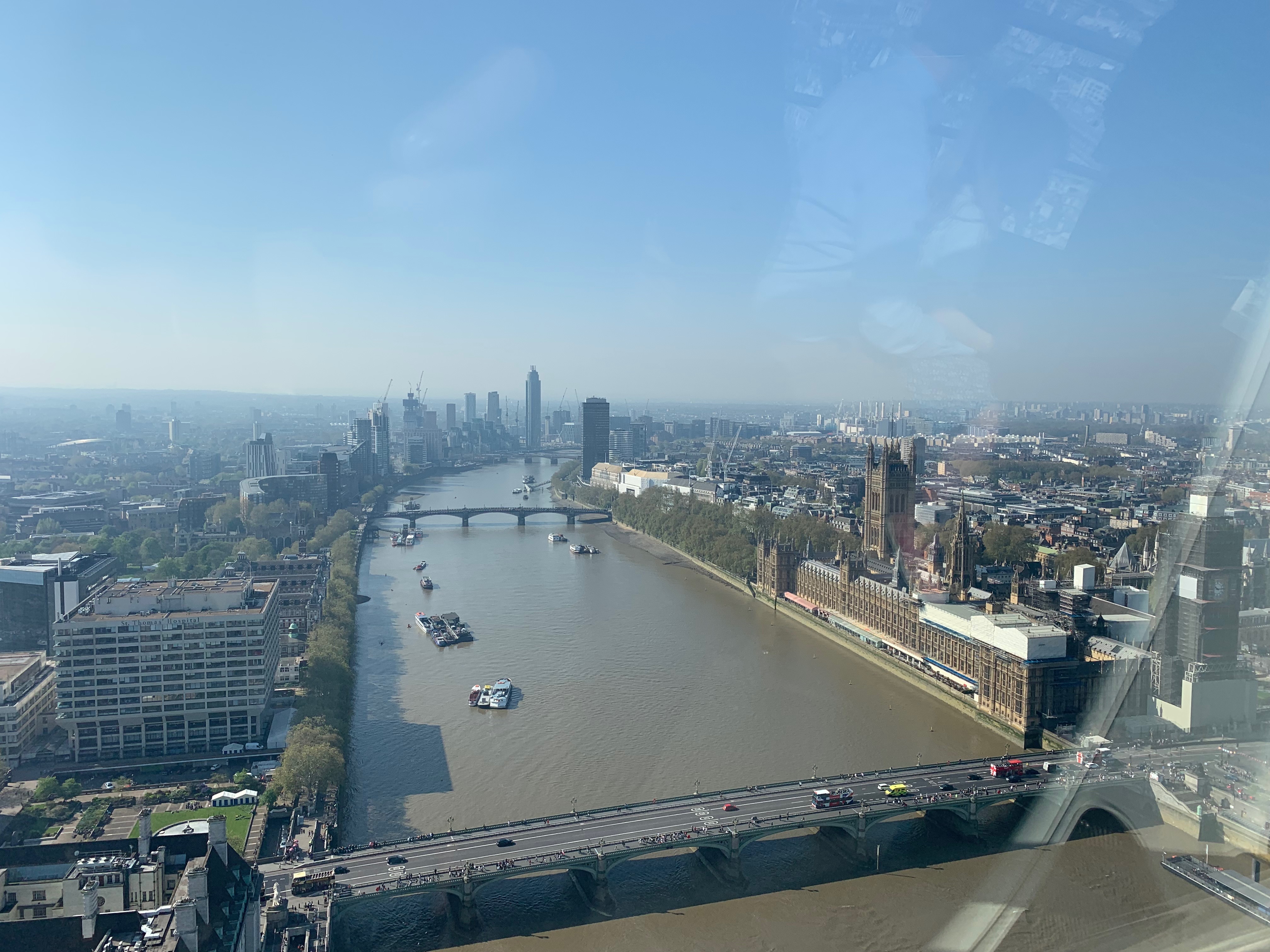
To avoid any possible Brexit fall out I had planned to spend April in the UK – of course the Brexit date moved and at time of writing no one really knows what is going to happen so I may end up travelling slap bang in the middle of the mayhem – but we just don’t know! I also had a visit from someone special and planned a road trip to Scotland and a few days playing tourist in London. The ‘staycation’ started with a night at a lovely country hotel near Cambridge. Nothing much was done but relaxing which was just what was required.     A fun quirk about car insurance here in the UK (on top of the exorbitant cost) is that you have to add each additional driver at additional cost and an admin fee!  These costs meant it was not much more expensive to hire a car for our road trip, rather than run the wear and tear on my car!     Our drive up to Scotland was uneventful with not too many traffic delays and we had a lovely stop in the borders to visit my uncle who I had not seen for many years.   Then a short hour later we were in our Air Bnb in Edinburgh ordering a take away! As with almost all my trips these days, minimal time takes carefully planning to maximise experience and this trip to Edinburgh was no exception. Day one we had an early start to join a tour with Hair Coo tours into the Highlands and up to Loch Ness.  Our guide John, was a proud Scots and was absolutely hilarious throughout the long day.  Sharing interesting Scottish tidbits and stories with us as we traveled. 59999602_345845289400911_8972356341142126592_n We travelled north out of the city, passing The Kelpies –  30 metre high horse-head sculptures which are apparently the worlds largest equine statues!  The name comes from the shapeshifting Scottish water spirit, whose favourite shape is that of the heavy horses of Scottish industry who use to pull the barges and coal trains. Our first stop of the day was at Deanston Whisky distillery – an important point to note, Scottish whisky is not spelt with an e i.e. whiskey.  Who knew?? The building that the Deanston distillery calls home was built in 1785 as a Cotton Mill which was at the forefront of Scotlands move from agriculture to industralisation during the industrial revolution. To staff the mill, they built a self-contained village which still forms the centre of Deanston and even issued their own currency called Deanstons (due to the shortage of coins they branded old French and Spanish coins with the Deanston stamp).  Of course, these coins were only redeemable in the grocer and haberdashery of Deanston. Deaston was also the first village in Scotland to use gas lighting, 45 years before its neighbouring village of Doune!  Incredibly, the factory installed electical turbines in 1949, which to this day provide all of the electricity using water from the near by river.  They were certainly early adoptors of the need to move to a sustainable power source. When the cotton industry declined in the 60’s, the Deaston mill closed up business, but the buildings were converted to a distillery with the first bottle of Deaston Highland single malt scotch whiksy being produced in 1974. The water from the near by River Teith is not only used to power the plant, but also used in the production of the whisky and many of the casks they use come from Kentucky. Oddly, in the US, they can only use casks once when making whisky (apparently the sole reason for this is to keep casks makers in work).  So Deaston buy the once used kegs for a much cheaper price than new ones, other kegs they use come from Europe and have had red wine in them and some have previously be used for rum etc.  The red wine and rum ones are more expensive but are used for special edition whisky.     They expect to get 100 years use out of the casks before recycling them in to flower pots, trays etc. As we toured around the distillery, we learnt all about the Mash house (which has the largest open top Mash Tun in Scotland).  The mash tun is where the crushed grain is mixed with hot water to create a porridge type substain in whichenzymatic conversion of the startch takes place.     I won’t bored you (of maybe I already have lol) with the whole whisky making process, but it is important to know that Scottish Single malt whiskey has to be in cask for at least 3 years and 1 day It has to mature in oak cask and all the ingredients must come from Scotland.   It must also have a minimum 40% alcohol though of course it can be higher!     The oldest whisky the Deanston distillery has is a cask sealed in 1974.  If bottled today, they could sell it at approximately GBP5000.  But they are trying to make it to 50 years when they will get GBP11,000 per bottle.  The alcohol evapourates over time (this is the ‘angels share’) so the long it stays in the cask the less liquid there is, therefore the fewer bottles and in turn the higher cost per bottle. 59919220_2203104056475199_1438537461151039488_n I must admit, although learning about the history of Deanston and the whisky making process was interesting, I was more interested was the origins of the saying “armed to the tieth”.  I always thought it was teeth but no, the saying came from soldiers not being allowed to take weapons in to Stirling so they would have to leave their weapons when they reached the River Teith – on the banks of which the Distillery sits. As we travelled north through the Highlands, the cloud and rain closed in.  Our guide kept saying the weather would clear but it seemed not to be the case.  They like rain in the Highlands as it is just whisky ready to be made lol.  Despite the weather, Glencoe was beautiful and we briefly (and I mean briefly) braved the wind and rain to jump out of the bus to take a photo.     Another ‘did you know’ moment … did you know that there are over 36,000 lochs (an inland body of water) in Scotland??  About 6,000 of those are sea lochs – obviously these have links directly to the sea. Of all these lochs, Loch Ness is the biggest (by volume), at over 220 metres deep and 36 km long.  In fact there is more water in Loch Ness that in England and Wales combined. We had an hour or so for lunch and to explore a little bit around the town of Fort Augustus, with a population of only 640 people, it is bolstered by the hoards of tourists that flock there daily to visit the famous loch.  It was interesting listening to the locals speak to each other and trying to understand what they where saying.  Although speaking English, some of the accents were so thick lol.     Thankfully the rain had cleared as we boarded the Spirit of Loch Ness for a cruise on the lake.  The boat was in true Nessie hunting mode with radar and sonar to show an sign of the Loch Ness monster – sadly no viewings that day except for the sticker on the windows 😂     Travel certainly is an education and I am always learning something new – I didn’t know that a fault line ran down the middle of the loch and that the sides of the loch look so different as one side was one part of North America and the other side was part of northern Europe. Another interesting fact about Loch Ness is that the water is very dark.  This is because of peat in the surrounding hills and the tannins in that peat – you also find tannins in tea, and of course the famous Scotch whisky. The rain picked up again  as we got back in to the bus and headed south back towards Edinburgh. Despite the cold weather, I still had to try the famous Whisky ice cream from Scotch Corner of Pitlochry.  Apparently it has so much alcohol in it they can not sell it to people under 18 or people who are driving.  The day had started with whisky so I though I may as well finish it with the same 👍🏻. I must admit I preferred the ice cream to the actual whisky we sampled at the distillery (of course I far prefer ice cream to whisky at any time)! The next day there was finally a little blue sky for my free walking tour of the city.   The tour guide was an Australian (though he said his father was Scottish) and a Shakespearean actor.  He definitely made it interesting and very theatrical and he had clearly had done his homework but I made a mental note to look harder for tours run by locals (like yesterday) as they all have their own stories rather than just information learnt from a book.     I won’t bore you with everything I learnt during this walking toward, but do want to share a few of the stories that particularly took my fancy … Important civic announcements are still made from the Mercat Cross on the Royal Mile as they have been for centuries before. The quirky bit to this story is that apparently, the announcements are made 3 days late, as it used to take 3 days for horse men to ride from London to Edinburgh with news. I can neither confirm nor deny the authenticity of this story but I guess that’s all part of the fun lol. The statue outside St Giles church was unveiled in 1888 and depicits Walter Francis Montagu Douglas Scott (not related to noted author Sir Walter Scott though he was a friend of his father!). He was educated at Eton and the wonderful Cambridge University (even then the best university in the country lol) and became Member of Parliment, a Knight of the Garter and a Privy Councillor. He was also responsible for creating signficant employment throughout the country, all the while wearing his “dark grey cut away coat, shepherd’s plaid trousers and a cap with a large peak”. As we walked up towards Edinburgh castle, we started to have to fight our way through the other tour groups and all the while I was wondering how early I needed to get up tomorrow to get photos of the castle without people in 🤔 Spoiler alert – I did not get up early the following morning! From the castle at the top of the Royal Mile, we walked down in to the Grassmarket – once the home of horse and cattle markets and public executions, it is now one of the trendy parts of the city filled with bars and restuarants. Our final destination was Greyfrairs Kirkyard (or Church yard in English). Despite the large groups of tourists, it was a peaceful oasis and it is here you find the grave of police officer John Gray, who died in 1858. Now that is not a name you may be familar with, but you probably know his dog who is far more famous – Greyfrairs Bobby. As legend has it, Gray was not given a partner to assist him with his patrols, so instead he got a dog – not a big fierce german shepherd, but a little Skye Terrier who was named Bobby. Bobby was so loyal to Gray, that after Gray’s death, he would not leave his owners grave until his own death 14 years later. (Though some say that Skye Terriers don’t live that long and it was likely more than one dog!) As the dog would not leave, the community rallied around, paid for his licence and collar and feed him. Rumour has it, he was also given the right to vote – not only odd that a dog was given the right to vote, but that it was 70 years before women were given the same right in Scotland! Although the main point of interest in the kirkyard for most is the Greyfrairs Bobby story, I was also fasinated by the history of the Flodden Wall. The Flodden Wall in the grave yard is one of the few remaining parts of the city walls from the 1500’s and therefore once represented the edge of the city. The walls were built not only as a defense for the city, but it also assisted the city with it’s smuggler problem, enabling the city to charge taxes to enter and leave through the gates in the wall such as the Bristo Gate. These city walls also lead to the building of the high tenement buildings in the old town as they could only build up rather than out beyond the walls. Unfortunately our time in Scotland came to an end to soon and it was time for the long journey south. Thankfully, another straightforward journey with not too many traffic disruptions. I was greatful for the fact that the holiday was not over yet, and we headed straight in to London for a few days over Easter – the weather was stunning. Hot and sunny and perfect for sightseeing. Having spent many years living in London in the passed, I love seeing the city through the eyes of someone seeing it for the first time. We walked through the quiet financial district (it was a Saturday after all), and down to the river by the Tower of London where it was definitely not quiet! We continued across Tower Bridge and back down the South Bank to Millenum Bridge, crossing back towards St Pauls Cathedral. It really is a wonderful city with its contrast of old and new We then made our way in to Soho, where we had an AirBnB arranged for the weekend. It was a compact studio but it was right in the heart of everything but still quiet enough to get a good nights sleep. But before sleep we explored the wonderfully touristy Piccadilly Circus and Carnaby Stree, both just a few minutes walk from where we were staying. Next day our misson was two folder – firstly, to visit the London Eye. We were out relatively early so the crowds through Trafalgar Square and Covent Garden was not too bad, nor were the queues for the London Eye. Our second mission for the day was an English premiership football game – a must for all visitors to England I think. I was lucky enough to call in a favour from a friend and get a couple of tickets to an Arsenal game. There is really nothing quite like English football fans. Rugby fans are much more reserved compared to the football fans with all their chanting and very passionate language. (Not all of it particularly family friendly though!) Its incredible to think that around 60,000 people show up week in and week out to support their teams. We stopped in to the Arsenal shop before the game and armed with our new arsenal shirts we headed to the stadium, sitting right behind the goal. We were in the sun for most of the game and it was sweltering hot and sadly not the result Arsenal, and more importantly the Arsenal fans expected but it was certainly a great end to our holiday. And so ends the ramblings of my UK “staycation” – next up I am off to check out some ‘Slavs’.    

Exploring Cambridge and beyond

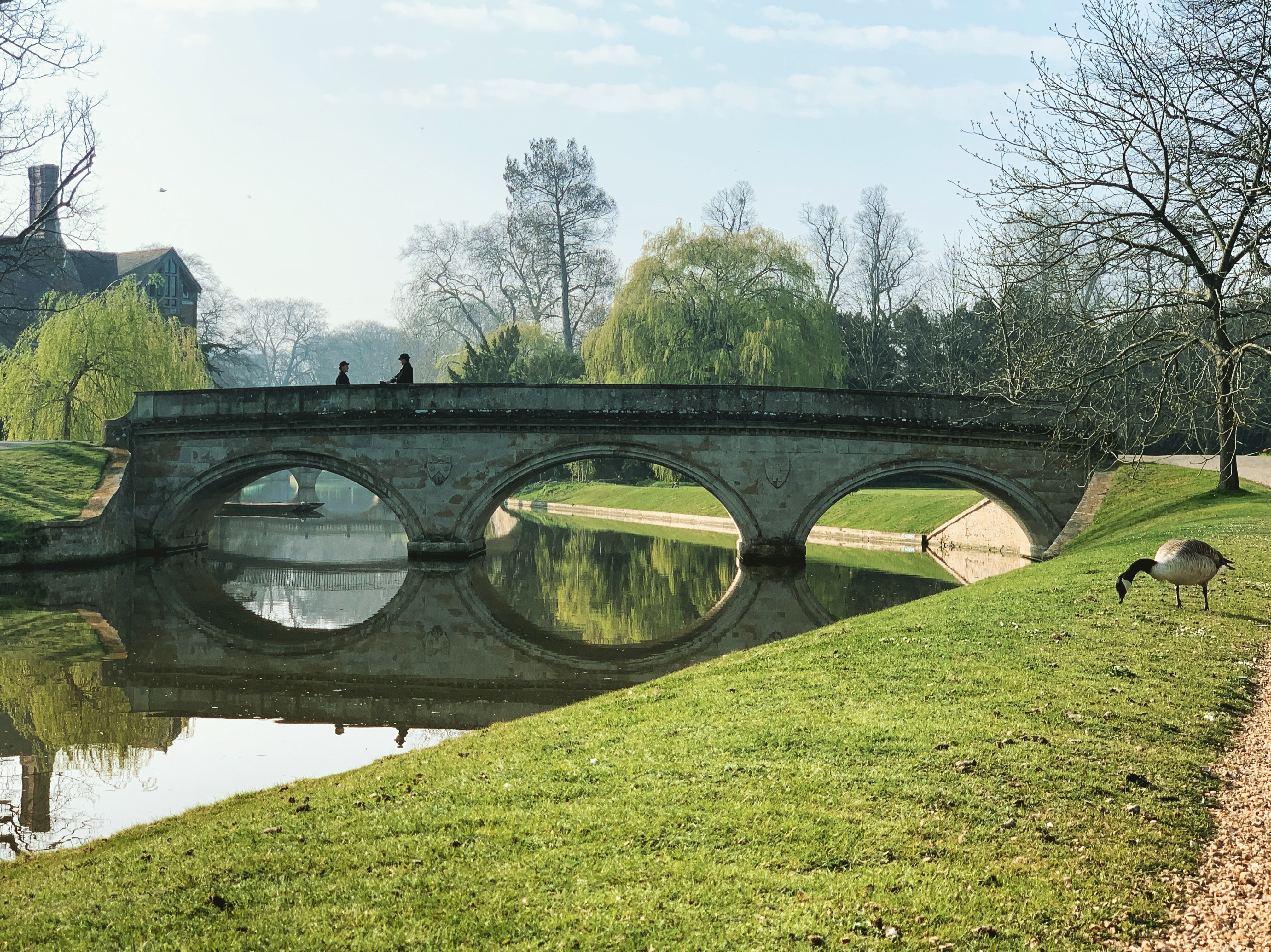
After all the drama of settling in, I was definitely ready to start enjoying my weekends, and make the most of my time here and when I am not on a trip abroad, I set about exploring my new backyard in Cambridge, the beautiful parks and colleges, and the surrounding country side. I must admit I just love the history of England, the UK and Europe in general. Being able to wander down a track that was a main throughfare in the 13th century and around colleges founded in the 12th century just blows my mind.  Spoiler alert – there is a history lesson coming up! Speaking of colleges, did you know that although colleges are partly responsible for admission of undergraduates, colleges are actually glorified halls of residences.  Lectures are held elsewhere aruond the city. I certainly did not know that! Cambridge is a ‘collegiate’ university, which means it comprises University faculties and departments in different academic subjects, and a number of Colleges – 31 in all.   Not sure I will get to all 31 in the year but I will do my best. Cambridge University was founded in 1209, Cambridge is the second-oldest university in the English speaking workd (second to Oxford, as it was founded by Oxford University students who left Oxford after a dispute with the locals). For many years only male students were enrolled into the university  with colleges for women being founded initially in 1869.  That said, the women studying here did not actually graduate with a degree from Cambridge University until 1948 (despite studying and sitting exams)! Since students must belong to a college, and since established colleges remained closed to women, women found admissions restricted to colleges established only for women.  The former men’s colleges began to admit women between 1972 and 1988 but oddly Cambridge stil has 3 women’s only colleges!  When visiting the colleges, some are free and open for the public just to wander around, others charge (up to £10 to enter).  There are even some you can’t enter at all as a member of the public.  There are also those that I am not sure I am allowed in to but I walk through the open gates like I know where I am going and no one stops me lol! As well as exploring the city, I am also taking the opportunity to explore around Cambridgeshire and surrounds.  I found a great app called ifootpath which has self guided walks all around the country.  So far I have only done 2 but look forward to more over the coming months. Of course the spring flowers and blossom are stunning everywhere. My first foray in to the world of colleges was to Jesus College and Sidney Sussex College. The College of the Blessed Virgin Mary, Saint John the Evangelist and the glorious Virgin Saint Radegund, near Cambridge (what mouthful), or Jesus College as it is known, was established between 1496 and 1516 and is the third wealthiest colleges in Cambridge.  It’s has vast grounds in near the river and lovely buildings. Although I had planned to try and visit Jesus College, my wanderings that day also lead me to Sidney Sussex College which is right in the centre of the main down town area of the city.  As I have soon learnt, many of the colleges are tardis like – looking small from the outside but one courtyard leads to another and another and then seems to open up into grounds much bigger than you could imagine from the outside. Sidney Sussex College definitely was one that fell in to that category.  Founded in 1596, Sidney (as it is informal known) is one of the smaller colleges and boasts the likes of William Cromwell (political and military ruler who’s skull is now buried under the chapel) and TV personality Carol Voderman. My next weekend in the city I was back treading the pavements to explore.  First stop this weekend was Magdalene College, which I have subsequently learnt is pronouned “MAWD-lin”.  Another small college (with only around 300 undergraduates), it was founded in 1542.  The college still has a very traditional style and holds a candlelit formal hall every evening.  It was also the last all-male college to admit women – in 1988!  At the time, some of the male undergraduates wore black arm baans and flew the college flag at half mast! I then headed over to Christ’s College, founded in 1437. For me their most famous alunmi was Charles Darwin.  I really felt like I was walking in the footsteps of greatness. My next trip in to the city was on a lovely sunny day.  I had spotted a beautiful view of Kings College as I drove by on Friday (dropping something off for work) and I set out on a mission to find it on foot.  It always takes me way longer to reach anywhere I plan to go as I am constantly getting distracted but other things – cute streets with bicycles, cute little cottages with beautiful daffodills in the gardens and this day Castle Mound (literally the only raised vantage point in the city and was the site of a Norman castle in 1068 by William the Conqueror). I wandered down what they call “the backs”, basically just the backs of the colleges (see they are not that smart lol).  From this side you can wander through the beautiful gardens and up to the river.  That morning I wandered through the beautiful gardens of Trinity College with their wonderful spring flowers in bloom, and great views in to St Johns College.  It was still early and still weren’t many people around and no punts out on the river yet, meaning the river was still with beautiful reflections (until a some Canadian geese decided to mess it up!). Trinity (2) Some of the detours I take, take me to places I am probably not supposed to be – I just act like I belong and no one seems to stop me 👍🏻I continued wandering the streets and the near by meadows until I came across Cassius and Gonville College (which was actually closed that day but I didn’t even realise until I was walking out and over heard someone else being told they weren’t allowed in!) 🤦🏻‍♀️ Gonville & Caius College, the fourth oldest colleges at Cambridge founded in 1348 and one of the wealthiest.  It boasted 14 nobel prize winners (second after Trinity College) including Francis Crick (joint discoverer of the structure of DNA – as a side note, I saw a very interesting play called Photograph 51 about this discovery a few weeks, primarly about Dr Rosalind Franklin, an x-ray Crystallographer who was key in the discovery of the double helix strucutre but overlooked when it came to the noble prize for the discovery).  Dr Stephen Hawkings received a research fellowship here to and it is where he got his PhD in applied maths and theoretical physics. This day I got so distracted with other things I ended up not having time to go to the colleges I had planned to see 🤦🏻‍♀️ but I can always go another day and I saw lots of other lovely places. Cambridge is really such a beautiful city and I look forward to continuing to explore it throughout the year. To help me give some structure to some of my wandering (but not necessary my writing), I have bought a booked called 111 Places in Cambrudge That You Shouldn’t Miss.  Not only does it include some of the colleges, it also includes gardens, cafes and other quirky littel places and things to look out for.  At the time of writing this blog, I have managed to cross of 13 of the 111.  It will be interesting to see how many I get to in the year. Also in the pursuit of giving structure to my wandering outside of the city, I have found a great app call iFootpath, which shows walks throughout the country.  Not only does it give directions for the walks and show them on the map, but it also provides information about the sites along the route. The first one of these walks I did was around the city of Ely – now something I still can’t get my head around how a town comes a city here.  I had always thought it was to do with population, but it seems here that is not the case, as the City of Ely only has a population of only 20,000 or so.  Apparently, having a cathedral helps, but it basically the city just needs has to apply (and there is much competition) and the Queen formly grants the city status as she (or her advisors) sees fit.  Ely was granted this status in 1974 and is one of the smallest cities in England. My morning walk around the city of Ely was brisk but with filled with blue skies, bird song and blossom. If I haven’t said it already (though I think I have) English history blows my mind as I just casually strolled down a narrow  pathway that once was the main route to Ely in the 13th century!!!! Ely is reknown for it’s beautiful cathedral that dominates the skyline (rather than it’s name originating from the name the ‘Isle of Eels’)! The current building dates back to 1083 –  apparently the stone used to build the cathedral were purchased from a quarry owned by Peterborough Abbey  for 8,000 eels a year!  I had no idea how much value eels had lol. My next walk from my app was around Grantchester and its beautiful river side meadows. Grantchester is a beautiful village just 3km outside of Cambridge with a population of just over 500, but it has received fame in recent years due to the TV series Grantchester, which is filmed in the village itself as well as Cambridge.  (I had not watched it till I moved to Cambridge but have subsequently binged watched all the series!) This walk took me through beautiful the village, across beautiful fields and passed the the quaint ‘Old Vicarage’, once the home of English poet Rupert Brooke and now the home of novelist and politian Jeffery Archer. I then carried on to a small nature reserve call Byron’s Pool, named after poet Lord Byron who attended Trinity College from 1805 and who used to swim in the weir pool. The pathway ended walking through the lovely Grantchester meadows – wide rural pathways that run along by the River Cam.  Apparently you can walk all the way to Cambridge along the pathway, a walk (and I am sure a story) for another day. Of all the places I could live in the UK, I am gratefully to be living in such a beautiful one.      
The slow process of settling in …

I can’t believe I have been in the UK two months already, time truly does fly (though not sure about the having fun part!).

As I mentioned in a previous blog, the first month was a difficult one for me and definitely far more difficult that I had anticipated.  Of course I have lived in the UK before, as well as living in countries that you would think would be far more difficult, but that really did not prepare me!

Firstly the struggles of finding somewhere live … trying to be organised as always, I had 

56439089_414926412628878_4643746703751512064_n
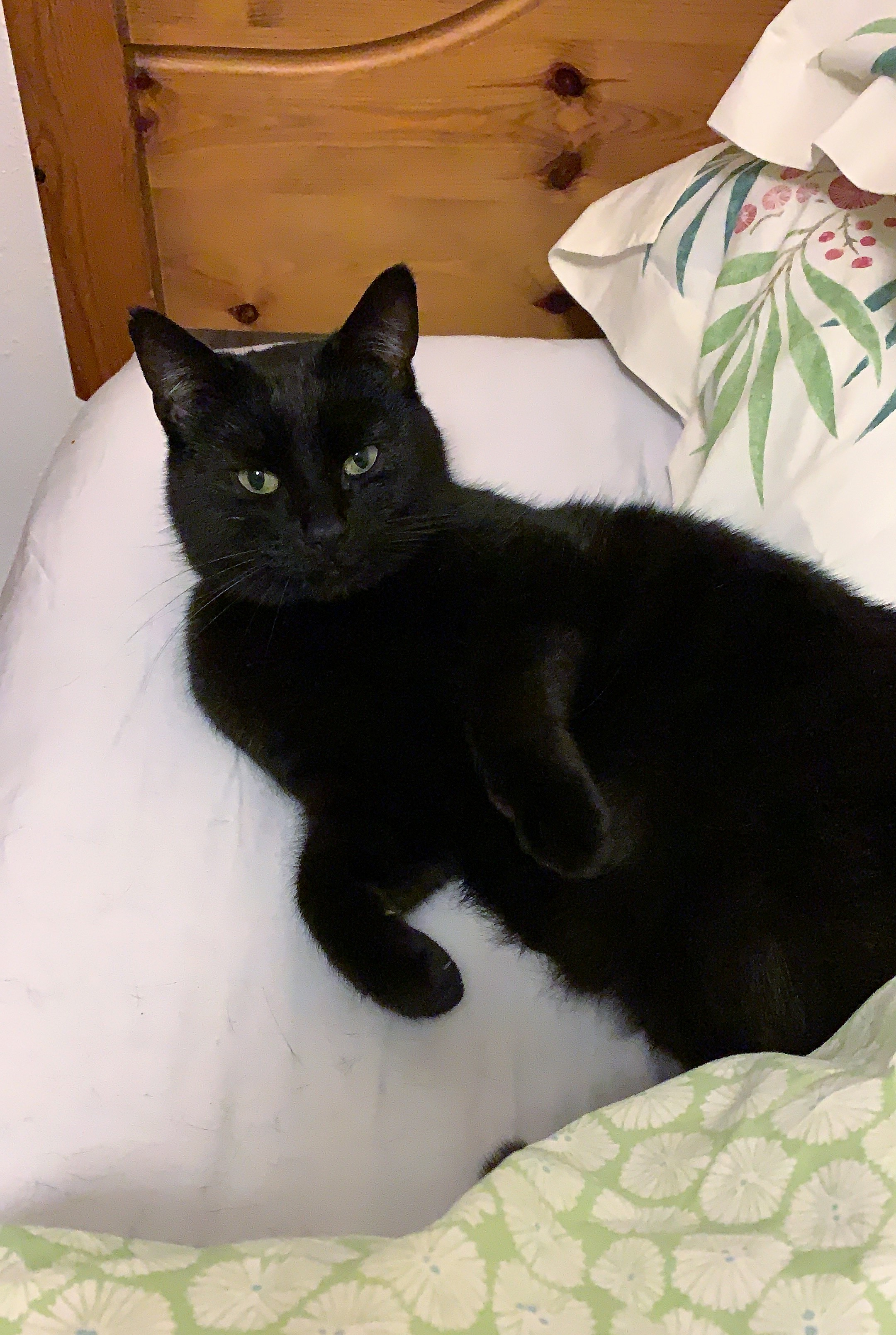
One of my new house mates

 already arranged a place sharing with 2 others, but when I turned up to meet them in person, I was told the house (that they were renting) had been sold!  

So it was back to the drawing board.  Most shared houses were either huge (5-6 rooms/people), lodging situations (where you were not allowed to use the living room) or more like hostels, with padlocks on bedroom doors and numbers on shelves!!  None of which I really wanted.

 Thankfully after about 3 weeks of spending most non-working hours searching, I managed to find a small two bed house, sharing with another kiwi (though she has been here so long you would never guess by her accent) and her two cats and so far so good.

Next on the list of troubles was buying a car!  I have only ever owned 2 cars and both were purchased from friends of friends so I had never had to look too hard.  When I wasn’t viewing house options, I was driving miles to see cars.  It didn’t help that I really don’t know much about cars!  One weekend I had arranged to see a car and drove 1.5 hours to get there – to be told they had sent the car away for a service, despite the fact they knew I was coming to see it!  Very deflating!  

When I finally did get a car (with the help of my brother who was also trawling the internet for me) I had a tyre slashed the first night I had it parked outside the Air BnB I was staying.  (If I thought looking for a car was deflating – this was far more so … pun intended!)

Of course this meant I could not get to work, but thankfully I had a breakdown serve already set up so was picked up by a breakdown truck and taken to a tyre centre … who then informed me that 3 of the 4 tyres needed replacing – not a great start to my relationship with my new car!

I also completely underestimated the cost of car insurance in the UK – I have ended up paying almost 3 times the amount I pay in New Zealand for a car that is worth half as much!   The cost is also hugely dependant on the address you live at – varying GBP250 from one place to the next, less than 1 km apart!!  The whole process is even more complicated when you don’t have address!!!  

I had not even contemplated that I could not be able to get a credit card, apparently becuase I have not lived here for 6 months – not even the bank I have had an account with for 25 years will give me one.  

To compound it all, I could not get travel insurance!  I had just assumed I would sign up for the annual multitrip policy that I had always had when I was in the UK before, but again, I am not considered a resident so I could not get it – the other catch is that most of the policies I looked at would only insurance ‘gadgets’ like computers, ipads etc if they were purchased in the UK which rules out everything I own!  So I ended up having to get insurance from New Zealand (just a matter of hours before my trip to Riga) at massive unplanned expensive because it is considered 1 long trip rather than lots of little ones!

Of course I was also trying to do all these annoying life tasks whilst working full time – to be honest I think the job was probably the only thing that kept me sane during that first month!

Still being deep in winter it was also cold and dark – in those first weeks we had snow, rain and fog and some lovely mornings whilst I waited for the car to defrost!

When I did get an hour to spare, I already started to  enjoy walking around the city of Cambridge, exploring different colleges and the narrow little side streets.  I also discovered the colourful daily market in Market Hill – apparently there has been a market here since Saxon times.  

The stalls included fruit & vegetables, flowers, cheeses, breads, international foods, clothes and jewelry and my personal favourite, the most amazing looking cakes and fudges!

A highlight of the first few weeks was a trip to London to attend the New Zealand Society Waitangi Day Ball.   It was a lovely opportunity to forget about the dramas of finding my feet, get dressed up and enjoy some lovely kiwi hospitality (read wine and lamb!) at the Waldorf Hilton hotel.

Having spent the night in London, I took the opportunity to re-explore some of my old haunts, and the following morning I spent walking through part of the city of London to Liverpool St,  – areas I used to work in and where I spent many enjoyable years.  

I must admit, at this point in time I definitely wished I was back living in London (to be honest, I actually wished I was back in NZ but London is a little closer) where I think life would have been easier (though in reality, the only thing that would have been easier would have been that I would not need a car, everything else would be just as painful)!

But onwards and upwards!


Lovely Luxembourg 🇱🇺

“Luxembourg? Why Luxembourg?” everyone asked … well, everyone I told I was going to Luxembourg. It certainly is not on the normal tourist route and to be honest I had chosen it for 2 reasons, 1. there was a cheap flight the weekend I wanted to go away and 2. I had not been there before.  Pretty simple really.

This time I was flying Ryan Air out of Stansted. Another budget airline, another budget airline airport which was packed but again I had paid a little extra for fast track security (no explosive moisturiser this time) and priority boarding and in just 10 minutes more than it takes to get from Christchurch to Wellington, I was in the Grand Duchy of Luxembourg – declared as such by the Dutch king in 1815. (Only one left in the world apparently.)

I always think New Zealand is small, but Luxembourg beats us hands down, with a population of only 595,000 and a land mass of 2,590 square km.  Luxembourg is a tiny land locked country surrounded by Germany, Belgium and France.

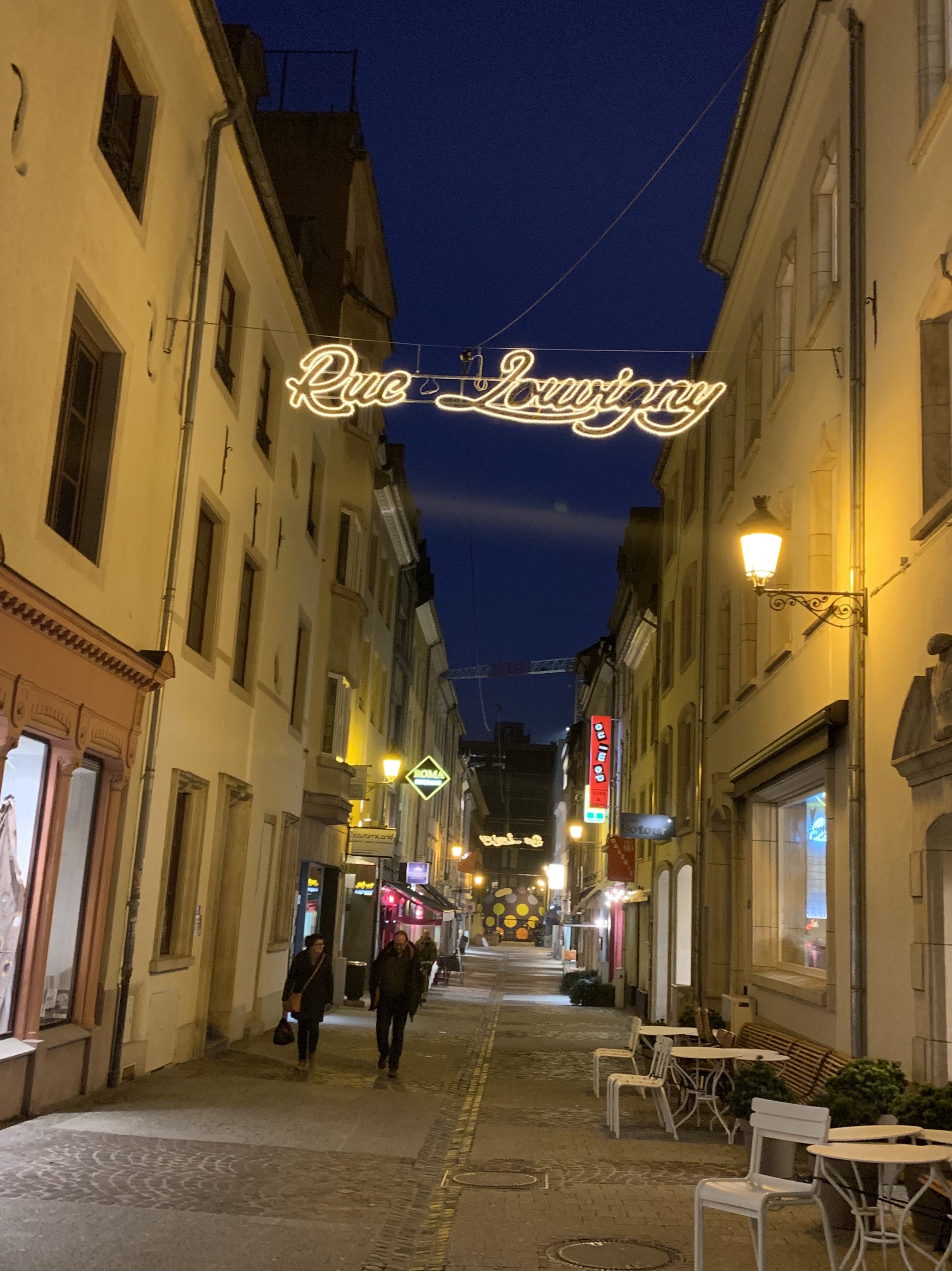
Again, my ‘not such a backpacker’ move was to get a cab to the hostel – this time a very expensive one! Almost 35 euros to travel not much more than 20 minutes! Still it meant I was at my accommodation within about 35 minutes of the plane touching down rather than well over 1 hour if I had taken the bus … at 10pm, ever minute is a minute closer to bed 👍🏻

Sadly, upon arrival at my hostel, my dreams of being in bed by 11pm were shattered when I was told that I had cancelled my reservation??? 🤔🤔 oh, and they had charged me a euro 15 cancellation fee!

This was odd as it was still showing in my booking app as a live, confirmed booking! To top it off, they were also fully booked for the weekend 🙇🏻‍♀️

Thankfully, UK mobiles are generally free to use throughout the EU ( well not technically free but you can use your normal minutes/data at no extra charge) so I got straight on the phone to the booking agent who confirmed that I had a reservation there … they then spoke to the guy on the front desk who confirmed his records showed it had been cancelled … not really much point them arguing about it though as there was no bed anyway!

Thankfully, the agent at booking.com found me alternative accommodation – a much nicer hotel in a much more central location (of course also much more expensive – but they would reimburse me the difference in cost).  They would also reimbursement the cancellation fee I was charged, and the taxi to get to the new hotel.   Given that it may not even be there fault, I was pleased with the customer service.  I even received the refund within just a few hours of submitting the receipts on Monday!

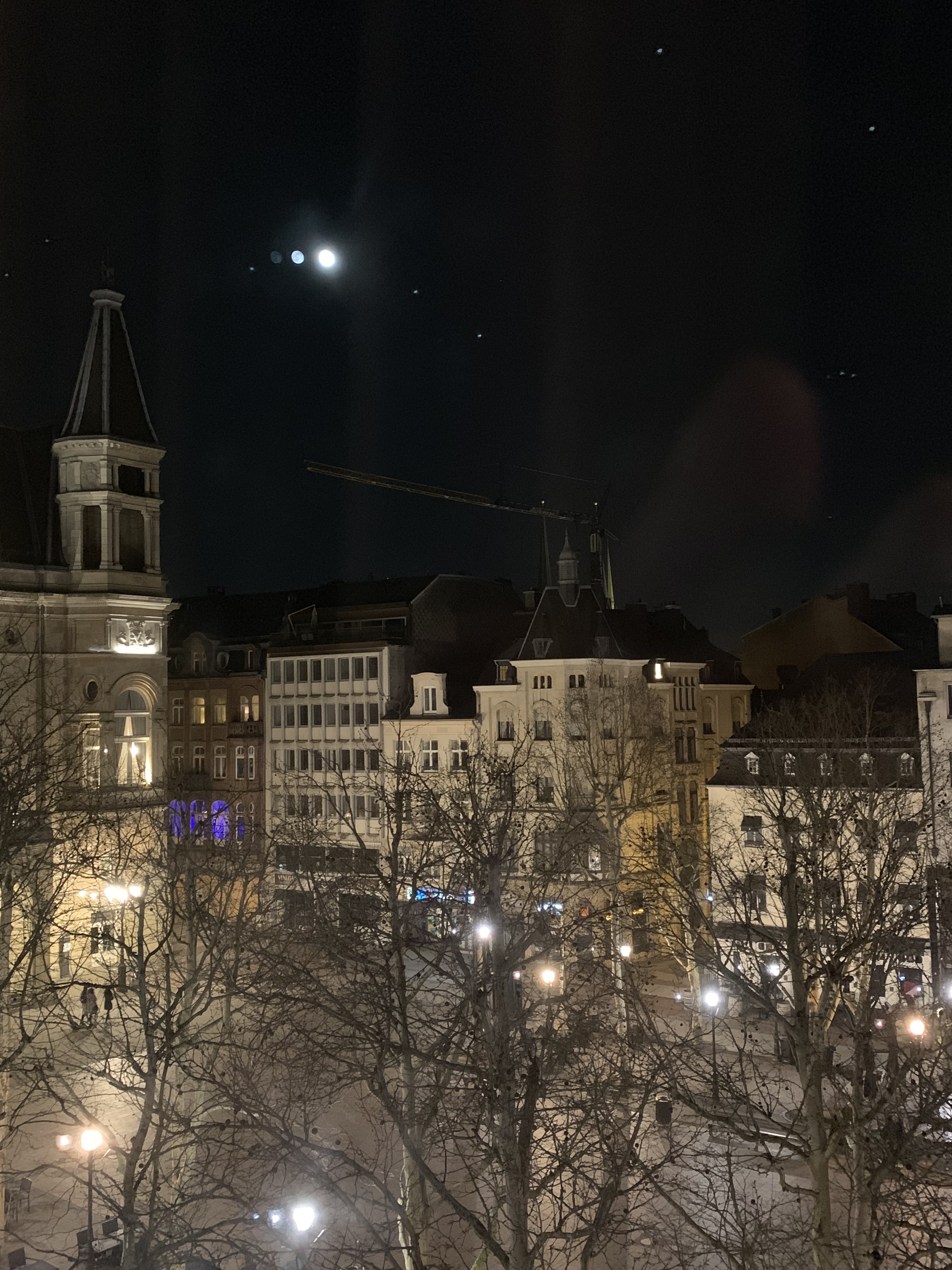
So, an hour later than planned (without having to make my own bed like it seemed I had to do in the hostel) I was tucked up in a cosy bed with a view over the old square (Place D’armes), thankful the story had a happy ending👍🏻

In Luxemburg most people speak French, German and English (which they learn at school) and some also speak Luxembourgish (a Germanic language) so I was raking my brain for snippets of my long ago learnt French but all that would come in to my head was Spanish words, even thank you in French escaped me and all they came out was gracias 🤦🏻‍♀️.  The amount of times I said ‘si’ rather than ‘oui’ over the weekend was embarrassing!  But with almost everyone speaking English it wasn’t too much of a problem.

On Saturday morning, I was not up as early as I normally am but I still beat most people 👍🏻 and definitely almost all of the tourists. I love wandering around first thing in the morning when the local people are going about their lives … walking dogs, setting up market stalls, getting their morning groceries.  The market spelt amazing – a combination of baking pastries and cheese – so many amazing cheeses!

All the walking tours here (free or otherwise) are in the afternoon, so armed with a map from the tourist office and an app with a walking tour on it I set off on my own to explore. To be honest I struggled following both maps so just picked out the places I did not want to miss and found them.  It was relatively easy to walk around much of the old part of the city, as long as you didn’t mind a hill or two!

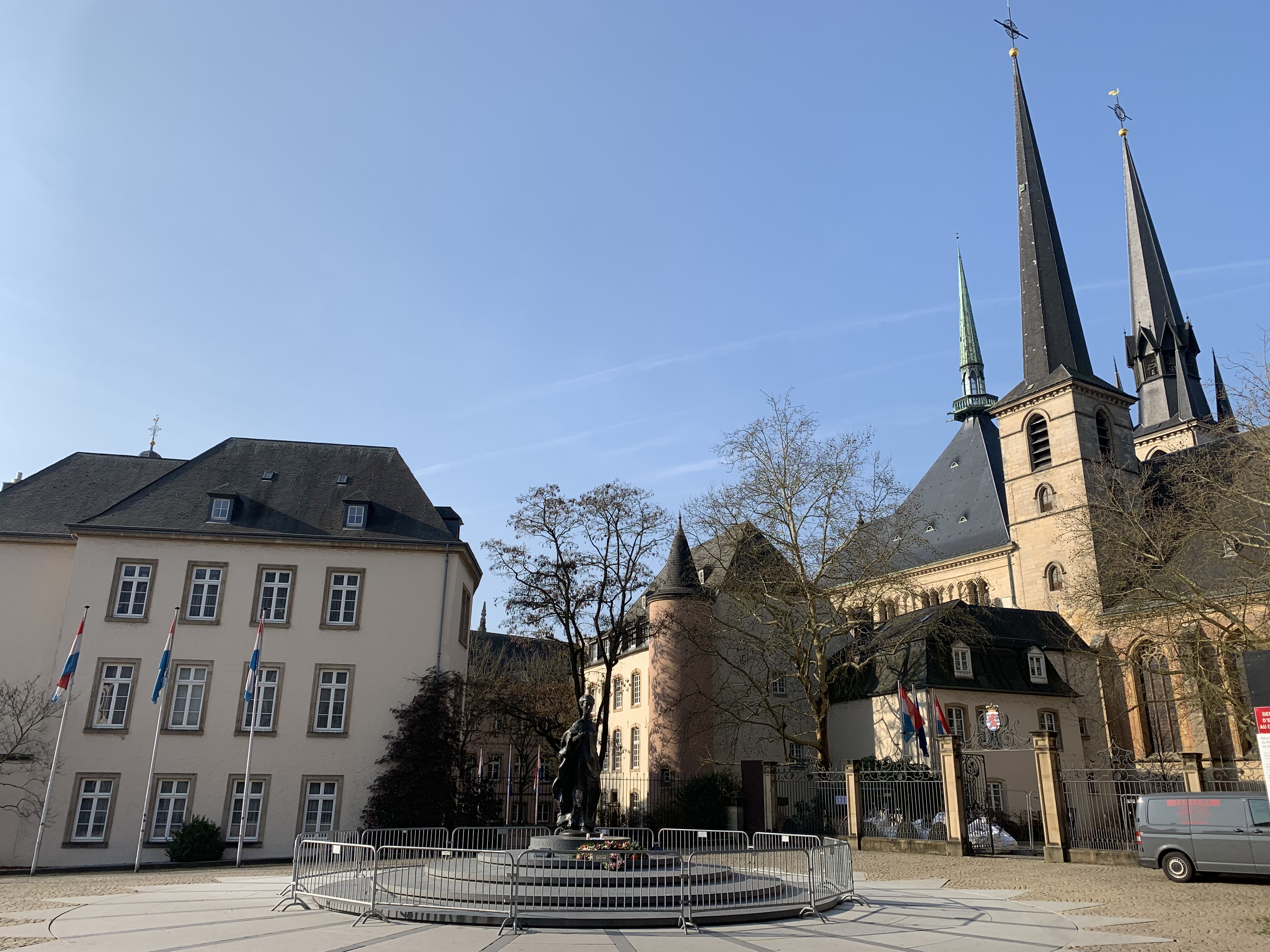
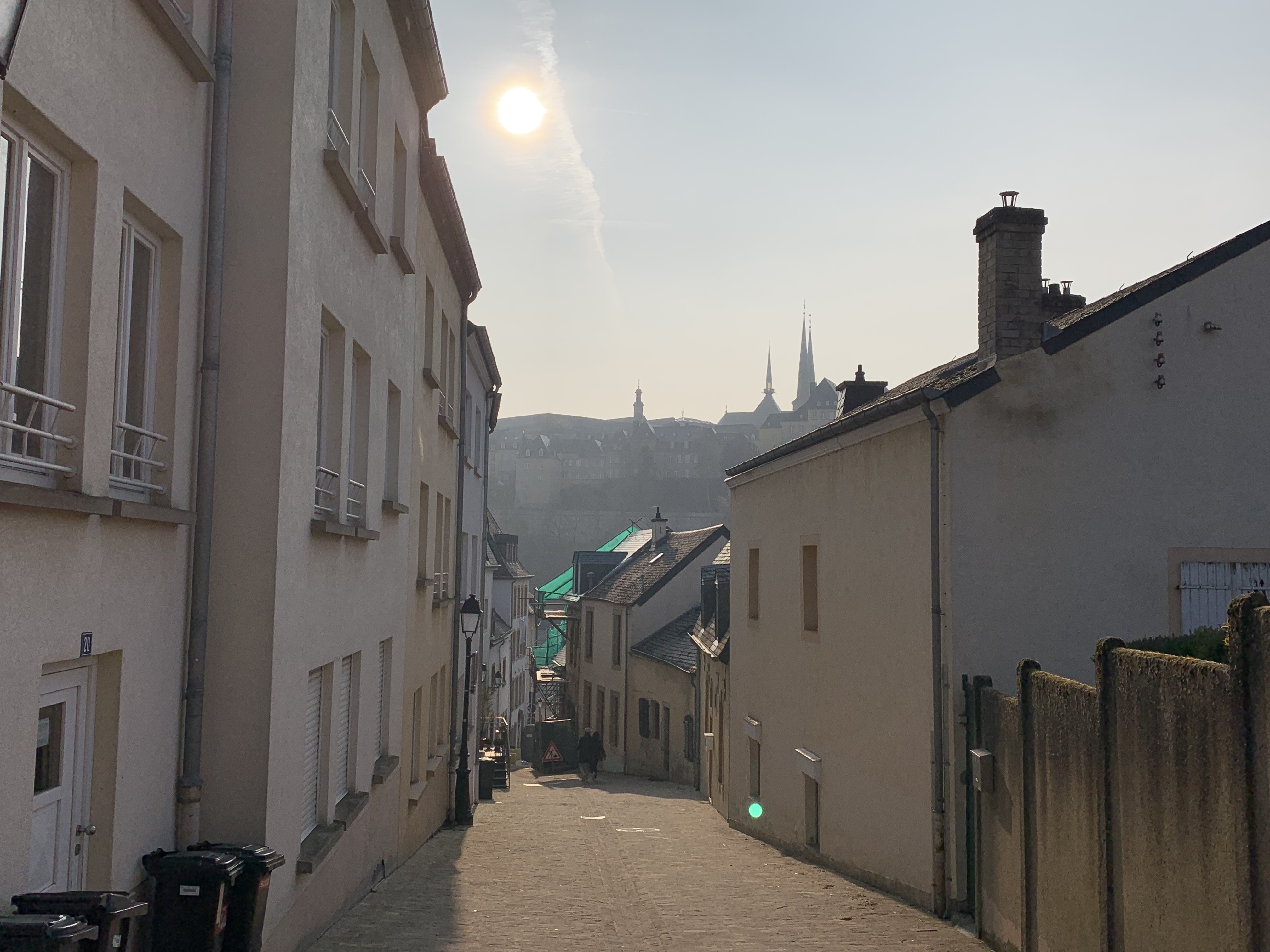
I have to say, if Luxembourg is not on your ‘list’, you need to add it! It is beautiful with the city sprawled out along the river and on towering ramparts above it – just stunning.  And that was just after my morning’s explorations which took me to visit the 17th century Cathedrale Notre Dame, the now much extended, 1573 Royal Palace which now houses the Grand Duke’s office and the Place D’Armes, where I am now staying 👍🏻.

Around 11.30 and having already walked 8km it was time for coffee and a rest before joining an official walking tour called the Wenzel Walk, run by the Tourist office.  The walk is only run on a Saturday afternoon so I was lucky to be able to take the walk through the upper and lower towns and through the fortifications.

The guide was an elderly Luxembourgish gentleman who was very interesting and had lots of great information to share.  Apparently, of the total population, 48% are foreigners (with 16% being Portuguese).  I was even more interested to learn that there are 200,000 people who commute from neighbouring countries daily for work.  Part of the reason for this is the high cost of living in the city where most of them work in either the banking/financial industry or in one of the mainly EU organisations based here.

The Wenzel walk took me through 1000 years of Luxembourg city history and the name pays tribute to Wenceslas II, Duke of Luxembourg (also Duke of Bohemia) between 1383 and 1419, during which the Wenzel wall around the city was built.

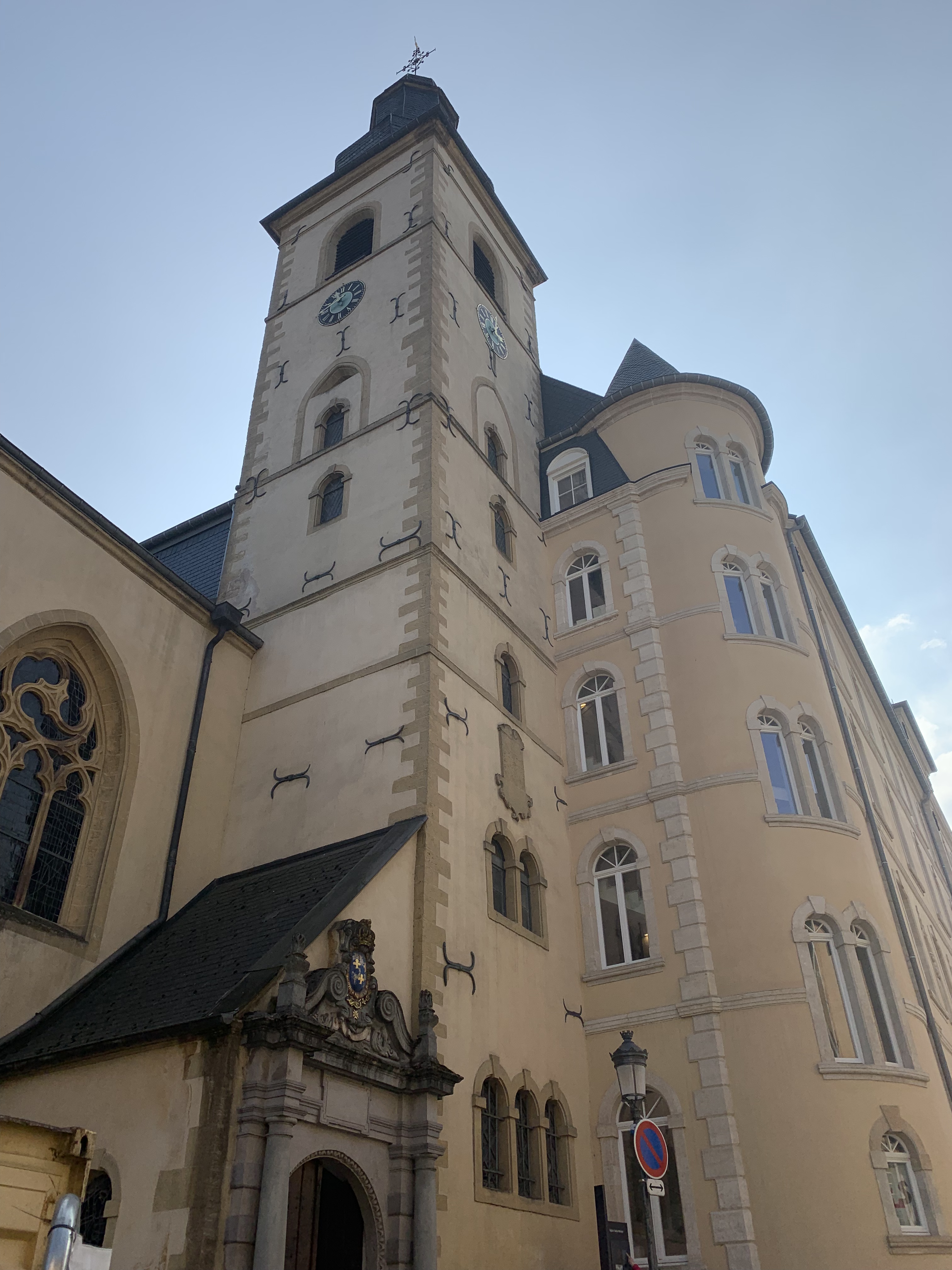
We first walked through the city passing St Michael’s church, first built in 987 and therefore the oldest religious building in the city.  Oddly, it still has a canon ball stuck in the tower apparently from when the French attacked the city.

Can you see the cannon ball?  Left hand side of the tower – just slightly above the roof line?

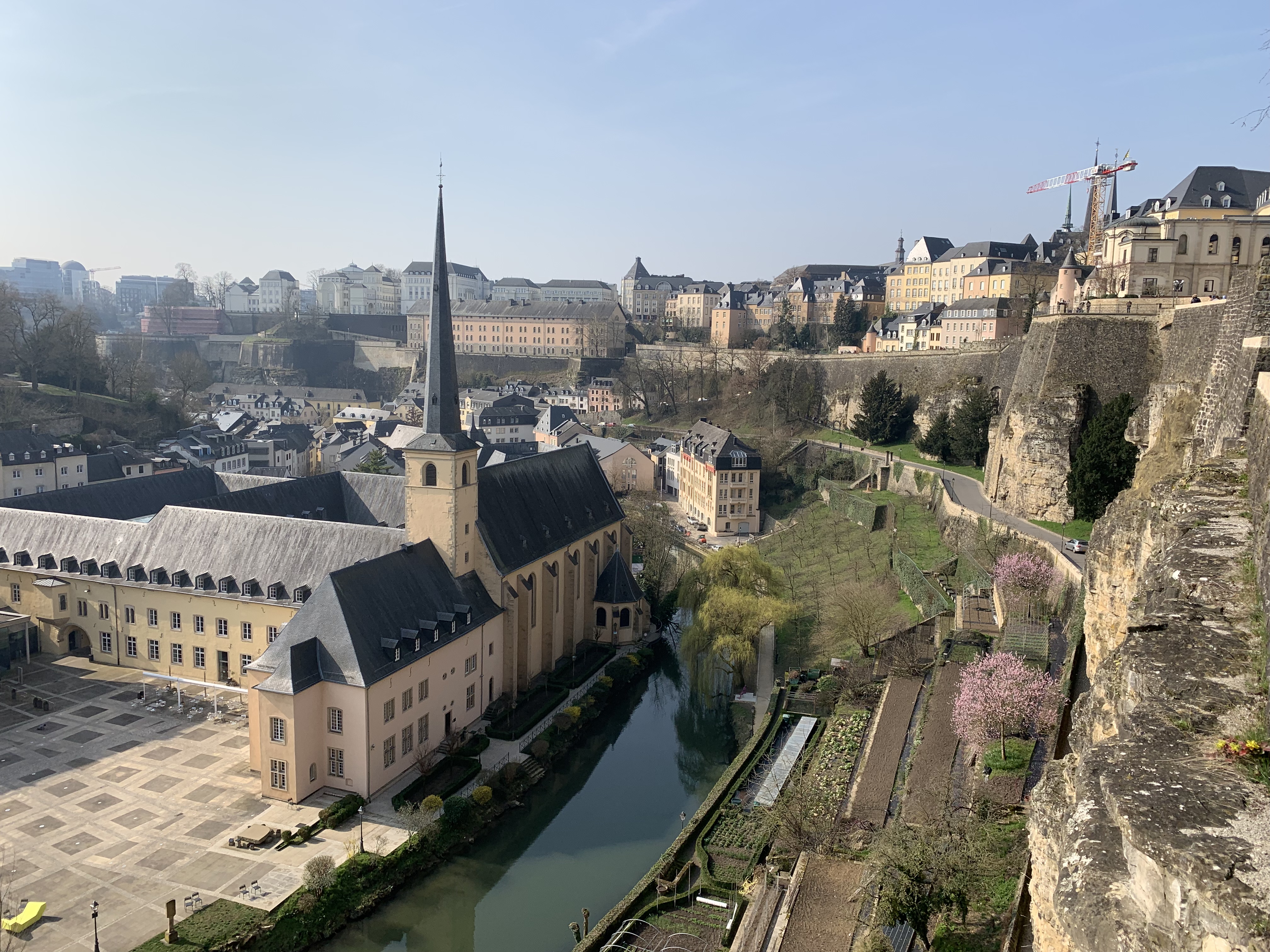
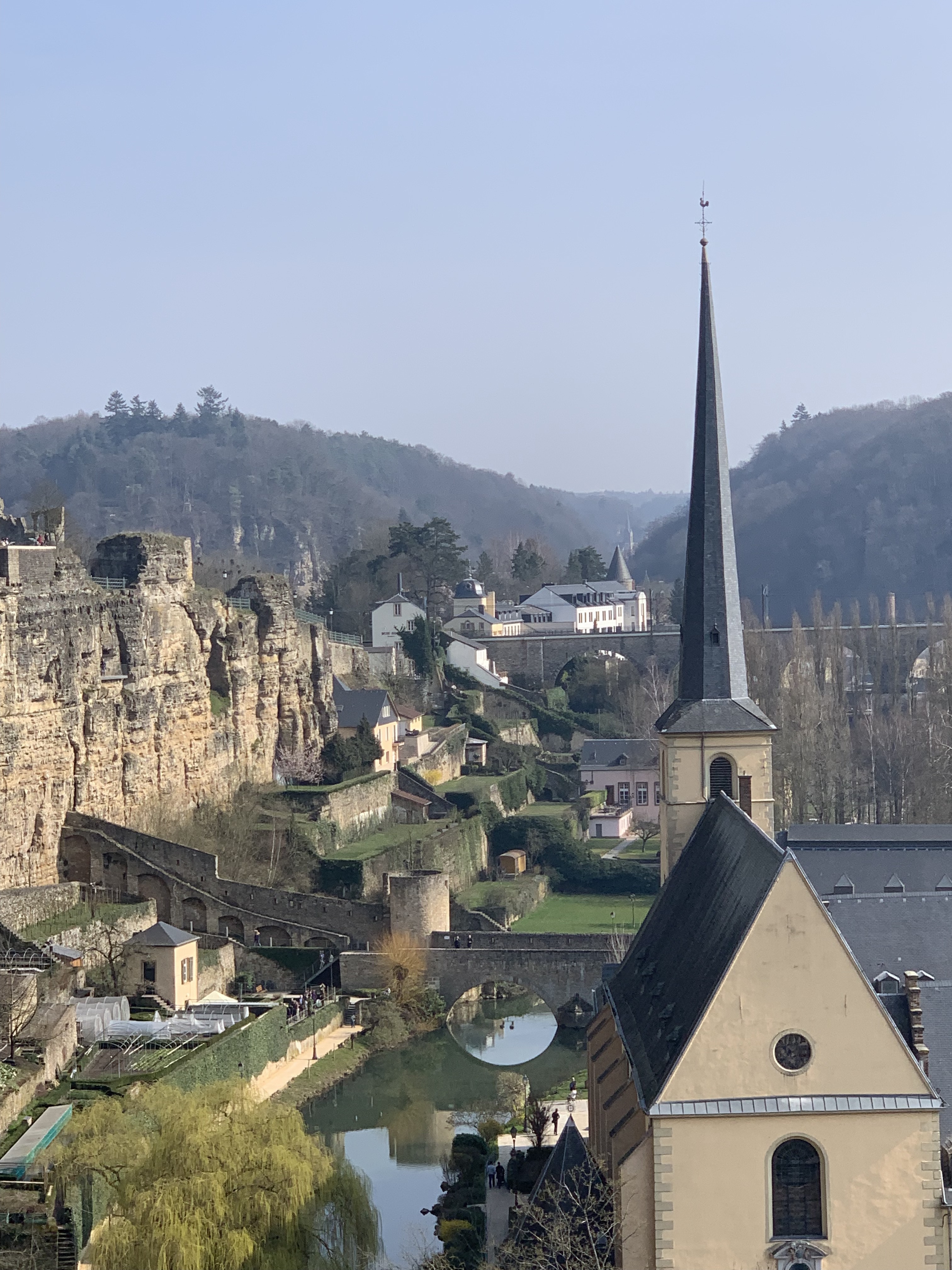
We then reached the Bock Promontory.  Walking along the top of the defence walls provided a breath-taking view along the Alzette valley and the suburb of Grund which runs along the valley floor.

The defence walls and bridges that we see today date back mostly to the 15th century but there is history of defences in the same places long before that and have been rebuilt throughout the centuries by the Spaniards, French, Belgians, Austrians, Dutch, Italians and Prussians!!

After admiring the views, we went underground in the Bock Casemates.  23km of underground tunnels, some dating back to the 10th century.  Initially they were part of an immense underground military defence system, but over the years have been used as a prison, a hospital and in WWII 30,000 people sheltered in the casements.

The walk continued past the earliest castle walls and through the suburb of Grund before talking a lift back up to the main part of the city (much better than hiking back up the steep hill again)!

I really enjoy these walks tours, not only because they are always so interesting but I also enjoy the mix of interesting people that I meet.  On this tour alone there were Colombians living in Milan, Dutch living in Belgium, kiwis living in the UK 😁😉 (that’s me of course.)

After 15 km of walking I was exhausted by the end of the day and was happy to retire to my central, private room (still can’t believe my luck there) with my dinner (a very large slice of cake) and an early night.

Sunday was my day to be adventurous and venture out of the city on my own (to be honest there we no tours going where I wanted to go ).  I was well prepared as always and had got the details I needed from the tourist centre and had worked out the timetables I needed for the train and the connecting bus to Vianden, a town in the north east of the country, near the Germany border.

img_1838

I arrived at the train station in good time for my planned train only to be told that there were engineering works and buses were replacing trains … ok, that’s fine … but they are not running on the same schedules and I had missed the hourly bus by 5 minutes!!! So not fine and it takes almost twice as long as the train – bit of a planning fail there!

I almost was not going to go, but I had already checked out of my hotel and I did not need to be at the airport until 7pm so still had plenty of time (as long as I timed the return buses properly) so there was really no point hanging around the city for the day.

After a long wait (at least there was a café open so I could get a coffee though oddly skimmed milk does not seem to exist here), I was finally on my way.  First stop was Ettelbruck where I changed bus.  We passed through beautiful countryside, much of which was very similar to country side in New Zealand, though the quaint old houses were definitely less kiwi.  Some of the houses were probably older than New Zealanders European history!

So, I arrived in Vianden about 1.5 hours later than planned but I arrived nevertheless and still had 3 hours to explore.  That said, given that this is one of the main day trips they recommend from the city I am not sure why they don’t put on buses running directly there 🤔


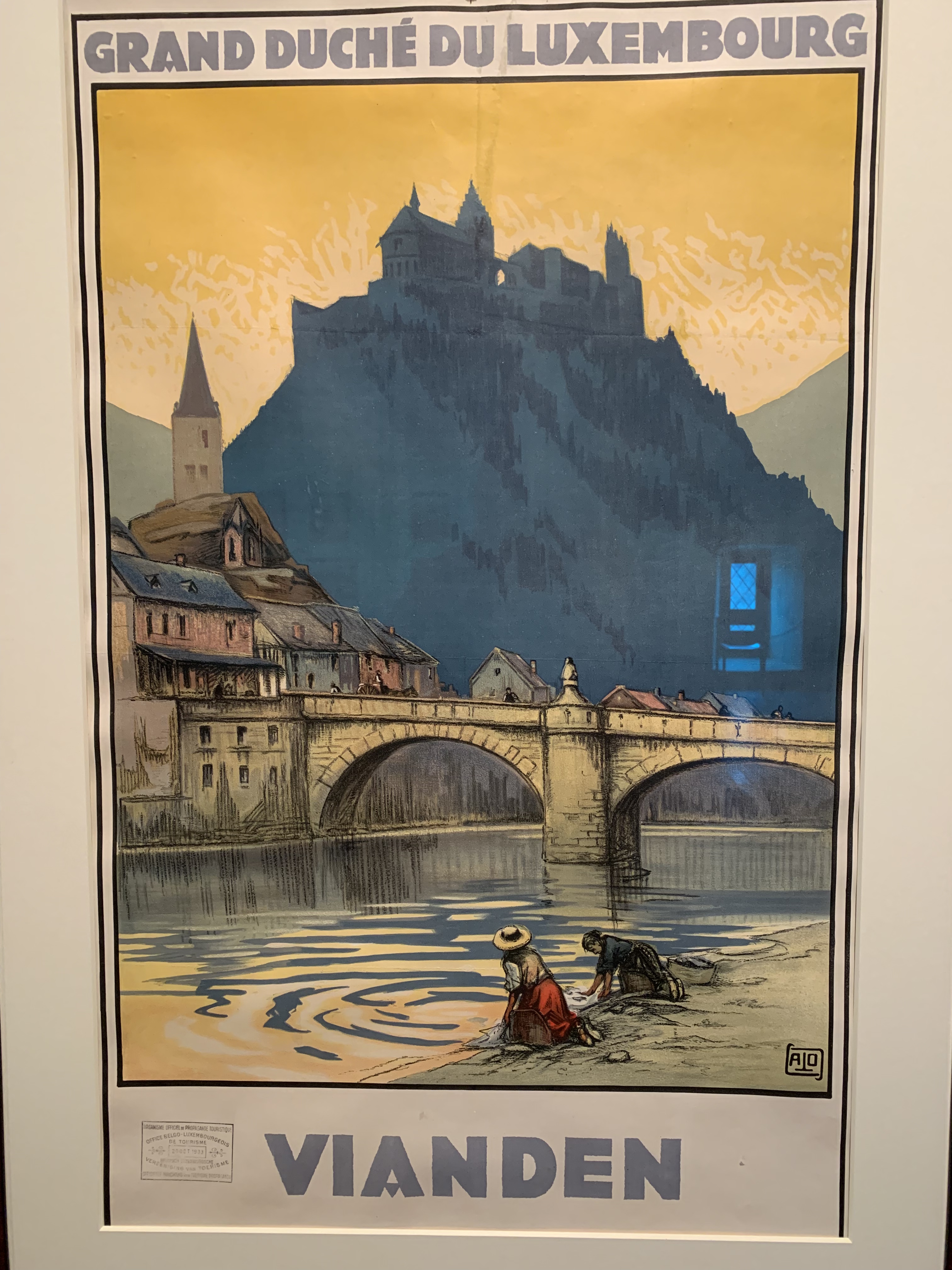
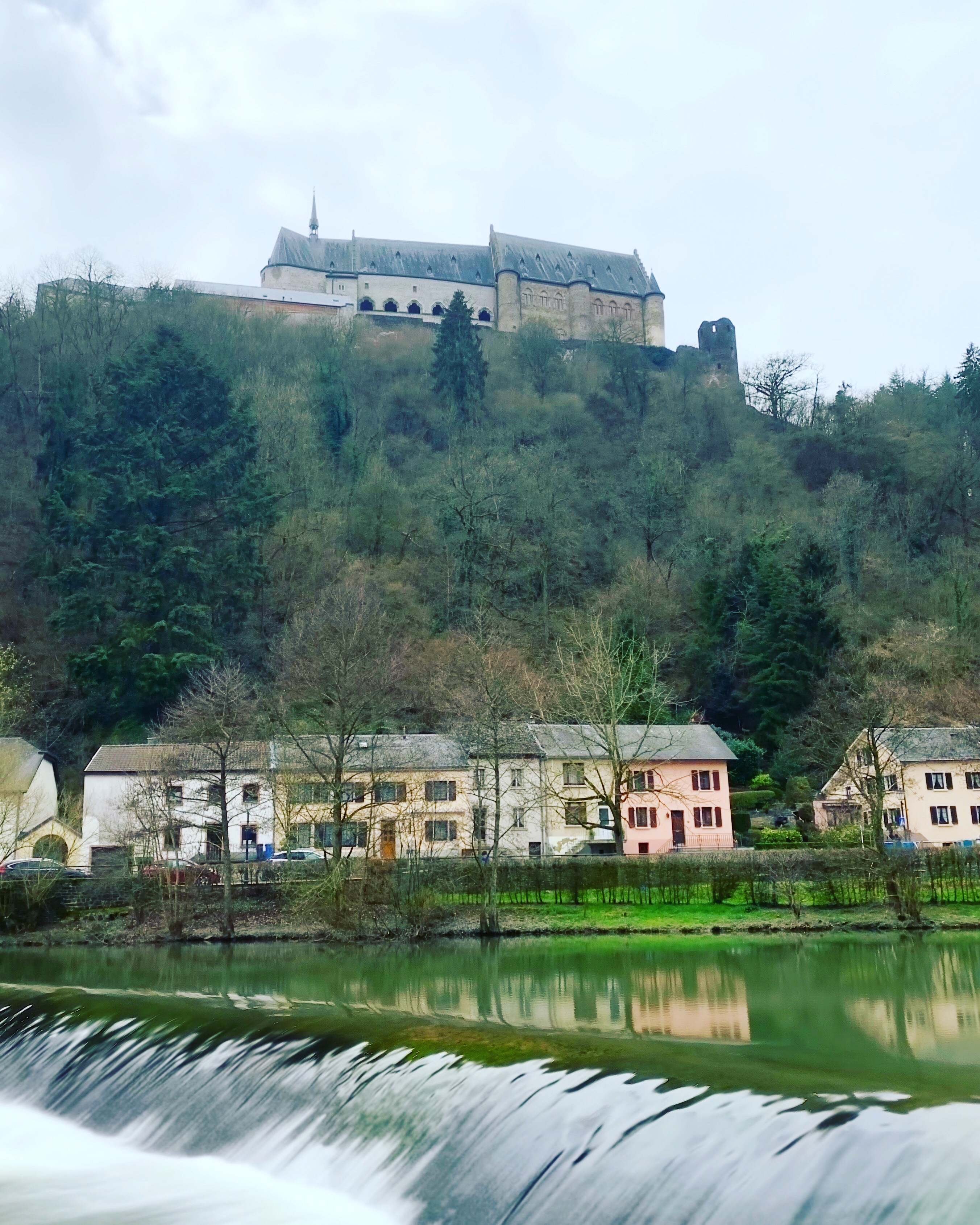
Vianden was a quaint town, with a population of only 1,800 people and its main draw is a large castle perched on a hill above the city.

The castle was built between the 11th and 14th centuries and became the seat of the counts of Vianden. It was further developed until the 18th century but with the departure of the Counts of Luxembourg to the Netherlands it slowly deteriorated. In 1820, William I of the Netherlands sold the castle to a local merchant who in turn sold off its contents and masonry piece by piece, reducing it to a ruin.


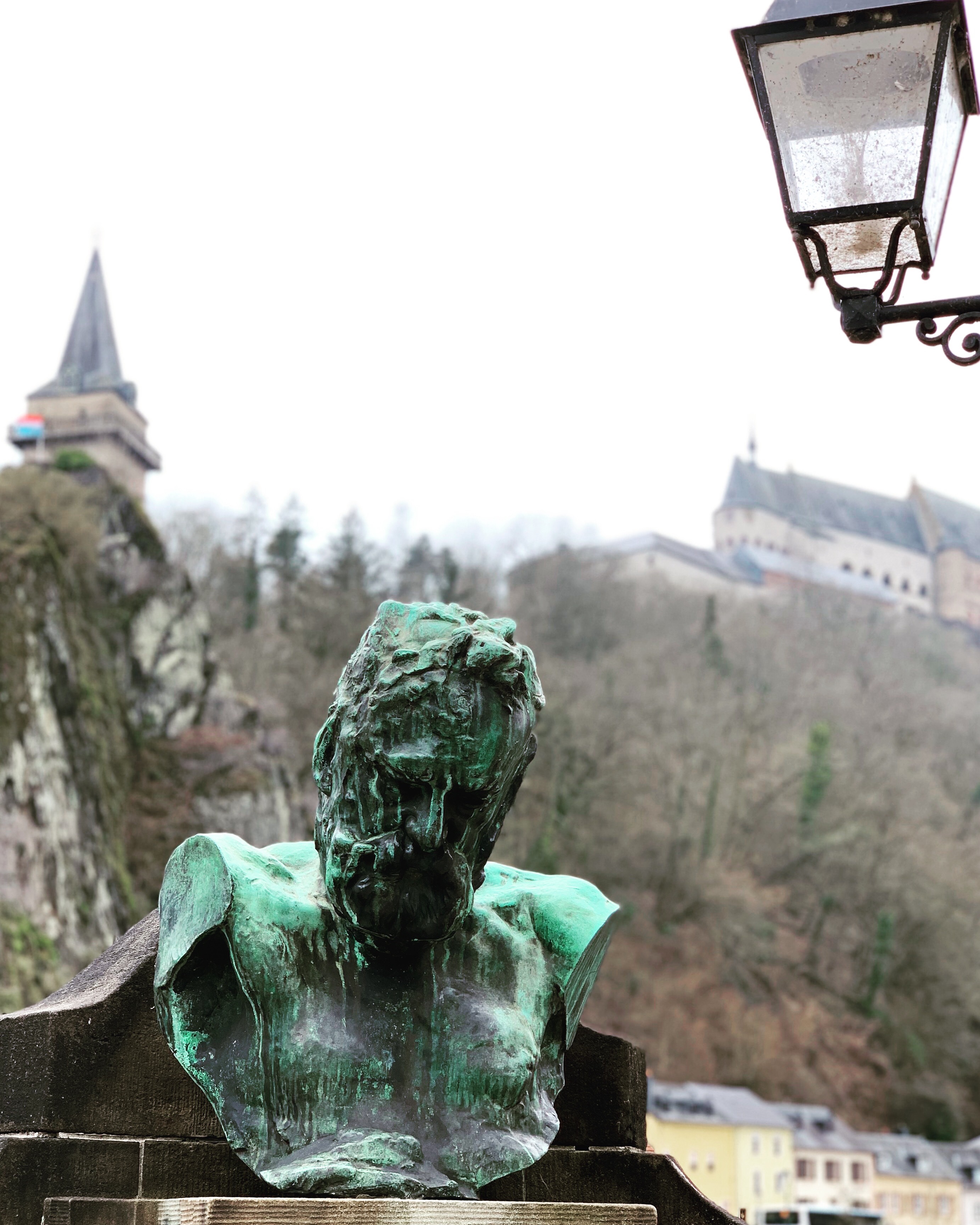
That said, the chapel in the castle was restored in 1849 by Prince Henry of the Netherlands, and during one of his visits to the town Victor Hugo (French poet) lived in the castle for three months in 1871.  He actually came to the town four times including the stay in 1871 after he had been expelled from Belgium.  At the time he wrote “Vianden, embedded in a splendid landscape, will be visited one day by tourists from the whole of Europe, attracted both by its sinister but magnificent ruin and by its cheerful and happy people.”  I think he was right!


In 1977, the castle was finally given back to the State, and finally large-scale restoration work could take place.  Today it is a great site with good information and a very informative visitor centre taking you through the history of the castle and town.

Vianden is also remembered as the site of multiple battles in World War II and was the last place in Luxembourg to be freed from the Germans in February 1945 when the Americans completed Luxembourg’s liberation.

After visiting the castle, I walked a little further up the hill behind the castle to the cable car station – unfortunately the cable car doesn’t start running till Easter, but the view from the station over the castle and down to the town below was worth the extra effort.

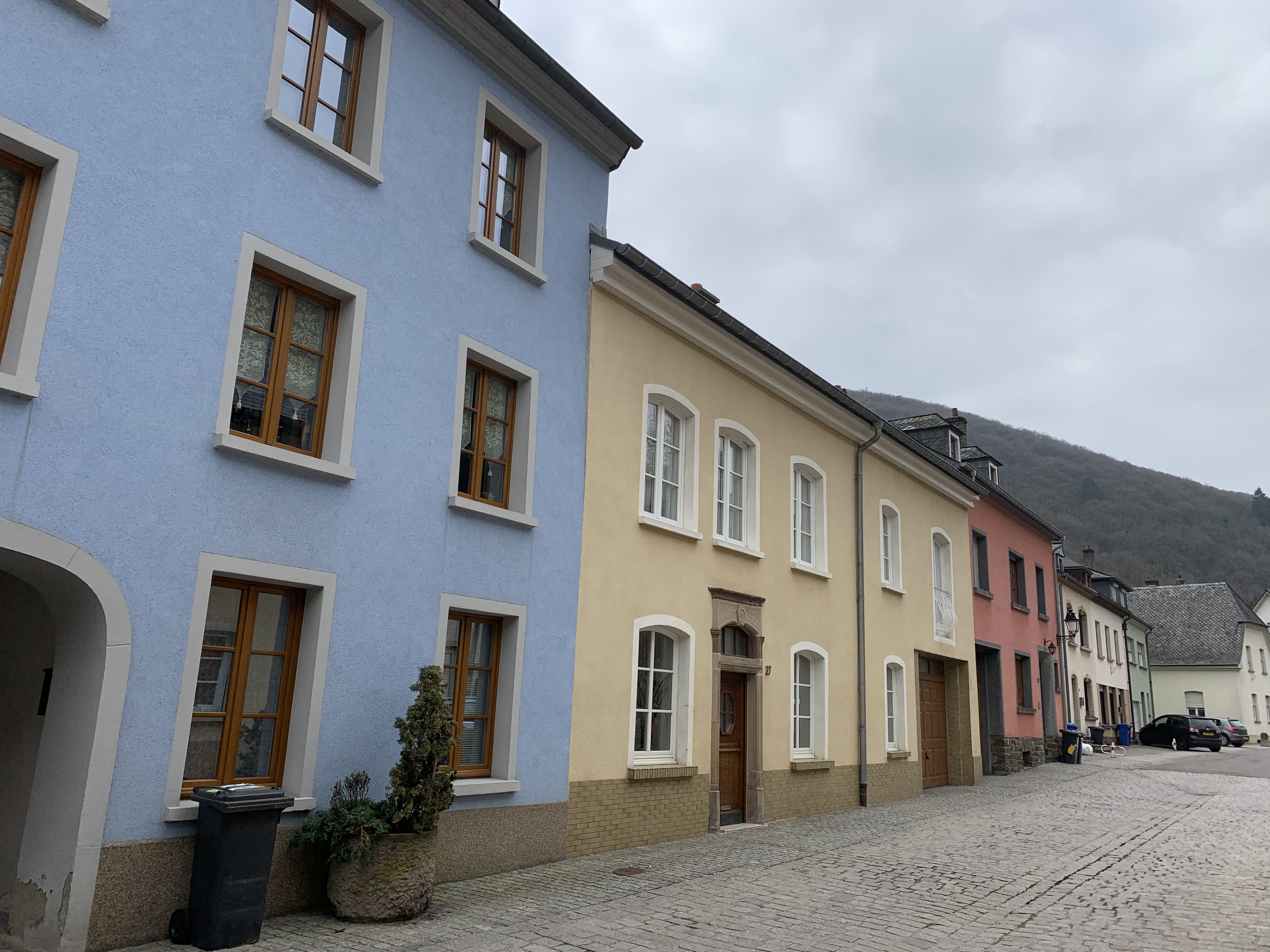
Back down in the town, I had time to explore some of the back streets before starting the journey back to the city.

After a semi successful day on public transport I decided to get the bus to the airport – firstly I was now staying just a few minutes from the bus stop (rather than the 15 minutes from the place I was supposed to be staying) and 34 euros is just a little too much to pay for laziness!

The bus to the airport took me through the shiny EU city on the hill, with 2 buildings like book cases on each side of the road .as you enter and of course flying the 28 flags (soon to be 27) of the EU. Such a contrast to the old town that I have spent most of my time and I actually wished I had had the time to spend a little more time exploring that side of the city.

I had managed to walk another 14.5 km on Sunday, I certainly got some exercise in during the course of the weekend.  Just goes to show how good travelling is for you 😂

What a fabulous weekend in lovely Luxembourg.

Rambling through Riga and beyond

Settling in has been much harder than I had anticipated (but that is a story for another day) and after giving myself just over a month to find my feet in my new life in Cambridge, it was time to start exploring beyond my new backyard.

So, with my budget airline approved cabin baggage I drove to Luton airport (just over an hour away) for my first trip of the year – to Riga in Latvia.  Not only my first European trip for the year, but also my first trip to the Balkans ever.

This was also my first experience on WizzAir, an airline I had actually never heard of it before but it was a typical budget airline with typical budget airline type seats.  Thankfully I had prepaid for extras like priority security and boarding so things went pretty smoothly.

Except …. I was randomly selected to have extra screening at security – that meant they wanted to ‘test’ my liquids and apparently Simple hydration face moisturiser has something in it that can be used to make explosives 🤔🤔🤔 – so much for the ‘no harsh chemicals’ claim! So, with my bomb making moisturiser confiscated I was allowed through.  It’s odd to be back to a world where there is no immigration to leave the country … will be interesting to see how that changes in a post Brexit world!

I must admit I do not feel like that adventurous back packer I once was. Paying for the extras on the so-called budget airline and hey, why wait for a bus in -3 at midday when you arrive when you get a taxi for less than euro 12!!  Back in the day that would have been 3 meals! 😂

As I was arriving very late, the hostel had sent me very detailed instructions to find the hostel, get in the door and find my room which could not be missed with a large hand drawn sign with my name on it 😂.   All very well organised and in fact, it was a great hostel (highly recommend the Tree House hostel, very central and very warm and comfortable).

My next ‘I am no longer a backpacker’ move was a private driver to take me to Sigulda in the east of the country and only 50 minutes’ drive from the city centre.  Unfortunately, it is too early in the year for the normal tours to run, and yes, I could have caught the train … but that would have taken all day and with only 2 days I already have limited time.  So I could easily justify the additional expense of a half day private tour to myself and it meant I got to see some of the best of the Latvian county side and not just Riga.

(Oddly I feel a little guilty about not being a ‘backpacker’ anymore. 🤔 Not really sure why – that style of travel is great when you have a lot of time and not a lot of money but when time is limited (and money slightly less so) I want to make sure my time is used wisely. I don’t think it lessens the experience and in fact I get to see more.)

As we drove out of the old city centre, much of the suburban areas were made up from grey Soviet era buildings– coupled with the snow on the ground and the greying skies, it all added to that the ambience I expected from part of the old Soviet Union.  But, as we drove out of town, I was pleasantly surprised by the beauty.

The downside of coming at this time of year is that it is cold, bitterly cold and not everything is open – on the positive side I had the castles almost to myself.

Unfortunately, my driver was not very talkative despite his excellent English.  He would answer questions but did not volunteer any information but lucky I had a guide book with met read up on what I was seeing.

First stop was at Sigulda Medieval castle, now not much more than ruins located on the edge of Gauja National Park.  The original castle was built in 1207 as a fortress and subsequently has had lives as a convent and a residence and headquarters to the Livonian Brothers of the Sword.


Not long after I arrive, the light snow turned in to heavier snow as I wandered around the site.  For some reason I felt that it added to the medieval atmosphere.

I jumped back in to the van to warm up as we drove through the snow to the next stop at Turaida Castle and Museum Reserve.  This castle was a far better preserved site.  Work on the stone castle began in 1214 and it was an important castle for the archbishops of Riga during the middle ages with additional fortifications and guard towers during the 16th century.  As it ia set up as a museum, this site was well documented and signed in several languages including English.


Arriving here in the snow, it soon cleared and ended up with the most beautiful skies with the sun breaking through and I was so glad I got out of the city to see the castles and countryside.

Back in the city and I got dropped off at the Museum of Occupation – it was a smaller exhibition than normal as the normal building is being refurbished so it is being housed in the old US embassy.  As I entered the building, my attention was drawn to a sign on the very heavy bullet Proof door. After the 9/11 terrorist attacks, most American Embassies were additional secured, adding heavy bullet proof doors like this one!  It certainly makes you stop and think – well it did me anyway.

I will be the first to admit, I only had a brief knowledge of more recent history of Latvian occupation including Nazi Germany and the Soviet Union, but I was interested to learn that the history of foreign occupation dates back to the German crusaders in 1201!  Having been occupied by Germany, Sweden, Poland, Russia … some of them more than once!

The guide on my walking tour the following day summed it up well … “We have literally been conquered by everyone not too lazy to come!”

They certainly have had a rough time of it, in particular during the 20th century when much of the population was exterminated or sent to the far reaches of the Soviet Union until September 6, 1991 when Latvian independence was once again recognized by the Soviet Union.

After a long day and information filled day, it was time to sample some of the Latvian delicacies.    Apparently, you have not been to Latvia if you have not had potato pancakes with spek sauce (spek is like bacon) and I must admit they were really tasty.   To accompany my potato pancakes, I had what was called a hot tea cocktail (blackberry and blueberry) – didn’t really know what was is in but lots of berry, orange and spices, similar to mulled wine but without the alcohol – it was soooo good! In fact, it was so good I had to go back and find out more – apparently it was a Sbiten, hot winter Russian traditional drink which can be very spicy, sweeten with honey.

I can say I had more than 1 of them in my 2 days in the country lol.

I headed out again in the evening, just it started snowing, this time to try the infamous Riga black balsam in the famous Black Magic bar.  The drink is described as a mix of botanicals (24 herbs) in spirit water and was historical used as a traditional medicine.

According to tradition only the Head Liquor master and two apprentices know the recipe passed down for over 250 years and the recipe was lost during WWII but it was pieced together again after the war and remains unchanged.  It apparently also cured Catherine the Great of Russia when she became ill during a visit to Latvia!

Again, my walking tour guide had an interesting snippet about the Balsam – “Balsam makes good medicine, 2 shots and you are better or you don’t care!”

I was not keen on drinking it straight (I am not sure many are) so I had it with hot black currant juice – rather like very strong, hot  medicine – not terrible on a freezing night and I felt rather regal sitting in a red leather arm chair, sipping my Hot Blackcurrant to the soundtrack of cellos playing classical music and the light of a flickering candle.

To mix it up, my next stop was a lively roadhouse style bar with a live band playing blues and rock n roll music (and a car in the middle of the restaurant) to sample some more of the local liquor 🤦🏻‍♀️

2 drinks and I was done – one thing was clear … Latvians don’t mess around with their spirits!! They were strong!

img_1188My final stop for the night a cafe for a raspberry gin and tonic (ok so I was not completely done after the first 2 drinks) and some traditional yeast pancakes – again delicious and I convinced myself I needed them to soak up the alcohol.


The following morning, I joined a free walking tour around the old city.  Something I do in most places I visit these days and always very informative (and cheap)!  Of course, it was freezing cold but initially not snowing or raining!

The guide was really interesting and it was a great couple of hours wandering around learning about the city and culture and I was happy to have a spare 30 minutes at the end to grab another Sbiten before my next tour.

With only a short time in the city, I had to make tough decisions about what to see and what to miss – 1 more day would have been ideal, but without that extra day, I decided to miss out on cupcake looking art nouveau area and instead, I opted to explore the grittier part of the city including the Jewish ghetto and memorial and some of the Soviet built suburbs and tower.

We started off in the Central market – a massive market and one of the cleanest markets I have ever seen.  I could have stayed there for much longer than we did but we had to move on back in to the rain that was now falling.

It was a cold grey day, snow was forecast but instead we got rain … quite the weather for the grey and gritty Riga beyond the old town.  In this side of town there were no pretty Instagram pictures to be had, but lots of fascinating human stories about life in the USSR and Nazi occupation – how individuals were conscripted into fighting for one side or the other with no choice, meaning family members were often fighting against each other.

Something else that fascinated me was learning about the Non-Citizens.  When the Soviet Union fell, the resulting countries had to decide how they would determine citizenship.  In Latvia, people were given citizenship if they could prove they or direct relatives lived there prior to Soviet occupation, or if they learnt Latvian and past a culture/history test.

Some choose to not learn Latvian (mostly ethnic Russians) so remained in Latvia as non-citizens.  Of course, this is an aging population so the issue of non-citizens will not be around much longer.  Still, they have a Latvian Non-Citizen passport and can still freely travel around the EU/Schengen region as well as to Russia visa free (Latvian’s need a visa) so not sure what they lose by this very unique status.

With my day of learning over, I headed back to the airport to head home just as the snow started again.


What a wonderful and fascinating country which has definitely given me a taste for exploring more of this part of the world.

And what a stunning sunset on the way home.

Reflections of a year well lived

6 months after returning from South America in September last year, I am surprised that I am now writing from Cambridge in England …  just when I thought I had it all worked out, everything changed!

I kept meaning to sum up my South American trip … it really was a trip of a life time (although for me, I hope not once in a life time).  I certainly got around …   

  •  21 flights
  • 20 intercity buses
  • 5 days on a boat (and 14 other shorter boat journeys)!

But I guess that is the modern world live in where transportation from one place to another, even the most remote of places is possible.

I did 12 incredible dives in the Galapagos islands surrounded by Hammerhead Sharks and turtles. I snorkelled with Galapagos penguins, sealions and dolphins.  I tubed down a river in the Amazon jungle watching monkeys swinging in the branches above, I played paintball in one of Pablo Escobar’s mansions.  I trekked high in the Andes and explored otherworldly salt flats … honestly just too many incredible moments to express them all here.

I challenged myself physical with a 5-day hike in the Colombian jungle to Ciudad Perdida and a 4-day hike in the Andes on the spectacular Inca Trial to Machu Picchu.   

I challenged myself mentally by spending 4 weeks doing intensive Spanish lessons and I can safely say, I am the closest I have ever been to speaking a second language (though to be honest that is not saying much!)

I overcame fears by sailing from Colombia to Panama and hiking the Inca Trail (its hard to put in to words just how scared I was of doing this hike and how much I actually loved the entire experience.)

And … then it was all over and I was back home.  For those of us ‘tainted’ with the passion for travel or wanderlust, coming home is always bittersweet.  It is wonderful to see family and catch up with friends, but the familiar almost seems unfamiliar. 

It wasn’t long until part of me was itching to be back on the road again.  Just a few days back and it was straight back to work – the same job at the same desk …I was incredibly lucky to get this opportunity again, but it did make the feeling that I had never been away that much stronger 😬

I am driven by the need to always be on the search for somewhere new to go and new things to see but oddly I don’t often take full advantage of the wonderful country I call home.  Weekends when I am working the 9-5 seem to be all about relaxing, not having the pressure of having to travel, or to be anywhere at any particular time.  Though I guess that is often true, you put off doing things close at hand as you think you can always do that another time – why is that??

Just when I thought I had 2019 mapped out, a curve ball was thrown and I was offered a job in the UK, just north of Cambridge and after much deliberation I decided to accept … so the countdown was on again.

To make the most of my remaining time in New Zealand I planned a couple of road trips to enjoy time with family and the beautiful New Zealand summer, revisiting places I have not been since I was a child.

The first stop was New Year’s camping on the West Coast.  The long warm summer nights, the smell of beach fires and toasting Marshmallows, the sounds of crashing waves and bird song … this to me is perfect.  

It brought back happy childhood memories of campground life, weka roaming around the campground (weka are endemic flightless birds and a member of the ratite family – they have a tendency to prowl around and a penchant for stealing anything you leave lying around outside), native tuis and bellbirds singing in the trees in the campground.

We spent the days hiking in the beautiful fern filled bush, exploring caves filled with 1000’s of glow worms and tubing down rivers and the evening watching the sunset and the stars come out …. oh so many stars. 

A few weeks later and we drove 6 hours south to Wanaka, in the winter a hub for skiers and lovers of winter sports and in the summer a haven for boaties.  Here we spent a lovely couple of days with my brother and his family … out on the boat, exploring the small beaches around the lake, just a typical New Zealand summer.

Both these trips were real reminders of what a spectacular place I am lucky enough to call home.

But soon enough it was time to pack my bags and head of again …

Europe here I come.

img_0343


Flights & a Fijian funeral

My first flight took me from Uyuni (and 0oC) to La Paz where I was to wait until 5am till I could check in for my next flight.  Thankfully there is a Pod hotel at La Paz airport, of course it was a tiny room but it was great to have somewhere private,secure and comfortable to rest for the 6 hours till I could check in for next flight.  Why do more airports not have these on site???

Up early the morning, I stood in queue for 45 minutes to check in for flight to Santa Cruz (which was a stopover on way to Buenos Aires) only to be told when I got to the counter that it was the wrong queue and I should be in the queue saying Sao Paolo???? Go figure!!!  I would never have guessed that!  Thankfully that queue was short so I did not have to wait too long to check in (all on Spanish again 👍🏻) and I was quickly through immigration and customs to get some longed-for coffee!

41858673_1062557720578089_6956006664688369664_n

I had to change planes in Santa Cruz and the brief exposure to 28oC was a pleasant shock to the system before getting back in to the cold upon arrival in Buenos Aires.  I am sure the immigration guy here thought my Spanish was off when I told him I was only there for 10 hours 😉.

Sadly, there was no pod hotel at Buenos Aires airport and I had to find a floor to set up with my bags for my 10 hours of waiting … eating, napping and Netflix passed the time till I could finally check in.  I was lucky enough to have been upgraded and with my business class seat, came the use of the Star Alliance lounge.  I must admit it was certainly not of the same quality as an Air New Zealand lounge but I was in no position to complain and enjoyed the relative comfort and free food and drinks for the last 3 hours of my wait.

I don’t know about you, but I seem to severely struggle with reverse culture shock when I return home after an extended journey – ok, who am I kidding, even after a short trip!    On this trip it was even worse as my home-coming had happened in such a hurry I was definitively not mentally prepared for it.   I am not sure it helped that only 1 day later I was back in the air, on the way to Fiji.

Some of you may be aware, I lived in Fiji for almost 3 years, but have not been back for over 4 years.  As we drove around Viti Levu (from Nadi to Suva), a route I had travelled many times before, it was odd as it seemed like nothing had changed and everything had changed 😉.  Is that possible?

To get rid of my first morning cobwebs, I headed out for a morning run and in typical Fiji style I bumped in to an old friend doing her fitness training and Ratu Epeli Nailatikau, the ex-president of Fiji (from 2009 to 2015).  In true gentlemanly style, he tipped his hat and said good morning as I almost got run over looking the wrong way before I crossed the road 🤔😂😬.

Sadly, it was not the first time I have embarrassed myself in front of him … thankfully I doubt he remembers our previous encounter many years ago just up the road the British High Commissioners residence when I probably made a worse fool of myself in front of him 😂 (when he was the president!).  Enough said 😂.

It was surreal to think that one day I was on the Bolivian salt flats and just a few days late I found myself in a small church in Fiji.

Funerals in Fiji are a long affair full of many people and so much food! The whole neighbourhood (considered the ‘village’ whether it is a traditional village of not) attends and everyone is invited to eat for 4 days to the point that the mourning family basically spend 4 days cooking!

In the first couple of days after the passing family, friends and village members bring gifts to honour the deceased.  This is typically food (often dalo, cassava and/or slaughtered animals for the days of eating to come), masi (patterned bark material used to decorate the house) and mats (traditionally everyone sits on the floor so the mats are an essential part of this).

Over the coming days, the men take care of the lovo (the underground oven) whilst the women prepare the food, decorate the home to receive the coffin and also tend to the body before bring it home.   The coffin remains in the beautifully decorated room for the night before the funeral and friends and families visit to pay their respects.

I spent part of the day helping the women prepare the vegetables – again.  I could not help but think back to only a few weeks previous when I was preparing vegetables in a small village in Peru – different culture, same bonding activity lol.  This time there were so many vegetables to prepare I got blisters!  Now that is truly a sign of hard work right?

The following day, the small church was full for the funeral and it was a beautiful service.  The family sang a beautiful hymn – if you have never heard a group of Pacific islanders sing, you must search it out.  It true sends chills down your spine.

From the church we drove to the cemetery – 2 full bus loads of people made the journey.   Unfortunately, it had been raining fairly hard and the cemetery was not paved at all so was full of mud.  I had to pretty quickly ditch the flip flops as it was impossible to walk in them through the mud.

Once the casket is lowered in to the ground, all those gathered  through dirt in to grave before the cemetery staff quickly fill in the grave.  The mud is piled up  above the ground, almost like the casket is above the ground.  The mound is covered with masi and mats and then flowers and pictures are placed on top.  Sticks are also dug in to the ground to hold up cloth around the grave (which is added on the ‘4th night’).


This was not my first Fijian funeral, and as with the others, what strikes me as most different to those in New Zealand is the amount of photos people take.  In the church service and at the cemetery.  After the casket is buried friends and family gather around the grave for photos.

Our departure from the cemetery coincided with the arrival of people for the funeral of the Assistance Chief Commissioner of police.  I don’t know if the police in Fiji do traffic control (I suspect they do) but they failed dismally this day!! Men in full dress uniform and chests full of medals started trying to direct traffic but it was too late! Gridlock ensued with no way out for almost 45 minutes when they finally managed to work out some kind of system.

Then it is all back to the house for food and this pretty much continues for 4 days!

41876484_264829577477934_2194362872438456320_n.jpg

Suva is not the Fiji of postcards but it was home to me for over 2 years and it was lovely to be back in the city despite circumstances and it was great to be able to catch up with family and friends.  I also took the opportunity to get another couple of dives in so I said goodbye to the family and headed to Pacific Harbour for diving.

I had decided to do the infamous Shark dive in Beqa Lagoon despite being conflicted about the ethics of feeding sharks during these dives.    The dive trip consists of two dives, both to the dive platform (at around 18m) where we watch the staff feeding the variety of sharks that turn up that day – we saw Bull Sharks, 3 types of reef sharks (black tip, white tip and grey tip), lemon sharks and nurse sharks.

Of course, the large amounts of food, also draws in 100s and 100s of fish.
Without a doubt, seeing the sharks at such close proximity was incredible and at no point did I feel unsafe, I did however feel cold – despite it being the tropics and wearing a full wetsuit, it is a very inactive dive and of course you do get cold just sitting around!

As for the ethics of the practice (2 companies do these dives every second day), apparently a portion of the cost of the dive is called the ‘shark levy’ and this goes directly to villages that historically own the fishing rights to Shark Reef Reserve, to compensate them for not being able to fish within the reserve.

The staff also assured me that they have no research to show that the feeding has changed the natural behaviour of the sharks – apparently, the tuna heads they use for the feed have an extremely low calorific value, being that they are made up of mainly bone, ensuring the shark’s natural hunger is in no way affected by their intake of between one and three heads per dive.  The staff was also clearly all passionate about the ocean and sharks in particular.

That said, I definitely prefer the completely natural interactions like those I was lucky enough to experience in the Galapagos Islands and will stick to those kind of dives in the future.

From Pacific Harbour, it was on to Nadi for my last night in Fiji.  Again, an old stomping ground of mine.  I was interested to see that there is now a Burger King next to my old office – thank goodness that was not there when I worked there!!   We had dinner at Sitar,  one of my favourite restaurants that had not changed a bit!

Fiji is really a conundrum – some things seem to be dragging it back in time i.e. terrible wifi!   Worse in fact than some remote parts of South America and many hotels still seem to charge extra for it and even then it is not strong!  On the other hand it seems to have caught up with the rest of the world – the airport had had a massive upgrade since my last visit and there is now even online and kiosk check ins making the whole check in process easier and quicker.

Despite all its quirks, you just can’t help but love this little piece of tropic paradise.

41817499_2209166995780631_4199505660661989376_n

Heading south …

Another day, another bus, this time to the city of Potosi.  The buses seem to be getting more ‘local’ as we go south and this one was no exception.  It was still comfortable enough but this time we were to be joined by a box of chickens!  It was with little relief that they put them in the luggage compartment before dog joined us on the bus!

Again,

41020295_1691358507640646_8639915813618319360_n (1)we travelled through more, dry highlands full of tusk grasses – things seem to be getting drier though that could just could be my imagination.  For the last few weeks, everything has been so dry and barren and Potosi was no exception.  I am almost craving some rain and greenery – perhaps I need to go back to the jungle! 😉🤔


Potosi is one of the highest cities in the world at 4090m above sea level and was the location for the Spanish colonial mint for many centuries.  The city lies at the foot of Cerro Rico (“rich mountain”) — a  mountain popularly conceived of as being “made of silver” ore that dominates the city.

41061112_250041298988650_5900302006819487744_n

The Cerro Rico is the reason for Potosí’s historical importance, since it was the major supply of silver for Spain and even today it is one of the main source of employment and income for the city having been mined for tin, silver and zinc constantly for nearly 500 years.

Today the mine employs 15,000 miners, generating revenue that supports the entire city.  It was named a UNESCO world heritage site in 1987 (along with the city of Potosi) and it was initially given the title ‘the mountain that eats men’ after the large number of indigenous people and enslaved Africans who died mining in in the early years of its production.

After travelling through the dry, dusty ‘suburban’ areas of the city, full of unfinished buildings, we arrived in the old part of the city which was surprisingly pretty after first impressions and we enjoyed a quick walking tour.

41292286_259597074886624_8678709276790751232_n (1)

That evening some of us went to a local basketball game.  Basketball is the second most important sport in Bolivia (after soccer) and the city were hosting one of the quarter finals of the national competition – local side Pichincha de Potosi had a poor first quarter but came right and ended up having a resounding win.   It was a fun evening out and as expected the local crowd was loud and colourful in their cheering with their music, singing and dancing!

The following morning a few of us had chosen to learn about the mine and mining industry that has been the centre of the city for many centuries.  We started off at the miners’ market – most of the miners are contractors and are therefore responsible for supplying all their own equipment and the miners’ market is where they come to kit themselves out for the day.  You can pretty much buy everything a miner needs for their work here – safety gloves and masks (although many miners work without both), coca leaves, cigarettes, strong local moonshine, oh and of course dynamite!  Like I said, everything you would need for a day’s work in the mine!

41117000_315910239160170_5111156140465455104_n

We purchased some gloves, soft drinks and coca leaves to give to miners as gifts as we came across them when we entered the mine later in the morning.

After kitting up in overalls and miners helmets we started our tour at the refinery where much of the ore taken from the mine starts – for the contract workers, they get paid by quantity rather than quality and the out come of that is seen at the refinery where they extract the minerals from the rest!  Already here it was apparent that this industry is hard and dirty work and despite the many warning signs, it seems like health and safety is not at the forefront of everyone’s mind!

We then went up to the mine where we entered through a view small entry point, having to avoid the miners rushing in and out with their wheelbarrows full of rock.  (As I mentioned before, many of these men are paid by quantity so speed is of the essence.)  Soon the mine opened out in to a larger area where we were introduced to El Tio (the uncle), the god of miners – a horned man, with bulging eyes and a pointed beard.

The statue was covered in streamers and coca leaves, as well as many bottles of the over proof alcohol we had seen at the market earlier in the morning – all of which are given to El Tio as offerings.  El Tio is neither good or evil and is capable of delivering both death and amazing wealth!  Above ground, most of the miners are Catholic and worship God but below ground El Tio is worshipped.  To encourage wealth, we all had to partake in a sip of the alcohol – and due to superstitions everything has to take place in even numbers so we had to take two sips!  IT WAS NOT GOOD 😬, but then what can you expect of 98% proof!!

40903408_2307371789490908_6562839560206680064_n.jpg

Another of the superstitions is around women in the mine and for this reason, no women work in the Cerro Rico mine.   Apparently Pacha Mama (mother earth as I had already met in Colombia and Peru) would get jealous!

We ventured deeper in to the mine, passed deep holes running to different levels of shafts and over planks across massive caverns were men were manually bringing up ore from lower levels.  Although I never really felt unsafe, I must admit I was a little relieved when we finally exited in to the sun!

Miners are either contractors (working for themselves) or work for a cooperative but in either case, some of the work practices date back to colonial times and in most instance the work is almost solely manual.  If a miner strikes it lucky and gets a good seam, they can choose to purchase machinery to make their working lives easier but this is pretty rare.  All in all, life if hard and often short for the miners of Cerro Rico.
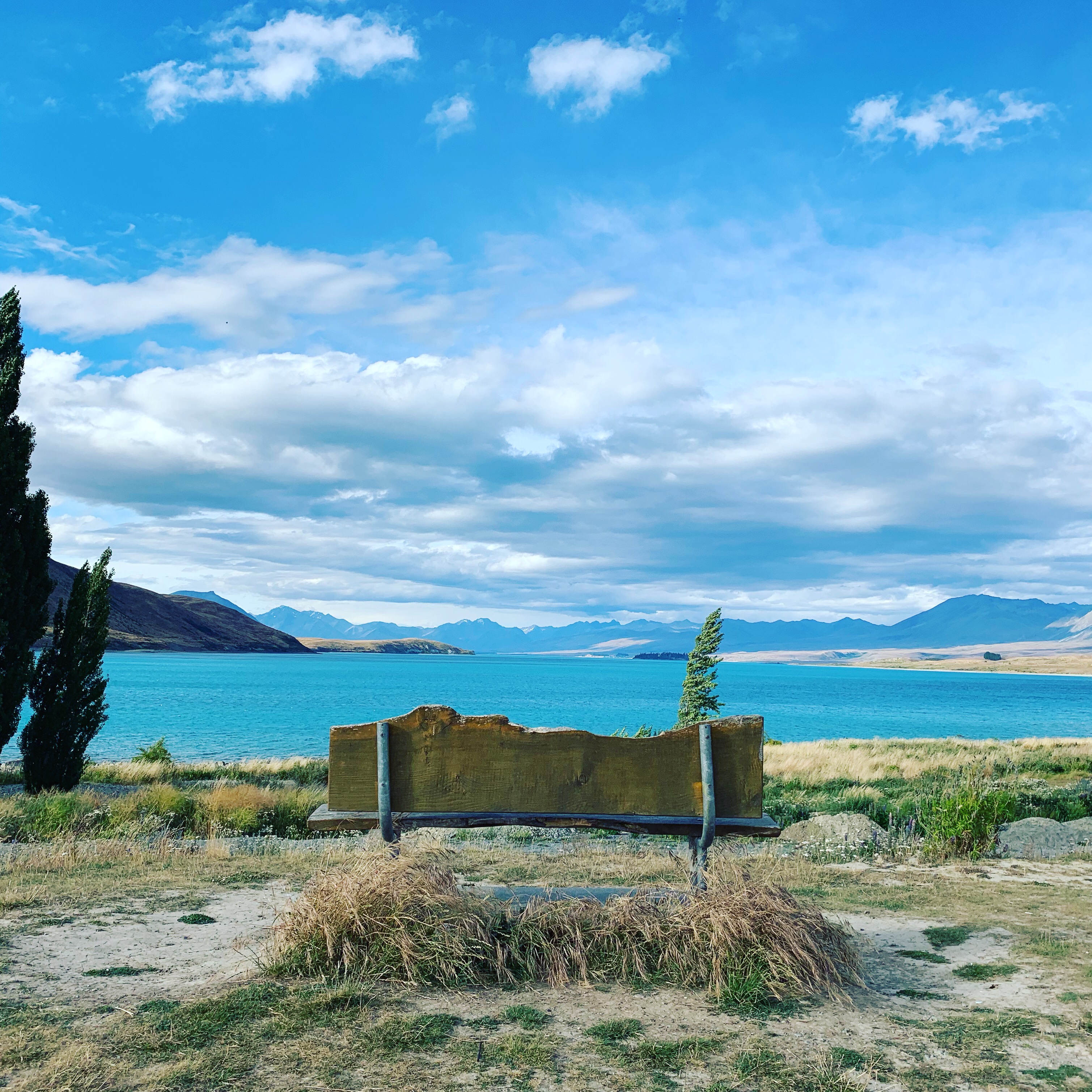
Our guide for the tour was an ex-miner who appeared thankfully for a way to leave the ‘family business’ of mining behind him for work with tourists.

41109607_530079930763252_3601687225701498880_n

We were back on a bus that afternoon, and probably the worse bus so far (though still not that bad).  The dry highlands continued and were interspersed with sand dunes and llamas until we had our first really view of the desert of salt as we drove down in to Uyuni.  There were patches of snow on the side of the road reminding us just how cold it is going to be and we could feel the drop in temperature when people opened windows to take photos 😬!

Uyuni is a city in the southwest of Bolivia, and these days primarily serves as a gateway for tourists visiting the world’s largest salt flats nearby and of course this is the reason we found ourselves here too!

Unfortunately, it was here my trip plans were turned upside down with the news of a death in the family.   So instead of my morning being spent preparing for a 3 day 4WD trip across southern Bolivian, I spend my morning with our tour guide working out flights out of Uyuni (thankfully the influx of tourists meant they had recently put in an airport with direct flights to La Paz) and onwards to Buenos Aries for an earlier flight home.

Despite the flight booking being painfully slow, we managed to sort it all out in time for me to join the rest of the group on the first day of their trip before returning to Uyuni for my evening flight.

The first stop of the day was the ‘cementario de trenes’ or train cemetery.  Uyuni has been an important transportation hub for over a hundred years but during a decline in the mining industry in the 40s, many trains were abandoned outside Uyuni, forming this mass train cemetery.  Many of the locomotives here date back to the early 20th century but having been left unattended in the salty winds they are now just rusted and eroded shells.

This is part of the normal tourist route and I have seen many Instagram worthy photos in the passed but I could not really see the appeal myself!

As we drove towards the salt flats, we came across the beautiful Vicuñas again on the side of the road.  Definitely my favourite of the South American camelid family!

41569413_2167630476643087_4563069372343517184_n

Our next stop was the small town of Colchani on the edge of the salt flats – the town now survives on tourism and salt production, with families running small salt manufacturing ‘factories’ from their homes (which are also made of salt).  It was a completely manual process right down to packaging the salt which they sell for a pittance.  Not sure the process would have met any health and safety standards of New Zealand so I was not tempted to purchase any despite the low price!

We then finally reached the main attraction – the Salar de Uyuni, or Uyuni Salt Flats.   At nearly 11,000 sq. km, they are the largest salt flats in the world and is the legacy of a prehistoric lake that went dry, leaving behind the desert like, bright white salt – truly otherworldly.

As we crossed in to the salt flats we stopped to see the ‘ojos de sal’, small ponds where water bubbles up through the salt plains.  Despite the appearance of boiling water, these are not hot and is just a result of water pressure building up in the water that remains under the salt!

As we drove further in the plains the salt flats seemed to get whiter and more vast, and despite the number of other vehicles we saw at the normal stops (including at the original salt hotel – no longer a hotel – and the Dakar rally monument – the salt flats have been part of the famous Dakar rally since 2014) there was still the opportunity to drive off in the vastness and be on our own.


We had plenty of time to take in the incredible landscape and take the usual ‘perspective’ photos that grace everyone’s Instagram feeds!  As the Salar is so flat, objects that are far aware can seem close.  These photos were not really a priority for me under the circumstances but I took a few and just enjoyed the wonder of the scenery as other in the groups continued with their photoshoots.

I said a premature good bye to my group at Isla Incahuasi – a cactus covered rocky island in the sea of salt before being introduced to my ride back to Uyuni.  Unfortunately, the new driver then announced that they were staying for the sunset which meant I would get back too late to get washed and packed in time for my flight!  So, after some moments of panic, my guide arranged a taxi to meet me at the edge of the salt flats where the new ride would deposit me!  To be honest, I was not filled with confidence when being told that a taxi would meet me at the edge of the 11,000 sq. km salt flats with no specific roads, but I should not have worried as all the drivers seemed to know what was going on and I met up with my driver and was back to town in time to shower and rearrange bag for the 2 days of travel ahead.

41558877_680284665669413_6919064014592933888_n.jpg