Pachamama

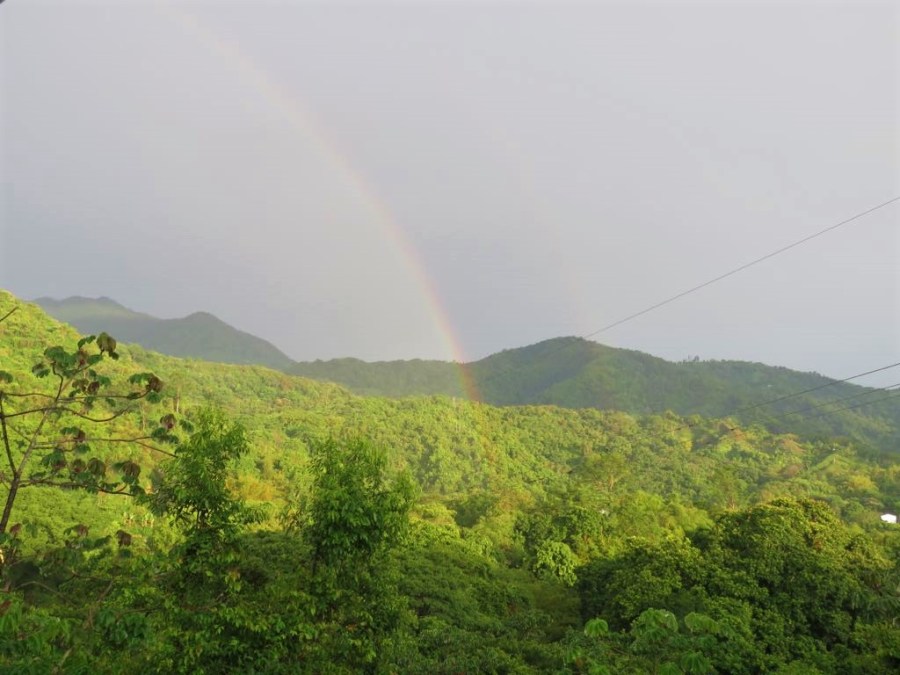
The next part of the trip focused on getting in touch with mother nature, or Pachamama as the Colombians refer to her.

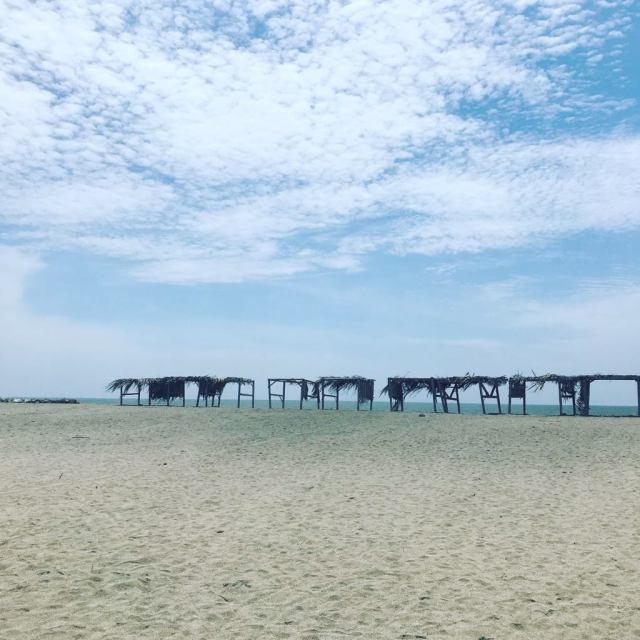
If we thought Cartagena was hot, as we drove east towards Santa Marta it was hotter and more humid and way more mosquitos 😬.  We stopped for lunch at a beach front truck stop that was so hot, and there were so many mosquitos and it was a relief to get back on the air-conditioned bus!
Pacha 1

We were to spend the night in Minca, a small town perched 600m in the Sierra Nevada mountains, above Santa Marta.  The Sierra Nevada Santa Marta mountains are the highest coastal mountain range in the world and is a separate mountain chain to the Andes.  The mountain area is self-governed by the four indigenous tribes living there – they call the mountains the heart of the world and it is their duty to preserve it.

When we arrived at out hotel there was no power due to a storm earlier in the day though this seemed to be a regular occurrence and the elevation and jungle seemed to make things just that little bit cooler.

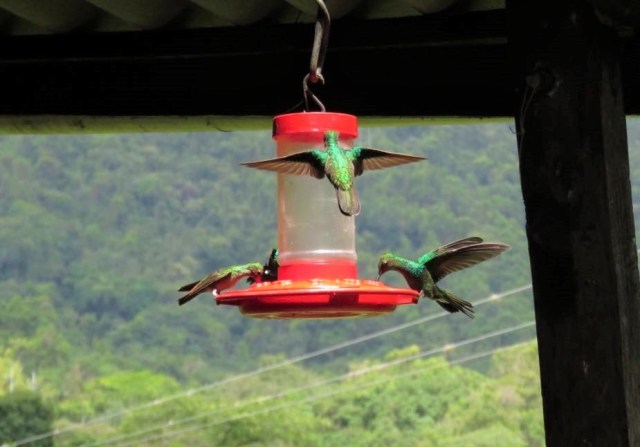
I settled in for an afternoon of hummingbird watching and trying to get the perfect photo as the hotel had a number of sugar water feeders set up.  It really was a peaceful spot and I wish we could have stayed longer.


Pacha 12

The true joys of the ‘jungle’ showed themselves later in the evening when I returned from dinner to wage war on an army of large ants that had moved in to my room, with nothing but bug spray and a shoe I defeated the army but did not have high hopes for a good night’s sleep despite the peacefulness of the place 😂.

The following day we visited La Victoria Coffee farm.  This coffee farm had been set up in the late 1800’s by an English family and incredibly, the farm is still using the machinery it had shipped from England at that time which is powered by the natural gravitational feed of water from the flowing mountain rivers. 25km of piping funnel the ripe coffee fruit to this production farm from the surrounding mountains where the magic of the coffee begins. 😃

This certainly turned out to be a day of extremes as it started in the jungle with hummingbirds and coffee and ended on the beach with a cocktail in hand in Taganga.

Taganga was once a tiny fishing village but became a backpacker’s destination about 10 years ago which completely changed the place.  The beach itself was not as bad as I had expected based on the guide books comments, however it was recommended that we use the place as a starting point to the more beautiful beaches of nearby Tayrona National Park which were accessible by boat.

Our guide had arranged another surprise for us (these began being known as a ‘Freddy Surprise’ as our guide’s name was Freddy 😂) of local singing and dancing on the beach.  It was a little embarrassing at first to have this put on for us, but the local children who had been enjoying a day out at the beach soon joined it and it became much more fun.

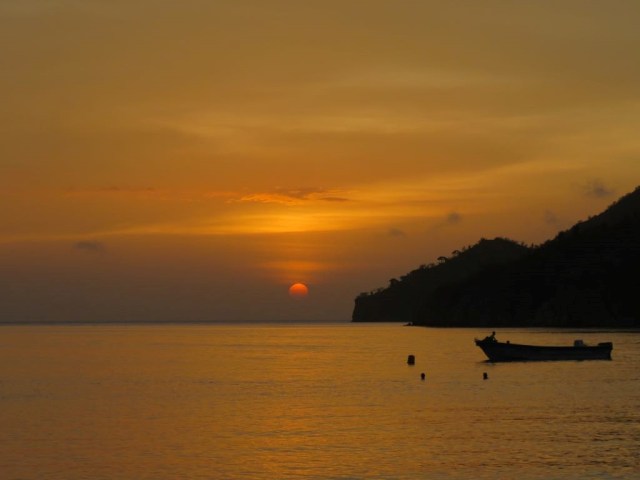
This was followed by a cocktail in one of the restaurants along the beach as we watched the sunset – truly magical.
Pacha 22

We had a free day here and I decided to get back underwater!  I was a little nervous as my refresher dives in New Zealand earlier in the year had not been hugely successful.  I had had issues with buoyancy and equalising and did not feel comfortable in all the gear you needed to wear for cold water diving.  Thankfully, the warmer water made it much more comfortable diving for me.

We had two dives within the Tayrona National Park with good visibility and saw lots of fish, including a sea snake reversing its body into the sand for camouflage which was pretty cool.  Must say I was glad to be under the water as others of the group who had gone snorkelling had started to feel seasick due to the swell which of course we did not feel under the water. 👍🏻

Back on land for a shower and change of clothes and just made it to a restaurant before the rain started – it rained hard (apparently this is fairly rare on this part of the coast).  I had planned to work on the blog but the wifi was not working and I had to keep moving as the straw roof of the restaurant over-looking the beach leaked in multiple places 😂😬 first world problems I know.

There was incredible thunder but I did not see any lightning which was fortunate as many of the locals kept swimming 😬 as the streets of the small town quickly turned in to ankle deep rivers that I had to wade through to get back to the hotel!

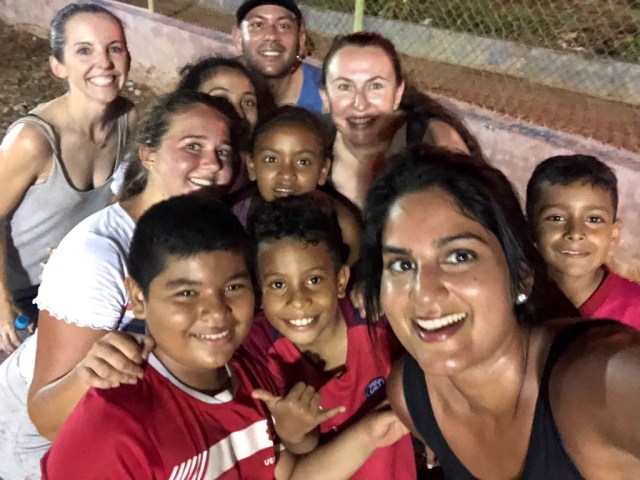
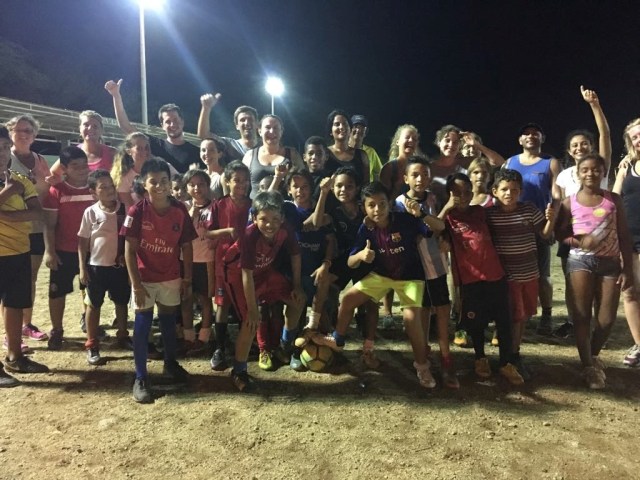
Our next ‘Freddy Surprise’ was probably the best one of the trip in my opinion.  He had arranged for us to play football with children (aged 8-10) from Estrada 1-2 (the lowest socio-economic levels).  They were already warming up and clearly had far more skill than us so they gifted us with a goalkeeper (a confident little boy with good English) to keep the game even.  I think we did a pretty good job but as the game went on more and more of the children joined our team so perhaps they really did feel sorry for us 😂.

It was lots of fun, and we ended in 2 all draw.  We had to go to a penalty shoot-out which the kids won – just.  It definitely got us sweaty and perhaps we helped a little toward the development of some future Colombian players. 👍🏻
Pacha 28

Pacha 29

Cartagena de Indias – the Caribbean coast

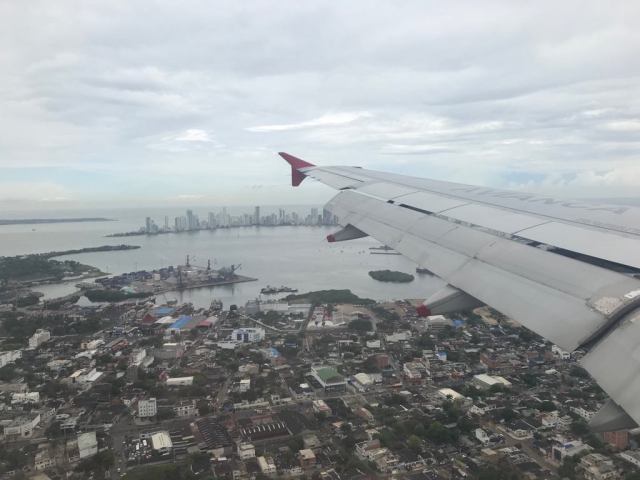
The next stop on our whirlwind tour of Colombia was Cartagena de Indias (not to be confused with Cartagena in Spain), on the Caribbean coast.  The heat and humidity hit us as soon as we exited the airport – a reminder that we are now truly in the tropics!  Not only is the climate difference, but the culture is too – it has a far more Caribbean laid back vibe and much of the population is descendant from slaves brought by the Spaniards.

Cart 1

Cart 18

Cartagena is truly a city with split personalities – the old city, within the city walls, the peninsula of Bocagrande, Cartagena’s Miami Beach (no surprise this part of the city was built by Americans!) and then the other side of the city where most of the locals live (except for the very wealthy who are the only people who can afford to live within the old city walls and the Bocagrande area).

Cartagena was originally founded in 1533 on the site of a Carib settlement.  A devastating fire in 1552 resulted in only brick, stone and tile being allowed in construction in the city.  Within in a short space of time, the city became one of Spain’s main ports in the Caribbean and a store house for the treasures they had plundered from the South American continent before it was shipped back to Spain.  This of course lead to it being a tempting target for buccaneers and pirates (including Sir Francis Drake) and it was in response to the constant attacks that the Spaniards built the 13km of stone walls around the city.

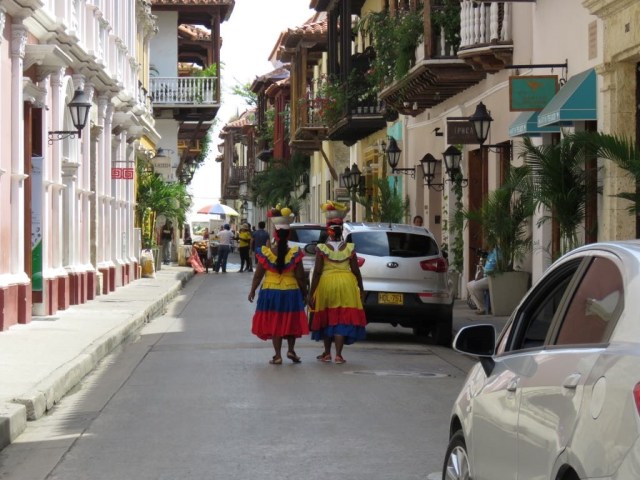
Within these walls, much of the old city has been loving preserved and is now a Unesco World Heritage site.  This is the part of Cartagena that you see in the photos – the maze of cobbled streets and colourful buildings covered in Bougainvillea.

We stayed within the old part of the city, amongst the colonial churches, plazas, palaces and mansions and had plenty of time to stroll around the streets.  Just when I thought I had seen the prettiest street, I would turn a corner and find one even prettier.

It was in Cartagena that I said goodbye to some of the people from week 1 – our guide had arranged a farewell dinner at a nice restaurant that he had not been to before.  Given our experience, I am not sure he will try it again!  We dubbed it the never-ending dinner and rightly so – 3 hours after ordering some of the group were still waiting for food!  Now of course we had been warned about ‘Colombian time’ throughout the trip, and now we were on the coast, you apparently had to multiple that by ‘Caribbean time’.

It seemed that they could only cook a dish at a time and each dish was being cooked from scratch.  On top of that, all the staff stopped cooking and serving to watch the performance of local music and dancing that had been arranged for our group that went on for 30 minutes!  Based on the standard of this dinner, service everywhere else was amazingly fast lol.

The next day we had a free day to enjoy the city and I also took the opportunity to catch up on all those fun things like laundry which is often a challenge when you are constantly on the move.  That evening welcomed a few new people to the group with a welcome dinner – which had much improved service compared to the night before.

Our guide had also arranged a horse and carriage ride through the old city to the restaurant which was a lovely way to see the city at night.

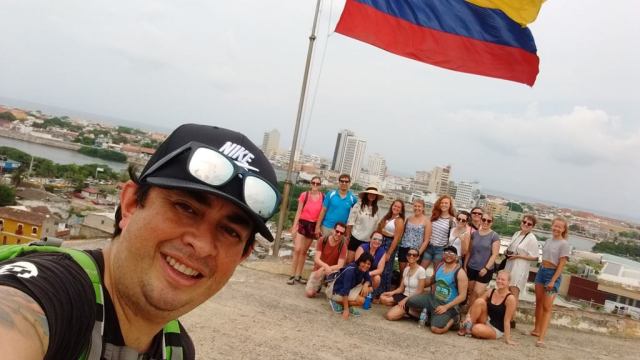
For our final day in Cartagena we had a local guide take us around some of the key sites and tell us about the city’s history.  We started with the small Fuerte de San Sebastián Pastelillo, a small fort with a view across the river to the up market Bocagrande.  Most of the fort is now a bar/club!

Cart 32

The next stop was the formidable Castillo de San Felipe de Barajas which sits on a hill overlooking the city and is known as the greatest fortress ever built by the Spaniards in their colonies.  Construction began in 1630 and was extended in 1762.  The fort was large and it was hot, but that was nothing compared to the complex system of tunnels underneath the fort. Apparently, the tunnels were used for distribution of provisions and evacuation if necessary, but they were also filled with nooks and crannies which soldiers could hid and attack any enemy who managed to get in to the tunnel system.  The tunnels were hot, dark, stuffy and sticky – somewhat like being in a steam bath!

Cart 20

From forts to markets and we went for a quick walk around one of the local markets – Mercado Bazurto.  A labyrinth of stalls that sell pretty much anything – it was truly an insult on the senses – the heat, the smells, people shouting, music booming.  It was here we were introduced to the joy of very small bottles of cold beer – just a perfect amount to cool down and drink it all before the beer gets warm 👍🏻.

To finish up our time in Cartagena we wandered through Parque del Centenario, small city park which is home to a sloth, a red squirrel and a couple of cotton topped tamarins.  Apparently, someone put them there as they really are in the middle of an urban area, but they looked happy and healthy enough and I was very excited to see them – especially the sloth which was on my list of must sees.


Cart30


Guatapé and paintballing Cartel style!

I was going to include the day trip to Guatapé in the Medellín blog post but there was just too much to say and this fun day out!

I had reluctantly agreed to a day trip to Guatapé which included paintballing – I typically bruise like a peach so it was not really my idea of fun but I decided to push myself in to the unfamiliar and go anyway!  I mean, who doesn’t want to play Cali Cartel vs Medellín in a drug lords mansion?

We set off early in a bus, along with 30+ others on our day of adventure and drove about 1.5 hours out of Medellín to a replica village perched above the lake.  And now for another history lesson …

In 1970, several villages were flooded when a hydro electric dam was built – this now generates power for much of the region.  Guatapé itself, was relocated to the shores of the new lake (Peñol-Guatapé reservoir), that has now become a popular weekend get away for people from Medellín.  As part of this, the Government built a replica of one of the villages submerged – El Peñol to keep the memory of the village alive.

After 10 minutes here (which turned in to 30 minutes as we waited for some of the group to drink their second beer at 9am – the joys of a group tour!) we jumped in to jeeps and in some cases on to jeeps as they allowed people to sit on the roof, we headed down a dirt road to Finca La Manuela – I am pretty sure some of those on the roof regretted their decision to get up there as it was hot and the road was very bumpy!


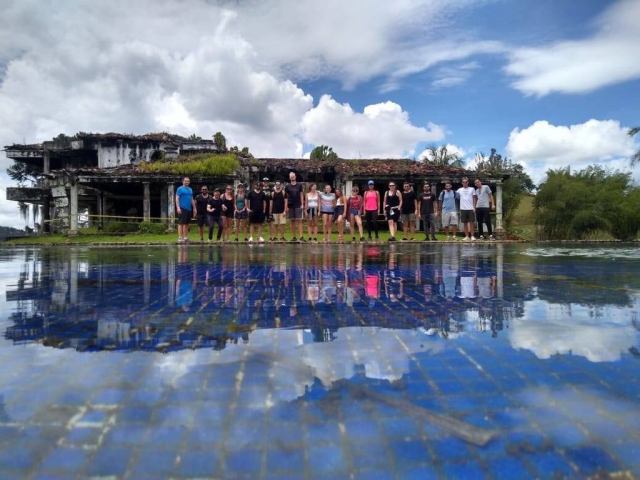
Finca Le Manuela was once a holiday home of Pablo Escobar though it is thought that he only visited it a handful of times.  Unfortunately, most of the main home was destroyed when it was bombed by the Cali cartel (allegedly) in 1992, however it was not hard to image how wonderful it must have been in its prime.

Guatape 1

In his prime, Escobar was earning in the region of $60m a day from his cocaine empire. He was bringing in so much cash, that among his monthly business expenditure was $2,500 on rubber bands for wrapping his money. He was the 10th richest man in the world and more powerful than the Colombian government.


Like one of his other properties, Hacienda Nápoles, which he has filled with exotic animals, this property he had planted many exotic trees and plants and trees native to Australia, Canada, and Japan still grow around the property.

Guatape 2.jpg

Some of the other areas remain intact, including the bar area down by the lake and the pool.  Now the story goes, the man who know ‘owns’ the place had started out washing cars for Pablo Escobar and worked his way up to being in- charge of this property (one of the many houses owned by Escobar in his prime).  After Escobar’s death, he stayed on and Colombia has what I would interpret as a ‘squatters’ rights law which means as he has stayed on the property for more than 20 years (although some people seem to think you only needed to be there for 10 years) you owned it!  So, basically the former house keeper now owns this massive sprawling property in a prime location.

He now runs tours as well as the paint balling and is happily serving drinks and having his photo taken with guests.  I am sure this is not where he expected to be when he started his car washing career for the Medellín cartel don many years ago.

Escobar always tried to keep his business and his family separate.  So, he bought his sister a house across the lake from his own home.  It was there he would conduct his business but still have sight of his family and home.

Guatape 11

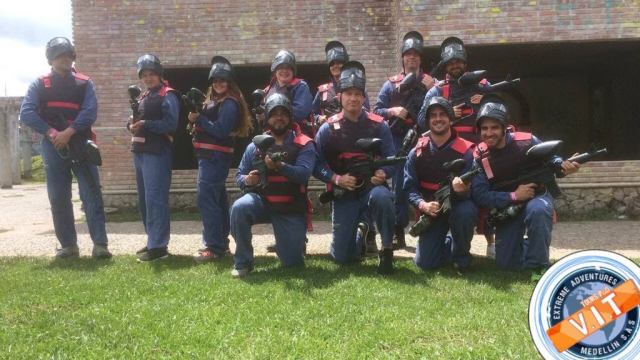
After a tour of the property which included much information about Pablo, his life and his homes, we headed back to the bar area for lunch before donning our gear for the so-called highlight of the day – paint balling.  The overalls, breast plate and full-face mask required to play were not really suited to the heat but sadly a necessary evil – we were soon all dripping in sweat.

Guatape 12

First up was capture the flag, cartel vs cartel.  I must admit I played it pretty safe in the first game.  Hiding in one of the abandoned buildings and only poking my head out to shoot a couple of rounds at the approaching opposition. The opposition team was made up of some of the people from our group, as well as 5 Israeli guys, who we all assumed had done military service so were pretty good aim but took no notice of people surrendering and trying to get out of the game when they were already ‘dead’.  They frustrated everyone, including the guys running the game!  It just gave us more incentive to try and hit them!

We played two games before switching to ‘kill Pablo’ where one team had to protect him and the other team had to attack and kill him.  By this point I was pretty trigger happy and ran out of bullets part way through the 3rd game.  You could buy more but I decided against it and sat out the last game.   I managed to escape the games fairly unscathed with only minor bruising though I am clearly not cut out for the cartel life!

From Finca Manuela it was onward and upward and our next stop for the day was El Peñon de Guatapé, a giant monolithic rock that basically looks like it fell out of the sky, and the stunning view of the manmade lake and small islands surrounding the rock.  It was a challenging 650 step climb up the side of the rock in the afternoon heat, but the amazing views was worth it.

Our final stop for the day was the town of Guatapé.  A colourful, holiday town recreated after the flooding of the original town. It is well known for its brightly painted houses with depictions of people, animals and activities covering the lower half of many of the buildings.

We had time for coffee and a quick walk around the town before jumping back on the bus for our return journey to Medellín and our final night in the city before we moved on to the coast.

Guatape 7

Medellin & around

Day 5 of the tour and we hit the Pan American highway from Solento to Medellín.  It used to be known as the kidnap express during the 80s/90s when guerillas would stop cars on the road and demand ransoms.  Our guide told us that school children in the 80s didn’t learn what to do in the case of a fire or earthquake but what to do in case of extortion, kidnap or a car bombing 😬.

It was a road that would have given the long and windy road in the Beatles song a run for its money!  I guess that what’s you get in a country filled with mountains!  It was not the most pleasant of journeys but we made it in one piece and the scenery along the way was beautiful.

It seemed right to be watching ‘Narcos’ (the Netflix series about Pablo Escobar) on the bus to Medellín – he is not necessarily a part of the history that Colombian’s, particularly those from Medellín, like to remember, to the extent that tours on the topic can not be called Pablo Escobar tours and therefore some are called ‘don’t mention his name’ tours.  Still, it is part of the history never the less.

That said, some people still consider him like Robin Hood as he supported the low income society but we were actually told not to ask people about him or mention him in the city as you never know what impact he had on their lives and that of their family!

Medellín is Colombia’s second largest city and sprawls through a value and up the side of the hills.  Over the last few years, the city has transformed itself from one of Colombia’s most notorious as the home of one of the country’s biggest drug cartels, to one of the most innovative – being named as the world’s most innovative city in a competition organised by the non-profit Urban Land Institute in 2013.

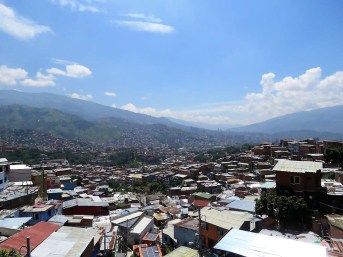
No area has gone through more transformation as Comuna 13, once labeled the most dangerous community due to its extremely high homicide rates and forced displacement of thousands of residents.   It is an over-populated and low socio-economic zone that crawls up along the west hills of the city with thousands of brick and cement homes stacked close to one another. It was a pivotal center for paramilitary, guerrilla, and gang activity. Its location is ideal for crime, as it leads directly to the main highway (San Juan Highway), providing easy transportation of guns, drugs, and money.

We travelled to the area on part of the great city integrated transport system – it includes a clean and efficient metro system, buses (the buses were clearly designed for short Colombians as there was no room for legs in the seats and not enough head room when standing without using the skylight), cable car and bicycles that can be borrowed. After a metro and a bus ride we met our local guide – Christina, she has been born and raised in the area and now works on the escalators (more about them soon) and takes groups through the area.

In the 80’s and 90’s, the neighbourhood was controlled by groups loyal to Pablo Escobar and illegal activities in the area continued after his death in 1993 as the drug cartels controlled the area.

In 2002, the tensions reached their peak, and on October 16 of that year, the Colombian military launched the controversial Operation Orion, an operation to overthrow the rebel groups in the area.  Many policemen, soldiers and helicopters attacked the area killing nine people (including three children) and injuring hundreds.  It was not until people took to the streets with white flags, that a cease-fire was called, allowing the locals to get medical treatment (the street art with the elephant is representative of this).

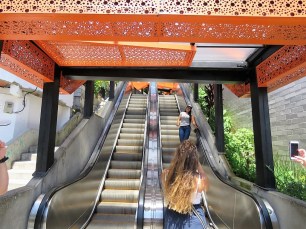
Since that event, that went on for 2 nights and 3 days, the area has reinvented itself, aided by the creation of  the enormous 384m covered outdoor escalator, uniting Comuna 13 (located high on the hillside) to the rest of Medellín. A journey that once took residents a strenuous 35-minute hike up the hill has now been transformed into a six-minute trip. The escalator, completed in 2011, is divided into six sections allowing people living on different levels of the hillside to access at different points.

Meddelin 12Although it has now drastically improved life in Comuna 13, initially the community believed there were better ways to spend the over US$5 million spent on the escalators that only serve part of the large population in Comuna 13.  Still those around the escalators have now embraced them and the area around them has been beautified with street art and colourful buildings and many of the locals have set up small businesses selling souvenirs to the many tourists who now visit.
It also seems that the neighbourhood dogs are also enjoying the escalators as they were happily jumping on and off them except for the one that struggled to walk up the down escalator 😂.

Meddelin 10
A room with a view

As part of the visit, we purchased groceries for a family in need in the community and delivered them to her home.  She lived in a tiny studio apartment, high up the hill (I found it ironic that the poorest people have the most amazing views – in other cities around the world, people would pay millions for the view alone😬).  She shared the space with her three children under 4 – she did not work and her husband had disappeared 15 days earlier.  She doesn’t know if he has been killed or run off with another woman – it is a tough life for some.

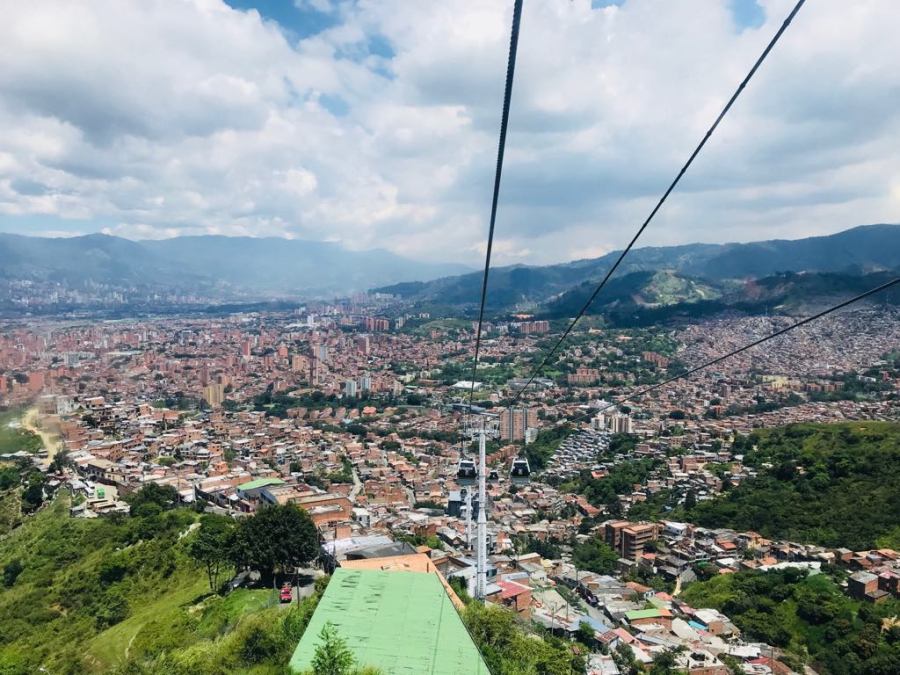
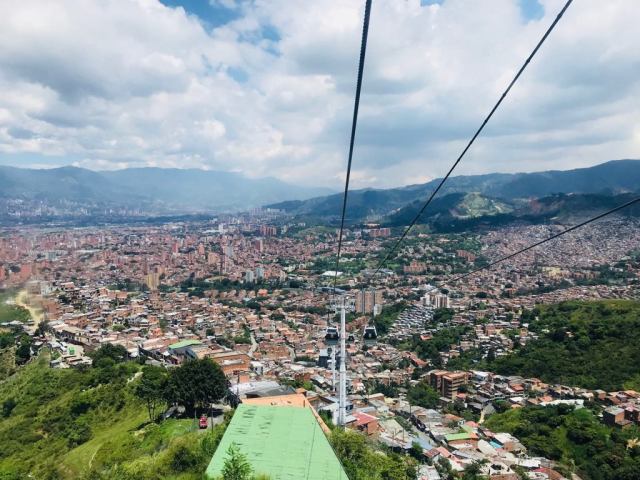
Next we jumped back on the metro and then transferred on to the cable car which runs up and down the hillsides to other areas  of the city.  Again, with stunning views across the city.

Meddelin 5


Back in the centre of the city we had lunch in a restaurant in the Botero museum.  Another museum of Botero, the artist I liked from Bogota. Medellín is his home town (though he now lives in Europe somewhere) and again, like Bogota, he has donated a huge number of works, including 23 larger than life sculptures for the plaza in front of the museum and we had some time to work around and ‘admire’ their form 😂.

Next we walked through the busy downtown shopping centre before arriving at the old train station (no trains run through here anymore) and on to another park where we were encouraged to get in touch with ‘PachaMama’ – a goddess  revered by the indigenous people of the Andes (and the rest of Colombia), literally mother earth!  We walked through a pit of sand, stood in a fountain and lastly soaked our feet in a spa pool – all in the centre of the city.  We finished our day in Medellín with a Limonada Coco – a wonderful drink of fresh lemon mixed with coconut milk and blended with ice.  A top idea for a warm day.

Coffee country


Our trip to the Zona Cafetera (coffee zone) began with a 30 minute (plus or minus) flight to Armenia in the Quindío department of Colombia.

coffee 0It was an easy flight and we were greeted by rain, rather surprisingly, umbrellas given out by the airline crew to walk from the plane to the tiny terminal.  We then had a 40 minute drive to our accommodation which was a lovely old hacienda and the room had a massive balcony with hammocks, unfortunately we never really have enough time on trips like this to enjoy the hotel facilities.

The next morning our ‘local’ transport (Jeep Willyns) turned up to take us to a Coffee farm, now more set up for tourists (mostly local tourists) than coffee but interesting never the less.  We learnt all about the life cycle of the coffee plants and the process from bean to coffee as well as getting an opportunity to try our hand at picking coffee beans (I don’t think it is really a career option for me given the small amount I picked lol.

In a nutshell key coffee facts are:

  • Pickers earn COP6,000 (about NZ$3) per 10k and can pick up to 150kg per day!
  • Colombian coffee is some of the best in the world and they export the best of it, so the coffee we are drinking in Colombian is actually second/third quality and can be made up of burnt beans and/or beans with beetles and beetle eggs in it – ummm, coffee with protein! 😬
  • More often than not, they export the unroasted beans to other companies/countries can roast it to their taste

Other very important lessons learnt were:

  • Drinking dark roast coffee is like drinking charcoal in water
  • Coffee should not be prepared with boiling water as it will burn the coffee – stop the water just before boiling!

As with all great tourist traps, we were then invited (though I am not sure a no would have been acceptable) to dress up as a chapolera (female coffee picker) and perform a dance – all part of the fun I suppose! 😂

coffee 12

As the rain had stayed away, the drivers took the roof off the jeeps and we went for a drive around the area and to a view point over a small town called Buena Vista (basically ‘good view’).  Thankfully I had long trousers on as a number of the group succumbed to multiple mosquito bites at the view point.  We were to discover later, that this area is known for its very small mosquitos that pack a bite 4 times stronger than their larger cousins!  Those who were bitten were in a lot of pain for a number of days and some still suffering over a week later!

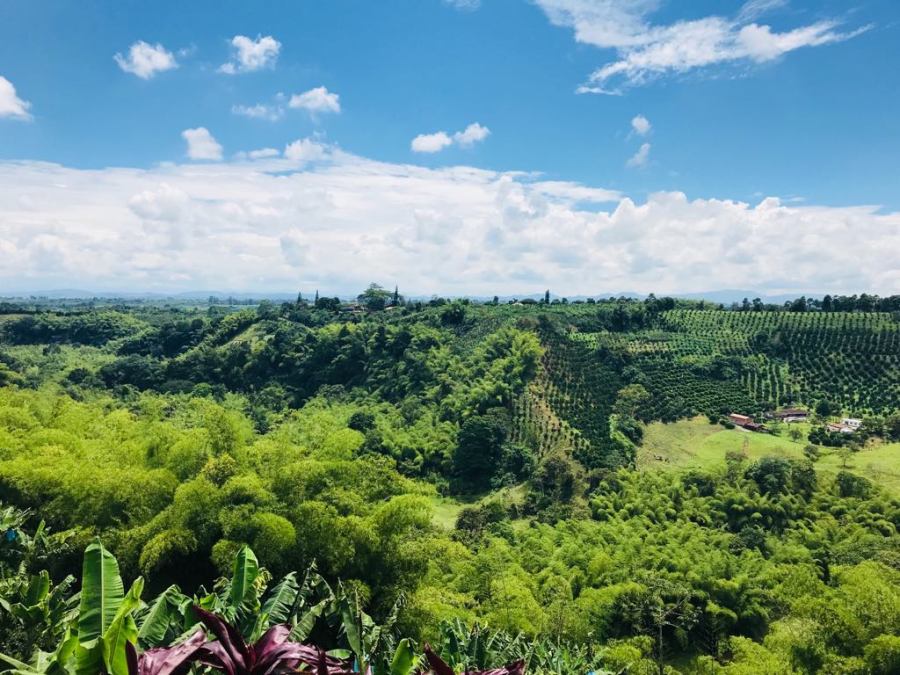
The next day we were on the road again.  First stop was the Valle de Cocora, part of the Nevados National Natural Park, a beautiful lush green valley with hills covered in palma de cera, or Quindio wax palms which tower over the cloud forest.  These are the largest palm trees in the world growing up to 60m tall and are the national tree of Colombia.

Again the forecast was for rain, but the sun was shining brightly when we arrived and we had to quickly swap raincoats for sunscreen before we set off on our 2 hour walk in the valley.  Our local guide told us not only about the wax palms and other flora in the area, but also of the troubled times during the 80’s/90’s when the guerrillas roamed the area, killing at random and families hid in tunnels they dug in the valley until it was safe to come out.

We spent the night in the beautiful little town of Solento.  Very quaint, lots of colourful buildings and cute artesian shops.  It was here we were introduced to the game of Tejo – one which is ‘world famous in Colombia’.  It involves throwing a shaped stone, or Tejo, at target made of wet clay with a metal ring in it.  Around the metal rim you place little packets of gun powder.  Of course the aim of the game is to hit the gunpowder on the metal rim with you Tejo so that it explodes.  Another key rule is that you must also drink beer whilst playing lol.  Probably the only game in the world that mixes gunpowder and beer.  It was great fun and I event managed to get 2-3 explosions. 👍

An explosive way to finish our time in the Zona Cafetera.

Bogota – the beginning of Colombia

It was a 3am start from Buenos Aires to head to the airport for my 6.30am flight to Bogota.  The taxi ride (yes I did have to get a taxi at 3am in the morning) was another journey in BA with a 80’s/90’s music loving driver!

The flight to Bogota was uneventful with the highlight of an amazing view of the Amazon rainforest and Amazon river as we crossed over it somewhere between Peru and Colombia.

Bogota 1
Lunch over the Amazon

Bogota was overcast when I arrived and it turned in to rain just as I started another walking tour – that seems to be a bit of a theme 😂 but I thought a 4pm tour would help me stay awake till it was a decent time to go to bed!

The walking tour took me through the La Candelaria area – the oldest part of the city.  It had a similar Spanish look and feel as other South American cities, founded by the Spanish with pretty cobbled streets and colour building facades.

Apparently most Colombian cities are laided out in a grid system, carreras or avenues running east to west and calles (streets) running south to north which thankfully makes it fairly easy to get around.

We got out of the rain in a Forgery in an old monastery where they made swords for the TV programme “Game of thrones” and then on to Plaza de Bolivar which was the heart of the original town.  The square houses the Capitalio National (the National Capital building) as well as the Palace of Justice.  It is also has the obligatory statue of Simon Bolivar (who liberated Colombia from the Spanish) and is full of pigeons.  Families come here to feed them which means they are not shy in coming close to people and are somewhat annoying!

bogota 5
Like looking in a mirror!

One of the highlights for me was the Museo Botero with many painting gifted by the artist himself, Fernando Botero, a Colombian artist famous for his portrail of “chubby” things – men, women, animals, oranges etc.  I had spotted a statue on the way in to the city of a chubby naked man, riding a chubby horse and was it amused learn that it was designed by the artist as a favourite childhood memory of his was that of his father sitting naked on a horse (I guess it is not our place to judge and no idea if his father and his father’s horse were chubby😂).  I look forward to seeing more of his work in Medellin in a few days times.  Another great thing about this museum is that it was free as Botero believed that his art should be available for all the people.

I grabbed a couple of empanadas on the way back to the hostel for dinner and managed to stay awake till a fairly decent 9pm – unfortunately, although the hostel itself was quite, the street it was on was not!  And a typical Friday night in Bogota played out, just outside my room’s window.  Thank goodness for sleeping pills which meant I managed to get sleep.

The next morning I dropped my bags at the new hotel where I would be meeting my group for the tour and started the walk up to the base of the hill.  I had contemplated joining the many people making the 1.5-2 hour hike up Cerro de Monserrateto and its church, towering 3150m above the city but decided against it in favour of the ‘sketchy-looking’ funicular (as described by the guide book).  It felt pretty solid to me as it crawled up the hillside to the top in just a few minutes.

Bogota 7

I spent a little bit of time wandering around the complex enjoying the views of the city below, before heading back to the funicular and back down to the sprawling city below.

I had initially felt bad about not walking up the hill, but when I got down just at the right to bump in to the graffiti tour I had originally thought about doing that morning I took that as a sign that I had made the right decision 😂👍🏻.

Although I had missed the beginning of the tour, I quickly gathered that the people of Bogota took their street art seriously.  In some cases the property owners asked for paintings to stop taggers tagging their property (people just scrawling their names).  Of course, in some instances it is used as a sort of a political commentary, in others just beautifying a dull facade and of all the art works have great meaning behind the pictures.

Bogota 2
Gold death masks

I skipped out on the last part of the tour but still had time to kill before the I could get in to my room at the new hotel so I passed sometime in the cities Museum of Gold.  It had really interesting exhibits on the history of gold in Colombia.

I headed back to the new hotel to check in and meet the group I will be travelling with for the next 21 days (though some leave after 9 and others 16 days).  After the welcome meeting we went out for a nice traditional meal of potato soup with chicken and mazie called Ajiaco which is unique to Bogota.  It was pretty tasty though it was an expensive tourist restaurant and that one meal cost about the same as all my meals over the last 3 days put together!  I hope there are not too many of those dinners as I will have blown my budget before I leave Colombia!

Sunday morning and we are back on the road again, stopping at a local market on the way to the airport for our flight to Armenia.  As it was mothers day, the flower part of the market was doing a booming trade with all the amazing locally grown flowers.

Next stop … the coffee region.


A day in BA

Flight schedules meant my first stop on the trip was Buenos Aires where I had to spent a couple of nights. Not a big problem as I had been there before and thought it would be a good idea to stretch out my travel feet somewhere familiar.

The first challenge of course was getting my head around the fact that I am backpacking again and not on the short trips I have done in recent times when taxis and nice hotels are the norm.

So, after some research I decided to take the Tiendo Leon bus, which for less than half the price of a taxi, would take me in a bus from the airport to their downtown terminal and then in a smaller vehicle (which could fit down all the narrow streets) to my hostel.

It became apparent (from my few tax/bus trips in BA) that drivers in BA like old school ‘English’ music here and the song playing when I got on the bus was ‘Freeway of Love’ by Aretha Franklin  – I was not sure the freeway we were on was one of love but if it worked for him then it was ok by me 😂 and the bus to the city did not take too long.  Unfortunately, the transfer from the bus depot to the hostel took much longer as the driver weaved the small vehicle through the narrow city streets and crazy rush hour traffic to the hostel!

Staying in hostels again is definitely going to take more getting use to than not taking taxis 😬 – the hostel was ok but the dorm room was cramped with  very little space to open your bag and a shower room that was impossible to shower without getting your towel and clothes wet.  I always have to remind myself that it is just somewhere to sleep (and shower) and I am sure the money I am saving at the beginning of the trip will come in handy later on – who knows, perhaps when I am back in BA in at the end of my trip, I might be in a position to splash out on something better (here’s hoping)!

I had decided to spend the morning taking the ‘Free Walking Tour’ of La Boca.  The Free Walking tour movement is a great concept available now in many cities around the world.  They are based on a tip system and you pay what you think the tour is worth at the end.  The ones I have done before have always been great and the guides are always enthusiastic locals who love sharing their cities.

That said, for one reason or another, they actually charge for the La Boca tour not really aptly named as this tour was not free but the AR$200 (NZ$12.50) was worth it.

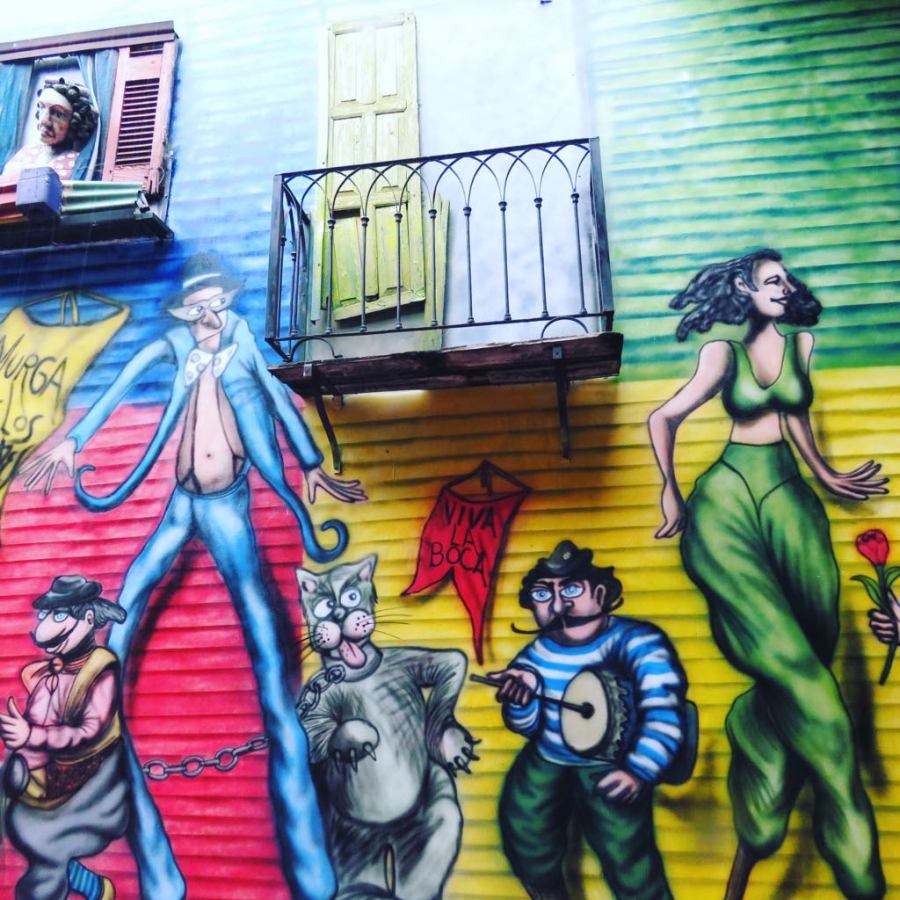
La Boca (named after the mouth (la boca in Spanish) of the river on which it is situated), is a vivid working class area settled mainly by immigrants on what was the main port for the city.  It is also home to La Boca Junior – one of the premier (I am sure some would say the premier) soccer teams of the country.

It is now a vibrant area by day, but tourists are still warned to steer clear at night as it is still very much a poor working class area. It has Benito Quinquela Martin (the gentleman in the photo above) to thank for its bright and colourful facades and streets.  Martin was an immigrant orphan who became a renown artist. Once he made his money he decided to brighten up his beloved home area which was not much more than an immigrant slum.  Today it is often the image people conjuncture up when they think of Buenos Aires.

After walking around the area, we finished up at the cathedral of La Boca – the stadium of La Boca Juniors, by which point the rain, that had started about 30 minutes into the tour was coming down hard 😬☔️.

La Boca 8

Having spent my bus money on the entrance to the Museo de Bellas Artes de La Boca Benito Quinwuela Martin (an exhibition of his paintings and those of his contemporaries set up in his old apartment on the water front), I had to walk 35 minutes back to the hostel in the rain – ah the life of a backpacker 😂.

The rain was a perfect excuse to spend the rest of the afternoon inside and have an early night so I coud get some sleep before my 2.30am wake up call for my taxi to the airport.


Pre-holiday blues

Of course everyone has heard and/or experiences the post-holiday blues, but what about the pre-holiday blues?

Is it odd that the last few days before a big trip for me are full of angst and worry rather than excitement? First I start to question what am I doing … questions like ‘is it the right time?’ … ‘should I be spending all this money on one trip?’  Of course I always manage to push these aside as there is never a right time … actually, no, any time is the right time and you can’t take your money with you when you go so why not enjoy it!

Then there is all the goodbyes … work, friends, family. It never gets easier but thankfully with the wifi of today, keeping in touch is so much easier than when I startd travelling!

Something else that never gets easier for me is packing!

For those of us who love to travel, packing is a necessary evil and despite the many trips I have done – ranging from long weekends to a year, it is probably still my least favourite part of the travel experience.  My biggest issue is always the desire to take too much – there are just so many items I will not be able to live without, or so my pre-trip mind thinks.

Packing for me can take weeks and despite my dislike for it, it is of course an important part of any pre trip routine.   A week out from the trip and I find myself with a room full of piles – everything I would like to take finds its way to in to one of these piles! Next up the cull beginnings – how many t-shirts do I really need? What do I need to take when my 4 months will see me travel from the tropical Caribbean to winter in the Andes?

I’ve watched all the YouTube views and read all the tips – rolling vs folding, using packing cubes, take 50% of what you start with out … I just can’t bring myself to do it 😔 and so I leave home again with a bag that is way too full in the hope that I don’t want to buy any souvenirs and believing that it will magically get lighter and emptier.

Once on the road, it always takes a few days to get my travel head back on – it all seems so uncomfortable at first, but I guess one of the reasons we travel is to get out of our comfort zone isn’t it?

Four days in and I have reached Bogotá and am ready to truly hit the road.  My basic Spanish has managed to get me food and water and get transport to/from my hostels and I am sure there are only great things to come.

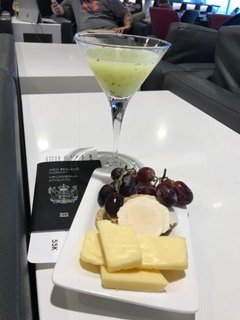
AirNZ lounge

Not a bad way to shake the off those pre-holiday blues (c/o the Koru Lounge)

The Journey Begins

As I set off on another stint of travel, my mind goes back to my very first trip.  Five days out of university, green and naive as you come, I sold the few possessions I had, and I set off with a one-way ticket to Australia with very little in the way of money or plans.

It was a simpler time, no Facebook or Instagram, no hashtags to be found, no product placements or blogs to fund my travel.  Still, I made it work.  Working it all out as I went along and since then I have gone a long way … a really, really, really long way.  I have lived in worked on four continents and travelled to all seven, totalling 70+ countries.

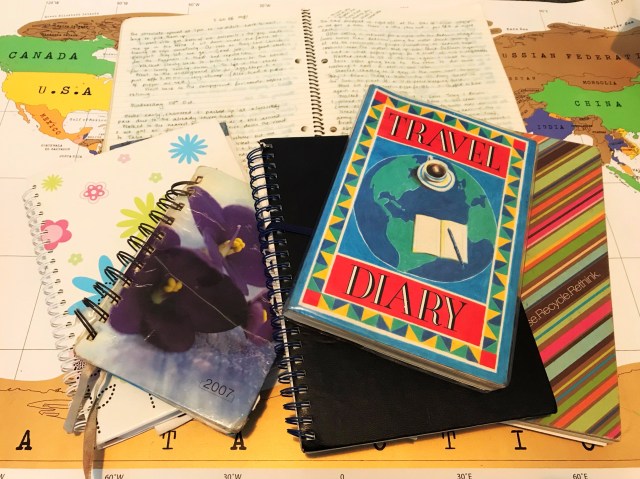
I kept diaries on my travels for the first few years before graduating to a fairly basic online blog which I updated when I was lucky enough to find a decent internet café.  As much as I remember most of what I have done, the places I have been and the things I have seen, it’s the little things you forget and it is always fun to read them back.  Online blogging has given us the opportunity to share our travels with friends and families and beyond – maybe it will inspire others the way others have inspired me.

journals.jpg

Sadly (or it is probably more apt to say gladly), this travel bug is a potent disease, once caught it can lie dormant for a while but will always return, as strong as ever.  It is fuelled not only by my own desire, but by all the readily available photos and stories of other peoples’ travels.  Some from similarly afflicted people I have met along the way, others from complete strangers who inspire me on a daily basis.
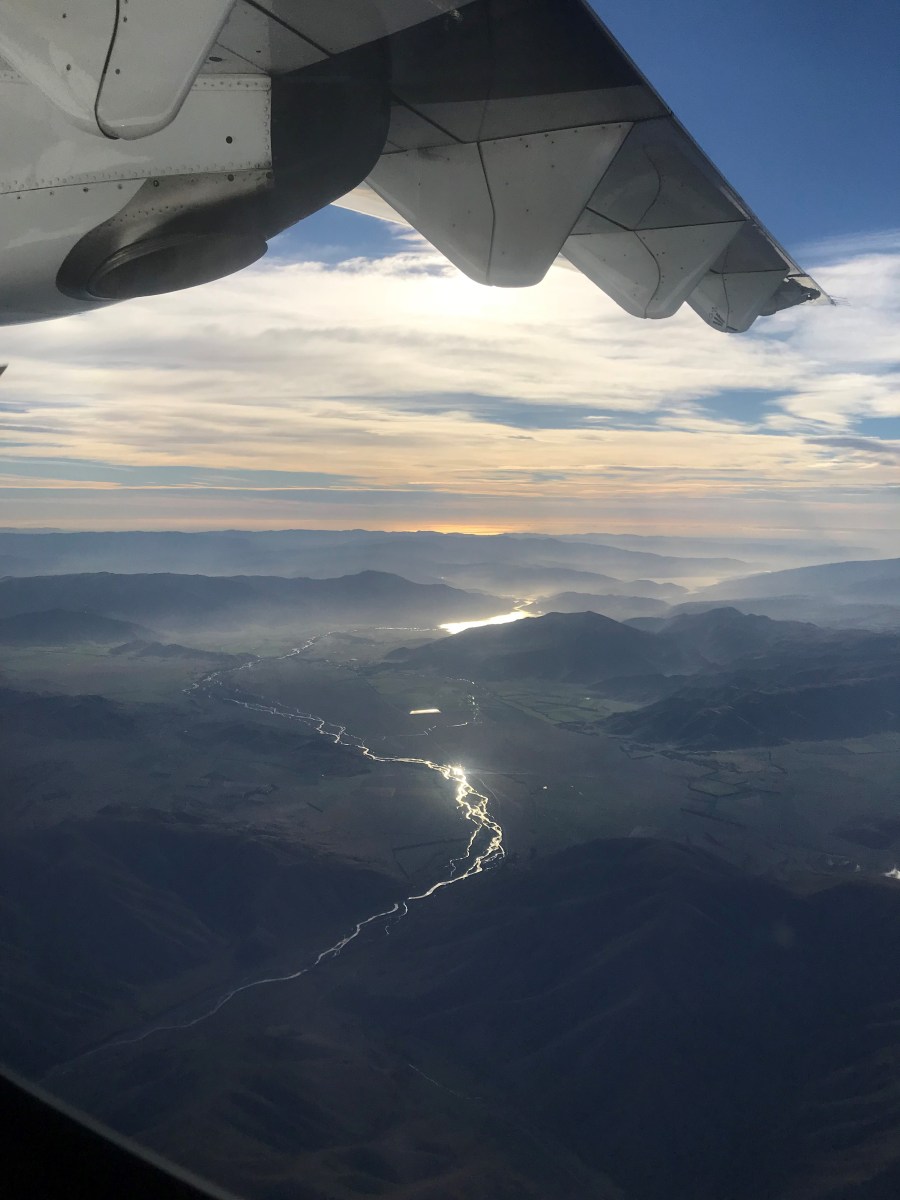
Bear with me as I get this up and running, which hopefully I will have more time to do when I am on the road.  The big trip starts on May 9th and right now I am in full on prep mode and trying to wrap up everything at work.

Over the following 18 weeks I will be travelling through Colombia, Ecuador (including heading back to the Galapagos Islands), Peru, Bolivia, Chile, Argentina and Uruguay.

Thanks for joining me!