A Kiwi bird nerd weekend

Tiritiri Matangi, Oct 2025

Tiritiri Matangi (“Buffeted by the Wind”) is a 220 hectare island in the Hauraki Gulf (about 1.5 hours from central Auckland).  Today it is one of New Zealand’s most important wildlife and conversation sanctuaries.  It is an ‘open sanctuary’, where the public are welcome to visit and enjoy seeing the wonderful endemic birds (many of which are endangered) in their natural habitats. 

Initially home to various Māori Iwi, the island was purchased by the Crown in 1841 to become a lighthouse reserve on the southern end of the island to guide ships through the Hauraki Gulf, whilst the remainder of the island was cleared of bush and leased as farmland.  Farming continued until 1971, when the lease was not renewed.  The island became a recreational reserve and replanting of the native bush began.  It is hard to image that the beautiful bush covered island, filled with birdsong was barren pastures just 50 years ago. 

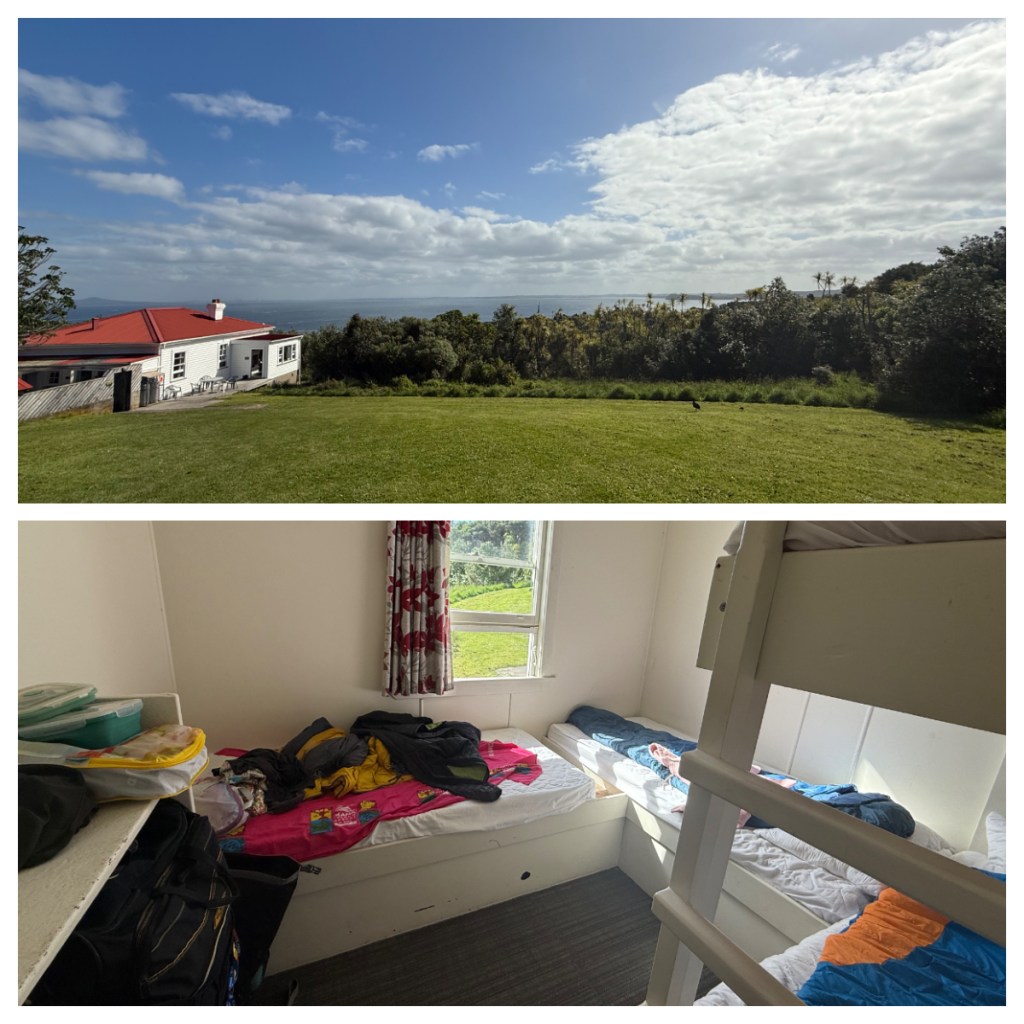
Visiting the island was something I have wanted to do for a long time, and to make it worth the trip north I wanted to stay the night.  One of the old lighthouse keeper houses has been turned into a bunkhouse for island volunteers and visitors.  The 15 beds for guests fill up quickly so I was lucky to get a bed for a Saturday night.

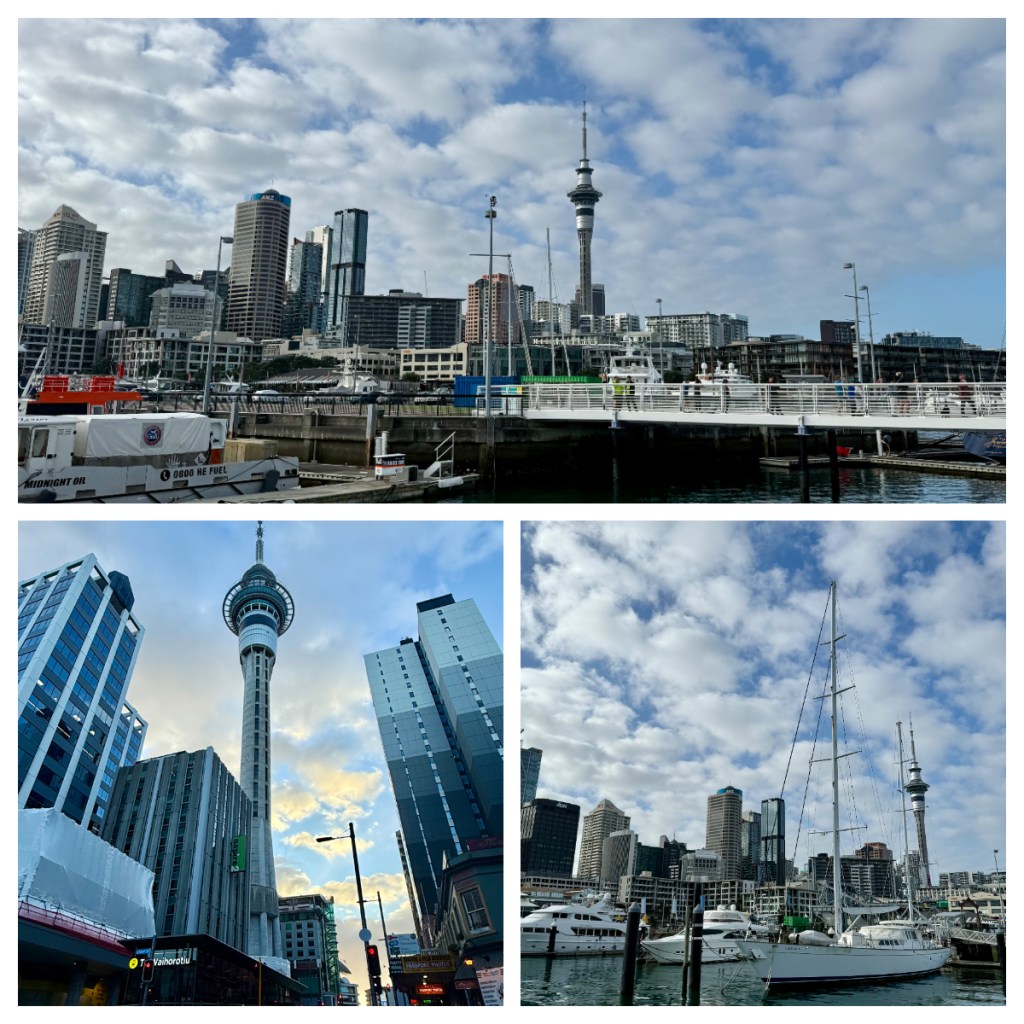
Ferries to the island only run once a day, and the 8.30am departure from the Auckland viaduct wharf, meant I had to travel up to Auckland on Friday afternoon, to ensure there was no stress on Saturday morning, and what a beautiful morning it was. 

As the island is pest free, biosecurity is an important part of the pre-boarding process.  I had already received details about ensuring there was nothing in your bag before packing, including checking any Velcro for small seeds, cleaning footwear and ensuring food is in sealed containers.  On the wharf, we also had a preboarding briefing and a final shoe clean before finally being able to board the book. 

For other islands, I have actually had my bag checked, but I think the numbers going to Tiri are much larger, particularly for day trips that is probably not feasible.  People can also go to the island on their own boats so there is really no way to police it, rather than informing people of the importance of not bringing unwanted pests to the island.

The ferry left Auckland Viaduct and headed down through the Waitematā Harbour – this translates to sparkling waters and the waters of the harbour were really sparkling as we travelled and dodged the many kayakers out enjoy the morning. 
After an hour, we stopped at Gulf Harbour to pick up a few more passengers, before travelling the final 30 minute to the island where we were immediately welcomed by birdsong song and I was excited to be there.

There was a little organised chaos getting off the boat. I had to find the place to leave my overnight bag (which would conveniently be taking up to the bunk house for me), and then having a briefing about staying overnight at the same time as getting a briefing for my guided walk!  There were two large groups and I felt for the poor volunteers who were ‘herding cats’- not literally of course as it’s a bird sanctuary so no cats – but figuratively.

All guests to the island have an option to book a guided walk (for the small price of $10) with a volunteer from the Supporters of Tiritiri Matangi organisation and I had decided to do one as I have plenty of time to wander on my own.  Before heading out on my walk, one of the volunteers said, “give the old trees a chance to talk to you as you walk past – they have great memories”. I love this and is a good reminder that this should be a slow purposeful walk, not the march I normally do!  It is always the best way to spot and hear the birds, and the trees too so it seems!

I was lucky enough to be in a group with only 2 other guests and a lovely guide, but there were a lot of large groups on the same track so we were often passing and/or being passed.  I was glad to have taken the guided walk as I must admit, there were a couple of birds that I probably would have missed had I been on my own – in particularly a Kōkako and a Titipounamu (Rifleman).  Both birds I had never seen before and was very excited to spot.  Particularly the rifleman, New Zealand’s smallest bird (less than 10cm long and weighing in at only 6g) so notoriously hard to spot.

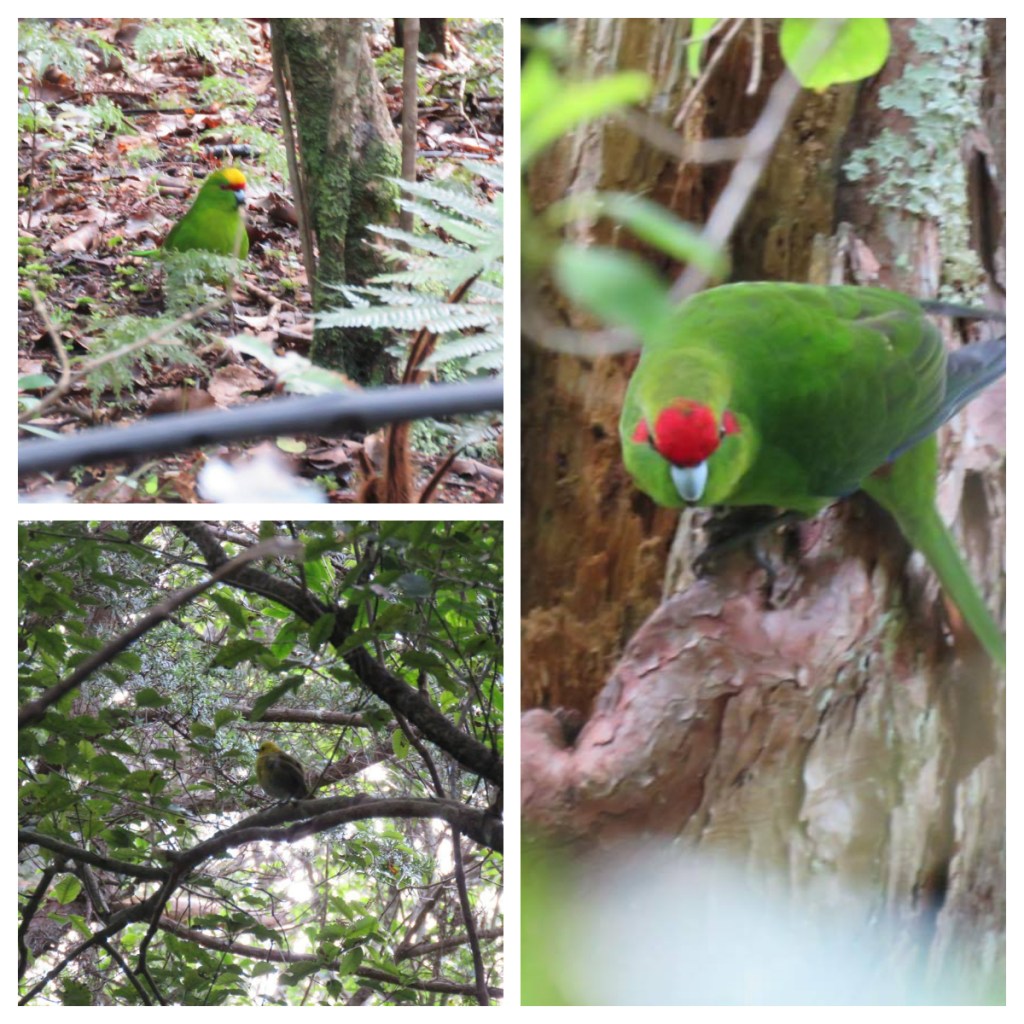
Birds spotted on the walk included Korimako (Bellbird), Tūī, Kereru (NZ Wood Pigeon), Kākāriki (Parakeet – Red Crowned in this instance), Hihi (Stitchbird), Kokako and Titipounamu (Rifleman). 

Many of New Zealand’s endemic species are rare/vulnerable so it is amazing to have the opportunity to see them here, and to see them thrive in this pest free environment.  Unfortunately, in the shade of the bush it was not easy to get photos of some of the birds, but I was just excited to see them!

I got back to the bunk house for a quick briefing on how everything works.  It is pretty well kitted out with microwave, cookers, all the kitchen utensils and crockery you could need …. And hot showers – all pretty fancy by DoC (Department of Conservation) hut standards!  I was in a room of 4 bunks, but as I had done a guided walk, I was the last one in.  I was grateful to have been left a bottom bunk!
After lunch and bed set up, I headed out again to explore a different part of the island.  First stop to admire a Takahe family with a chick.  Takahe are flightless, and the largest member of the Rail family and have an amazing conservation story in New Zealand.  Thought to be extinct until 1948, when a small population was discovered in the mountains of the South Island.  Various captive breeding programmes over the years have brought the population up to around 500 individuals and they have been successfully introduced to predator free islands and even to a couple of areas on the mainland. 

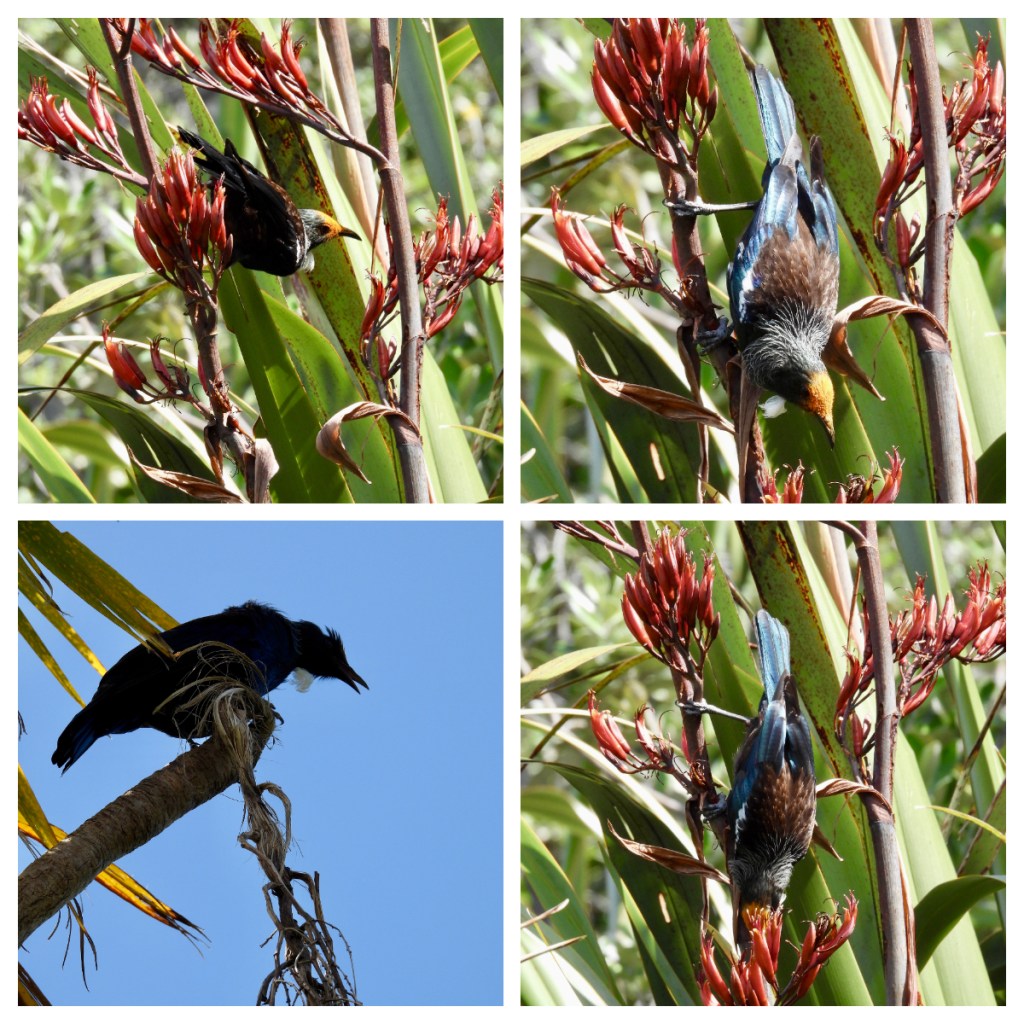
Continuing on spotted tīeke (saddleback), Pōpokotea (whitehead) and so many Tūī. I ended up plonking myself down in the middle of a path as they played, fought and feed around me.  There is nothing more icon than Tūī in the sunshine with their pollen covered head stuck on a Harakeke (Flax) flower 💚 In most lights they look black, but in the sunshine their true colours shine iridescent blues and greens.

I should note that you cannot expect to surprise anything in the NZ bush when there are tīeke around.  They loudly announce your presence with their “ti-e-ke-ke-ke-ke” call that gave them their Māori name.  One starts, and the rest continue it throughout the bush!

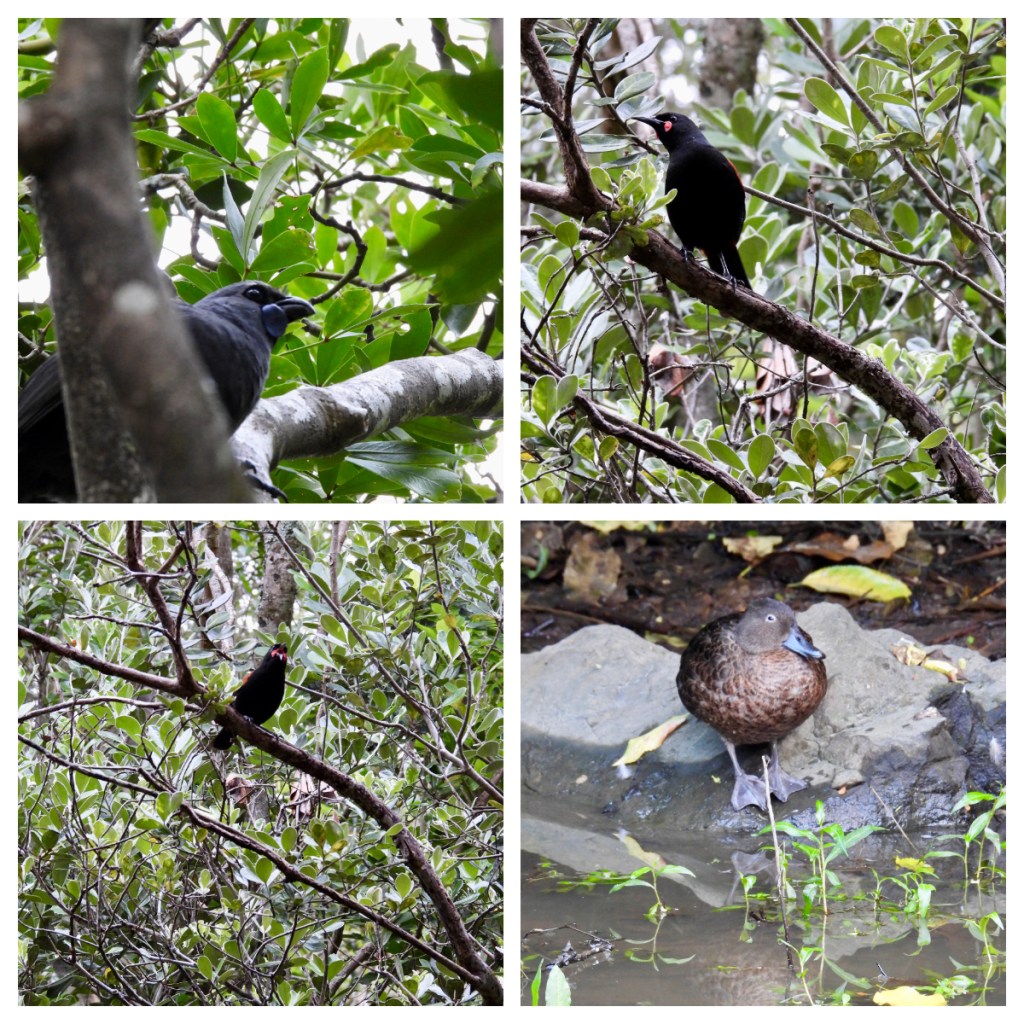
No kiwis were spotted at night (by me anyway) but I was up just after 5.30am to get out for the sunrise and to immerse myself in the dawn chorus.  The air was filled with the calls of the tīeke, Robin, Hihi, Pōpokotea and Tūī trying to boss everyone else around.  I spent a lot of time sitting and listening and it paid off – I spotted a pair of Kōkako, feeding at the top of the tree above me so just laid down and watched them.

I passed a little Pāteke (Brown Teal) family,  dabbling through the bush before I headed back up to the bunk house to pack up my things and have some breakfast. 

My next mission was to walk down to the northern end of the island.  I walked back along the track I had done on the guided walk on the day before, ensuring I was heading out before the boat arrived full of day trippers.  This time the Korimako were dominating the airwaves, and I was lucky enough to spot a few Kōtare (Sacred Kingfisher) and a sleeping Ruru (Morepork) in a tree.

The northern end of the island gets different wind and weather conditions so the vegetation is a little different than the southern end.  Lots of harakeke in flower and even a few Kōwhai trees still in flower.  The one thing that is almost more icon than a Tūī in a Harakeke flower – it’s a Tūī in a Kōwhai tree lol.
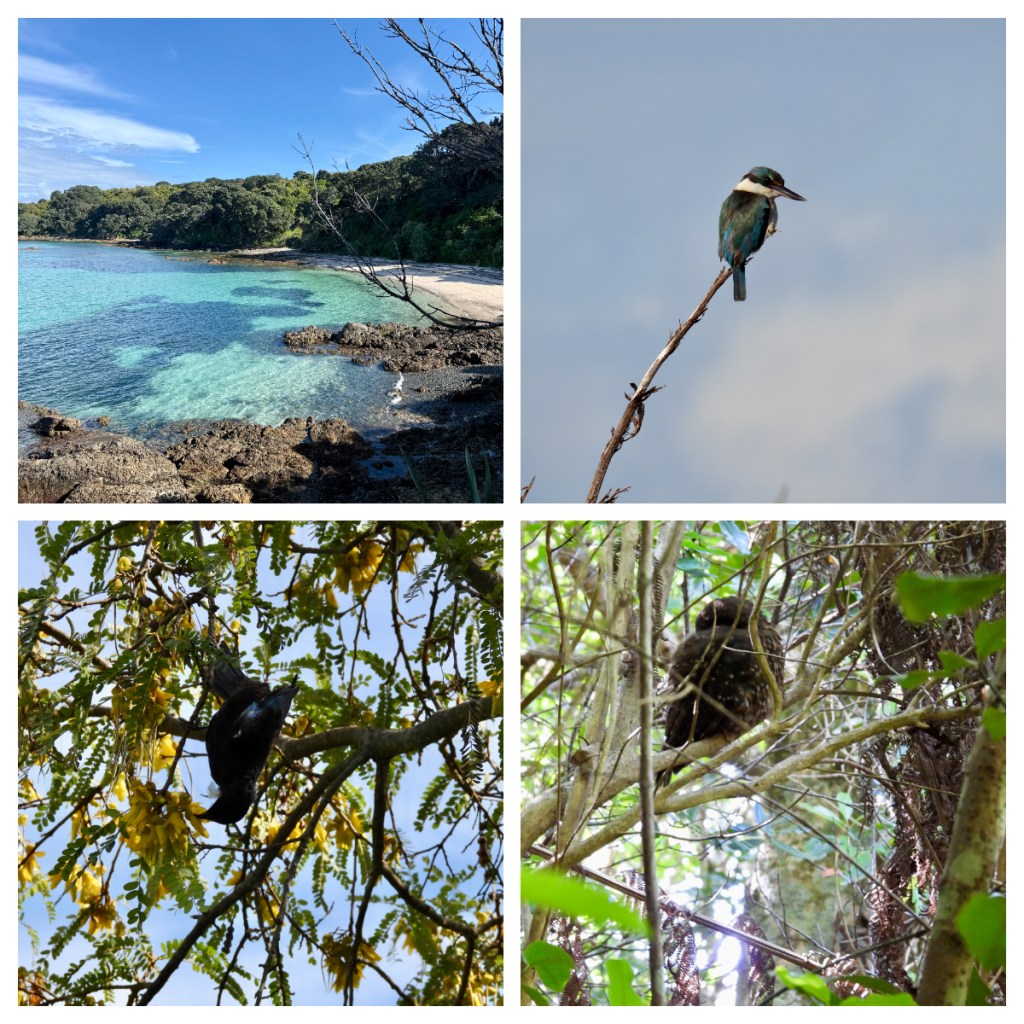
This was a long walk, over 8kms, but I was rewarded near the end by another amazing Kōkako interaction. This time they were much lower down and watched them eat for ages. 

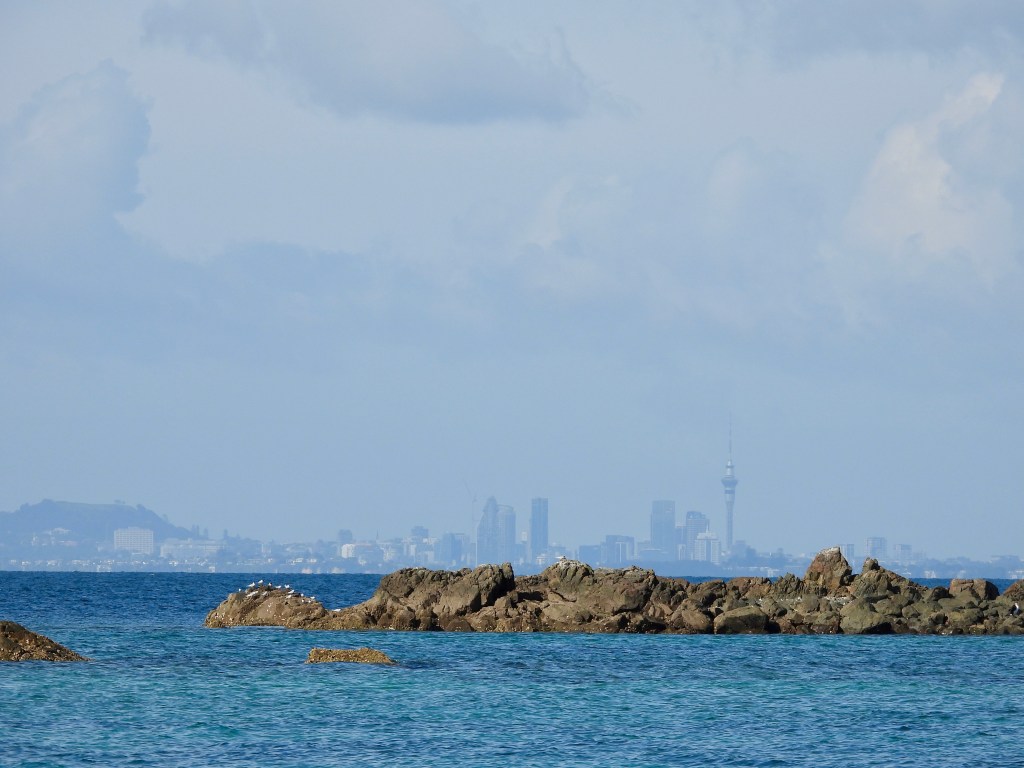
I relaxed for the rest of the day as I waited for the ferry (at 4pm) to take me back to Auckland.  It is amazing that you I can just look past the bunk house and see the  city – it feels like a world away on this little island paradise and a great weekend getaway for a bird nerd like myself.
Roaming Rakiura – Part 2

October 2020

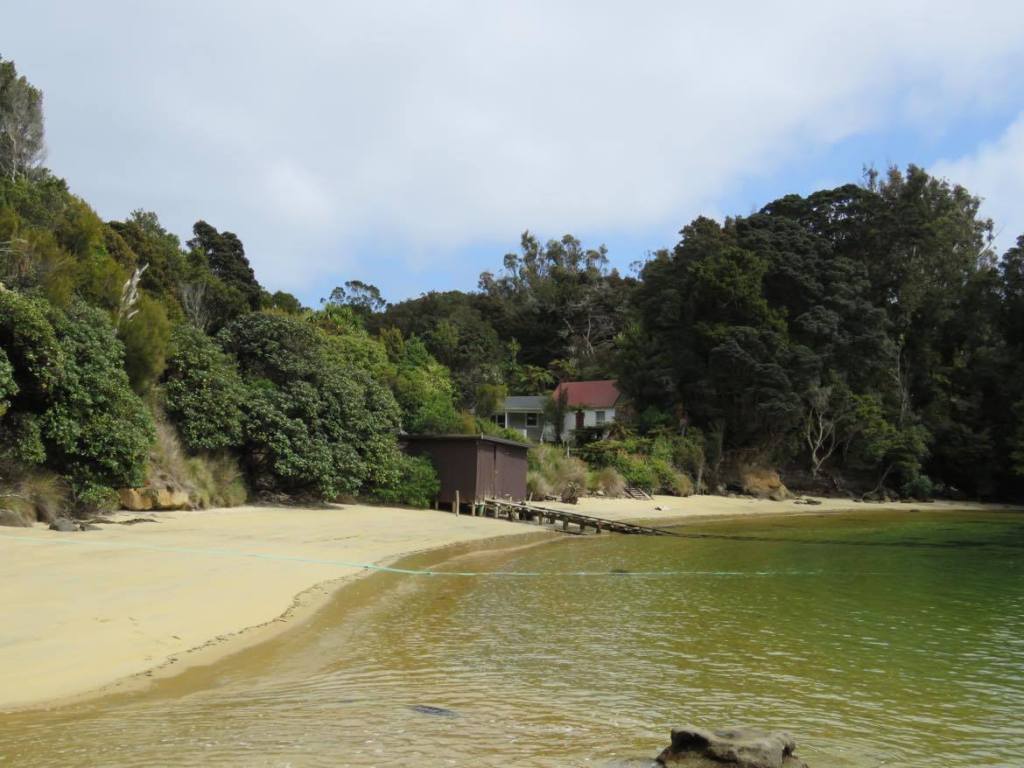
After a late night, we were up early for our visit to nearby Ulva Island.  A must do when visiting Rakiura and again, this is something you can easily do without a guide but I always like to know about what I am seeing and of course they know where to look for things lol. We met our guide, Leah, (again we used Ulva Guided Walks) at the small wharf in Golden Bay and the caught the water taxi across Paterson Inlet to the island (passing a few Little blue penguins bobbing around in water) – just a 7 minute journey.   

Today, Ulva Island (named after an island in the Scottish Hebrides islands) is a predator free sanctuary just off the coast of the Stewart Island mainland.  It became predator free in 1997 and is one of the few sanctuaries in New Zealand that has undisturbed podocarp forest – it really is like stepping back in time. 

Visited occasionally by the local Ngāi Tahu Māori, the island was occupied in 1872 by Charles Traill (from the Orkney Islands) who established the first post office in the region – he called the bay he lived in Post Office Bay and this is where we arrived on the island.  When the mail boat arrived, he would raise a flag and the locals would put on their finest clothes and make their way to the island to collect their mail and catch up on the local gossip.

Charles was a keen botanist and conservationist and established extensive gardens in the area around his house and the post office/shop.  Some of these exotic tree species still remain and are the only non-native trees on the island.  In 1922 the island became the first scenic reserve in New Zealand, and he post office operated until 1923.  Today, the island is managed by the Department of Conservation, except for the 7 hectares of privately owned land where the homestead still remains (256 hectares in total).

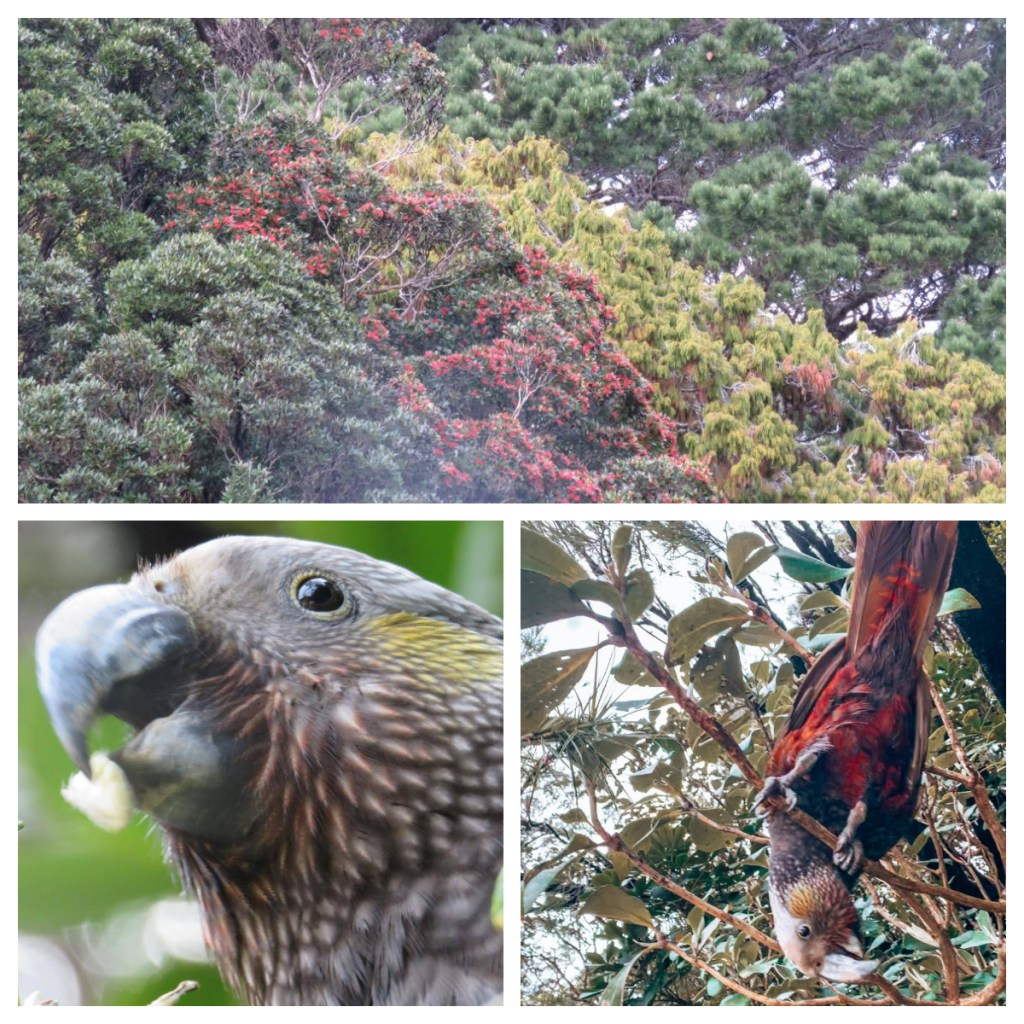
We were greeted by some very early blooming rata trees (apparently is a sign of a long, hot summer) and a very inquisitive Kaka who got so close I thought it was going to take my phone (which I was videoing it on) right out of my hands!  According to Leah, the Stewart Island Kaka have their own dialect, distinct from those on the mainland – of course, I do not speak Kaka so cannot confirm or deny this but what I can say is they like to make their presence known!!

As the island is now pest free (no stoats, mice, rabbits etc.) it has a great population of many of New Zealand native birds that are struggling elsewhere.  Kākāriki, kererū (wood pigeon), korimako (bellbird), pīpipi (brown creeper), miromiro (tomtit), pīwakawaka (fantail), tūī, Stewart Island tokoeka (brown kiwi), Tīeke (saddleback), mohua (yellowhead), toutouwai (Stewart Island robin) and tītitipounamu (rifleman) can all be found on the island. 

The current population of robins were founded by 20 individuals released in the late 90’s – today they are thriving and on almost every walk on the island you will be visited by at least one robin. They are incredibly confident and appear to have no fear as they dance around, trying to mimic rain on the earth to disturb the insects which they feed on.  They are also a fan of you scuffing up some of the earth with your foot to help them out. 

Another fun fact about the birds of the island, Tieke (or Saddleback) here are unique as they do not develop their ‘saddle’ until adulthood, the North Island species on the other hand are born with it.  Also, relatively unique in the bird world, the juvenile will stay with their parents for a year and will help gather food for the following years chicks before leaving the family.

Ulva is so small it is easy to cover most of the island in a day, depending on how much time you want to spend watching and listening to the birds and studying the plant life.  I like to spend a lot of time doing that and therefore we only waked a couple of the tracks.  And there was a bird symphony – Leah could identify Mohua (sometimes called a bush canary), brown creeper and grey warbler – unfortunately we could not see them all as they were high in the canopy.

We saw Red crowned kakariki ❤️❤️ eating last summer’s berries off grown, Tuis feeding on tree fuchsia (the largest species of fuchsia in the world).  We had a brief glimpse of a Yellow crowned kakariki and a Mohua (Yellow head) who apparently are often seen together (perhaps all the yellow headed birds stick together lol).  And we spotted another juvenile saddleback which had its wattles and saddle just coming through.

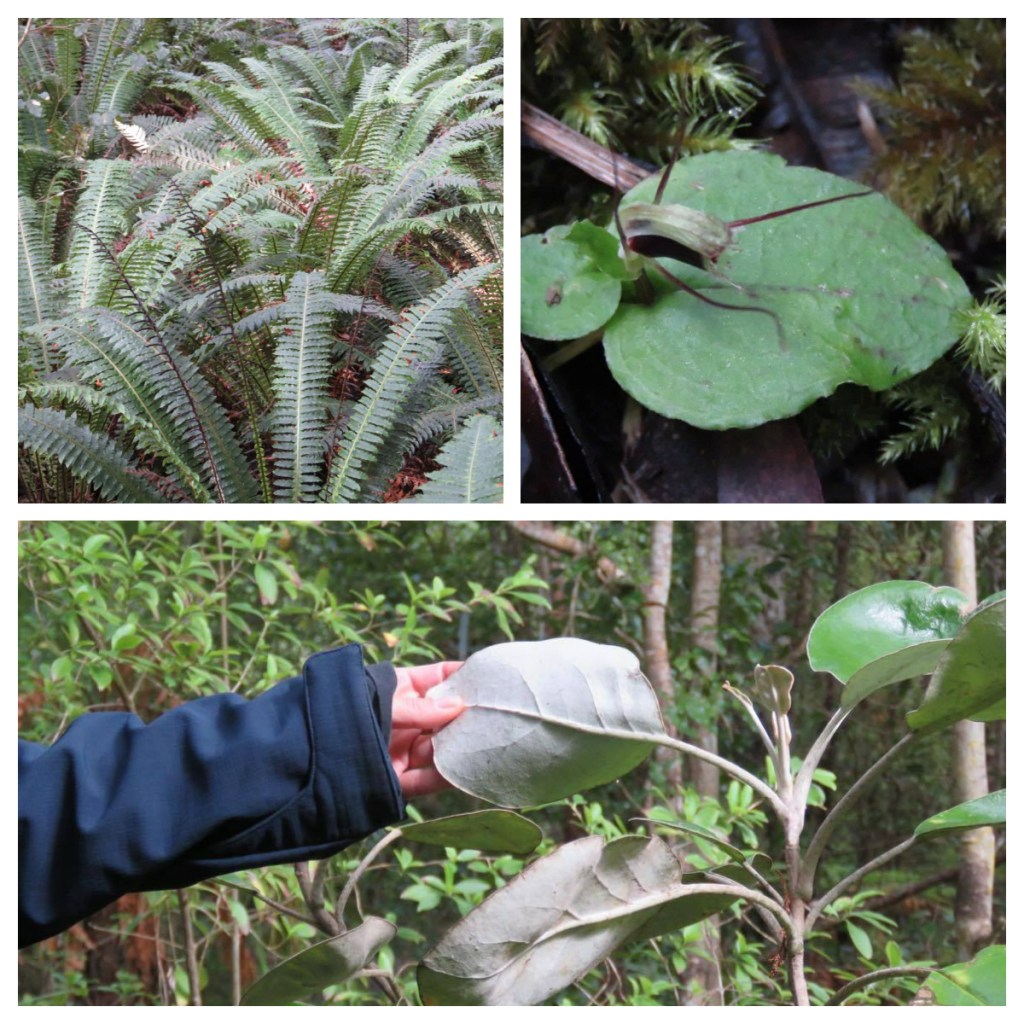
The bush is stunning, and as I previously mentioned, a perfect example of an ancient podocarp forest (one of the best in the country as it has never been cleared or milled).  There are towering Rimu and totaras – apparently if a grown man can reach their arms around the Rimu and touch it is around 250 years old.  The ground was full of beautiful umbrella mosses ❤️and Leah pointed out a so called dinosaur plant – a fern ally which is 400 million years old (perhaps not that exact plant, but the species itself)!    We saw Spider Orchids, just starting to flower and bamboo orchids, not quite in flower yet and beautiful crown ferns with their connected root system.  And don’t forget the cute Hen & Chicken fern whose spores grow as miniature ferns on its fronds before they drop off to set out into the world on their own lol.  We were grateful to have Leah tell us lots of wonderful stories about the trees and plants – some fact, some a little more mythical.

One of the most fascinating stories was that of the Ulva Island postcard tree – which despite its name, has had numerous uses.  Not surprisingly, its broad leaves used to be used as postcards.  They could be written on and posted (even internationally) until the 1970s!!  Other uses include toilet paper (as good as 3 ply apparently) and a crash pad for Sooty Shearwaters who are not great at landing to use these trees to soften the blow so to speak. lol

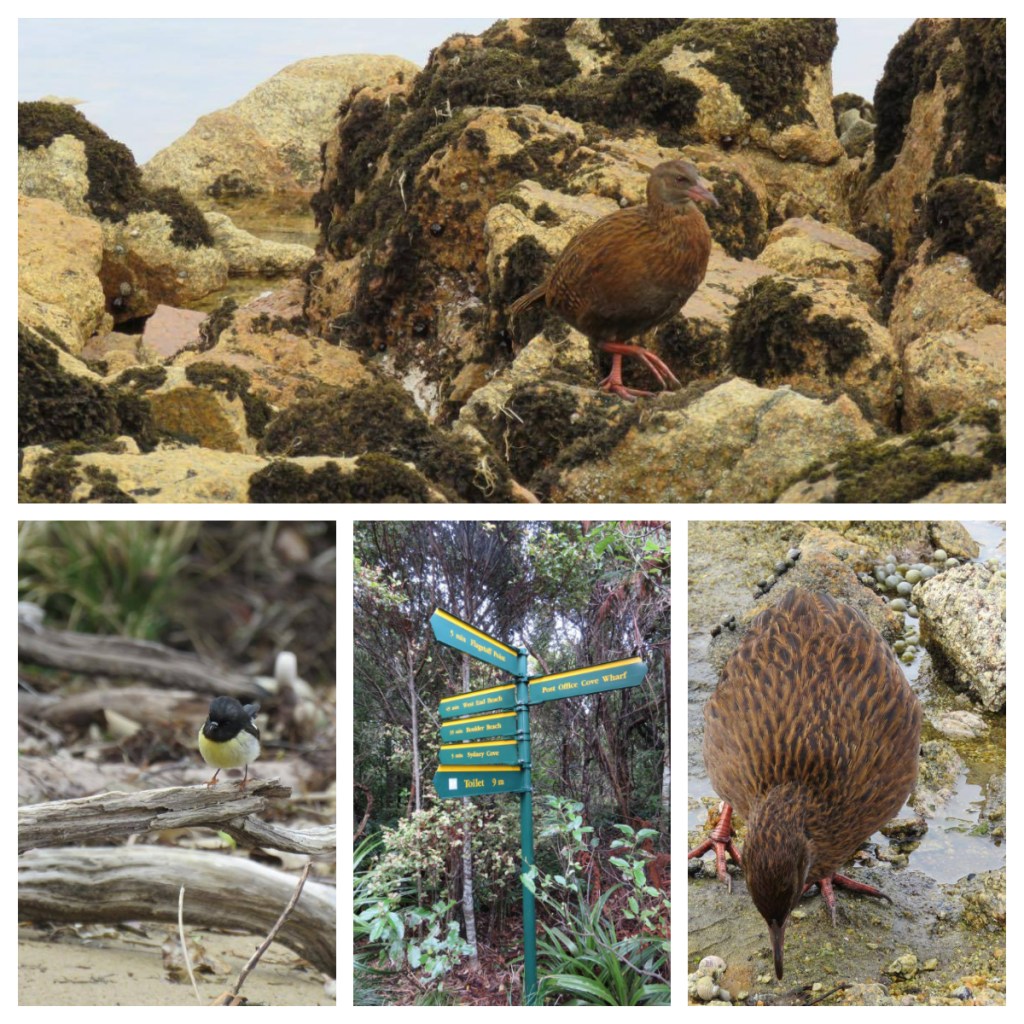
One of tracks took us out on to Boulder Beach, where we watched Weka feeding on crabs (sometimes with a little assistance by lifting rocks to expose the crabs).  As typical with Wekas, they had little fear of us, and just carried on their own business.

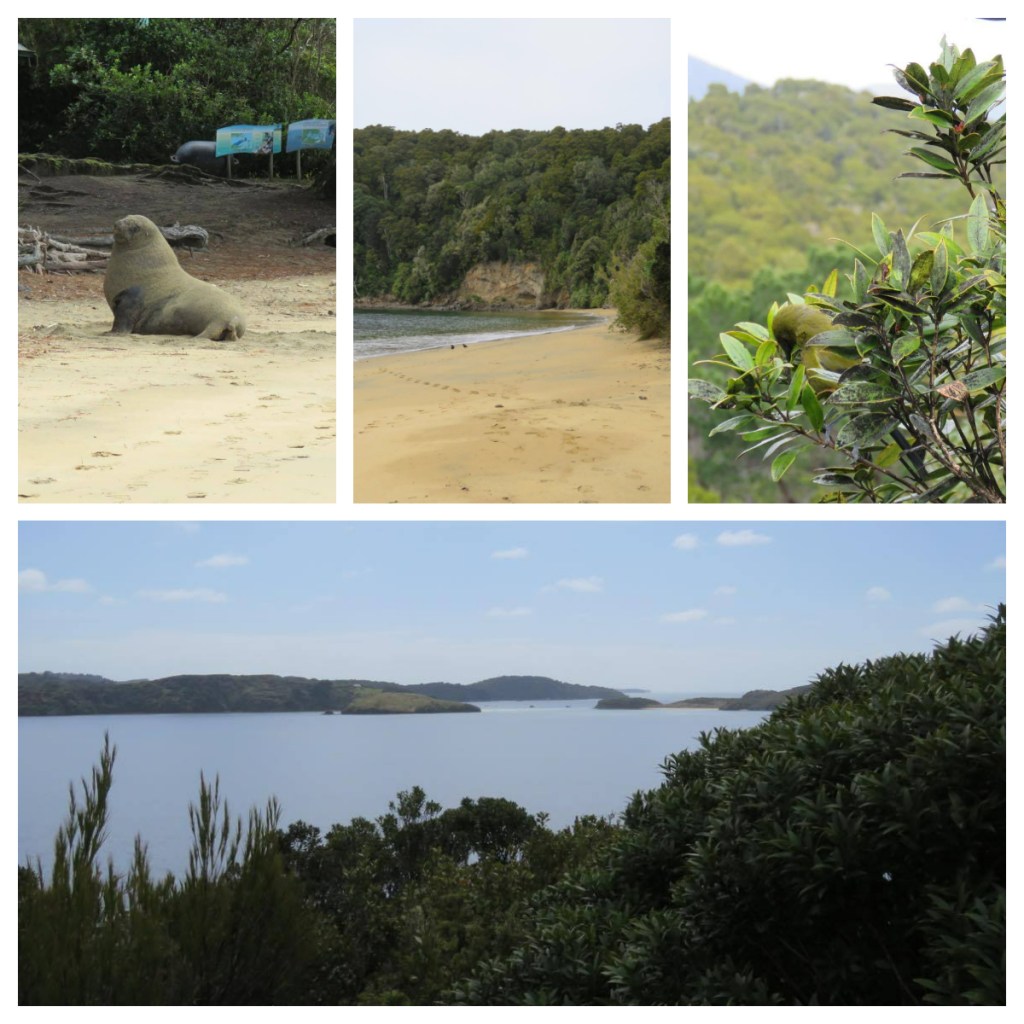
Further on we came to Sydney Cove, a stunning tropical looking beach of golden sand and turquoise water.   Here we were greeted by a huge sea lion, who had just hauled himself up the beach.  He was the biggest I had seen and even the biggest Leah (our guide had seen) so we had to be careful to get past him.  The rule is to never cross between a sea lion and the sea, effectively cutting off their escape route, however this guy left us no option, so we moved quickly and quietly around him. 

Our final stop on Ulva was at Flagstaff Point, not surprisingly, the point where Charles Traill use to raise his flag to advertise that the post had arrived.  Today it is a lovely lookout over Paterson Inlet. 

It was a wonderful morning spent on Ulva Island and we were so happy we had Leah to guide us around   – we would have missed out on so much had we gone on our own.

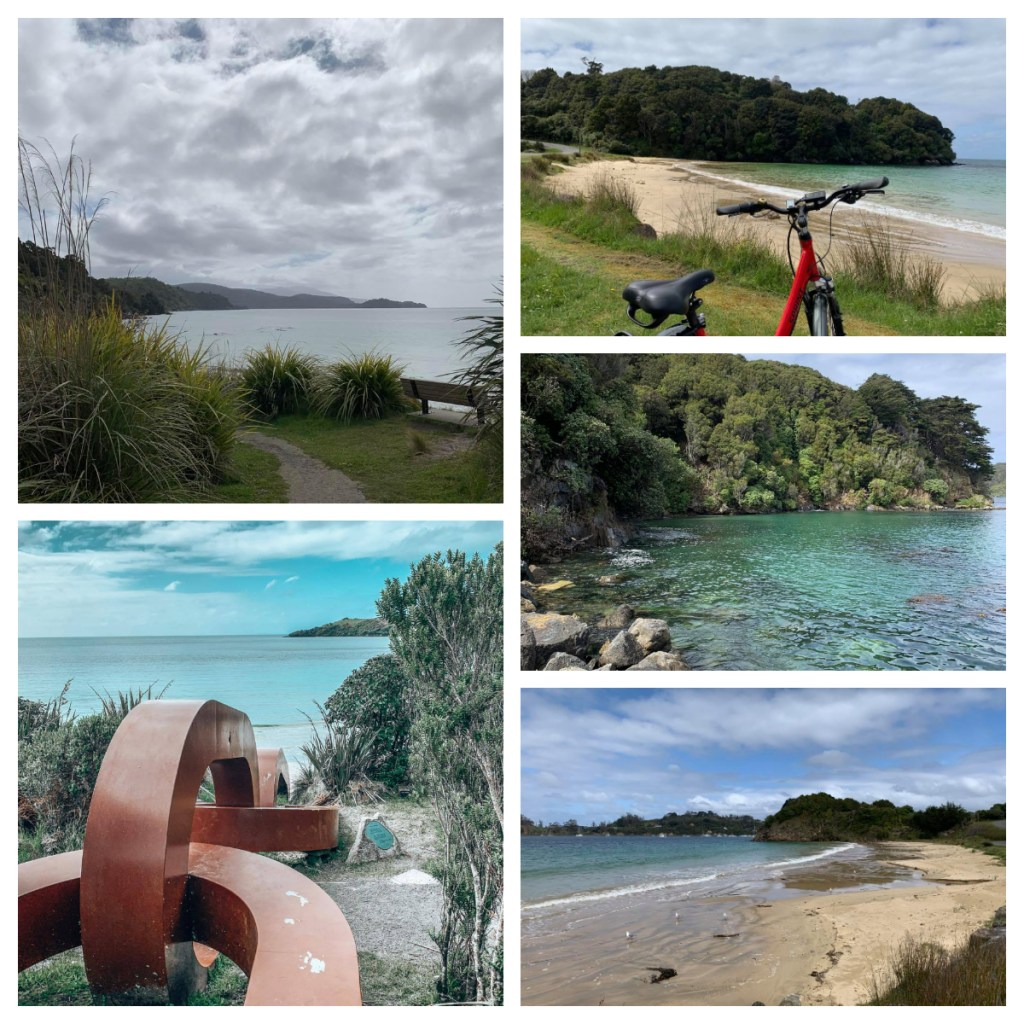
Back in Oban, we decided to hire a couple of e-bikes to explore a little further.  First, we headed one way out of town and at the end of road we found ourselves in Lee Bay, the starting point for the Rakiura Track (one of New Zealand’s Great Walks).  It is also the site of a huge chain that goes into the sea –Te Puka, the anchor stone.  As the Maori legend of creation has it, Maui (now of Moana fame) used Rakiura as an anchor for the great ancestral canoe (Te Waka o Aoraki – the South Island).  (FYI – the North Island is the fish he and his brothers caught.) 

As it turned out, we were actually not far from where we were kiwi spotting the night before and could see the predator proof fence as it went up from the sea.  It was so peaceful to just sit on a beach for a bit, taking in the sun and listening to the bird song. 

Back on the bikes and we head back through town, out the other side and along to the end of the bay to visit Ackers Stone House.  Lewis Ackers was an American whaler who settled on the island in 1836, before Oban was established.  He built the house himself to house his Maori wife and their 9 children.  Apparently, they had bunk beds stacked 5 high to sleep everyone in the small house!  They certainly had an amazing view (on a nice day)!

We zoomed back into town using the throttle and hardly pedaling at all – it was my first time on an e-bike, and I do not think it will be my last lol.

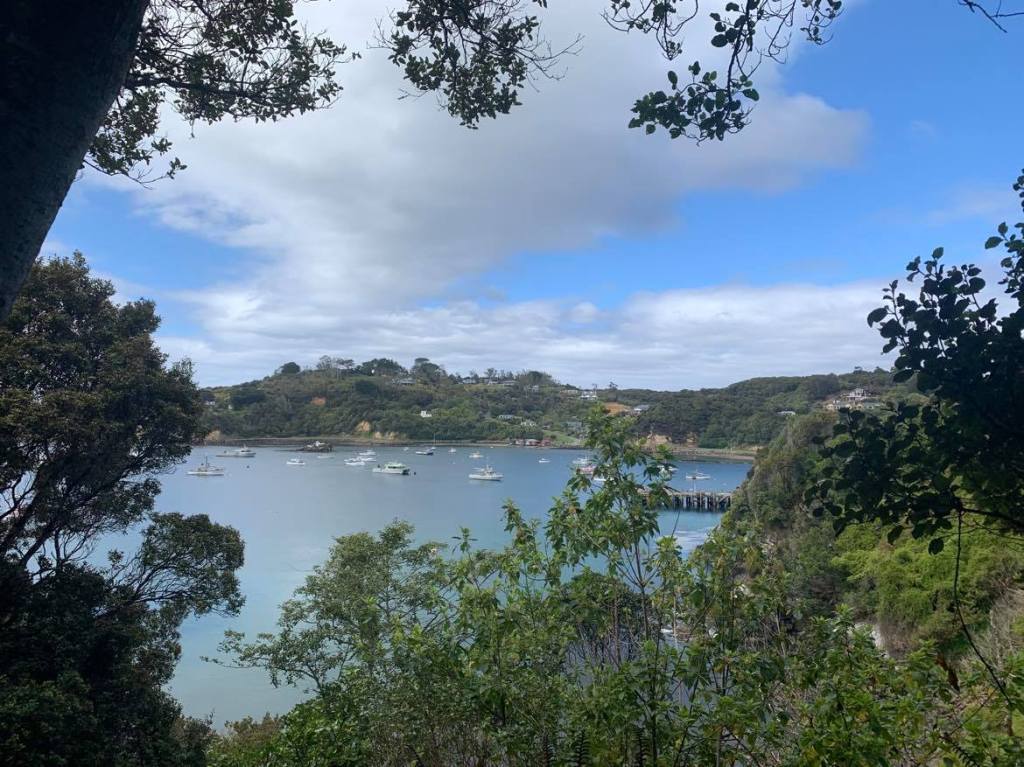
For our final morning, we had thought about doing another walk but decided just to relax.  After dropping off our bags at the plane ‘depot’ (a small office in town), we wandered around the shops (all 3 of them lol).   We walked up the hill by the church and over the small headland to a view over bathing beach -it was a beautiful golden beach though you must have to be careful not to be caught at high tide!!

Back to town and we went back to the DoC office to watch some of the videos about the island history that they play on loop until it was ready to board our flight back to the mainland.

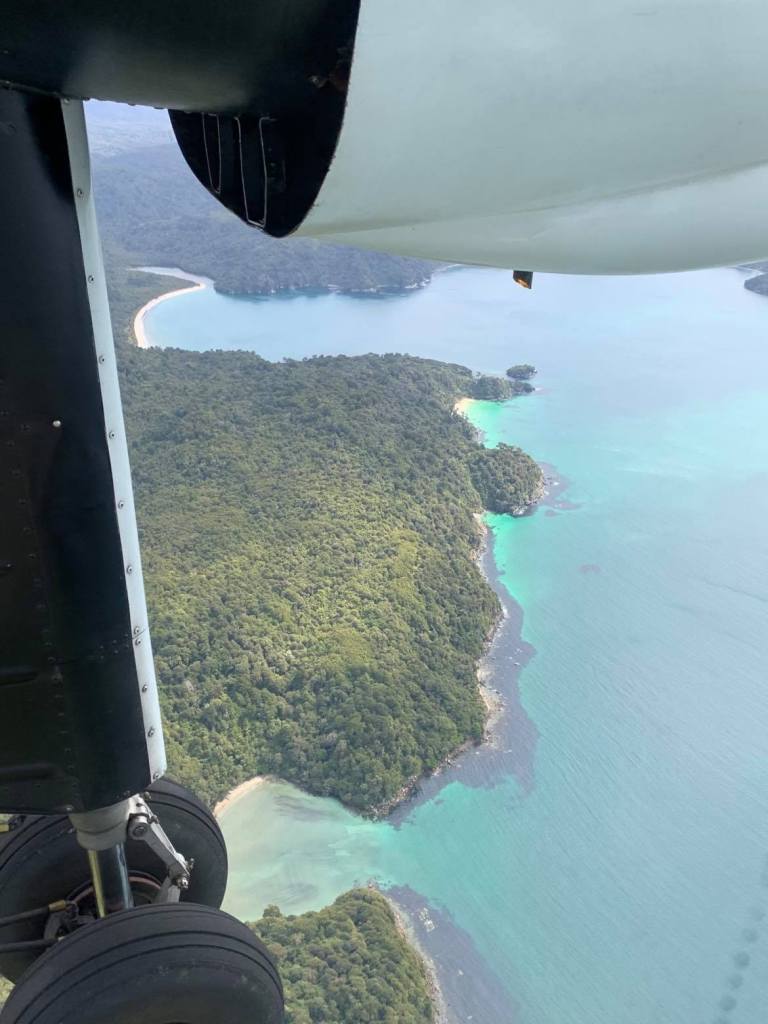
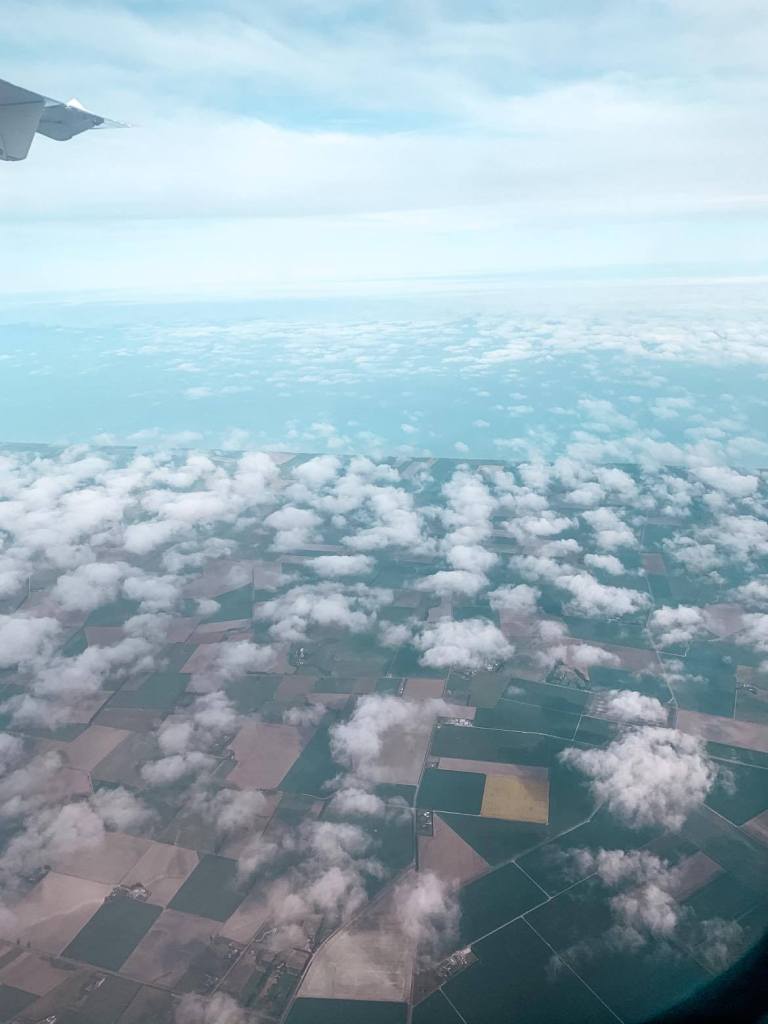
What a wonderful place Rakiura/Stewart Island is.  Oddly, it is somewhere they New Zealanders don’t tend to go, and the vast majority of their visitors are passengers on cruise ships.  Of course, 2020 changed all that and they are one of the few places in New Zealand that have managed to sustain their tourism industry with New Zealanders who are exploring home more rather than going overseas. Even the flight in and out is worth the visit.

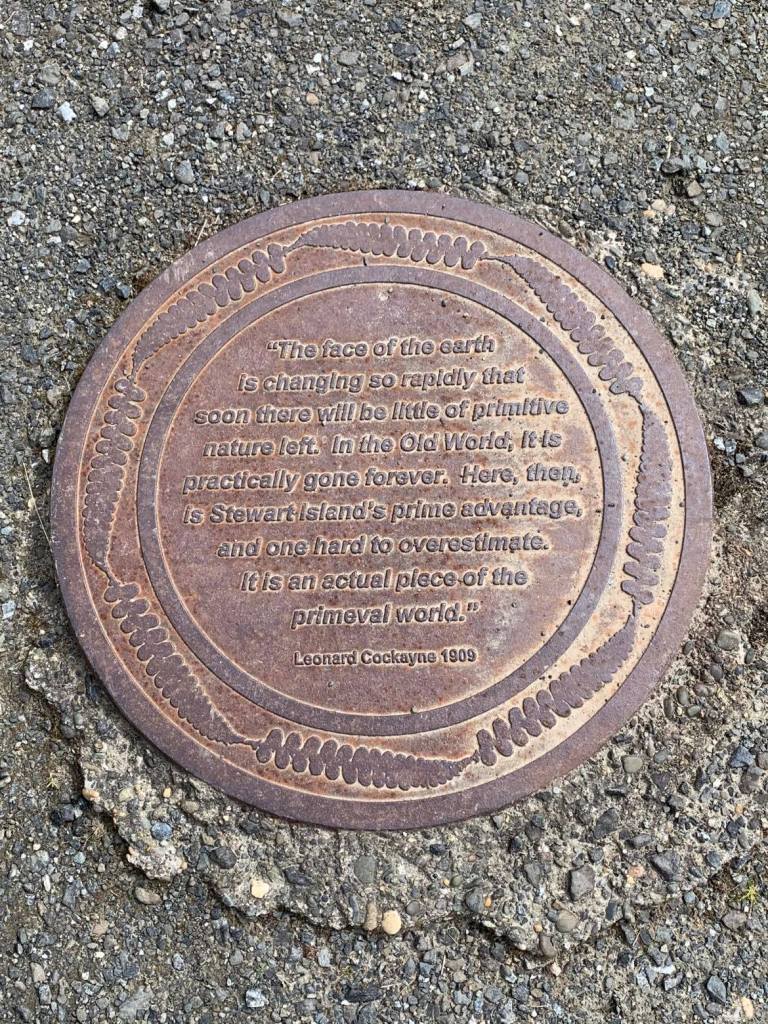
I will leave you with a quote from Leonard Cockayne (considered New Zealand’s greatest botanist and a founder of modern science in New Zealand) in 1909 “The face of the earth is changing so rapidly that soon there will be little of primitive nature left.  In the Old World, it is practically gone forever.  Here, there is Stewart Island’s prime advantage, and one hard to overestimate.  It is an actual piece of the primeval world.”  He was not wrong!