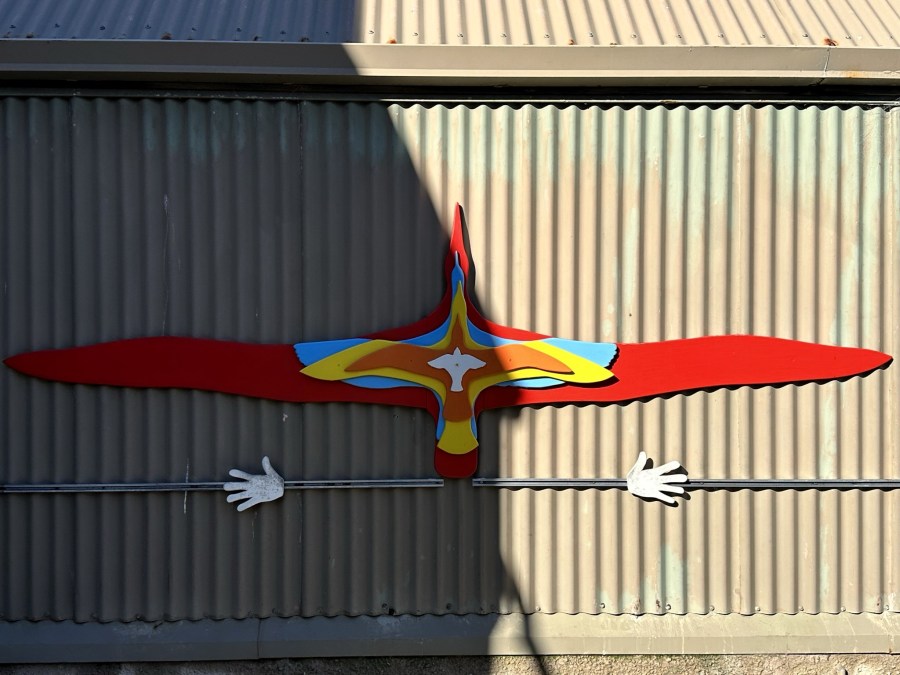
Otago Peninsula, May 2023
I have been somewhat absent over the last few months … lots of excuses but let’s not go there lol. So, this is bit of a throw back to May 2023 when I joined my friend Harriet on a wonderful weekend exploring the Otago Peninsula. I am not sure many people realise what a special place this area is, and most of the amazing wildlife experiences are just a short drive from the city of Dunedin.
Given this was a wildlife weekend, we had decided to stay in the small seaside town of Brighton, just a 10-15 drive from the city. We had a beautiful Airbnb with a view of the river, just a few minutes’ walk from the beach. With this beauty and isolation comes no wifi, no TV and even no phone reception in the house! 😱. No really stress though, we lit the fire and cracked open a bottle of wine.
Harriet and I are both early risers, so we were up early on our first morning and headed out on a lovely walk down to see the sunrise. Unfortunately, there was cloud along the horizon so no real sunrise (and it did not help that there was another peninsular in the way to see it even if it was clear). To make up for that, there was also a huge full moon still on its down – it was a lovely way to start the day.
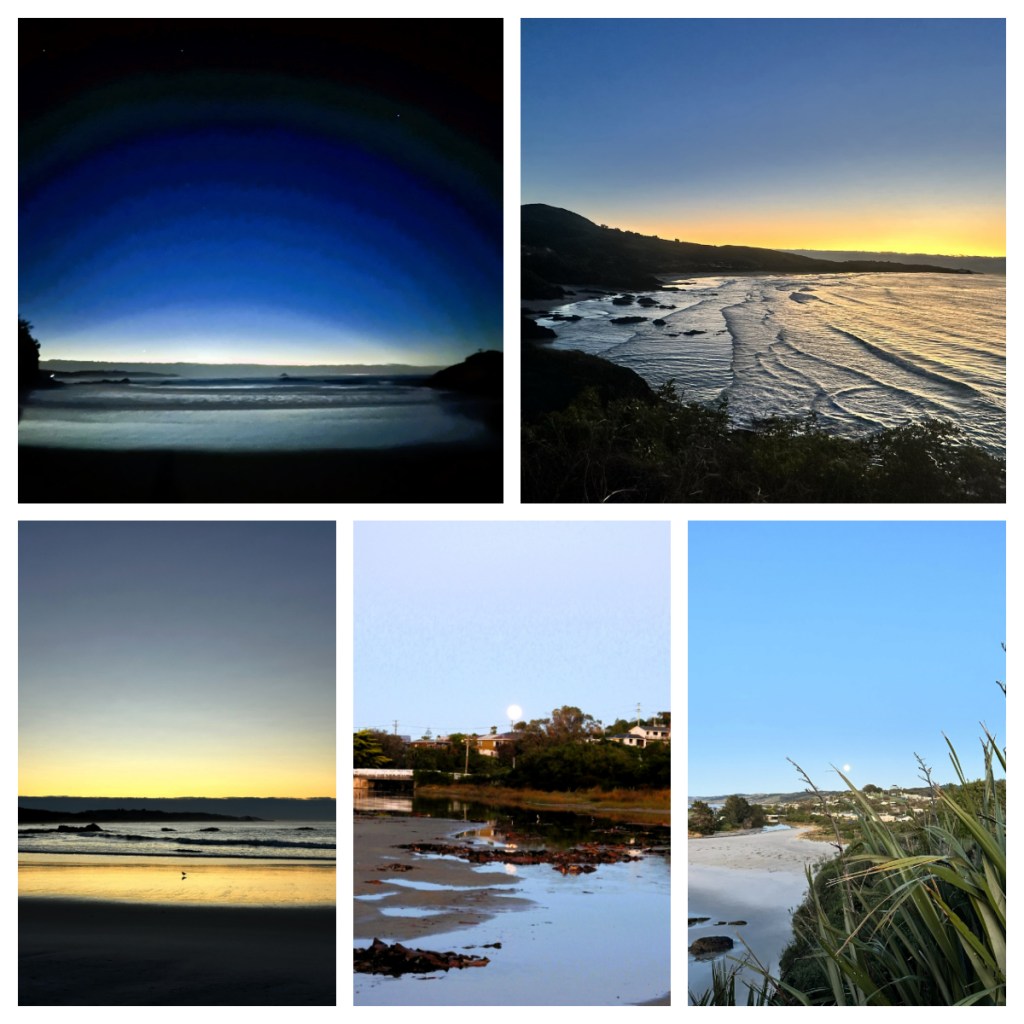
On the way back to the house, we picked up a coffee and breakfast from the cute Brighton Beach Cafe before returning home to enjoy on our veranda watching the bellbirds and tui in the garden.
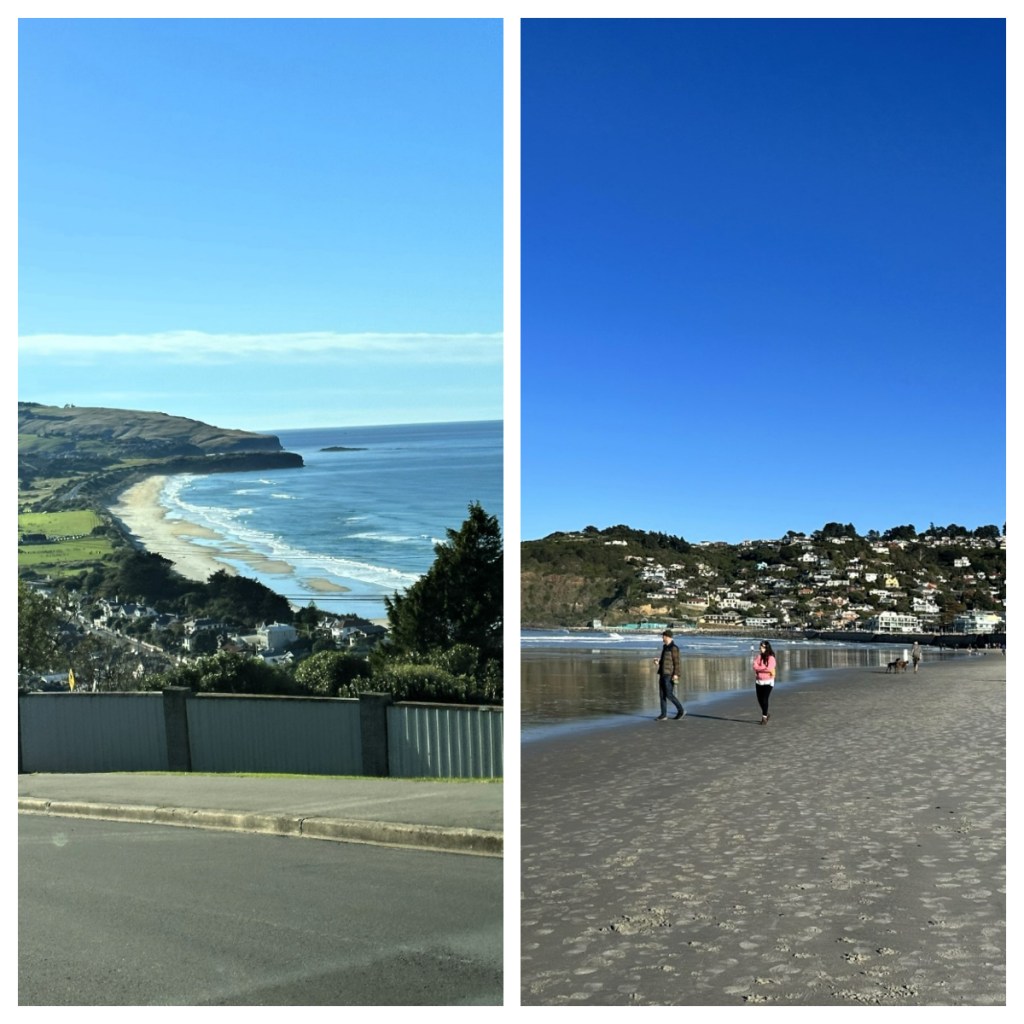
Ready for an exciting day, our first stop was in the lovely seaside suburb of St Clair where we enjoyed another coffee and another beach walk before the beautiful drive around the peninsula to Taiaroa Head and the Royal Albatross Centre. (A should note, the whole area is full of the beautiful beaches!)
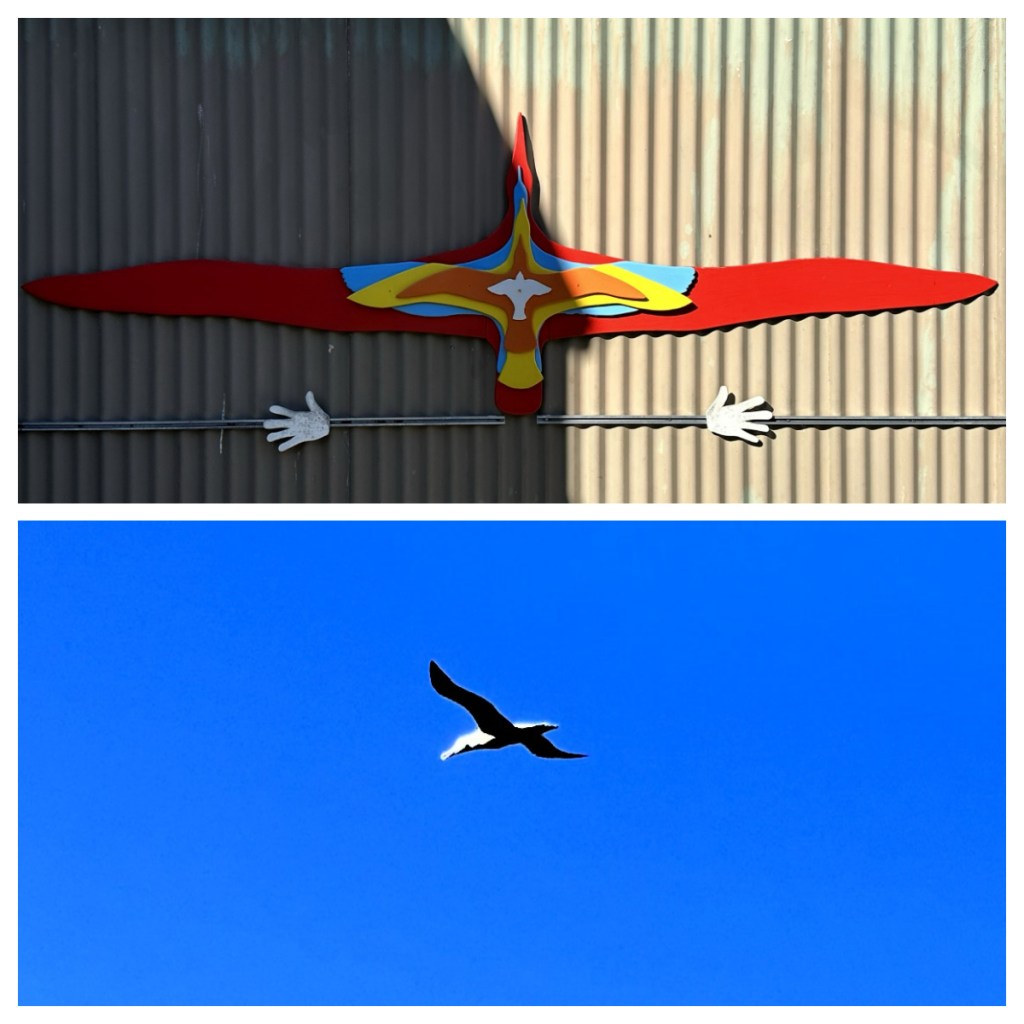
Taiaroa Head is one of only two mainland breeding colonies of the Northern Royal Albatross in the world and the Royal Albatross Centre does a great job of walking you through the story of these magnificent bird and their conservation efforts to ensure the future of the species.
From the main information centre, it is a short walk up to the Observatory where you get a ‘birds’ eye’ view (pun intended) of the birds. At this time of year, we were lucky enough to see 7-8 fluffy chunky chicks, approximately 3 months old and already 10kg!! These chicks will be here till around September when they fledge and set off on their 5 years OE (overseas experience) by which time they are ready to look for mate and settle down back on Taiaroa Heads during the breeding season.
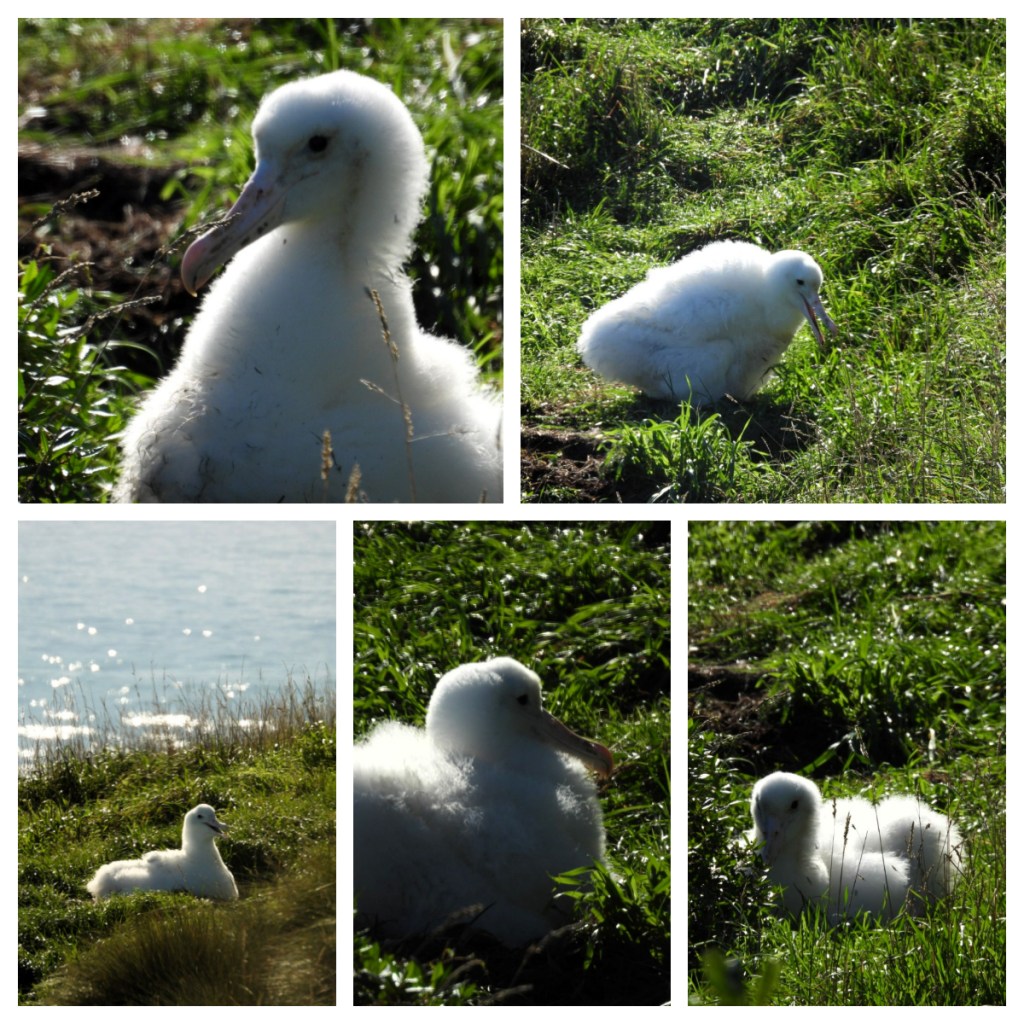
These Albatross mate for life, and after a number of years ‘dating’, at around 8-10 years old they only see each other once every two years for breeding and chick raising. To ensure their breeding success, the staff at the centre remove the eggs when laid and replace them with dummy eggs. They then hatch the chicks in an incubator before replacing the hatched chick back in the nest when it is dry and stable. Apparently, the parents don’t seem to notice, or perhaps they don’t mind??
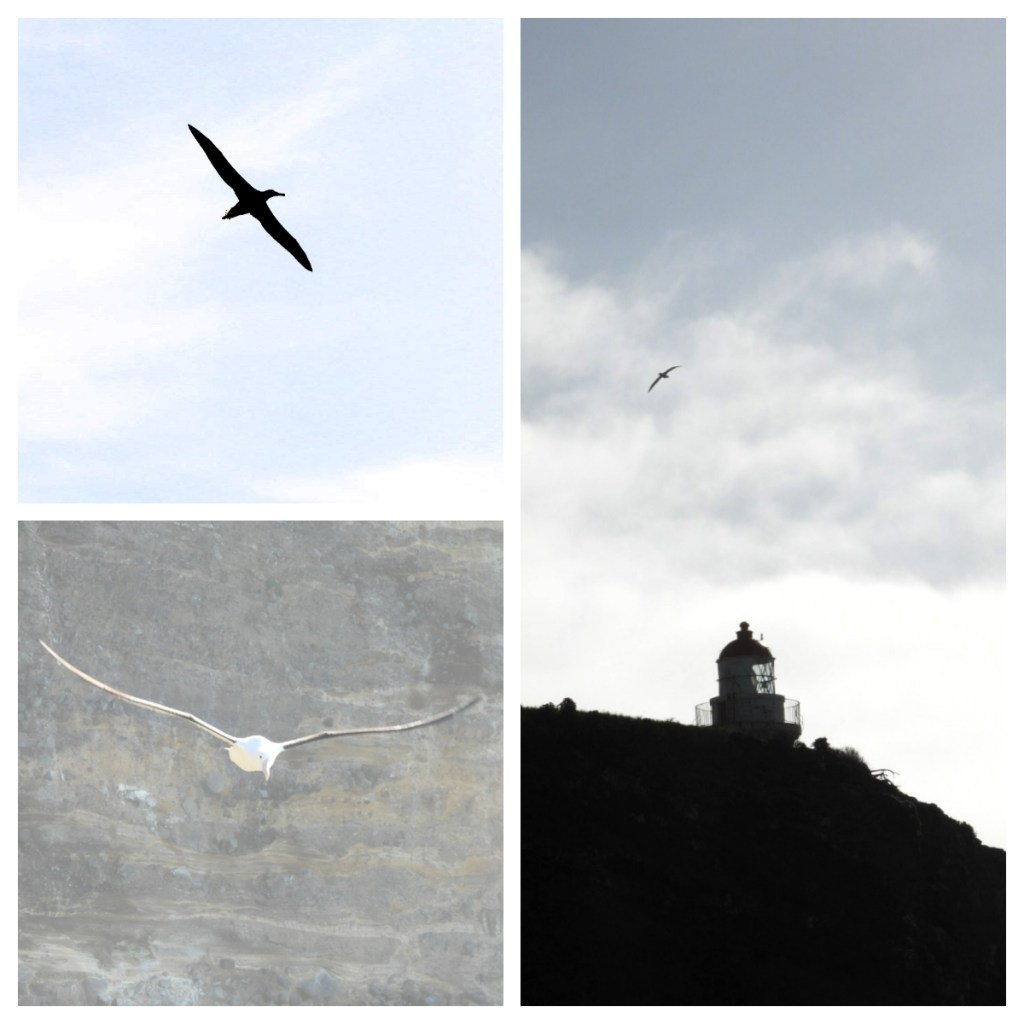
We were also lucky enough to see one adult out at sea, soaring in the wind currents on its 3m wingspan
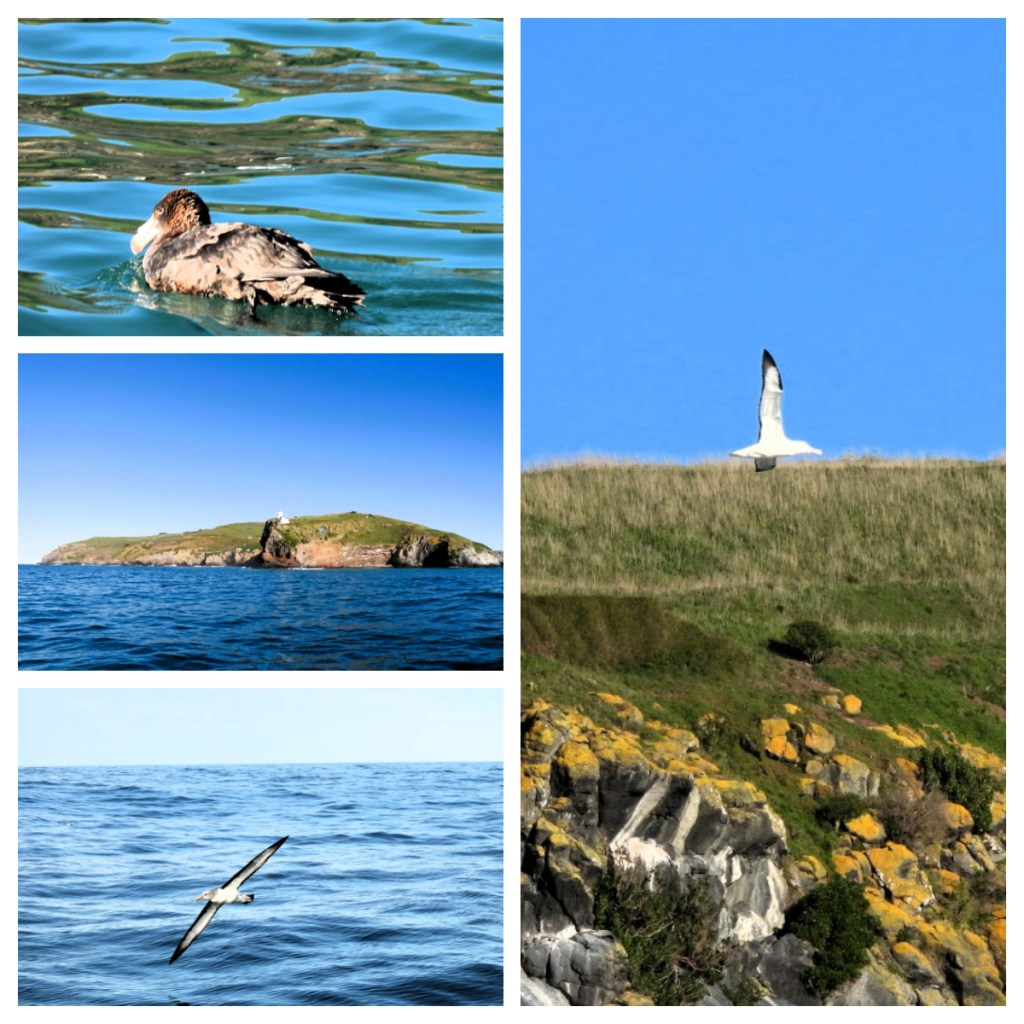
From the Royal Albatross Centre, we travelled a short distance back towards town, to board the Monarch Wildlife Cruise. The boat followed along the harbour channel, enjoying the sites of the beautiful Aramoana Beach to our left and the World War II gun emplacement and bunkers along the coastline on our right. We continued out through the heads and out to open ocean, spotting wildlife on the way, including giant Petrels, Albatross (whose chicks we had just visited) and Otago shags. Also spotting the Taiaroa Head Light house, the first lighthouse built in the South Island in 1864.
The 2 metre swells out in the ocean made for some fun sailing and I must admit I was rather happy when we turned around and headed back to calmer seas.

Our final stop for the day was Penguin Place (we had purchased a “triple crown combo” that included all 3 sites). This is the home of the Yellow-Eyed Penguin Trust who focus on the conservation of the Yellow-Eyed penguin. Known as Hoiho (noise shouter) in Māori, they are endemic to New Zealand and are the rarest penguins in the world. Despite conservation efforts, the population is still in decline due to risk on land (where the penguins breed, nest and moult) and at sea where they feed.
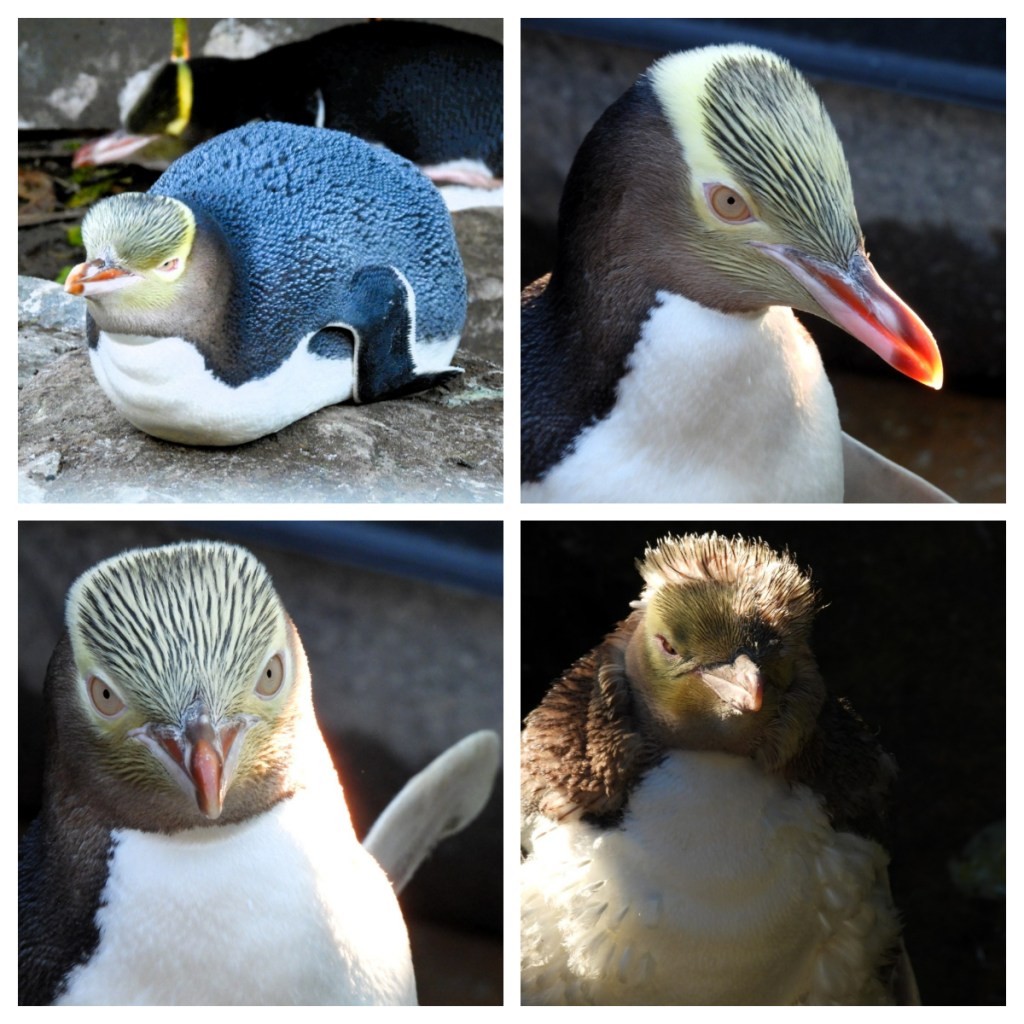
After a brief introduction to the penguins and the work of the trust, we visited the rehab centre where they were currently nursing 37 sick or injured birds back to health before they can be released back to the wild. It was a great opportunity to get a close up look at these rare beauties.
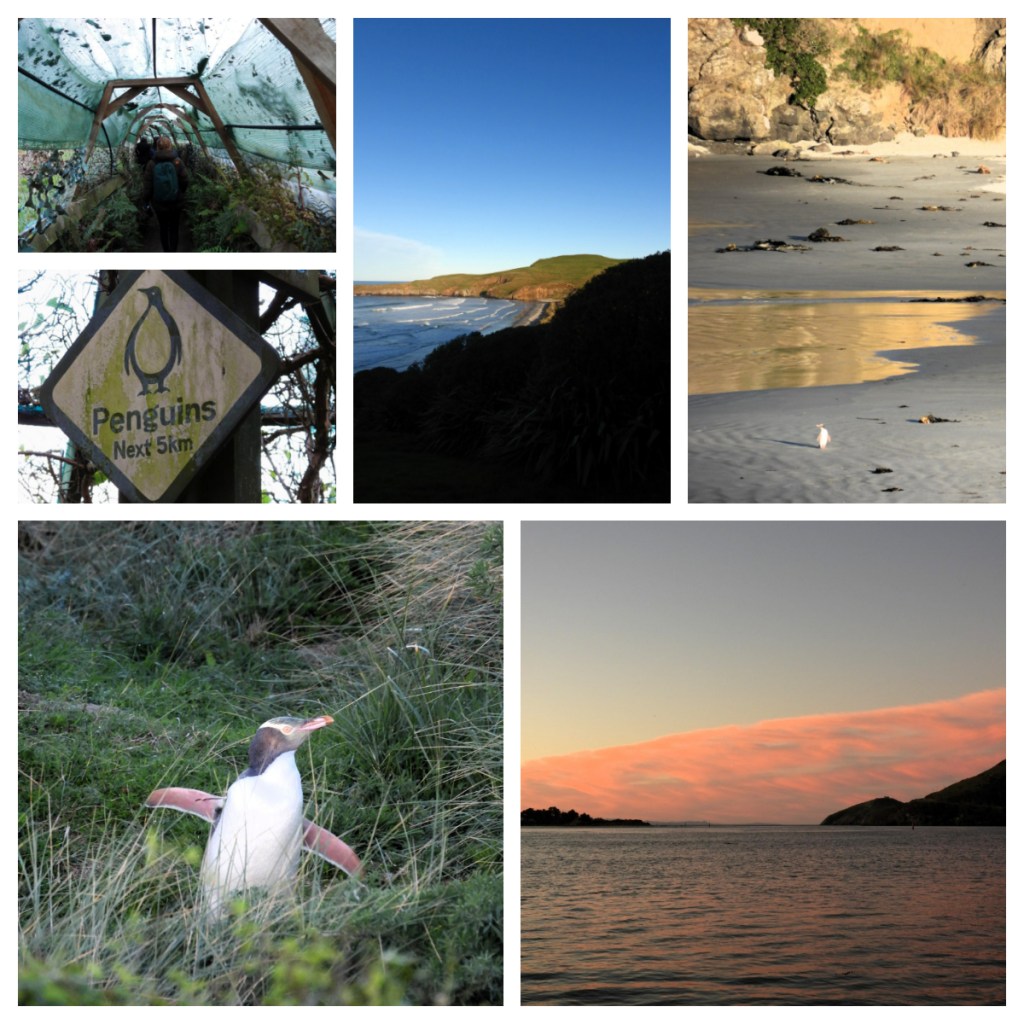
We then took a 5 minute bus right down to the reserve where we walked through the incredible trench systems down to the viewing hides in the hope that we would catch a penguin or two making their way from the sea to their nest. Unlike other penguin species, Hoiho are not particularly social so tend to come in one by one, rather than in ‘rafts’ like their other penguin cousins. We were lucky enough to see a couple come in, as well as a beautiful sunset.
The guided tours fund 100% of the conservation efforts here and it well worth a visit.
After a long but successful wildlife spotting day, we had an early night in anticipation of another day of wildlife wonders.
We were very excited to meet up with Rod, who was one of the naturalists on our Indonesia and Papua New Guinea trip last year and as he is an Otago Peninsula local, we had reached out to see if he was free to meet up. On Saturday, we had enjoyed a tourists view of the peninsula, and on Sunday we set off with Rod on a ‘locals’ tour 😂.
We started in a small private conservation area where Rod told us the story of the Jewelled Geckos and the antipoaching work being done. These patterned bright green geckos are rare, and have been the subject of illegal poaching, most from overseas poachers. Rod regaled us of crazy stories of the length’s poachers go to get these geckos, stories worthy of the CSI shows I love to watch! I had no idea.
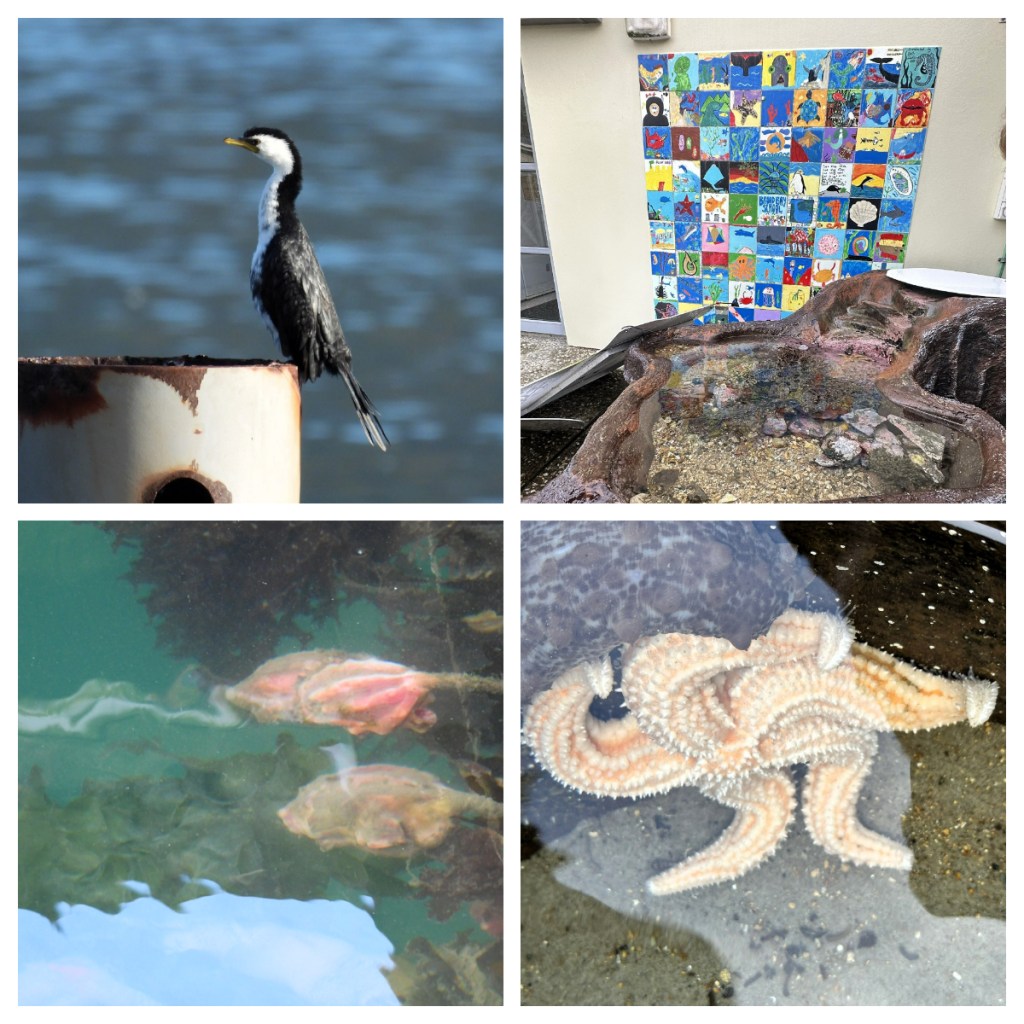
Next stop was the Otago University Portobello Marine lab facilities. Apparently this is New Zealand’s oldest marine research facility and is still highly regarded for its facilities and the research that takes place. Unfortunately, we could not go inside, but it was interesting to see all the tanks etc set up outside and the beautiful views from it’s wharf as Rod pointed out the little shags resting near by and all the sea tulips we could see in the water.
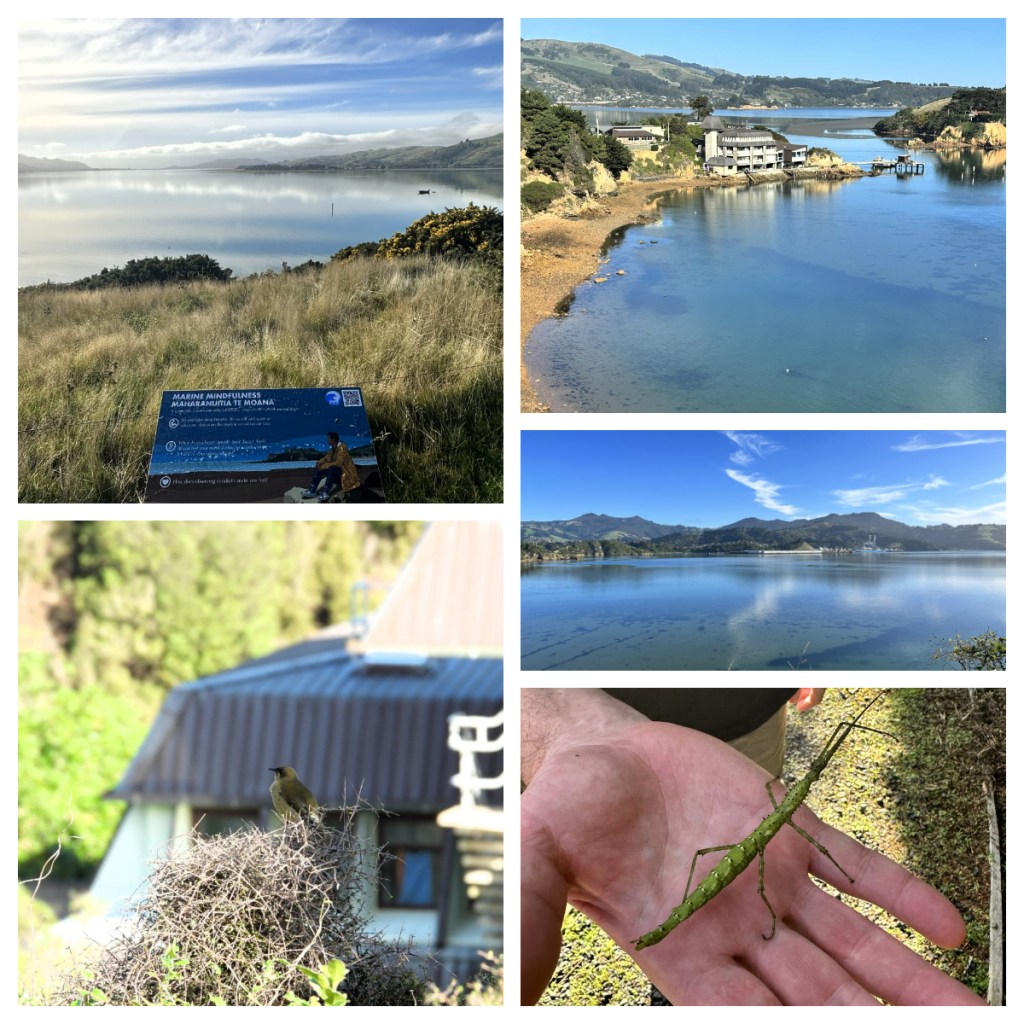
Right by the lab is the Portobello Peninsula Coastal bush, a lovely nature reserve that takes you out to the end of the Portobello peninsula. It had beautiful views and was teeming with life, much of which we would not have seen if we had not been with Rod, including a prickly stick insect and a native lowland grasshopper. The area also had some great new interpretive panels (created by a friend of Rod’s) that guides you to think about the nature around you.
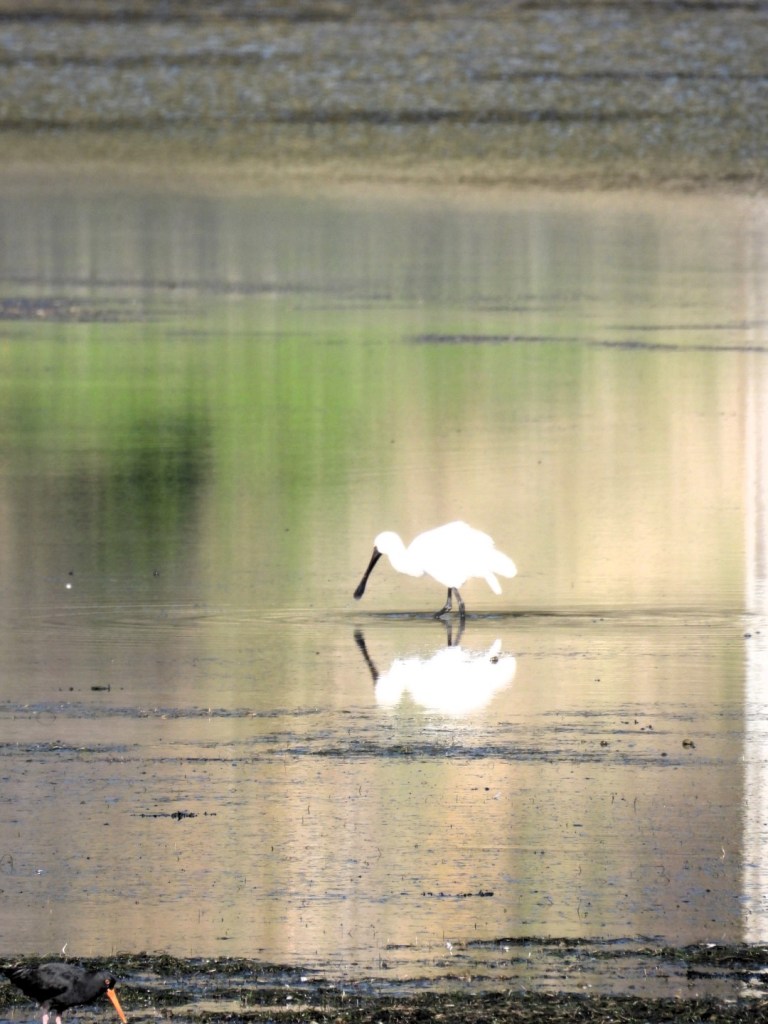
Back in the car, we followed the road that the skirts around the coastline (the tide was out now, and the wetlands were providing fruitful feeding grounds for a number of Royal Spoonbills). Our next stop as at the beautiful Ōtākou Māori Memorial Methodist Church. The current building (opened in 1941) replaces an original weatherboard church which was built on the same spot in 1865 which burnt down. Today, even the ‘carvings’ are set in concrete to protect it for the future.
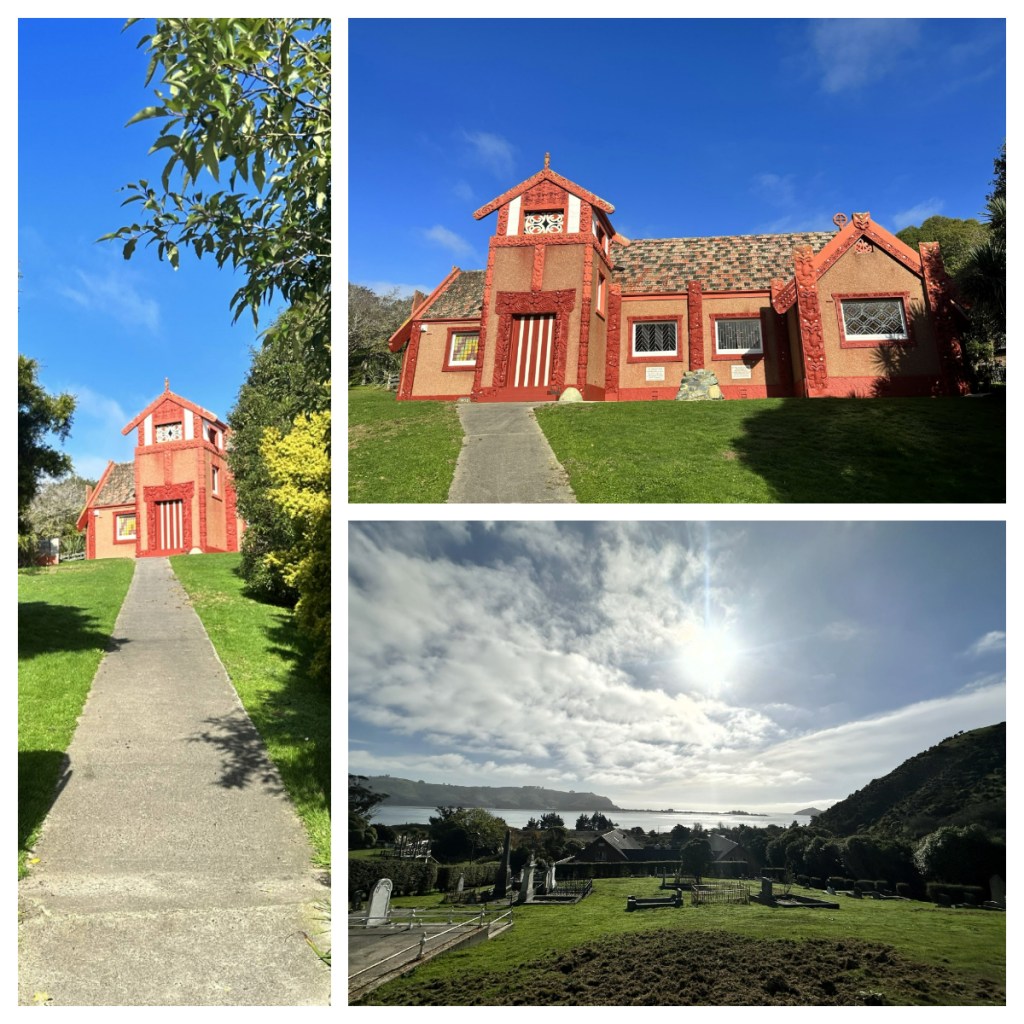
The nearby cemetery, which boosted a great view, is the resting place of all but one of the Chiefs who signed the Treaty of Waitangi and the Otago Deed of Sale. In fact, this was one of the earliest Māori settlements in the area and the name Otago, is an Anglicisation of Ōtākou.
From here we headed to the end of the peninsula at Taiaroa Head, where we had visited the albatross the day before. Today there were four Albatross soaring around the peninsula. It was amazing just to stand near one of the viewing arounds and watch them, sometimes running low right over our heads.
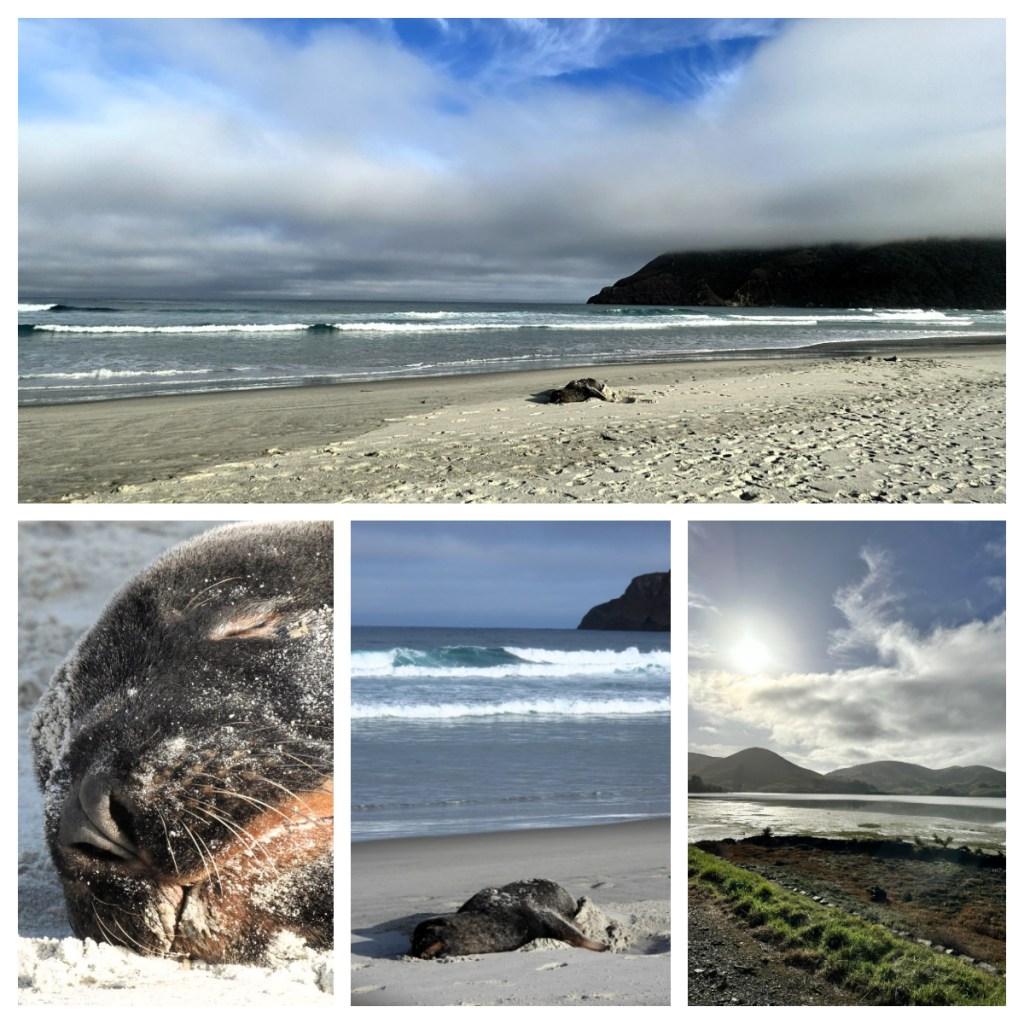
We crossed over to the other side of the peninsula for a somewhat wild beach walk (avoiding the large sea lion relaxing on the beach), before heading back up to hills – this time into the clouds of the Sandymount Recreation Reserve, through a creepy but very cool forest (really only creepy because of the cloud) and out to what is apparently a lovely view – of course we could see nothing lol.
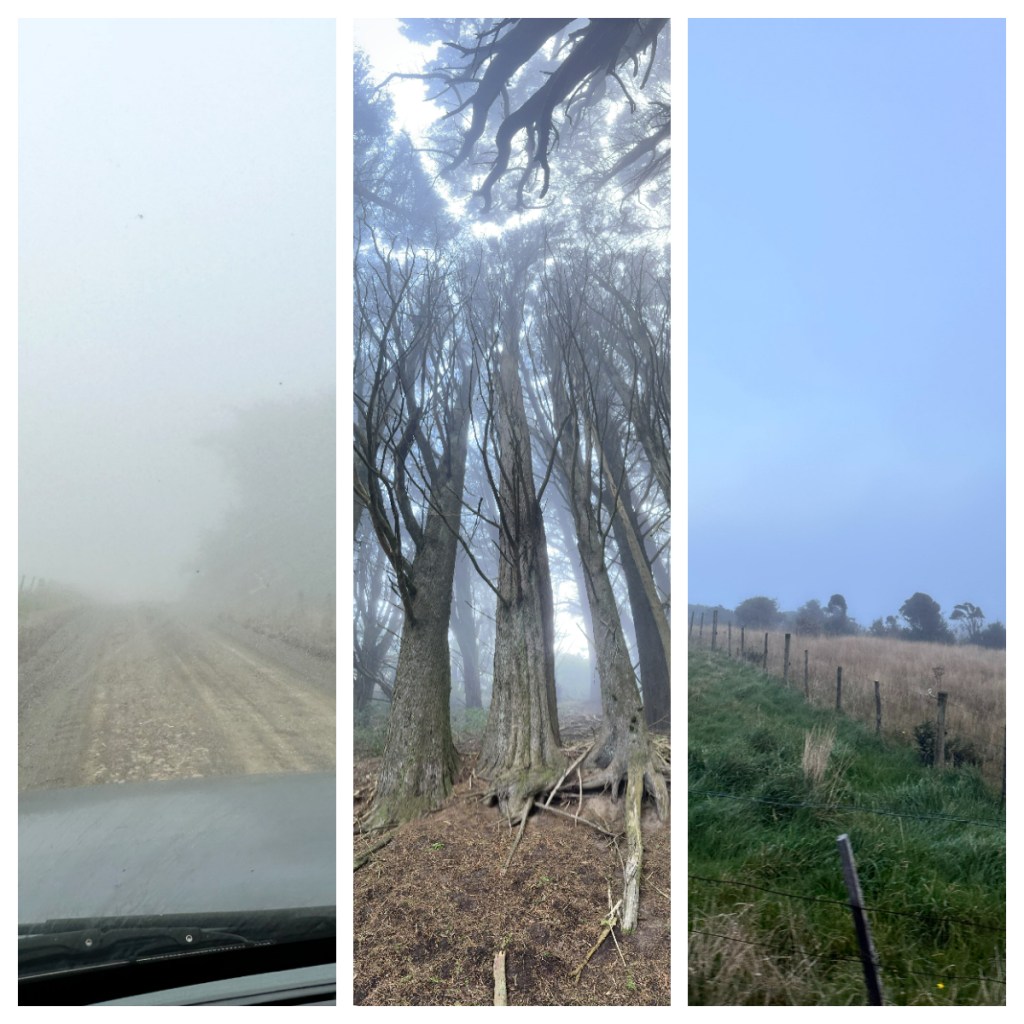
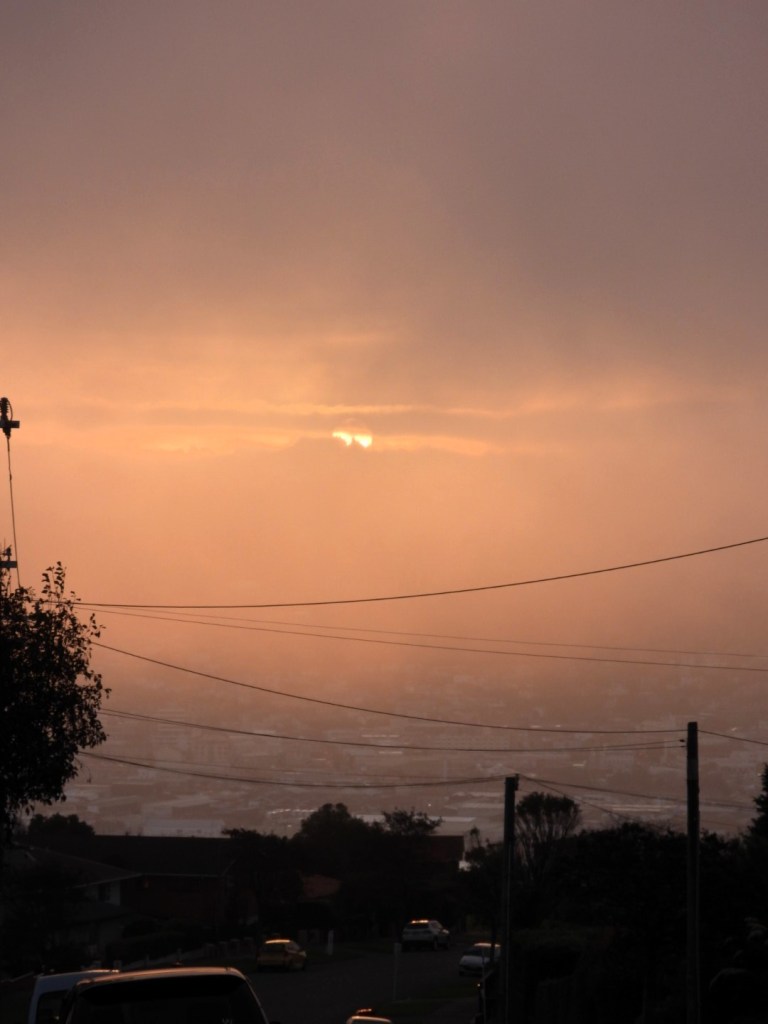
Our brilliant day out ended with an incredible golden sunset as soon as we got out of the mist. We were so lucky to be able to spend the day with Rod and we were grateful for the knowledge and enthusiasm he has for his home and that he shared with us.
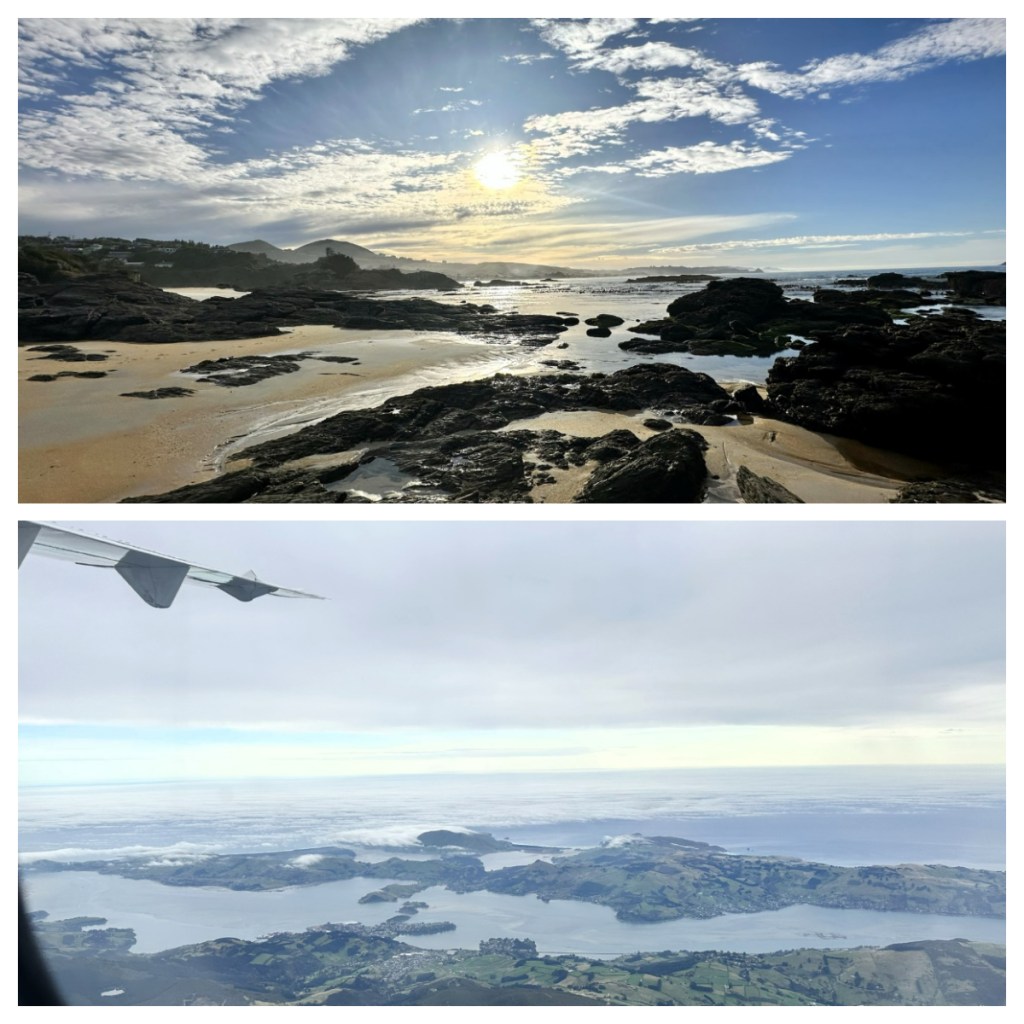
Our final morning found us back down at Brighton Beach where we explored the rock pools around the coastline before heading to the airport for a final view of the peninsula from the plane home.
What a fabulous weekend full of wildlife. Dunedin is definitely a city with lots of hidden gems (and some less hidden) and stunning wild beaches if you are willing to search them out.
 Cockneykiwi takes flight